

Discover the places that will welcome the race.
Bari, where the sea meets a thousand years of history
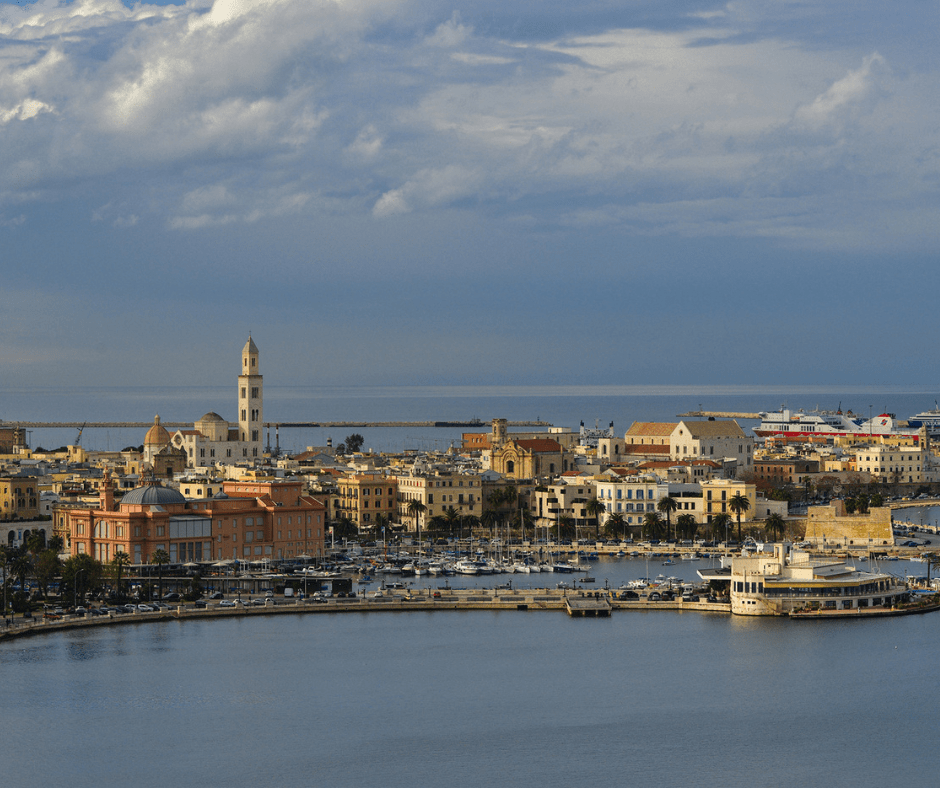
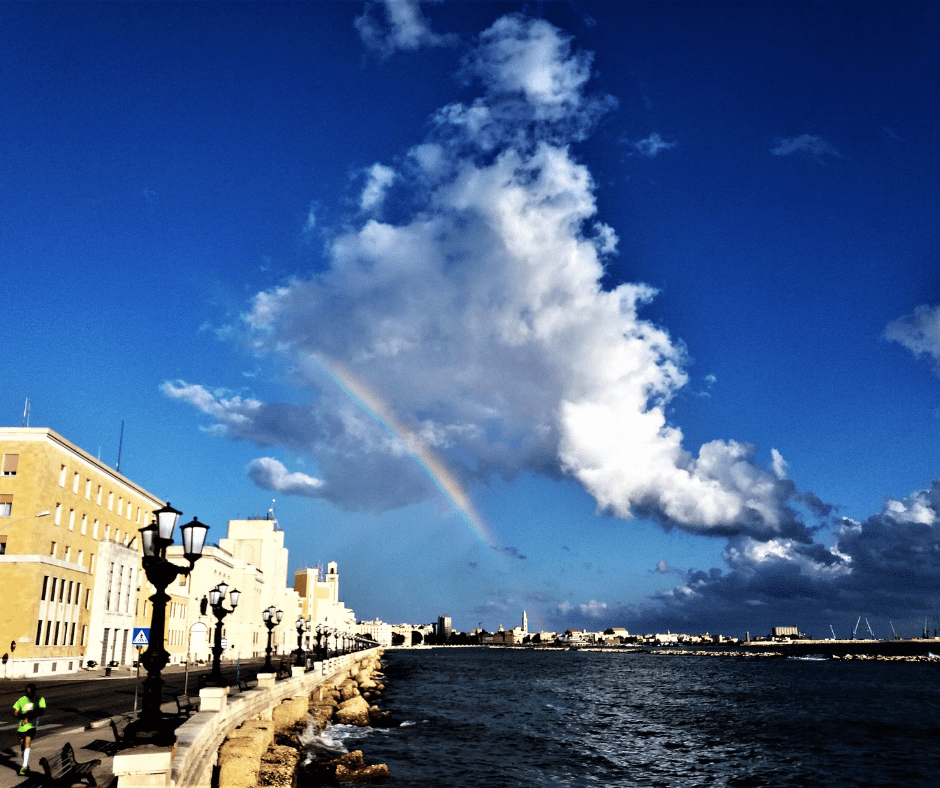
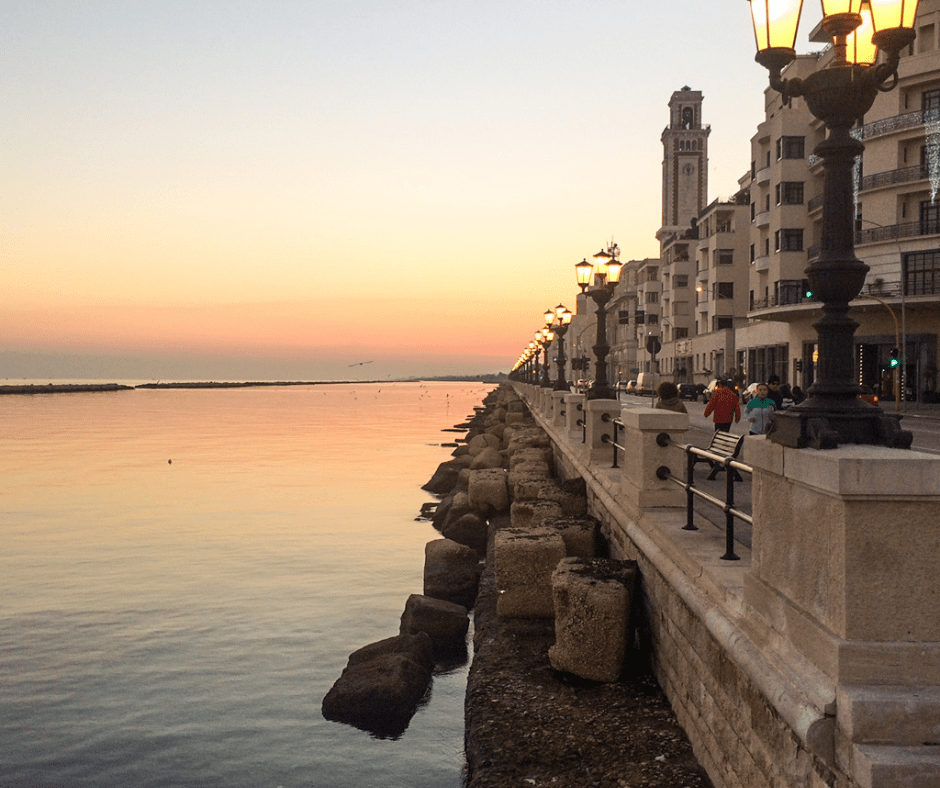
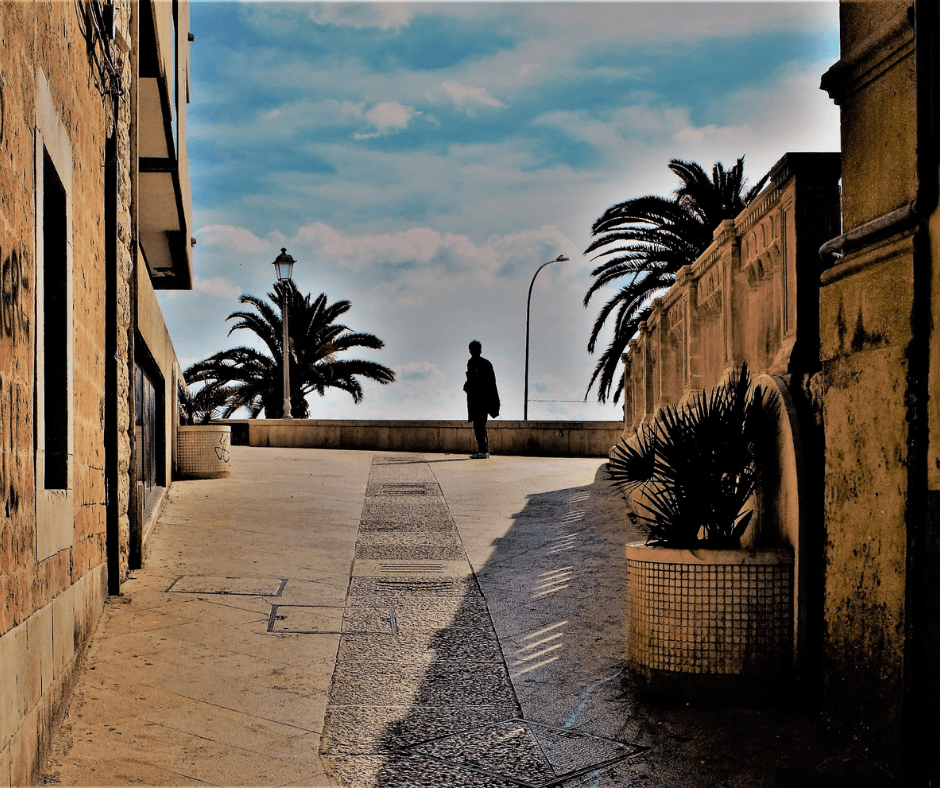
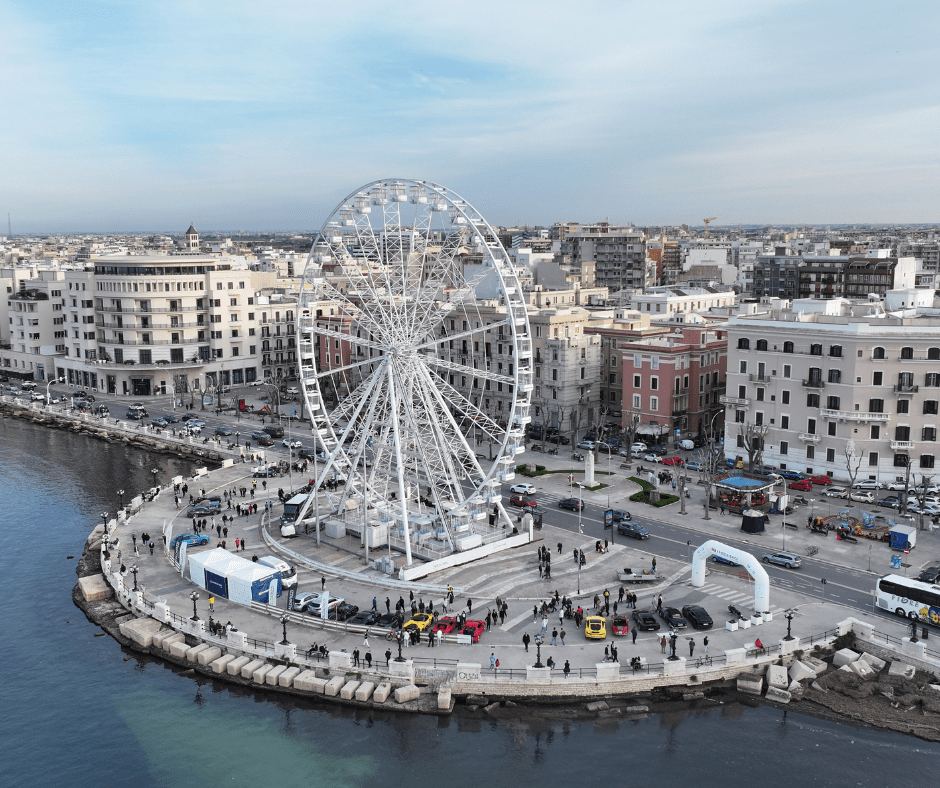
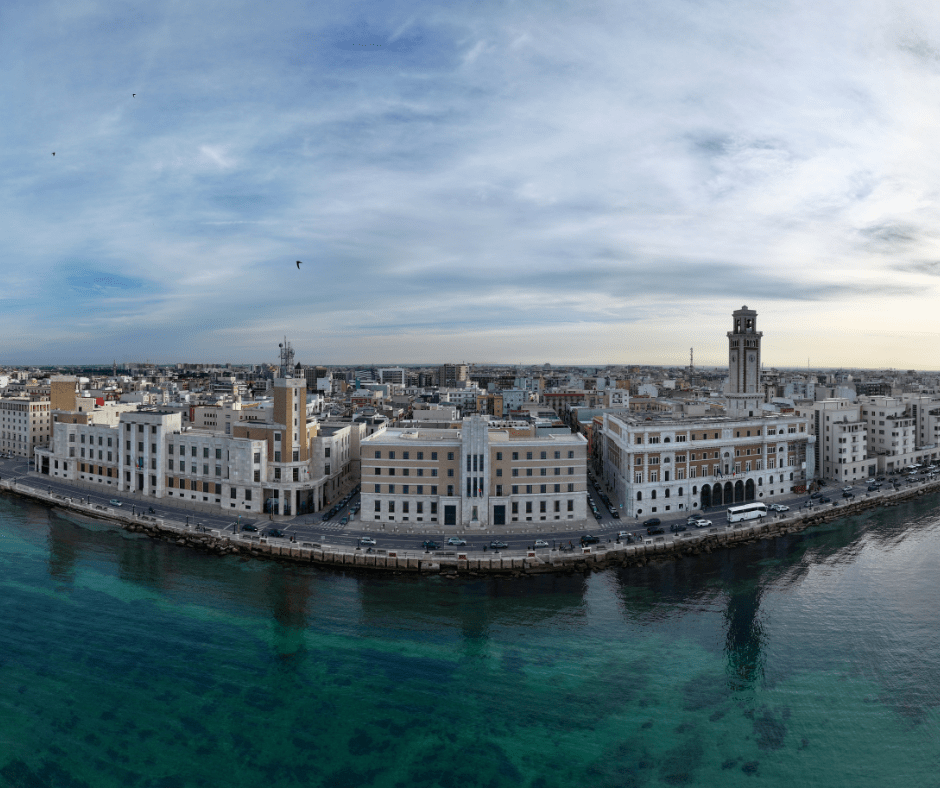
Bari, the capital of Apulia and a gateway to the East, exists in a symbiotic relationship with the Adriatic Sea, which surrounds three-quarters of the city. The city has two distinct faces: the elegant 19th-century Murat district, with its Petruzzelli and Piccinni theatres, and the mesmerising Bari Vecchia. In this labyrinth of narrow streets, amidst the aroma of focaccia and orecchiette being prepared outside the doorways of Via Arco Basso, one breathes an atmosphere suspended in time, dominated by the Norman-Swabian Castle commissioned by Frederick II.
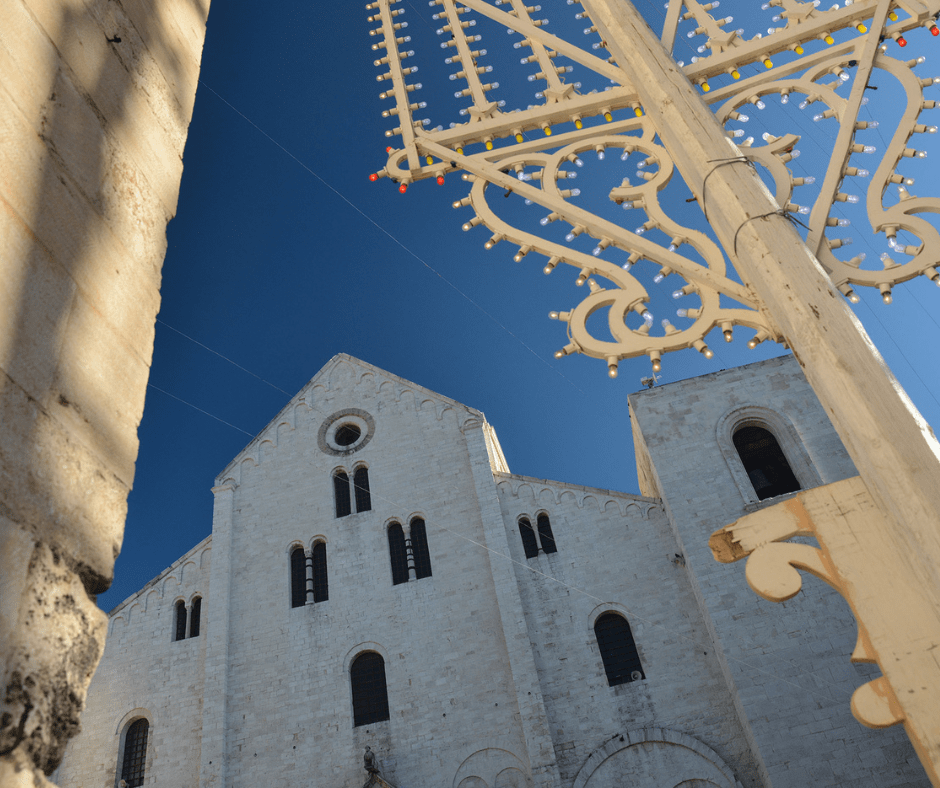
The centre of spirituality is the Cittadella Nicolaiana with the Basilica of Saint Nicholas, patron saint of the city and known throughout the world as Santa Claus. A bridge between Catholics and Orthodox Christians, Bari is an international pilgrimage destination, yet it also reveals treasures underground, amongst hypogea and rock-cut churches. Alongside its religious devotion, the city boasts a lively university and social scene: the historic centre buzzes until late at night between Piazza Ferrarese and Piazza Mercantile, whilst the bars along the sea walls bring Italy’s longest seafront to life with live music and food and wine events.
For the people of Bari, the sea means Pane e Pomodoro beach, or raw fish eaten as street food, alongside the traditional “tiella” of rice, potatoes and mussels. Between the celebrations of Saint Nicholas and the contemporary nightlife, Bari remains a key hub of communication and culture in the heart of the Mediterranean.
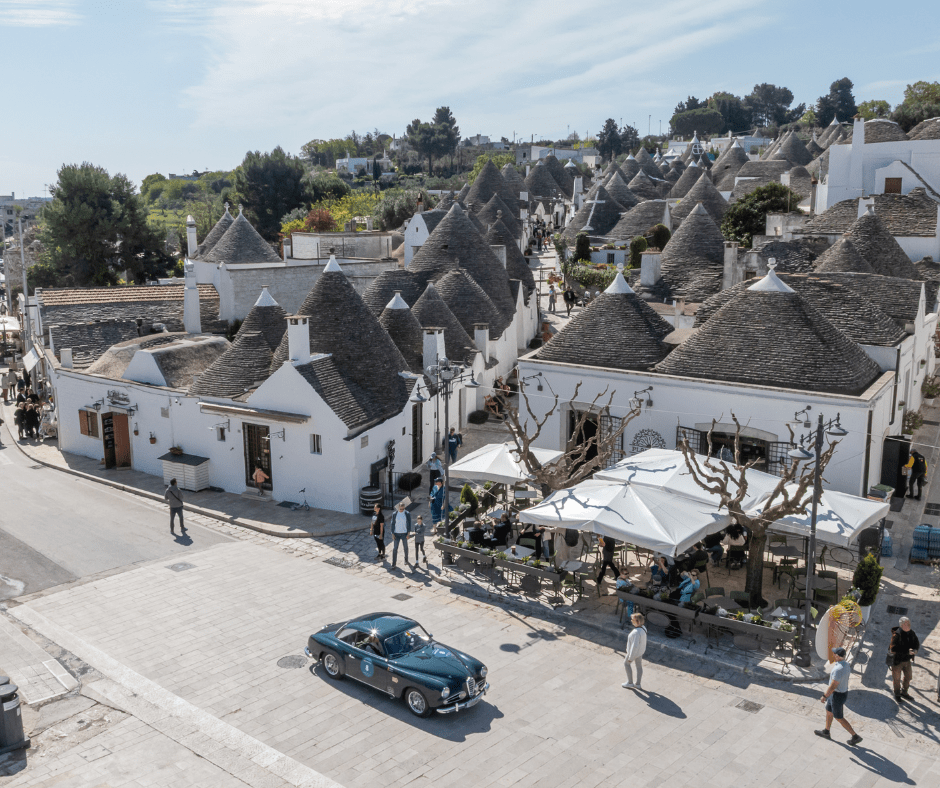
Alberobello, the Town of the Trulli
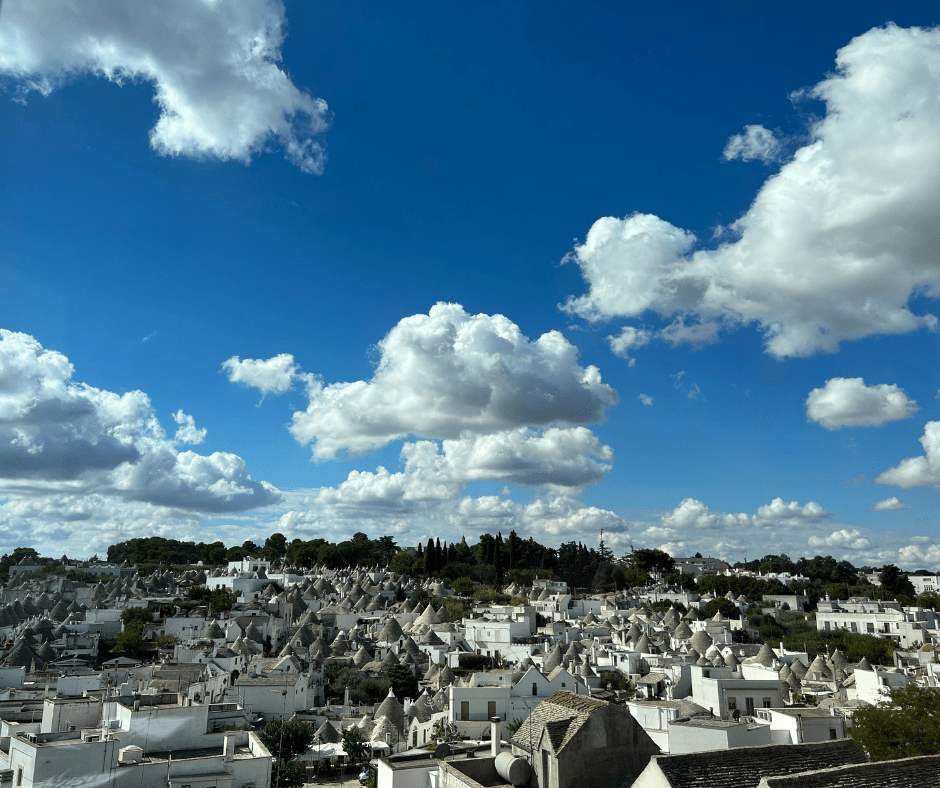
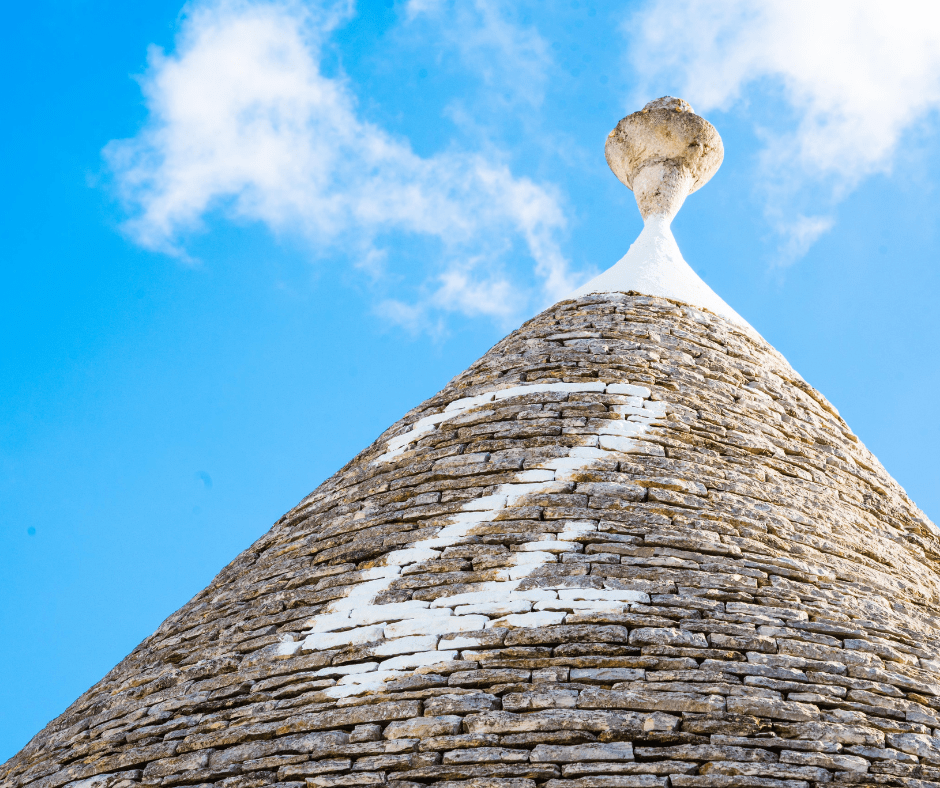
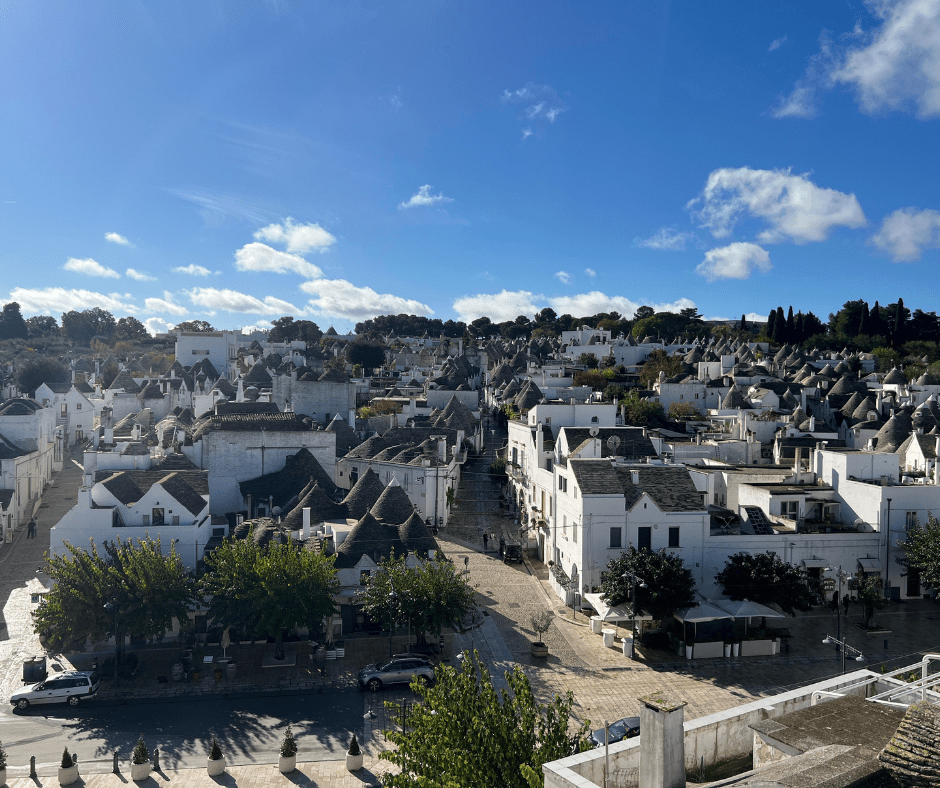
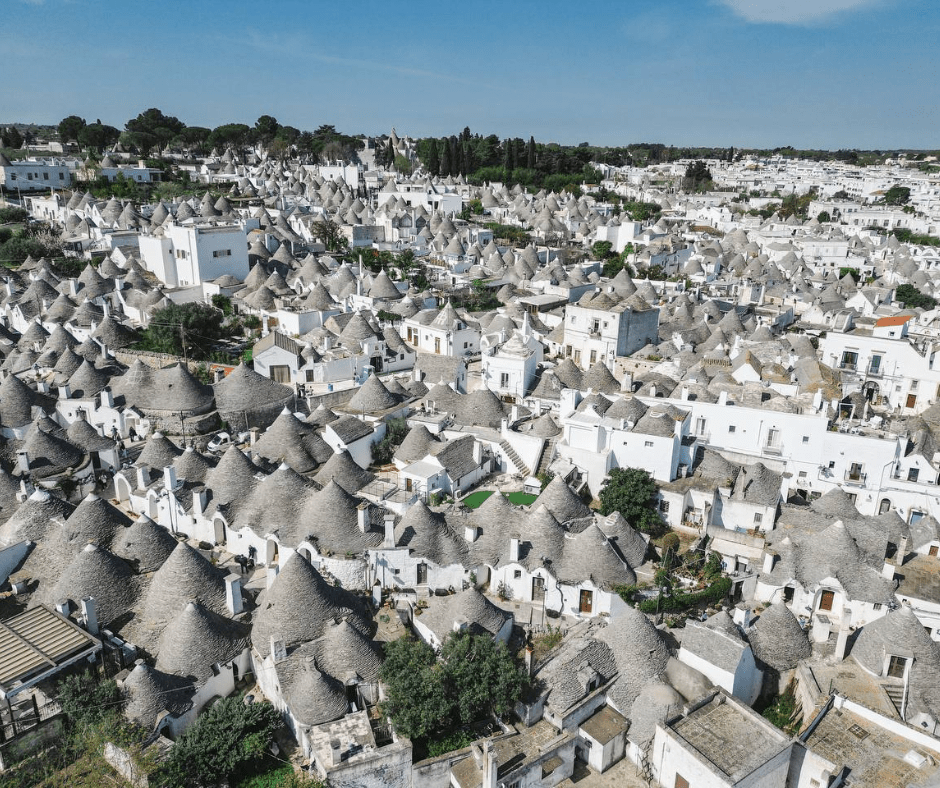
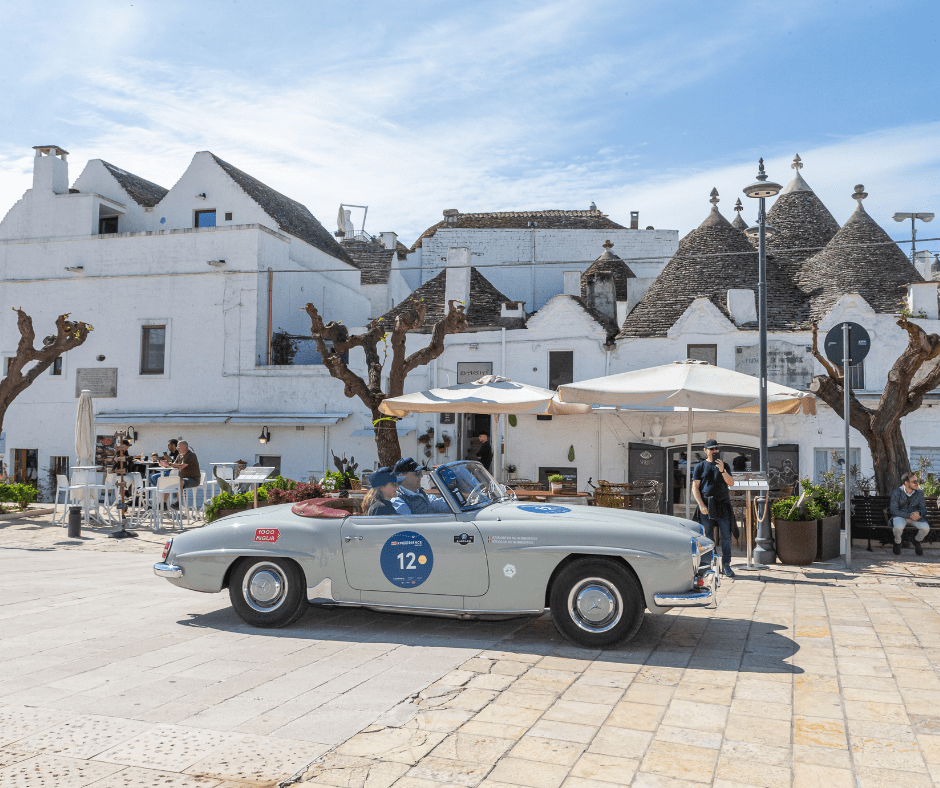
With over 10,000 inhabitants, Alberobello is an Italian municipality in the metropolitan city of Bari in Apulia, bordering the Itria Valley, and is universally recognised as the Town of the Trulli.
It is, in fact, known throughout the world for its conical dwellings, the characteristic Trulli, which represent a model of spontaneous architecture; they were declared a World Heritage Site in Mérida, Mexico, on 6 December 1996 and included in the UNESCO lists.
This is the rationale behind Alberobello’s inclusion in the World Heritage List: “The Trulli of Alberobello represent a site of universal and exceptional value as they are an example of a form of construction inherited from prehistoric times and which has survived intact, despite continuous use, to the present day”.
The town is situated 416 metres above sea level, in a strategic area at the borders of the provinces of Bari, Brindisi and Taranto. Alberobello extends over two hills, once separated by a karst river, the presence of which led to the formation of a depression known as “il largo delle fogge”. Its geographical position, short distance from the sea, temperate climate and interesting urban and rural routes make this town one of the most pleasant and healthy places in the region.
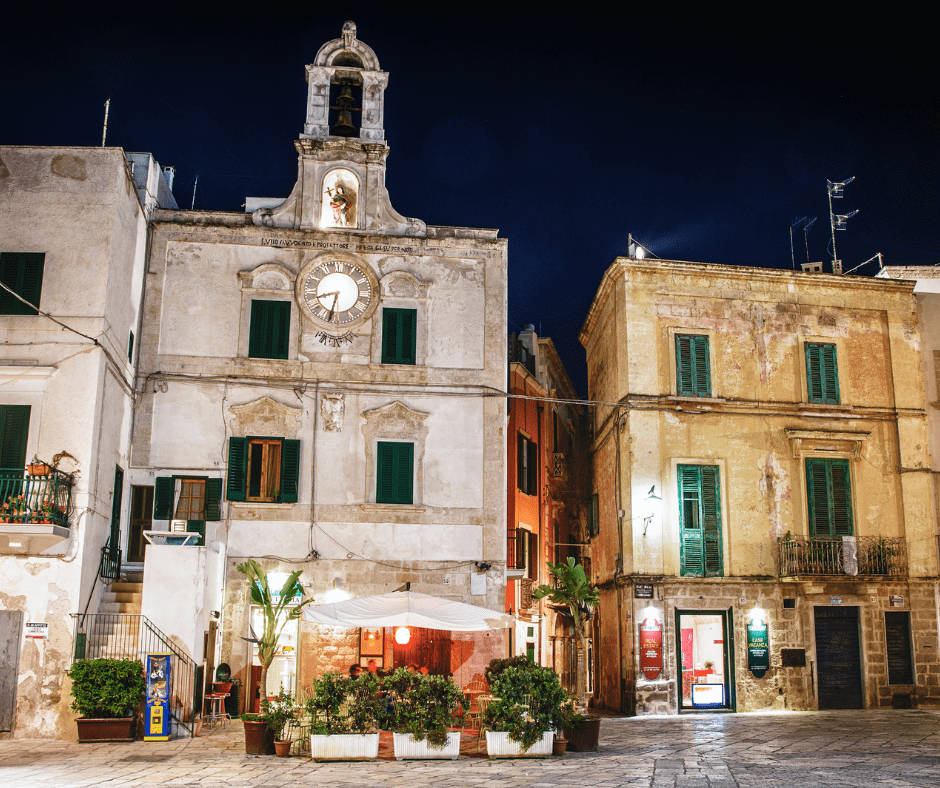
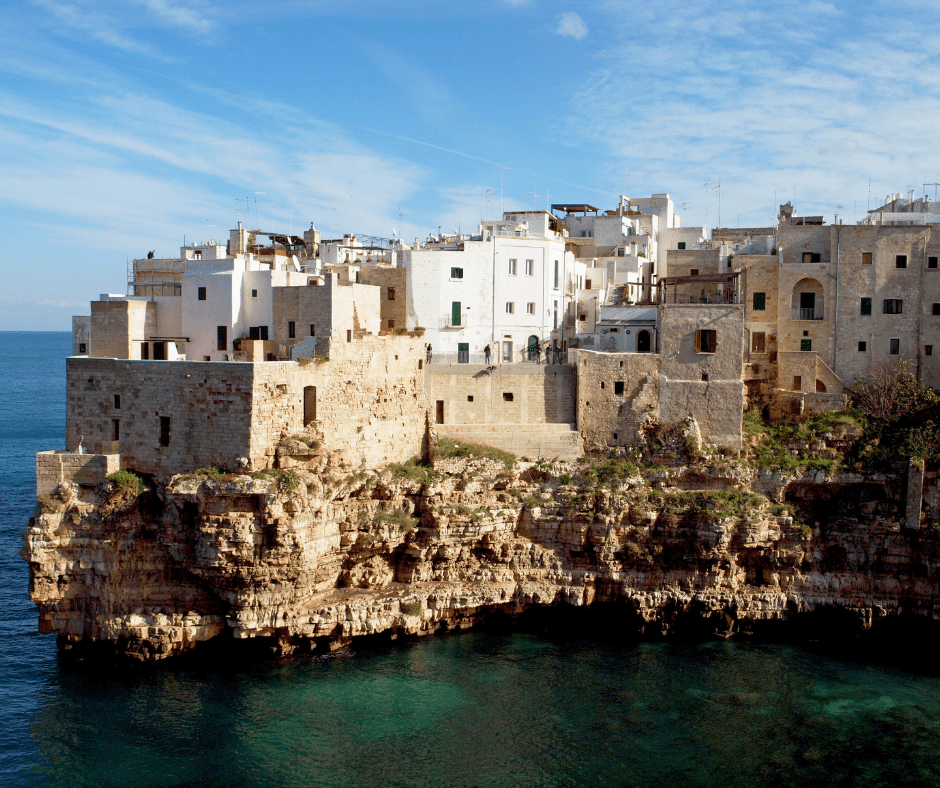
Polignano a Mare, a unique place perched above the sea
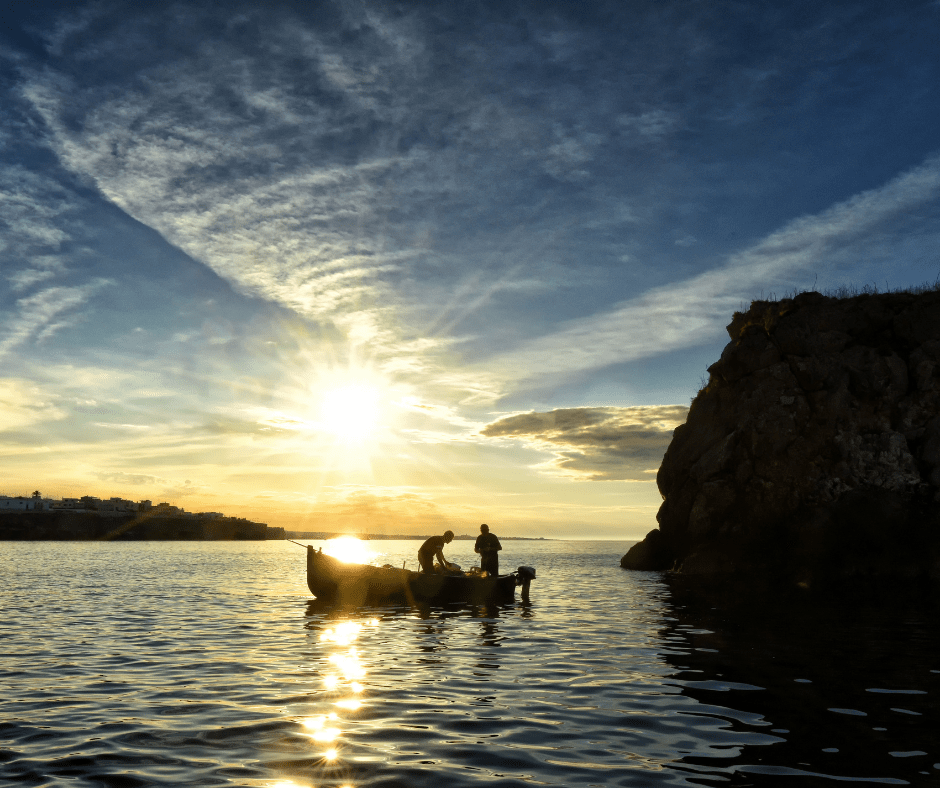
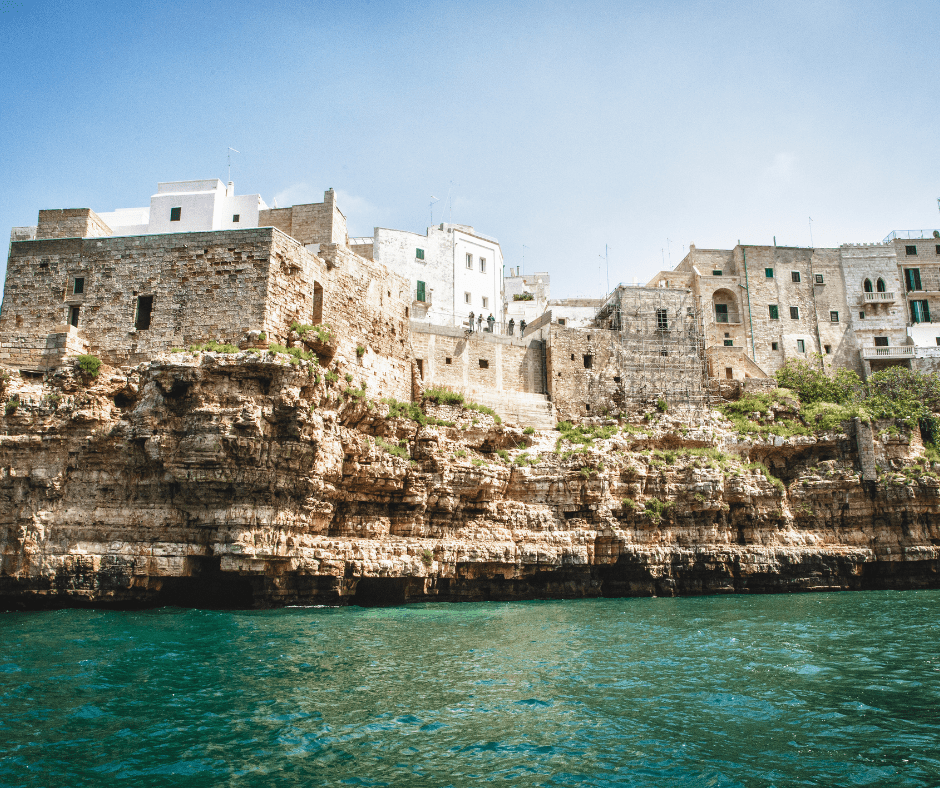
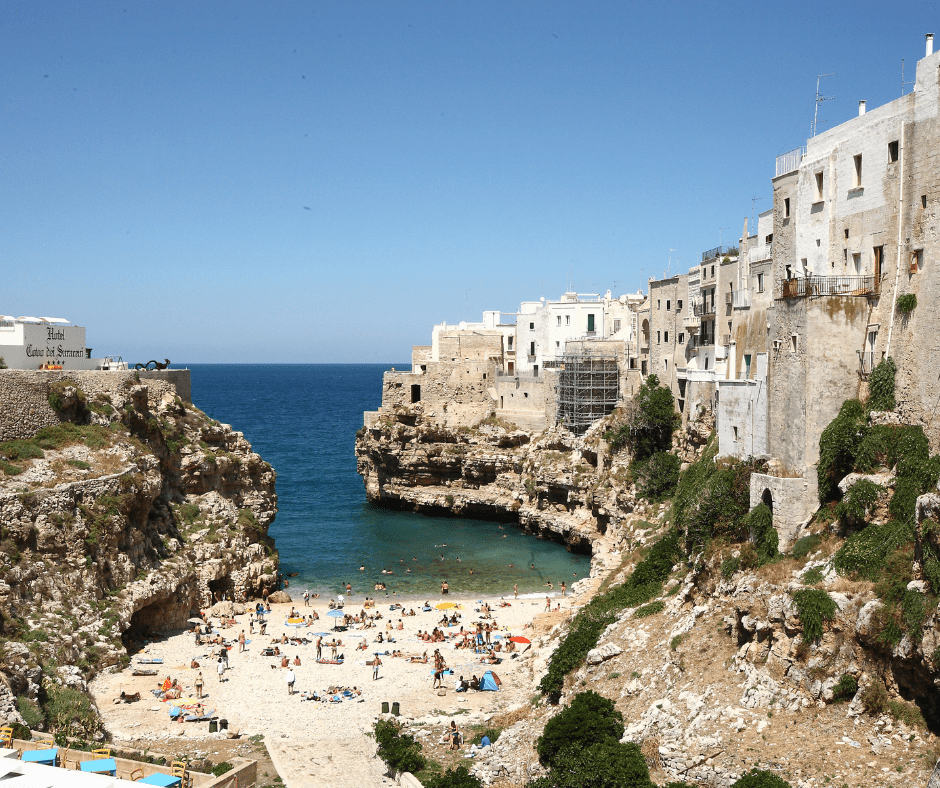
The uniqueness of Polignano a Mare makes it a standout among the most picturesque destinations on the Adriatic coast. Perched on high cliffs overlooking the sea, the town has managed to preserve its authentic spirit over the years, combining history, scenic beauty and a warm welcome.
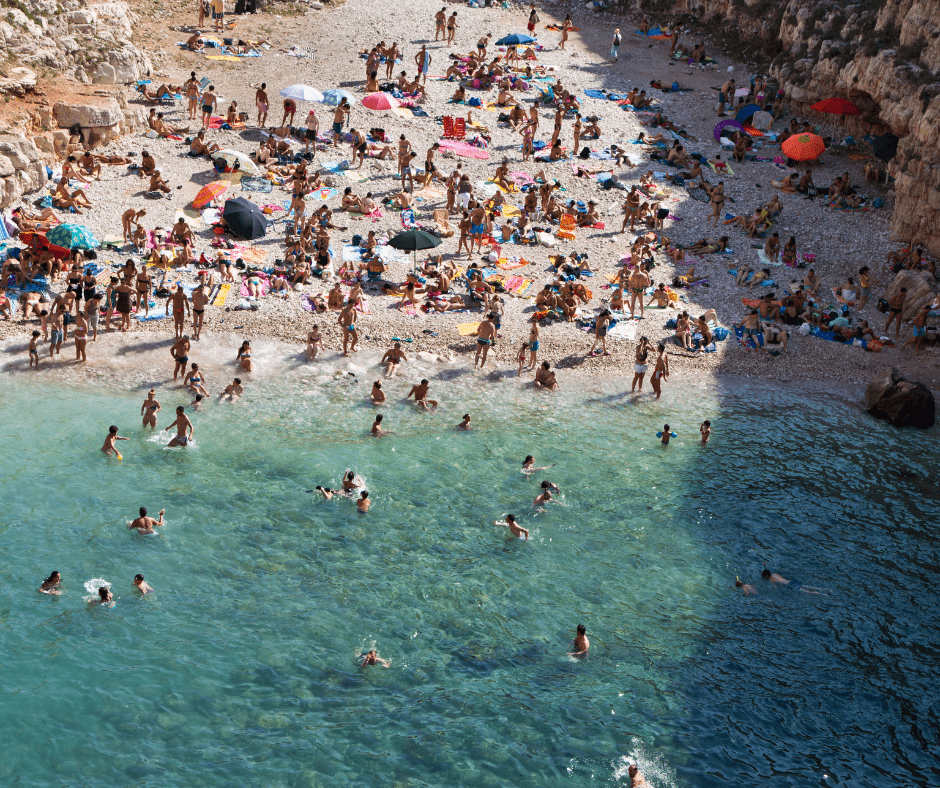
Its historic centre, of ancient origin, is a maze of white alleyways, small squares and panoramic views opening out onto crystal-clear waters. Lama Monachile, nestled amongst the rocks, has over the years become one of the area’s most recognisable and photographed landmarks.
However, Polignano a Mare is much more than just a seaside resort. The birthplace of Domenico Modugno, the town expresses a strong cultural identity made up of music, traditions and events that bring the area to life throughout the year.
In addition to the charm of its landscape, Polignano offers authentic experiences between sea and land: excursions along the coast and into sea caves, food and wine tours rooted in Apulian tradition, and a range of tourist attractions that combine quality and sustainability.
A destination to be enjoyed in every season, where nature, culture and beauty come together in a unique harmony by the sea.
Ostuni, the White City
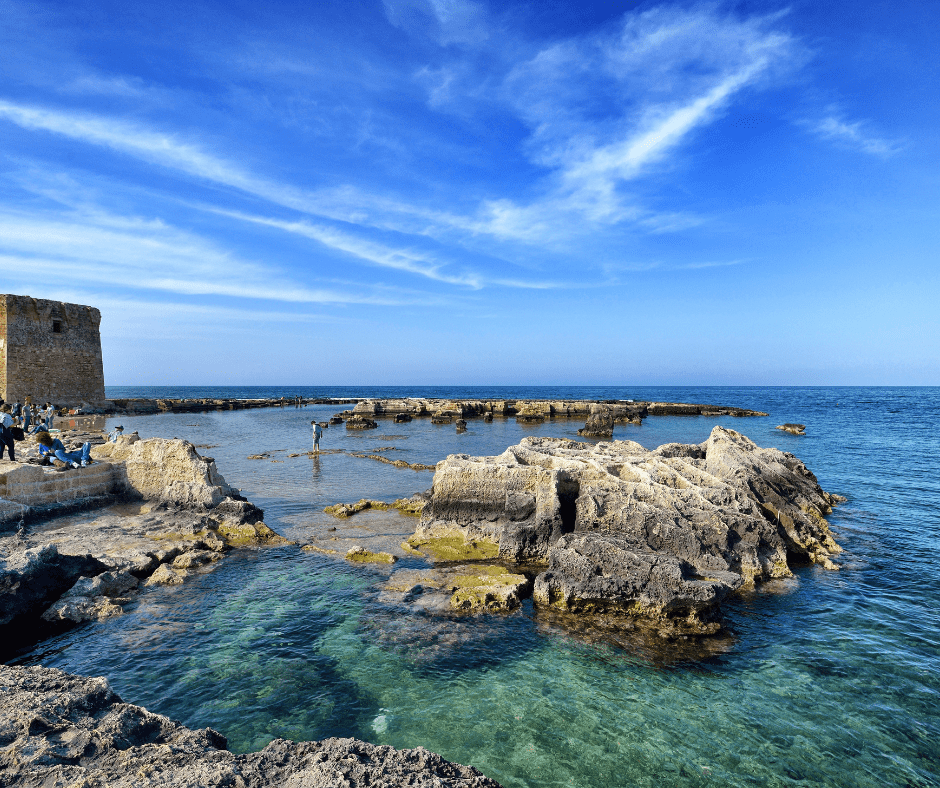
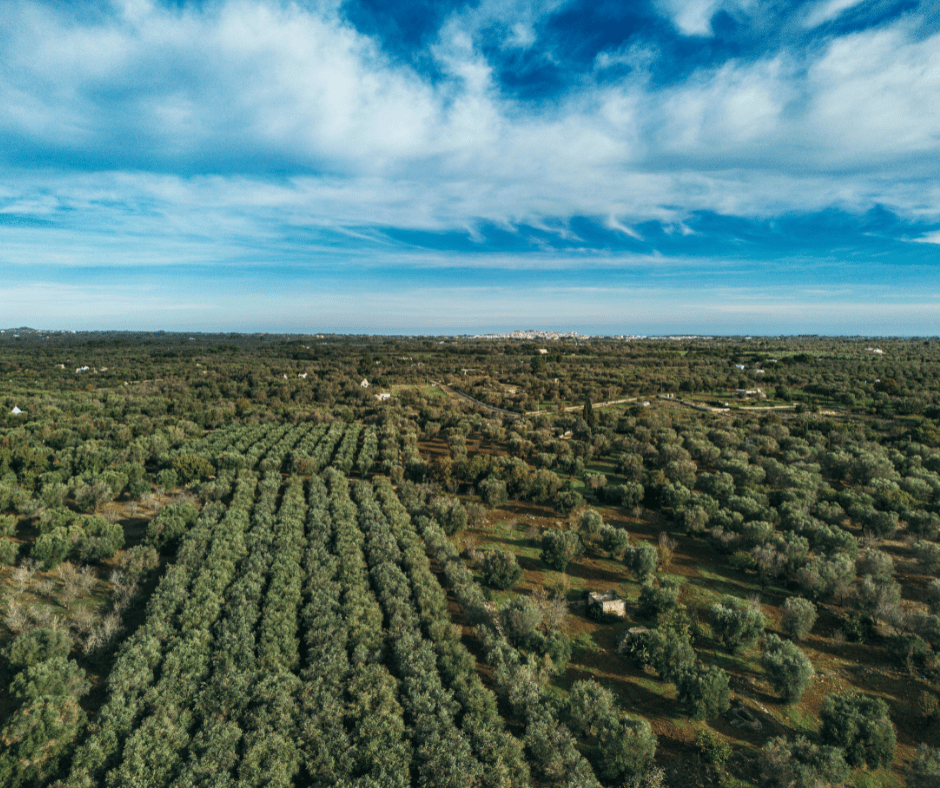
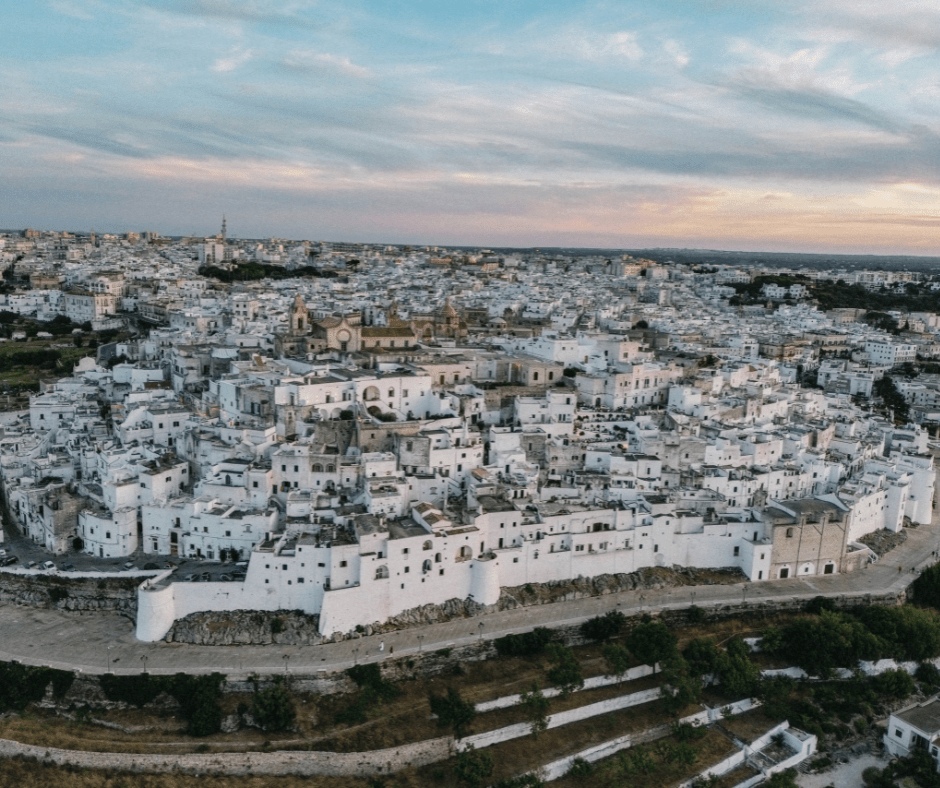
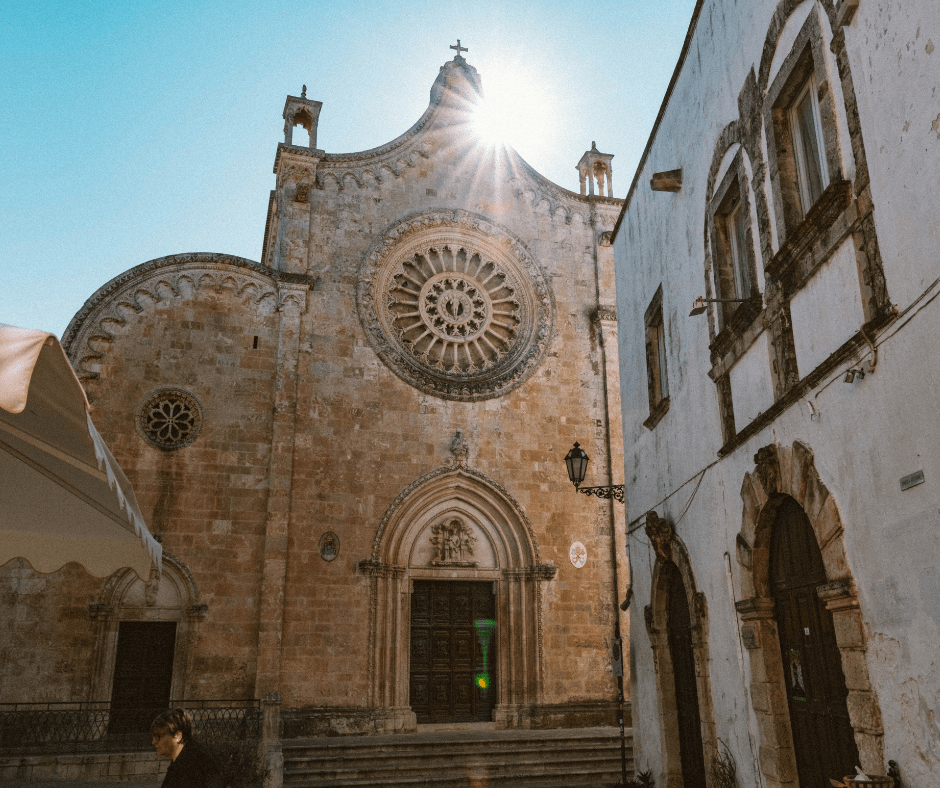
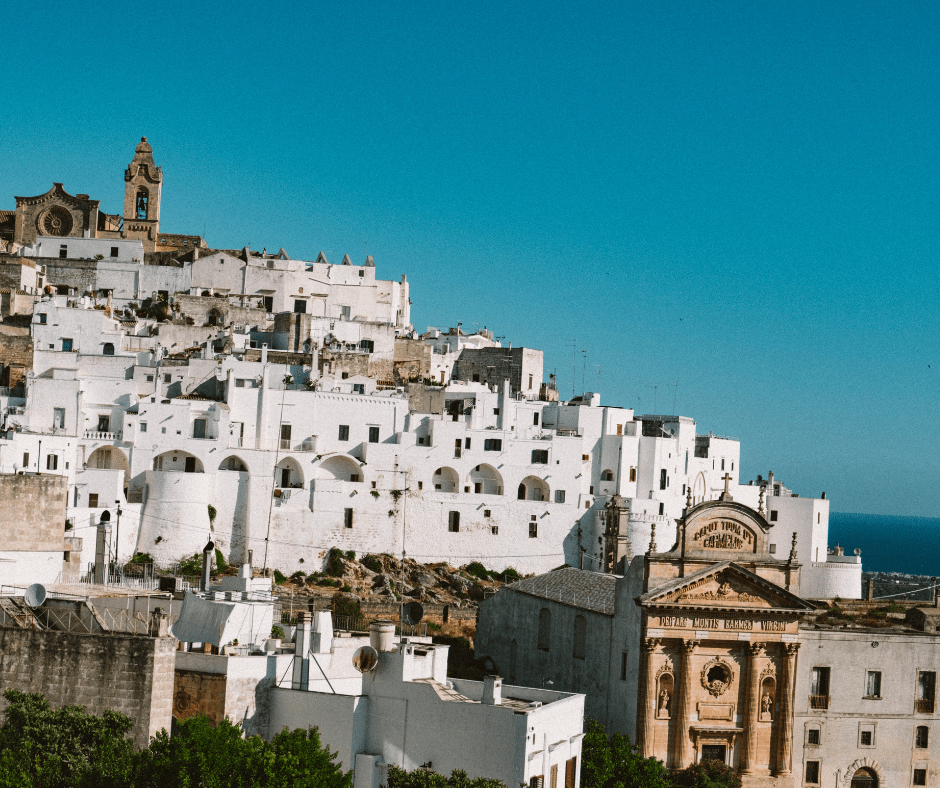
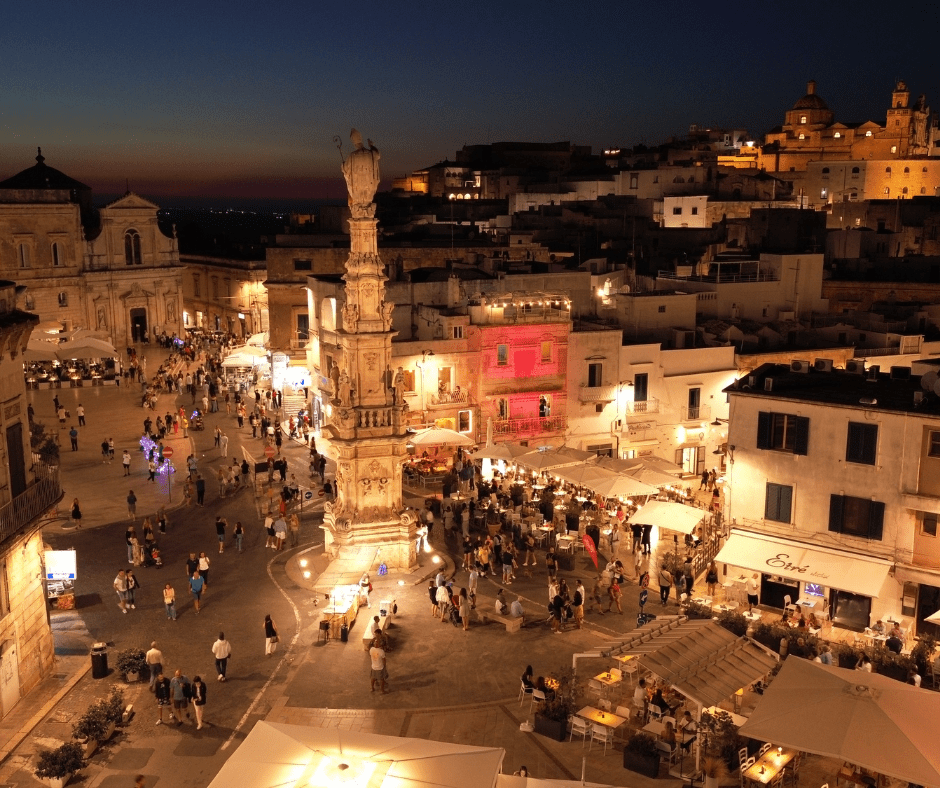
Ostuni, known as the White City, is one of the most picturesque towns in Apulia. Its historic centre, characterised by whitewashed houses and winding alleyways, overlooks a vast expanse of olive groves stretching all the way to the Adriatic Sea.
The town’s origins date back to the Messapian era, and the village preserves numerous historical treasures, including churches, palaces and museums. At the highest point of the historic centre stands Ostuni Cathedral, built in the 15th century in the Gothic style. The Museum of Pre-Classical Civilisations of Southern Murgia houses “Ostuni 1”, the skeleton of a pregnant woman dating back some 28,000 years, one of the oldest records of motherhood ever found.
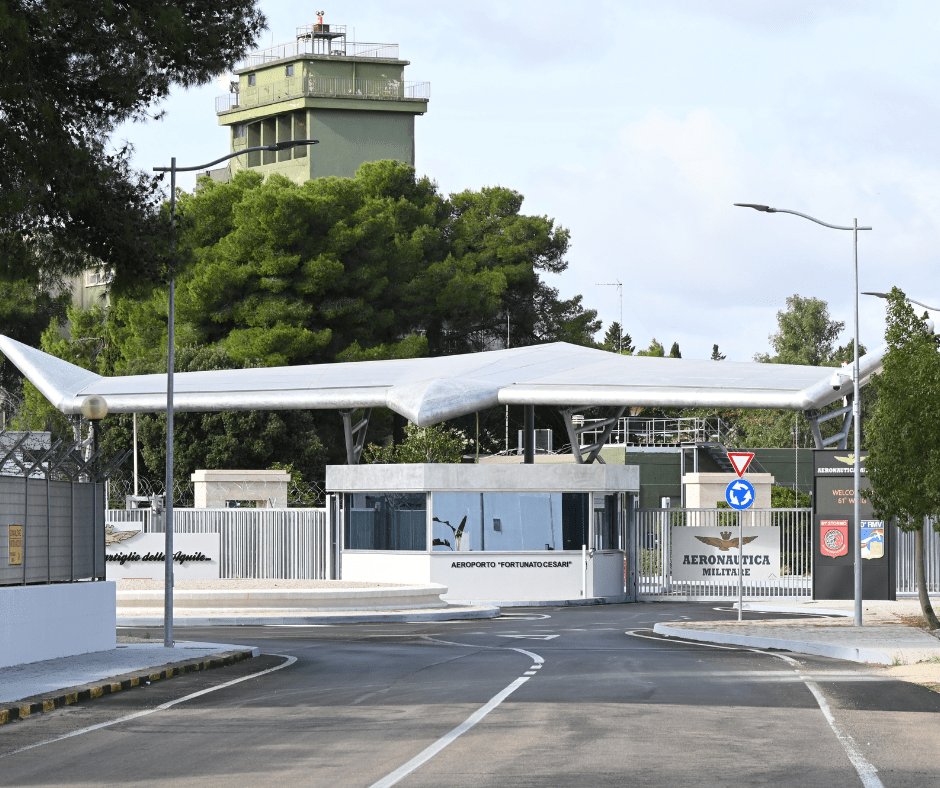
Galatina Military Airport, home to the 61st Squadron and the 10th Aircraft Maintenance Unit
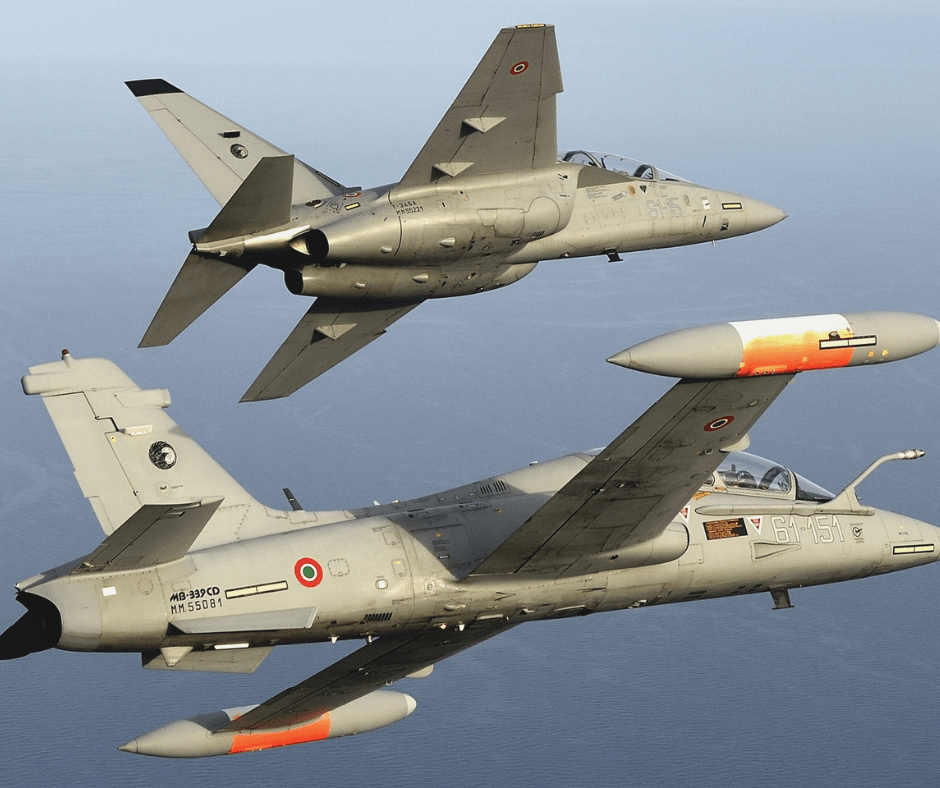
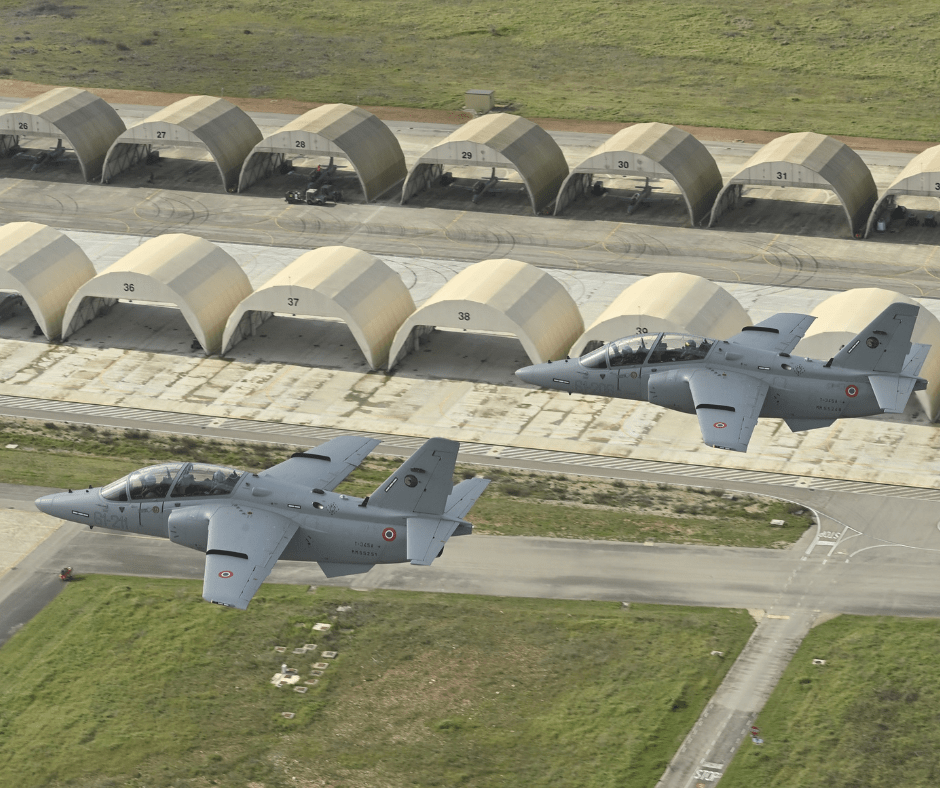
Galatina Military Airport (Lecce) is one of the most advanced bases of the Italian Air Force. Established on 31 March 1931 as “Campo di Fortuna”, it played a fundamental role in the “Aeronautical Renaissance” following 8 September 1943, evolving over time into a modern facility dedicated to training and technical support. Today it is home to the 61st Squadron and the 10th Aircraft Maintenance Unit, which together ensure high operational, technological and logistical standards.
The 61st Squadron is a centre of excellence for the training of military pilots, particularly those destined for the latest generation of fighter aircraft. Thanks to the use of advanced systems such as the T-345A, FT-339C and T-346A, the unit ranks among the most modern and internationally renowned flight schools. The high level of technology, combined with innovative teaching methods, enables military pilots to be trained to some of the highest standards globally, attracting numerous foreign students as well.
The International Flight Training School (IFTS), developed in collaboration with Leonardo, also forms part of this context and represents one of the world’s most advanced programmes for fighter pilot training. Phase IV (LIFT) activities take place at the Decimomannu base (Cagliari), where the 212th Flight Group of the 61st Squadron is based, helping to further consolidate Italy’s role as an international benchmark in the sector.
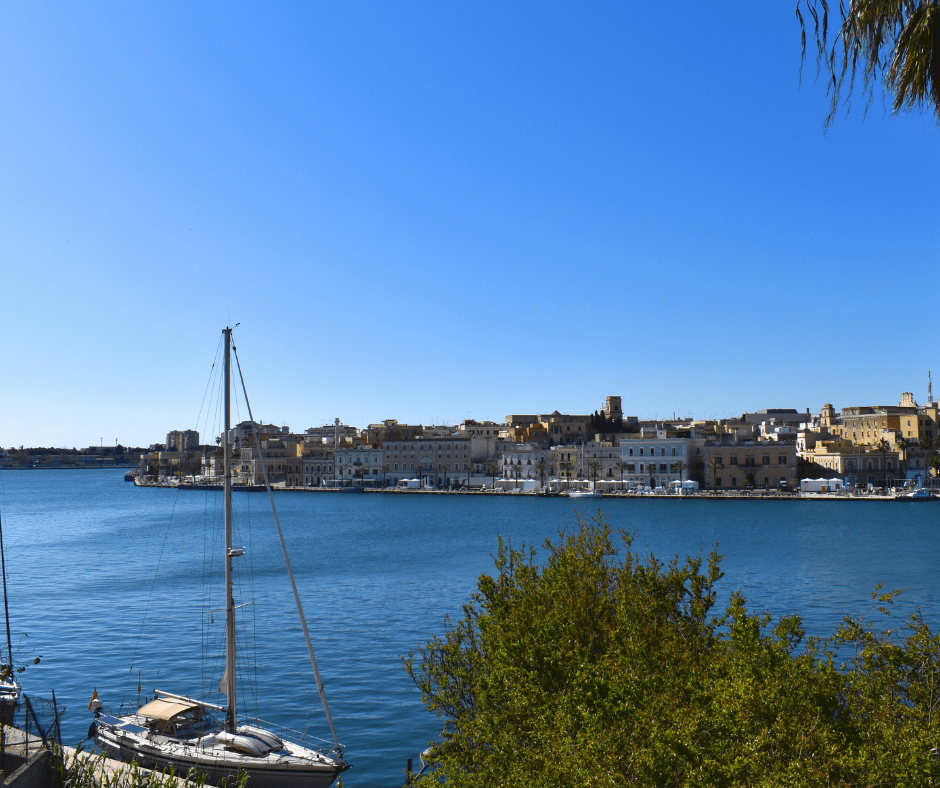
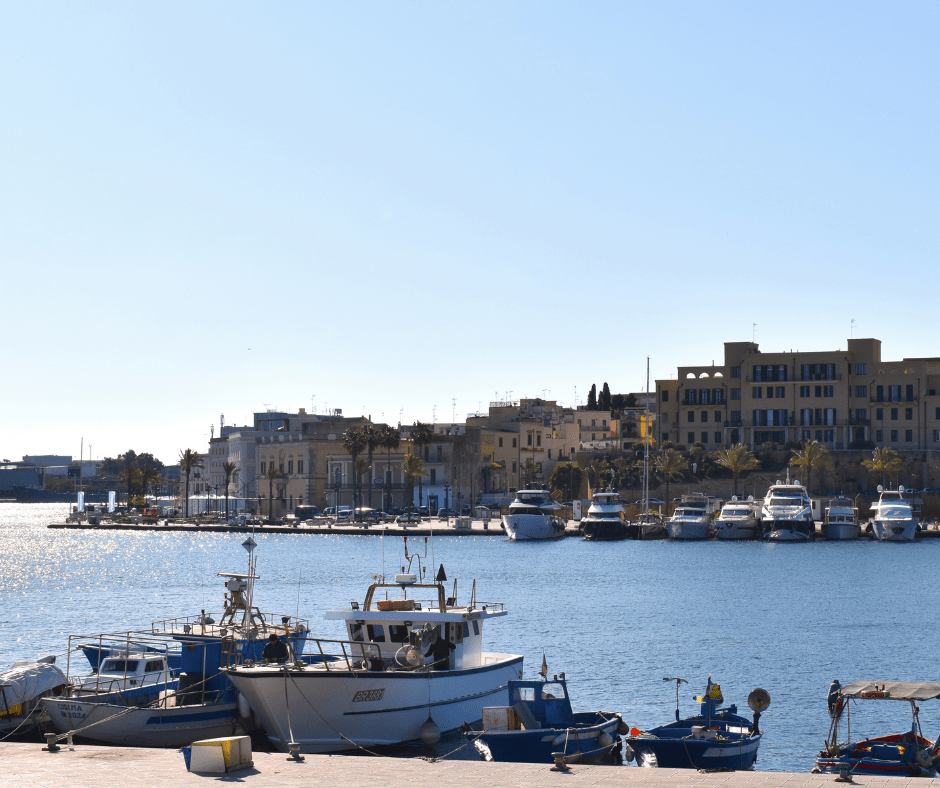
Brindisi, a city that sails
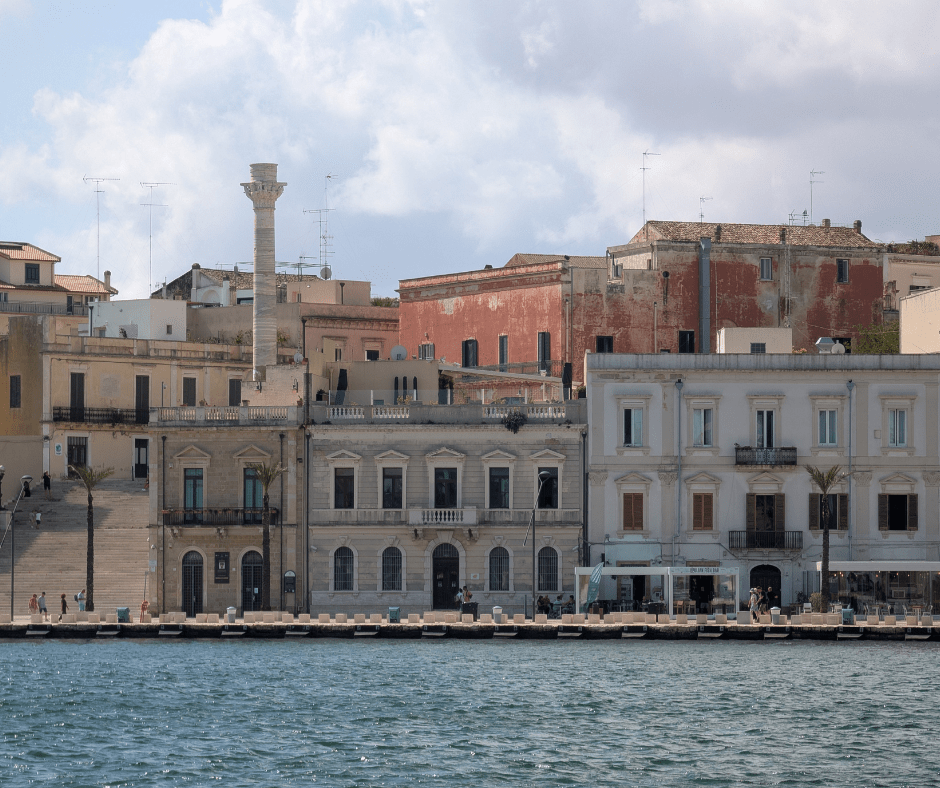
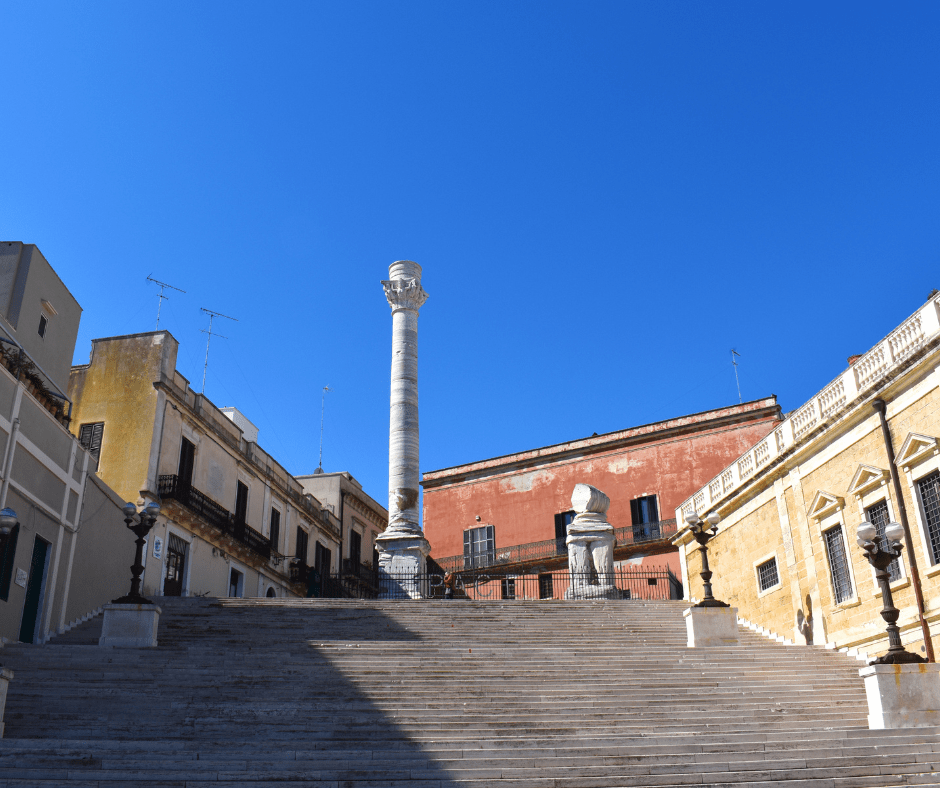
Brindisi is not a city that walks: rather, it sails. Driven by the winds of the Adriatic and the curves of its natural harbour, the city nestles in an embrace of water that has carried it eastwards for millennia. Founded by the Messapians, it became, under Rome, the terminus of the Via Appia: a strategic crossroads where Roman columns still stand today, bearing witness to the passage of legionaries, merchants and pilgrims.
More than just a stopover, Brindisi is a mosaic of pale stone and alleyways scented with salt, where history can be breathed in at every turn. From the Virgilian steps, where legend has it that the poet found his final resting place, to the Castello Alfonsino, which seems to float on the water, the cityscape reflects the legacies of the Normans, Swabians and Aragonese. It was here that Frederick II chose to celebrate his imperial wedding and from where the Crusaders set sail for the Holy Land.
Brindisi is a threshold between worlds that has exerted an irresistible spell over literature. Whilst for the Indian poet Tagore it was a “very thin diaphragm” capable of merging two civilisations, for Cavafy the very air was steeped in the scent of the East carried by the ships. On its quays, Rimbaud lingered, dazed by the sun, and Ungaretti saw Italy, the land of his ancestors, materialise for the first time. Fiction, too, has chosen the port as a crucial hub: here Phileas Fogg set sail on his Around the World in Eighty Days, whilst Hemingway imagined the flight of the defeated from the Great War.
Today, Brindisi is a city that looks to the future without forgetting its past as a protagonist. A city that welcomes, that tells stories, that surprises. Because here, history is not studied: it is breathed in, listened to, lived. And every wave that enters the harbour brings with it a new beginning and a fragment of what once was.
Otranto, the Gateway to the East: a mosaic of cultures and landscapes
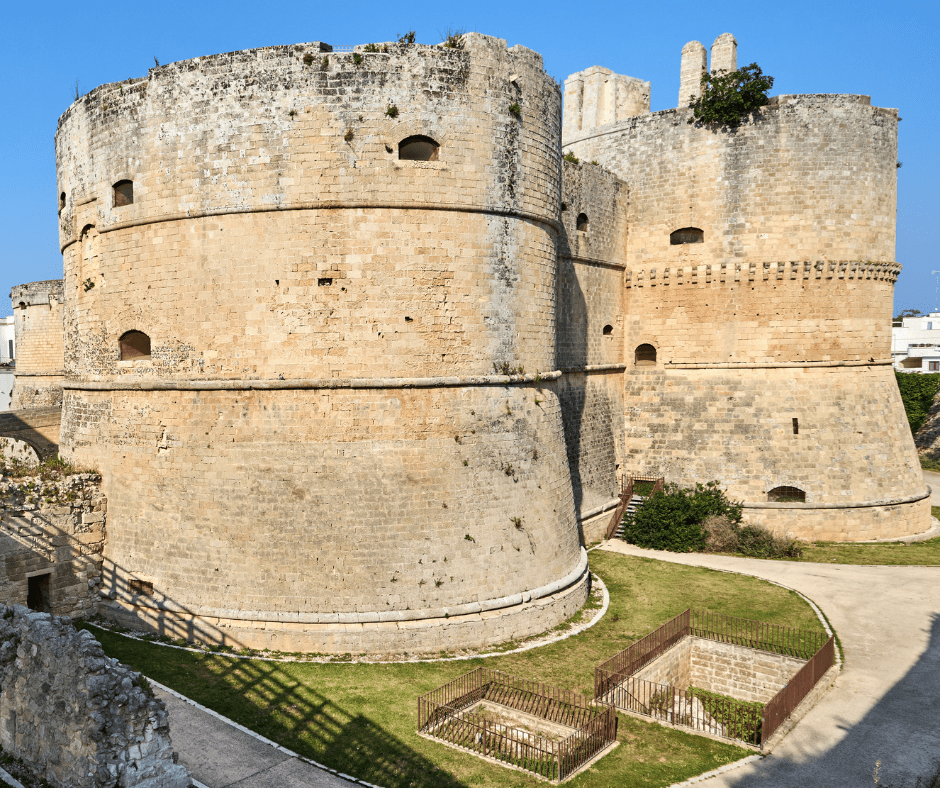
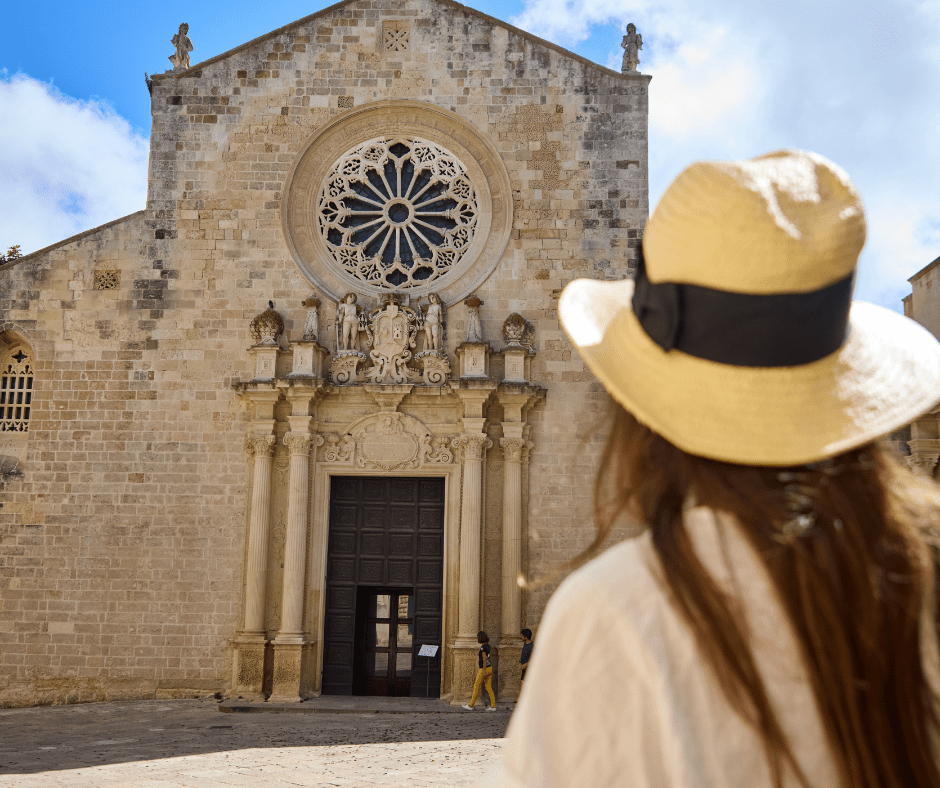
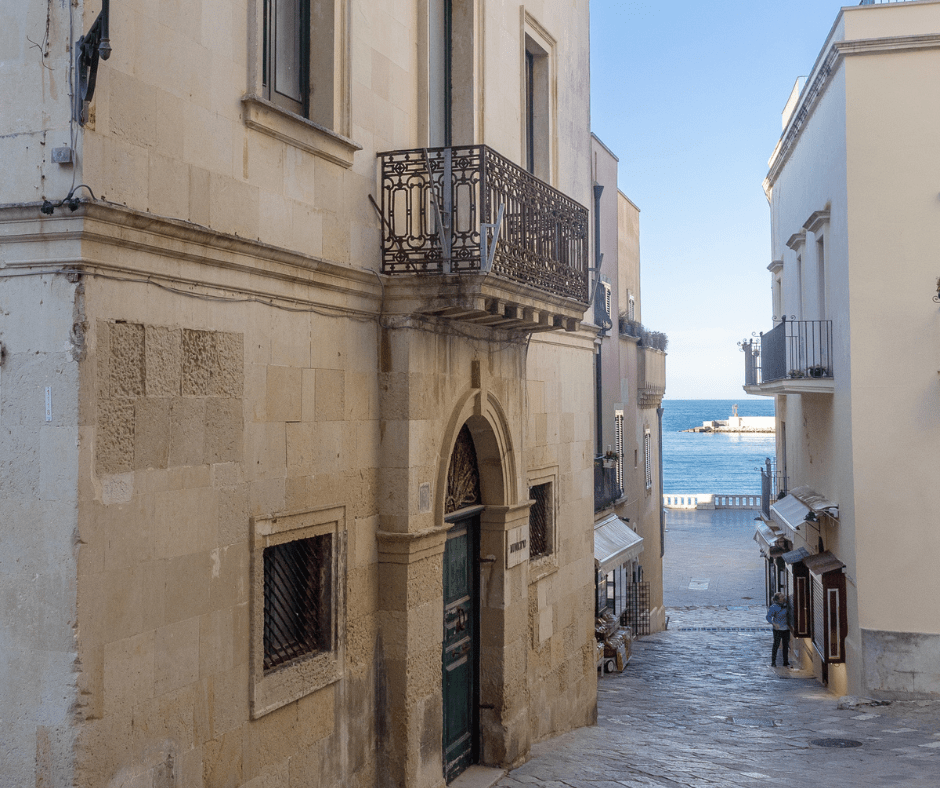
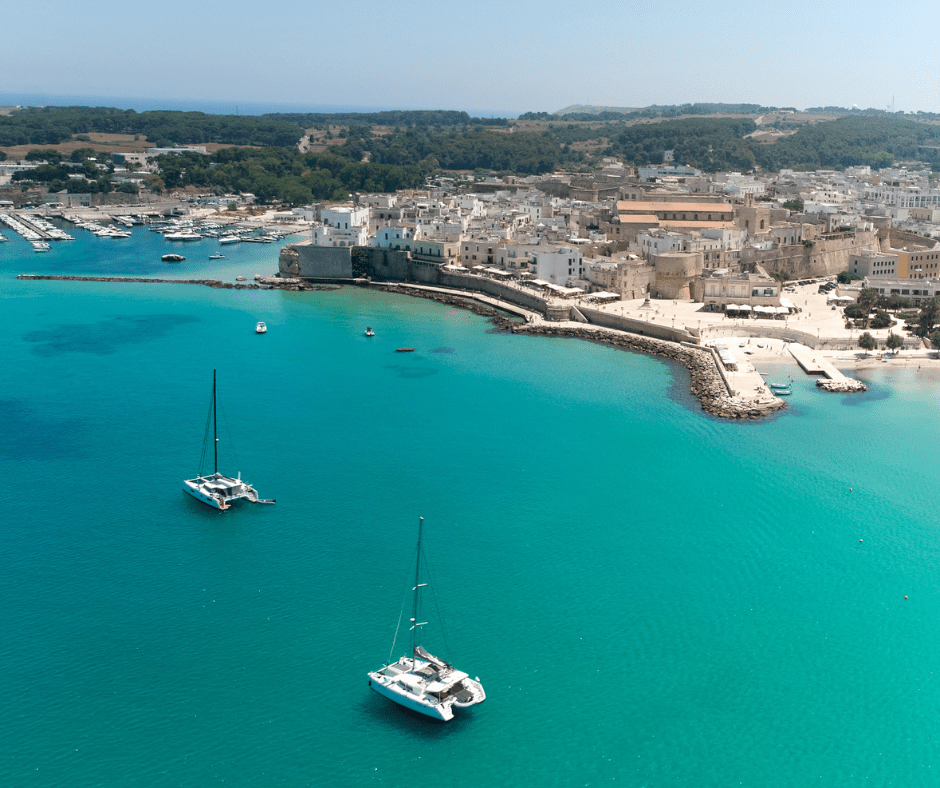
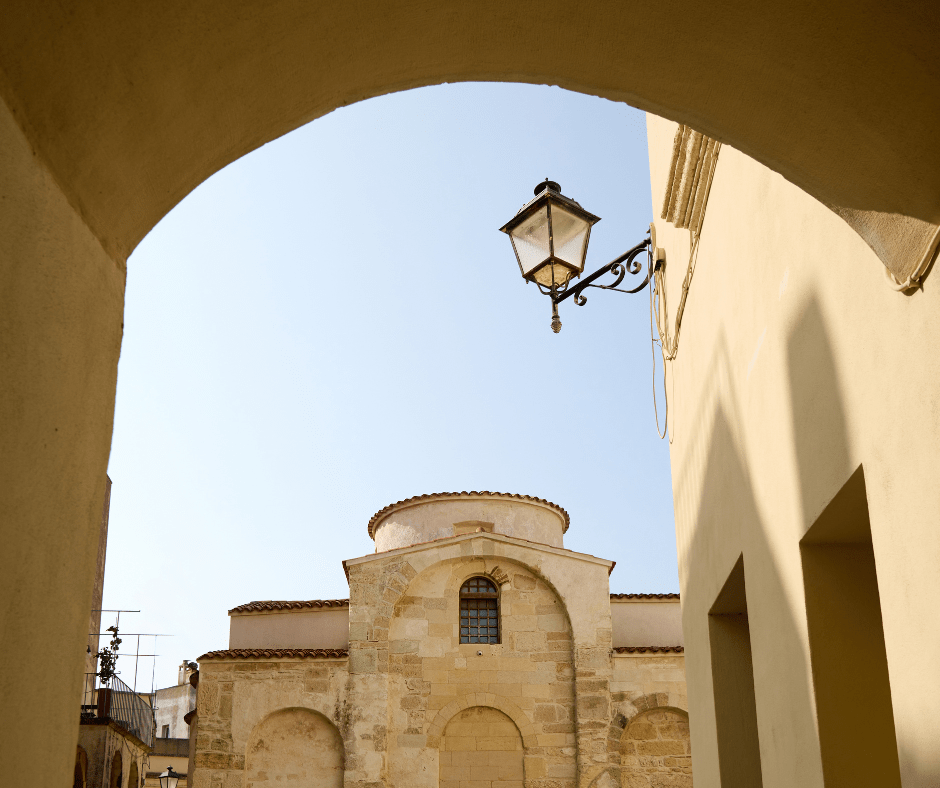
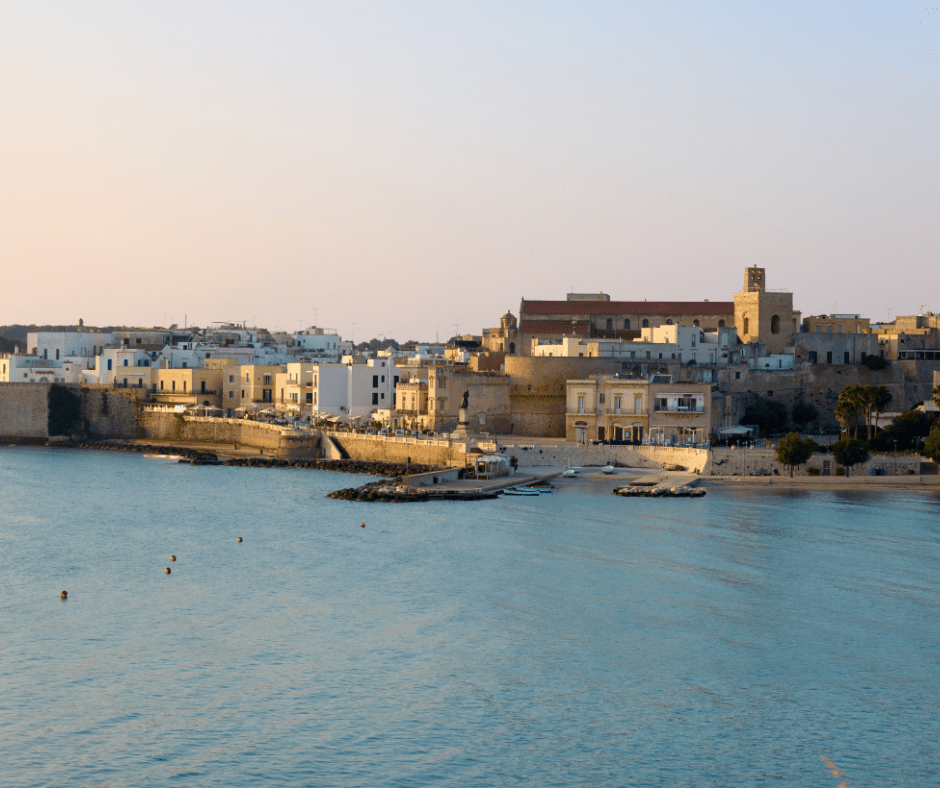
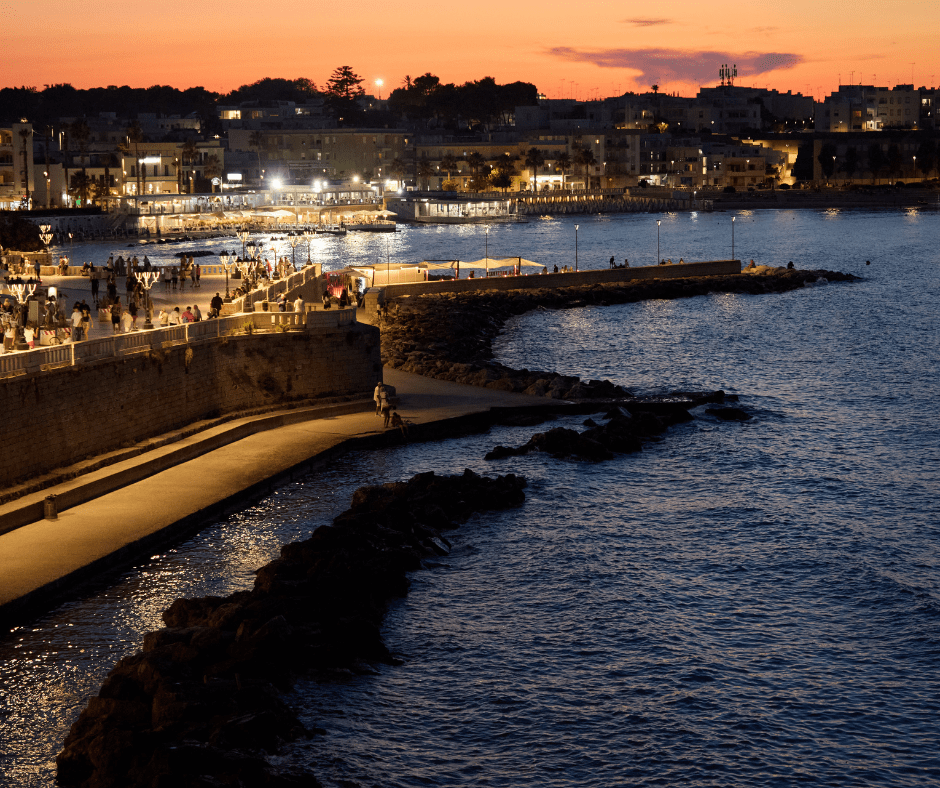
Otranto, the “Gateway to the East” nestled on the Adriatic coast in the heart of Salento, is a place where the sound of the waves and a tranquil atmosphere invite you to unwind. More than just a seaside resort, the town is a crossroads of history and cultures: an open-air narrative that, through its monuments, recounts a complex history spanning millennia. Its defences, such as the Aragonese Castle, the city walls and the Porta Alfonsina, are not isolated elements but an integrated system that has shaped the town’s identity and daily life, transforming from military strongholds into cultural centres and pedestrian zones.
The diversity of the natural landscape is remarkable and caters to every type of traveller within a compact geographical area. Otranto offers vast stretches of sand with well-equipped beaches such as Alimini, but also wild, rocky coves ideal for snorkelling, such as Porto Badisco. The area includes protected nature reserves and unique geological formations, including the Bauxite Quarry and Punta Palascia. This versatility allows one to alternate relaxation with moments of intense activity, such as hiking and water sports, offering authentic experiences ranging from local crafts to exploring the wild countryside. It is a well-rounded destination that speaks to the heart, offering something special for all ages.
Santa Maria di Leuca de Finibus Terrae
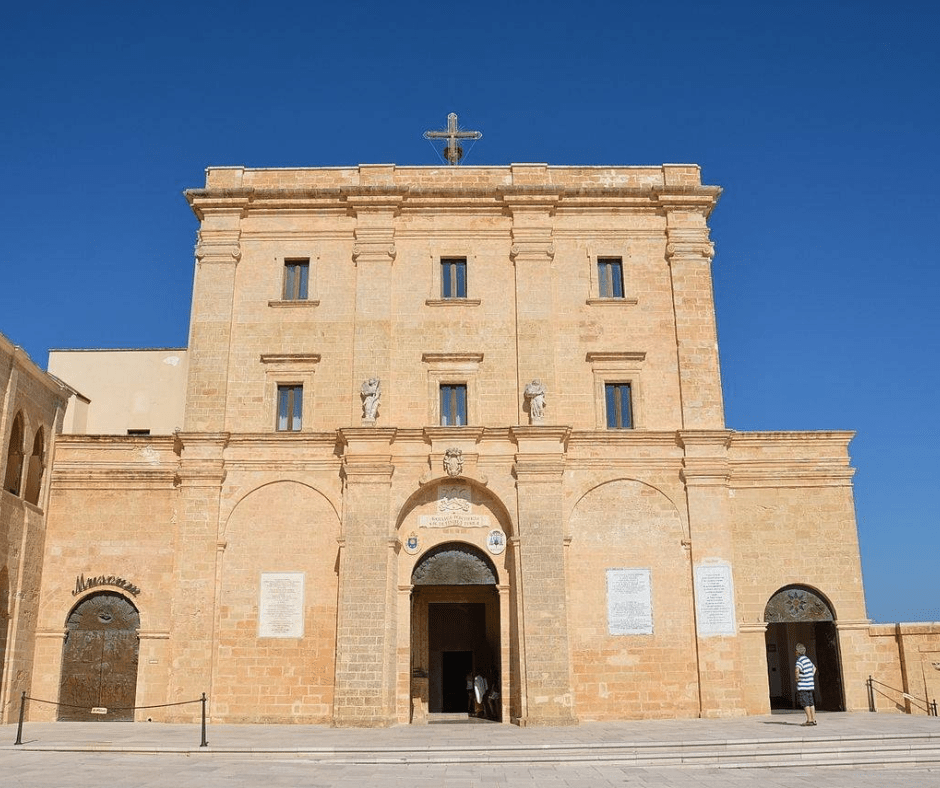
Santa Maria di Leuca, or Santa Maria de Finibus Terrae, situated on the southernmost tip of the Iapygian promontory, owes its dual name to history. The Greeks called it Leucos (white land), whilst the Romans referred to it as De Finibus Terrae, marking the final frontier for the citizens of the Empire. This eastern tip of Italy, described as the bow of a ship surrounded by the sea, is a place of passage dating back millennia, where it is said that Saint Peter stopped on his journey to Rome, transforming the ancient temple of Minerva into the present-day centre of Christian worship.
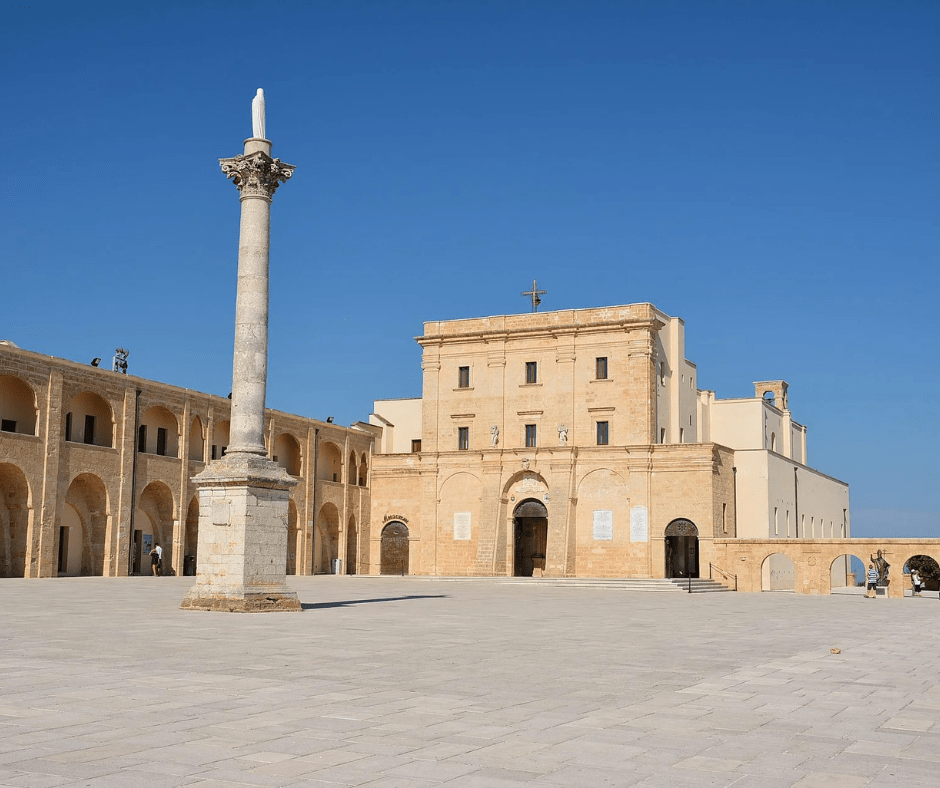
The Pontifical Basilica, rebuilt between 1720 and 1755 by Monsignor Giovanni Giannelli with a fortified appearance to withstand Turkish raids, is today a destination for international pilgrimages.
Traces of the past coexist harmoniously: the ancient monolith of the Altar of Minerva stands in contrast to the modern bronze doors by Armando Marrocco and the niches rediscovered in the walls, once a refuge for pilgrims arriving on foot.
The outer square, too, is dotted with symbols from different eras: from the Marian Column of 1694 to the Monumental Cross of 1901. Dominating the scene are the Belvedere, from which the view stretches from the mountains of Albania to the Sila mountains, and the imposing lighthouse of 1864, one of the most important in Italy. Between the history of Saints and Popes and the natural beauty of the promontory, Leuca remains a bridge spanning East and West.