LEG 1 – TUESDAY 11TH JUNE
Iseo, Palazzolo sull’Oglio, Bergamo, Novara, Vercelli e Torino
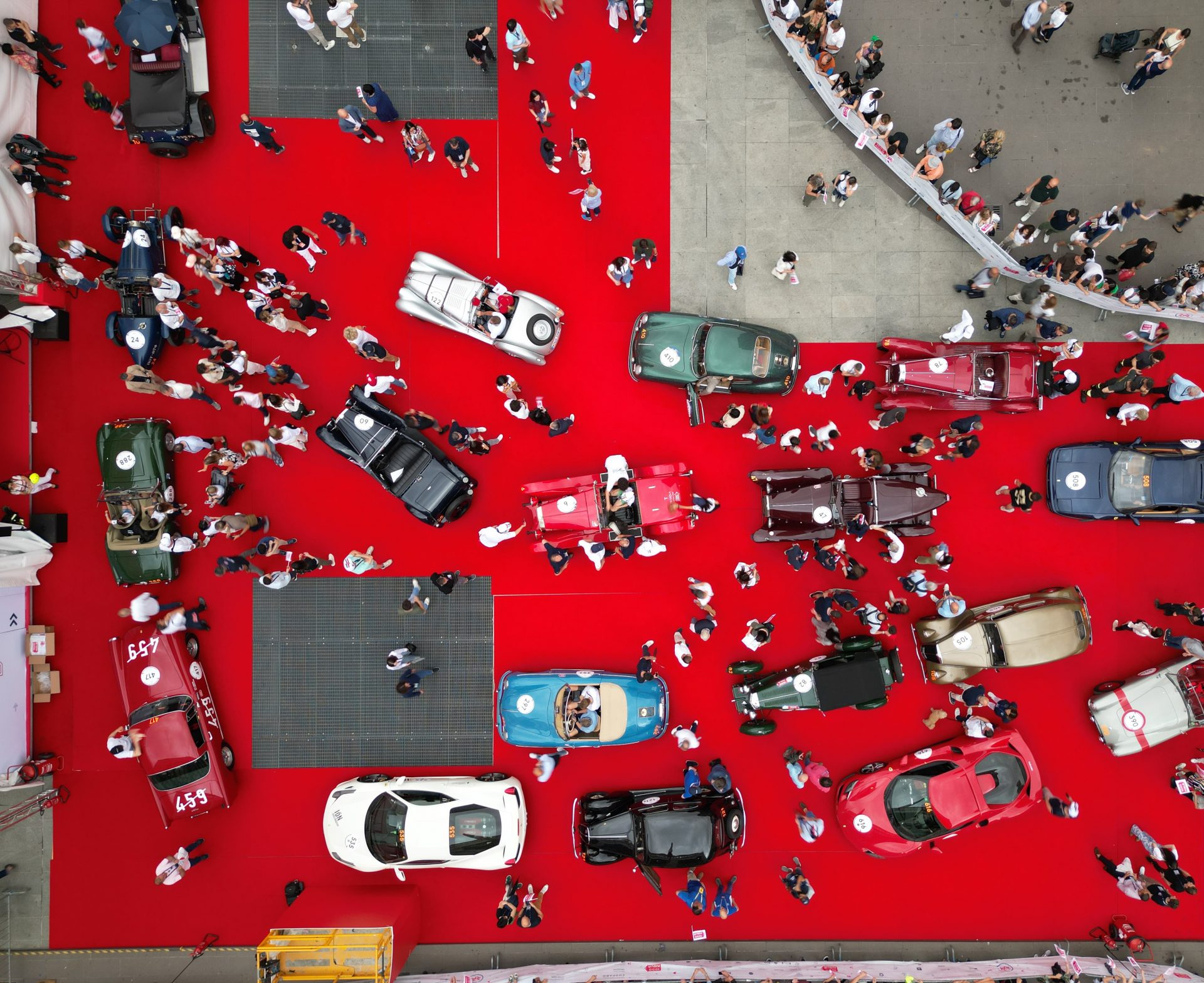
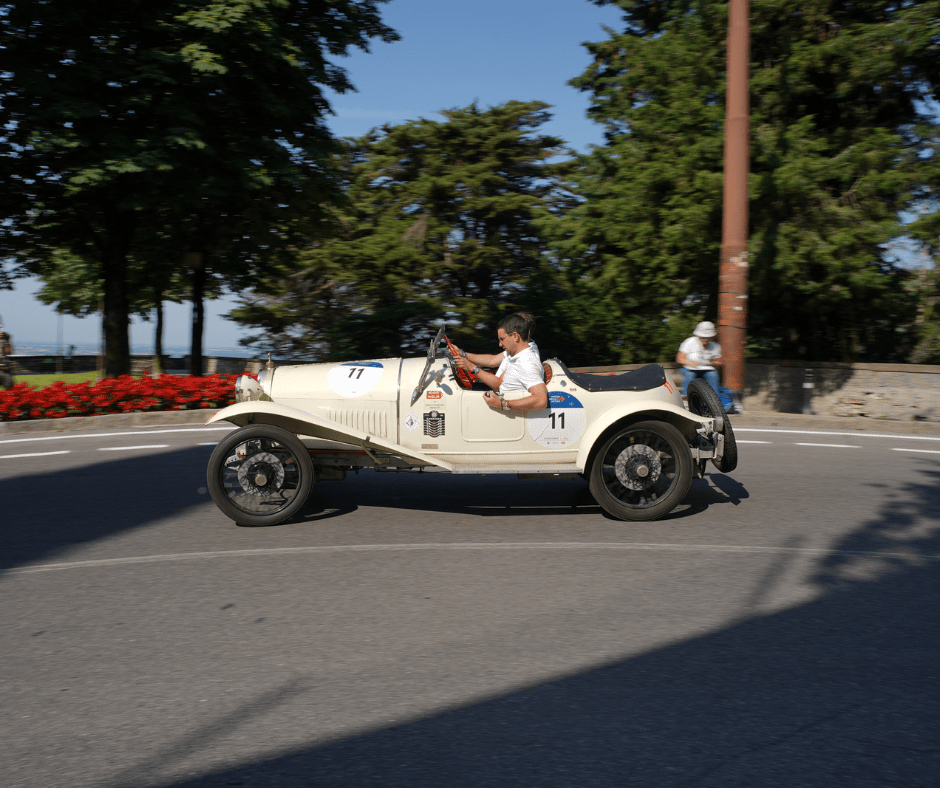
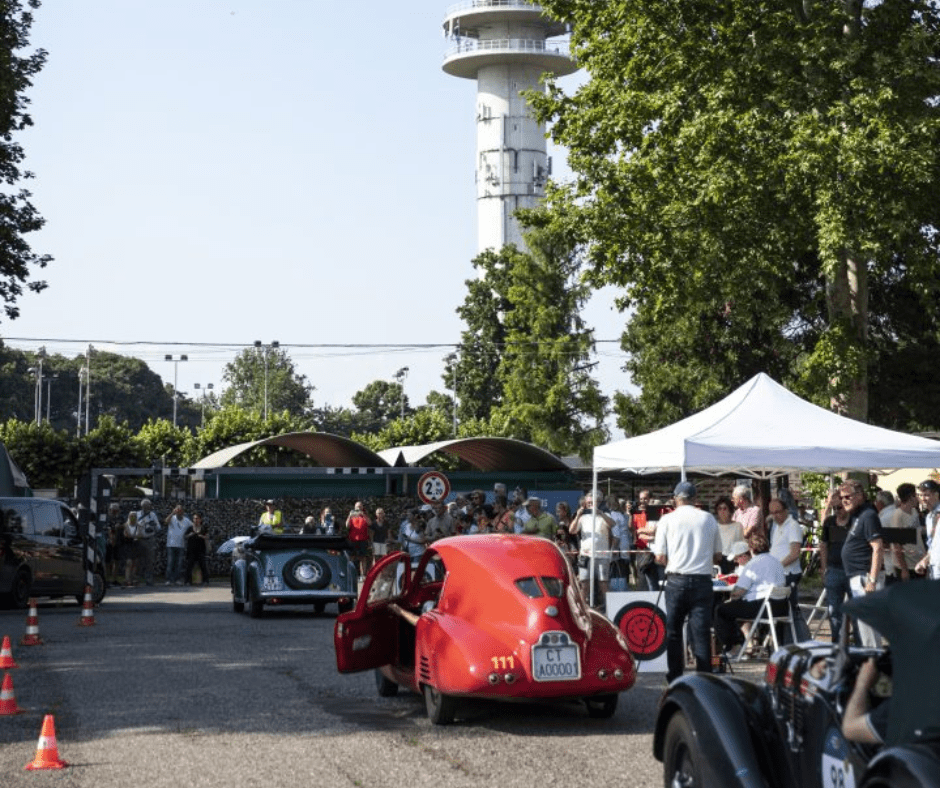
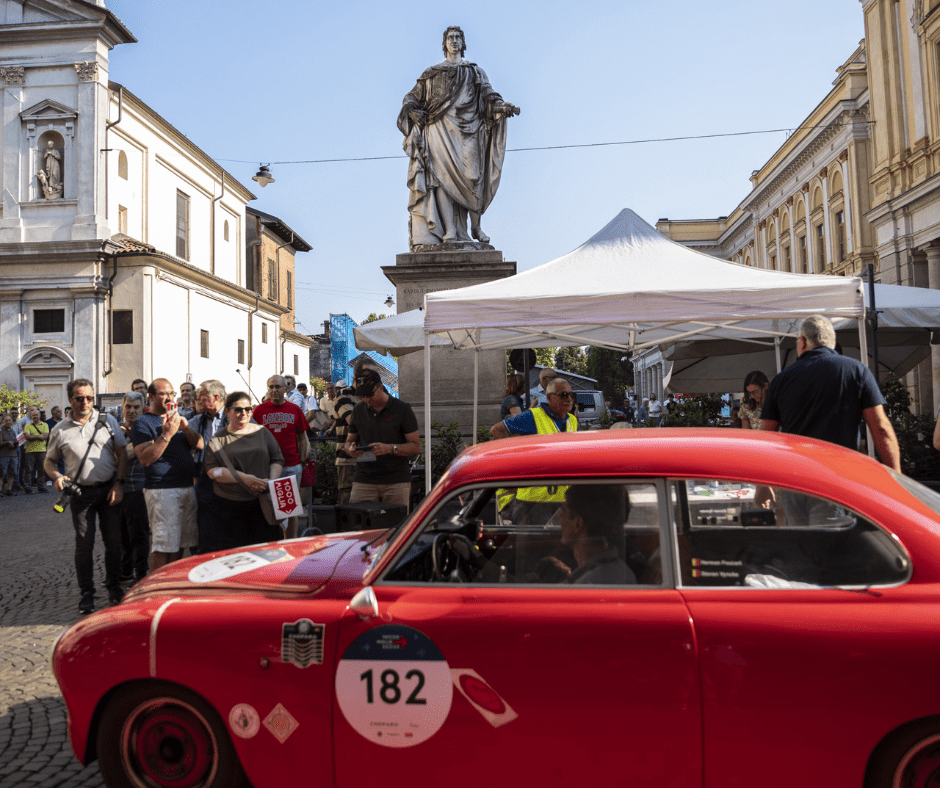
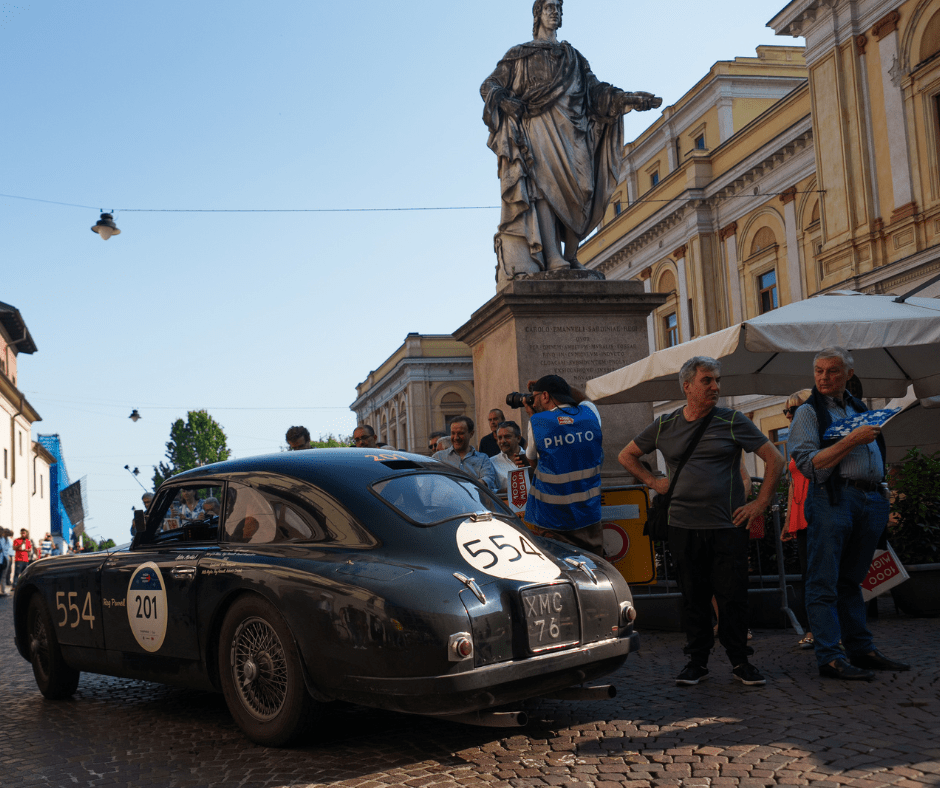
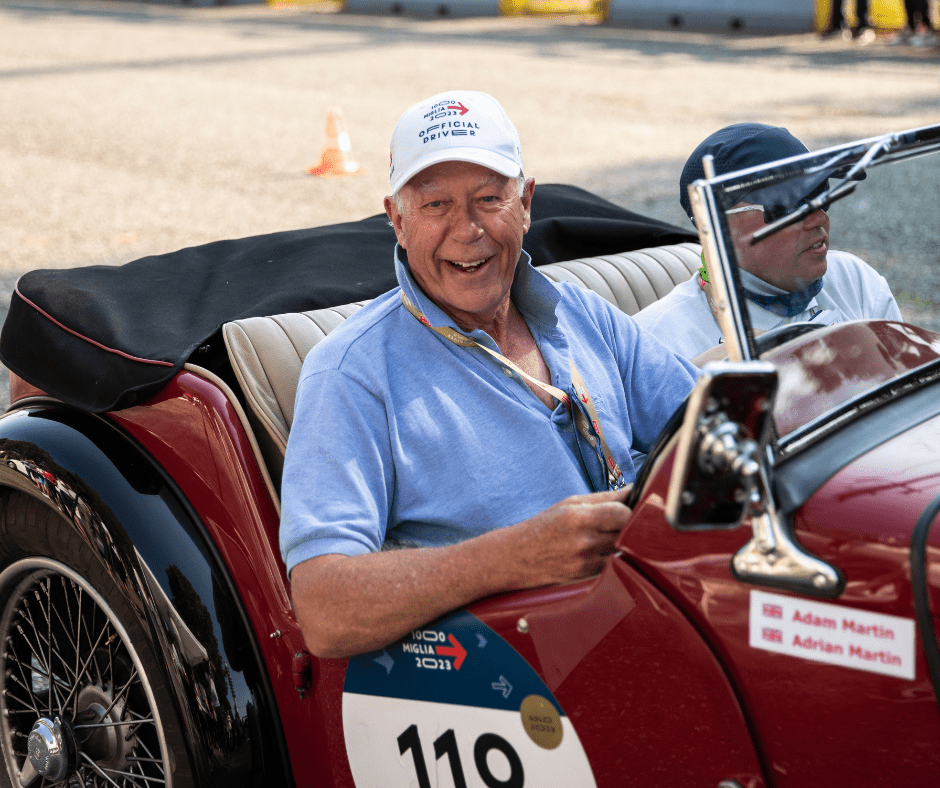
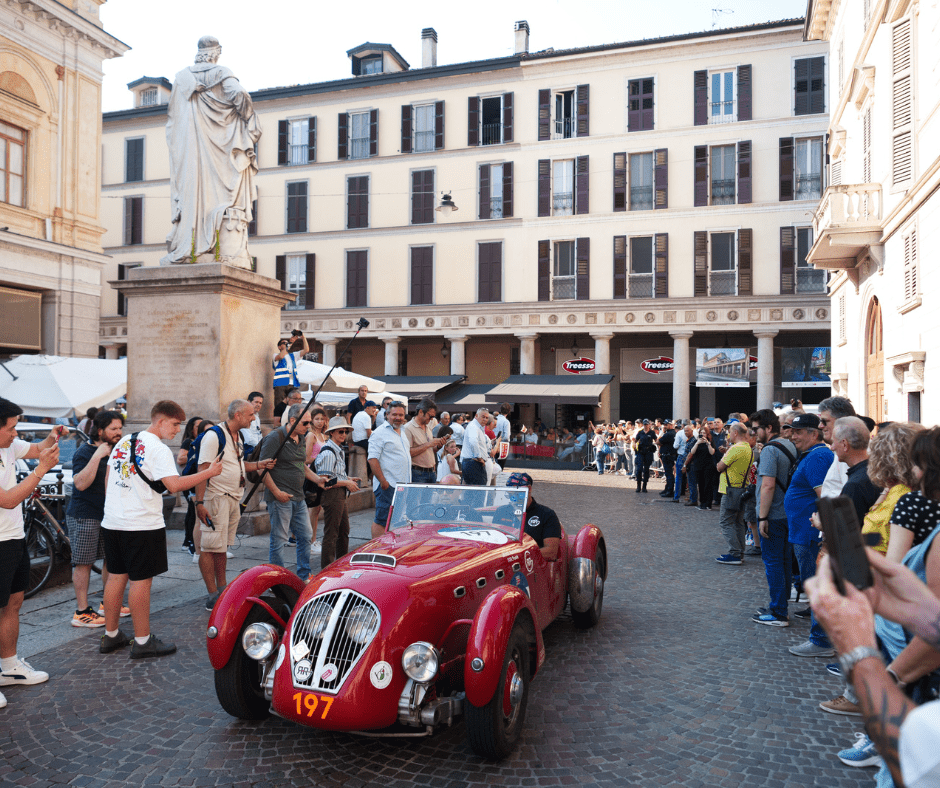
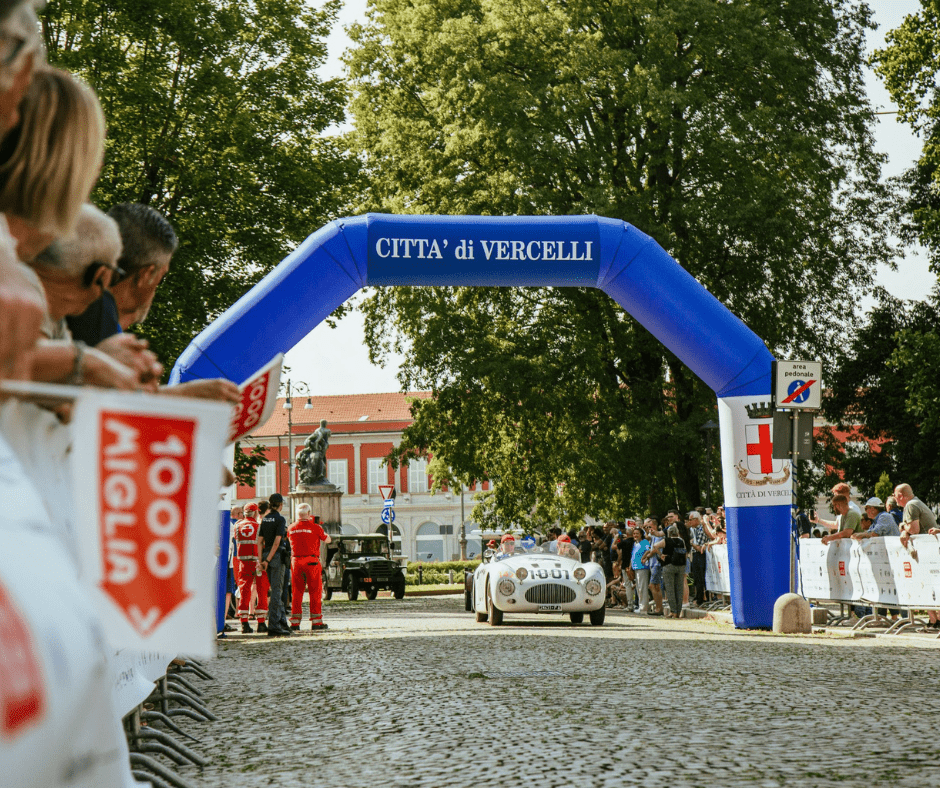
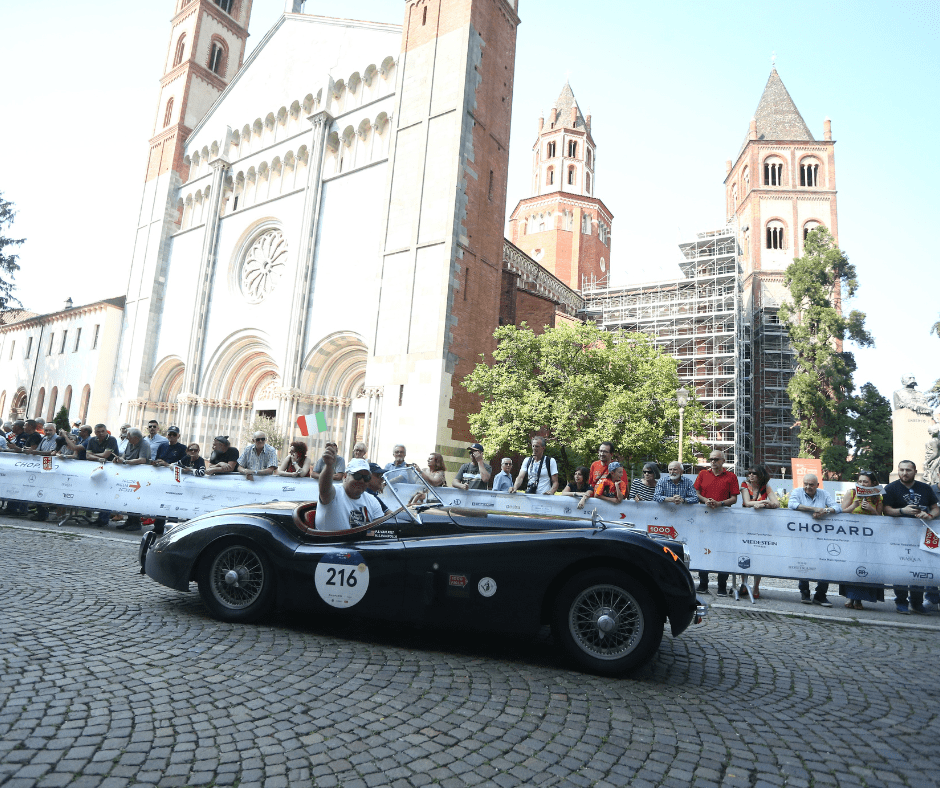
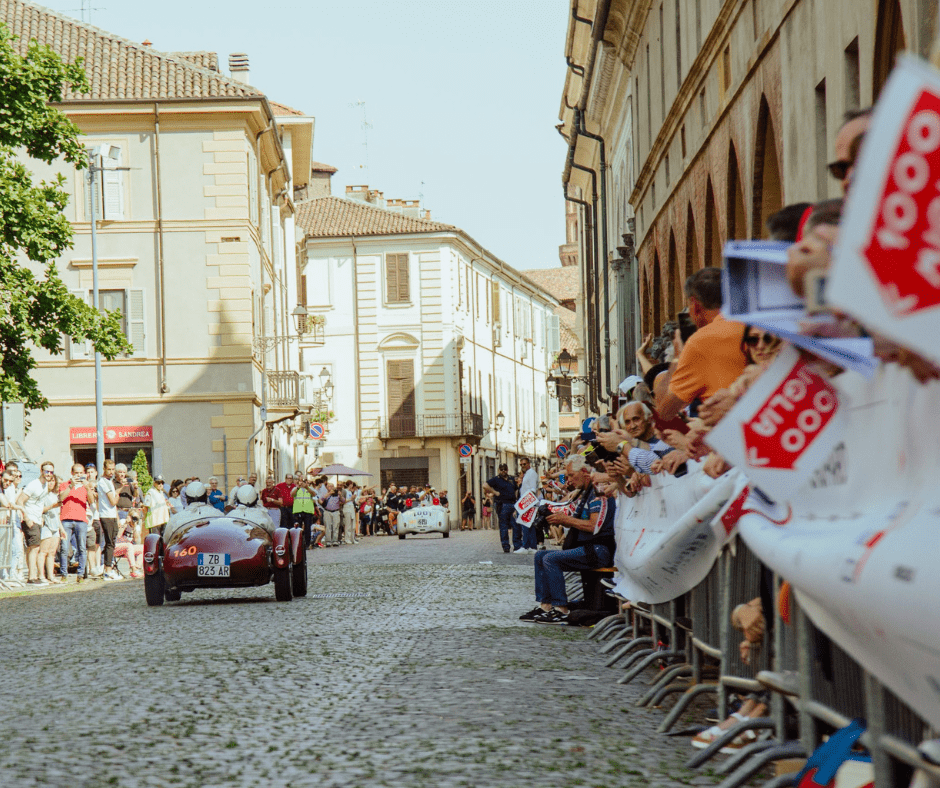
After departing from Viale Venezia, the competing cars passed through Iseo, Palazzolo sull’Oglio, Bergamo, Novara and Vercelli before arriving in Torino for the first leg finish.
Palazzolo sull’Oglio
A thousand years of history to discover
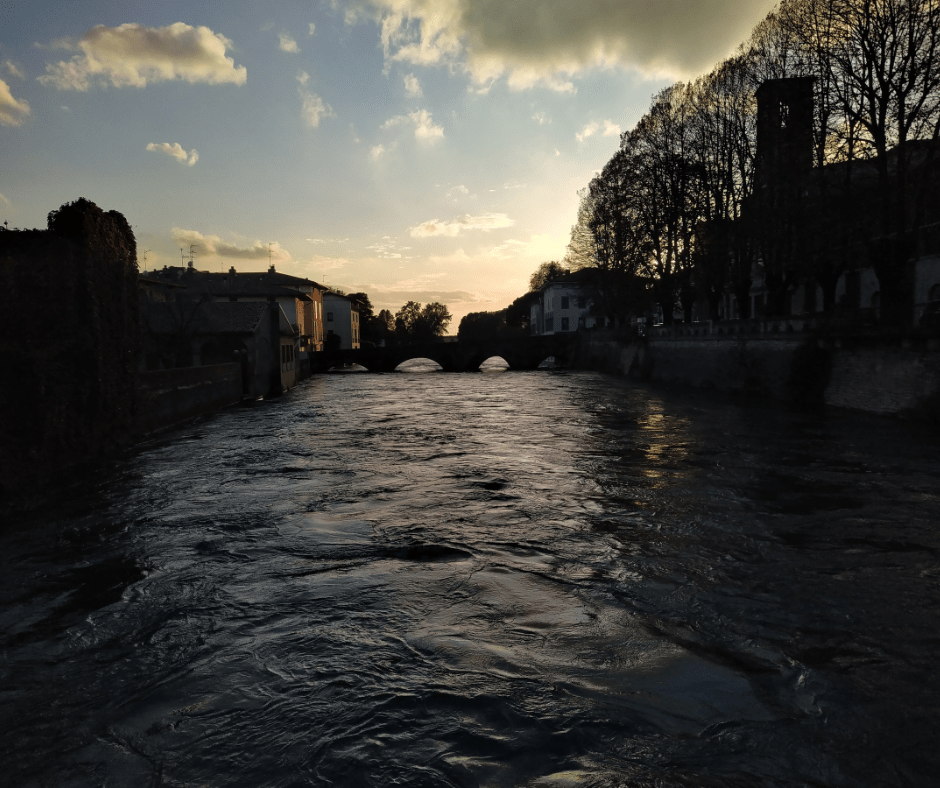
The City of Palazzolo sull’Oglio was established at the end of the 12th century, but archaeological finds show that it was already an important communication network point between Brescia, Bergamo and Milan in late Roman times.
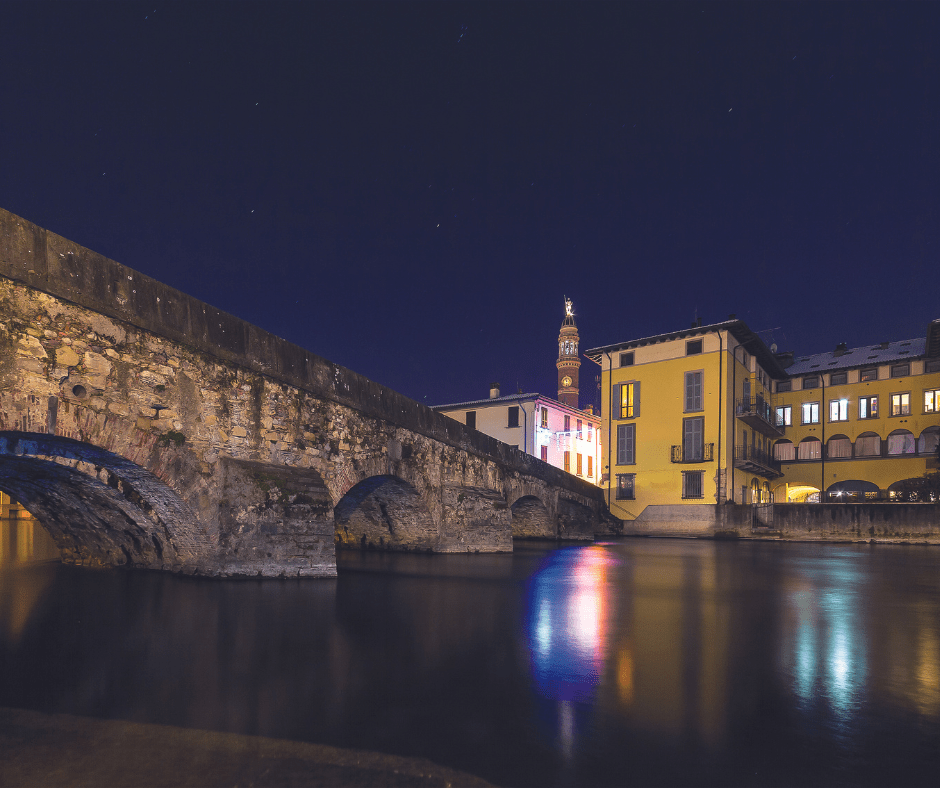
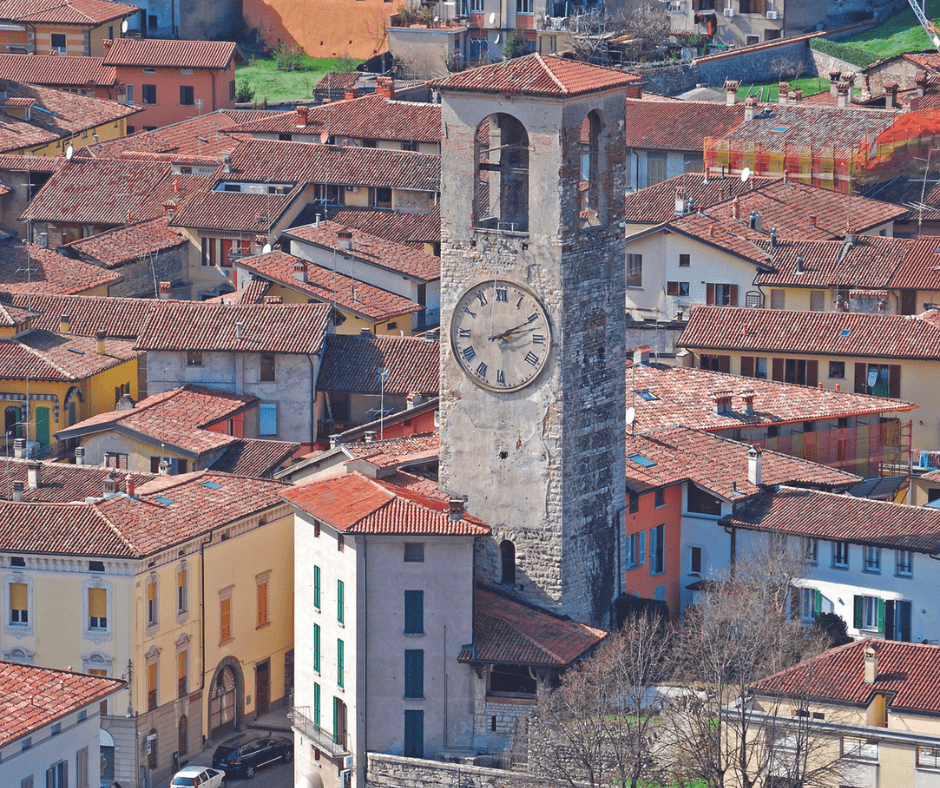
Today Palazzolo sull’Oglio is a city of twenty thousand inhabitants, full of testimonies of its millenary history: a significant number of monuments of great historical and architectural value, as well as numerous cultural activities and endeavours that contribute to offering an attractive reality, all waiting to be discovered.
It is no coincidence that every year since 2010, between May and June, Le Meraviglie della Terra del Fiume (The Wonders of the River Land) comes to life: the experiential and cultural tourism event organised by the Department of Cultural Planning and Tourist Promotion.
A true tourist season, made possible thanks to the contribution of numerous city associations, which aims to make the area’s historical, artistic, environmental, cultural and productive heritage better known and more appreciated.
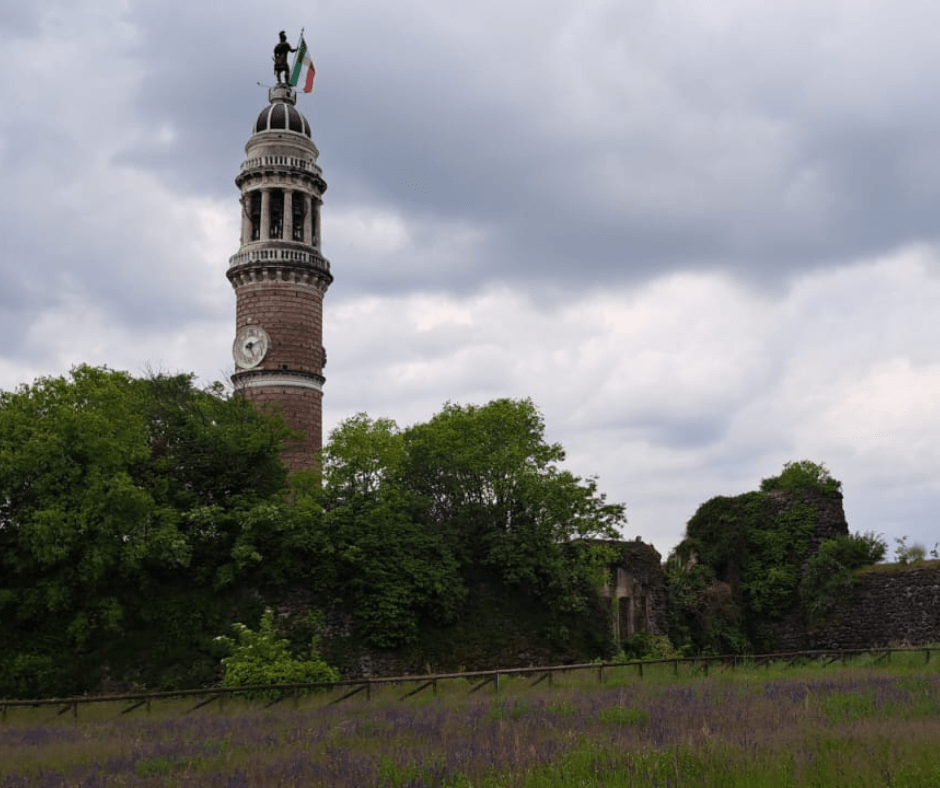
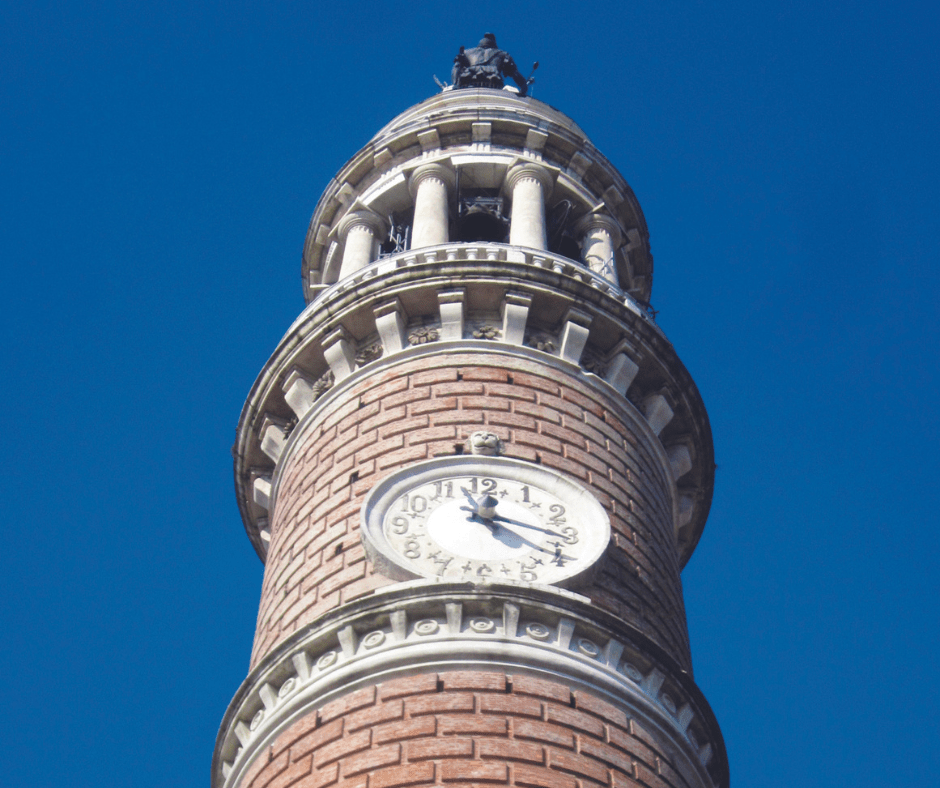
Among the many beauties of the city is certainly the Torre del Popolo, a true symbol of Palazzolo: at 92 metres high, it is Europe’s tallest civic bell tower with a circular base.
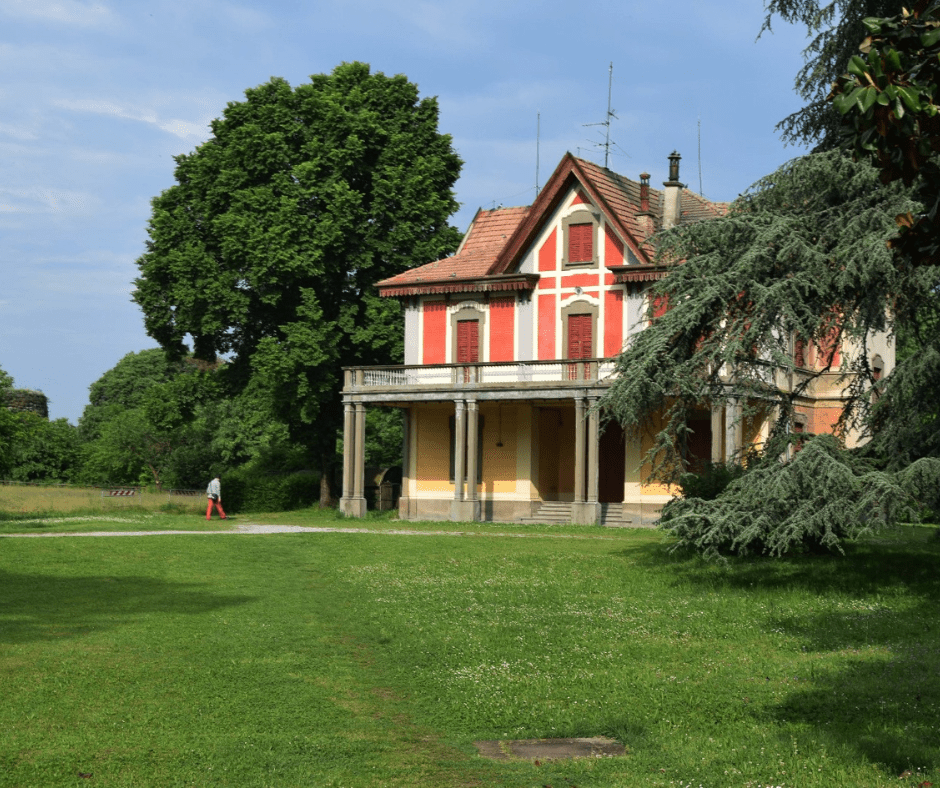
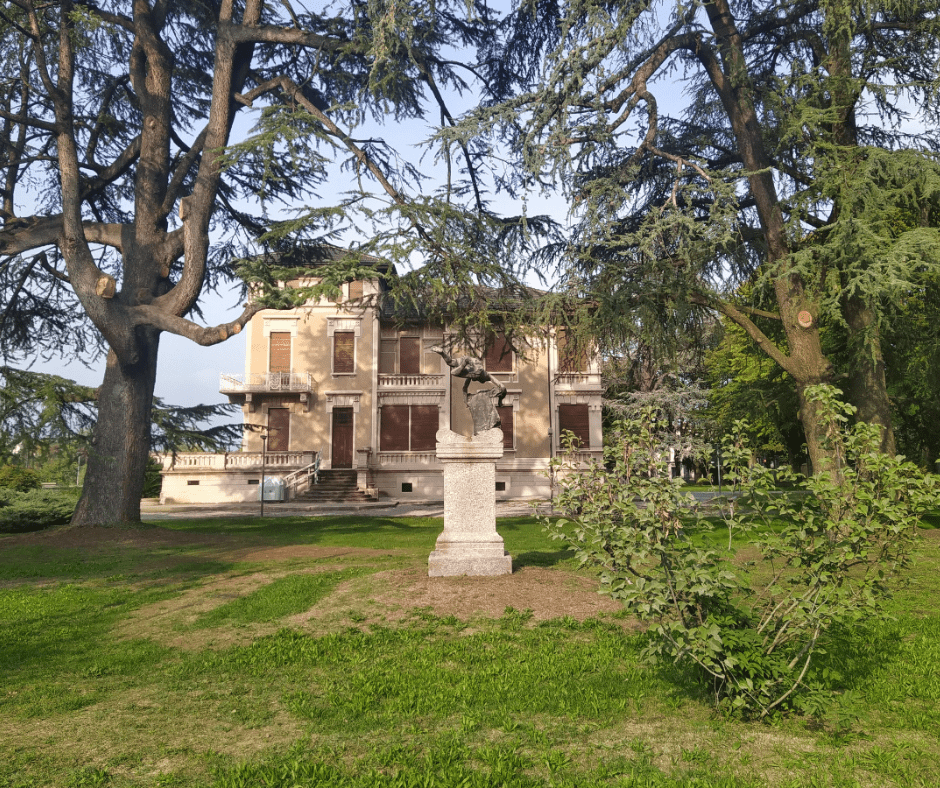
Also not to be missed are the Castle (Rocha Magna) and the Rocchetta (Rocha Parva), the Torrione di Mura and its medieval village, the Teatro Sociale, the Parco delle Tre Ville with its Art Nouveau residences, the Parco Fluviale on the banks of the Oglio and much more.
Bergamo
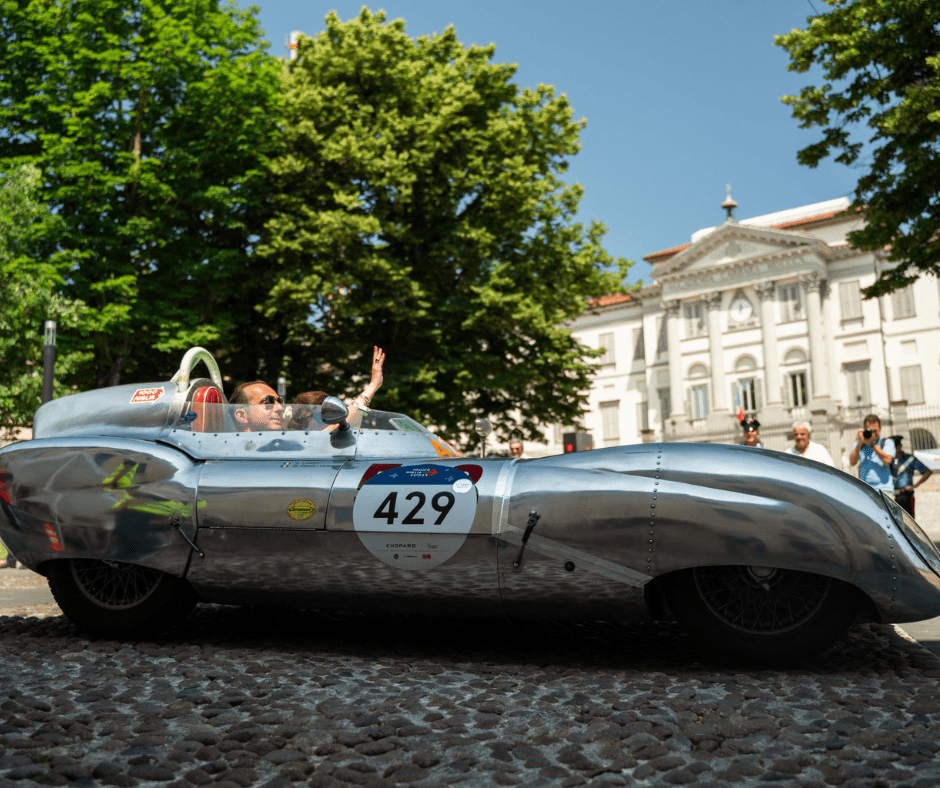
The 1000 Miglia for the third year in the provincial capital
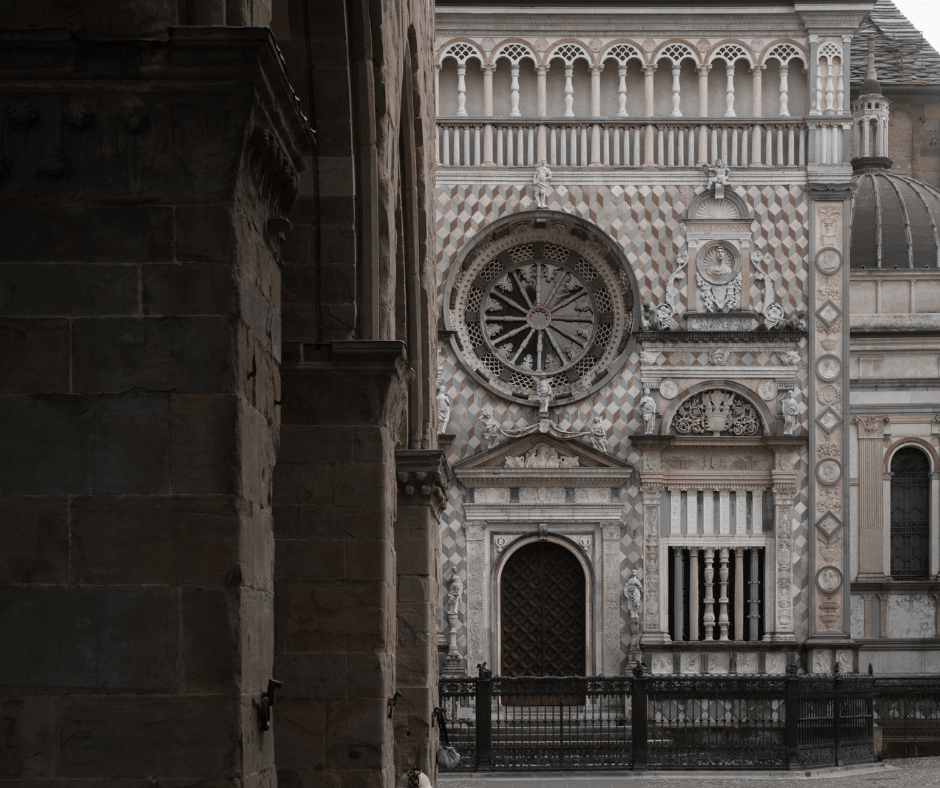
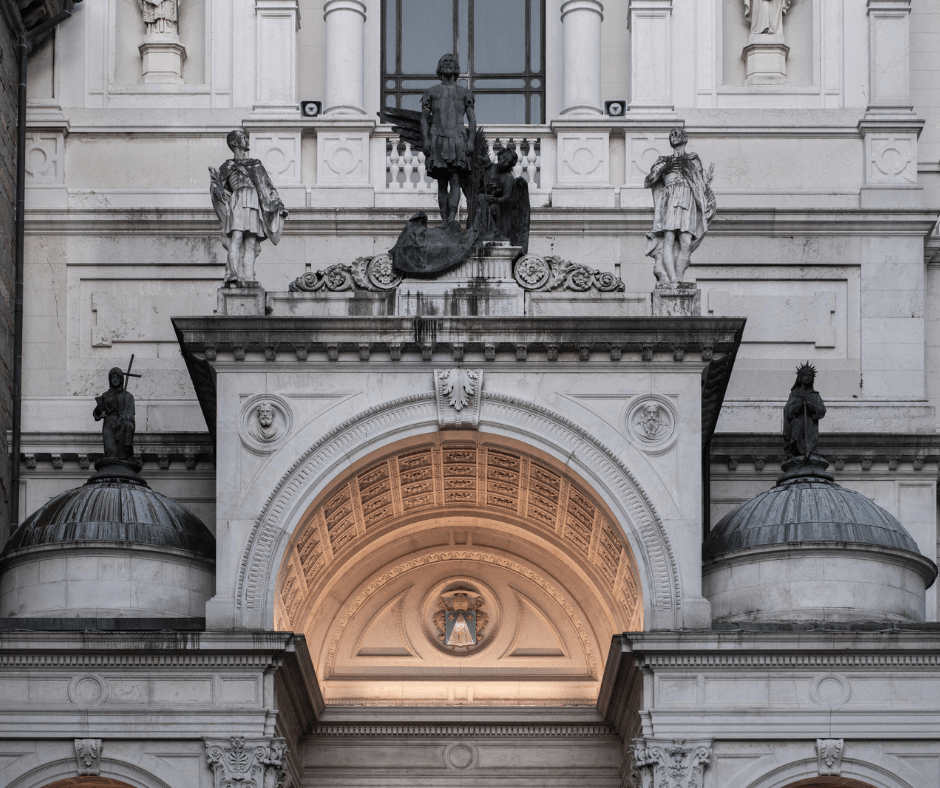
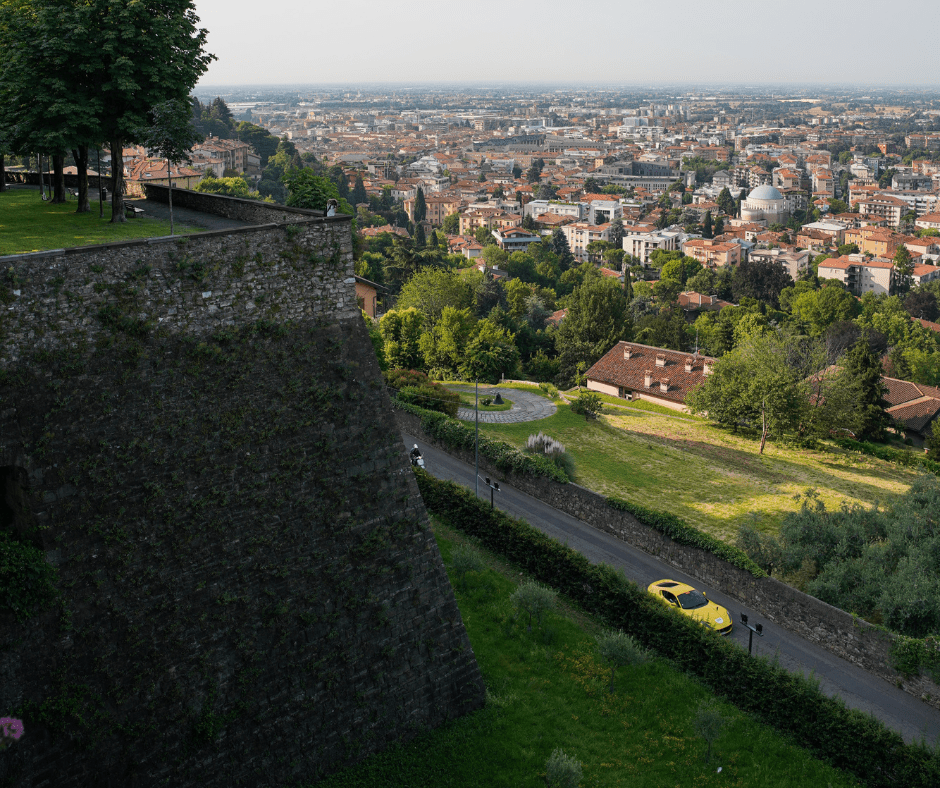
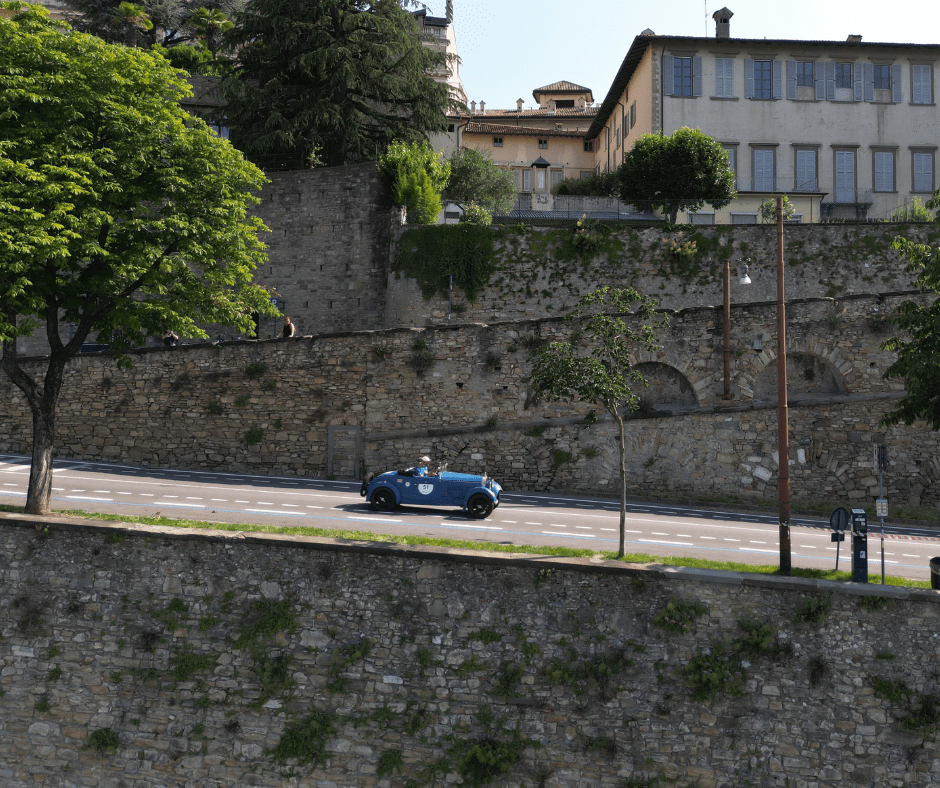
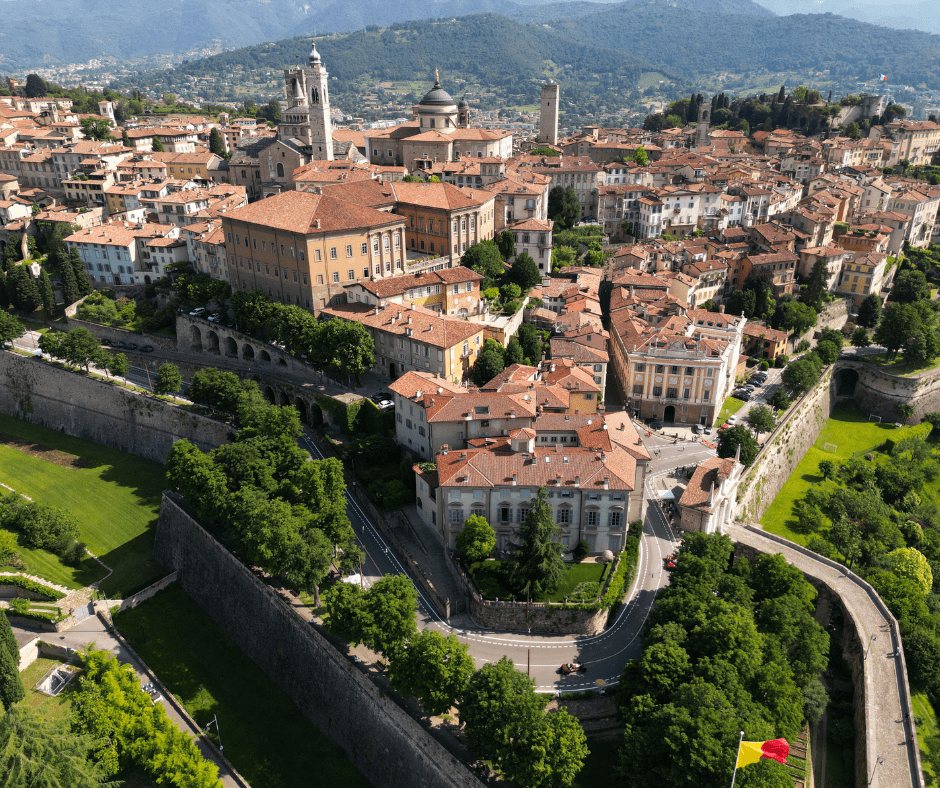
Bergamo is one of the richest and most characteristic capital cities of northern Italy: set in a system of hills that has been a Regional Park since the 1970s, the city is characterised by its different souls (linked by historical villages of considerable interest): the historical centre of Città Alta, surrounded by the mighty Venetian Walls built at the end of the 17th century and a UNESCO Heritage Site, and Città Bassa, the modern part of the city. A city of art and culture, Bergamo is at the centre of one of the most innovative and productive areas on the European continent, and is the second largest manufacturing district by added value in the old continent.
Novara
The 1000 Miglia in the City of the Antonellian Dome
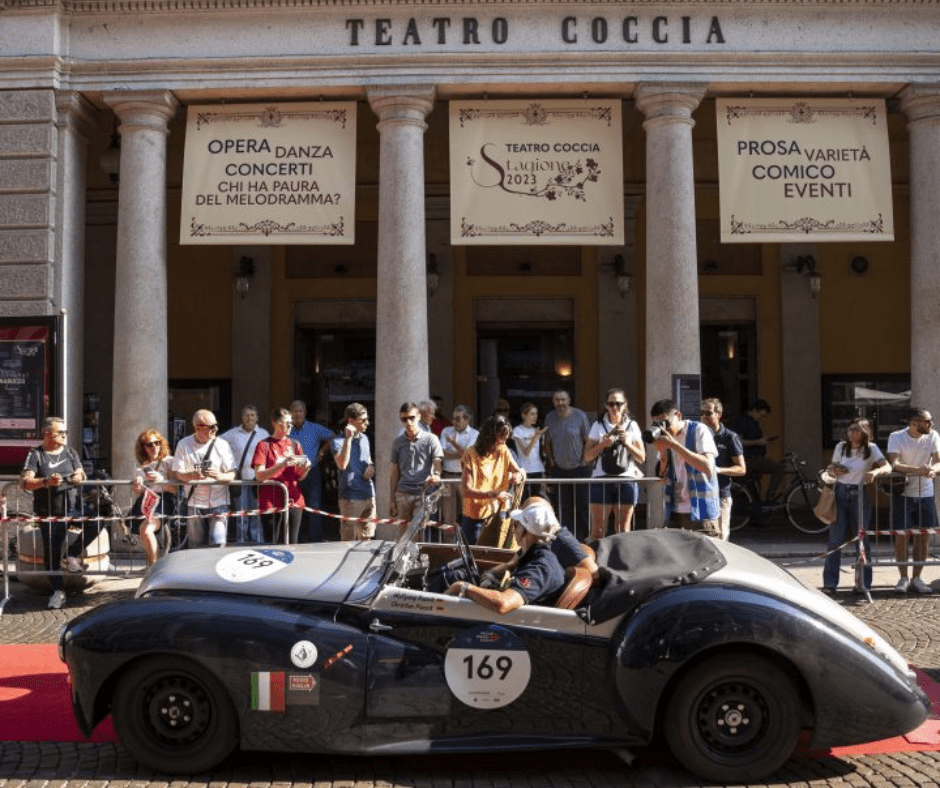
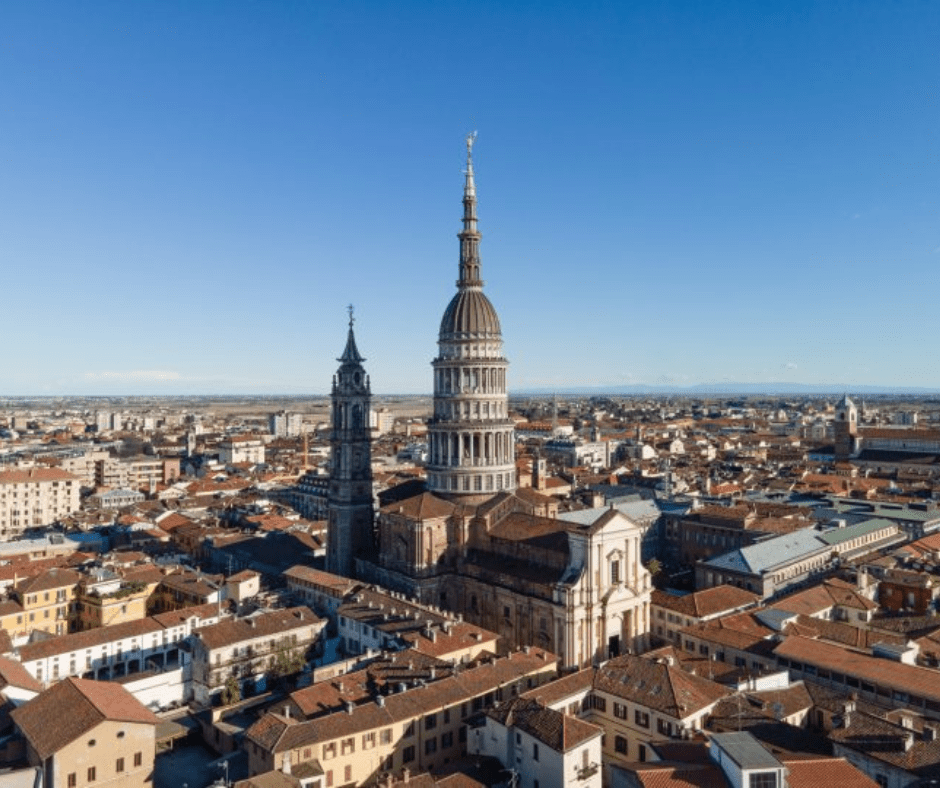
Novara is a city rich in tradition, history, and masterpieces of art, created little by little, in a succession of stratifications and influences, that have made it a lively cultural centre, an ideal stop for a visit throughout the year. The true soul of the city emerges in its historic centre, which revolves around the Basilica of San Gaudenzio and that daring structure that dominates everything and which everyone looks up to: the Dome, designed and built during the 19th century by Alessandro Antonelli, architect of the Mole of Torino; its 121 metres draw the skyline of the Province’s capital, giving it that dear and familiar shape in which the people of Novara recognise themselves. The 16th-century basilica dedicated to the patron saint Gaudentius, a precious casket of Baroque art, is worth a visit; the majestic Cathedral of Santa Maria, with its characteristic colonnade, and the early Christian Baptistery, the city’s oldest monument; the Broletto Monumental Complex, once a place of public and civic life, now houses the Giannoni Modern Art Collection; the Visconteo Sforzesco Castle, which hosts high-level events and exhibitions; and the Coccia and Faraggiana Theatres, the musical and artistic hearts of the city. First place on the Novara menu goes to paniscia, a “risotto” with lard, vegetables and salame della duja, followed by gorgonzola, of which Novara is the capital. And to close on a sweet note, the world-famous Biscottini di Novara.
Vercelli
The 1000 Miglia in the European rice capital
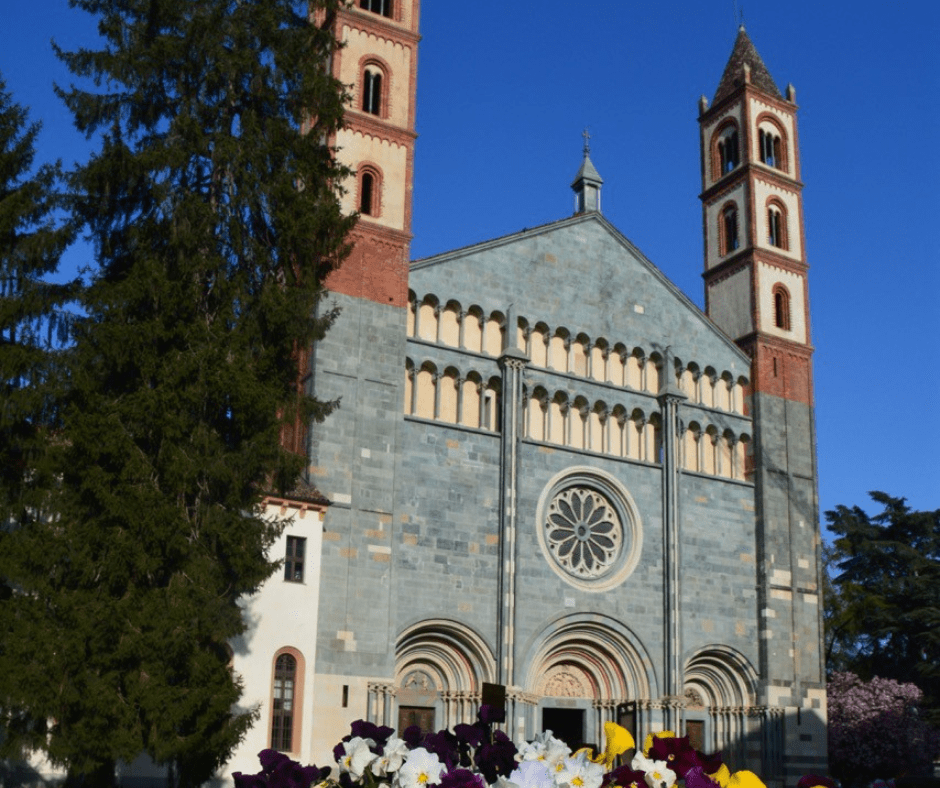
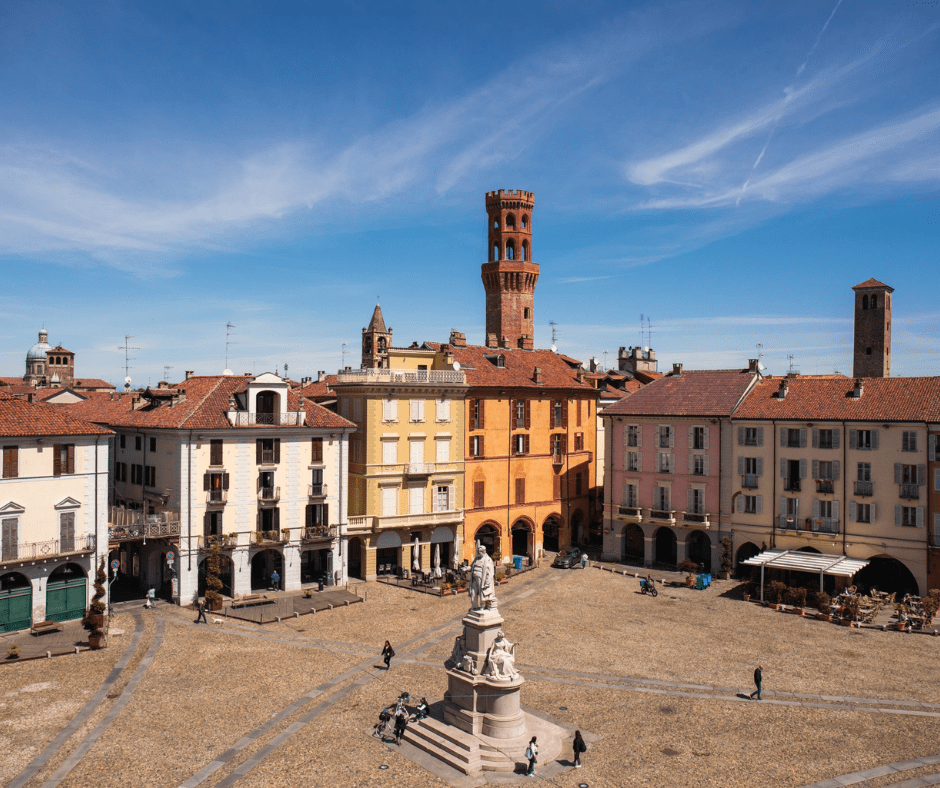
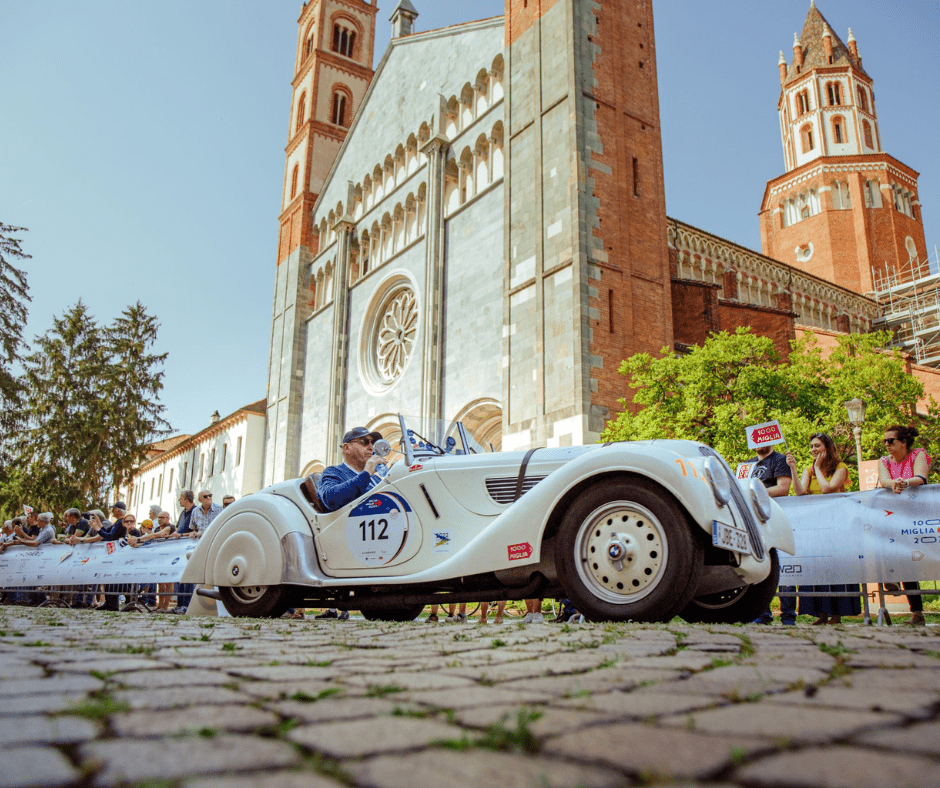
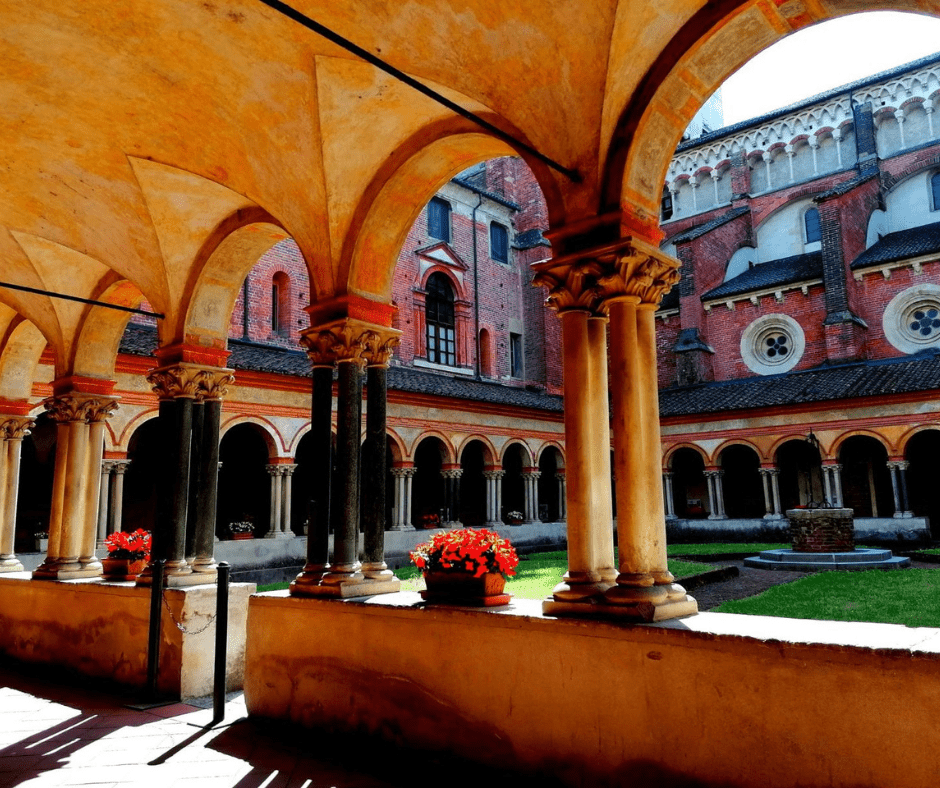
Vercelli is a city of discreet charm, known for its rice, so much so that it is called “the European rice capital”, but it is also a city of art and culture, one of the most interesting cities in Piedmont, rich in treasures and artistic masterpieces. First and foremost, the Abbey of Sant’Andrea, a masterpiece of Gothic-Romanesque architecture that has been the symbol of the city for more than eight hundred years. Then there is the Church of St Christopher with its precious Gaudenzi frescoes and the imposing Cathedral. Vercelli’s priceless museum heritage also includes the Francesco Borgogna House Museum, the historic Leone Museum and the small and unique Archaeological Museum. Inside the former Church of San Marco, in the central nave, is “Arca”, an innovative museum container, a very modern structure in glass and steel, capable of hosting international exhibitions. The Synagogue, inaugurated in 1878 and located in the centre of the former Jewish ghetto, is also of great value. The building is among the most striking in Italy and is one of the most significant examples of Moorish style from the second half of the 19th century. The historical centre is a real jewel, studded with noble palazzos and medieval towers, such as the Torre dell’Angelo that can be admired from the true heart of the city, Piazza Cavour, which becomes the ideal place to experience the most typical products of the area’s gastronomy, including Panissa, traditional risotto, Bicciolano biscuit and truffle cake.
Torino
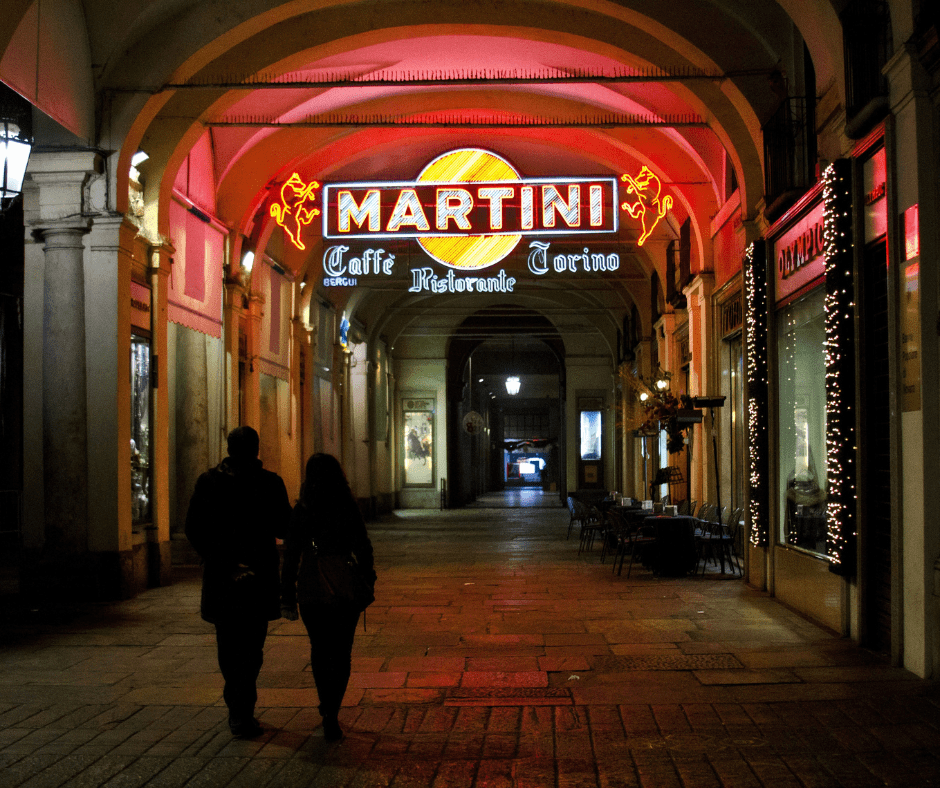
The 1000 Miglia returns to the Savoy capital
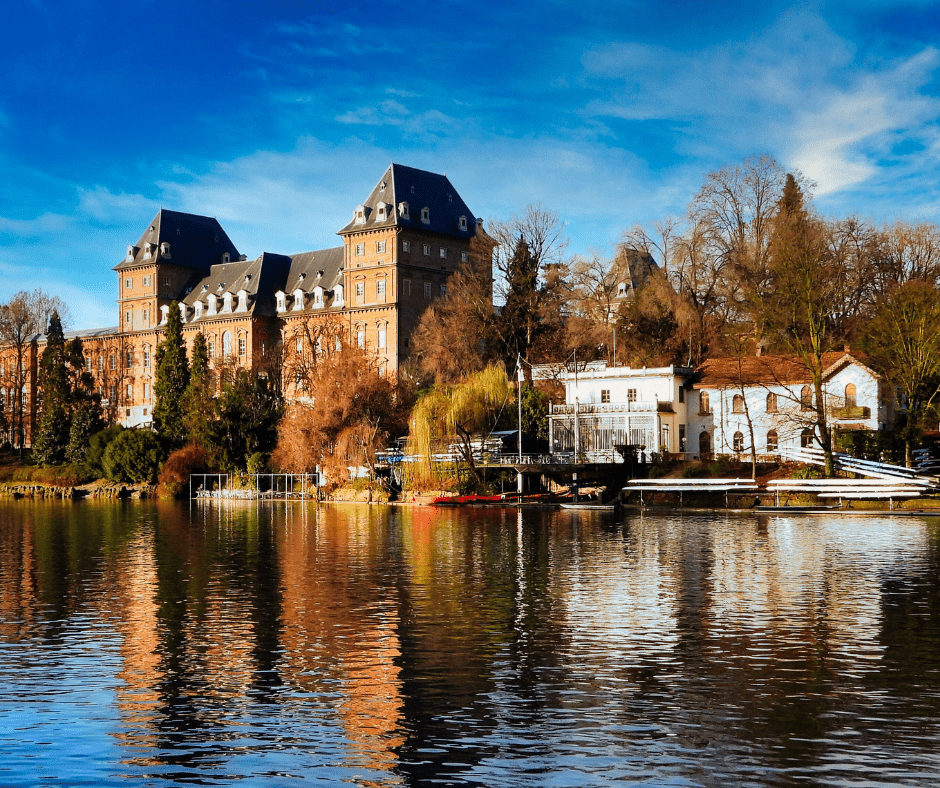
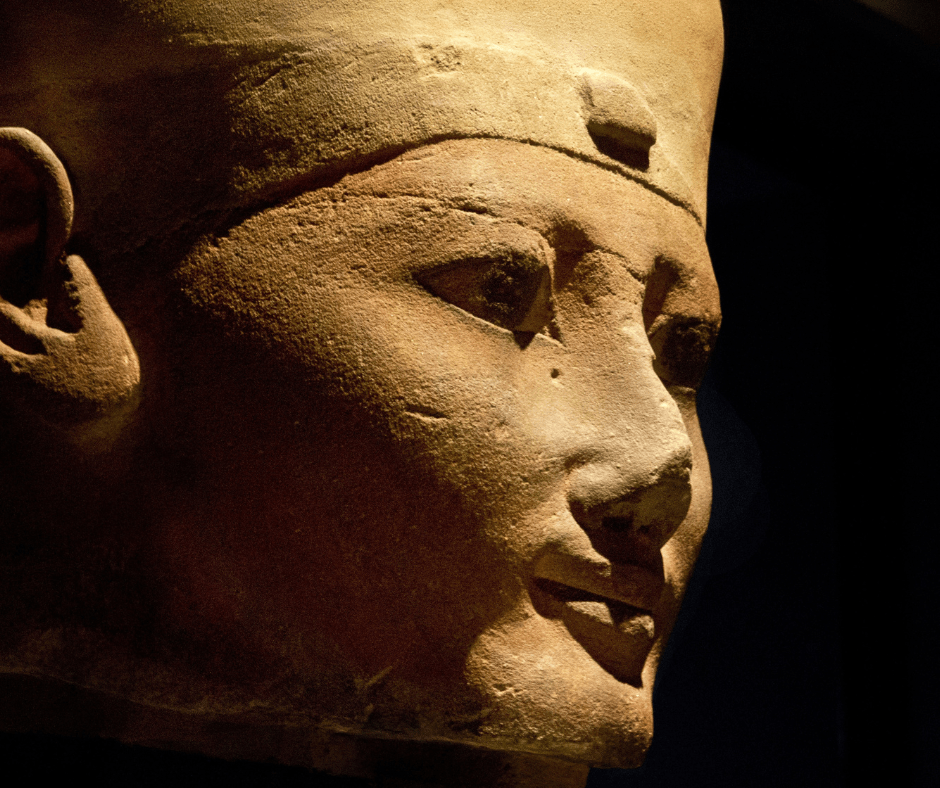
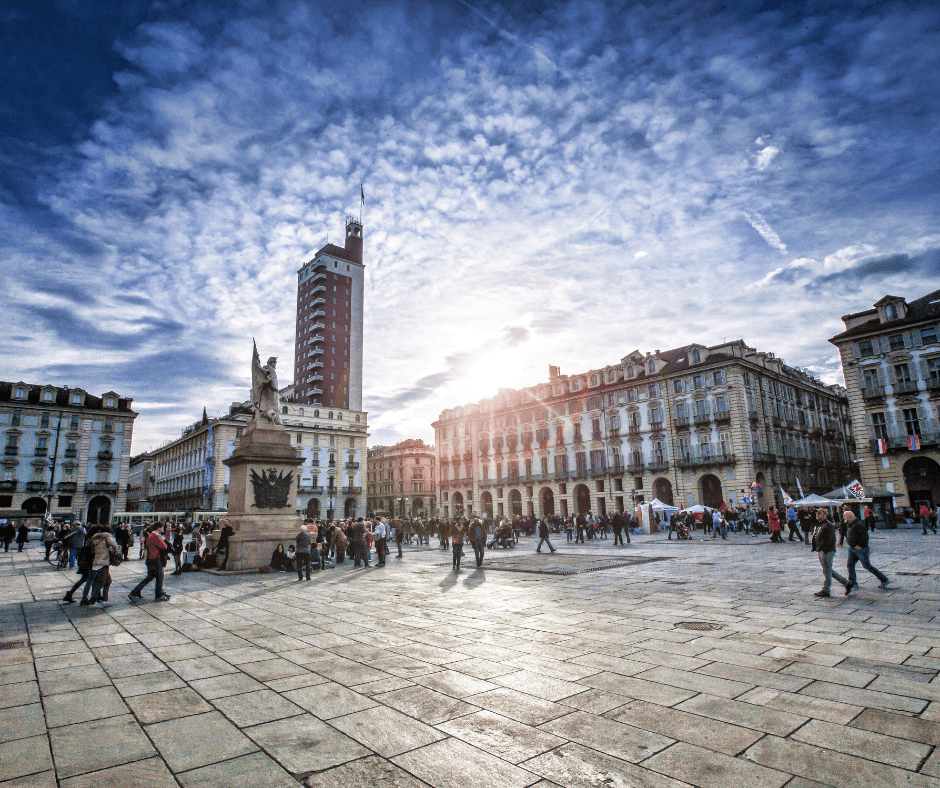
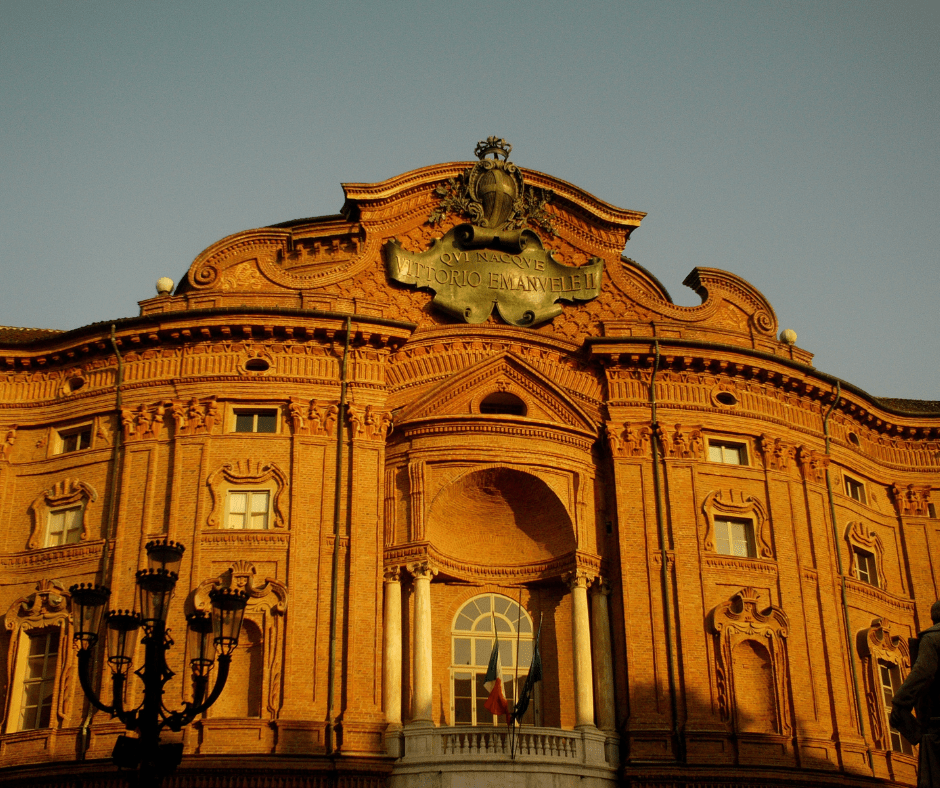
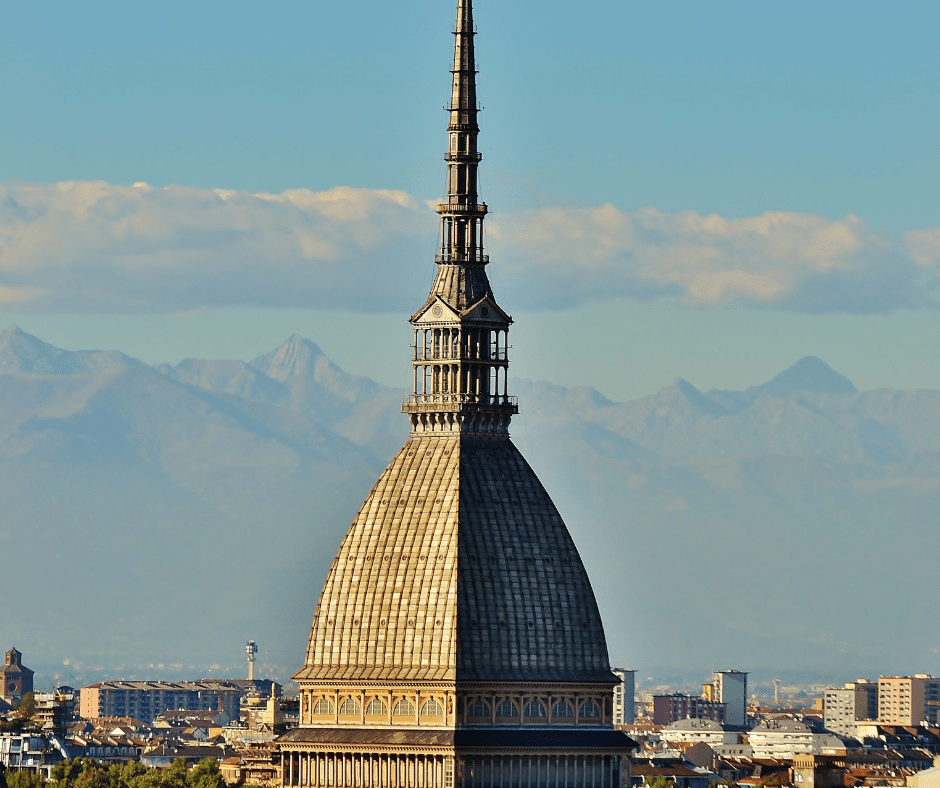
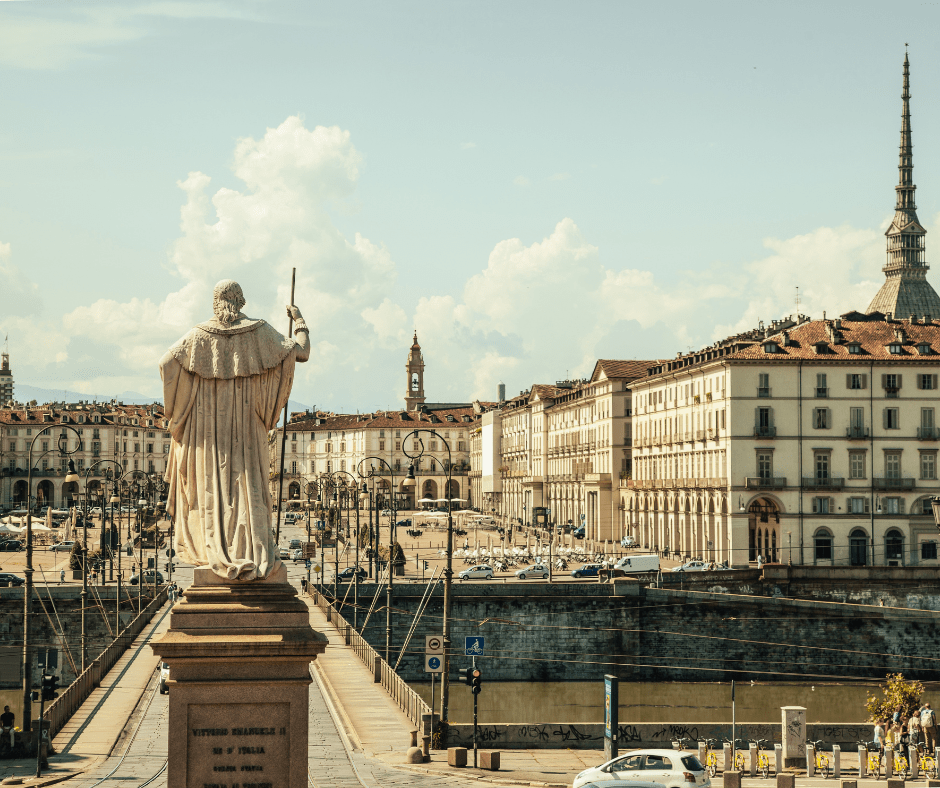
Turin welcomes the Red Arrow after 76 years: only in 1947 and 1948, in fact, was the Savoy capital the setting of the 1000 Miglia. A city with “1000” facets, with an austere and elegant appearance, the cradle of the Italian Risorgimento and theatre of great historical events, an industrial city that has been able to reinvent itself, a pole of innovation and artistic experimentation. In order to grasp its true soul, you must visit the Mole Antoneliana, symbol of Turin, the Egyptian Museum, the Royal Museums and the Chapel of the Holy Shroud, the Valentino Park and its Medieval Village, Piazza San Carlo and its historical cafés.