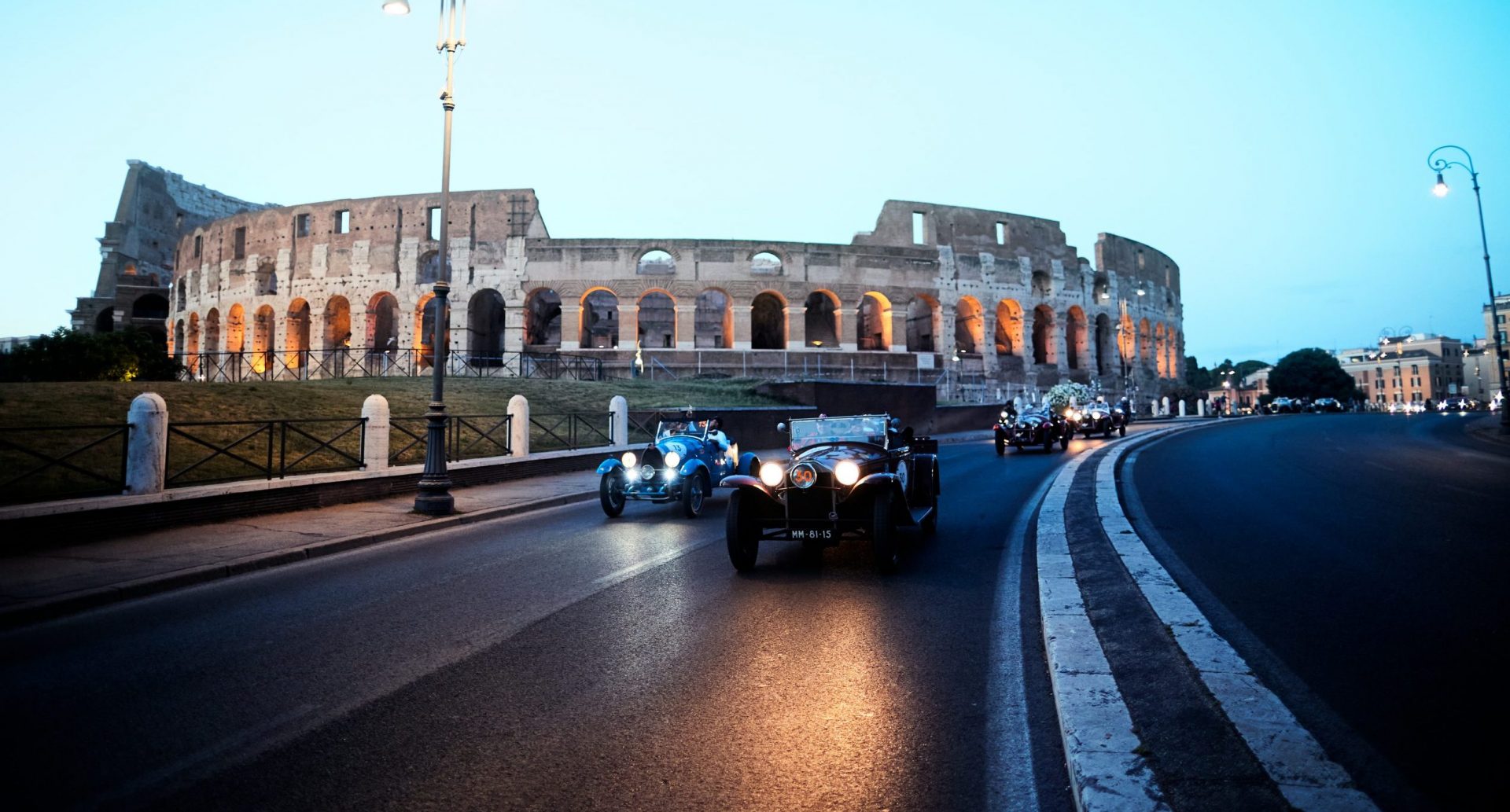

LEG 5 – SATURDAY 15 JUNE
Ferrara, Bovolone, Villafranca, Peschiera sul Garda, Sirmione, Desenzano, Padenghe sul Garda, Moniga, Manerba, San Felice del Benaco e Salò
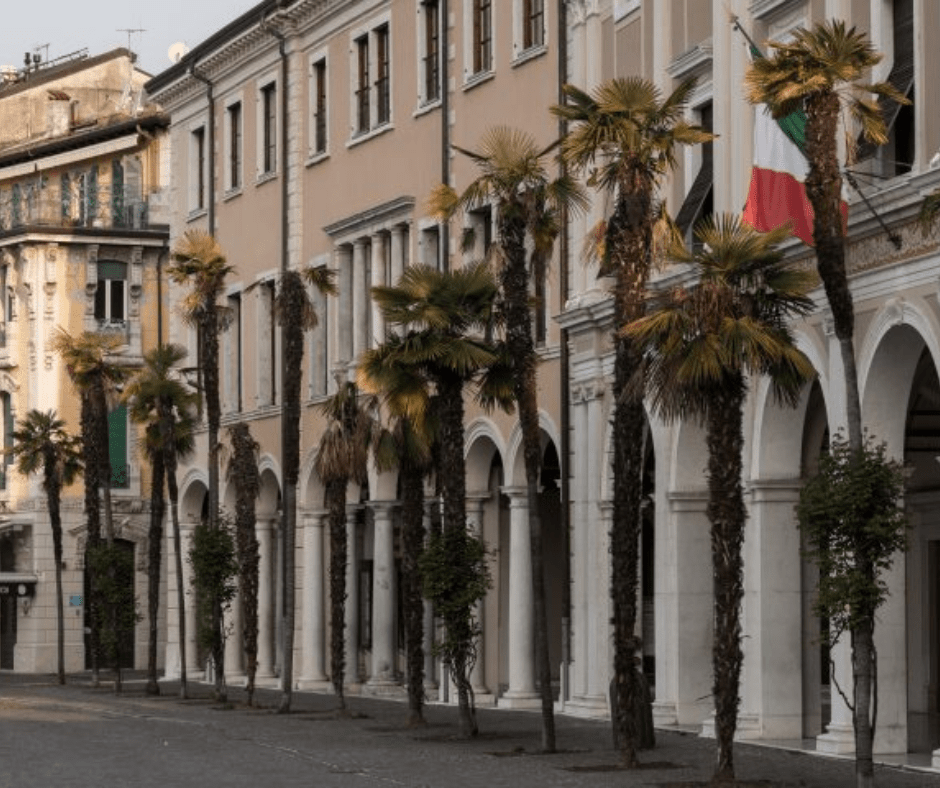
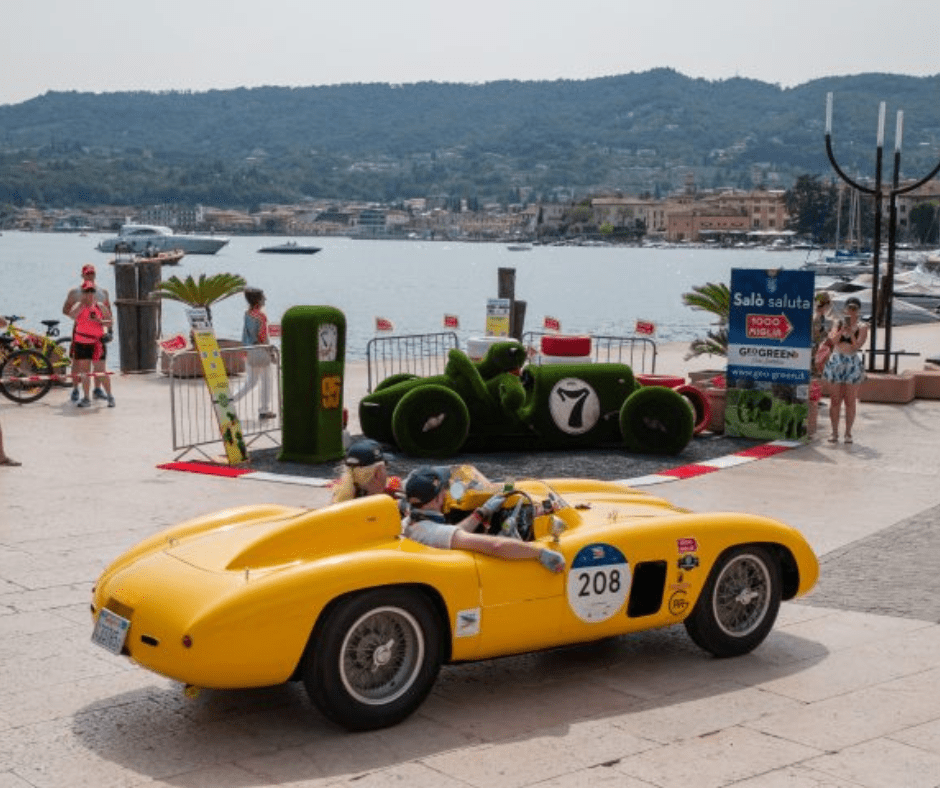
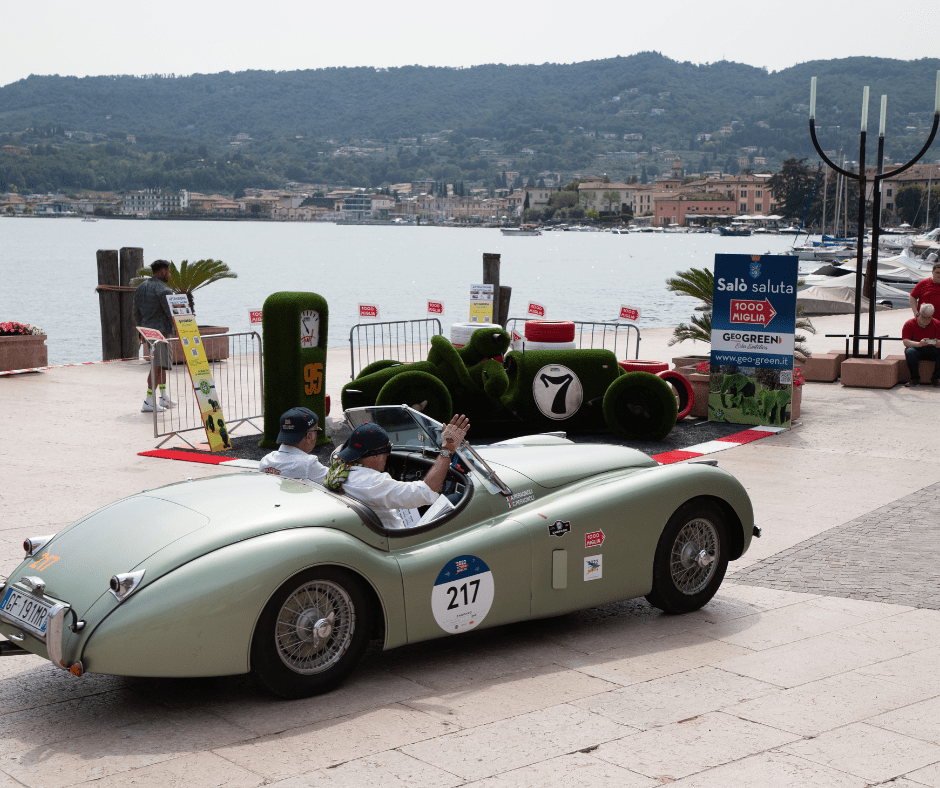
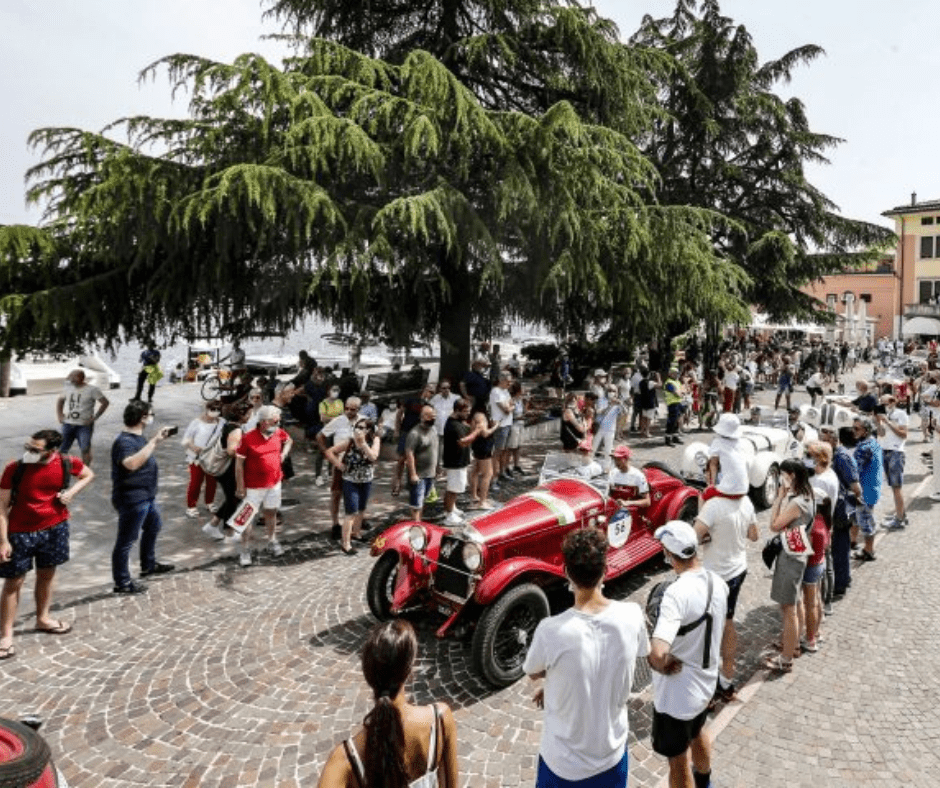
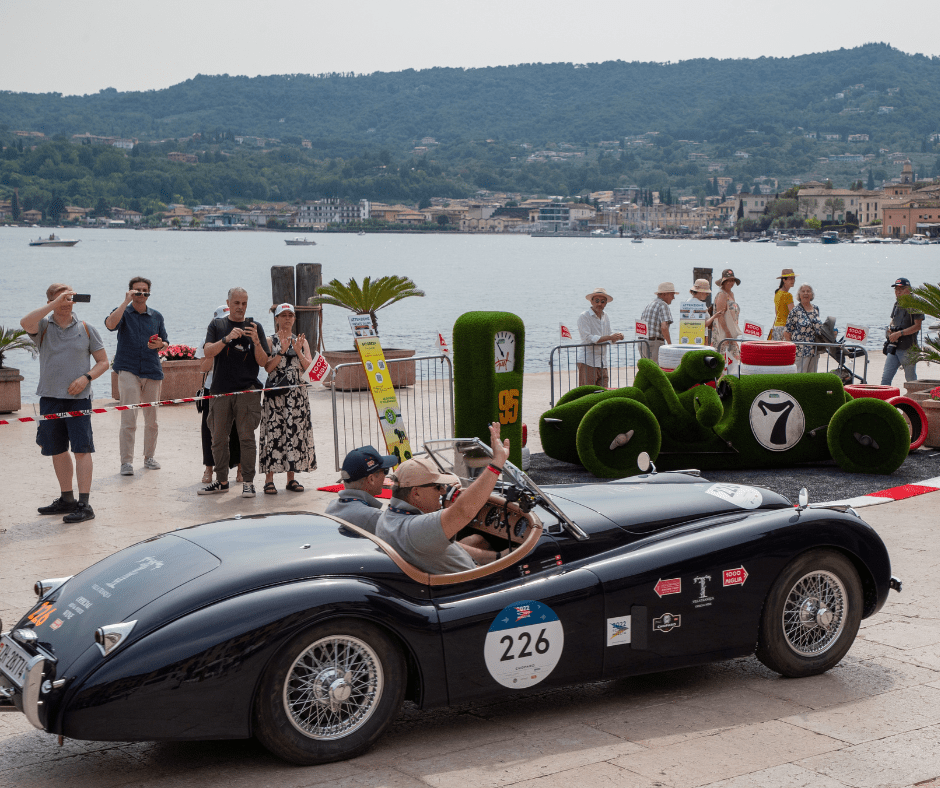
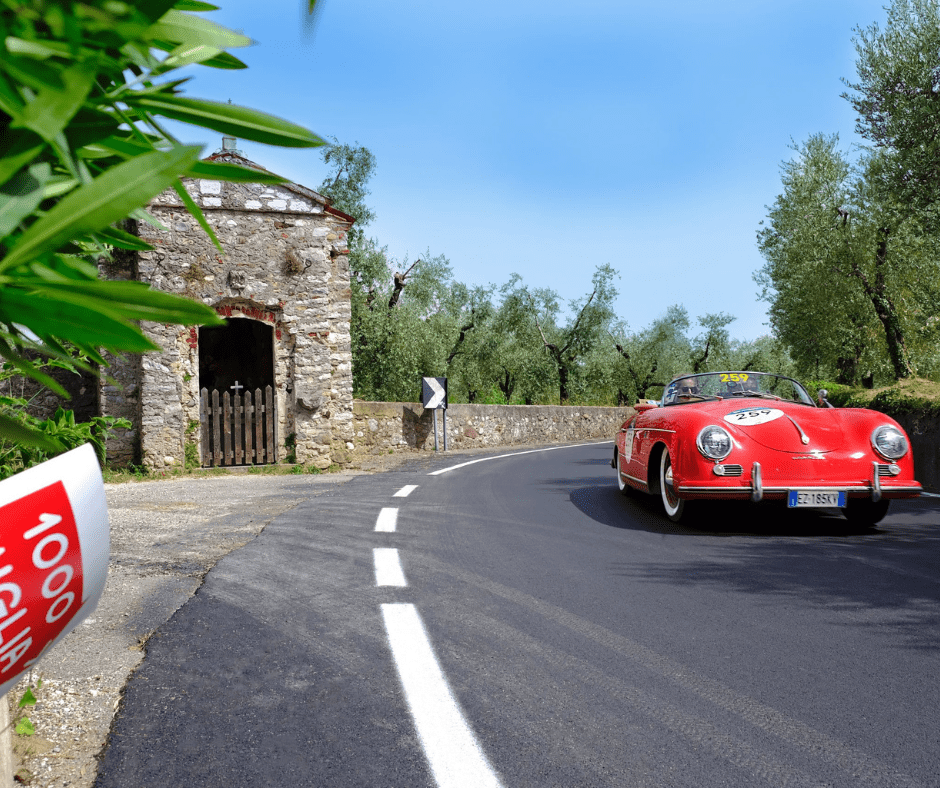
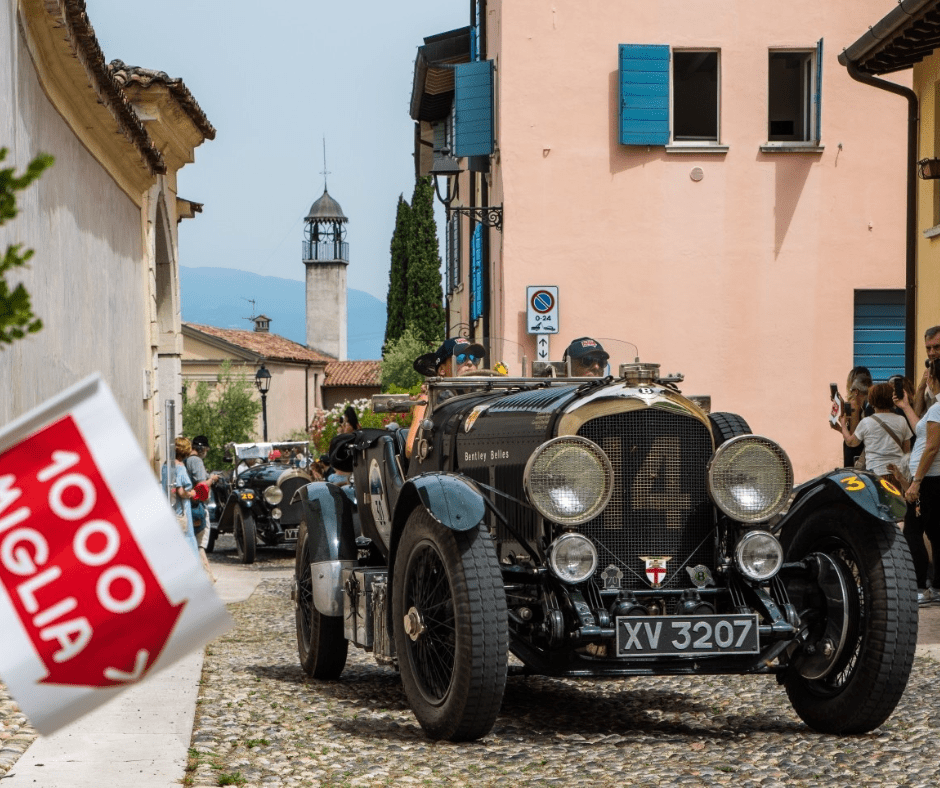
On the final day, the route will touch Ferrara, Bovolone and Villafranca, then Lake Garda with the Valtenesi and Salò to finish with the classic parade in Viale Venezia.
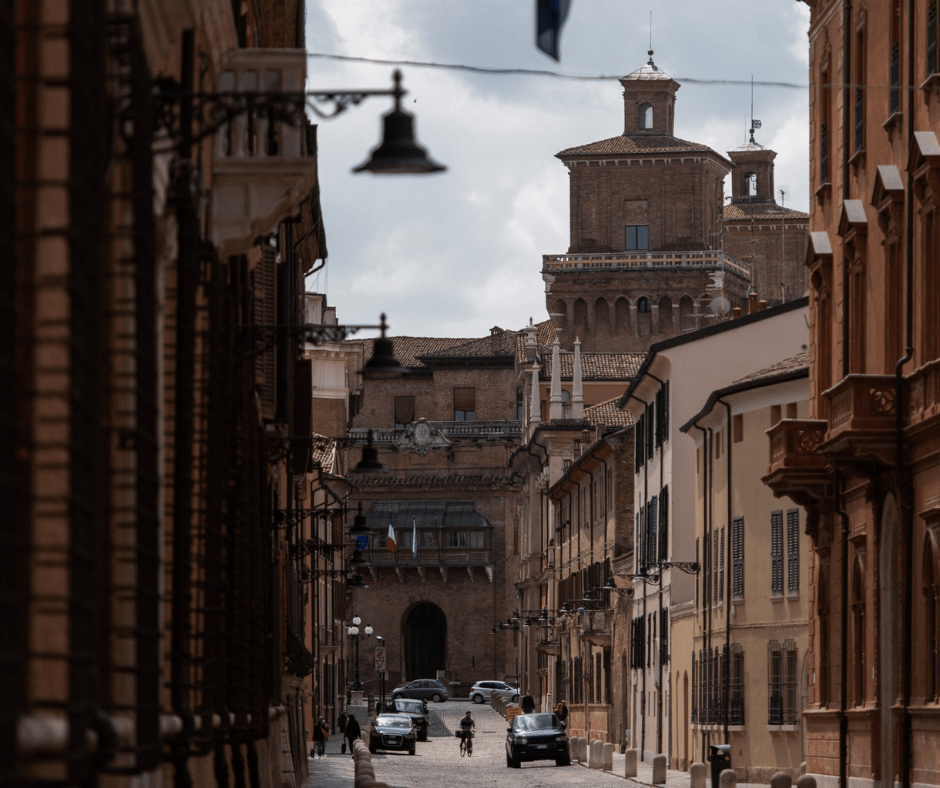
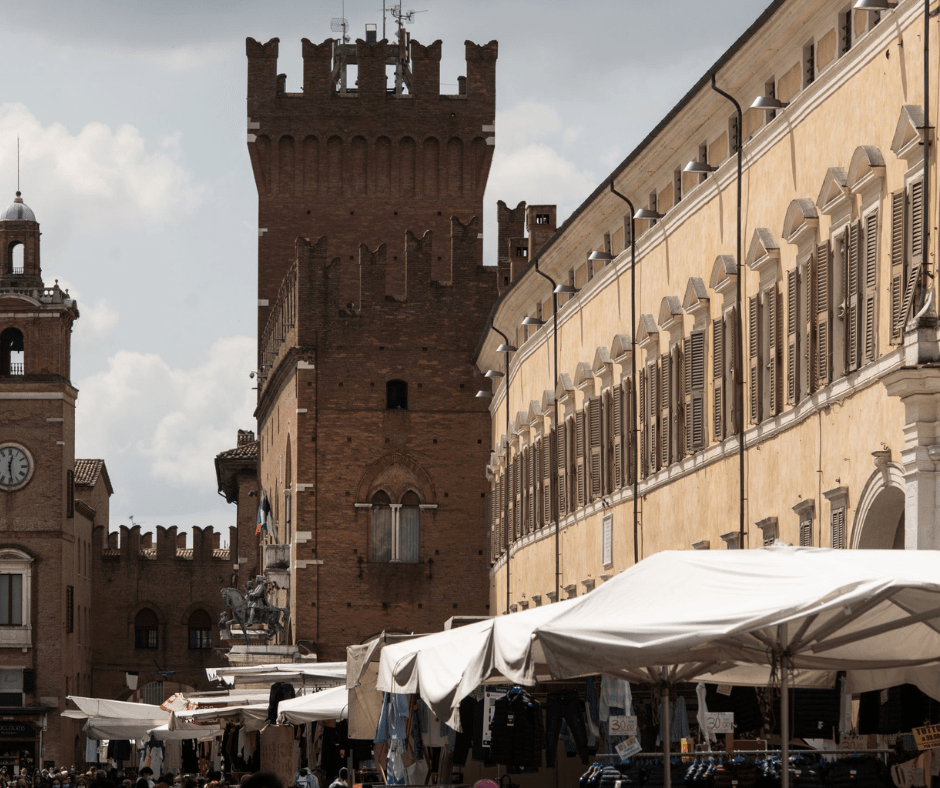
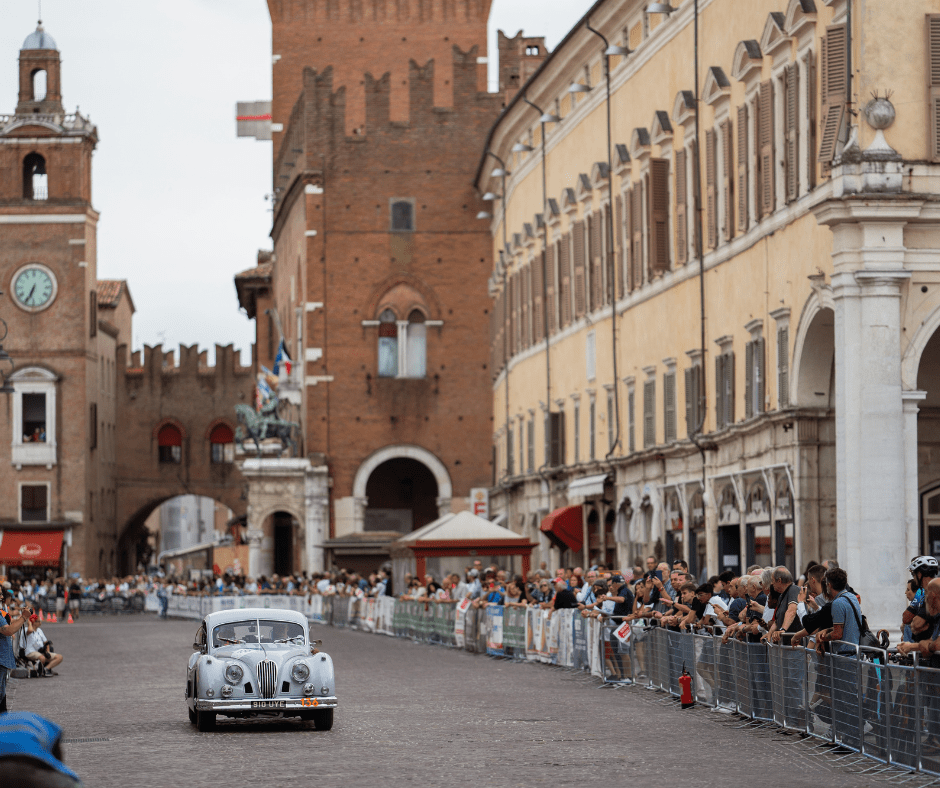
Ferrara
The traveling museum in the capital of the Renaissance
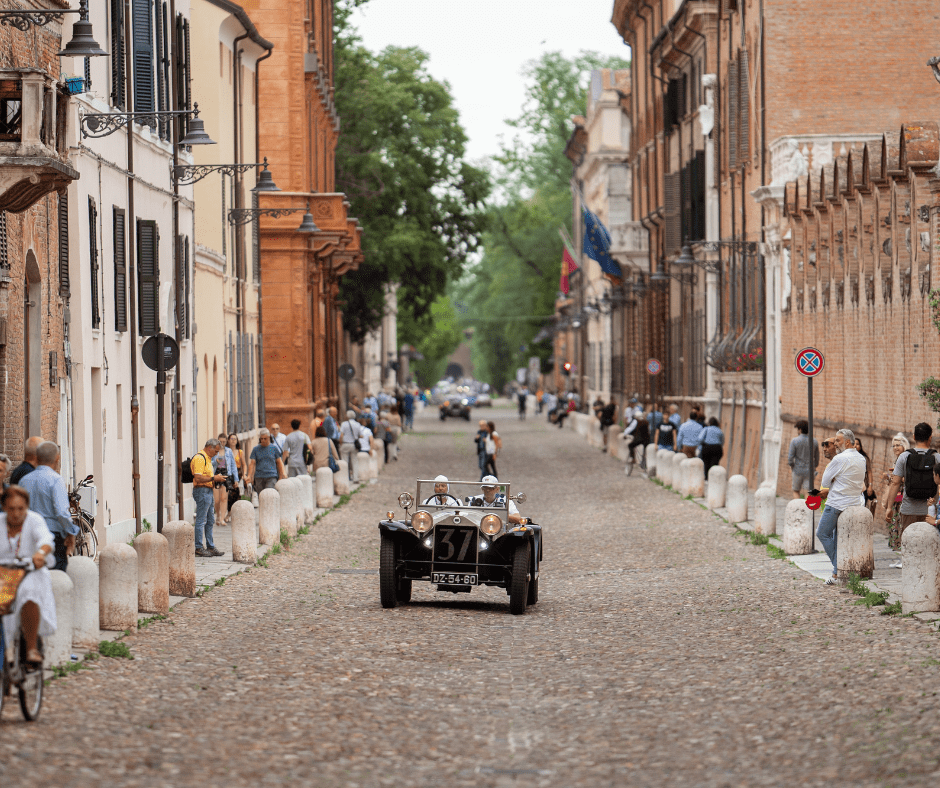
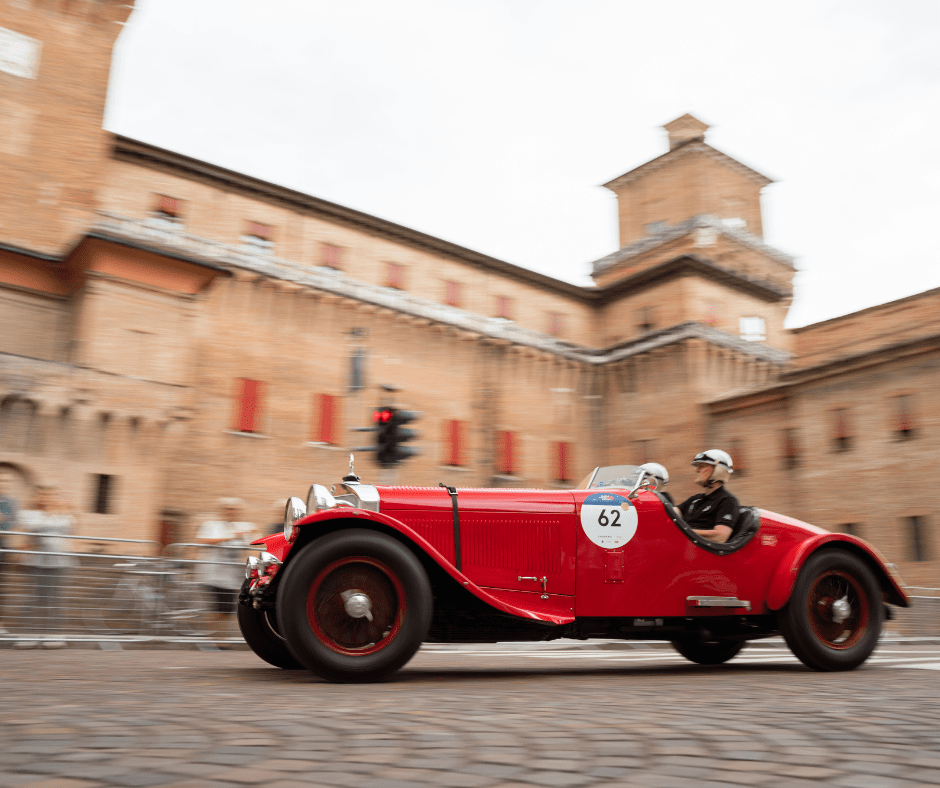
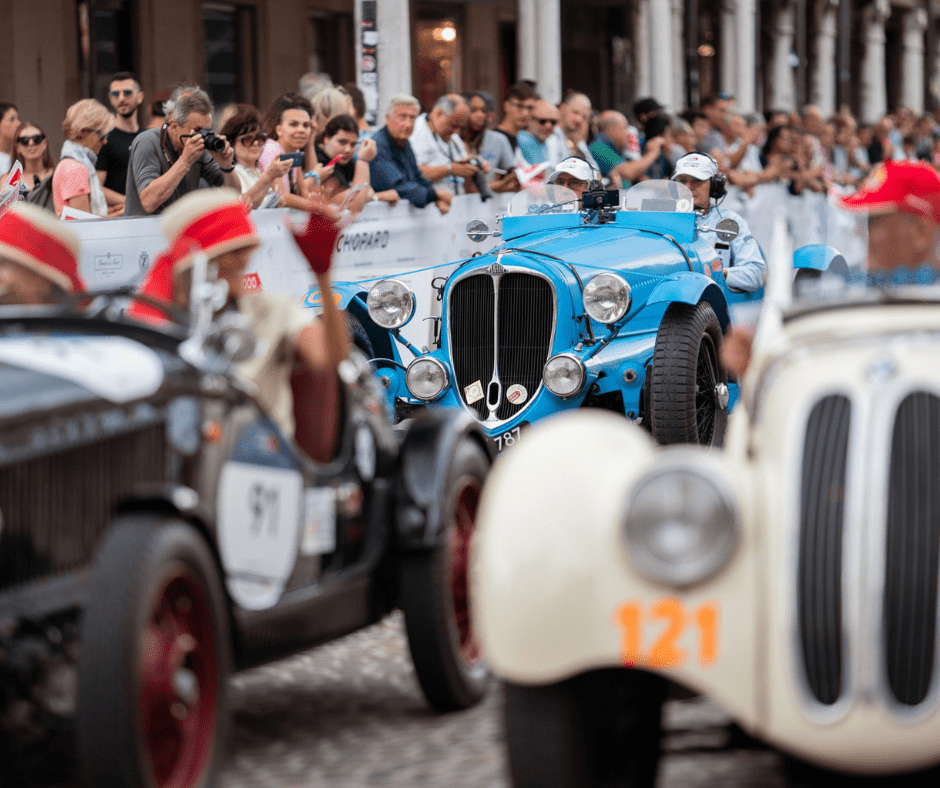
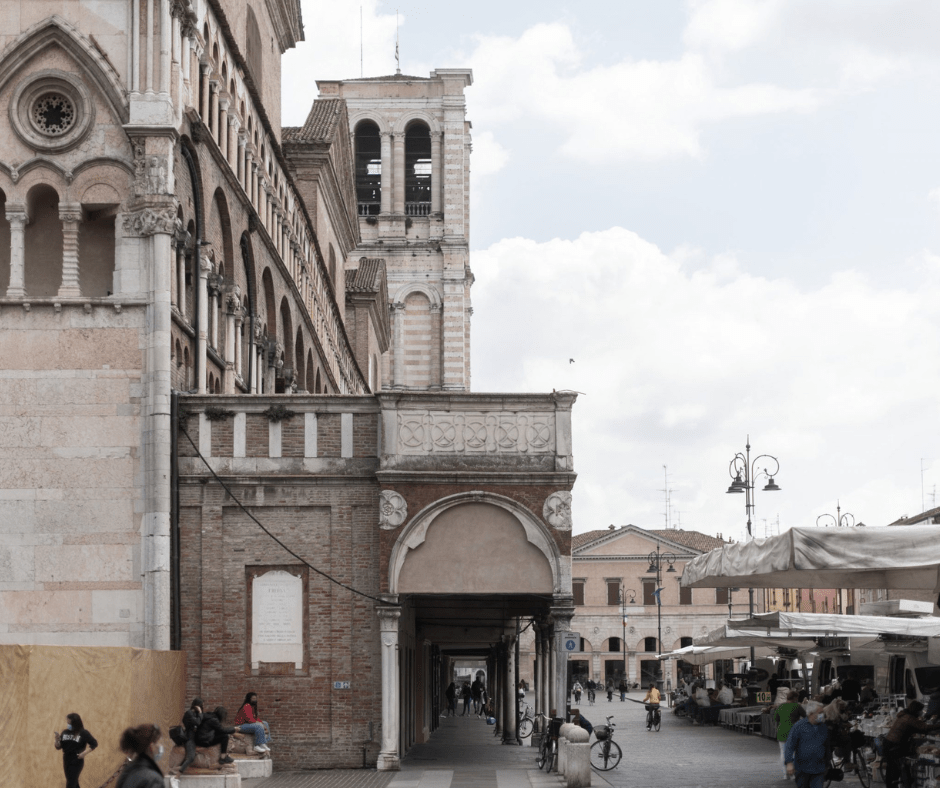
Considered one of the art cities par excellence, Ferrara can boast about seeing a traveling museum passing through its streets. Ferarra is a Renaissance capital, ruled for three centuries by the House of Este and which still today preserves a unique urban plan in which the Middle Ages and the Renaissance manage to blend. This unique feature of Ferrara has earned it the recognition of UNESCO as a World Heritage Site.
Bovolone
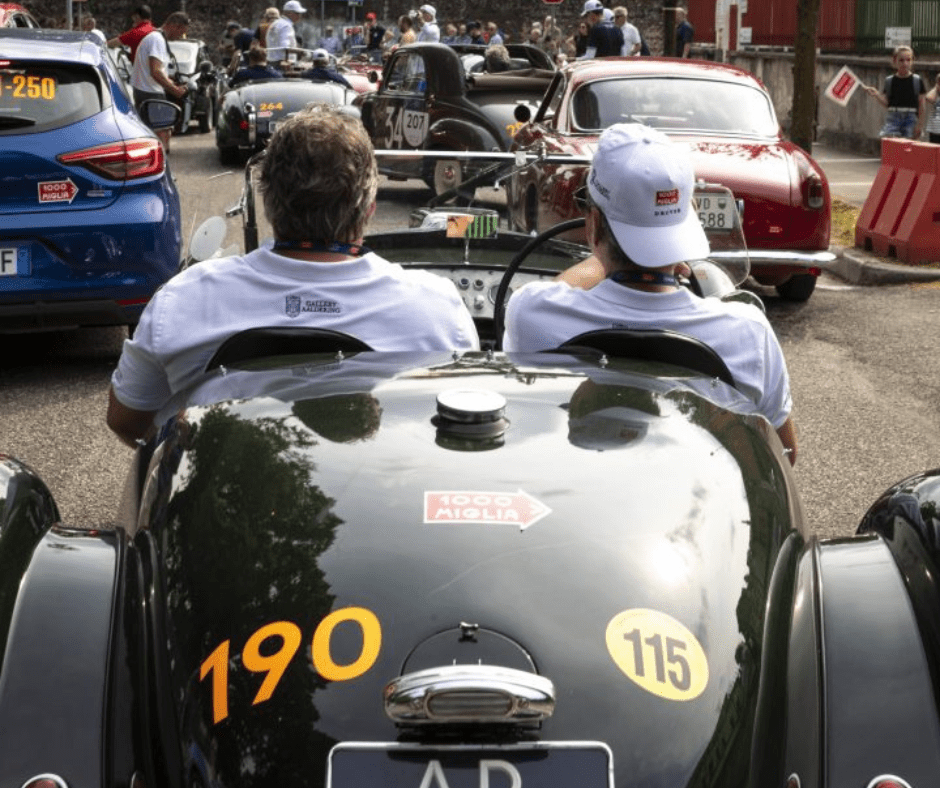
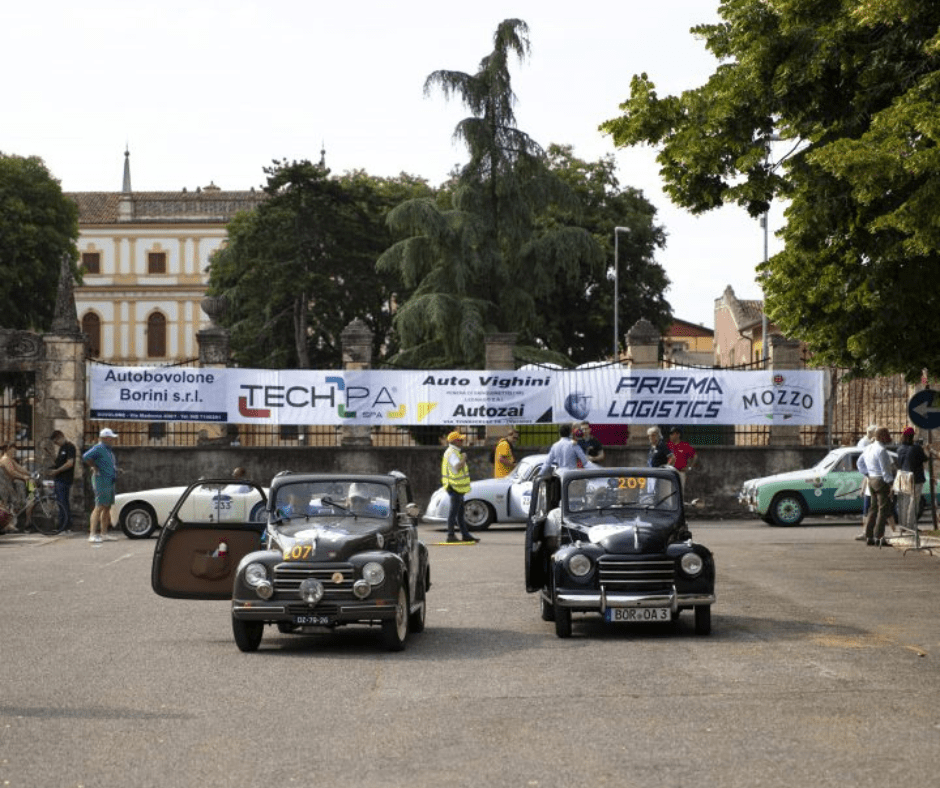
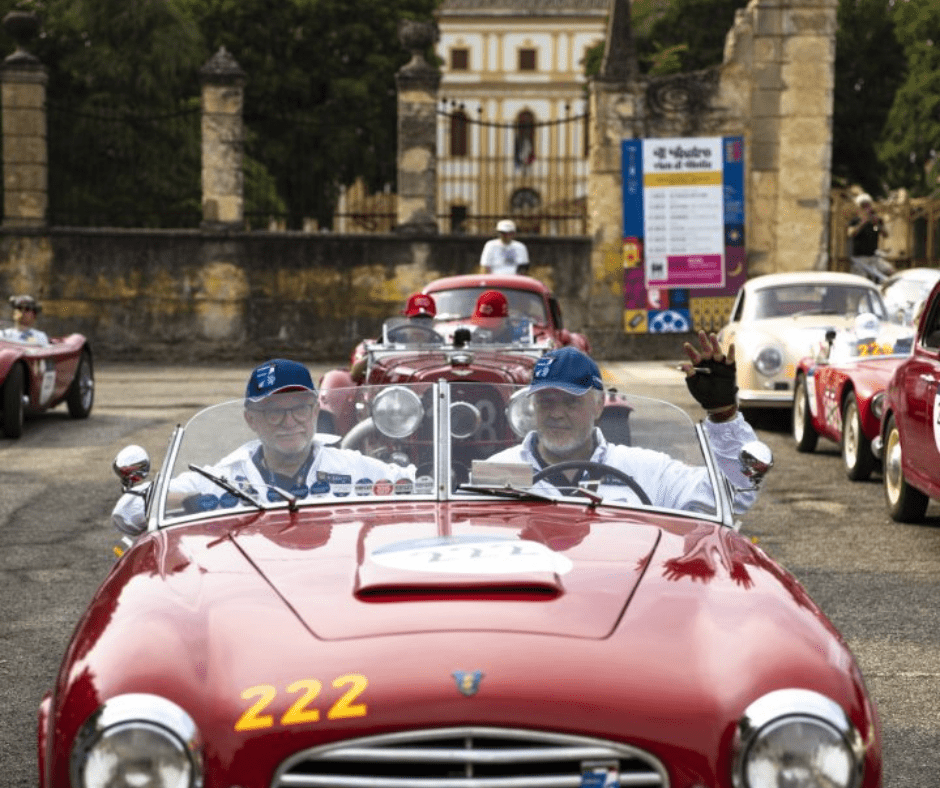
The 1000 Miglia in the heart of the plains of Verona
Originating from some Bronze Age settlements, Bovolone was a possession of the Bishop of Verona, who established one of his residences in the Bishop’s Palace. In the post-war period, it developed as an agricultural centre and an area for the production of classic furniture.
Among the most interesting sights are the ancient Pieve di San Giovanni Battista and the Oratorio San Biagio, of which the original bell tower remains and inside which several 16th-century paintings are kept. There is also the Cathedral of San Giuseppe, with its beautiful marble floor, the 130-pipe organ in the apse and the Della Scala-era sarcophagus containing the remains of Bishop Nicolò Ormaneto.
Near Piazza Scipioni, the site of the Perseus War Memorial, is the Bishop’s Palace, now the Town Hall, the Municipal Library and the Local Police Station.
Finally, the Menago Valley Park covers an area of about 35 hectares between the Menago River and the Fossa Nuova and is accessible from Piazzale Mulino; it includes a large picnic area and an animal enclosure. Finally, on the small island in the centre of the lake, it is possible to visit the reconstruction of the prehistoric village.
Villafranca
Along the “Postumia” route
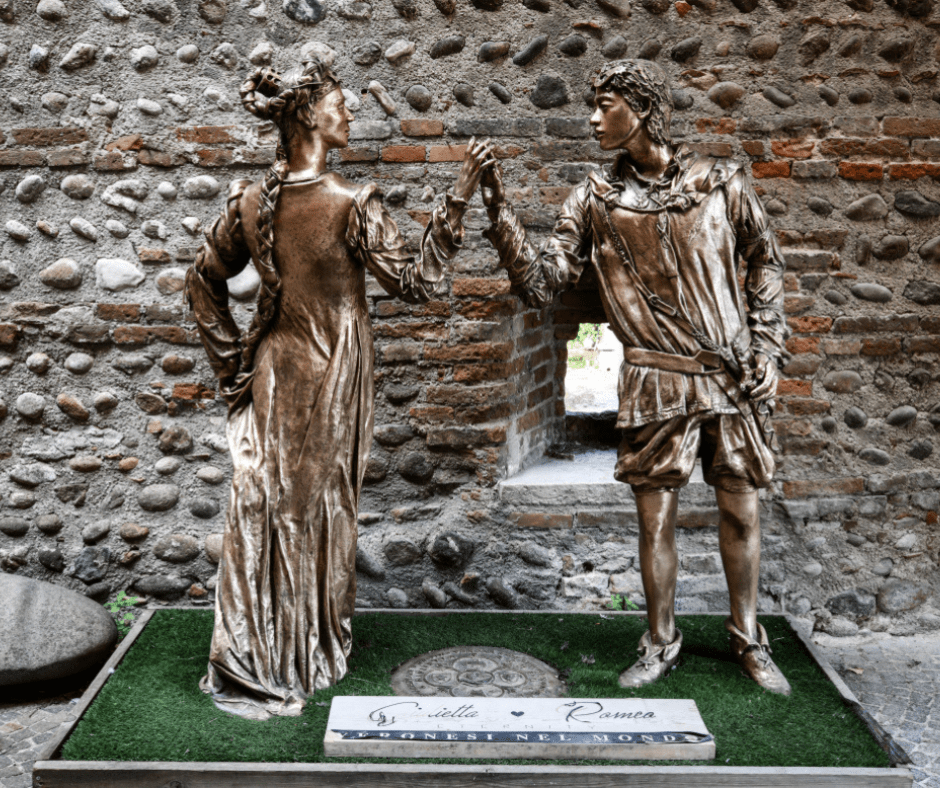
Villafranca lies along the “Postumia” route, a Roman road that connected the north of the Tyrrhenian Sea to the Adriatic.
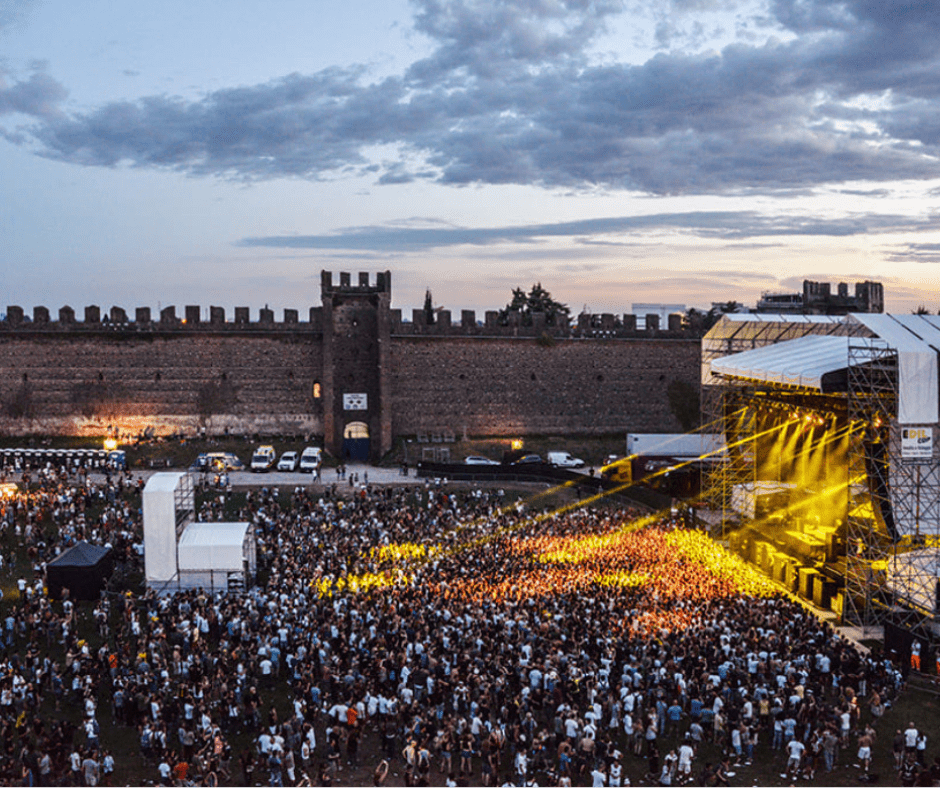
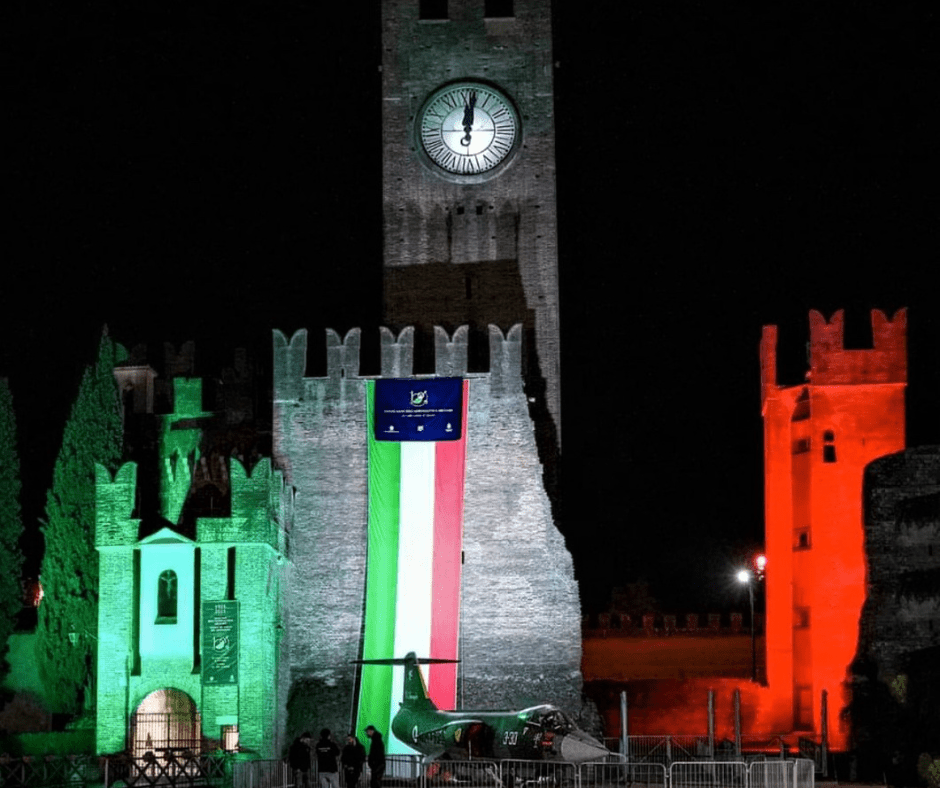
The symbol of the town is the Scaligero Castle: construction work began in 1199, but continued for a further two centuries, giving it the structure we see today, with the central keep surrounded by walls with walkways and a museum that can be visited. This building became the cornerstone of the Scaligeri defence system, which connected castles and fortresses in the surrounding area.
During the Italian Risorgimento, Villafranca was the site of a historic meeting: in 1859, in Palazzo Bottagisio, home to the Museo del Risorgimento, the emperors Franz Joseph and Napoleon III signed the “Peace of Villafranca”, the prelude to the Unification of Italy.
Villafranca’s commercial vocation has a long tradition: the weekly market has occupied the centre every Wednesday since 1592”.
Peschiera del Garda
The fortress town, a mixture of lake and river
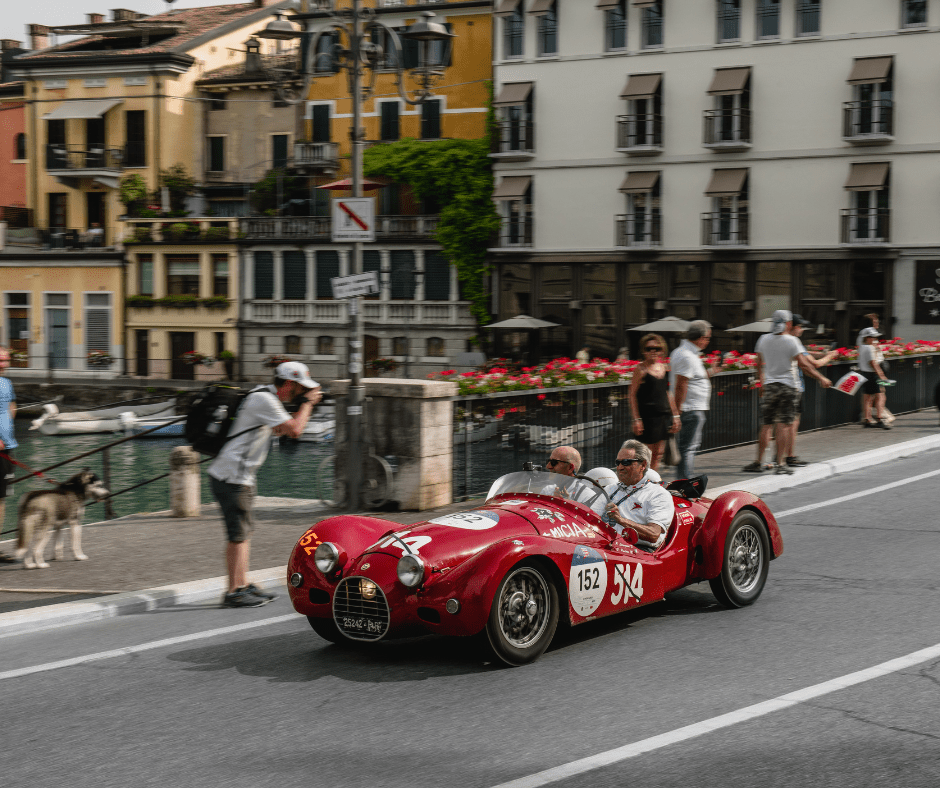
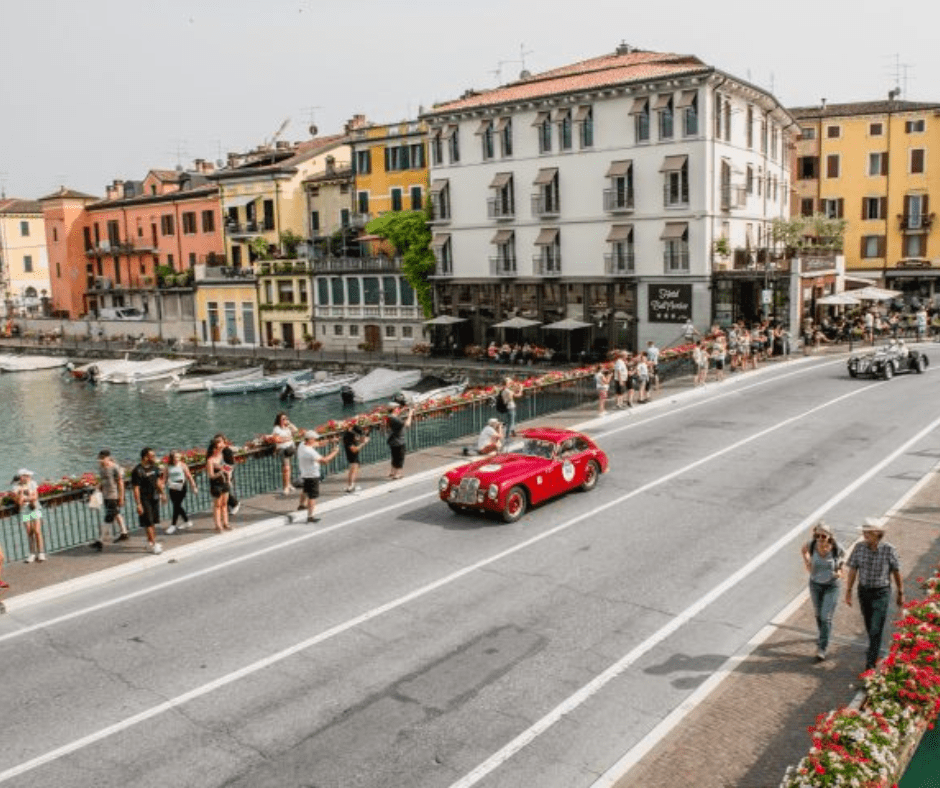
Located south of Lake Garda and close to Lake Garda’s outflow, the Mincio, Peschiera was built by modifying the natural course of the river that surrounds it: in fact, to enable the city’s defense, three outflow branches from the lake were built, which then come together south of the town, with the characteristic historic center that spreads over islets connected by bridges. One above all is the Ponte dei Voltoni, a structure with beautiful terracotta arches, overlooking the Canale di Mezzo, where the boats of Peschiera del Garda’s fishermen dock neatly, overlooking the islet below, beyond which the waters of the Benaco flow into the river.
Since 2017, the Venetian town has been included in UNESCO ‘s Venetian Defense Works between the 16th and 17th centuries: Western State of Land – State of Sea, thanks mainly to the presence of the Venetian Republic’s bastions and Napoleonic fortress: in particular, the Fortress, also known as the Rocca, is a small architectural jewel, enclosed in an imposing pentagonal-shaped wall, dating back to the 16th century, with beautiful bastions and imposing access gates.
Sirmione
A unique site for an unrepeatable race
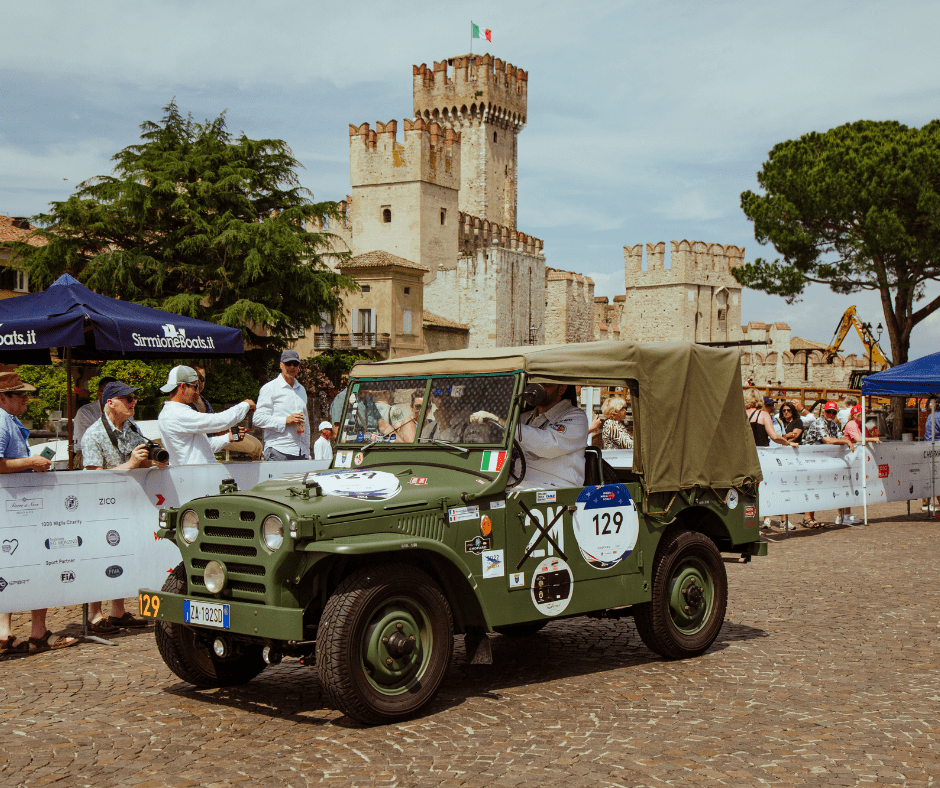
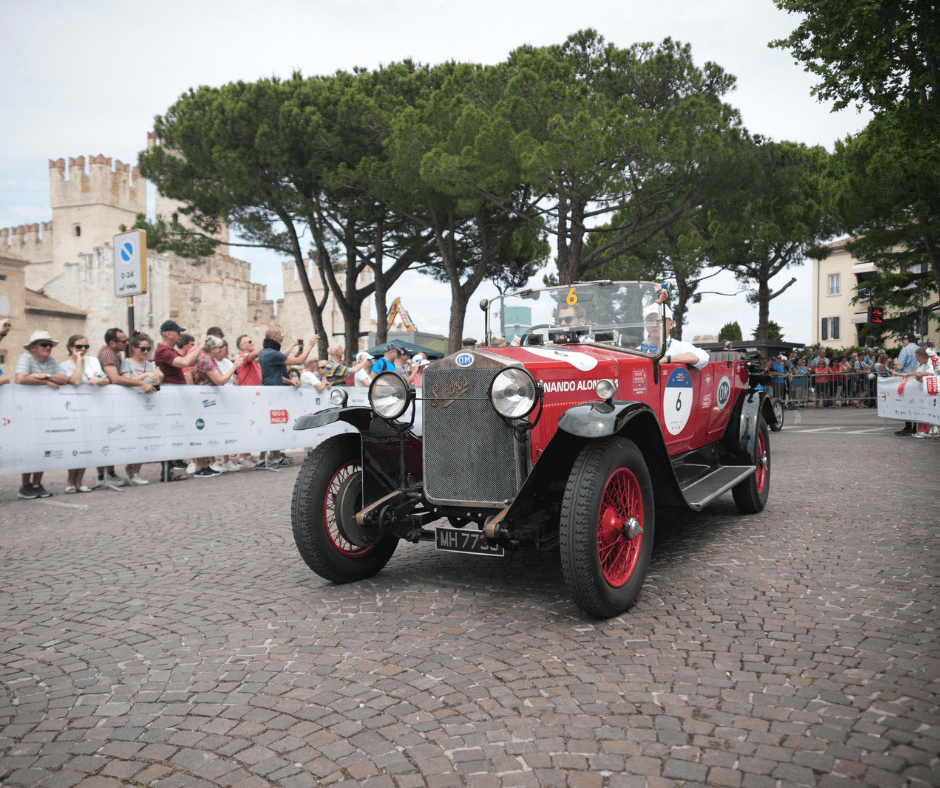
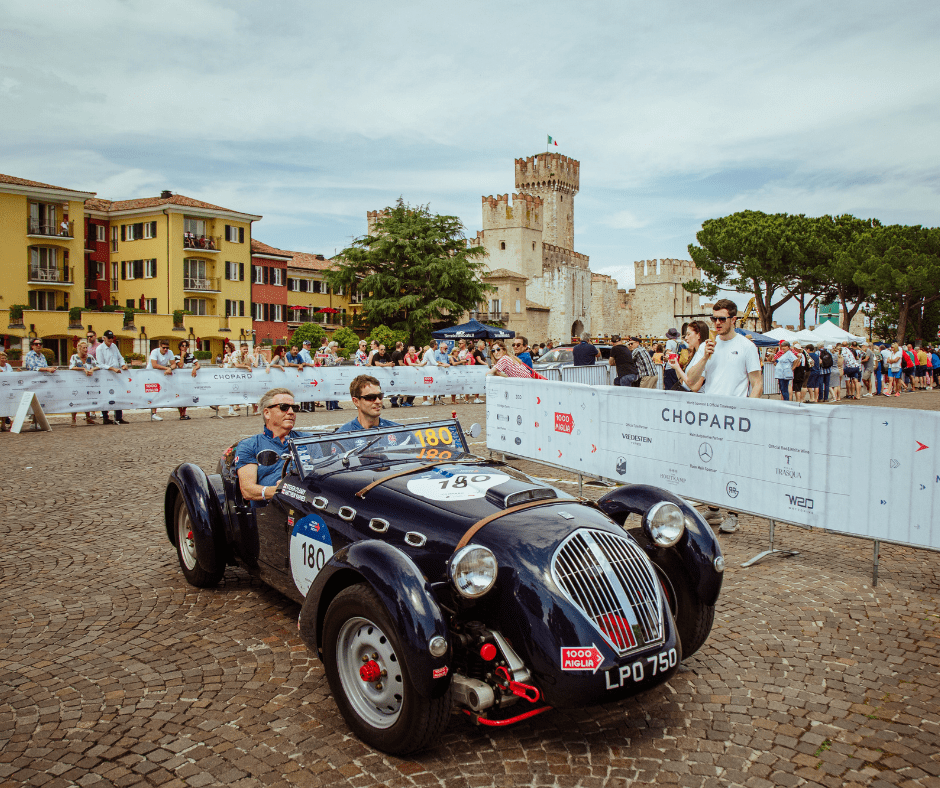
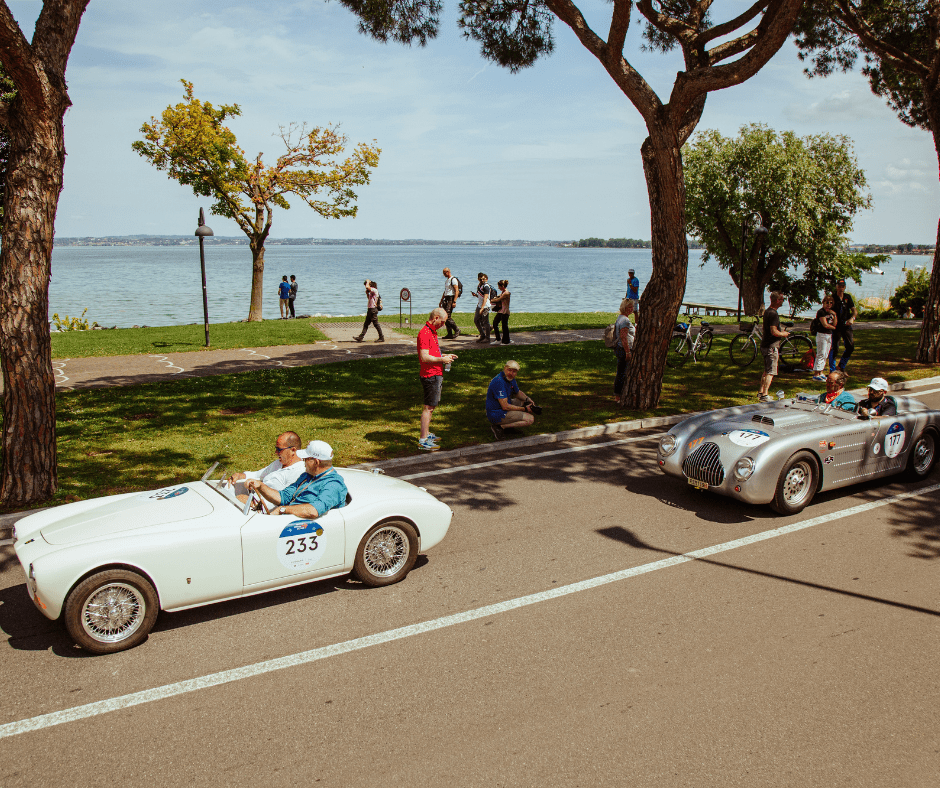
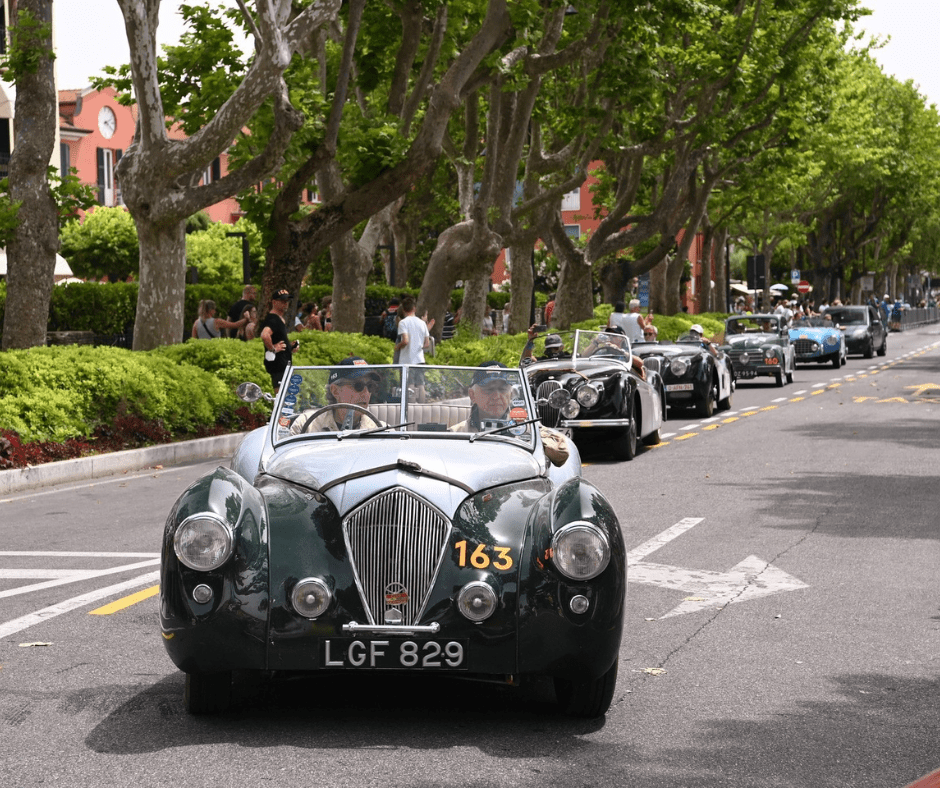
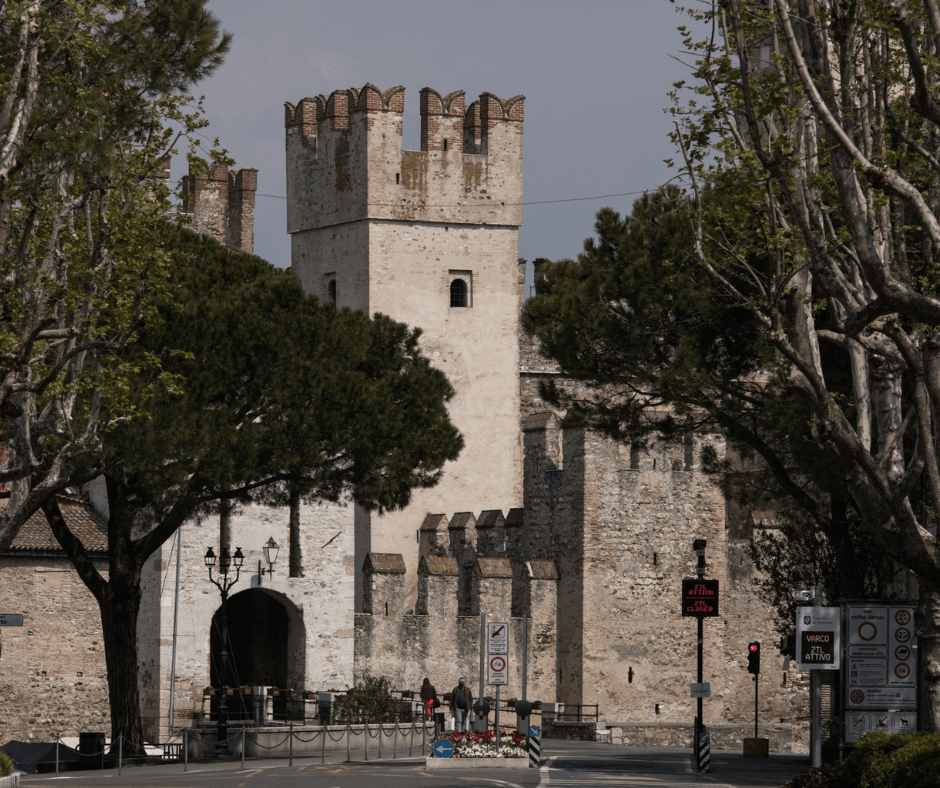
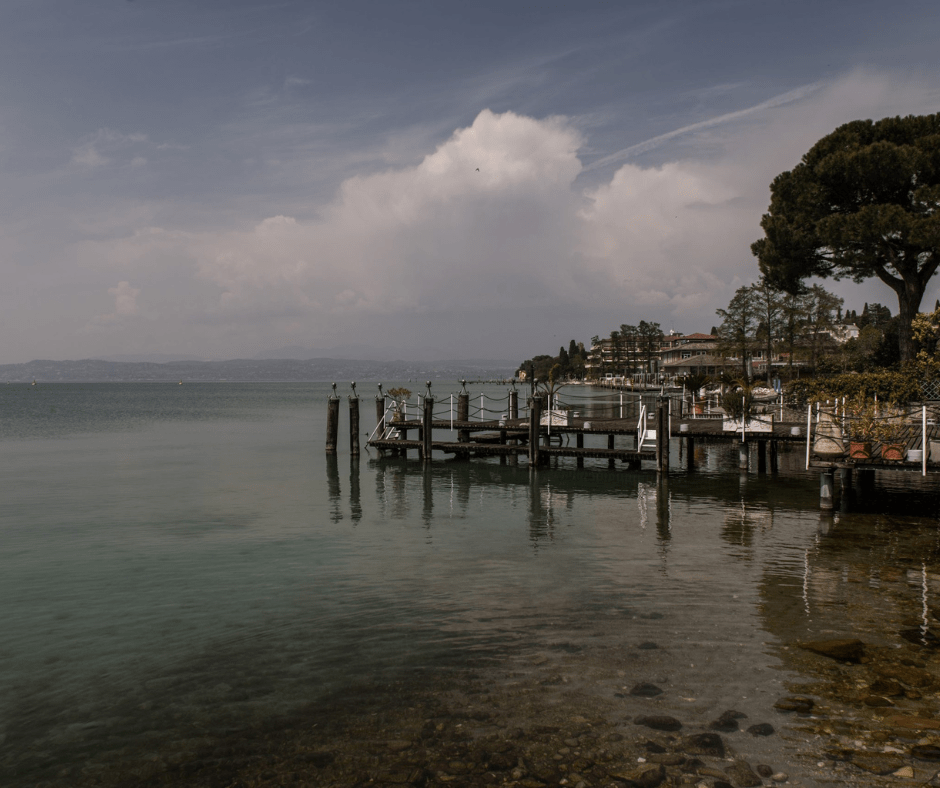
Also this year the salon of Lake Garda will welcome the Most beautiful race in the world: the travelling museum will cross the pearl of Garda. A place where the uniqueness of the cars participating in the race merged with the naturalistic and historical wonders of the place that attracts tourists from all over the world.
Desenzano sul Garda
The 1000 Miglia and Desenzano, a bond that continues over time
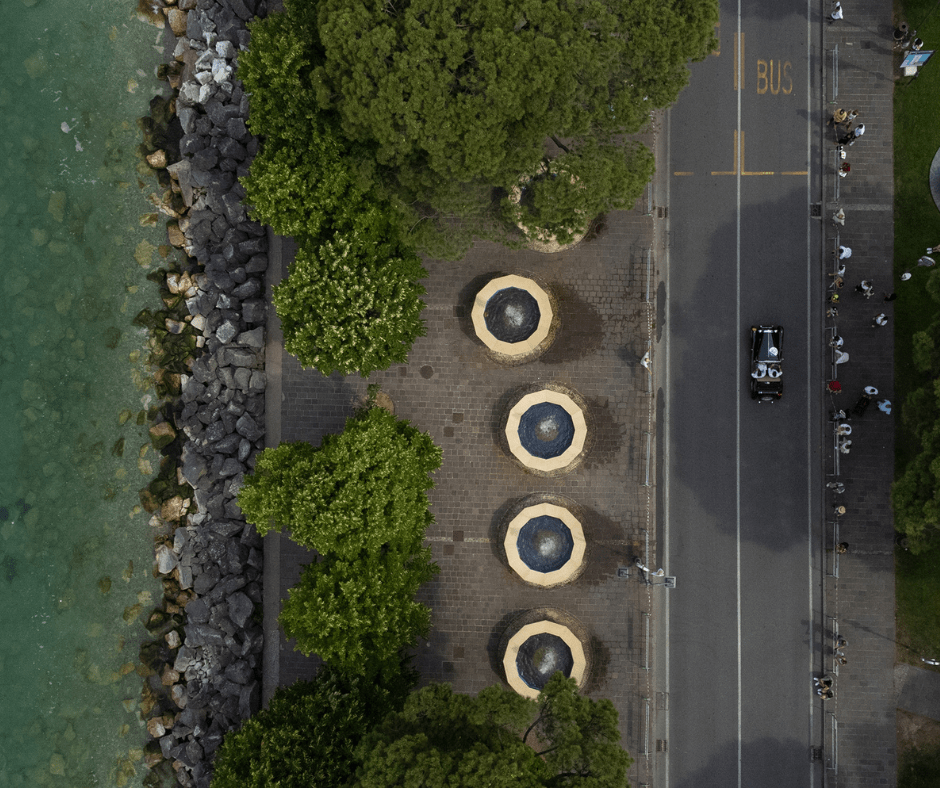
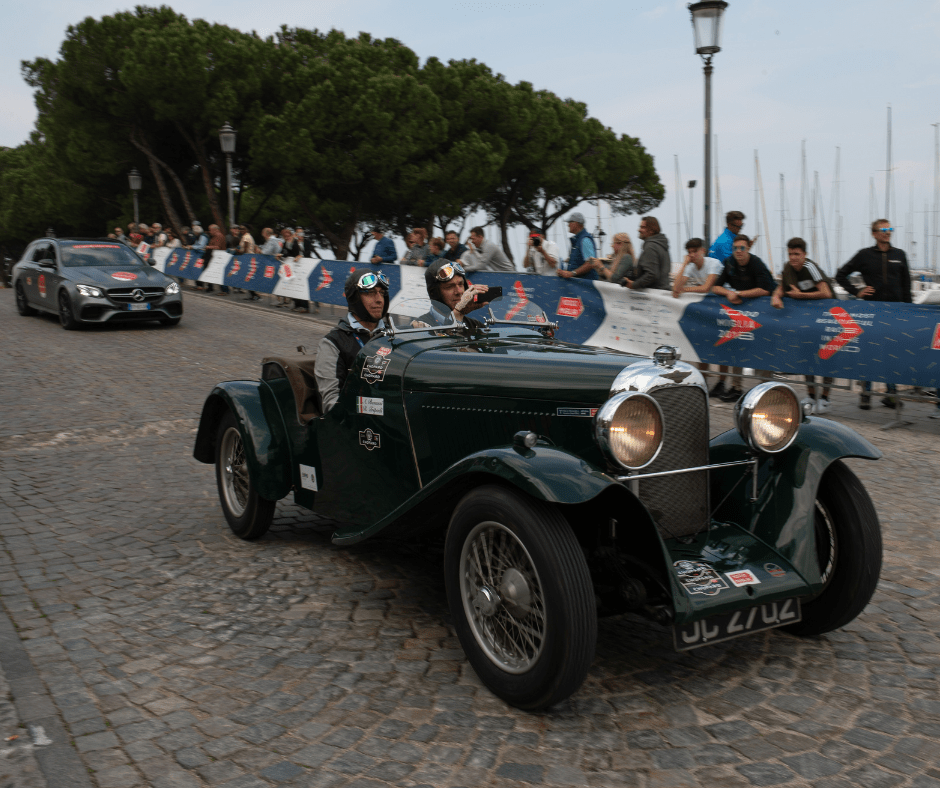
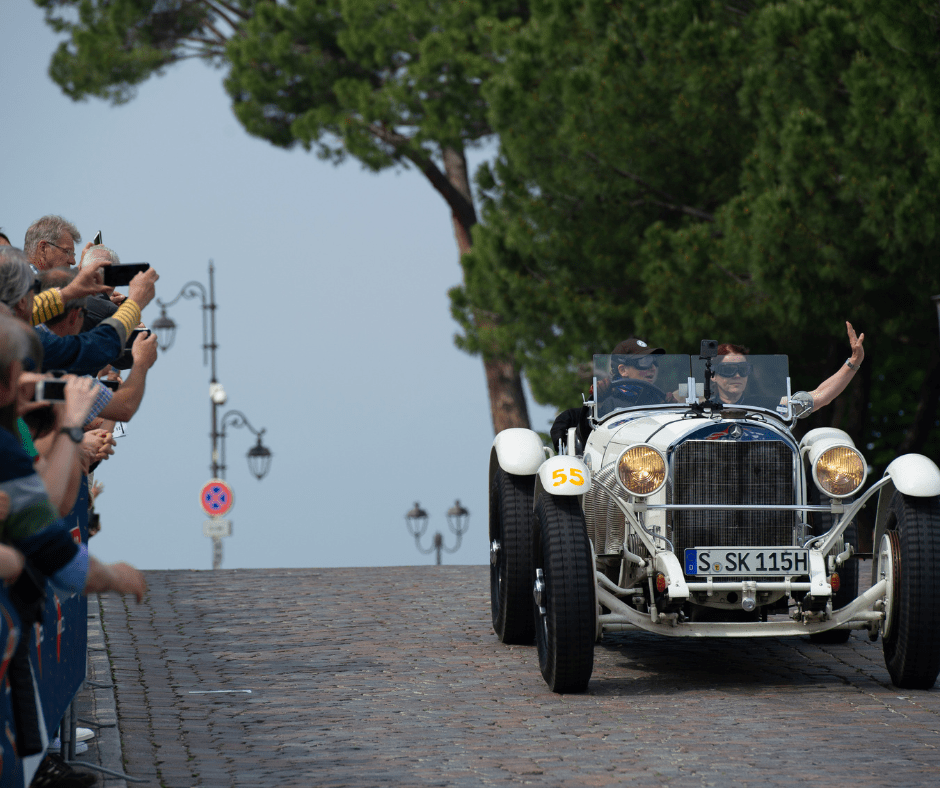
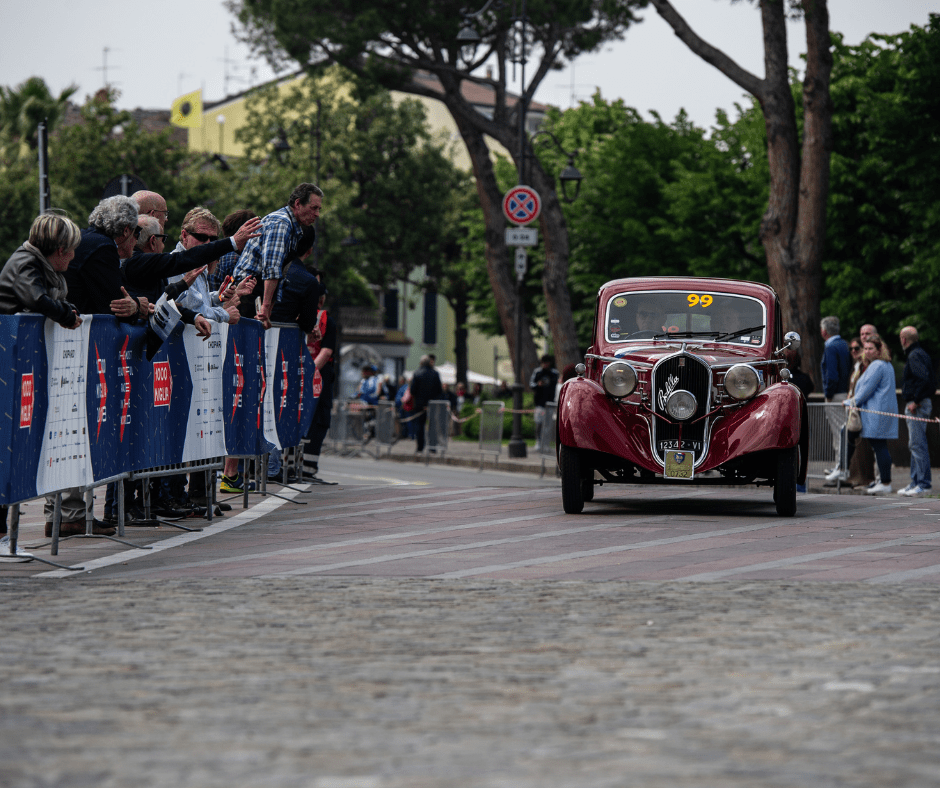
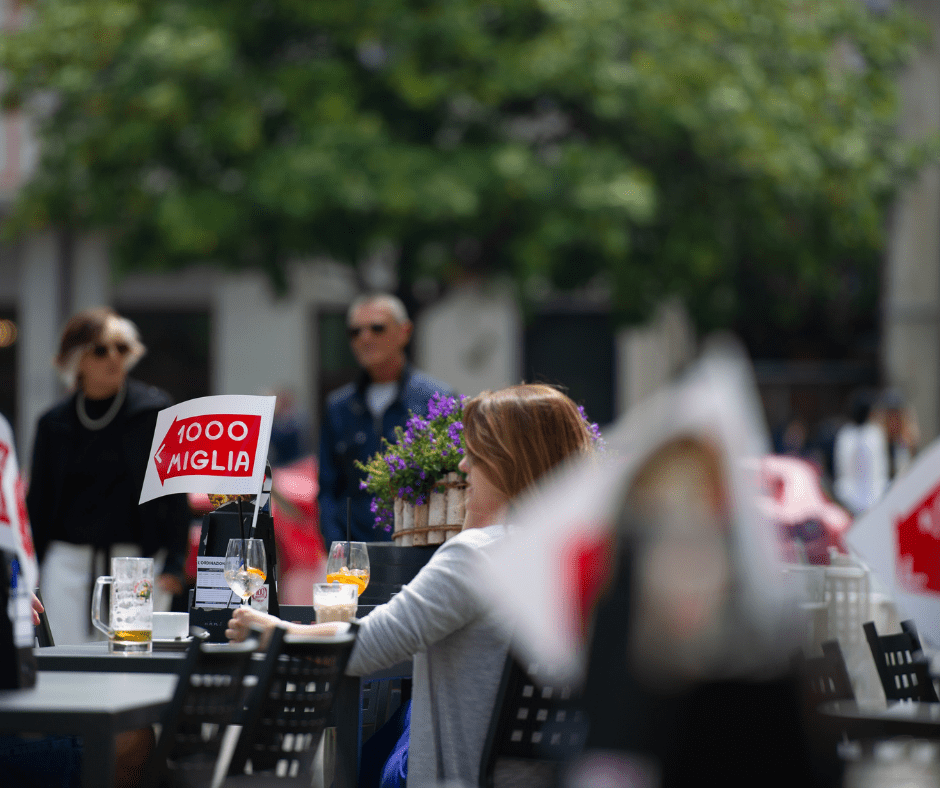
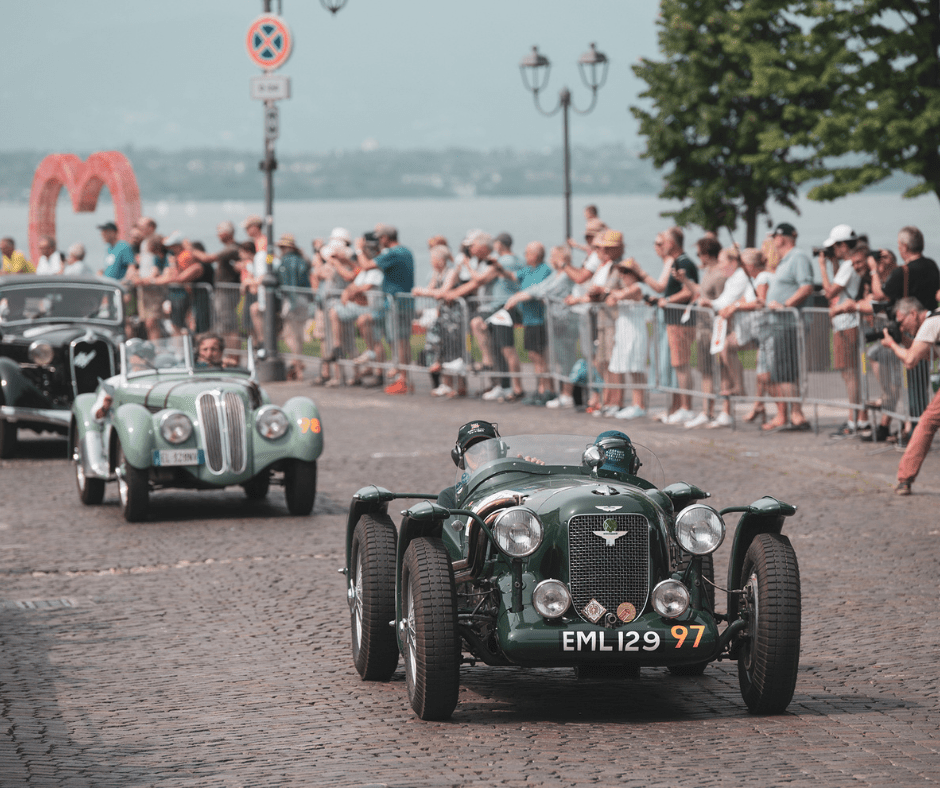
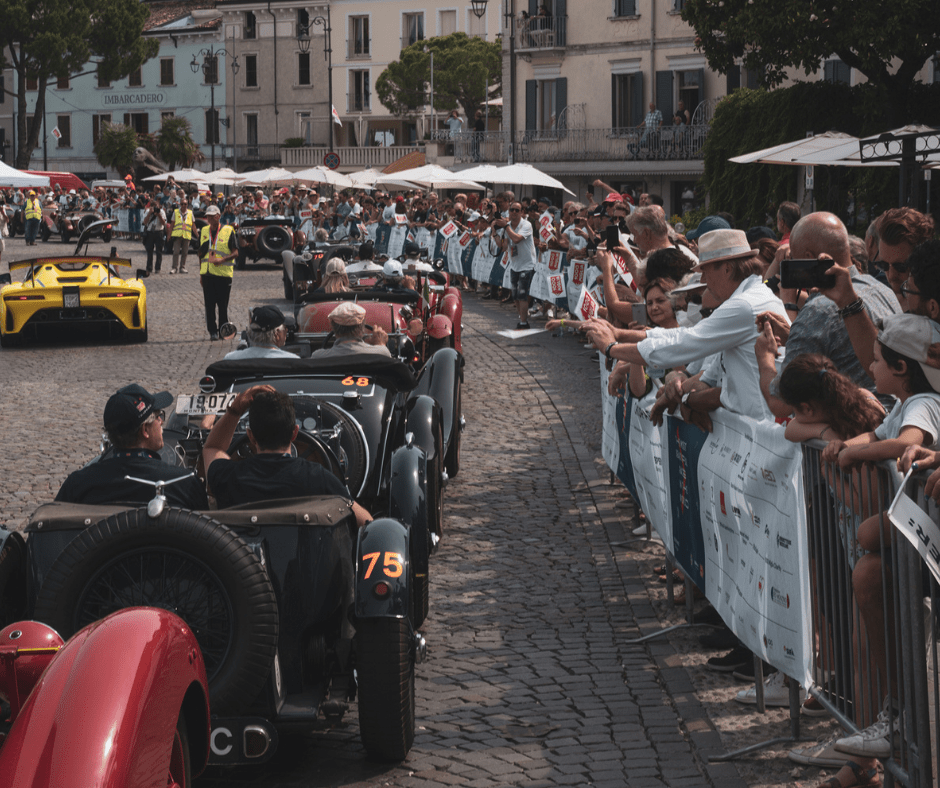
The Red Arrow will cross the streets of one of the most renowned locations on Garda. The 1000 Miglia will pass through the town with an artistic, historical and archaeological heritage that has its roots in the Roman era. A place where nature shows all its beauty. For this reason, it is also a starting point for excursions in the Lake Garda area.
Padenghe sul Garda
The Red Arrow in the ghibelline stronghold
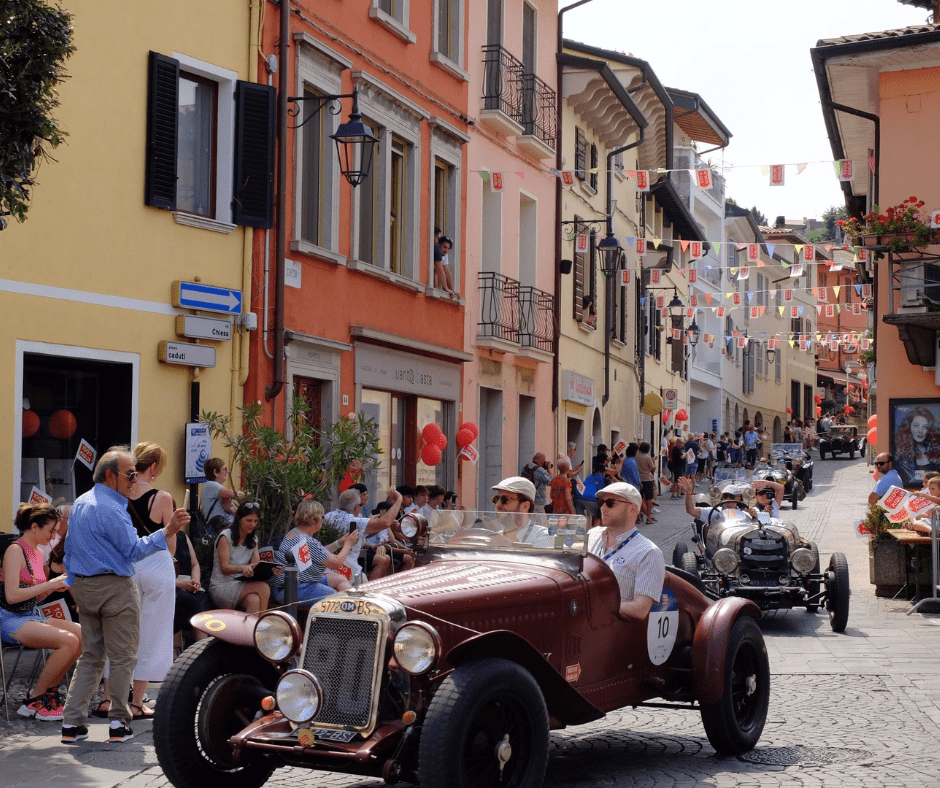
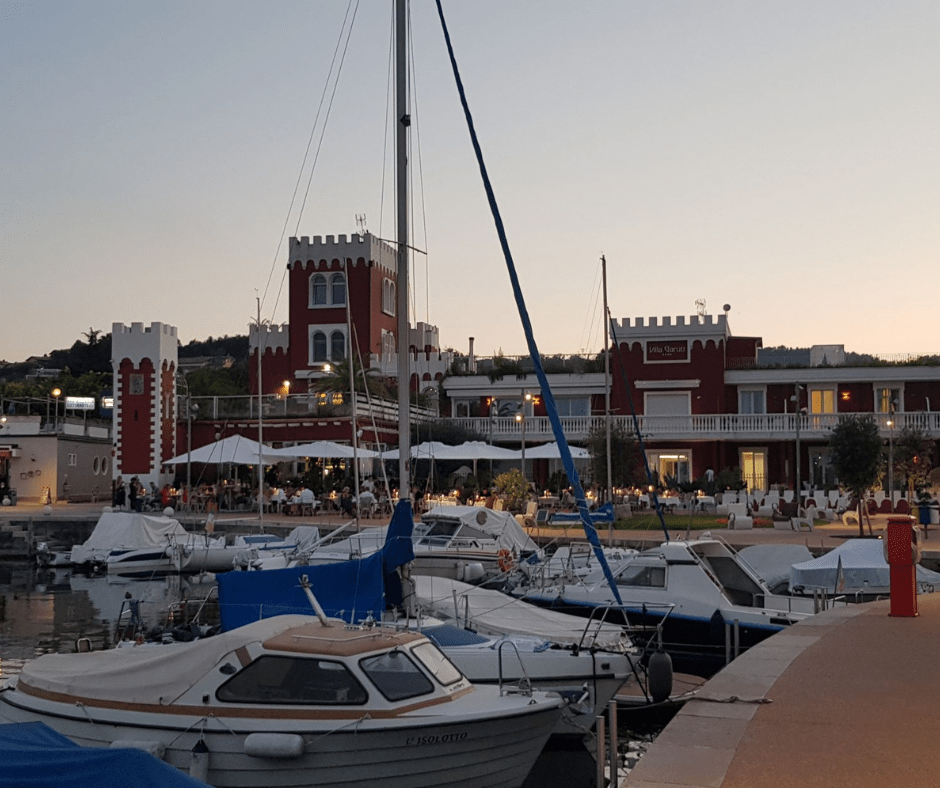
A small town on the Brescia side of Lake Garda surrounded by green moraine hills.
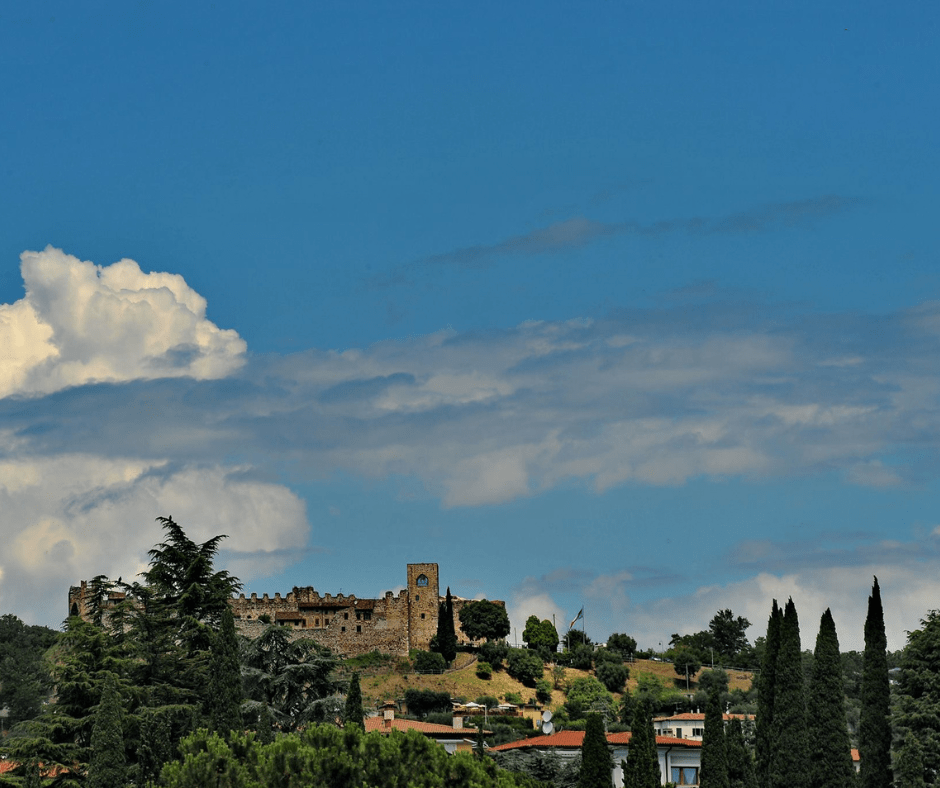
The first settlement was built on the lakeshore only to be abandoned before 1000 AD due to barbarian raids that drove the population to take refuge in the hills, where the castle, with its pebble walls, was erected.
In the Middle Ages, the castle became a Ghibelline stronghold, disputed between Brescia and Verona.
For many years, Padenghe and its castle were a land of conquest, by the Scaligeri, by the Visconti or the Venetian Republic.
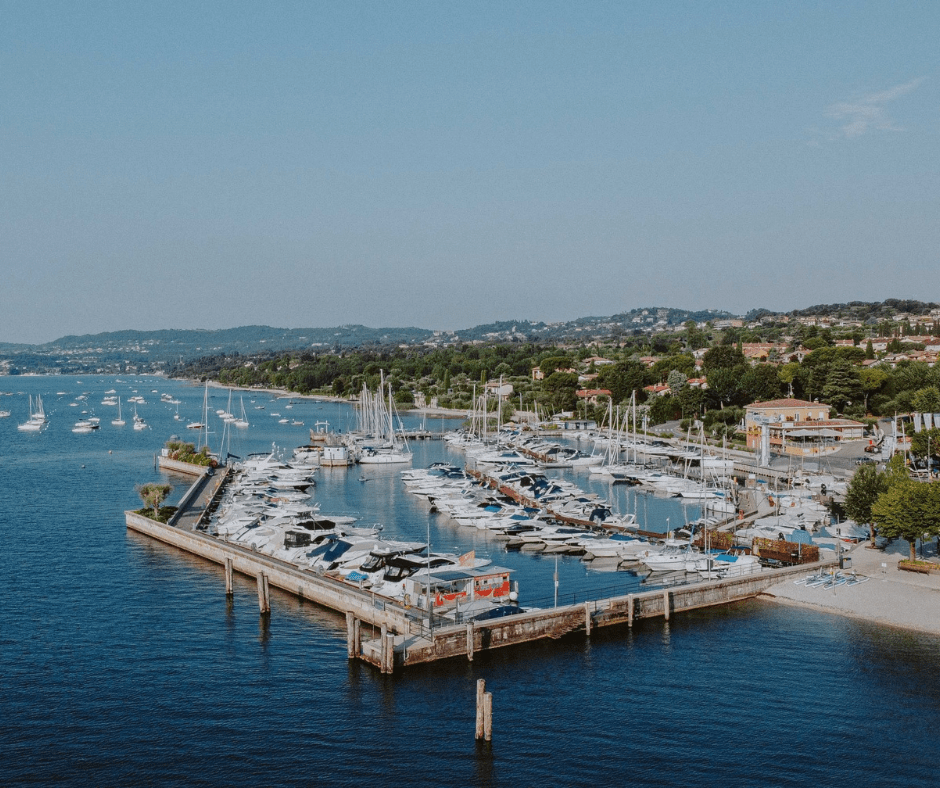
The inhabitants of Padenghe sul Garda, who until a decade ago lived on a mainly agricultural economy, have discovered their vocation for tourism and, with their warm welcome combined with the mild climate, have made their small town an ideal place to spend hours of relaxation and holidays.
Moniga del Garda
The 1000 Miglia in the Valtenesi
There are various linguistic interpretations of the name Moniga: some believe it derives from the Germanic toponym “Morn” (exposed to morning) and others trace it back to the presumed presence of a sanctuary dedicated to the Athenian goddess “Diana Munichia”. What is certain is that Moniga has been inhabited since the Bronze Age, as revealed by the underwater pile-dwelling site at “Porto”.
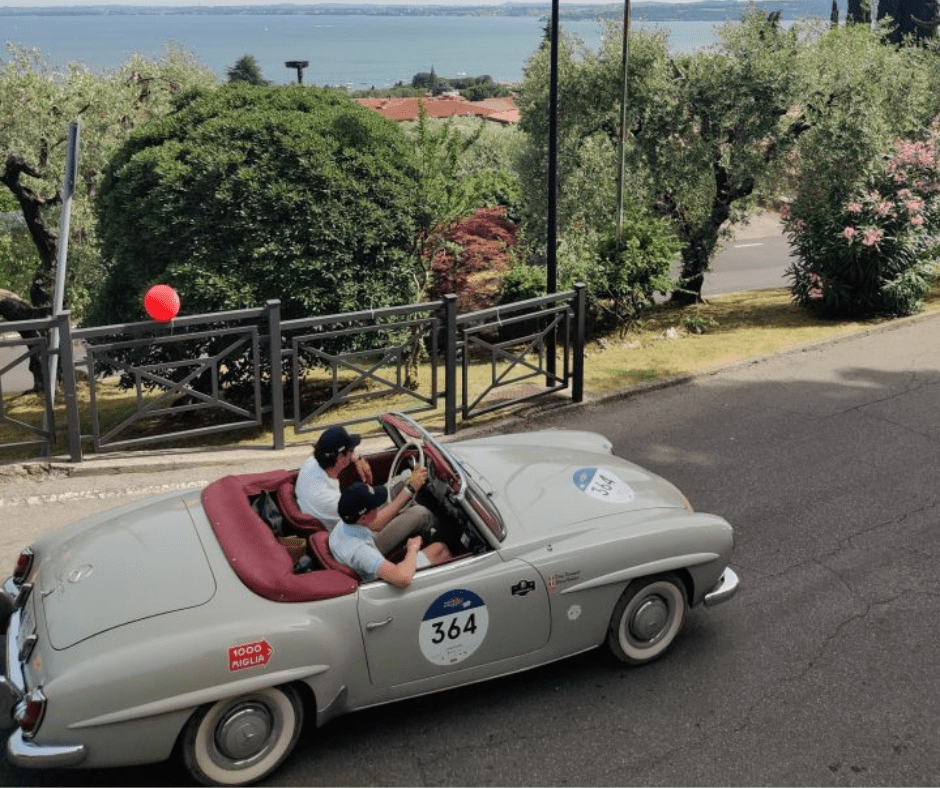
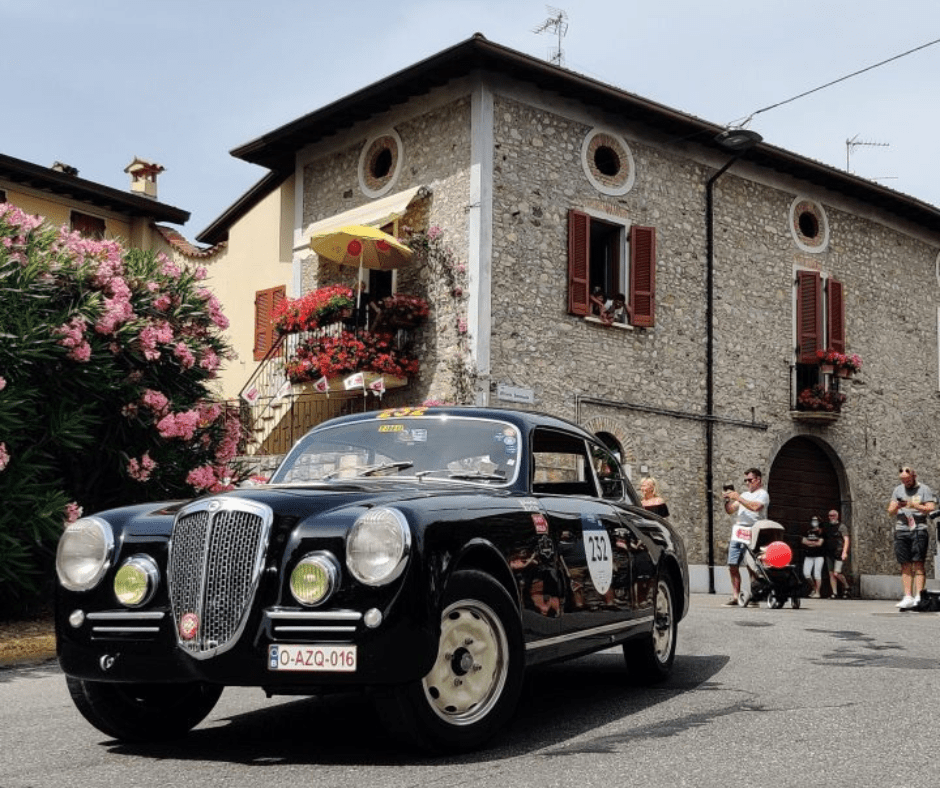
The hill sloping down towards the lake is dominated by the castle consisting of a walled enclosure topped by the keep. The cars of the 1000 Miglia will pass through the characteristic oldest part of the town in the locality of “Pozzo”, where, strolling along narrow alleys, it is possible to catch glimpses of the lake or architectural details of a particular value, albeit without any ostentation.
Manerba del Garda
The vibrant hub of the Valtenesi area
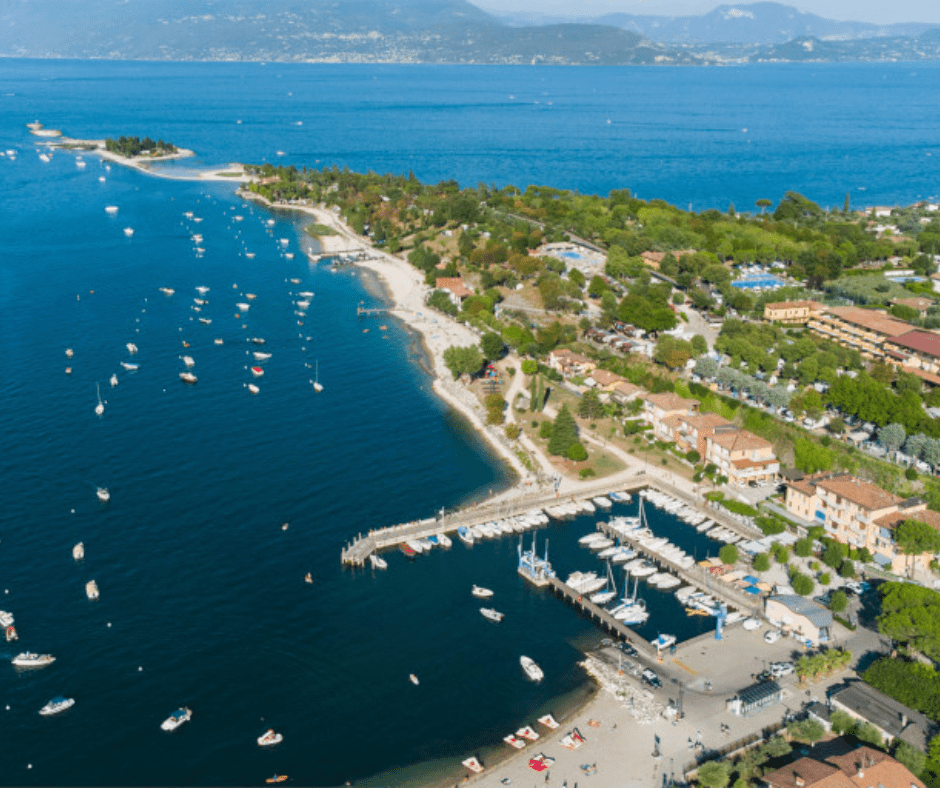
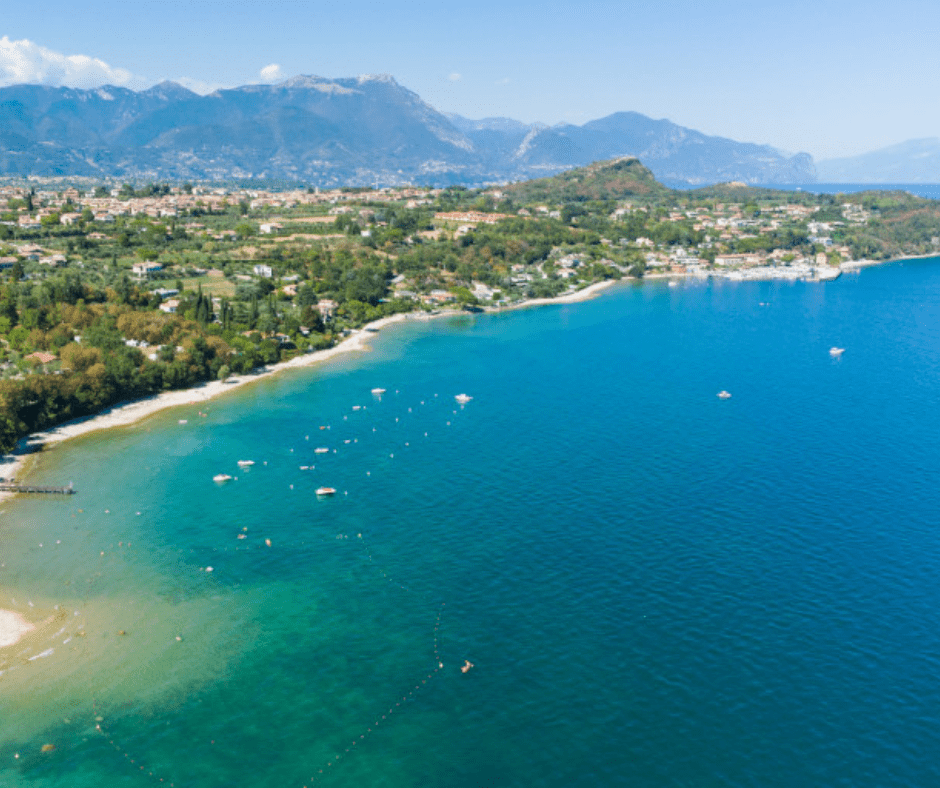
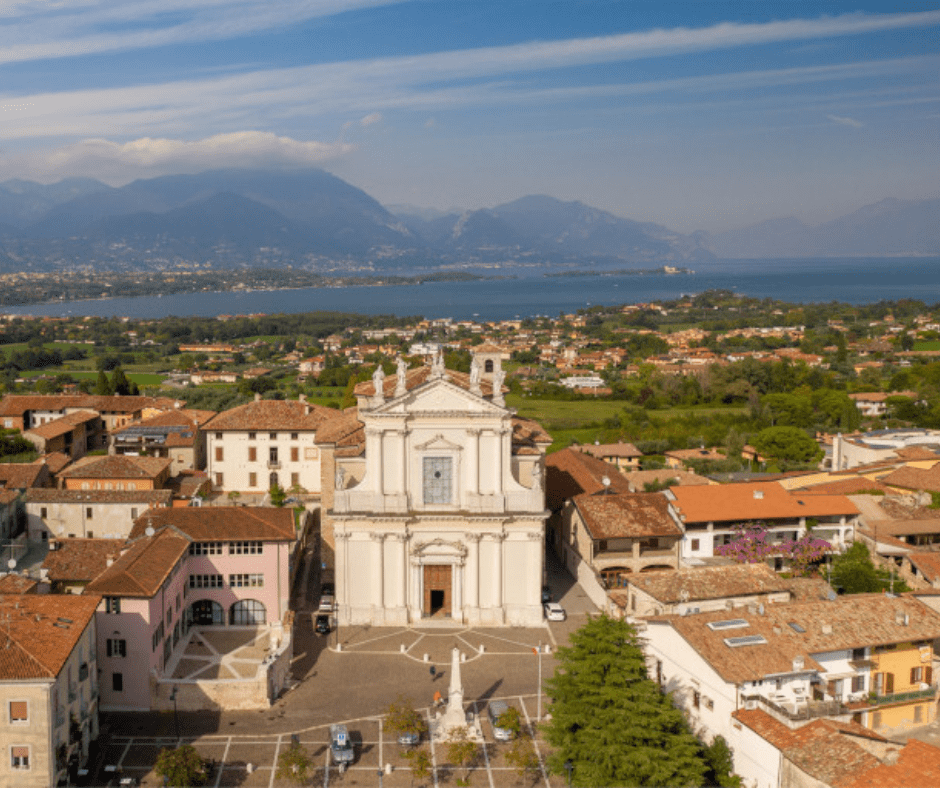
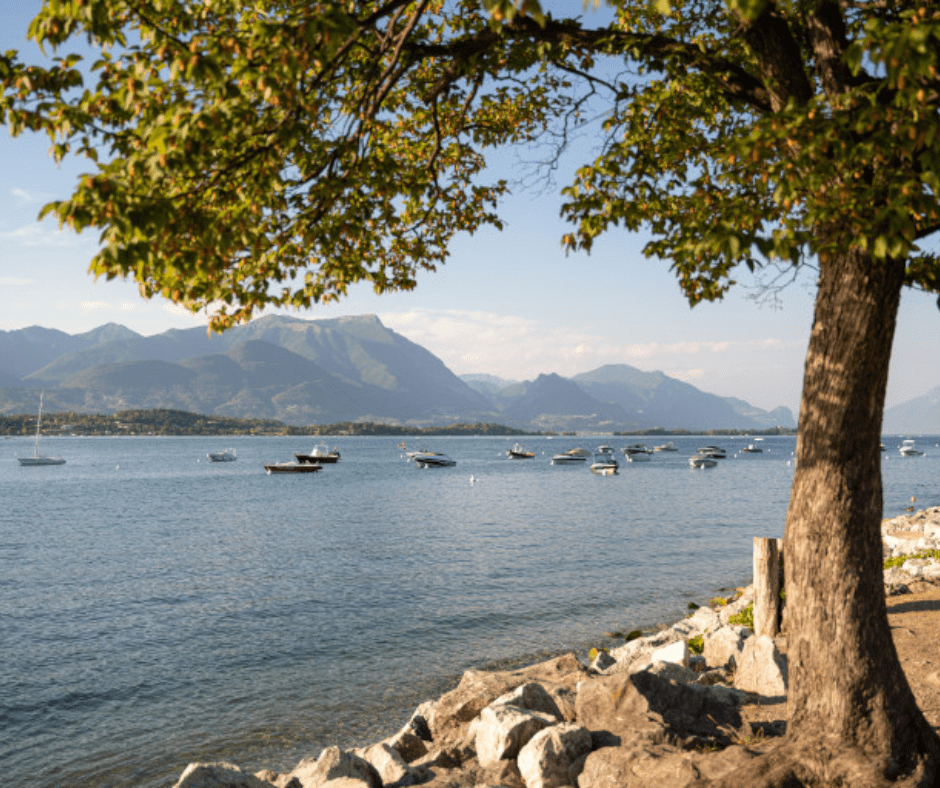
Manerba del Garda is the vibrant hub of the Valtenesi area, the gentle hilly area bordering with the south-western part of the lake and characterised by ancient villages, castles, vineyards and olive groves.
Dominated by the Rocca, an iconic postcard-landscape of the lake, Manerba offers an irresistible mix of tourist attractions: an unspoilt landscape ideal for outdoor sports, historical and cultural villages and sites of great value, excellent local food and wine, and an important events calendar, ranging from local traditions to entertainment for young people and families.
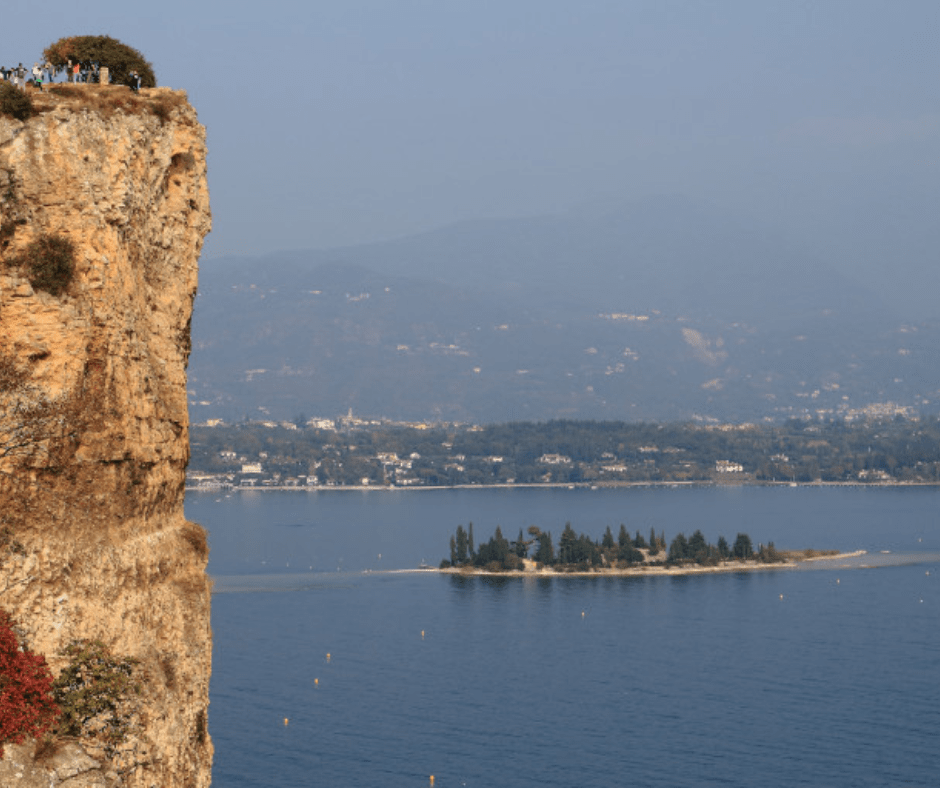
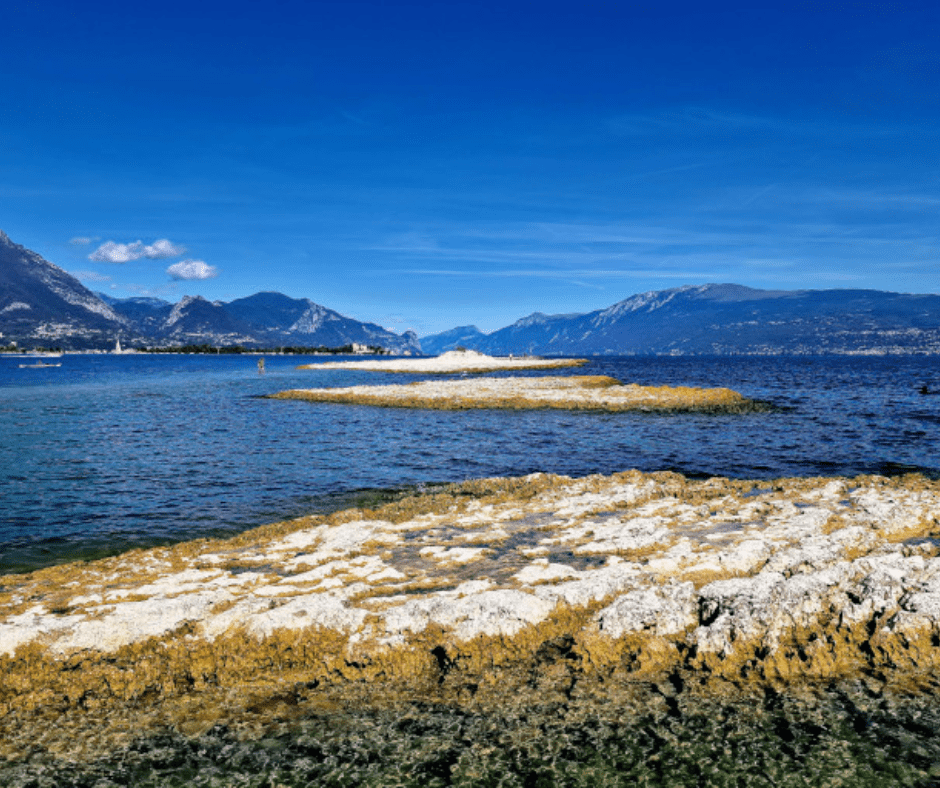
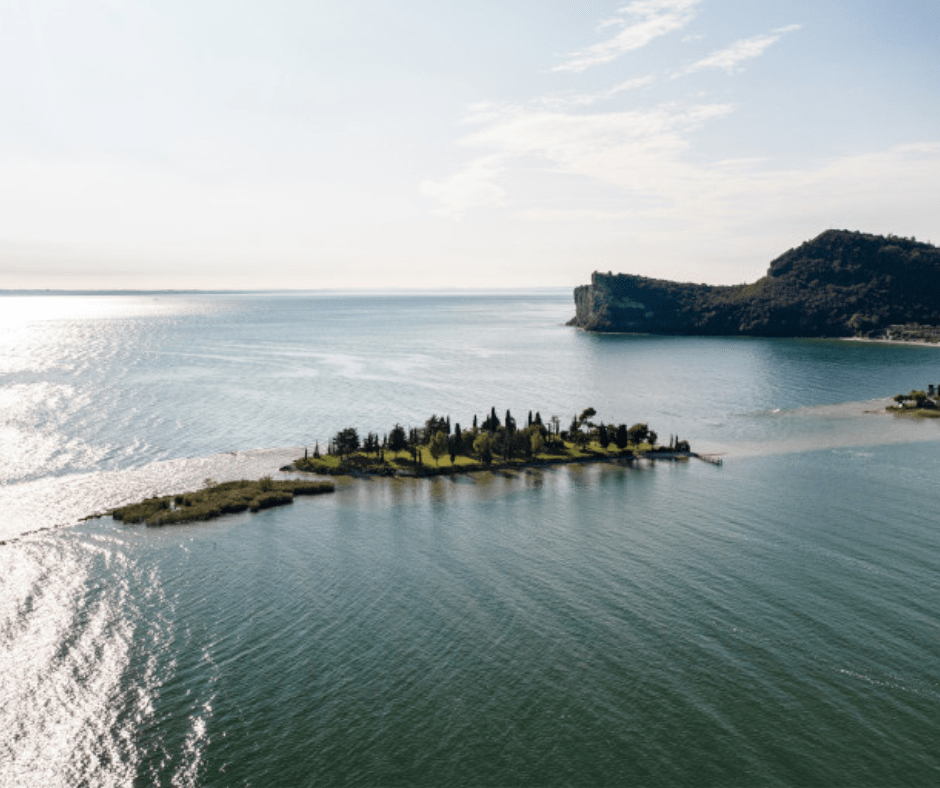
The focal point of the area is the Rocca e del Sasso Nature Reserve, which, together with the picturesque hamlets, the tip of San Biagio and the famous Isola dei Conigli, creates a breathtaking panorama. Manerba also prides itself on having the longest coastline on the Garda Riviera, with many kilometres of beautiful beaches overlooking Italy’s largest protected lake reserve.
There is a rich and varied local cultural heritage, with archaeological sites from different eras recounted in the Museo Civico della Valtenesi. The traditional local farming culture has passed onto the Manerba people a love for their environmental heritage, enriched by a natural vocation for welcoming tourists. Hosting over 800 thousand tourists per year, Manerba is one of the most visited destinations on Lake Garda. This success is due to the increased demand for green holidays, the quality of the reception services and the well illustrated holiday proposals on the institutional website.
San Felice del Benaco
The 1000 Miglia happy cove
A morainic headland jutting out over Lake Garda between the gulf of Salò and the gulf of Manerba, bordered by Monte della Croce, Monte Campagnolo and Monte Santa Caterina.
The name San Felice probably derives from the Latin “sinus felix” (happy cove) or from the patron saints of the town: Felice, Adauto and Flavia.
Since 1927, San Felice, Portese and Cisano have formed a single municipality. The roots of the settlements are very ancient, in fact, pile-dwelling stations, Roman tombstones have been discovered and the remains of medieval castles are still visible.
Salò
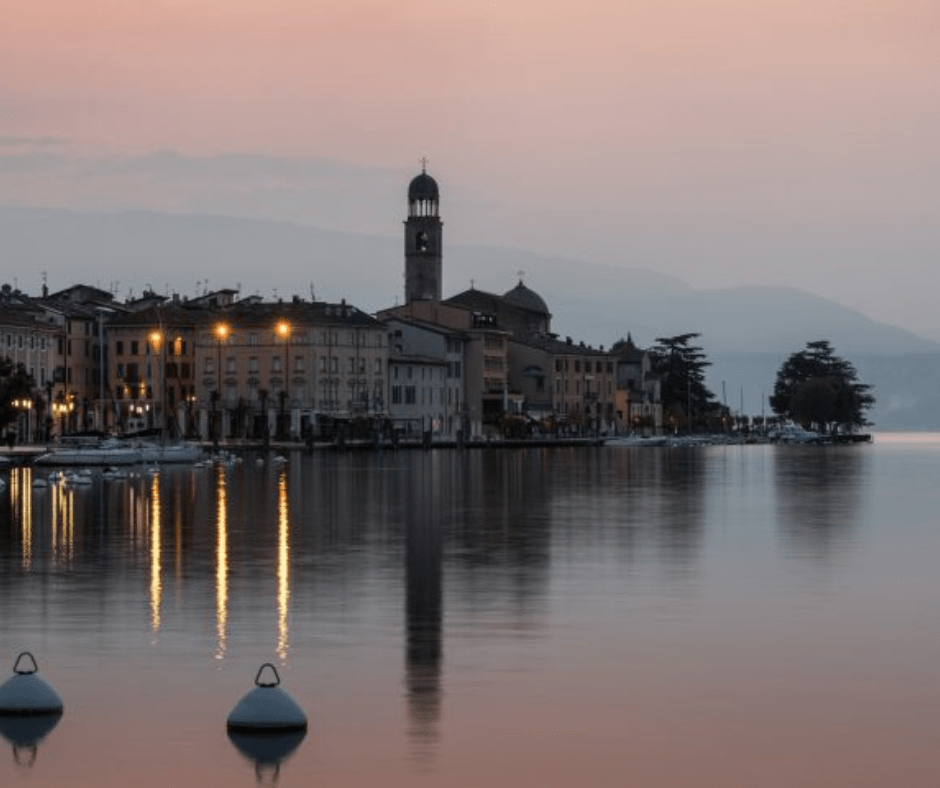
The race will cross this elegant lakeside location
Overlooking an enchanting gulf at the foot of Mount San Bartolomeo, on the Brescia side of the Upper Garda, Salò is the first municipality of the Riviera dei Limoni. The territory, framed by the gentle reliefs of the morainic amphitheatre, enjoys a Mediterranean-type microclimate.
A point of reference for the people who live in this area, but a must-see tourist destination for those who want to learn about the history that characterises the area.
Salò, one of the symbolic places of Garda, has always played a crucial role in the history of Benaco and Italy. It was already known in Roman times. During the period of Venetian domination (1423-1796), it became the capital of a vast territory that took on the name “Magnifica Patria”, in the second half of the 16th century.