
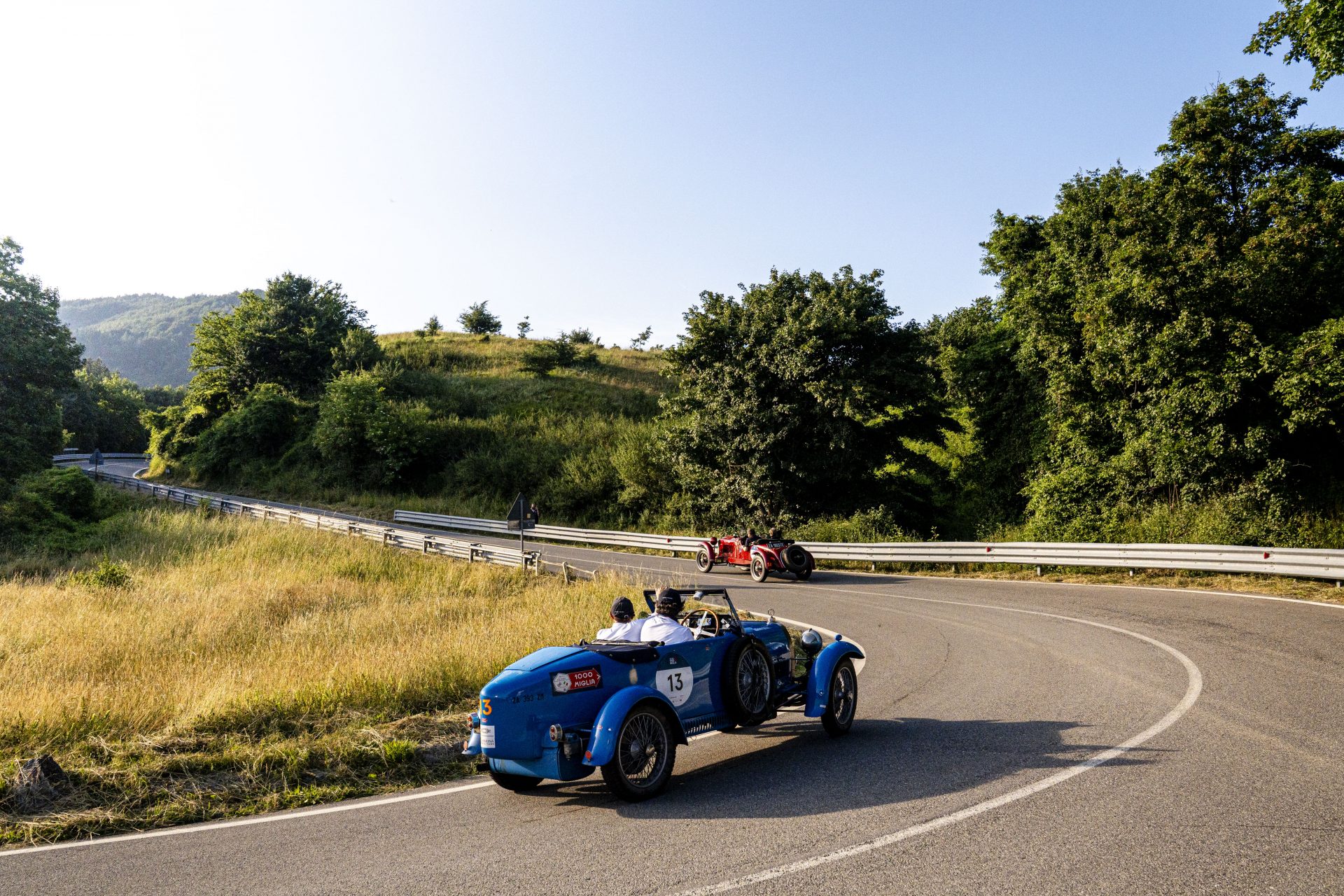

LEG 2 – TUESDAY 18th JUNE
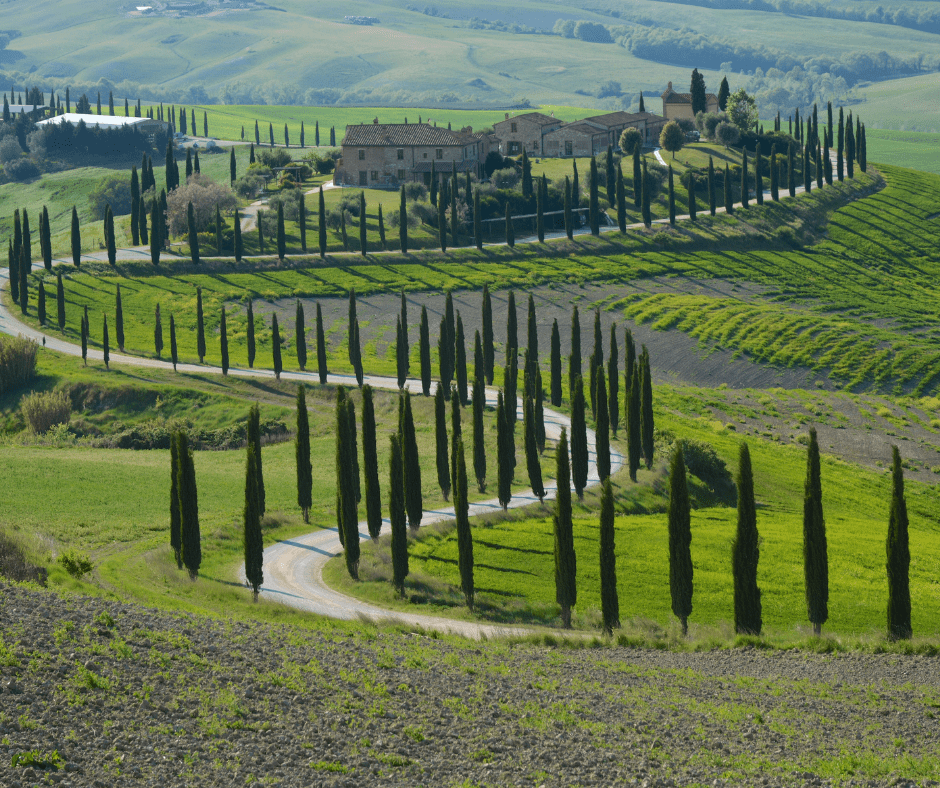
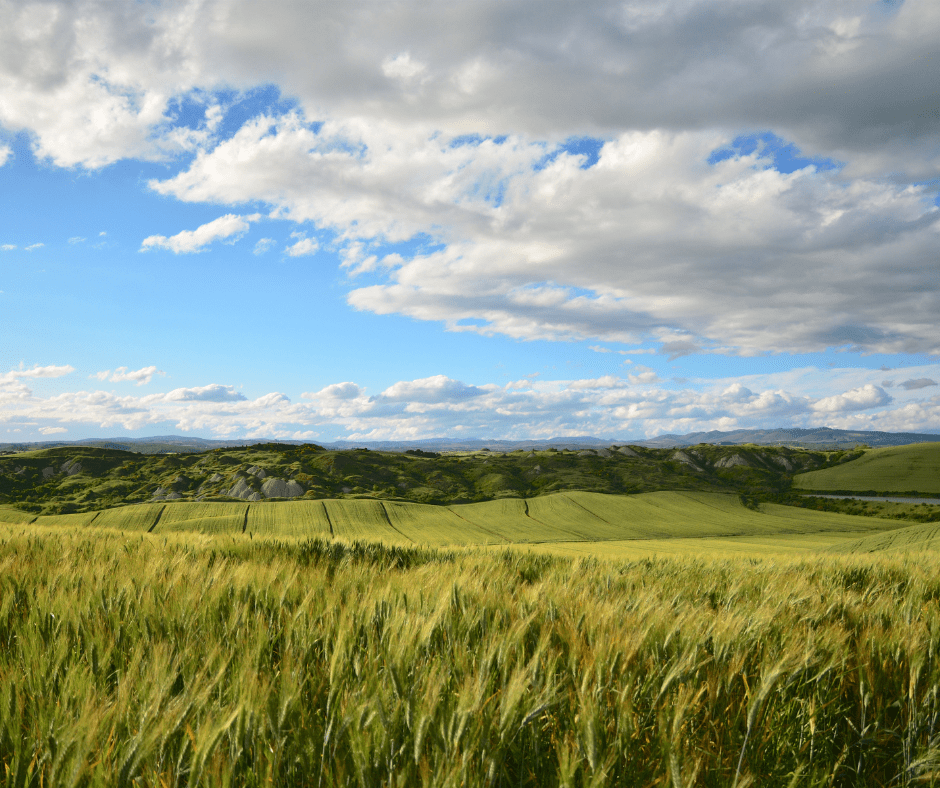
After passing through the Tuscan cities of Prato and Siena, the competing cars will drive along the scenic roads of the Crete Senesi, passing Asciano and then reaching Radicofani. The route will continue along the shores of Lake Bolsena, driving through Capodimonte, Marta and Ronciglione before arriving in the capital, Rome, before heading north again.
Prato
Masterpieces of art and historical evidence
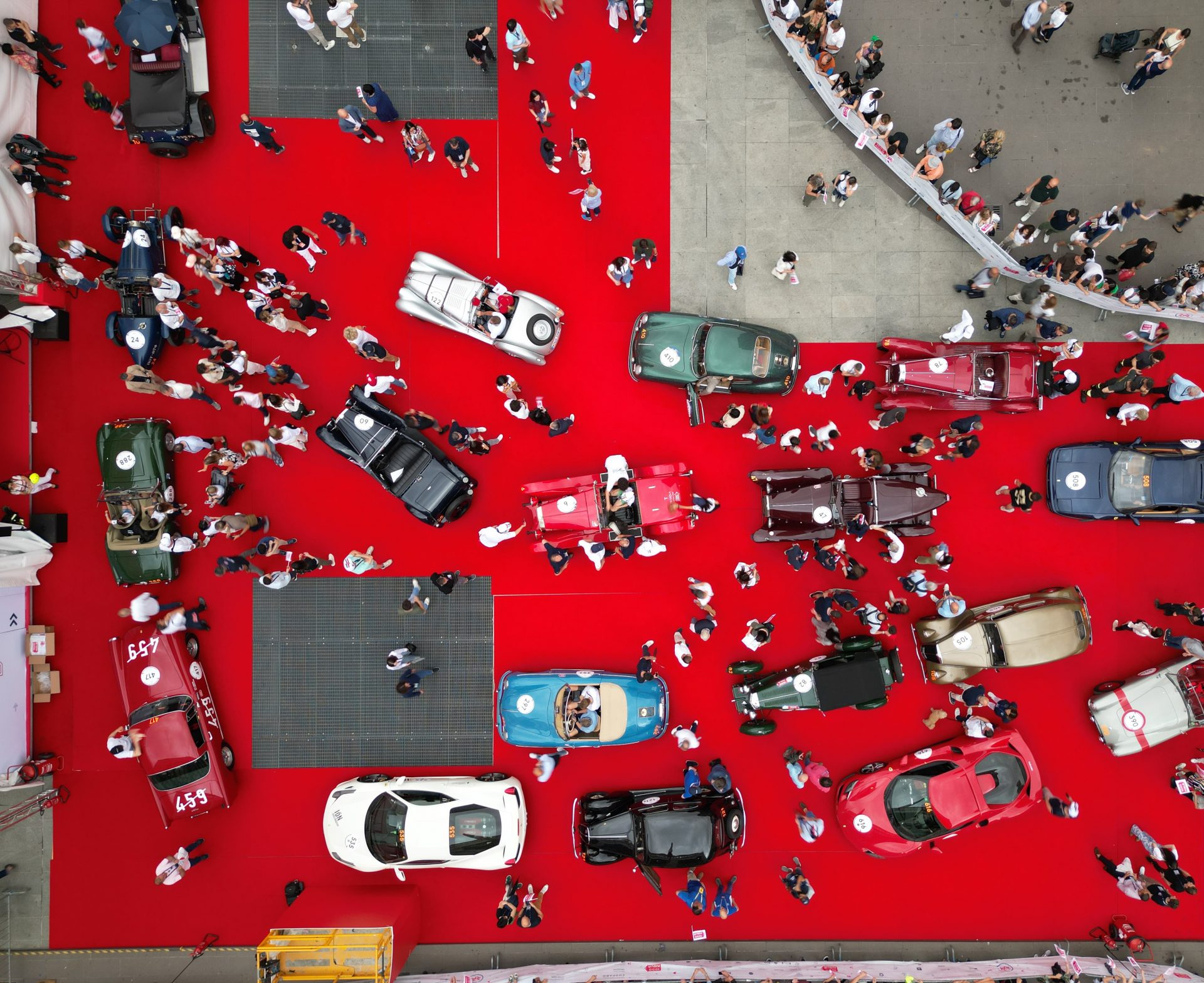
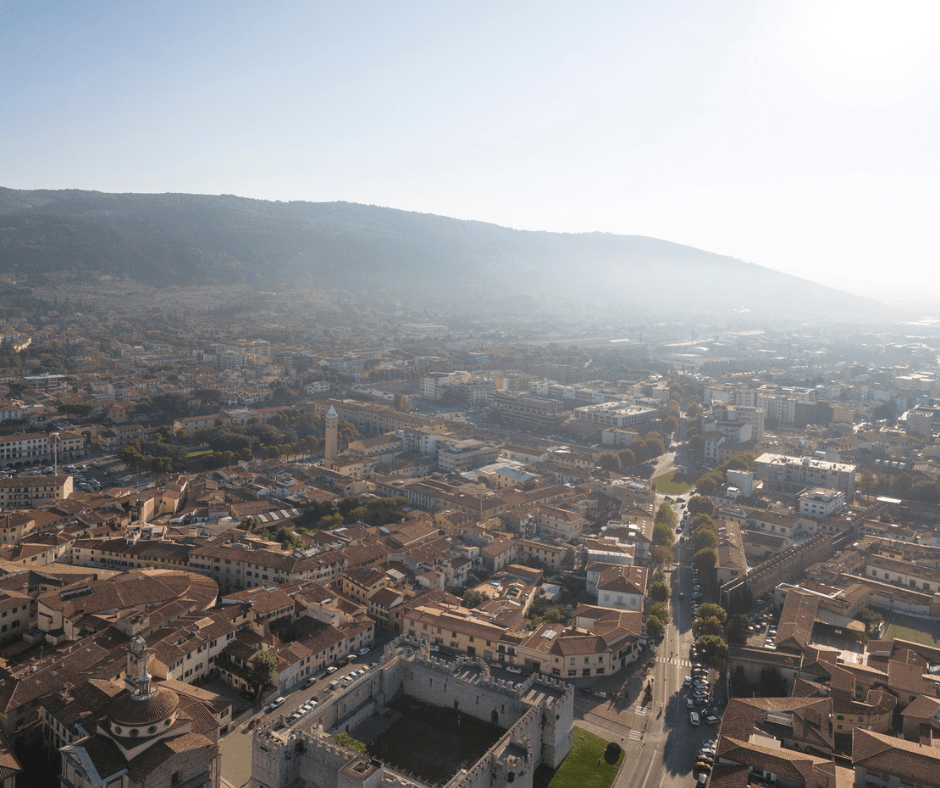
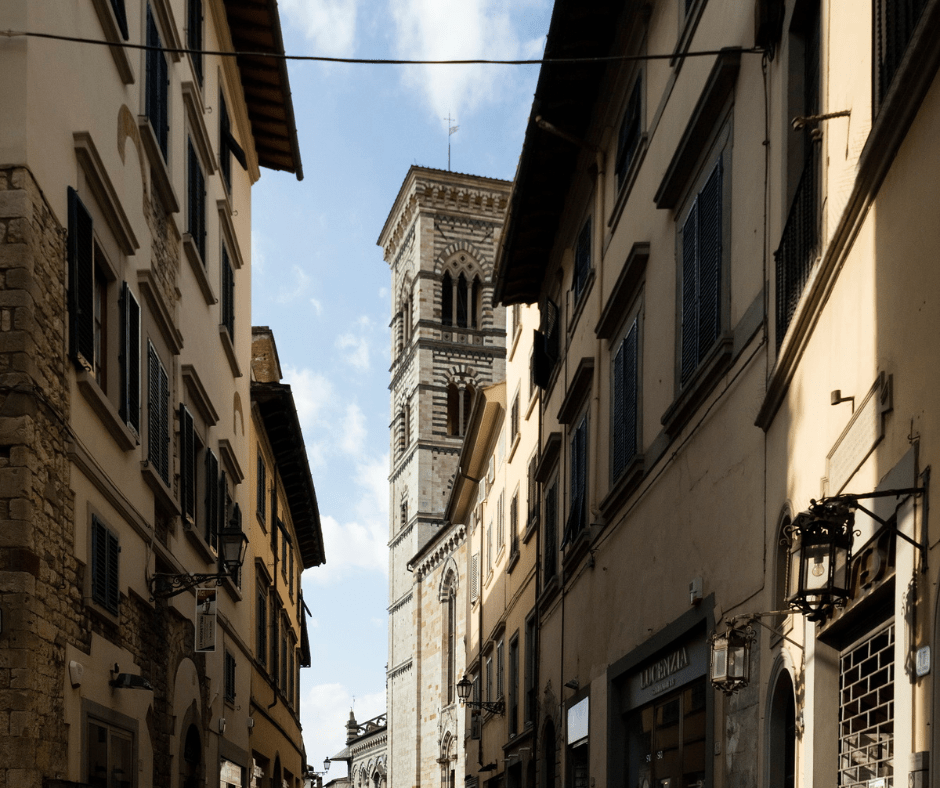
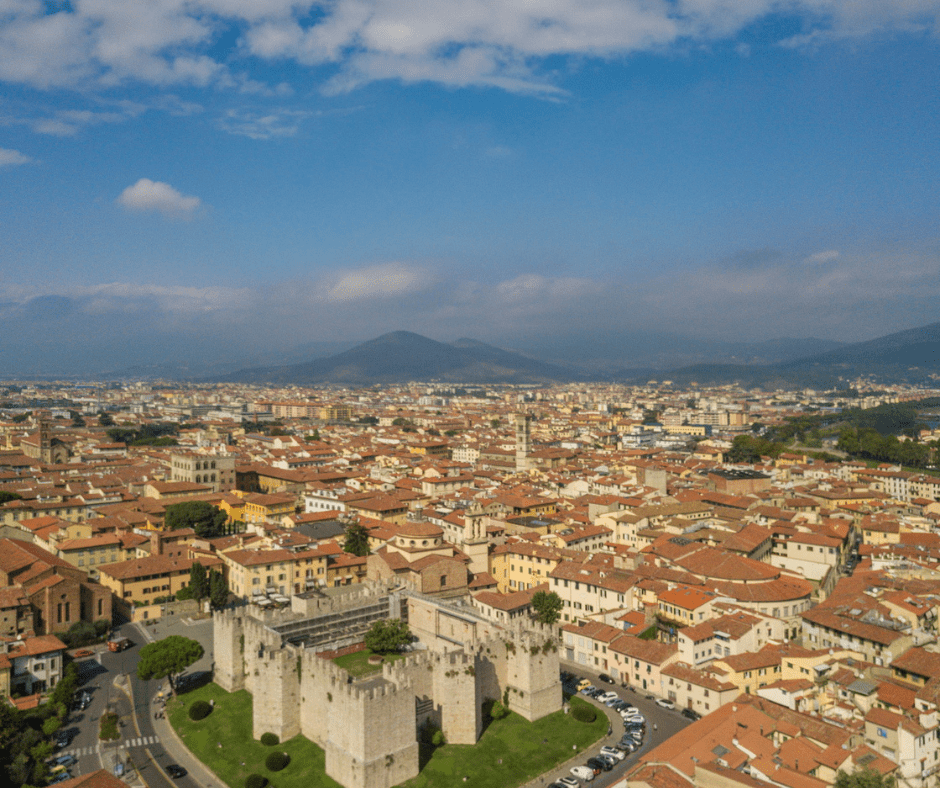
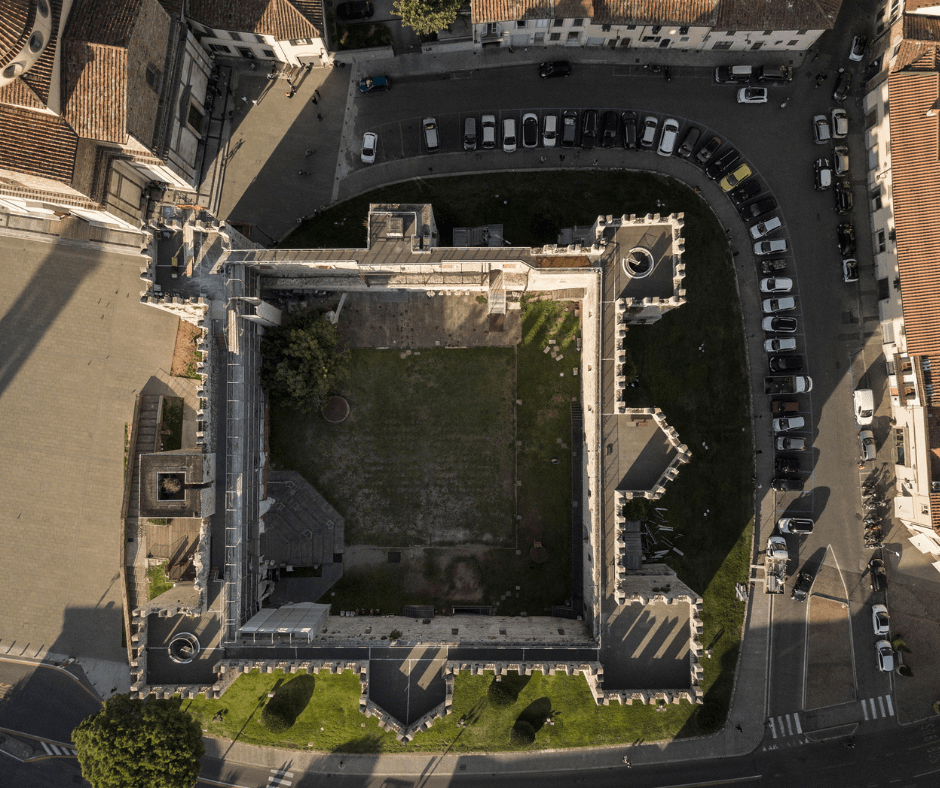
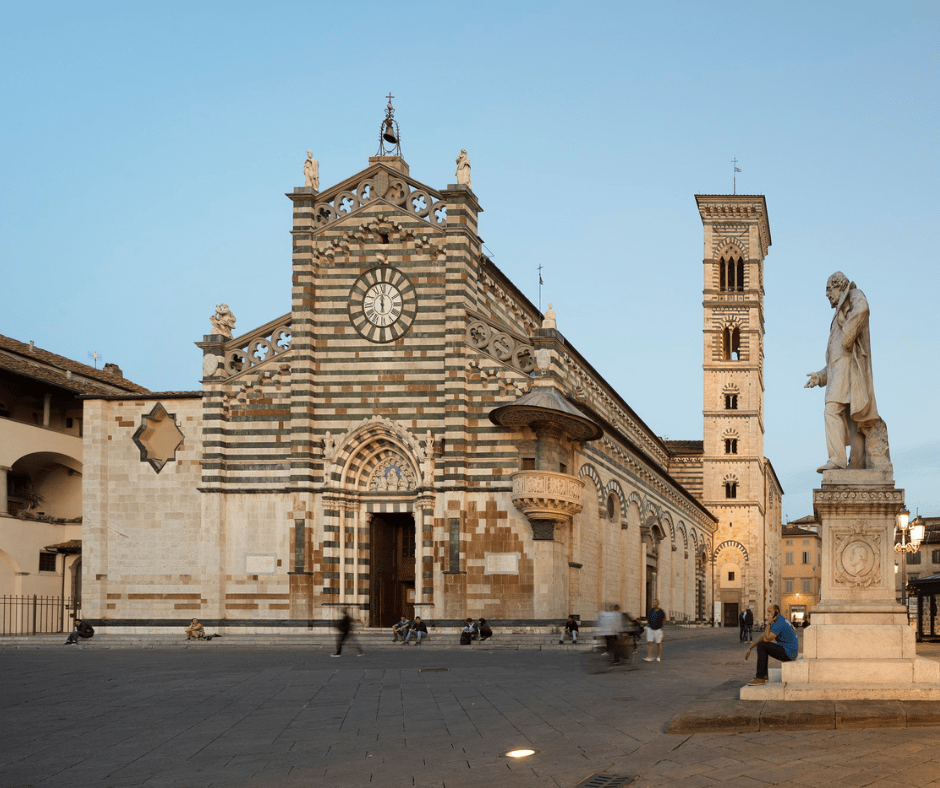
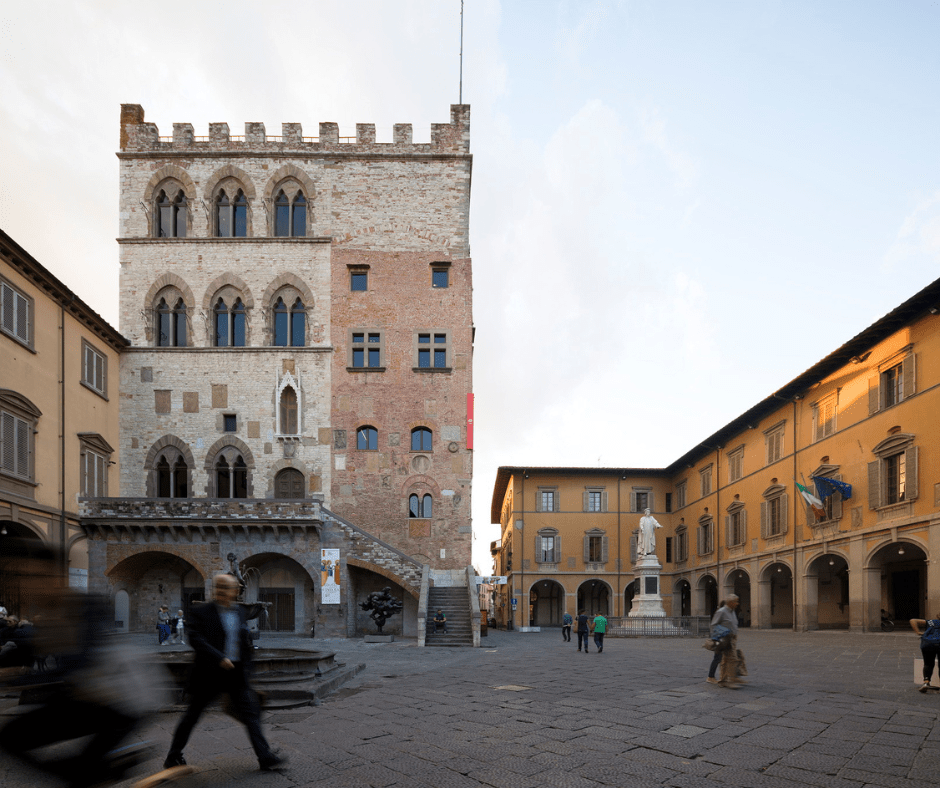
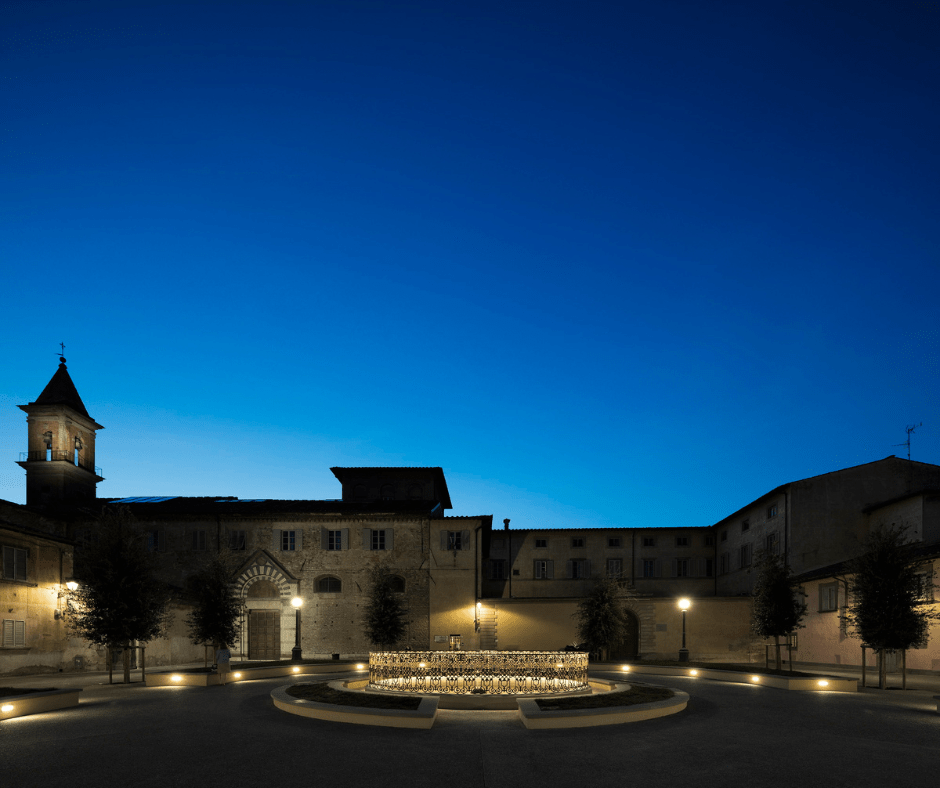
The 1000 Miglia, with its legendary atmosphere and the roar of 400 classic cars, will once again take to the streets of Prato. A beautiful parade amidst the art and greenery of our city, which will reach its peak with the evocative passage through the former Calamai factory, reopened for the occasion. The ideal setting to celebrate the link between the city’s textile tradition and the history of motoring, inaugurated in the last edition at the Balli factory, the pearl of the textile district and its history. This is Prato: old factories transformed into places of culture, contemporary works skilfully combined with historic spaces, the long Bisenzio river becoming a river park. The most beautiful race in the world will pass through our city centre, from Piazza San Marco with its famous “Buco” by Moore, to Piazza del Comune with its sumptuous Palazzo Pretorio and Civic Museum, and Piazza San Domenico with its beautiful cloister. This is the Prato you don’t expect, because its identity lies in textiles and the repurposing of industrial spaces, but it also contains masterpieces of art and historical evidence that make it unique.
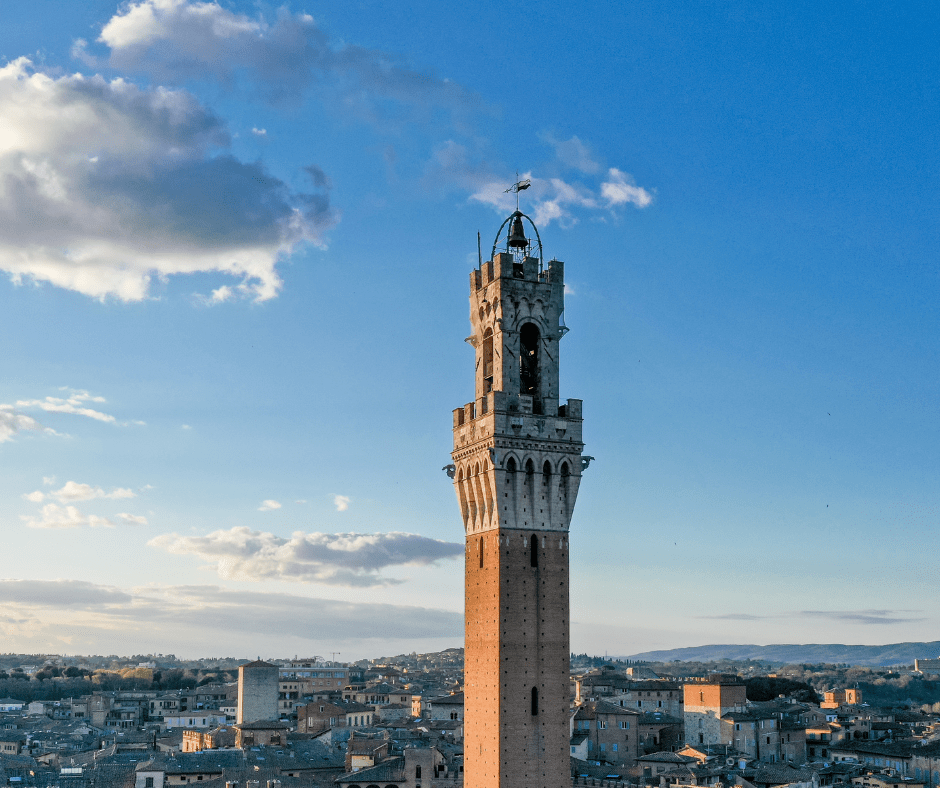
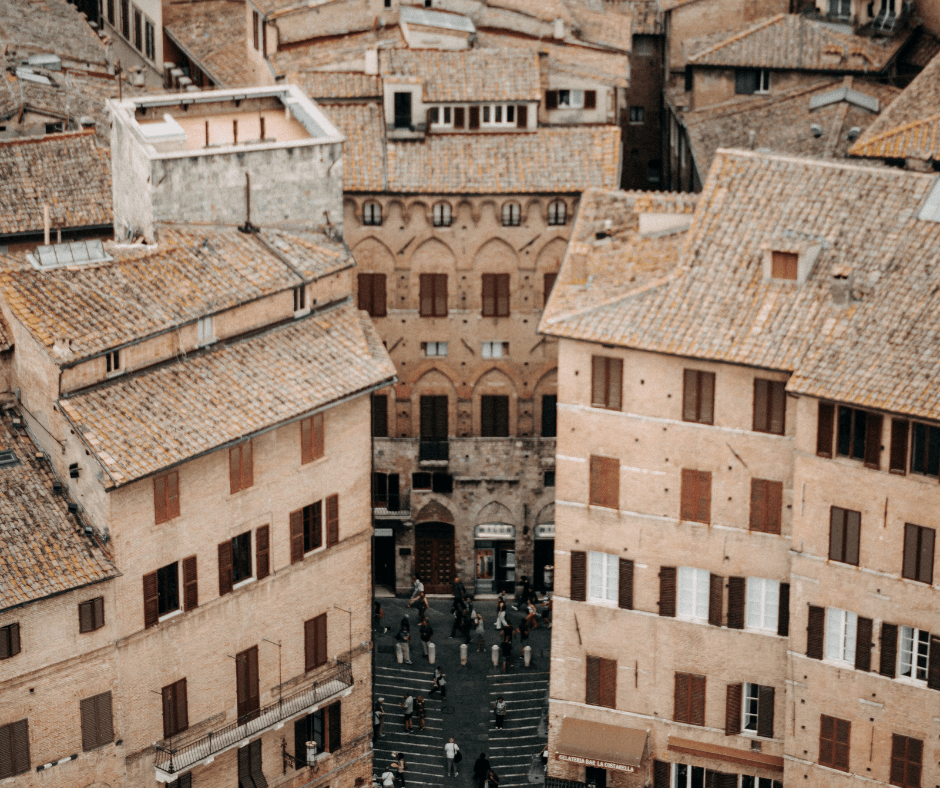
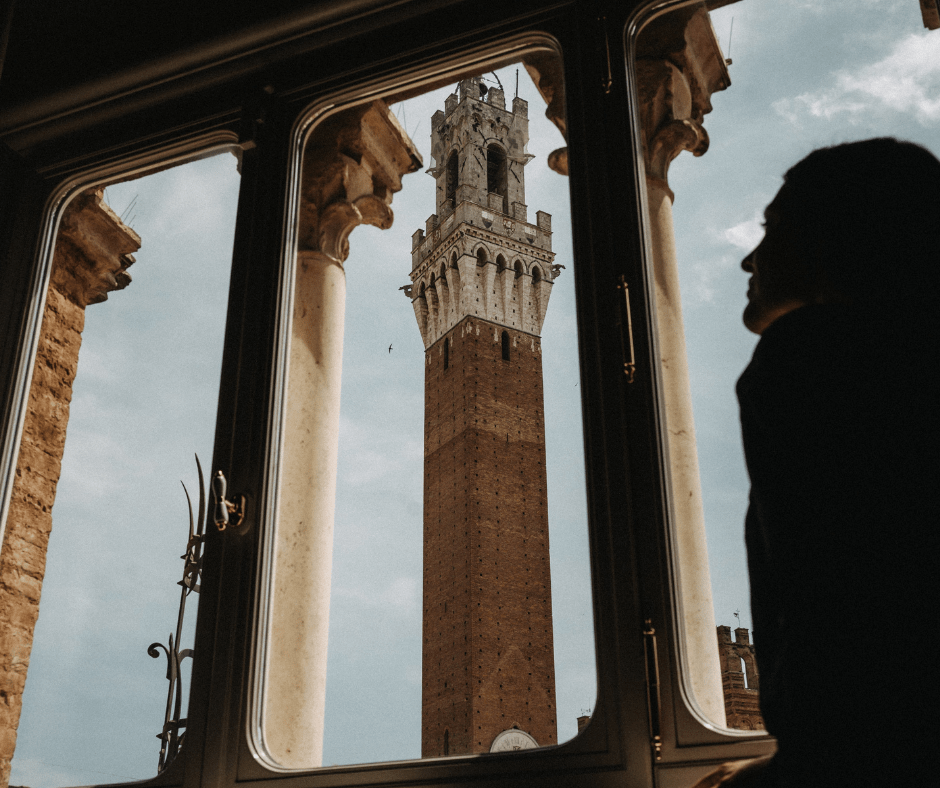
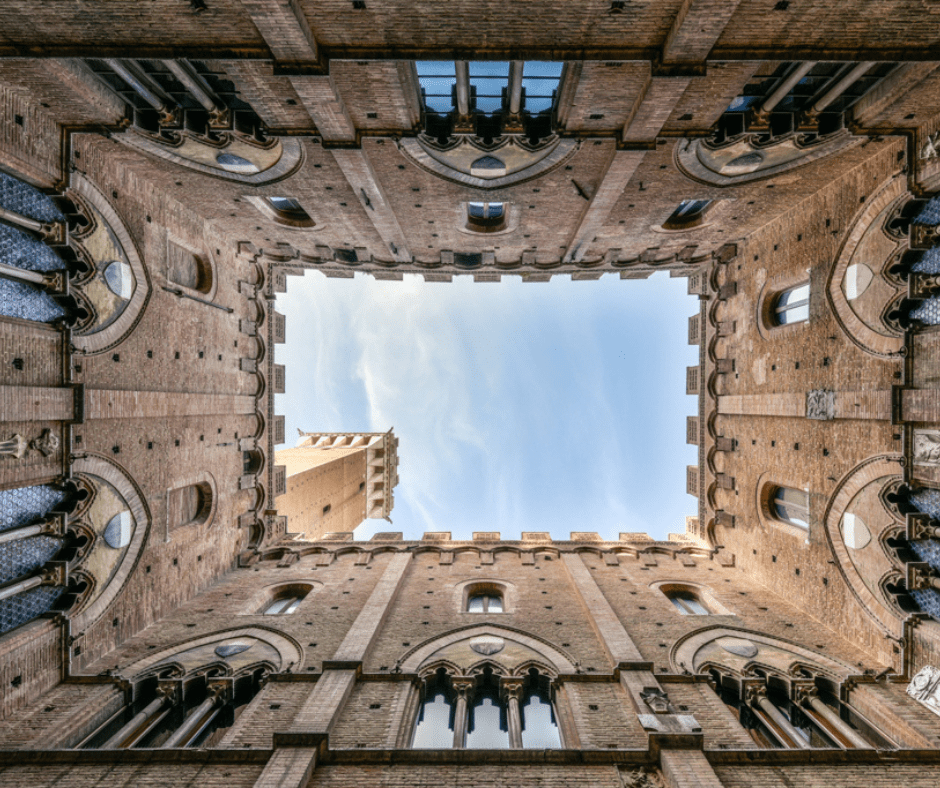
Siena
1000 Miglia in the city of the Palio
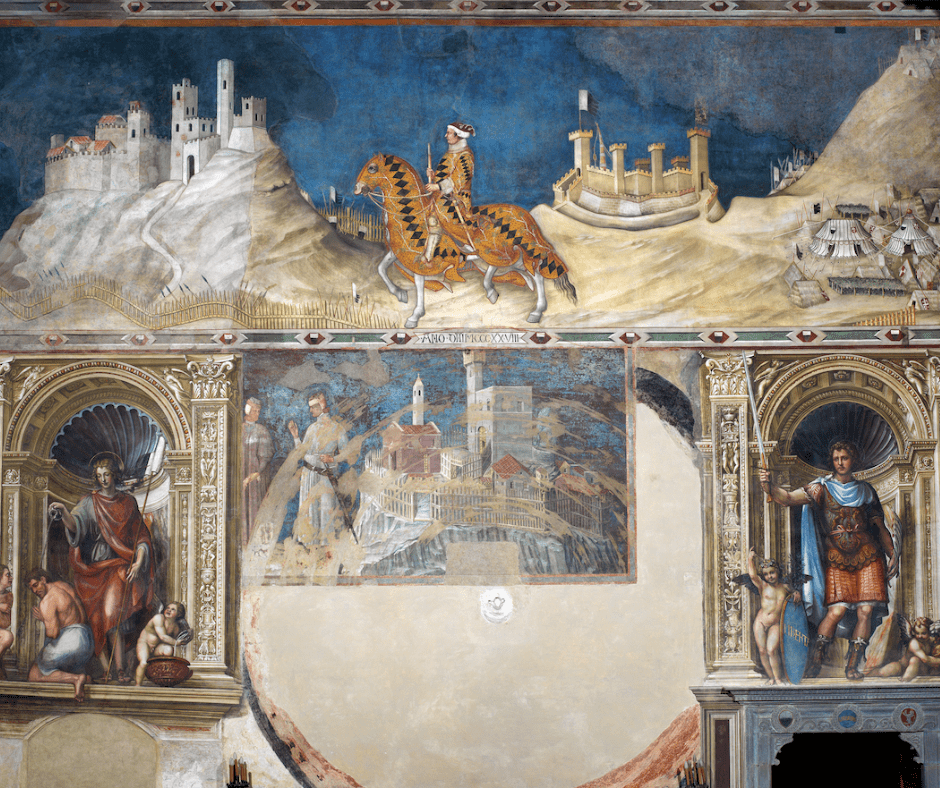
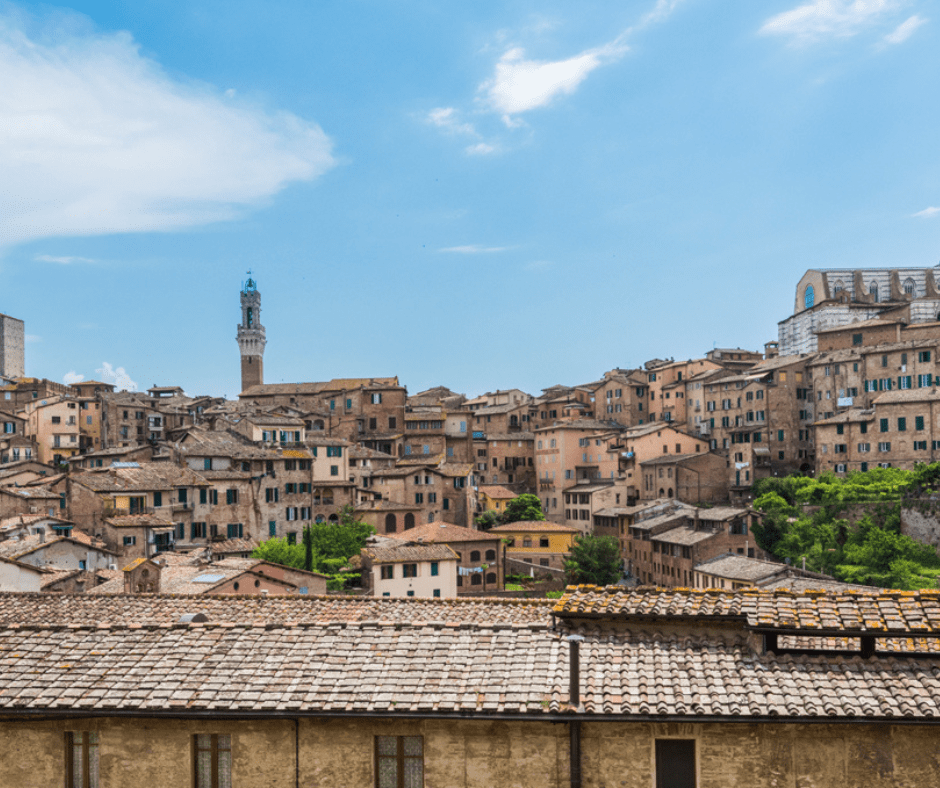
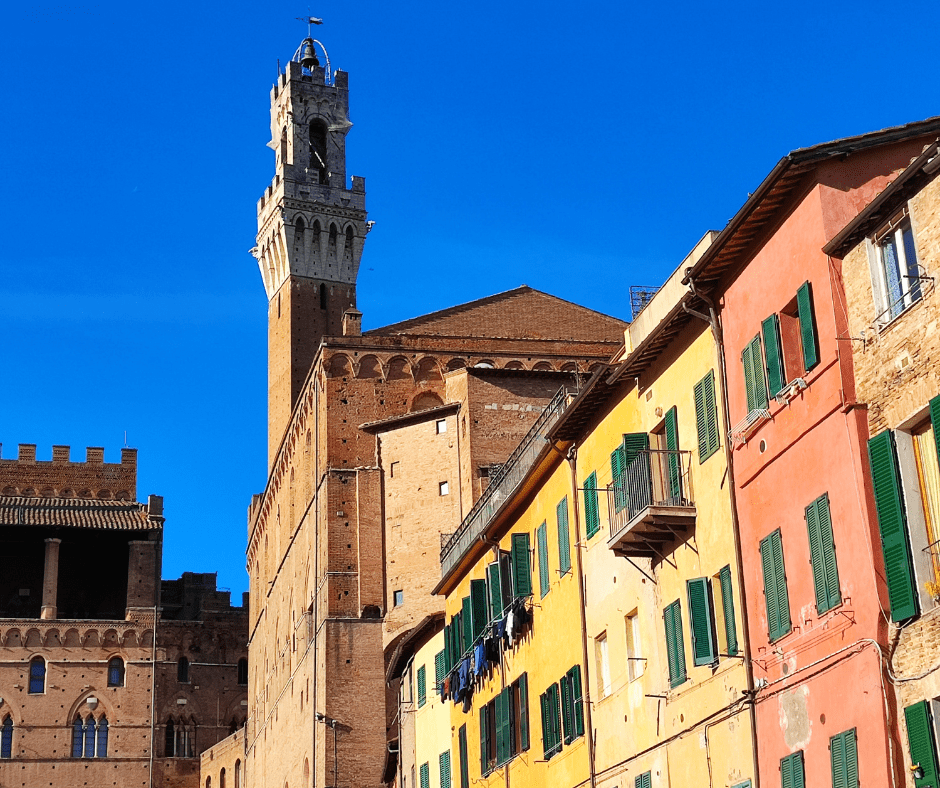
A timeless example of a medieval jewel, the city of the Palio still lives suspended between past and present. Its artistic and cultural heritage is so rich and unique that it has been a Unesco World Heritage Site since 1995, thanks to its historic centre and that drawing room, Piazza Il Campo. Today, Siena earns another important medal in its “race” towards tomorrow: it is the first Italian and world city of art to be certified as a sustainable destination according to the Global Sustainable Tourism Council (GSTC-D). This is yet another demonstration of how, despite the strength of its traditions made up not only of history, districts and architecture, but also of gastronomic excellence and a culture of “savoir faire” linked to craftsmanship and small workshops that animate the city centre today as in the past, it is capable of preserving itself by projecting itself into the future.
Asciano
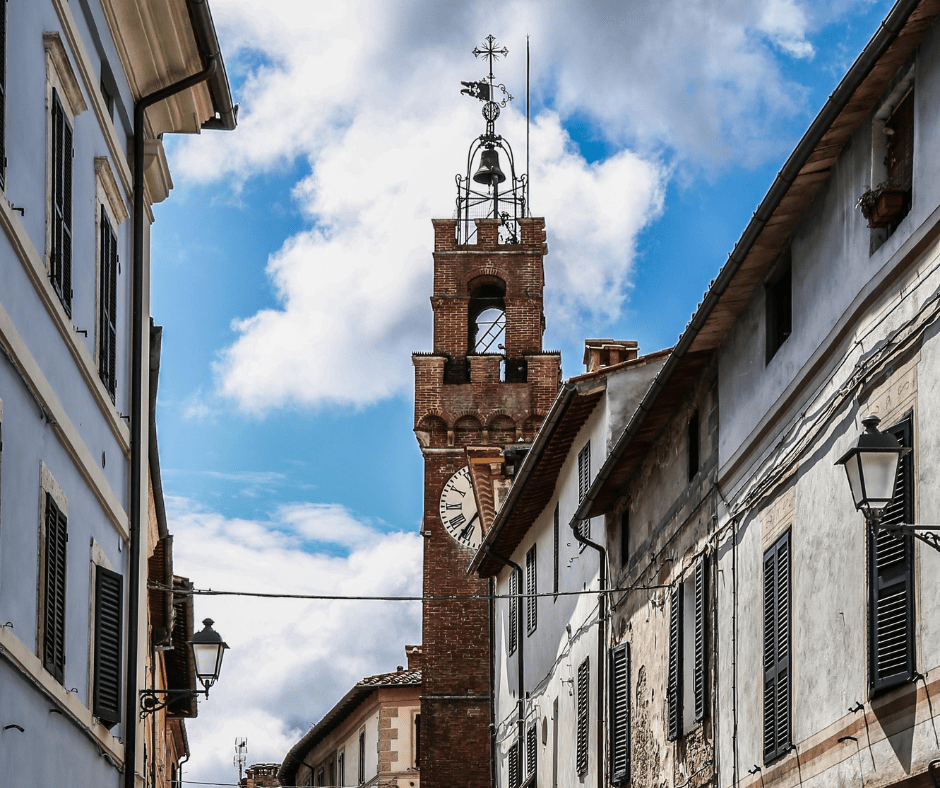
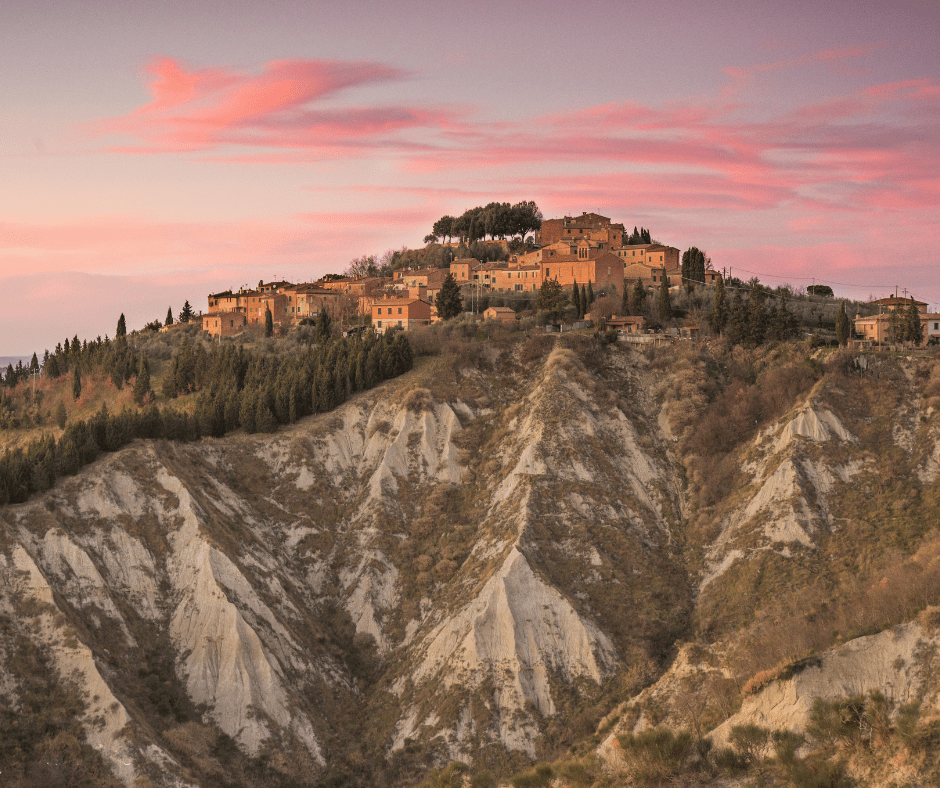
Asciano, a jewel in the heart of the Crete Senesi
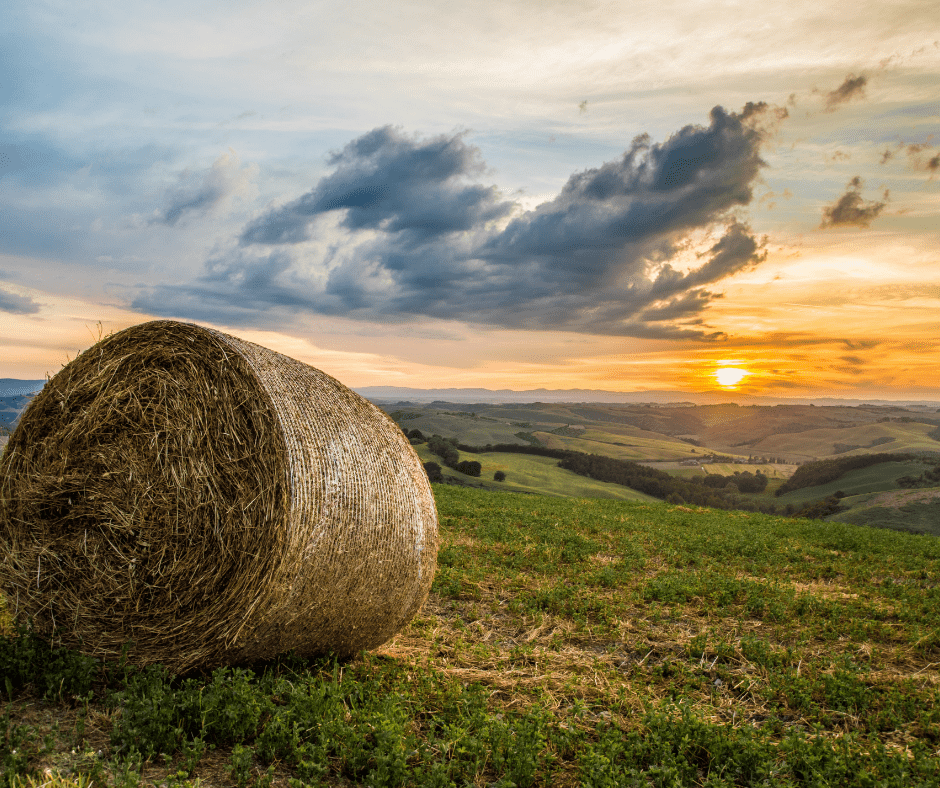
Nestled in the extraordinary landscape of the Crete Senesi, Asciano is a place rich in history, art and tradition. Its Etruscan and Roman origins blend with a well-preserved medieval heritage, among charming alleys, thousand-year-old churches and two museums of excellence. The historic Via Lauretana runs through it, intertwining with the iconic white roads that embrace the entire territory. The Abbey of Monte Oliveto Maggiore, a pearl immersed in nature, makes Asciano not only a destination of great charm, but also a crossroads of culture and spirituality. The breathtaking landscape, between gullies and “biancane”, and the rolling hills that change colour with the passing of the seasons, make Asciano an unforgettable stop in the heart of Tuscany.