
LEG 4 – THURSDAY 20th JUNE
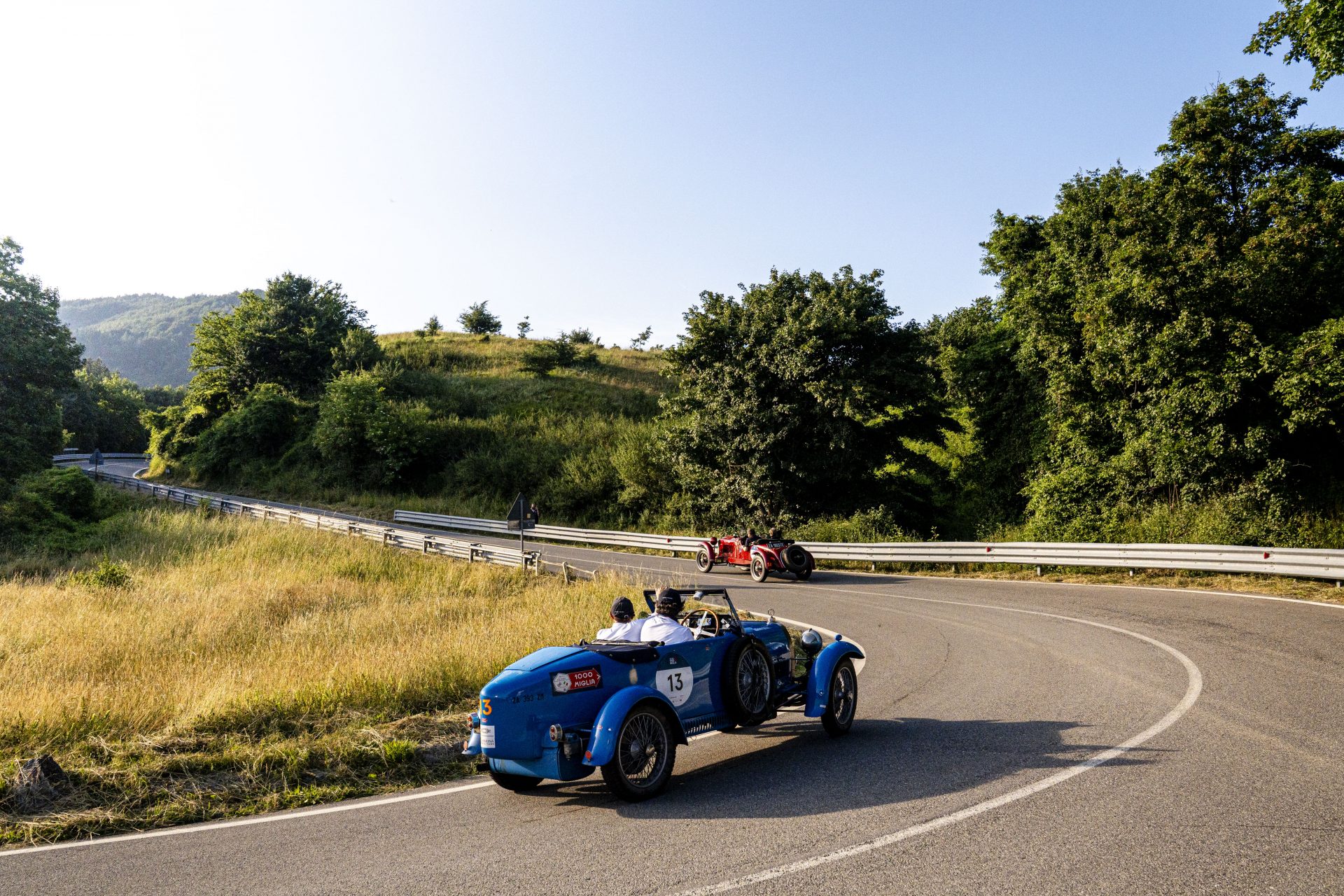
On the fourth day, the crews will cross Italy from East to West. Departing from Cervia, they will pass through Forlì and Pratovecchio-Stia, then cross the Apennines to Empoli, where the uphill route will cross the one followed two days earlier on the descent to Rome. Continuing westwards, the Red Arrow will reach San Miniato and Pontedera, before arriving on the Tyrrhenian coast with the passage in front of the Naval Academy of the Italian Navy in Livorno. Finally, the race will resume its ascent through Viareggio, ending the second last leg in Parma. The Ferrari Tribute cars will finish the leg in Salsomaggiore.
Forlì
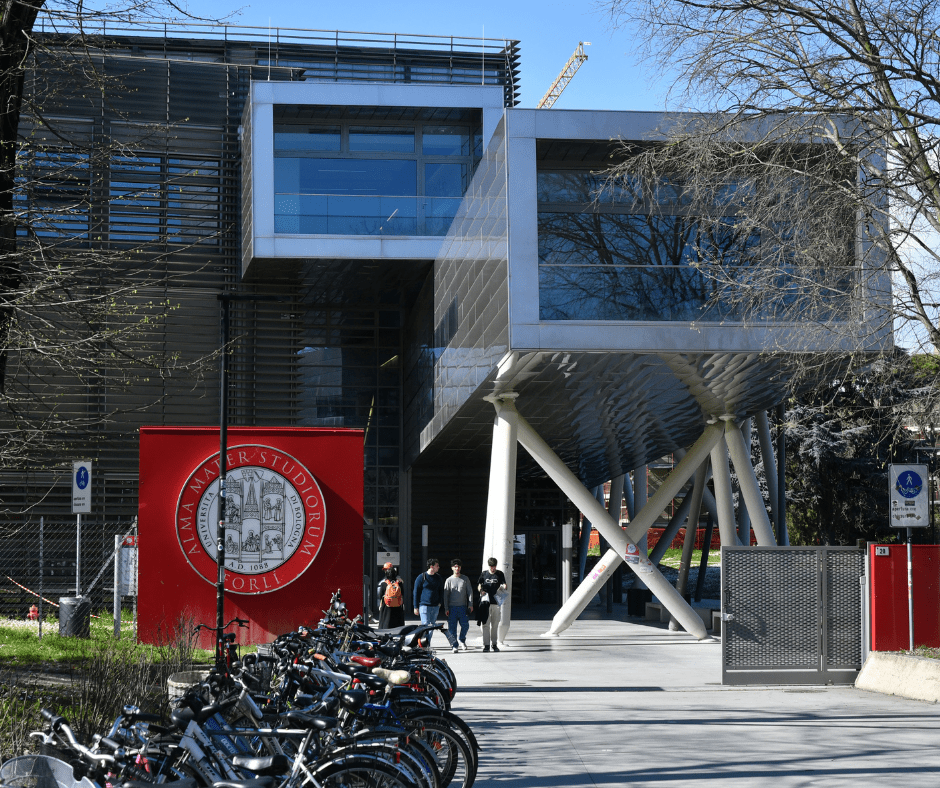
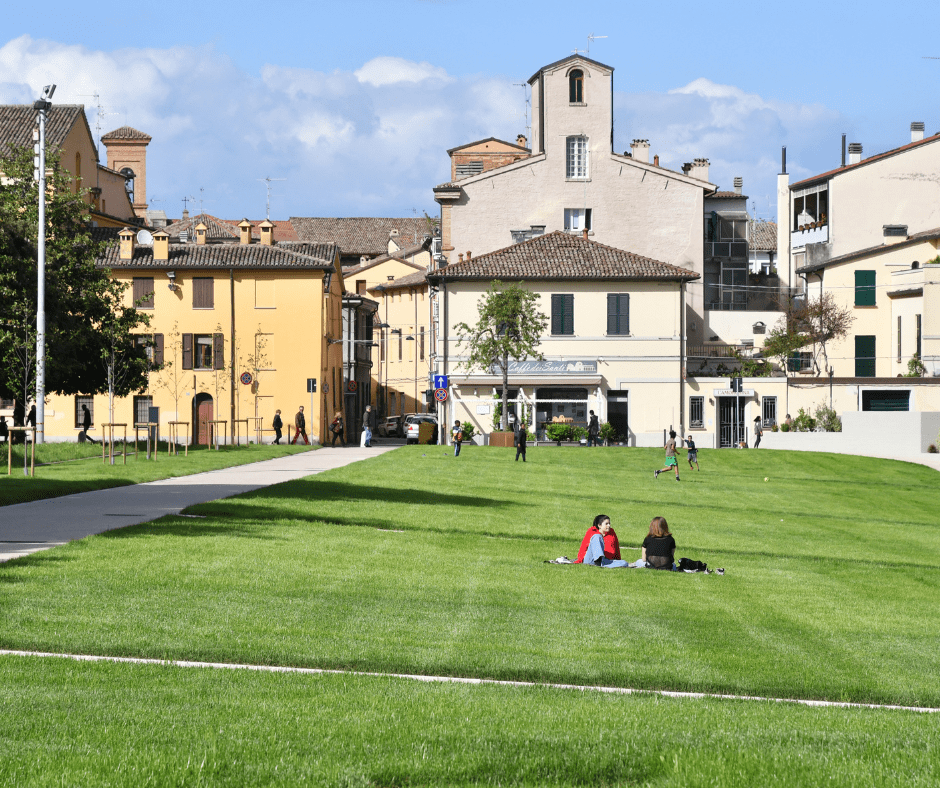
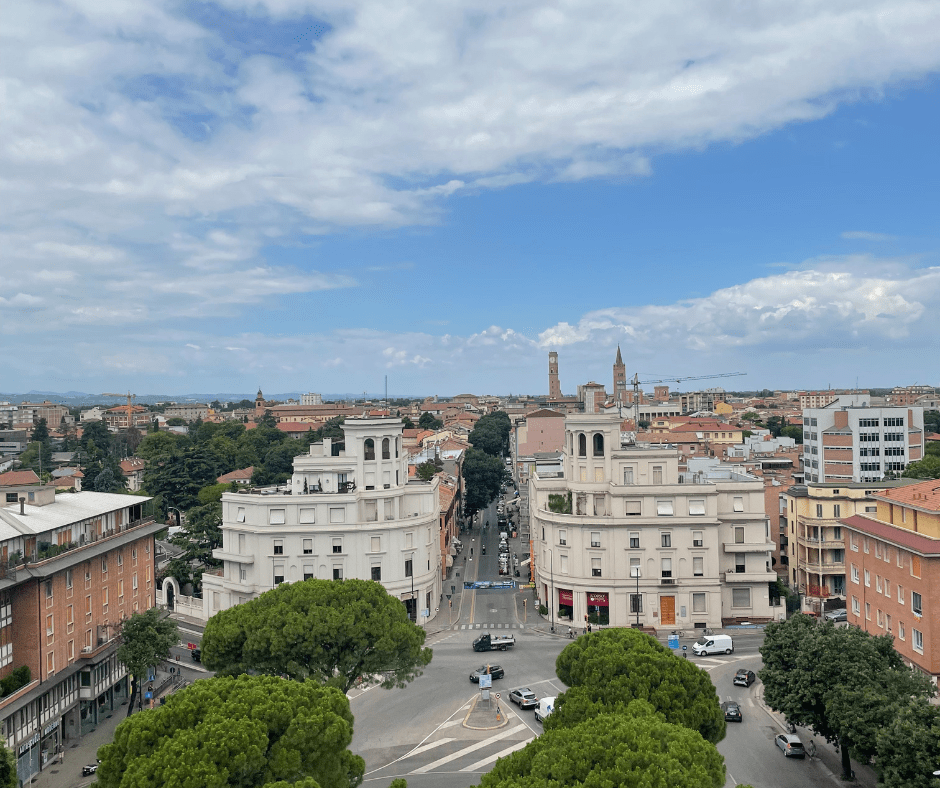
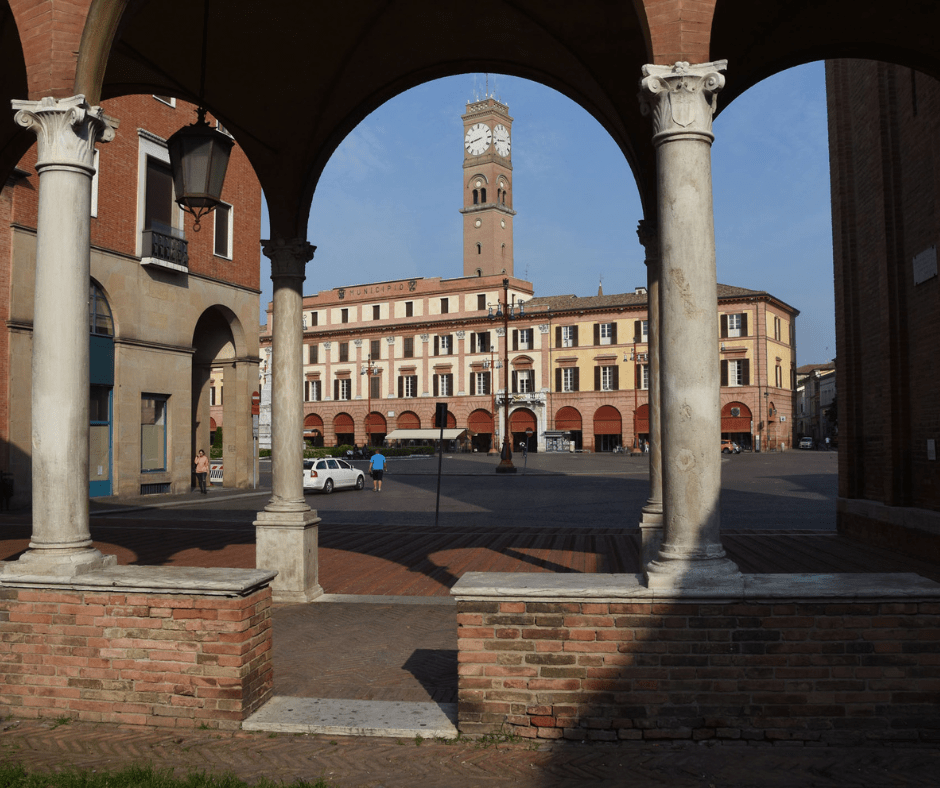
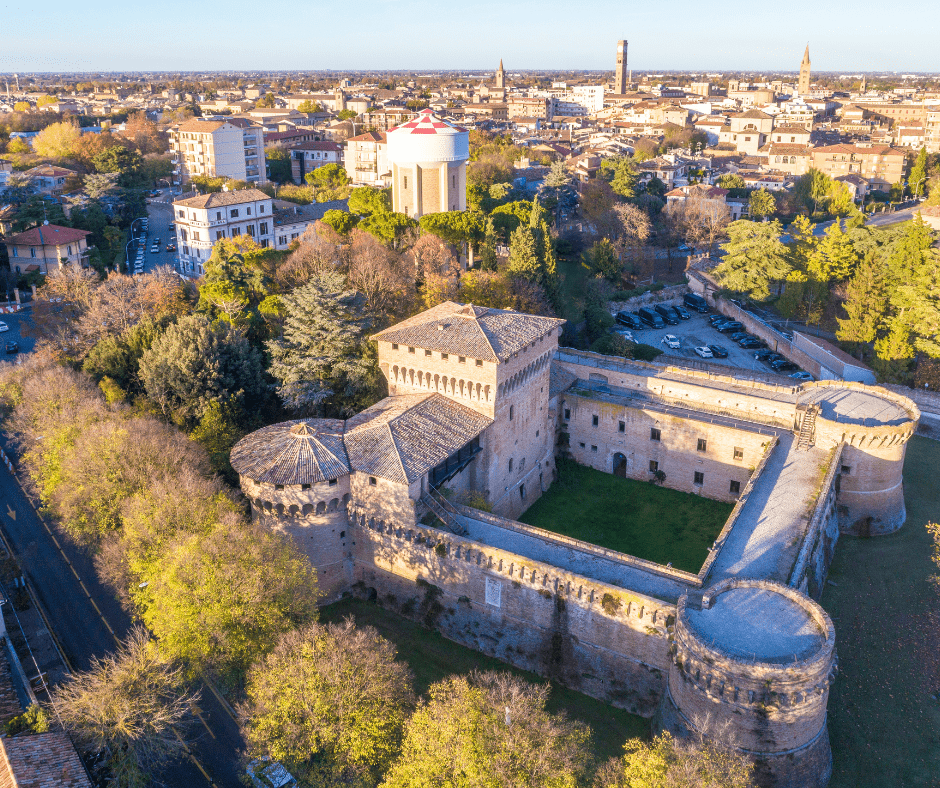
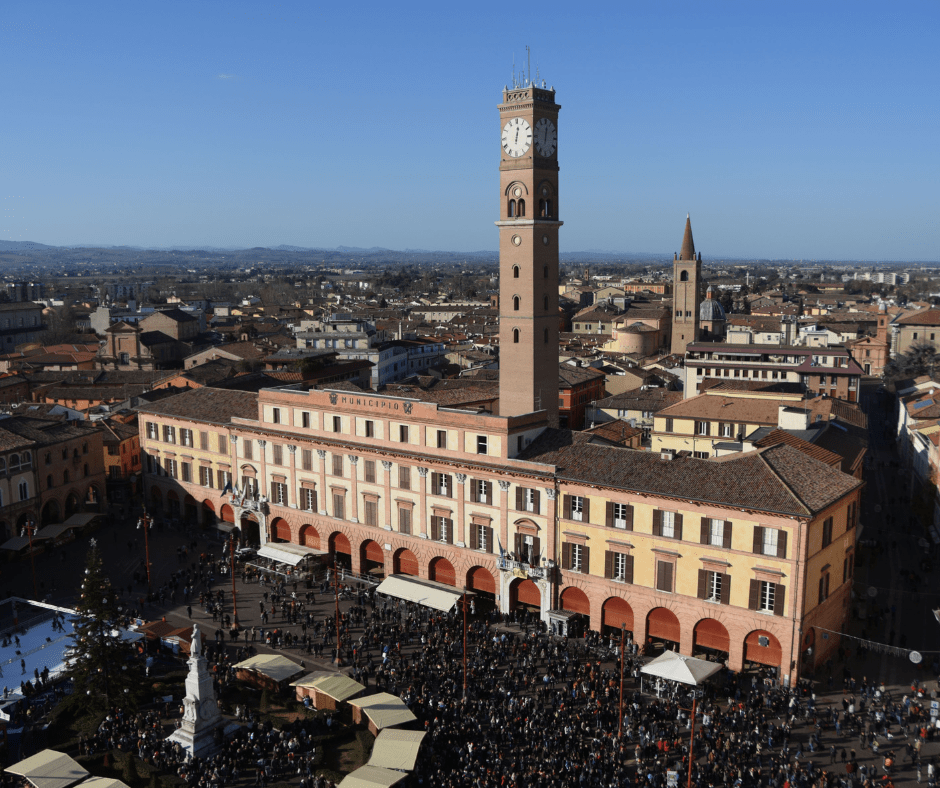
The 1000 Miglia returns to the Romagna city
On Friday 20 June, the cars in the race will parade through the city of Forlì, passing through places rich in contemporary history and increasingly widespread urban regeneration and public heritage enhancement projects. The 2025 edition of the most eagerly awaited race of the year has been a moment of great sporting excitement, but also a valuable opportunity to rediscover the most beautiful nuances and hidden corners of the capital of Romagna, in an atmosphere of great enthusiasm and healthy competition.
Pratovecchio – Stia
A corner of Tuscany rich in history, culture and nature located in the upper Casentino area
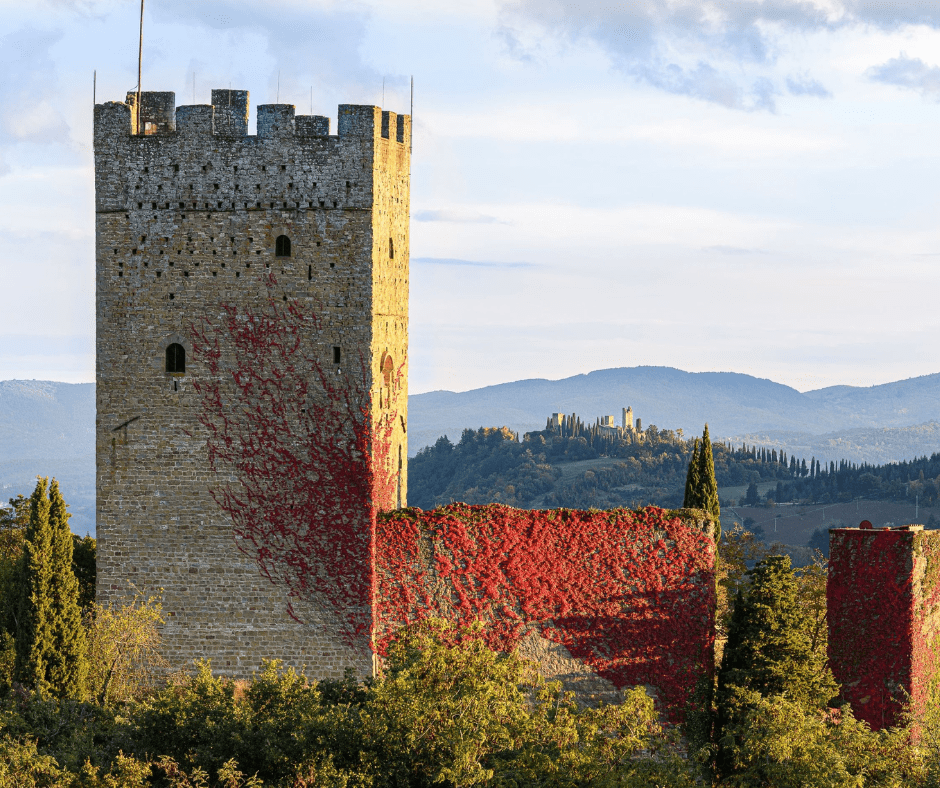
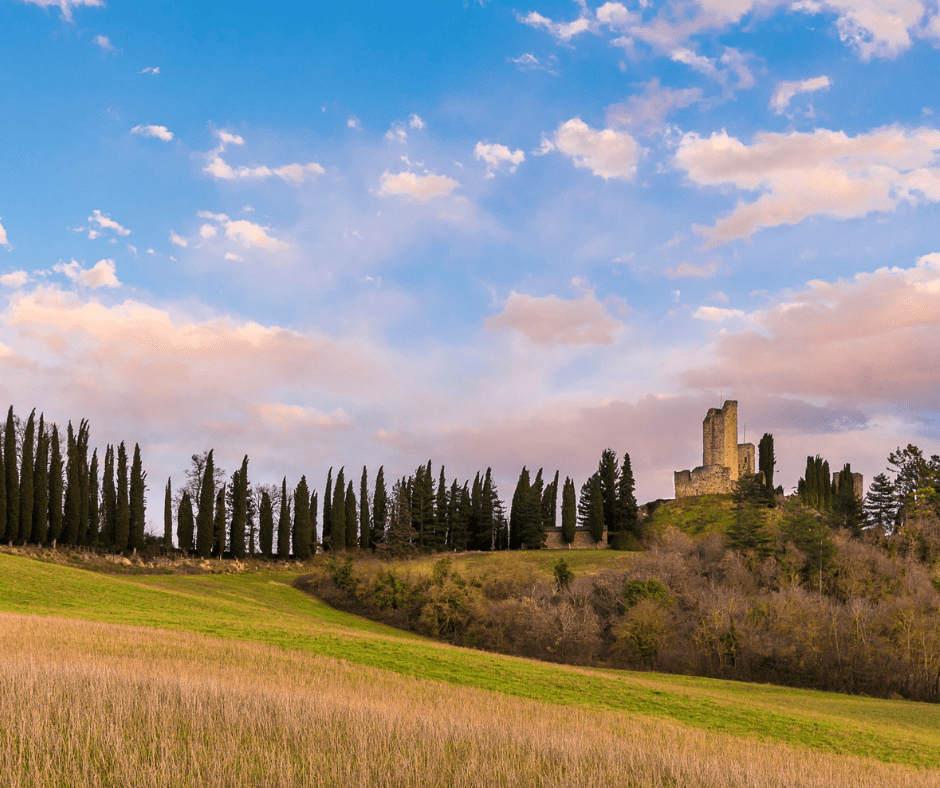
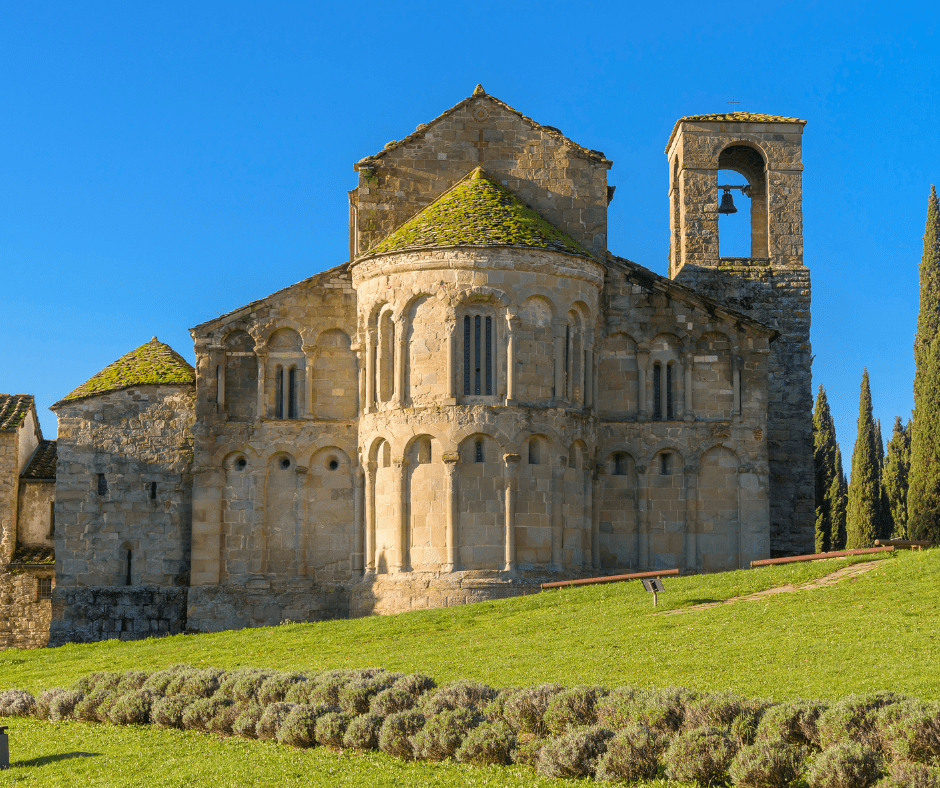
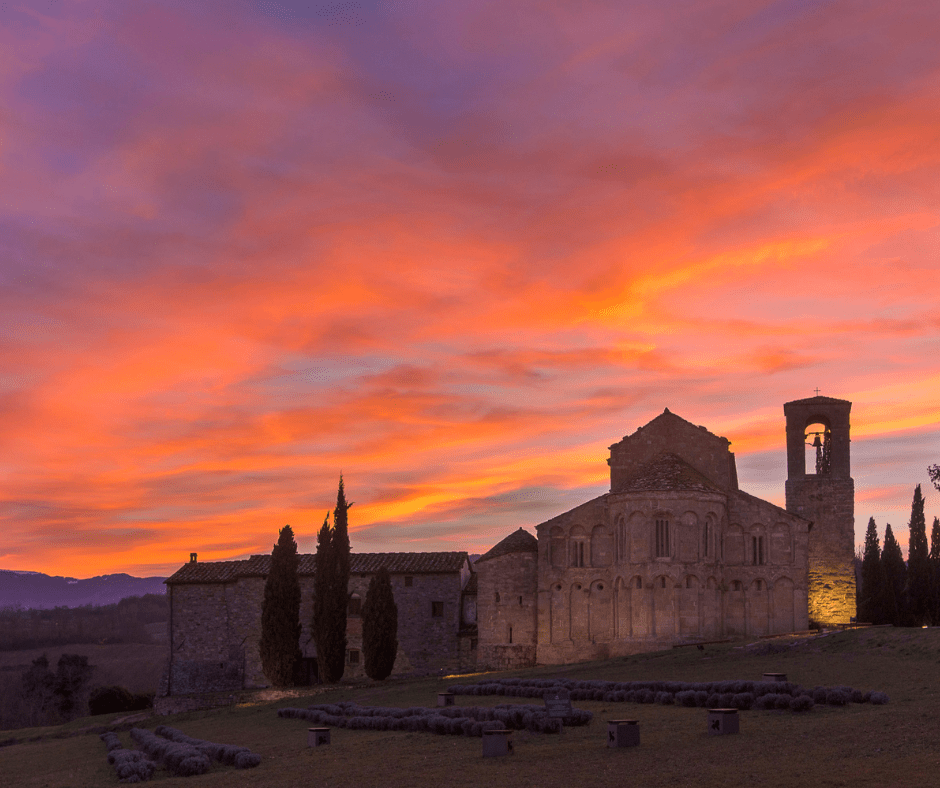
Pratovecchio Stia, home to the Casentino Forest National Park, is a corner of Tuscany rich in history, culture and nature located in the upper Casentino area, near the source of the Arno River. A land of castles, Romanesque churches, Della Robbia terracotta, places mentioned by Dante and small villages surrounded by centuries-old forests, it preserves important medieval remains: from the majestic tower of Porciano to the castle of Romena, mentioned by Dante in Canto XXX of Inferno, to the Palagio Fiorentino in Stia, home to a collection of contemporary art. Villages, squares and porticoes characterise the centre of Pratovecchio, whose architecture expresses a history of faith, as evidenced by the presence of the Monastery of St. John the Evangelist and the Propositura del SS. Nome di Gesù. Nearby, the parish church of St. Peter in Romena is one of the finest examples of Romanesque architecture in the Casentino area.
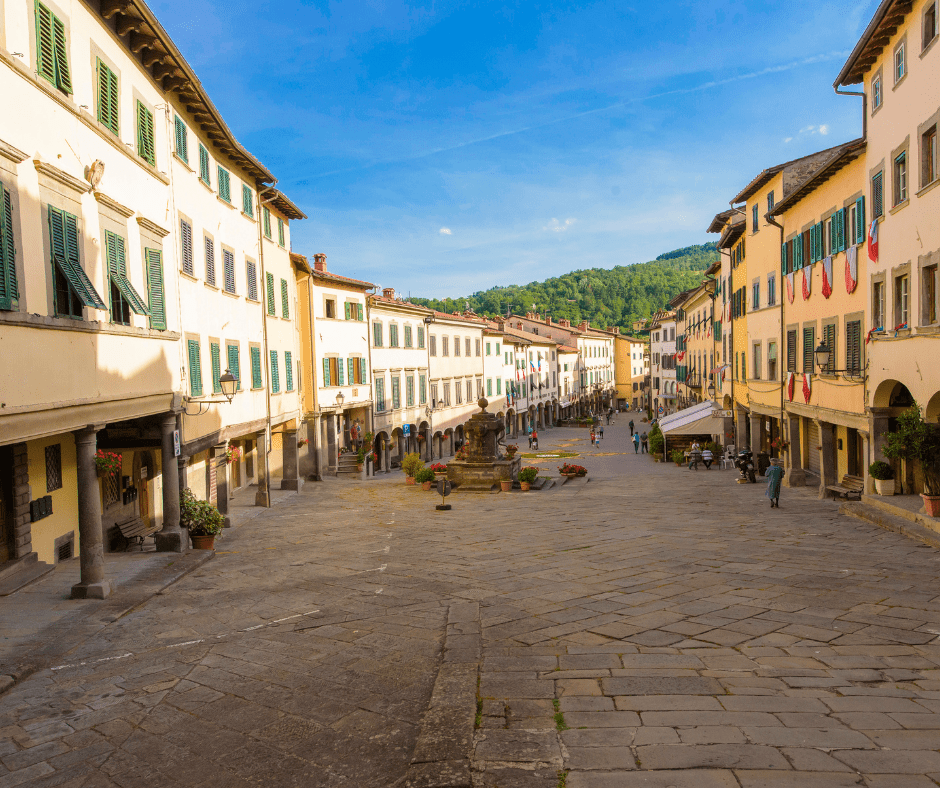
The centre of Stia is gathered around the splendid Piazza Tanucci, overlooked by the Romanesque parish church of S. Maria Assunta. Inside are works by Bicci di Lorenzo and Andrea della Robbia, whose polychrome terracottas are also kept in the 15th-century Sanctuary of S. Maria delle Grazie, built along the road to Mugello, 4 km from Stia.
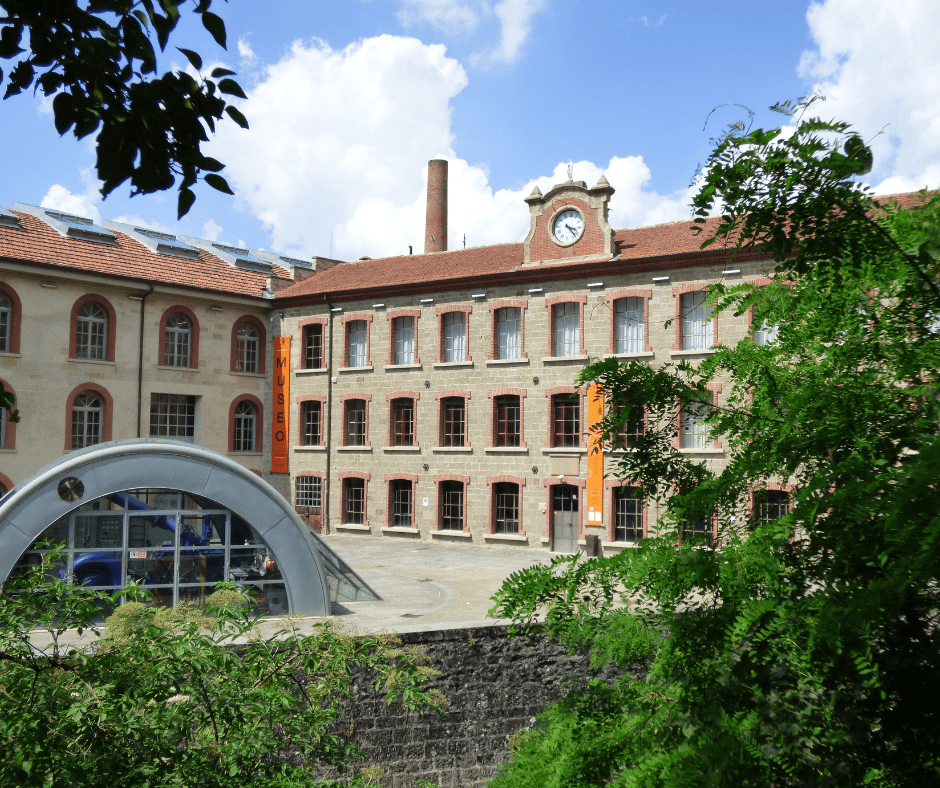
A wonderful example of industrial archaeology, the historic wool mill in Stia, one of Italy’s leading textile manufacturers until the mid-20th century, is now home to the Museum of Wool Art, a centre for the promotion of wool processing and, in particular, Casentino cloth, a fabric with a characteristic “curl” that is a symbol of elegance and refinement.
Also of particular historical and cultural interest are Molin di Bucchio, the first mill on the Arno, and the archaeological site of Lago degli Idoli, an important Etruscan sanctuary on Monte Falterona near the source of the Arno.
San Miniato
Hilltop village located in the heart of Tuscany
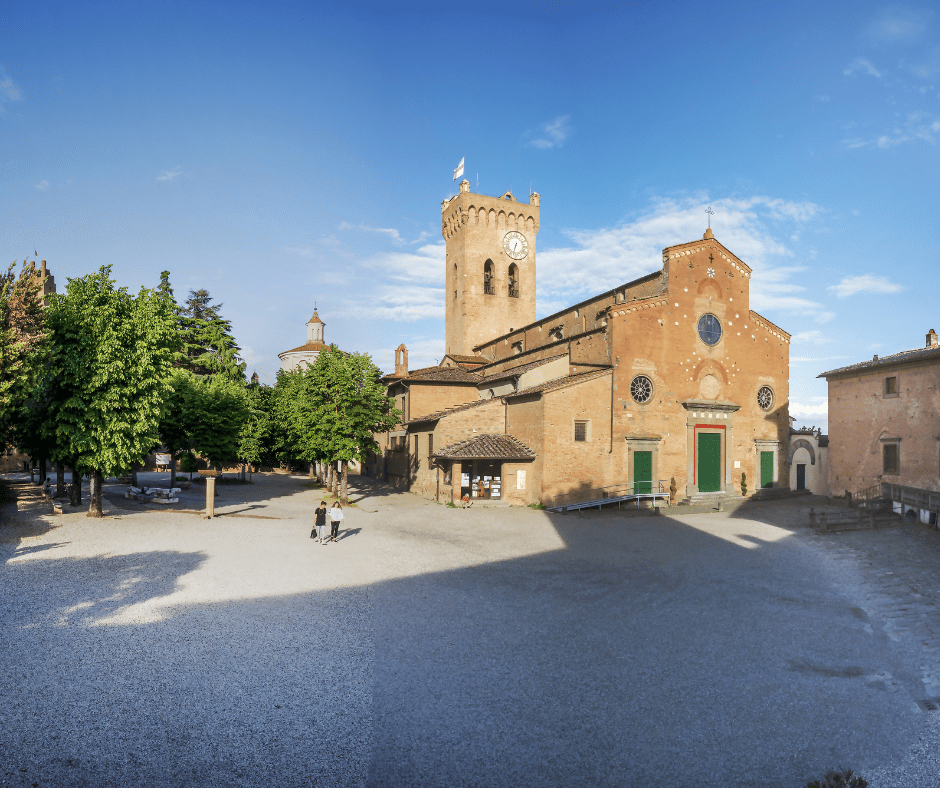
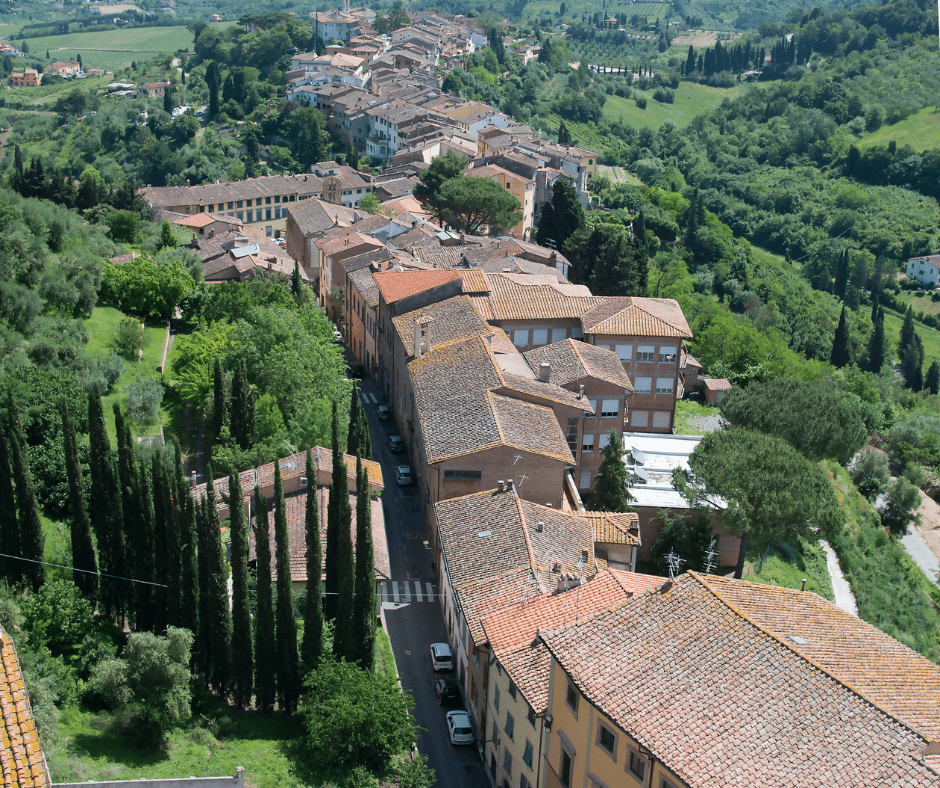
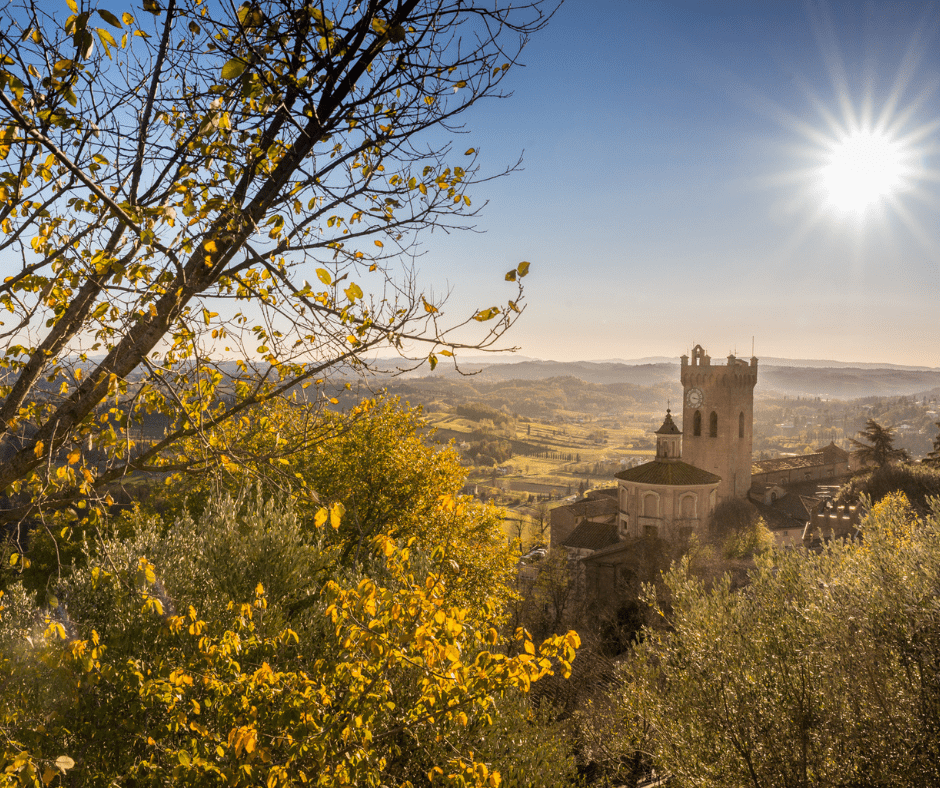
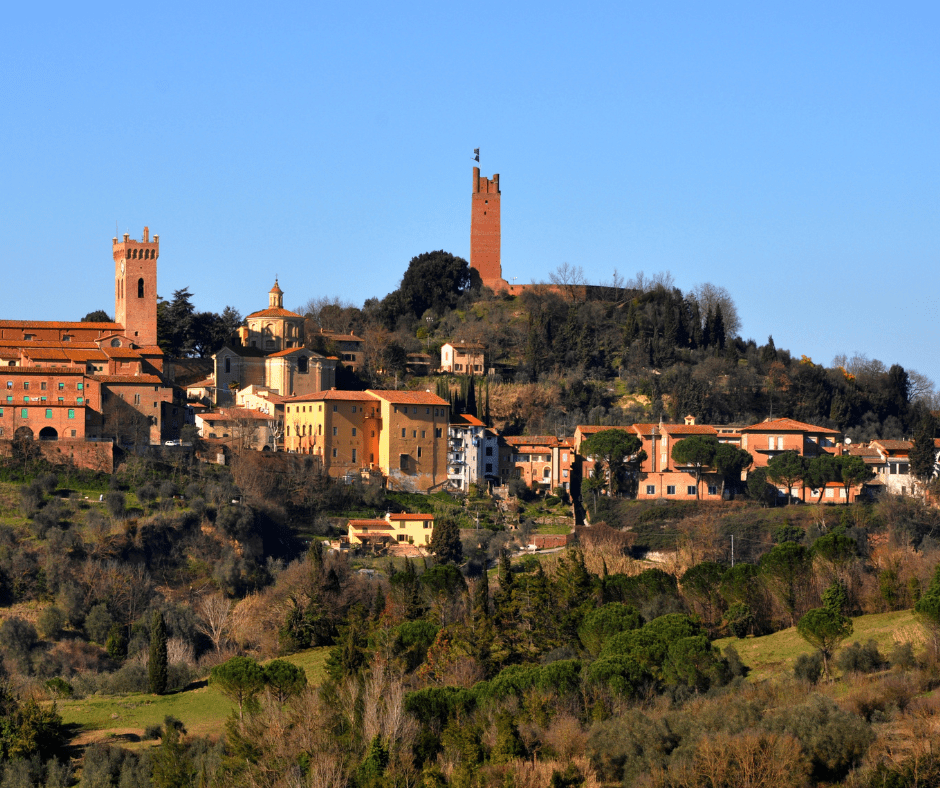
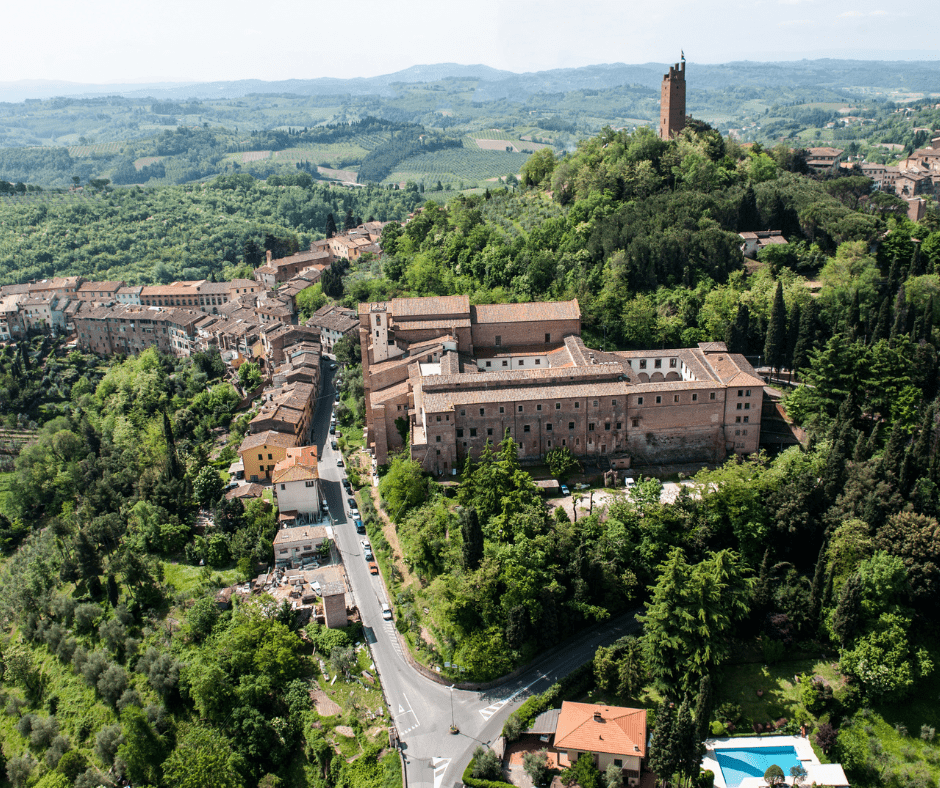
San Miniato is a charming hilltop village located in the heart of Tuscany, between Pisa, Florence and Siena. Perched on a ridge overlooking the Arno Valley, its territory extends across rolling hills covered with vineyards, olive groves, woods and cultivated fields, offering a typical Tuscan landscape that is harmonious and full of charm.
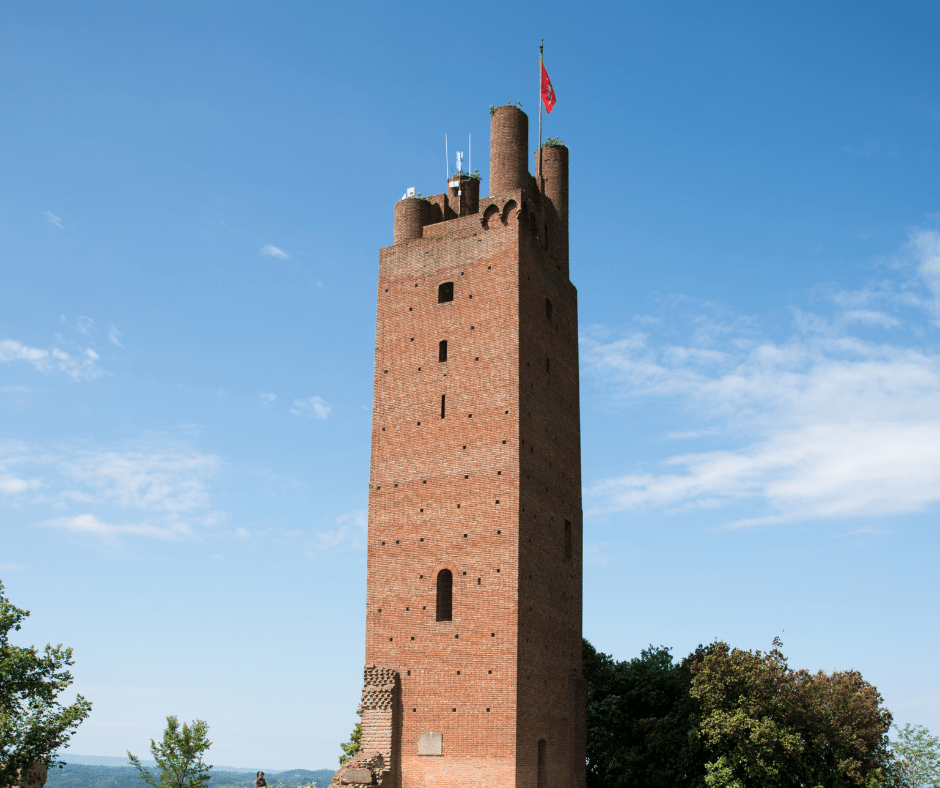
The historic centre, dominated by the famous Tower of Frederick II, has preserved its medieval layout, with narrow streets, historic buildings and churches of great artistic value. Around the village, numerous rural hamlets bear witness to the ancient link between man and the land, where excellent products are still grown today.
San Miniato is internationally renowned for its prized white truffles, which grow naturally in the surrounding woods, and to which a well-known annual Market Fair is dedicated. The area is also crossed by the historic Via Francigena, an ancient pilgrimage route that contributes to enhancing its cultural and natural heritage.
The landscape, agricultural tradition, food and wine and historical richness make San Miniato an ideal destination for those who want to discover the authentic soul of Tuscany, surrounded by nature, art and flavours. A land that welcomes you with warmth and tells stories that span thousands of years through its stones, fields and people.
Livorno
Italian Navy Naval Academy
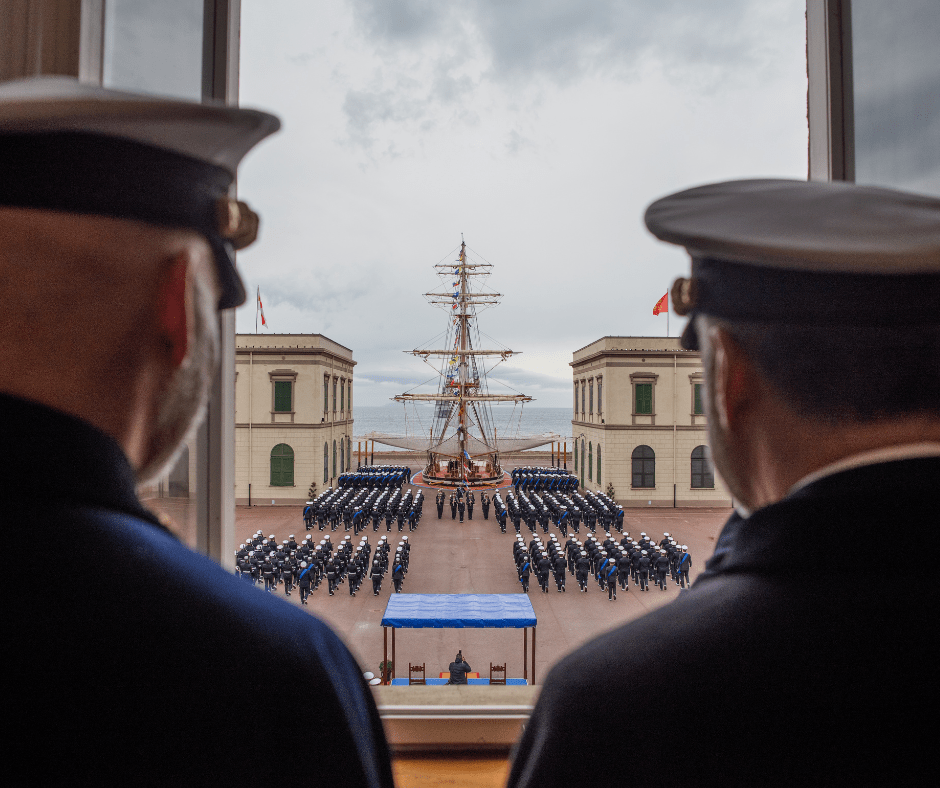
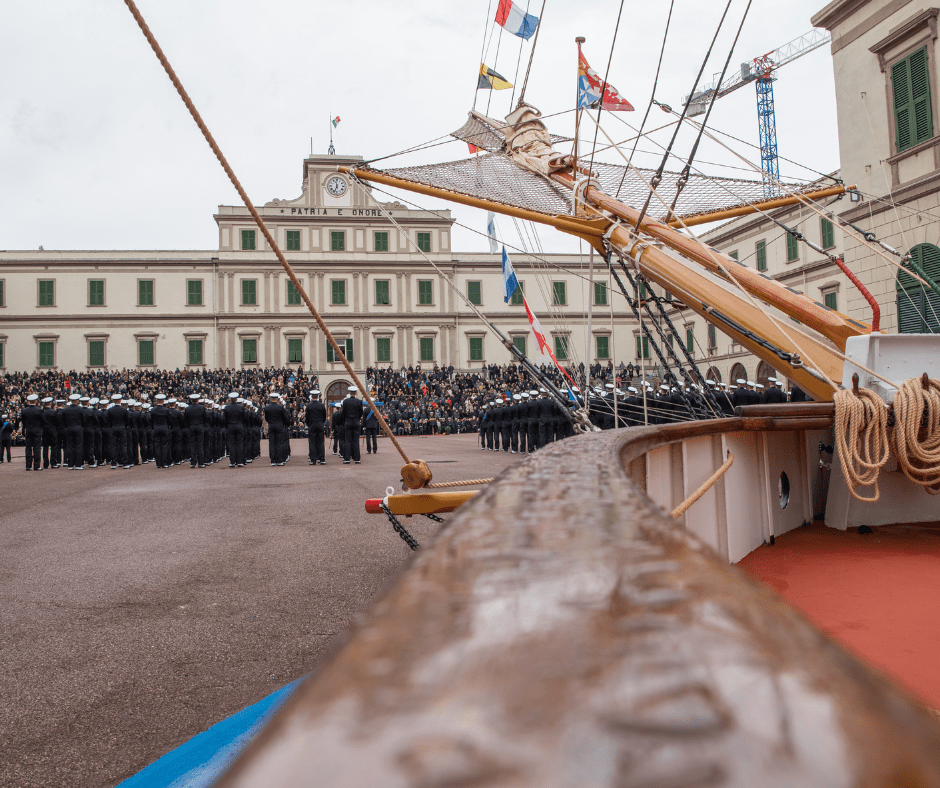
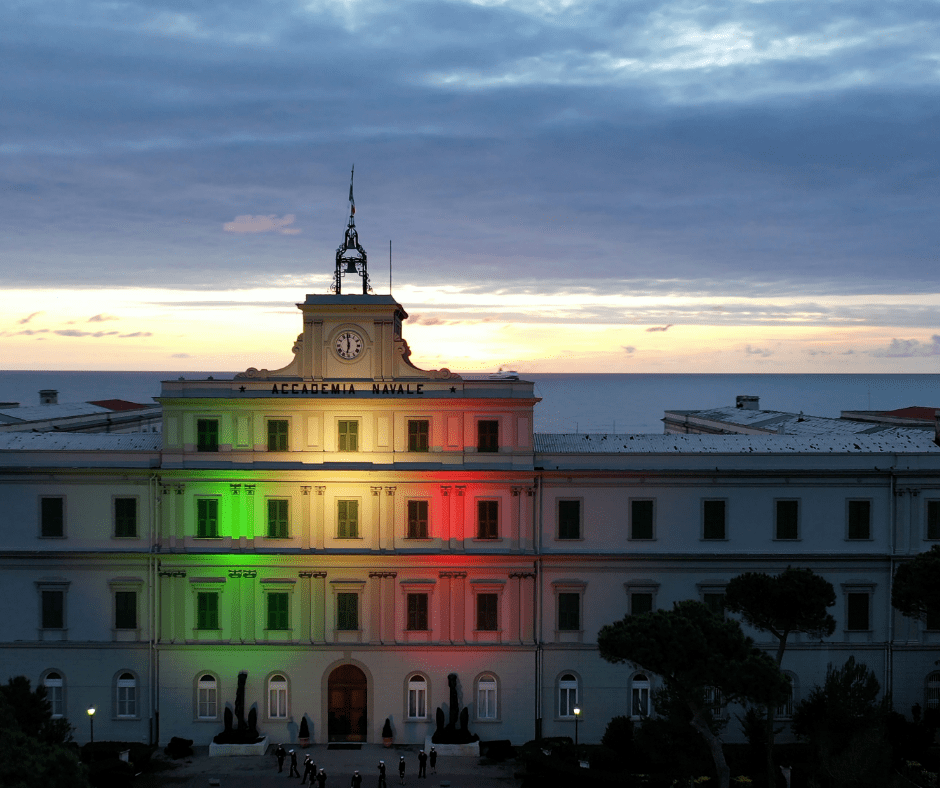
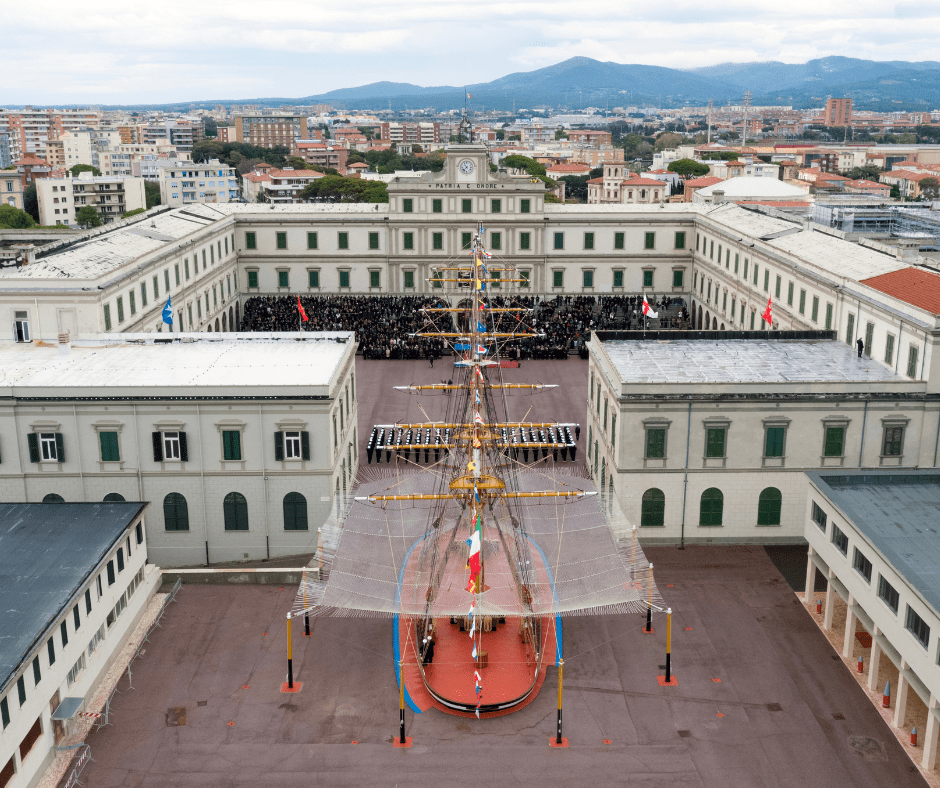
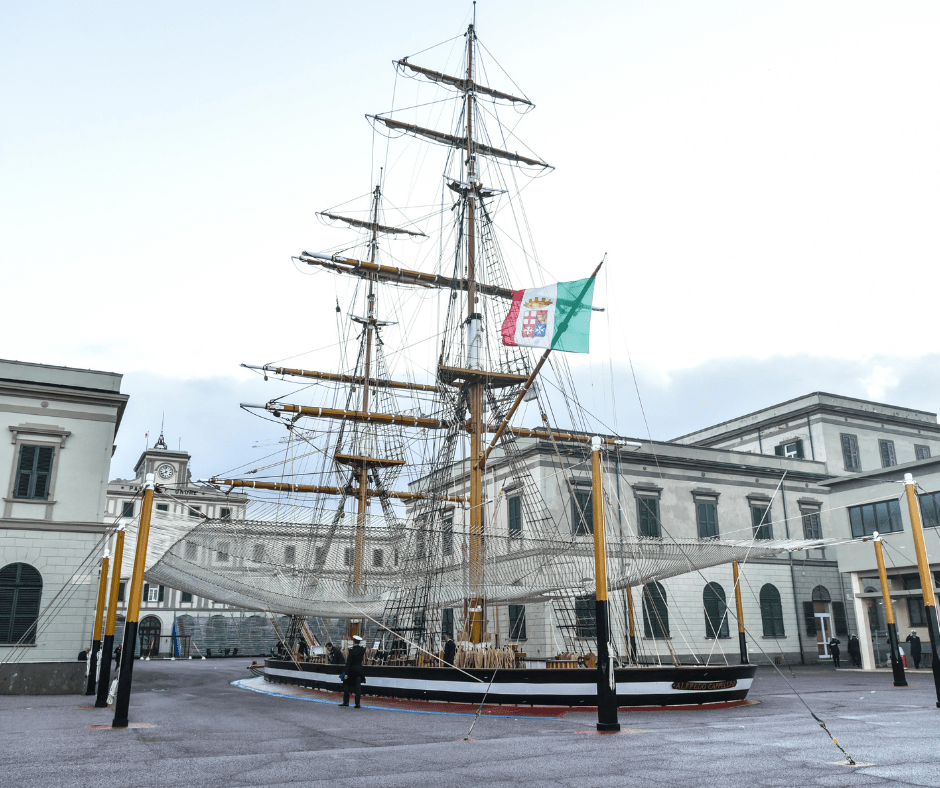
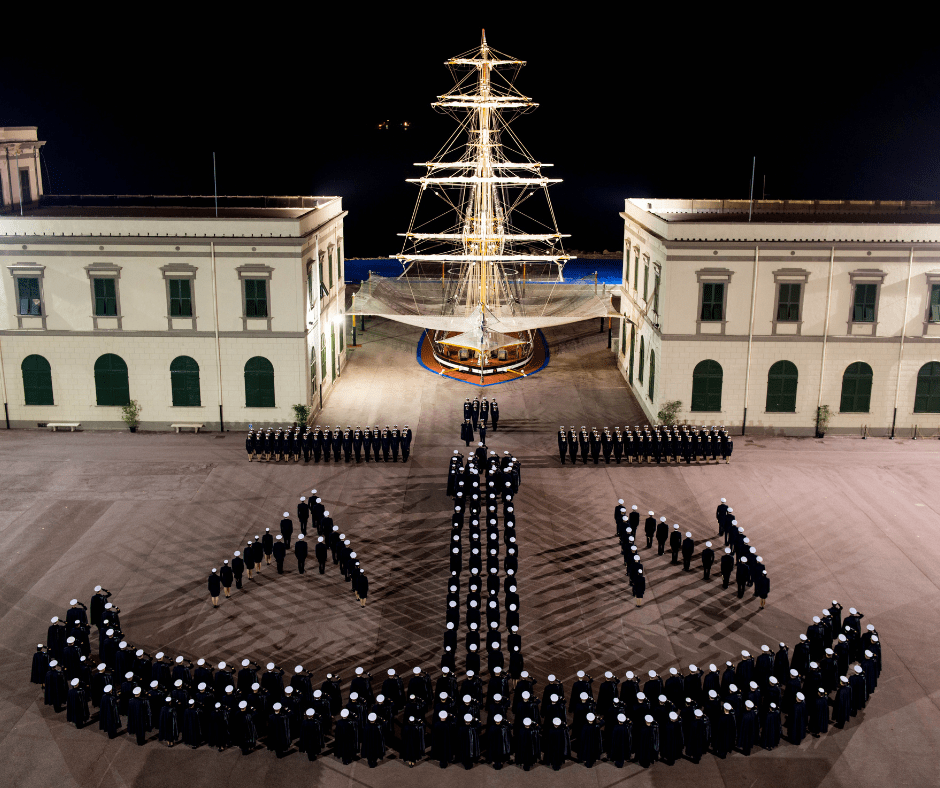
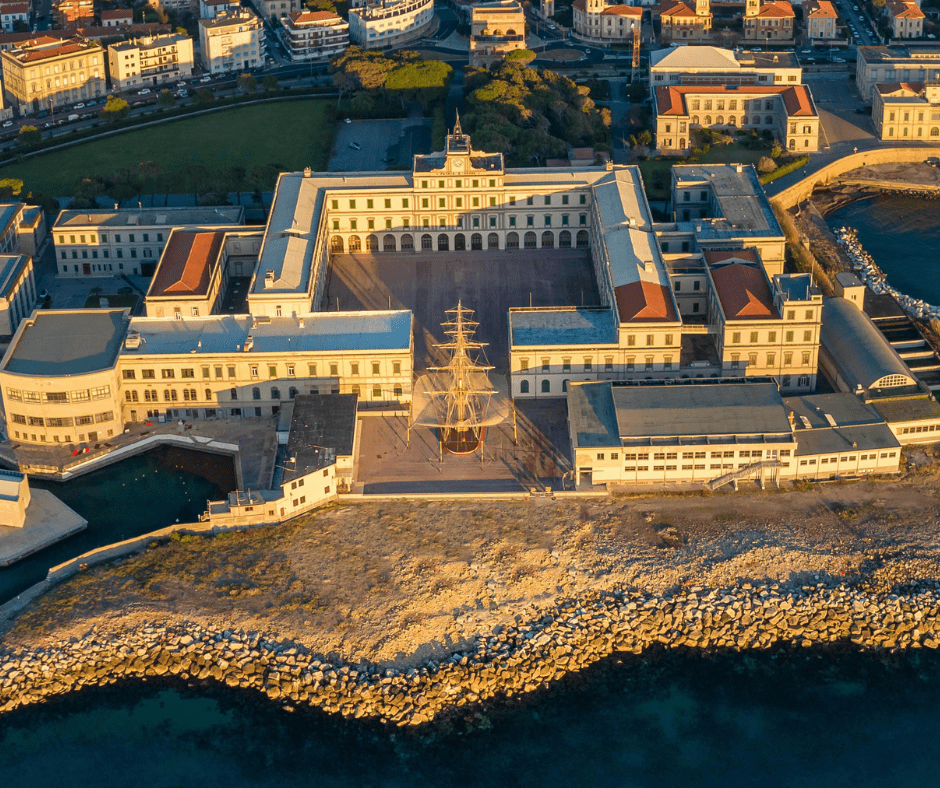
The Naval Academy in Livorno is the institution where Italian Navy officers are trained. Founded in 1881, it is located in a large area overlooking the sea that covers over 215,000 square metres and includes 58 buildings, two small ports (San Jacopo and San Leopoldo), classrooms, laboratories, sports facilities and training facilities. Every year, the Academy welcomes more than a thousand students, selected through a public entrance exam. Admission is reserved for young men and women who meet specific requirements, assessed through cultural, physical and psycho-aptitude tests. Entry to the Academy marks the beginning of a comprehensive training programme that combines military education, university education, technical and professional training and sports activities.
Parma
A Harmony of art, taste and nature
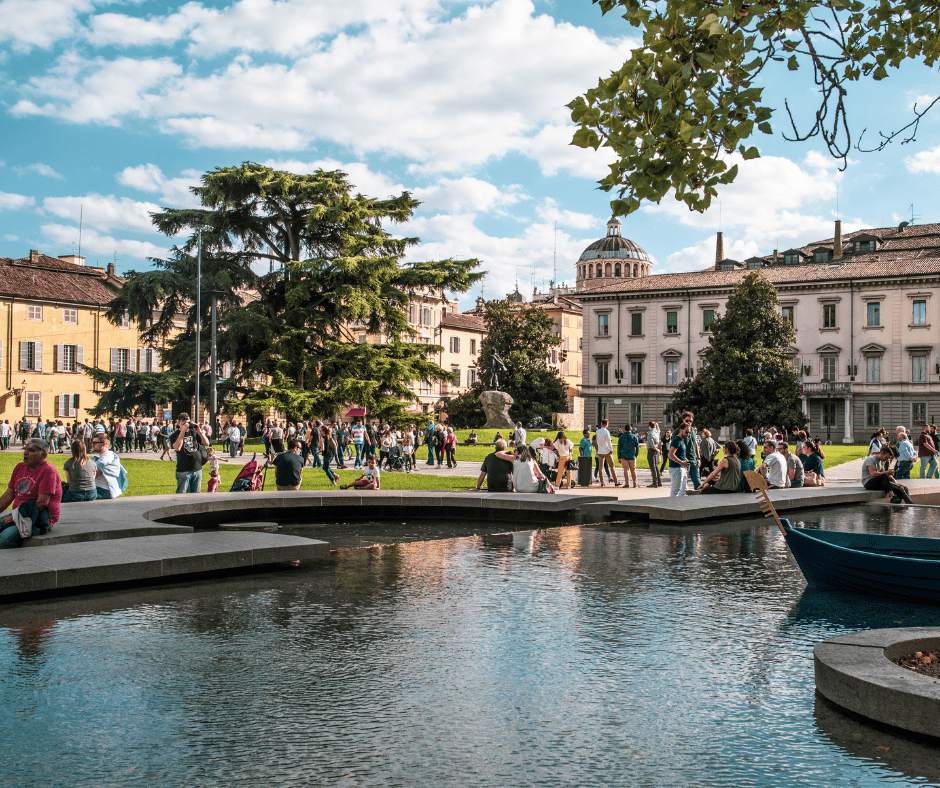
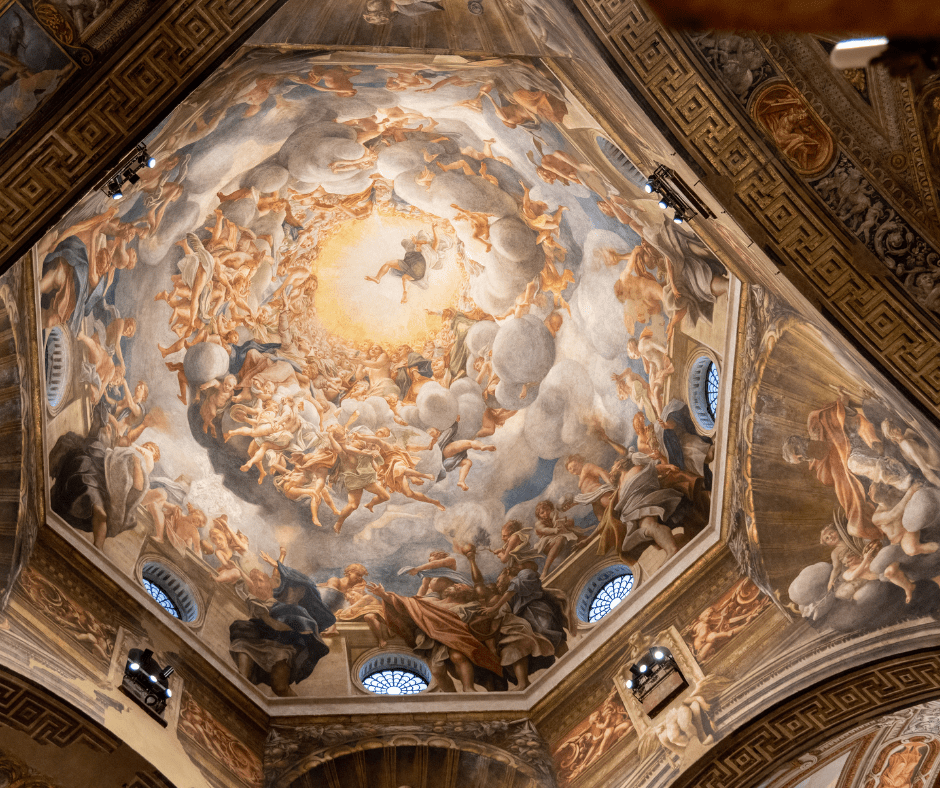
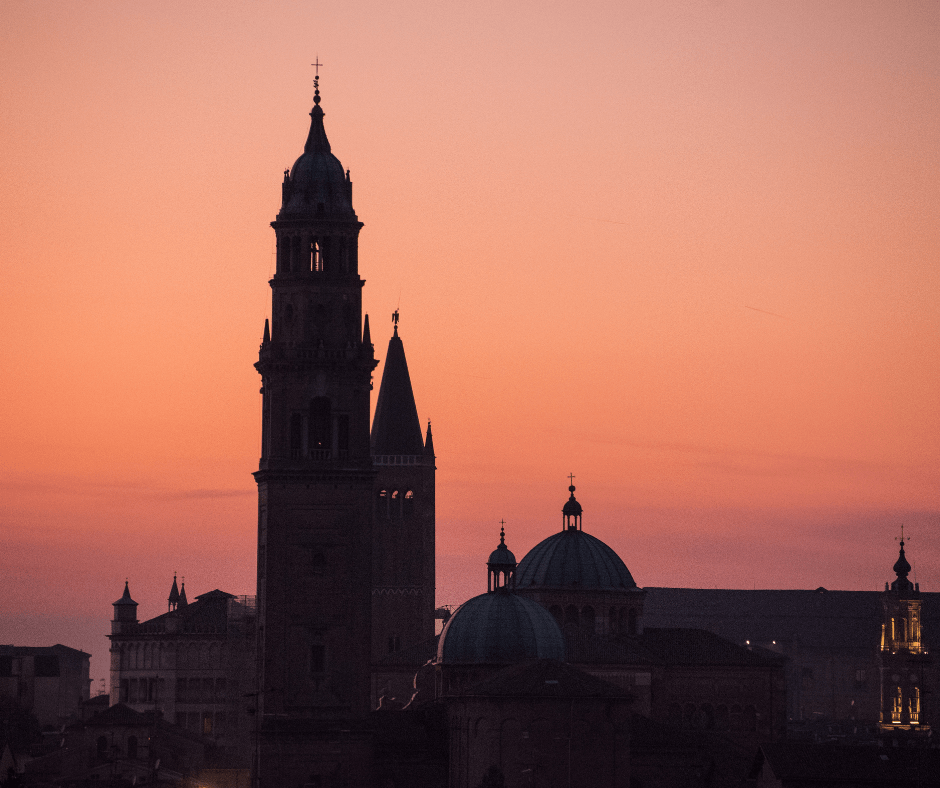
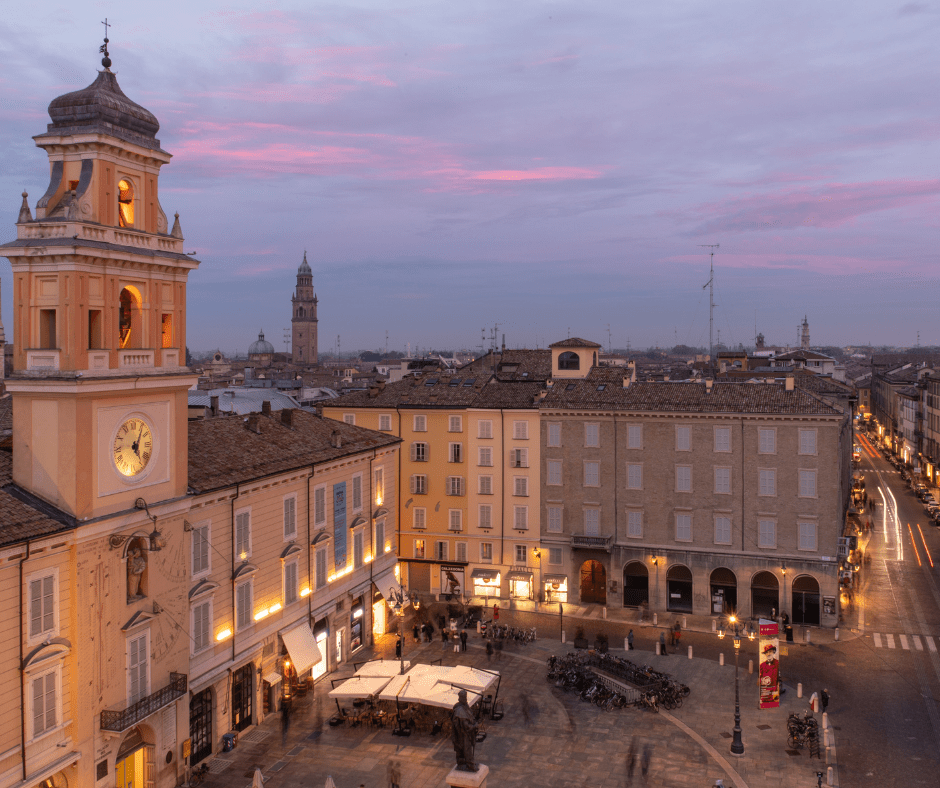
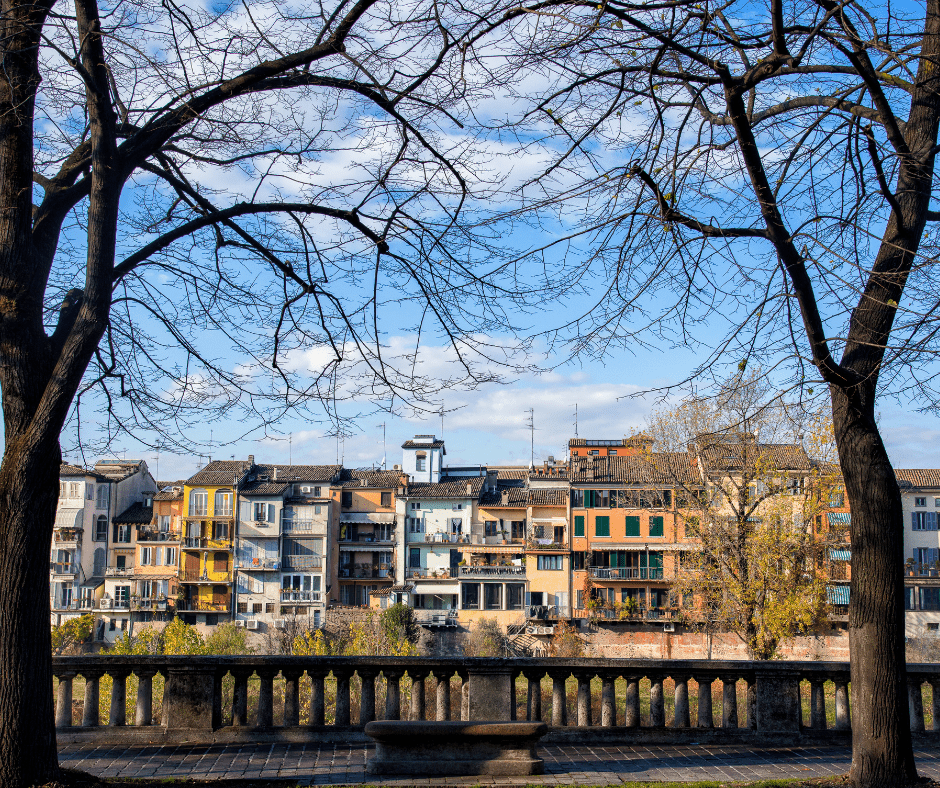
In the heart of the Emilian plain, Parma welcomes you with the elegant pace of a city that harmoniously combines art, music, nature and gastronomy.
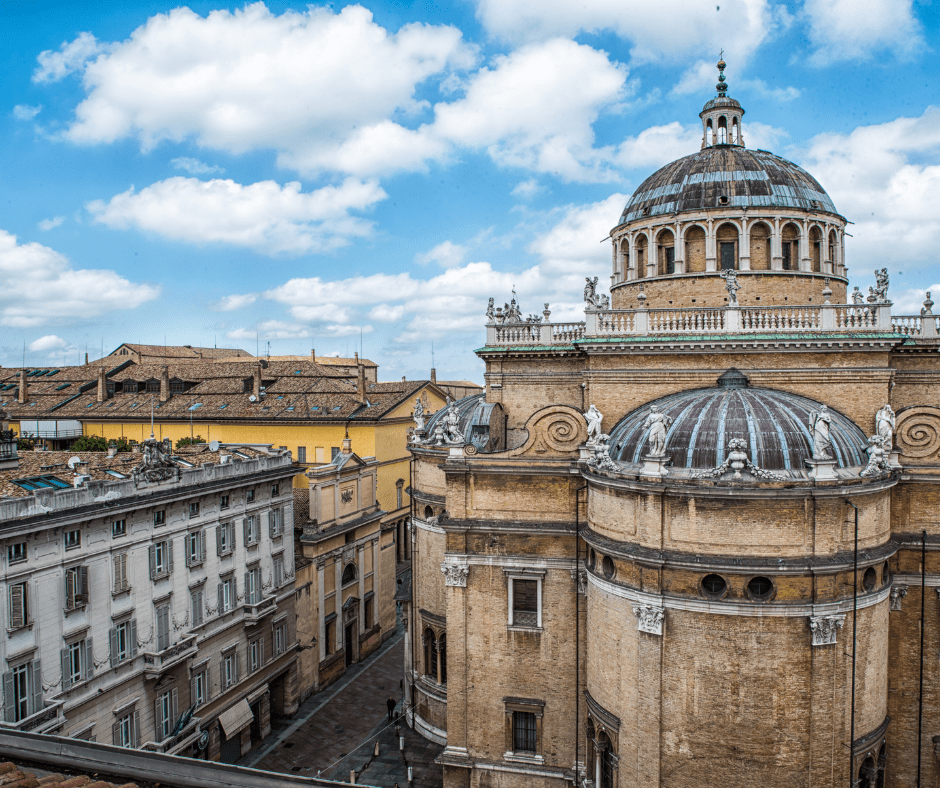
Founded by the Romans along the Via Emilia, Parma was a ducal capital for centuries, loved by the Farnese and Bourbon families and by Marie Louise of Austria, who left an indelible mark here. Even today, walking through its historic centre means walking through centuries of beauty.
Be enchanted by the Duomo and the Baptistery, masterpieces of Romanesque art, the Pilotta Complex with the majestic Farnese Theatre and the National Gallery, and the immortal frescoes by Correggio and Parmigianino. Take a slow walk in the refined greenery of the Parco Ducale, a reflection of the ancient court.
Parma is also a city of music: the Teatro Regio, the Auditorium Paganini and its deep connection with figures such as Arturo Toscanini and Giuseppe Verdi reveal a passion for music that has been vibrant here for centuries.
Parma is above all an experience for the senses. Named the first UNESCO Creative City for Gastronomy in Italy, it is home to world-renowned delicacies such as Parmigiano Reggiano and Prosciutto di Parma. Fresh pasta, wines from the hills, ancient and authentic flavours await you in historic trattorias, taverns and Michelin-starred restaurants.
With its picturesque squares, noble palaces, green trails and unmistakable flavours, Parma offers slow, refined and profound emotions.
Parma is a city to be experienced with all the senses.
Discover it, savour it, allow yourself to be enveloped.
Salsomaggiore Terme
Among the rolling hills of Parma
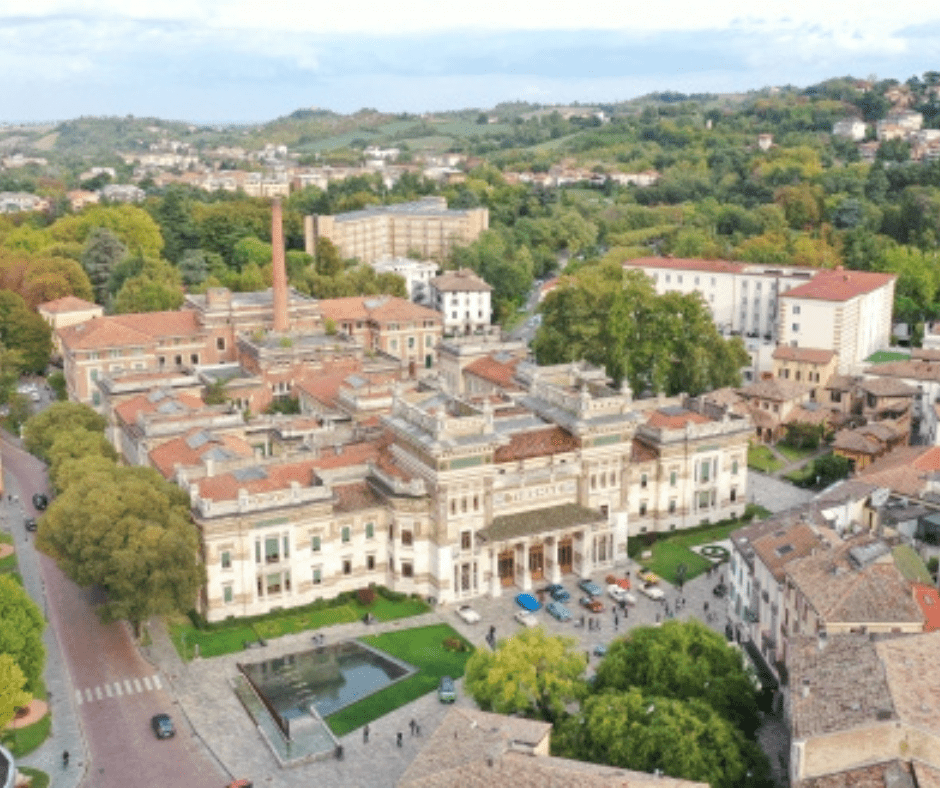
In the heart of Emilia-Romagna, among the rolling hills of Parma, lies Salsomaggiore Terme: an elegant city rich in history and natural beauty. Well-known since the 19th century for its thermal waters, Salsomaggiore combines wellness and culture in a charming setting.
Famous throughout Europe for its bromine and iodine waters, it boasts a unique heritage in the world of thermal spas: the magnificent Palazzo delle Terme Berzieri is its emblem, with its extraordinary Art Nouveau and Art Deco architecture. A few kilometres away is Tabiano Terme, renowned for its sulphurous waters, ideal for treating respiratory problems.
Its thousand-year history linked to salt, castles, parks, hillside trails perfect for cycling and a strategic location between Parma and Piacenza make Salsomaggiore a must-see destination. A key point on the Via Emilia, it is also the gateway to the Food Valley and the Castelli Ducato.
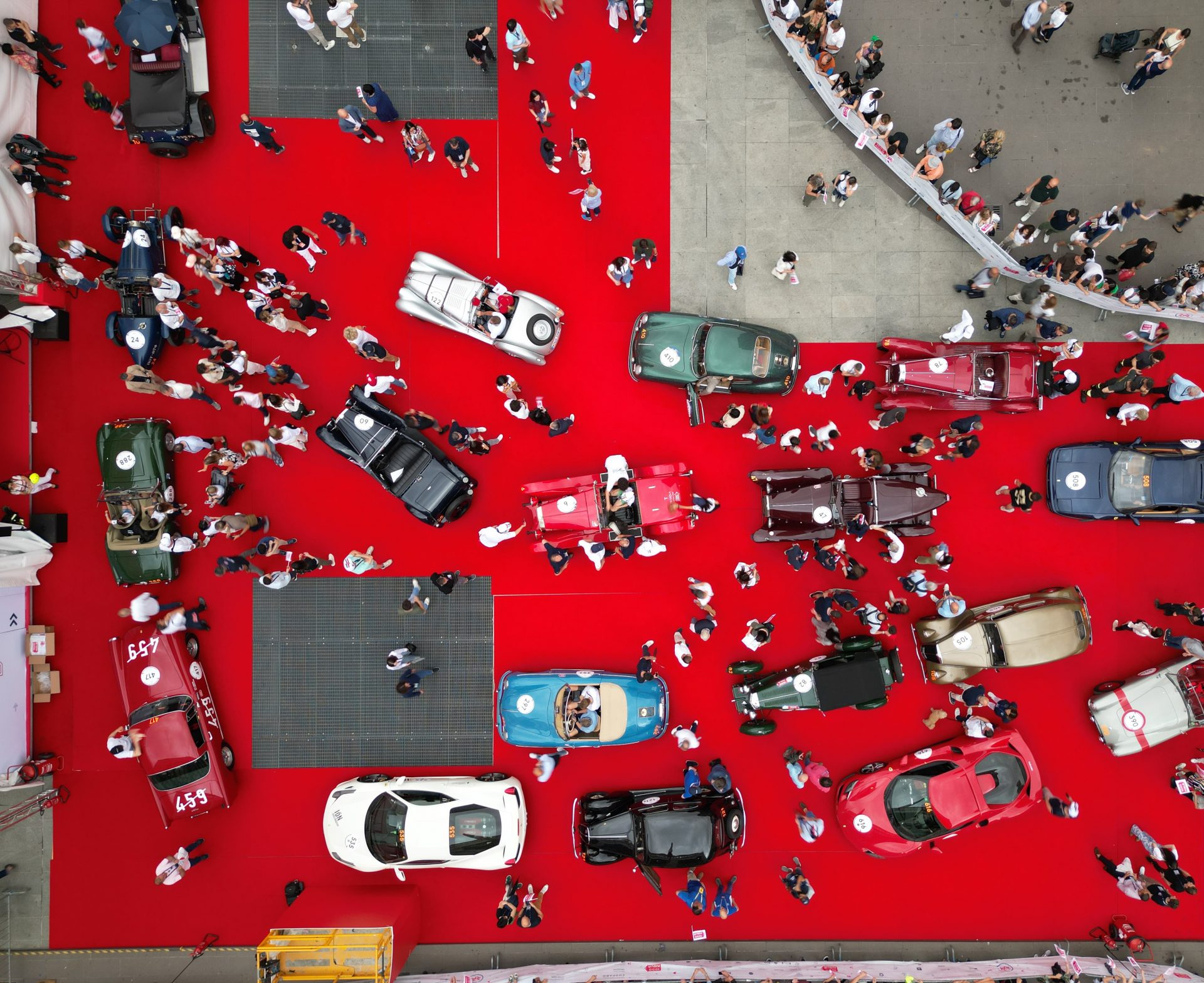
Sport occupies an important place in the history and present day of Salsomaggiore: the popular Palazzetto dello Sport sports arena hosts numerous sporting events, championship trials and international competitions. However, the world of classic cars has also left its mark: the Mille Miglia, the famous regularity race for classic cars, has stopped in Salsomaggiore several times in its modern re-enactments, such as in 2018 and 2022, bringing the timeless charm of classic cars to the town.
Welcoming and dynamic, Salsomaggiore will be decked out in red to welcome the legendary Ferrari: on 20 June, the Ferrari Tribute Mille Miglia will arrive in the city, setting off again on 21 June amid enthusiasm, roaring engines and great elegance.