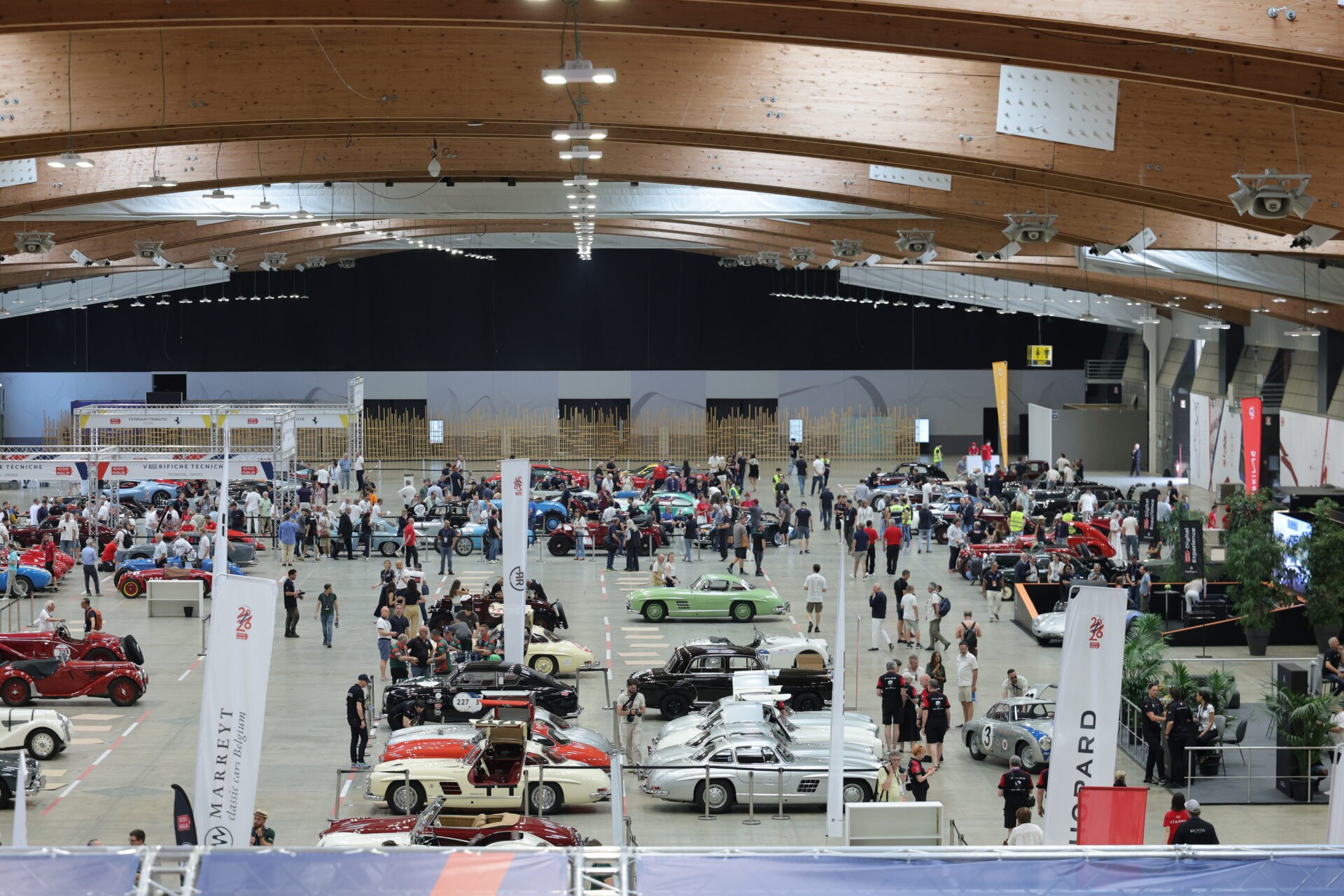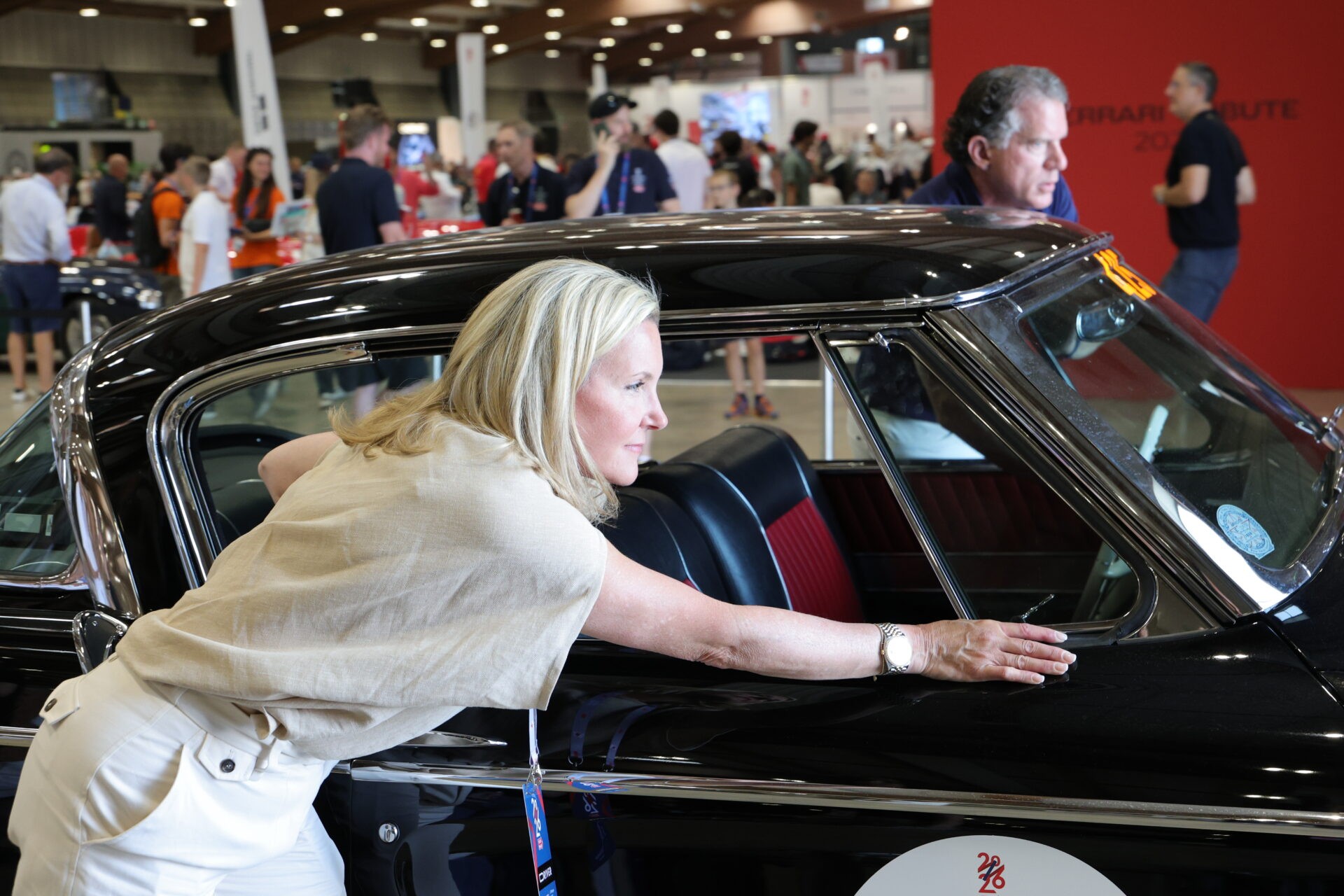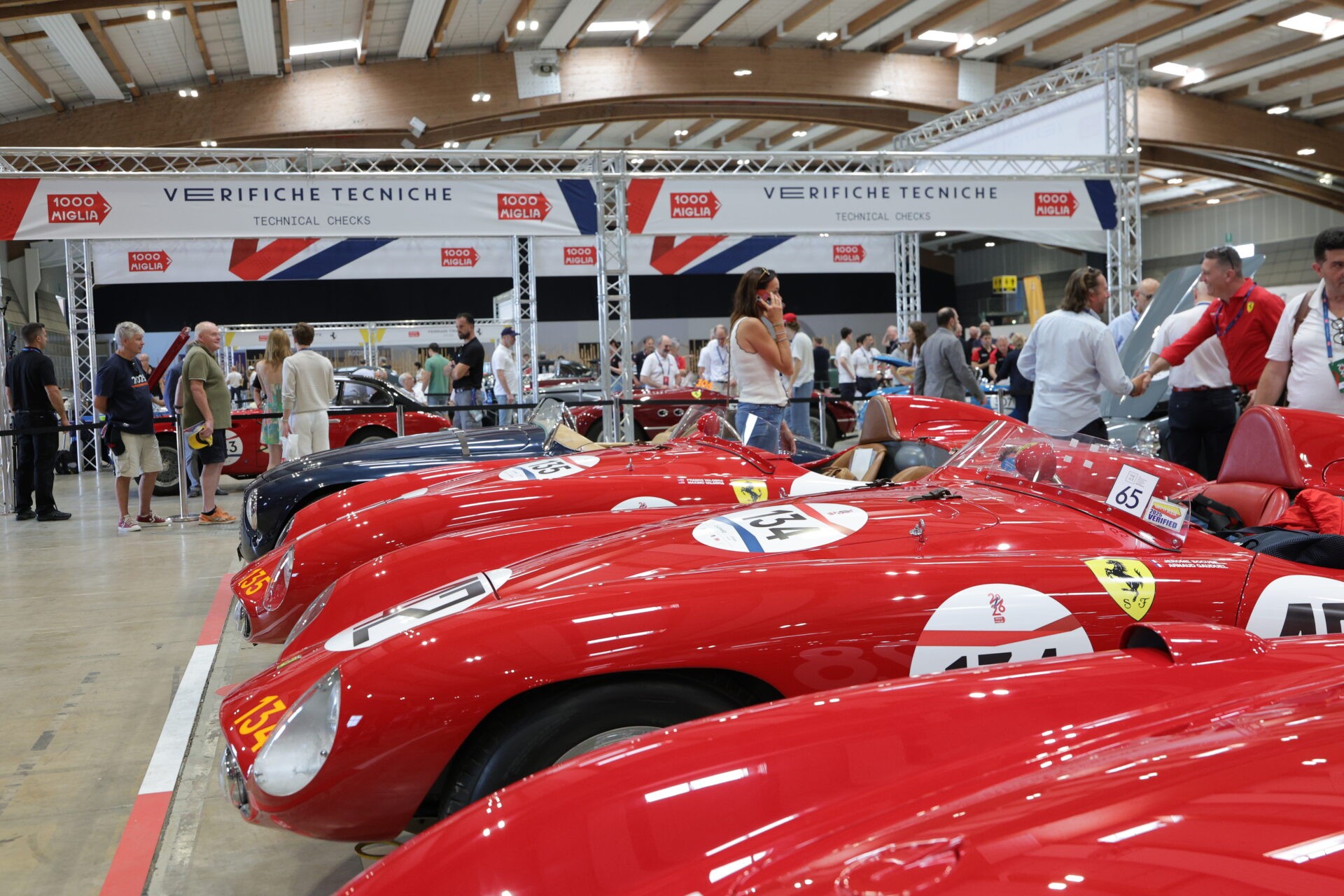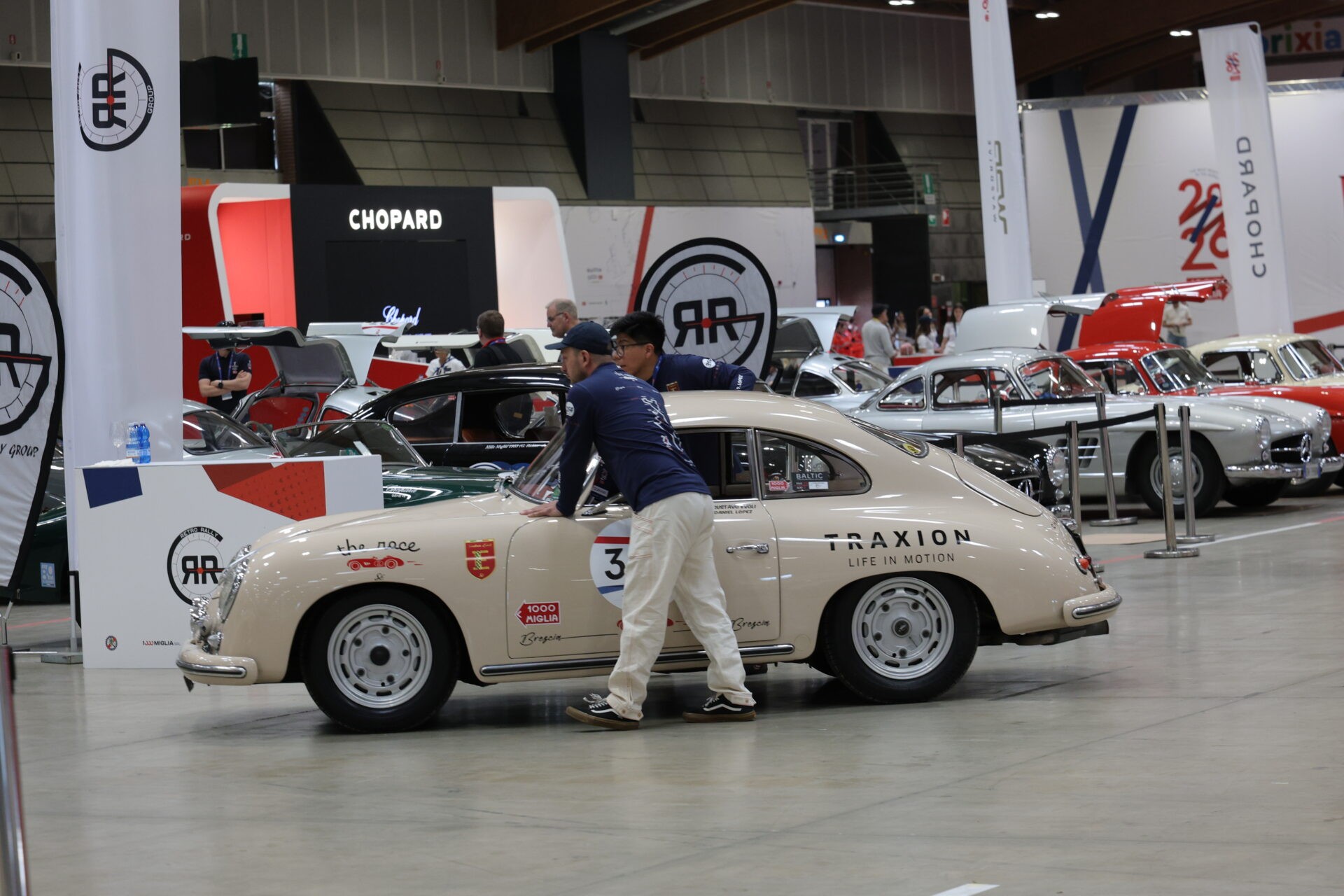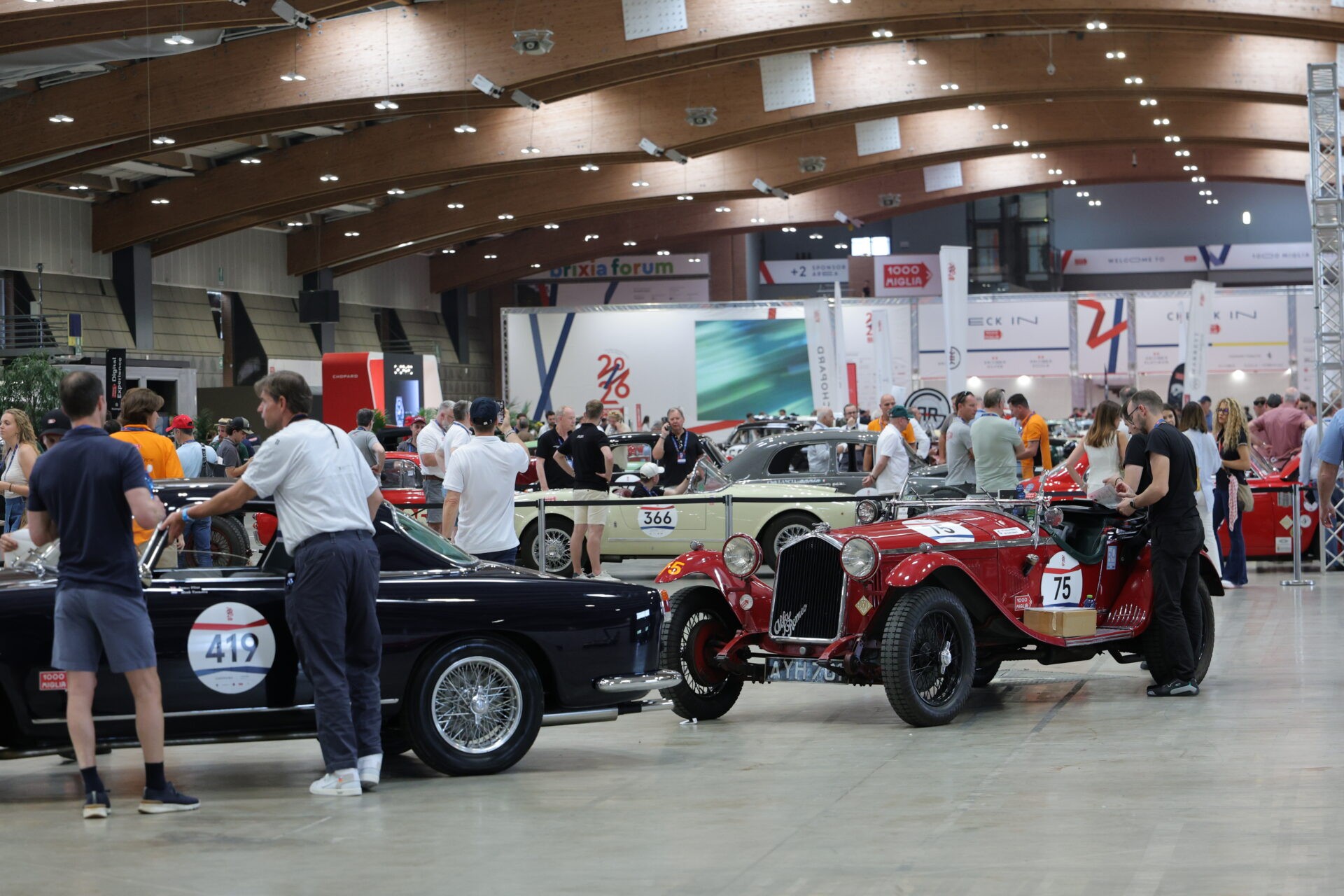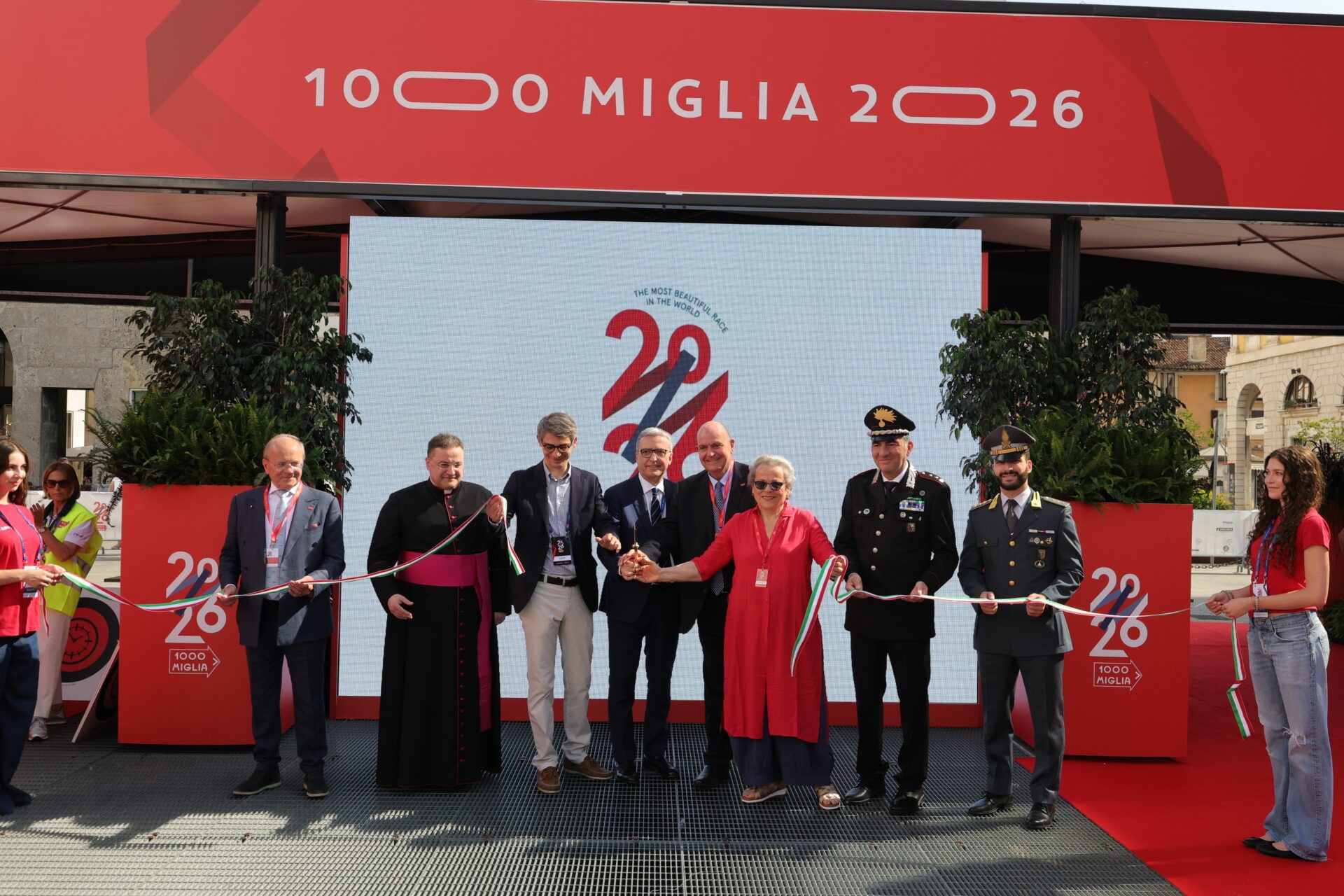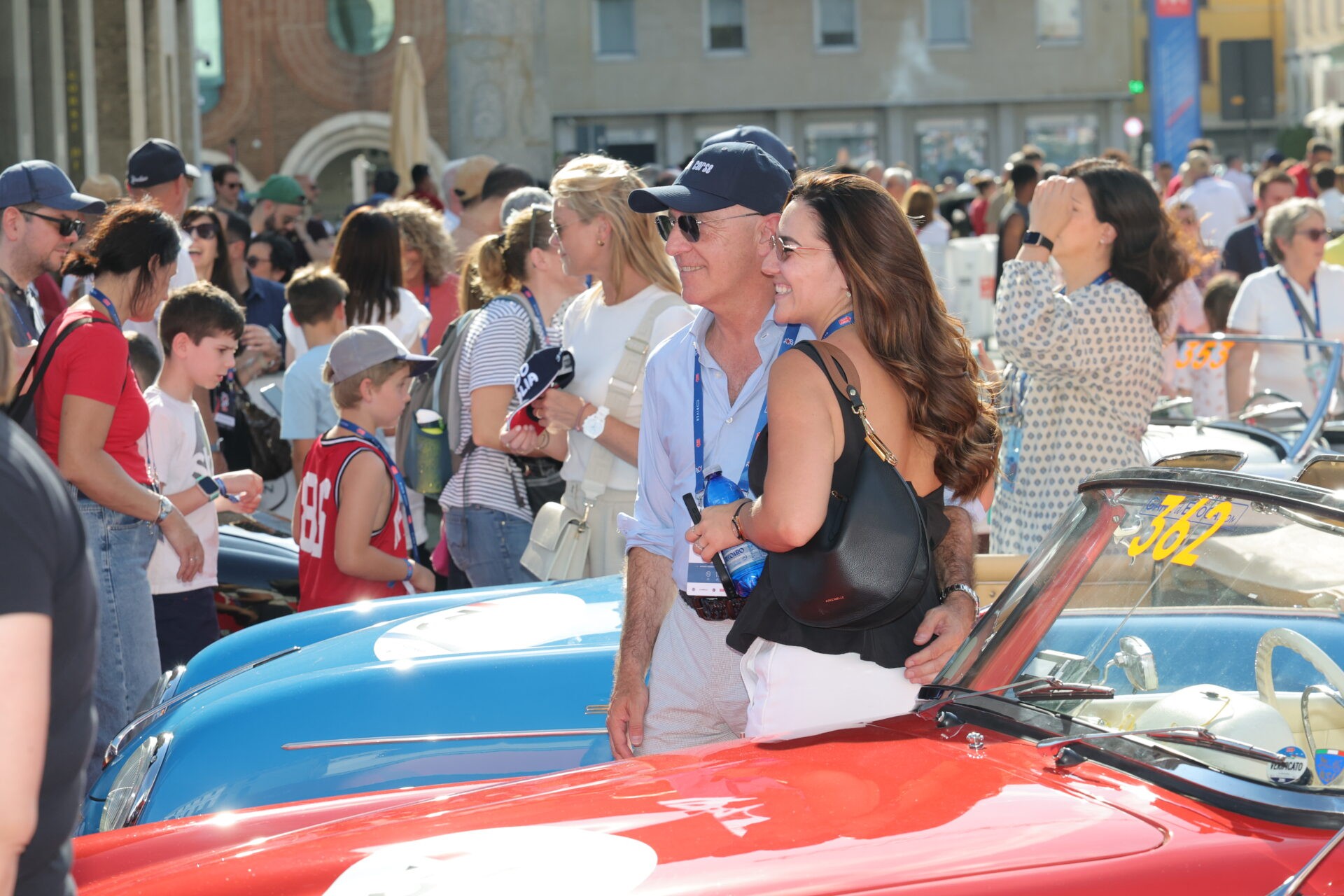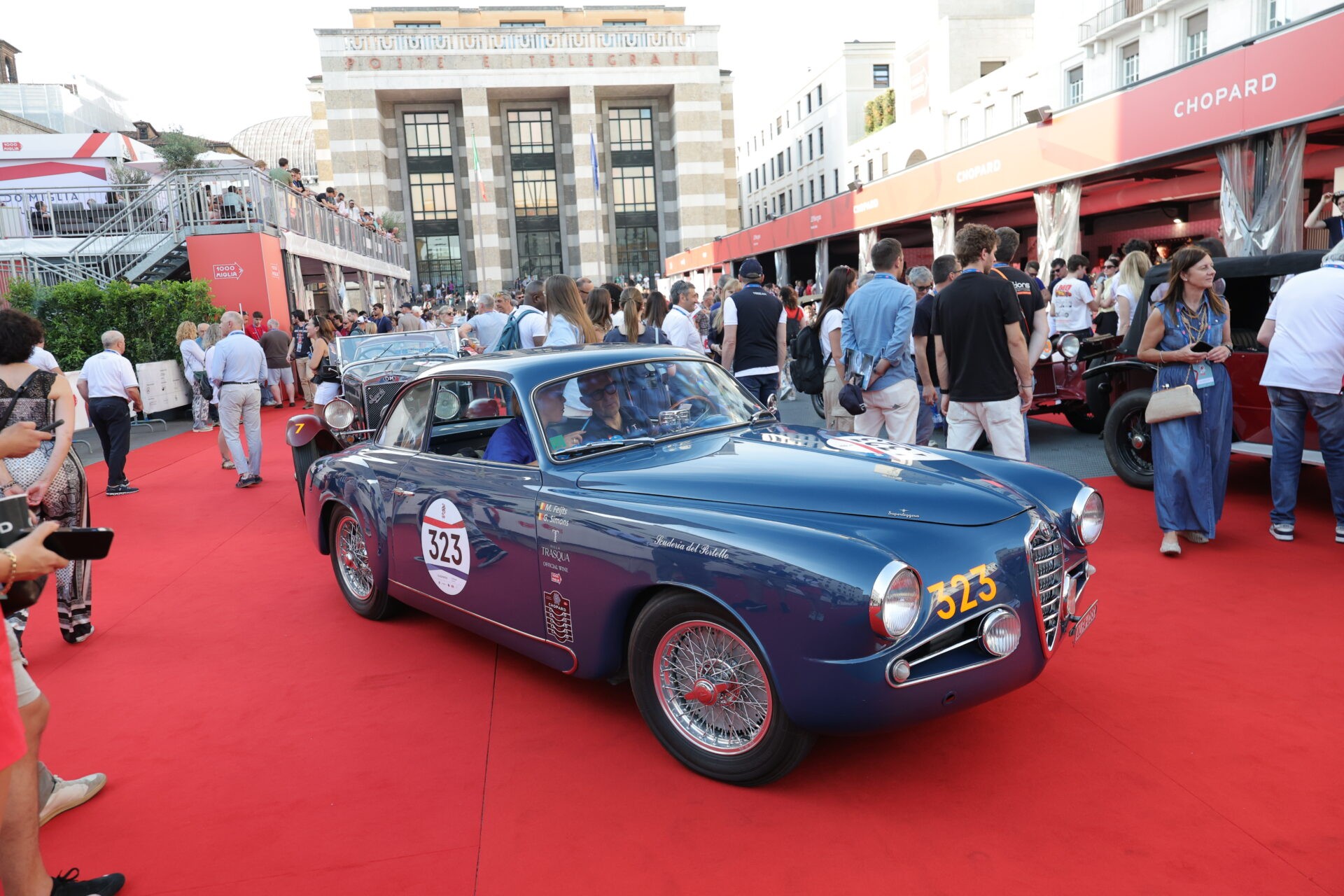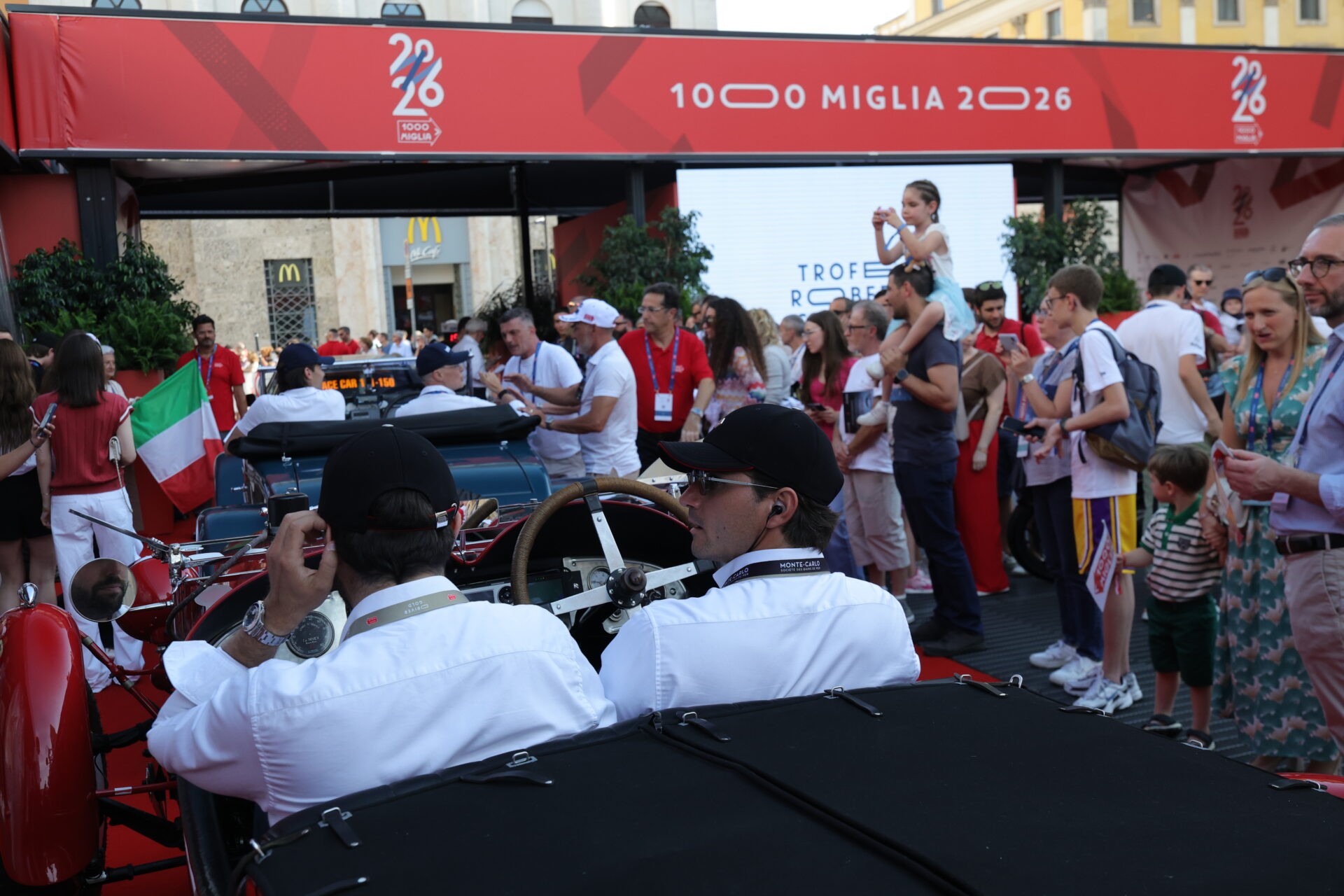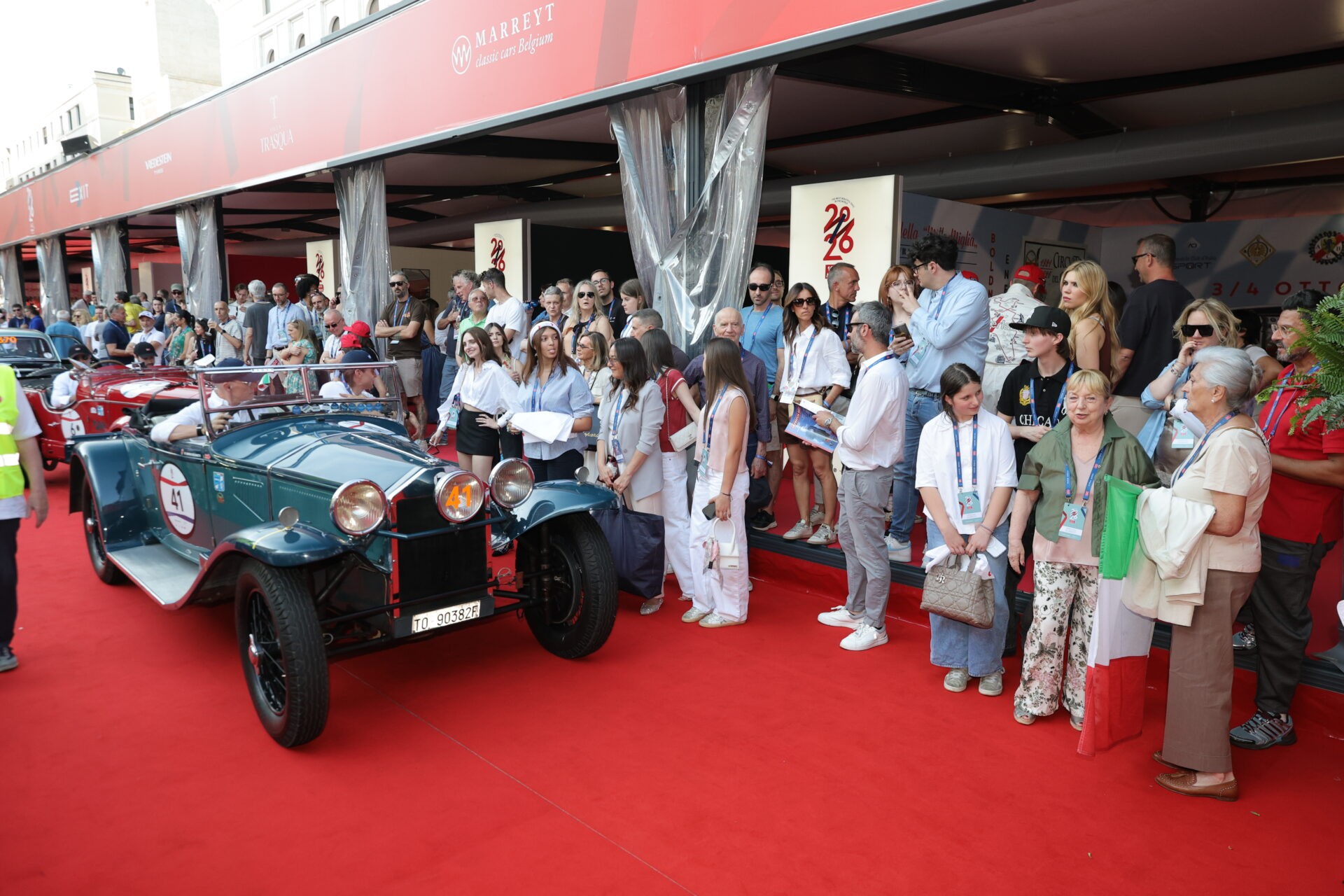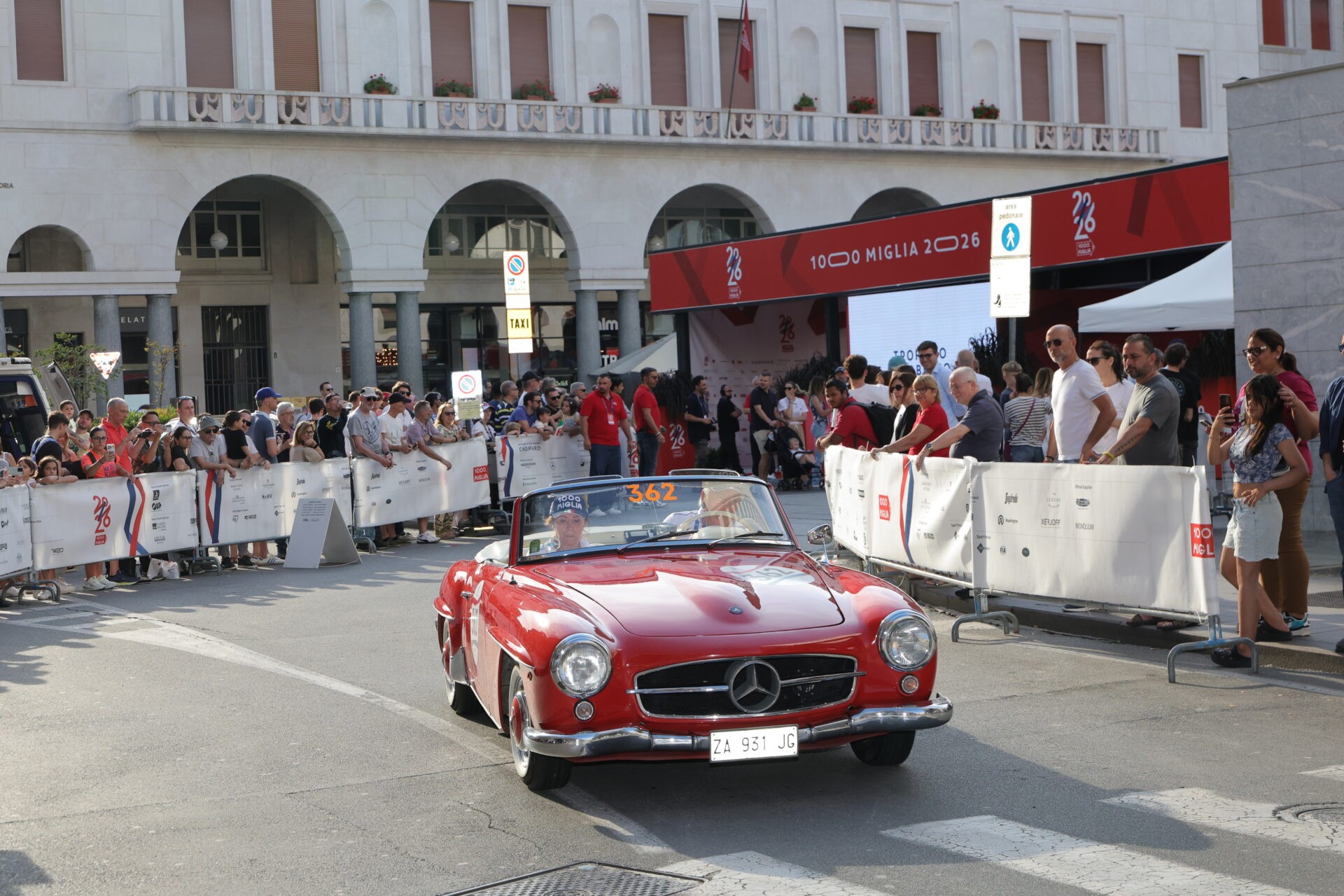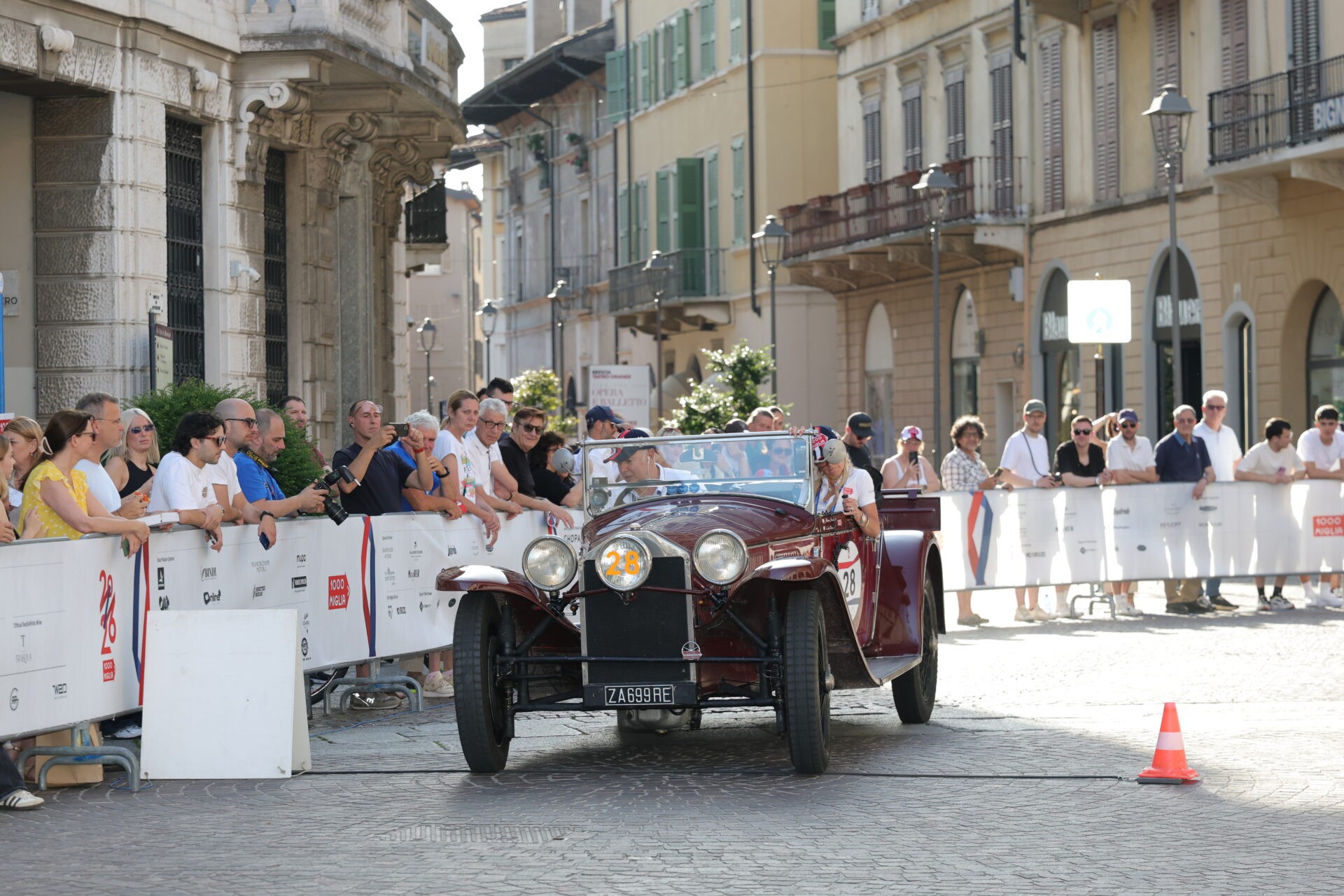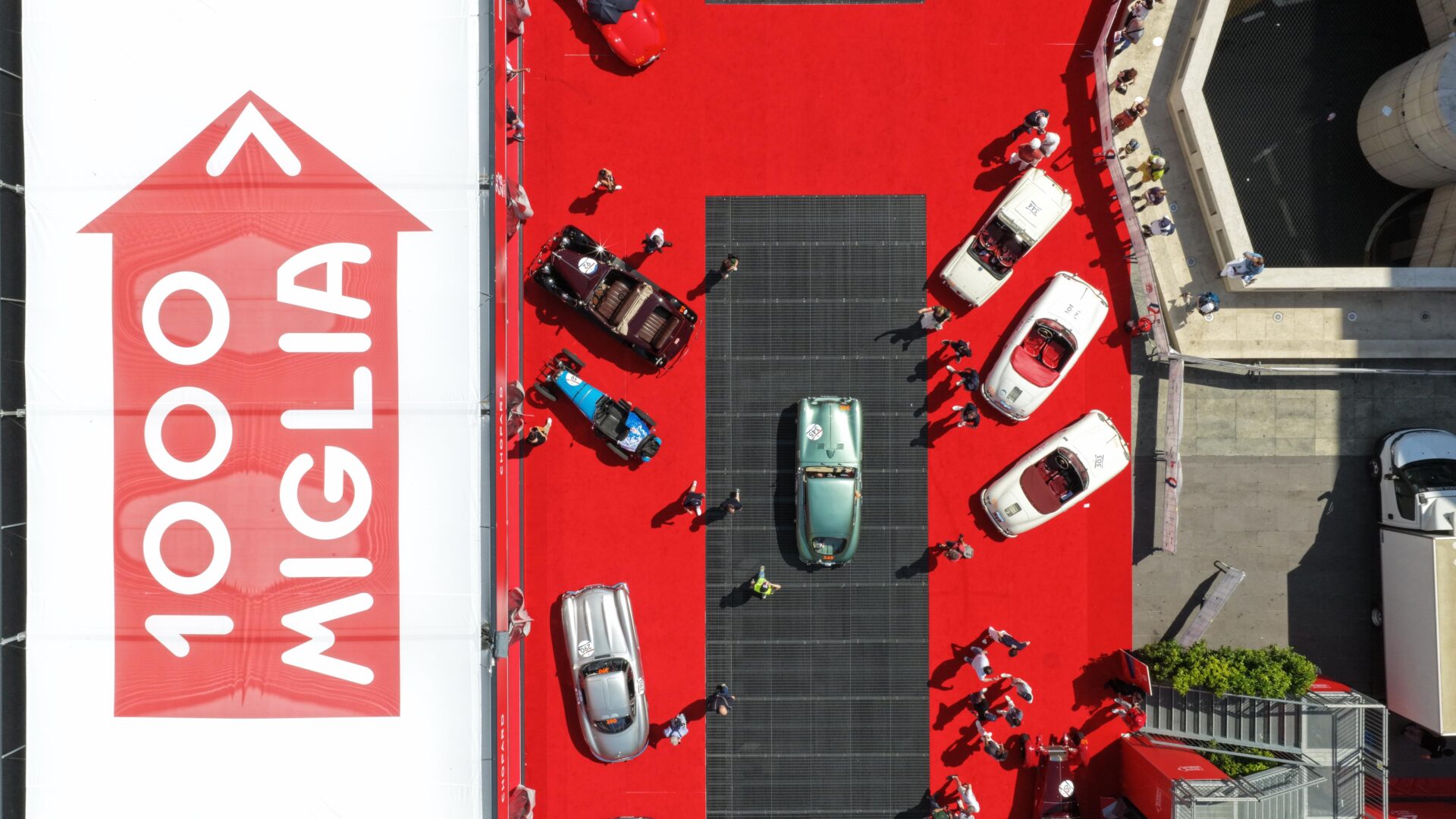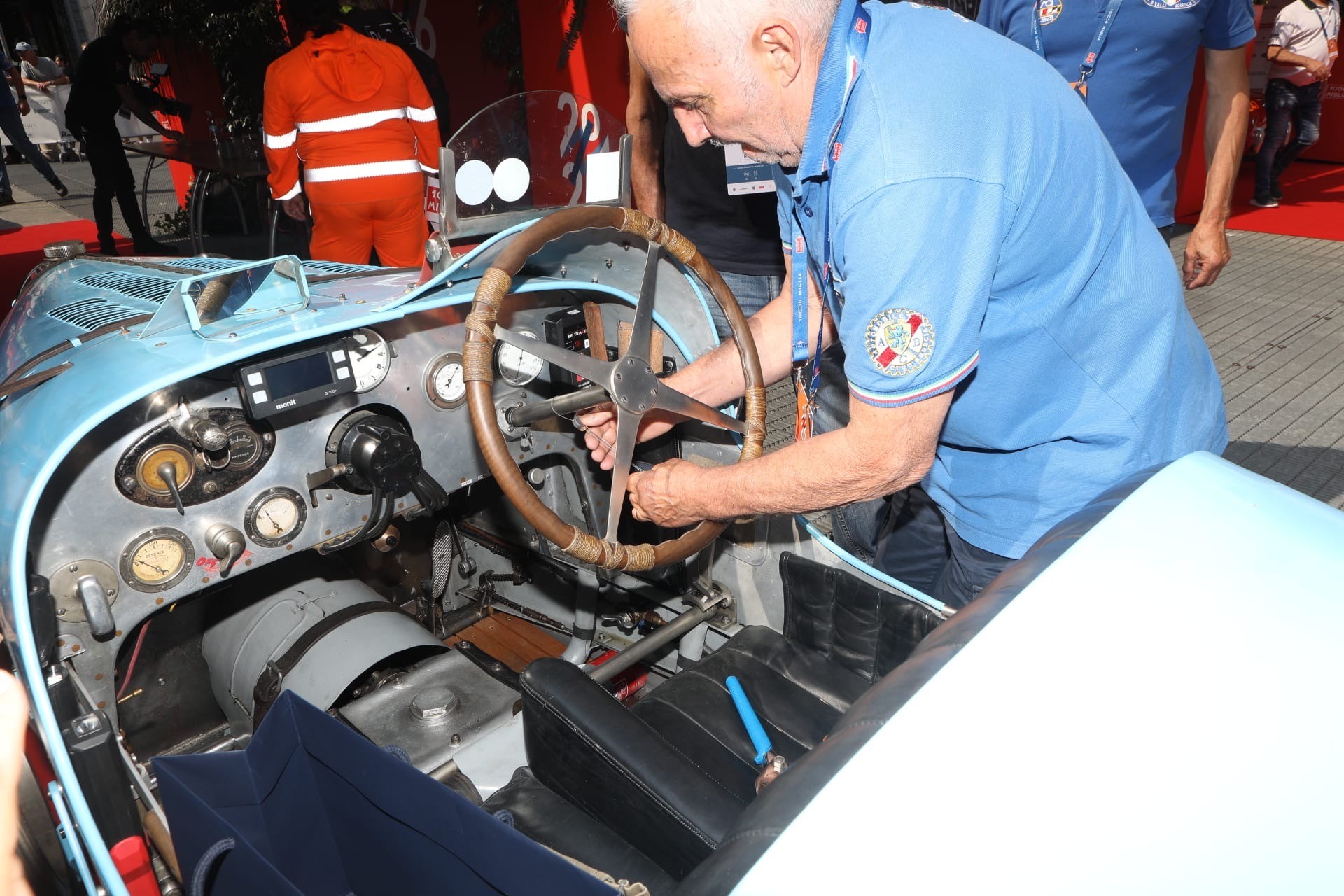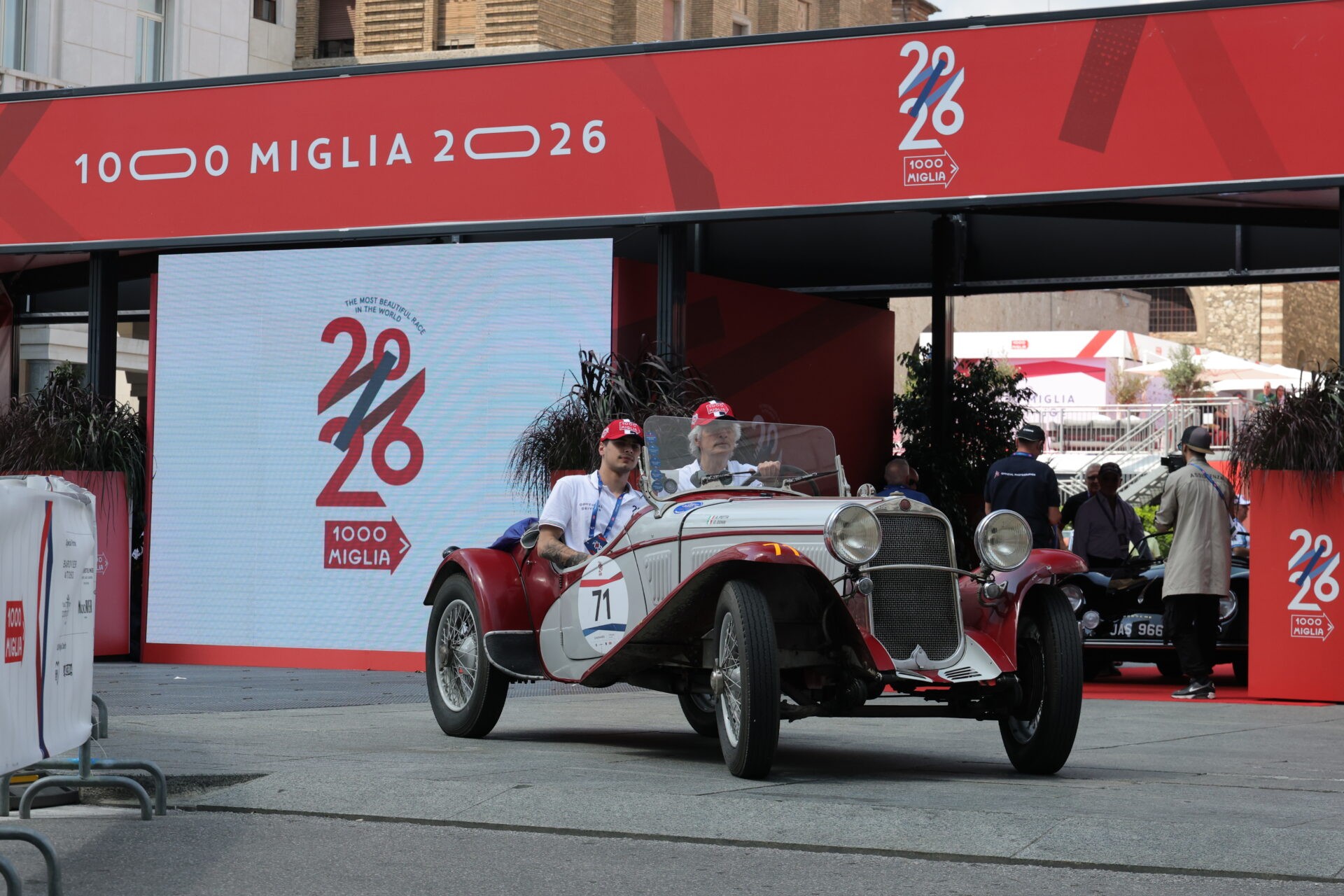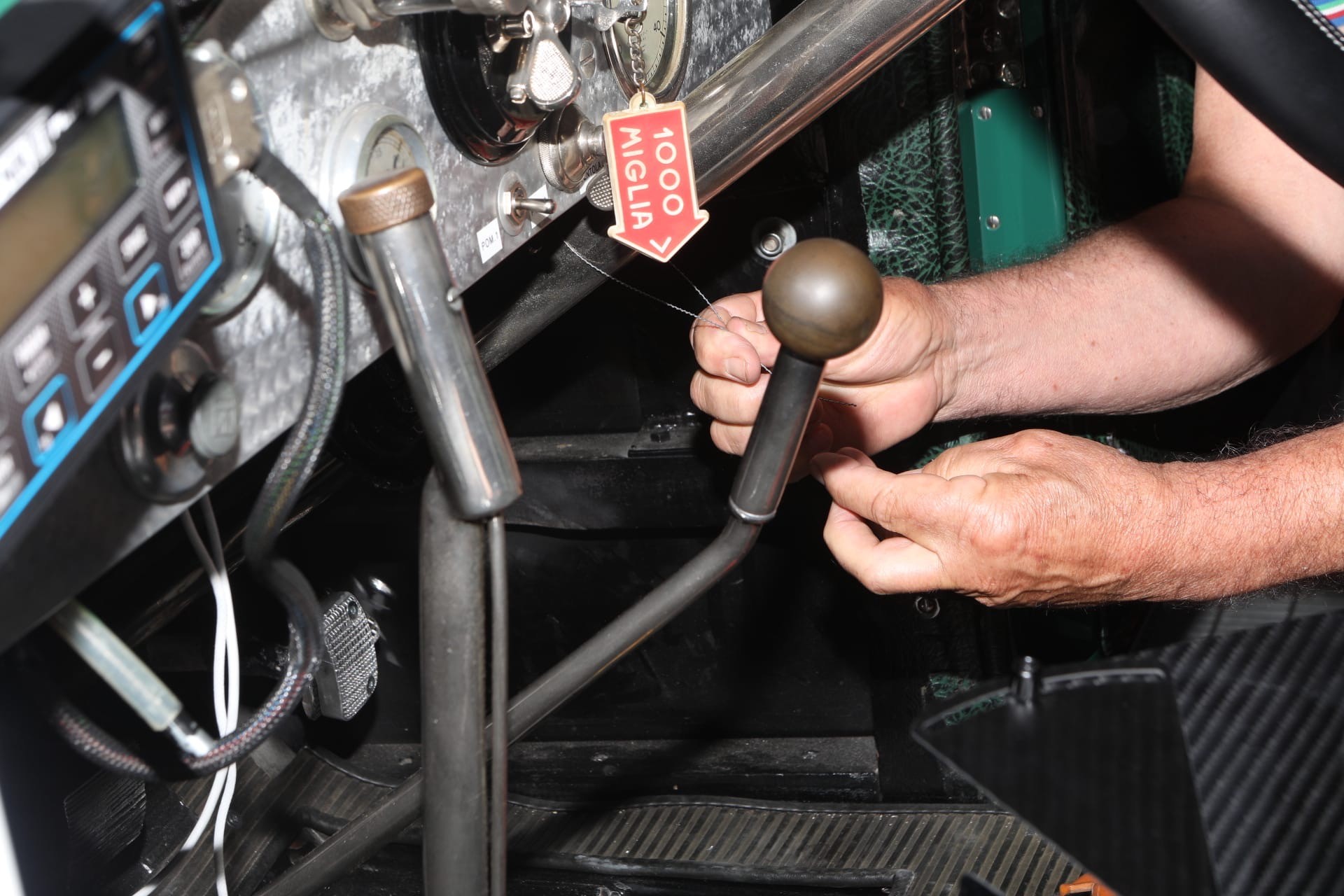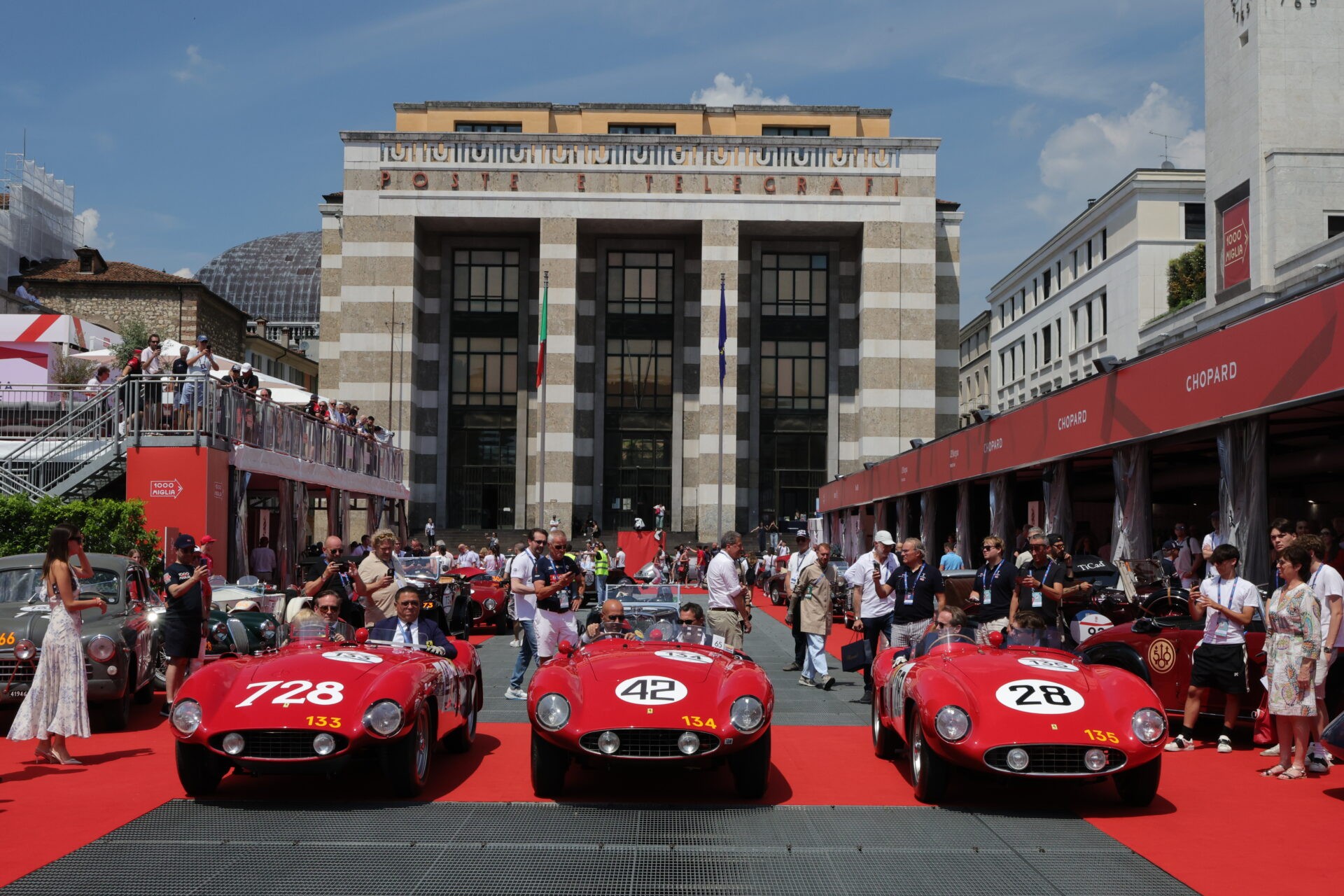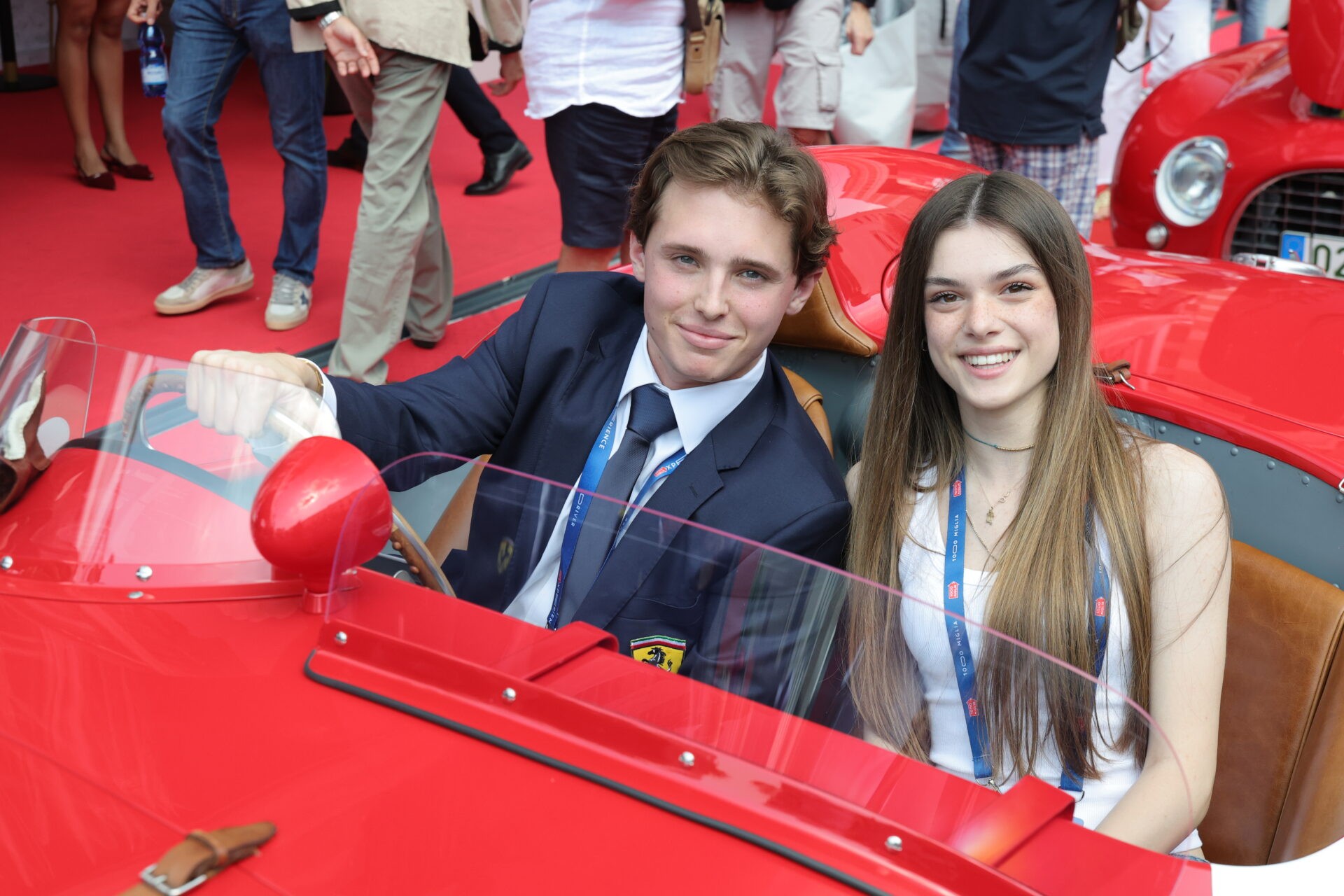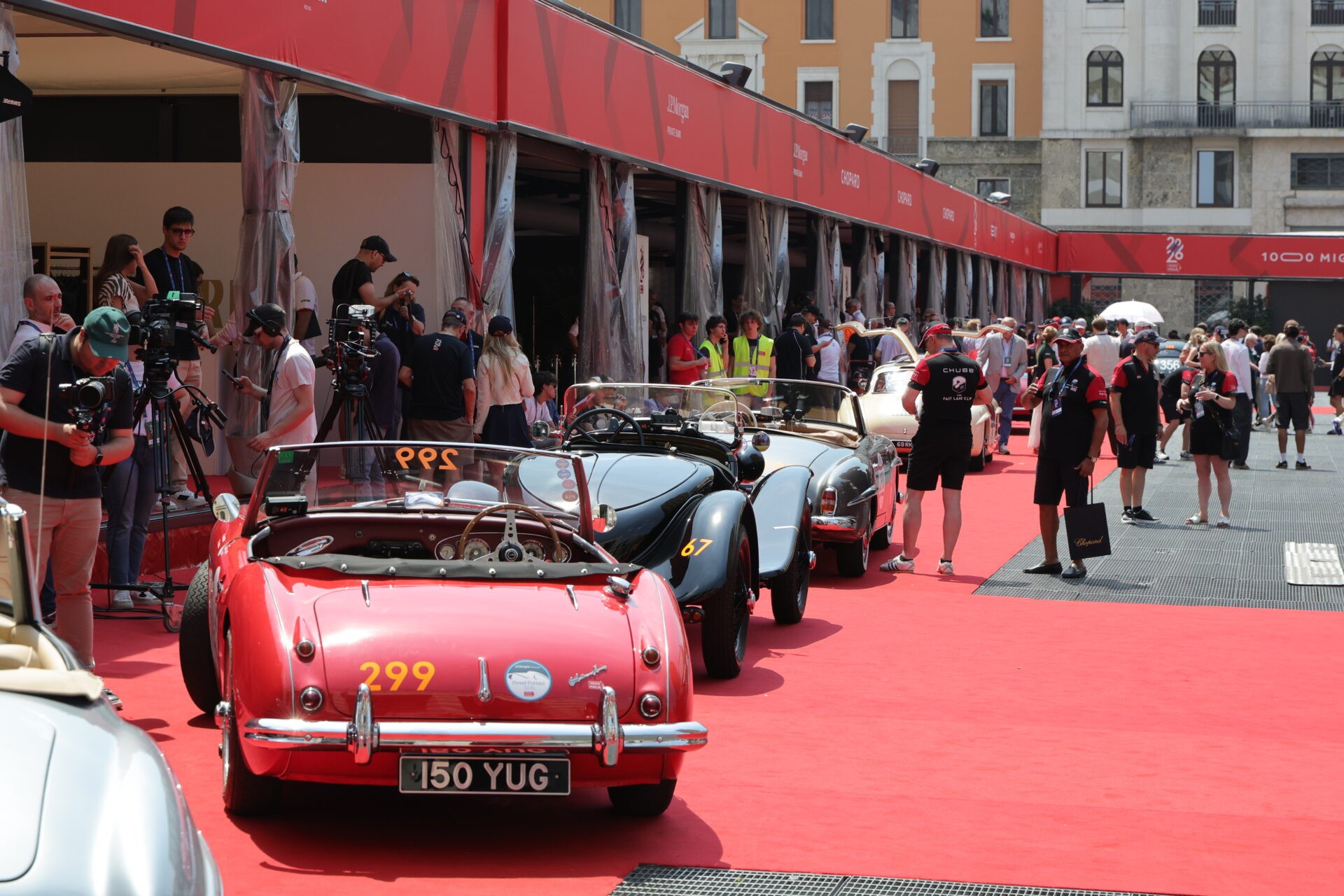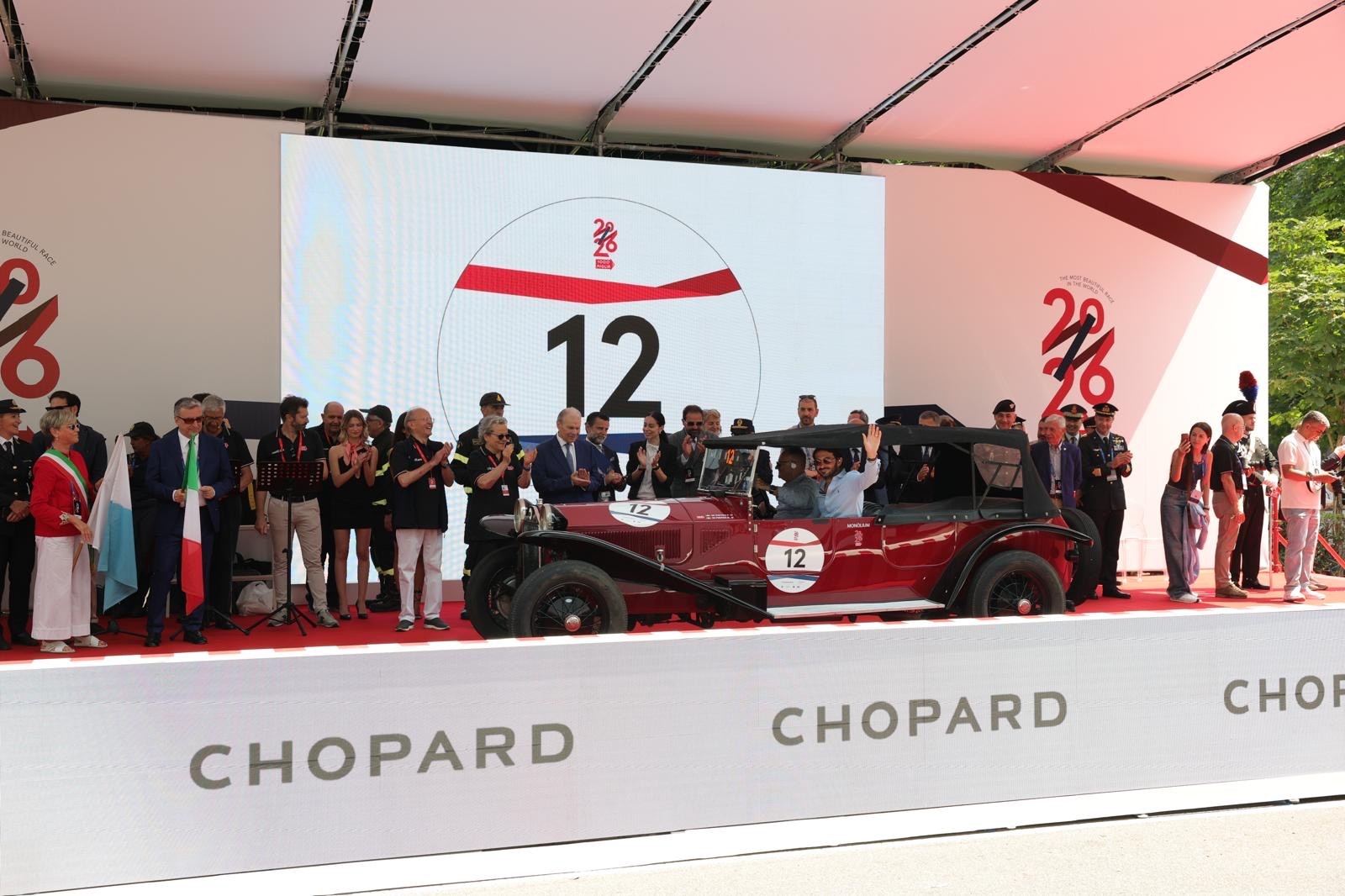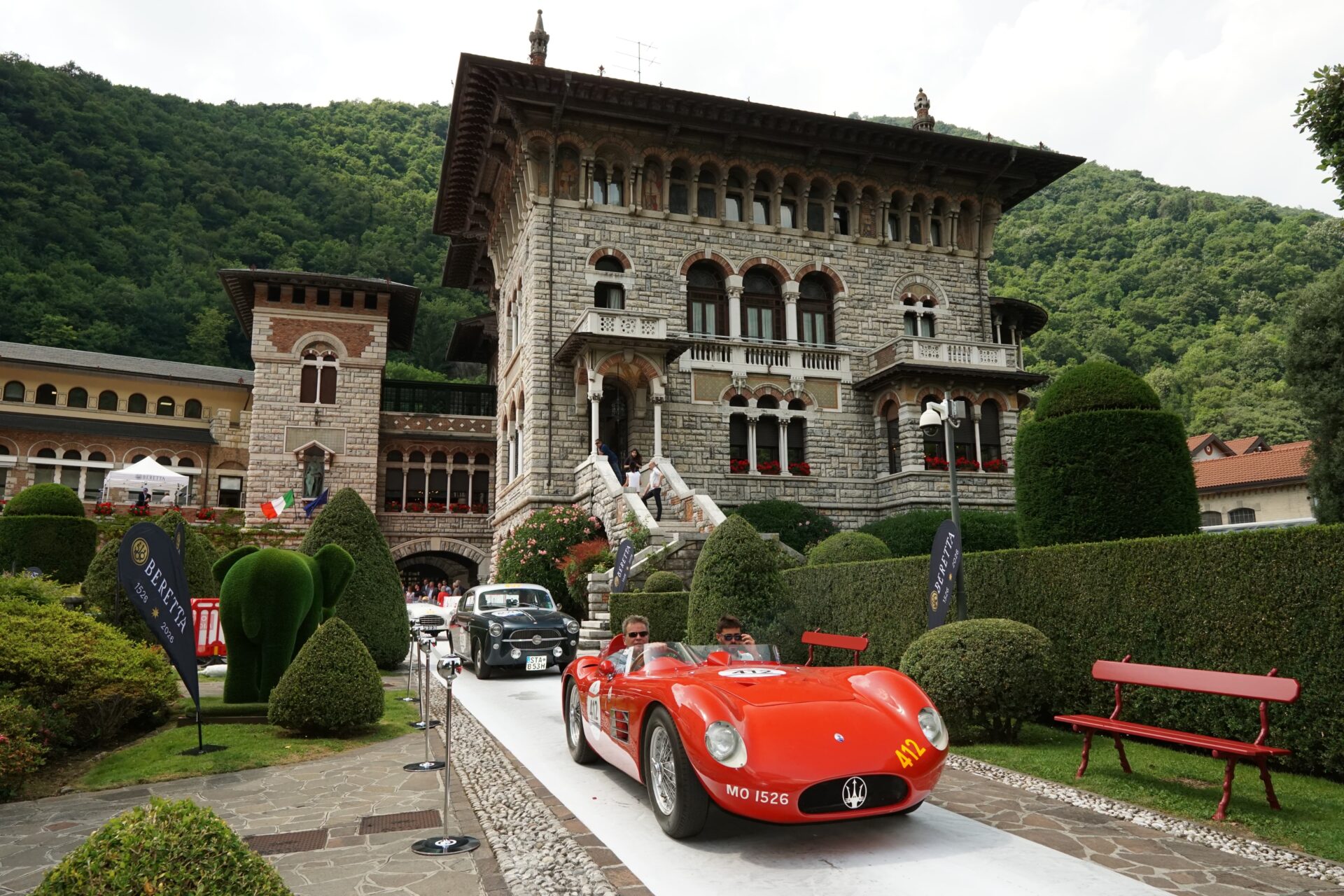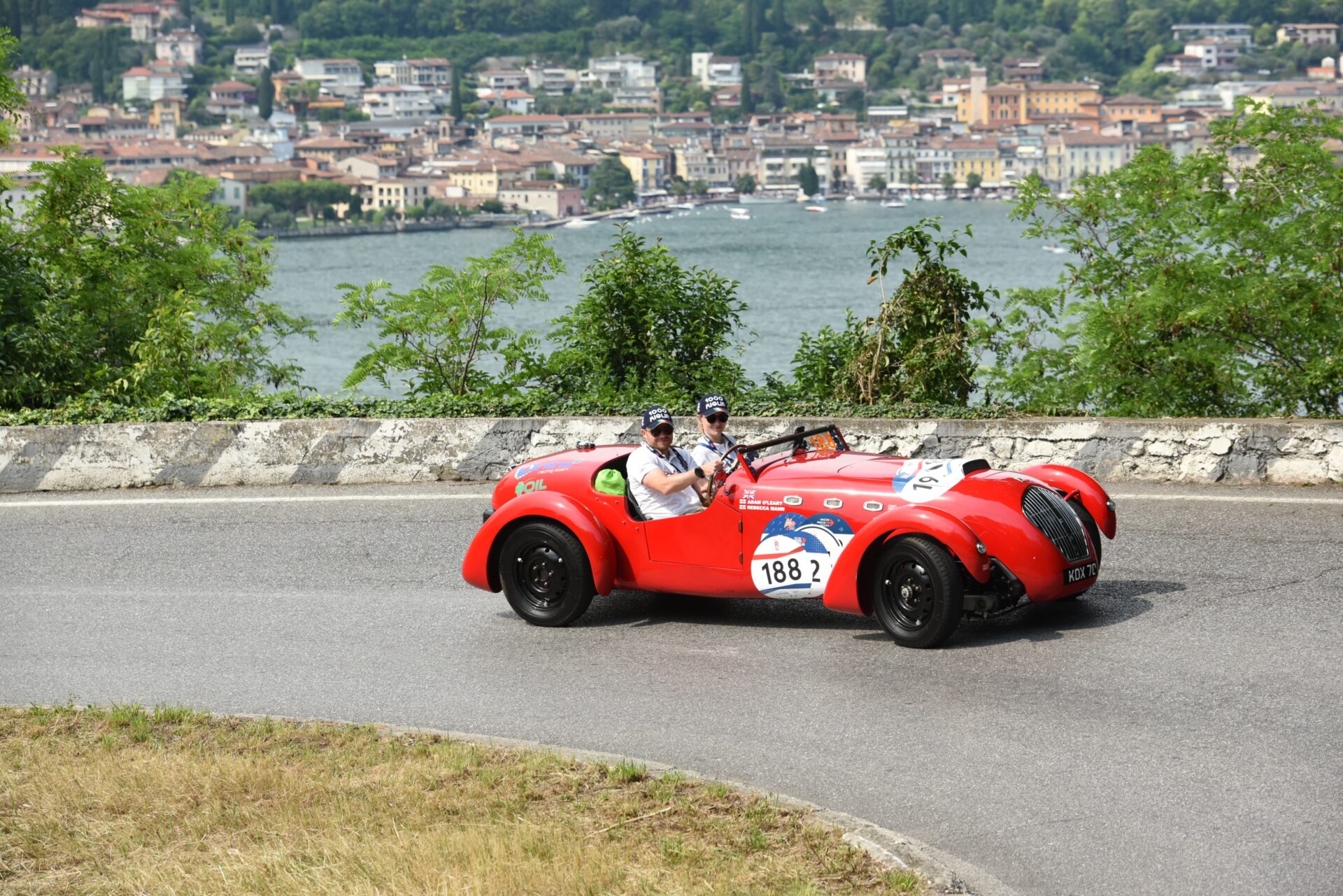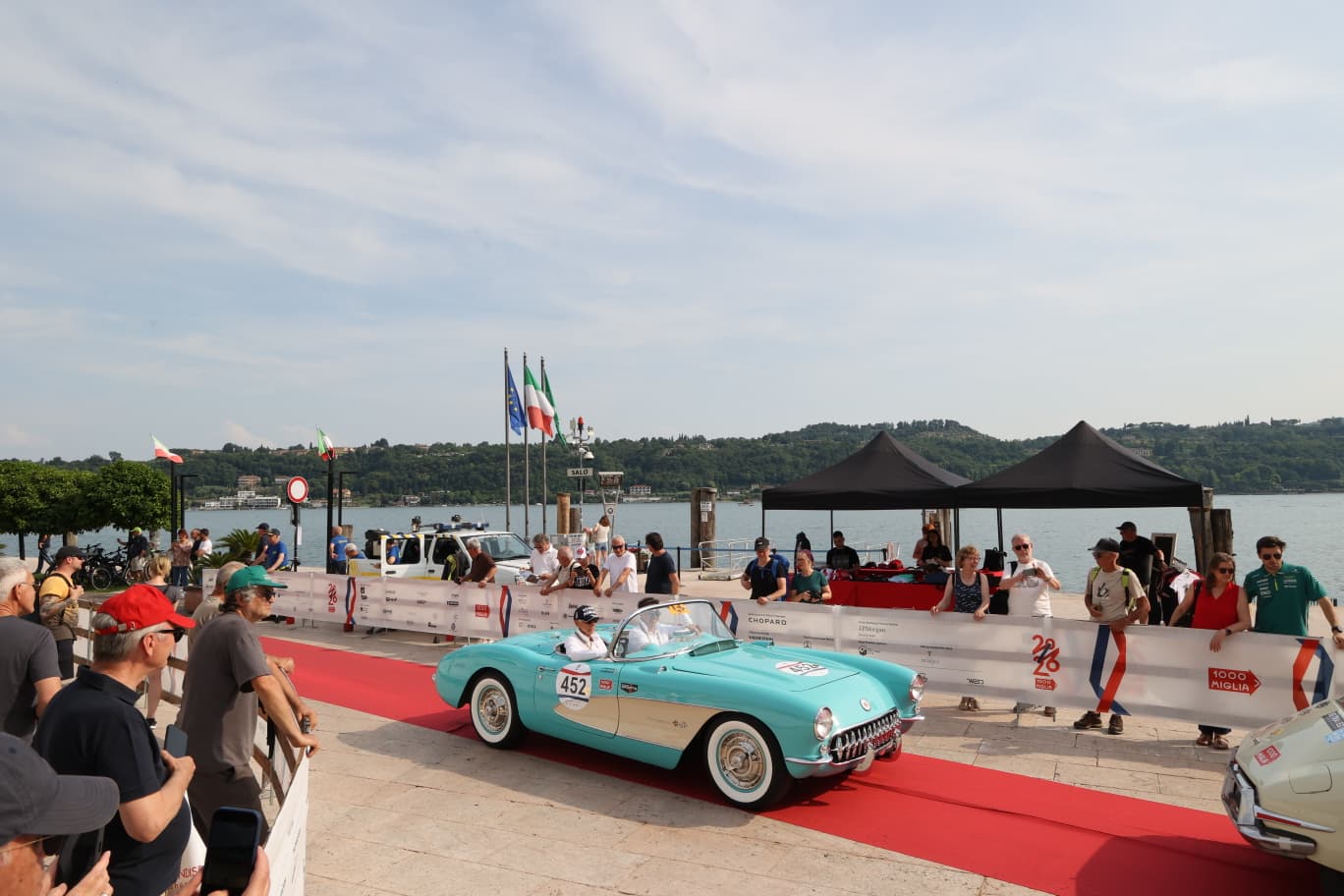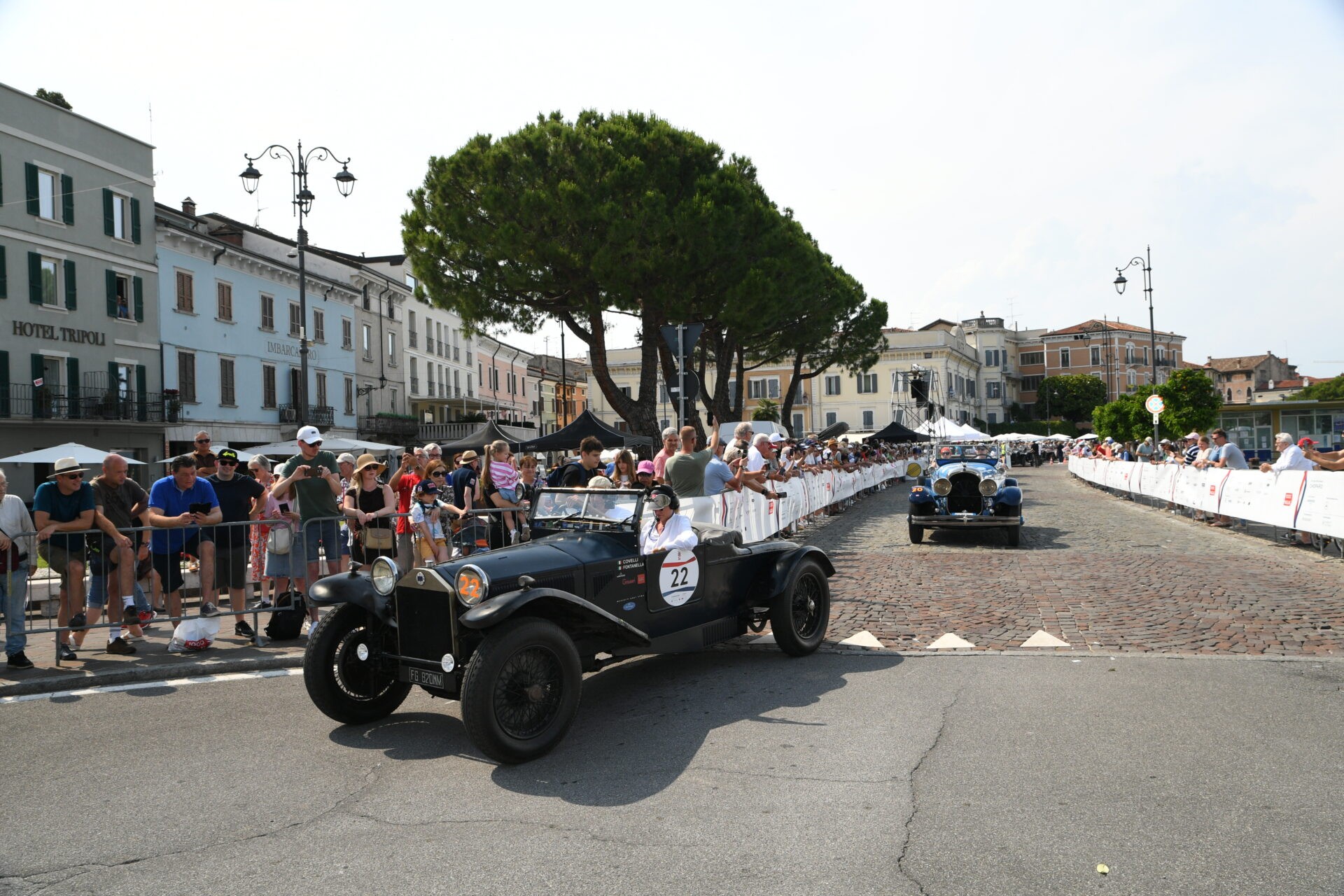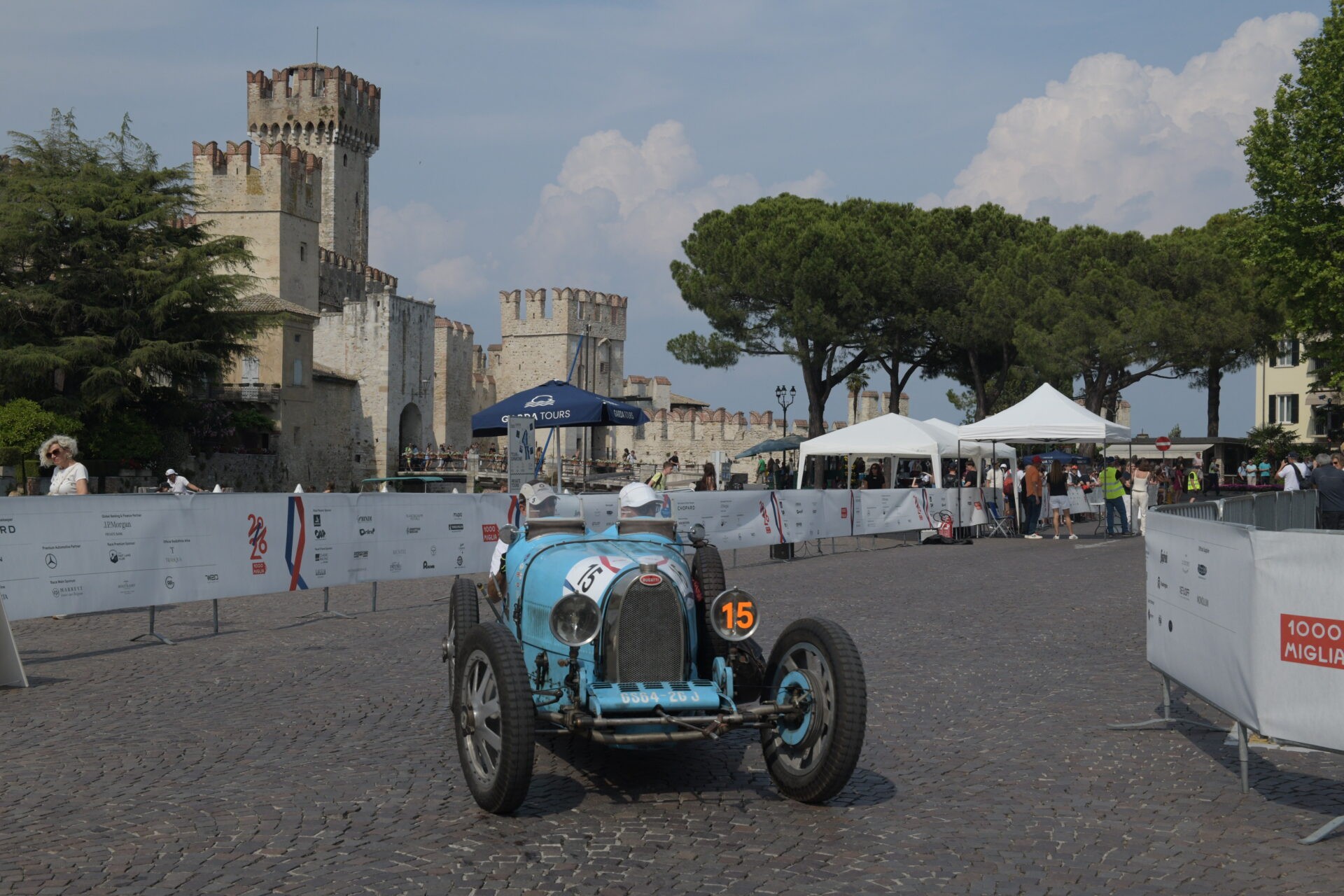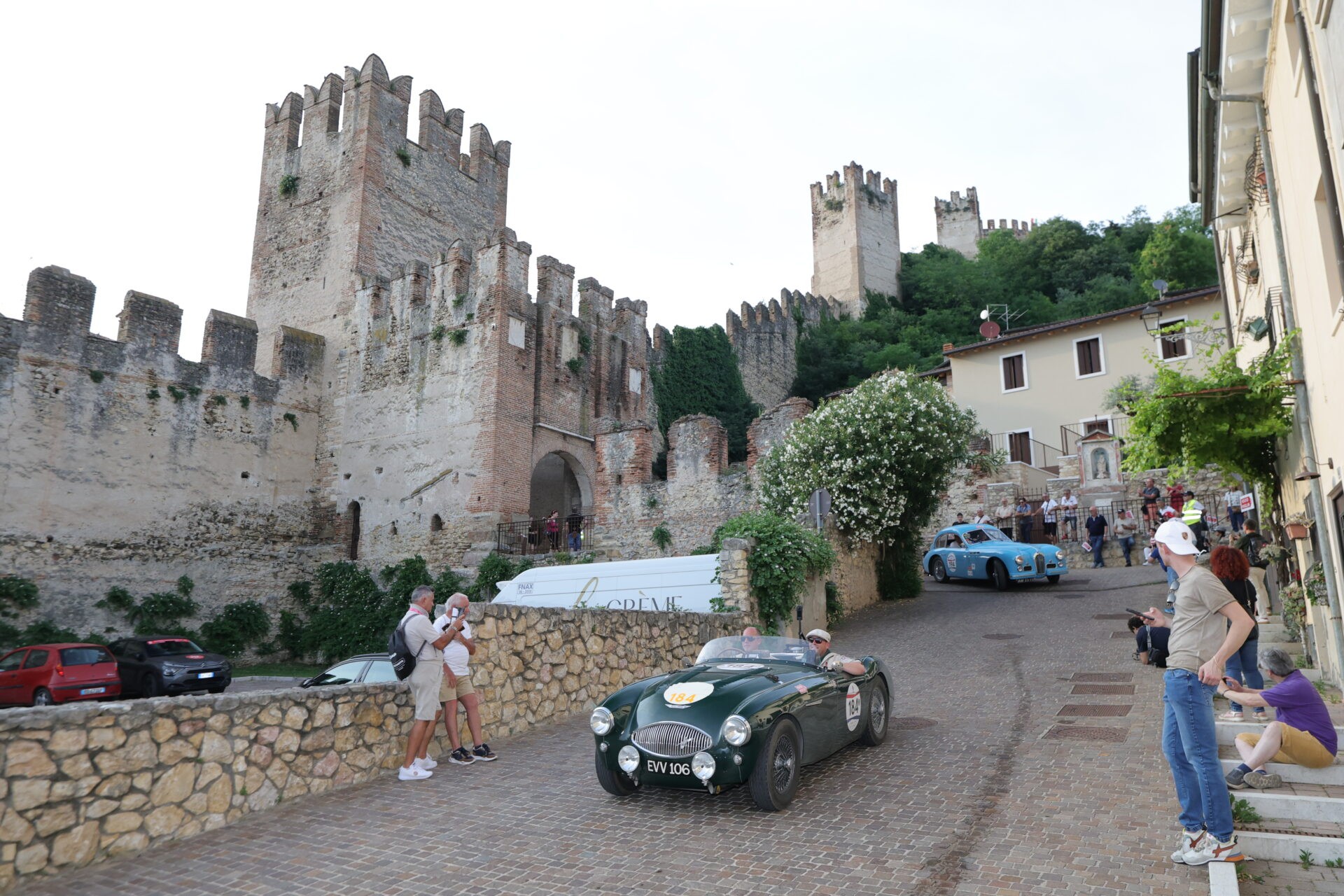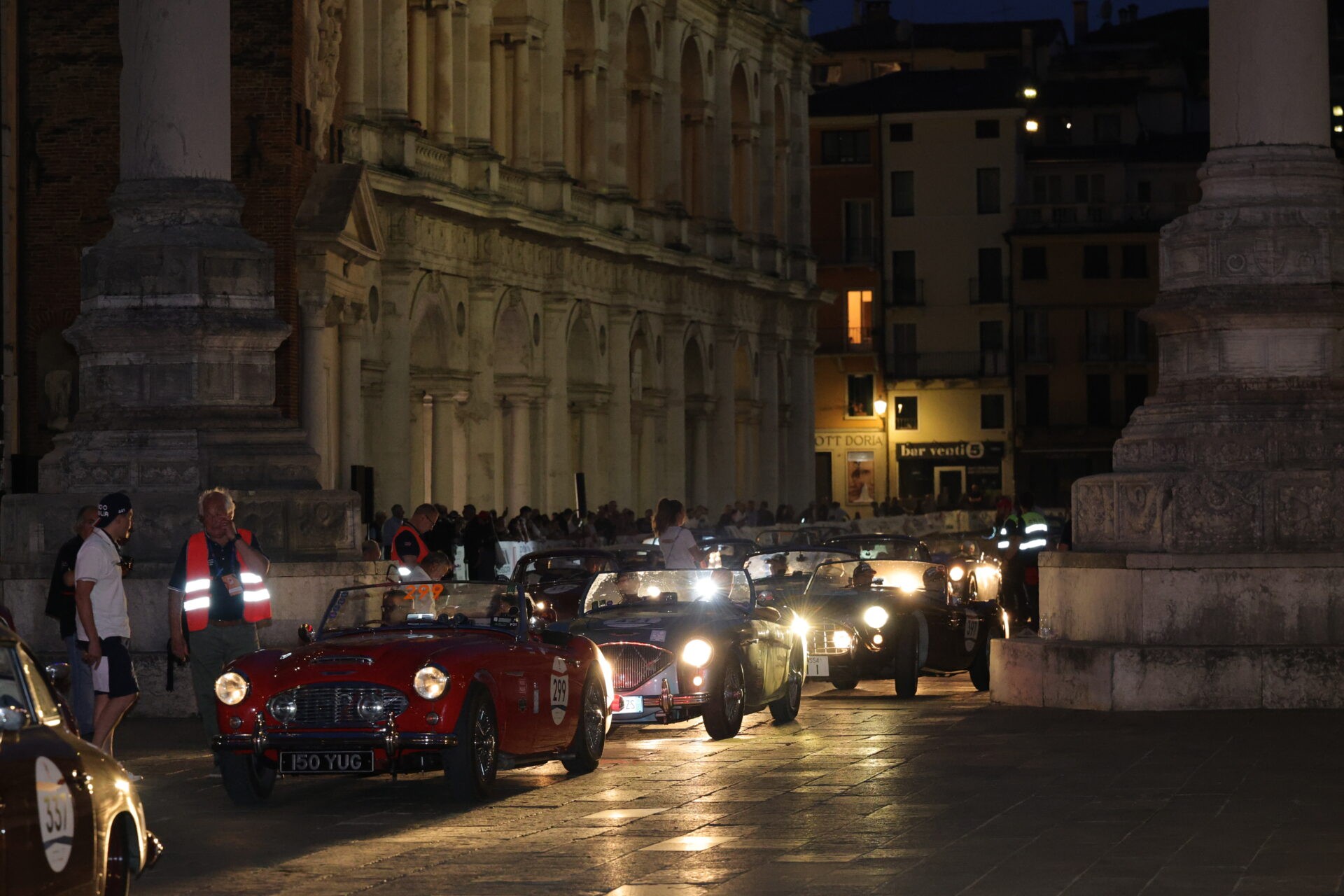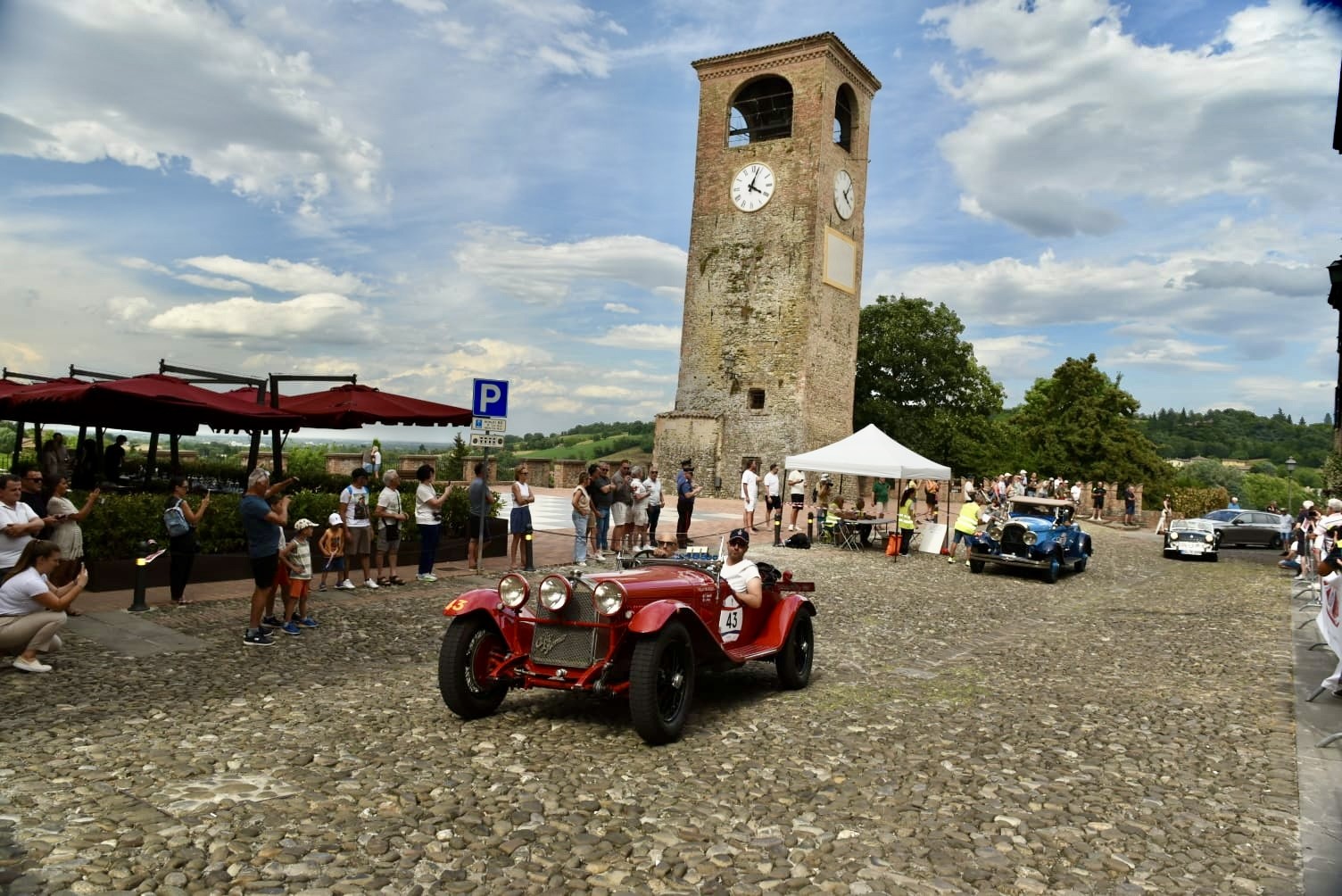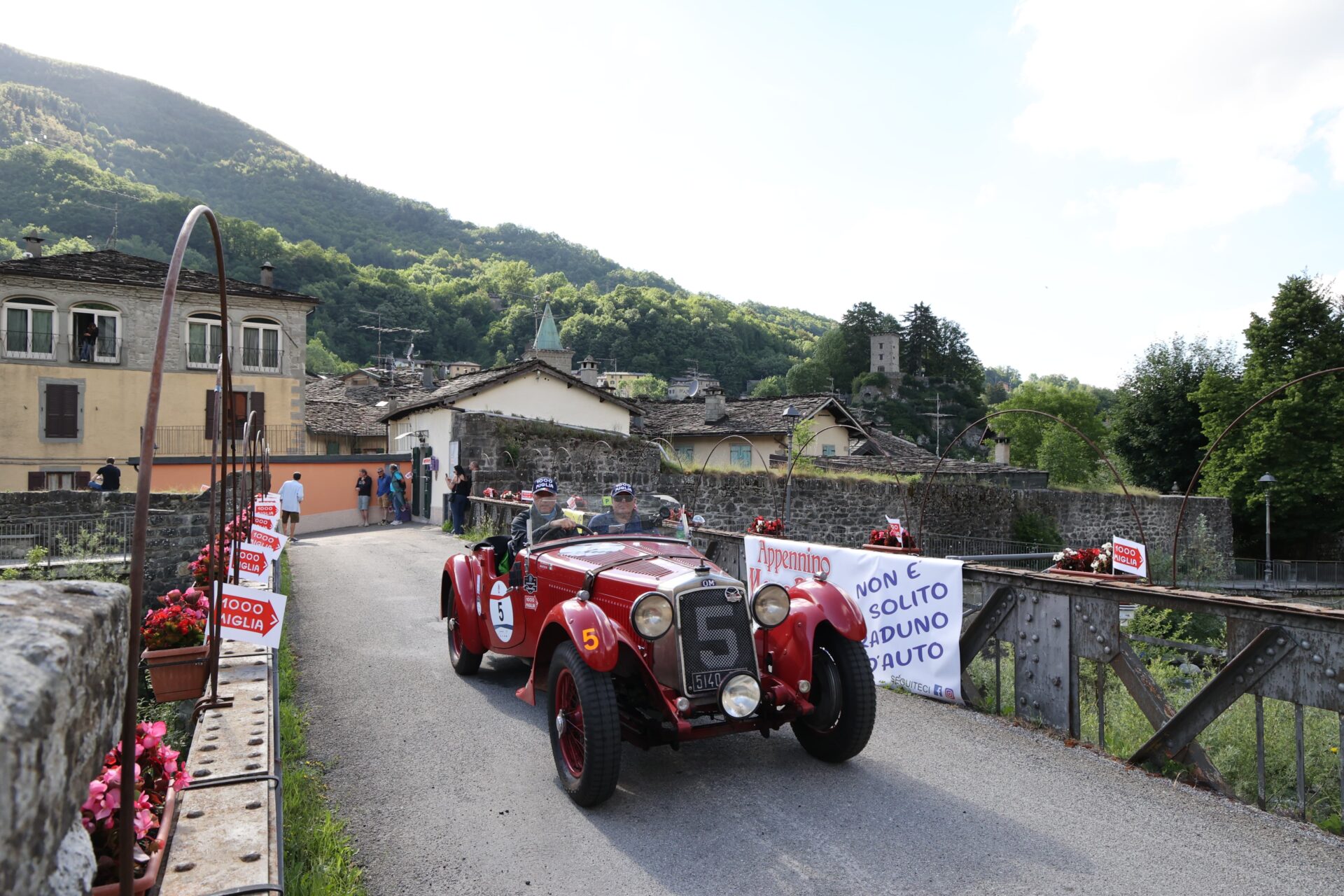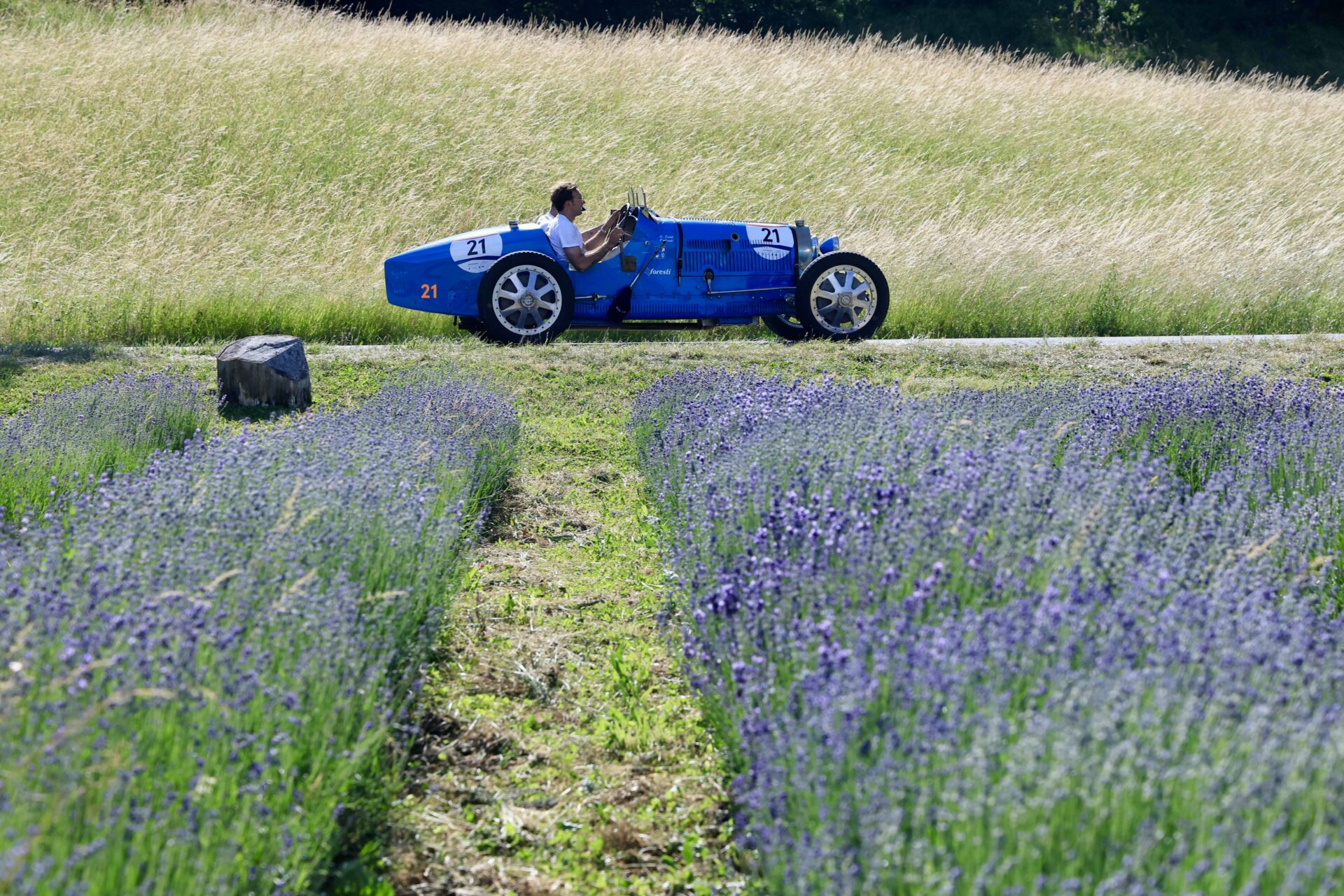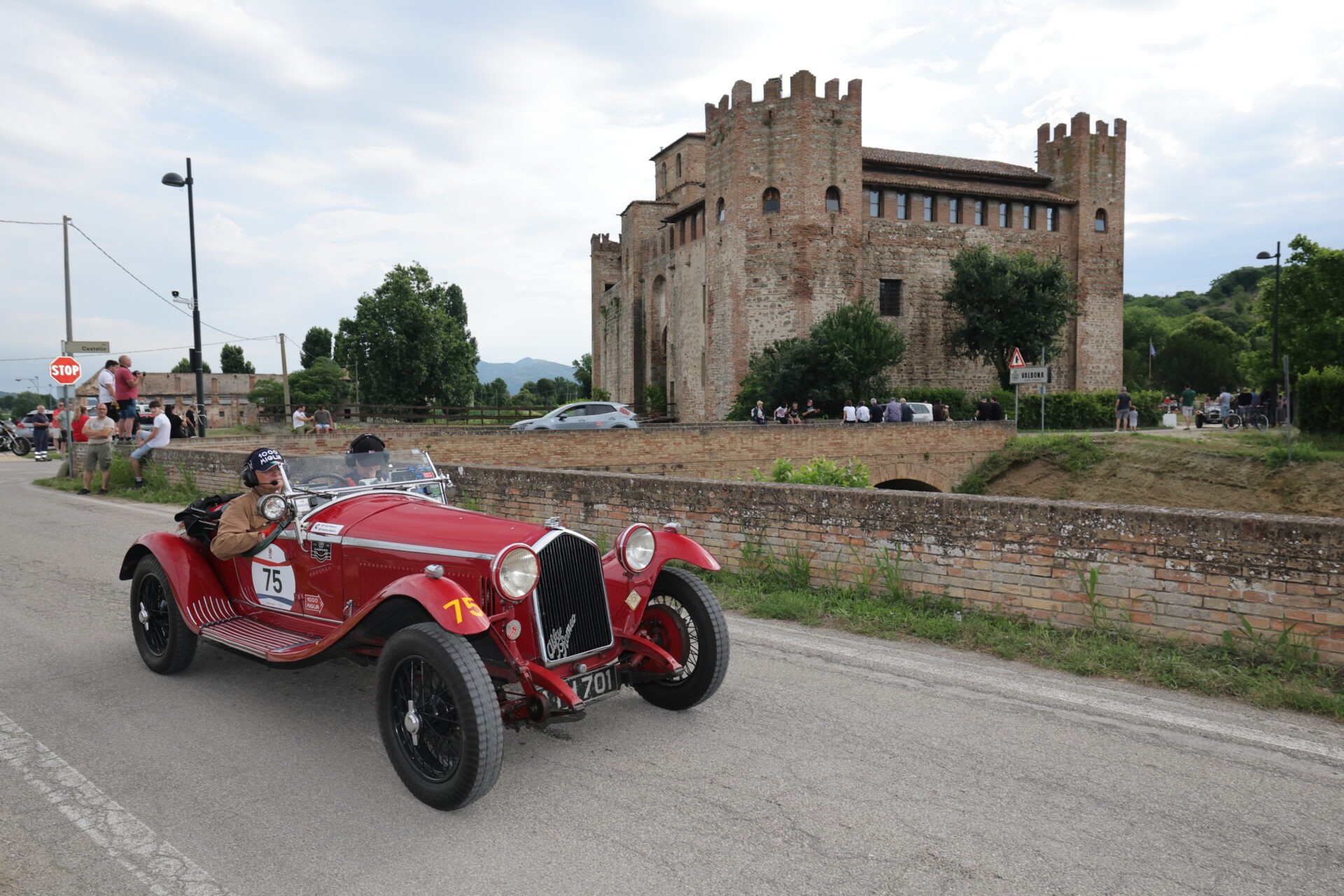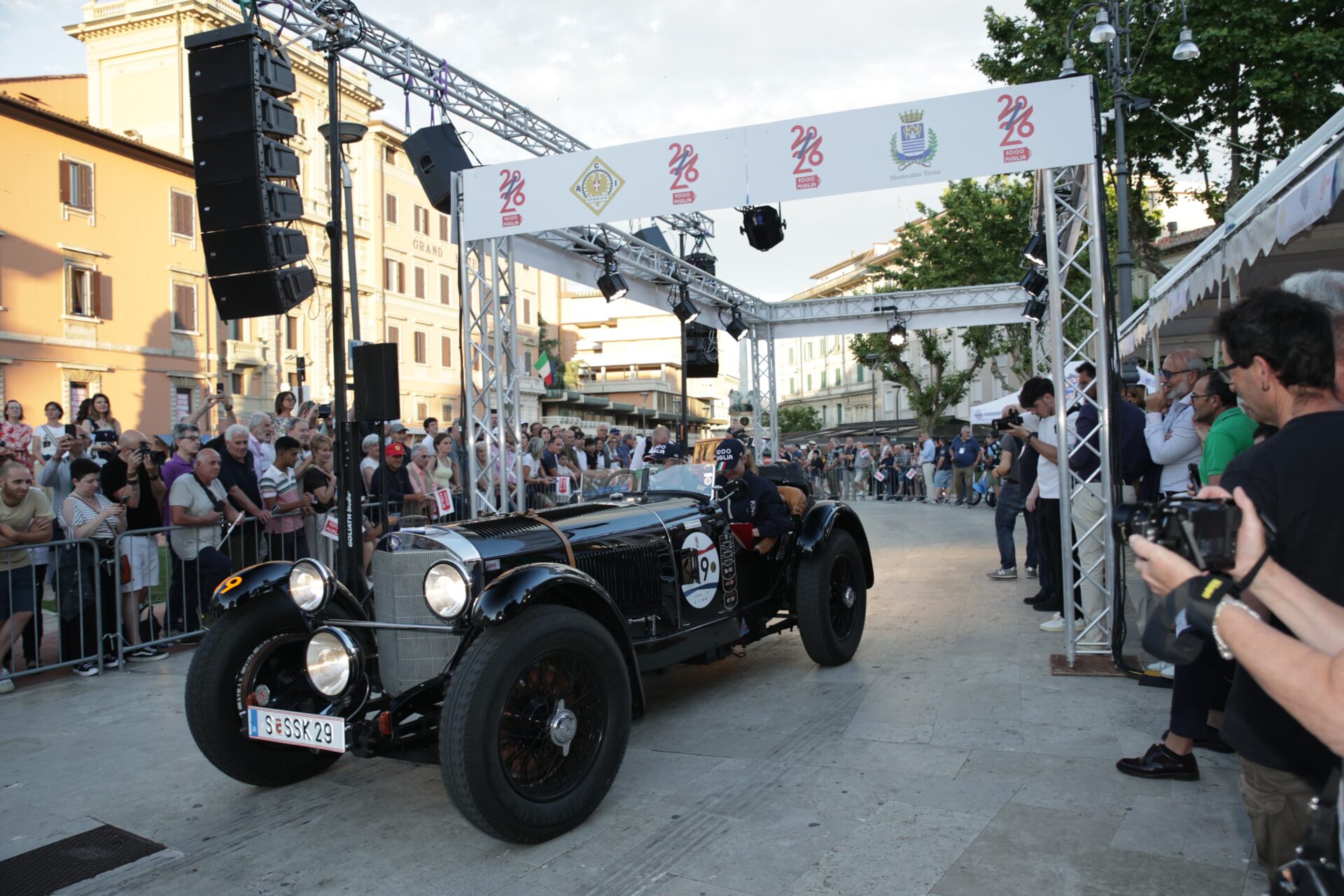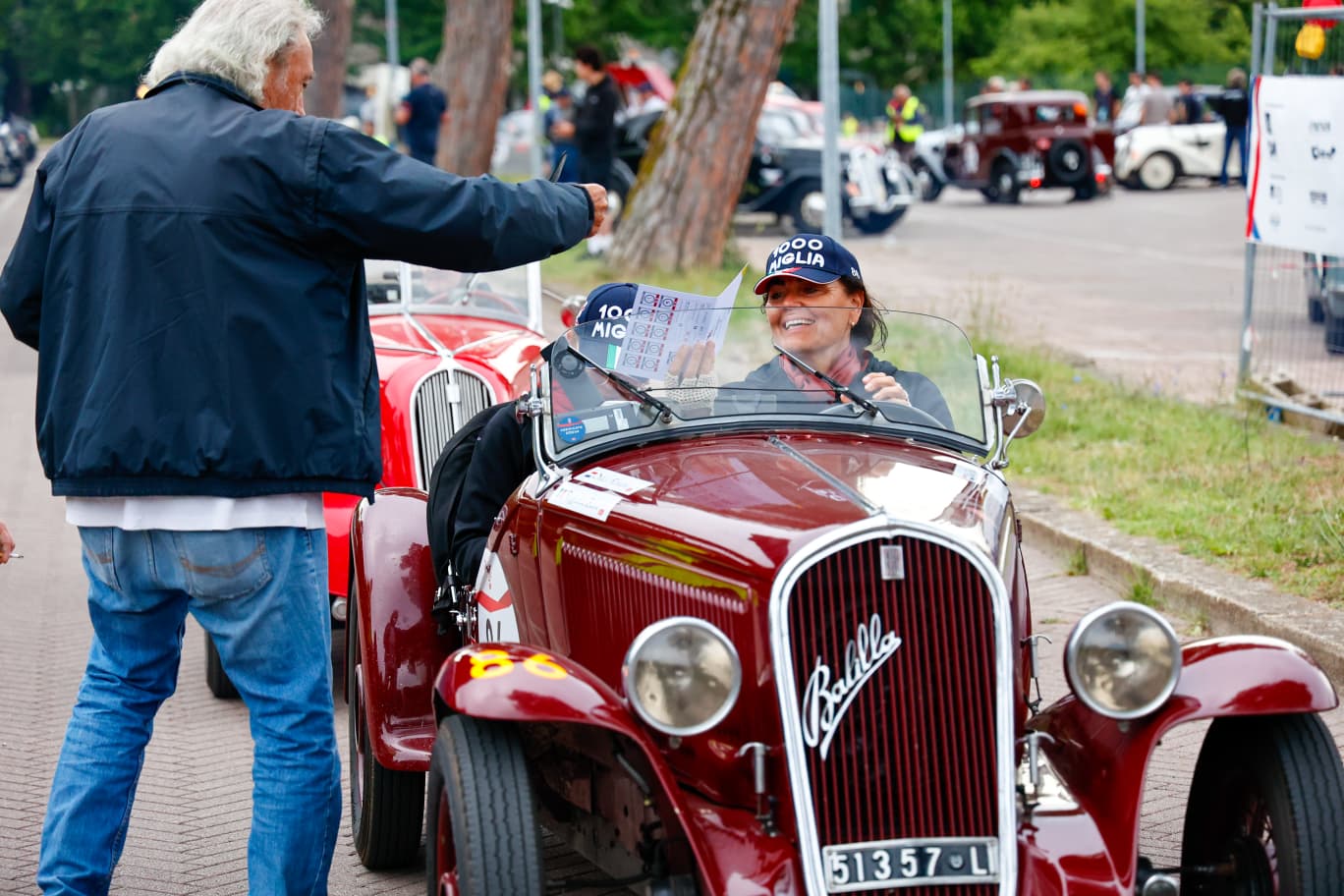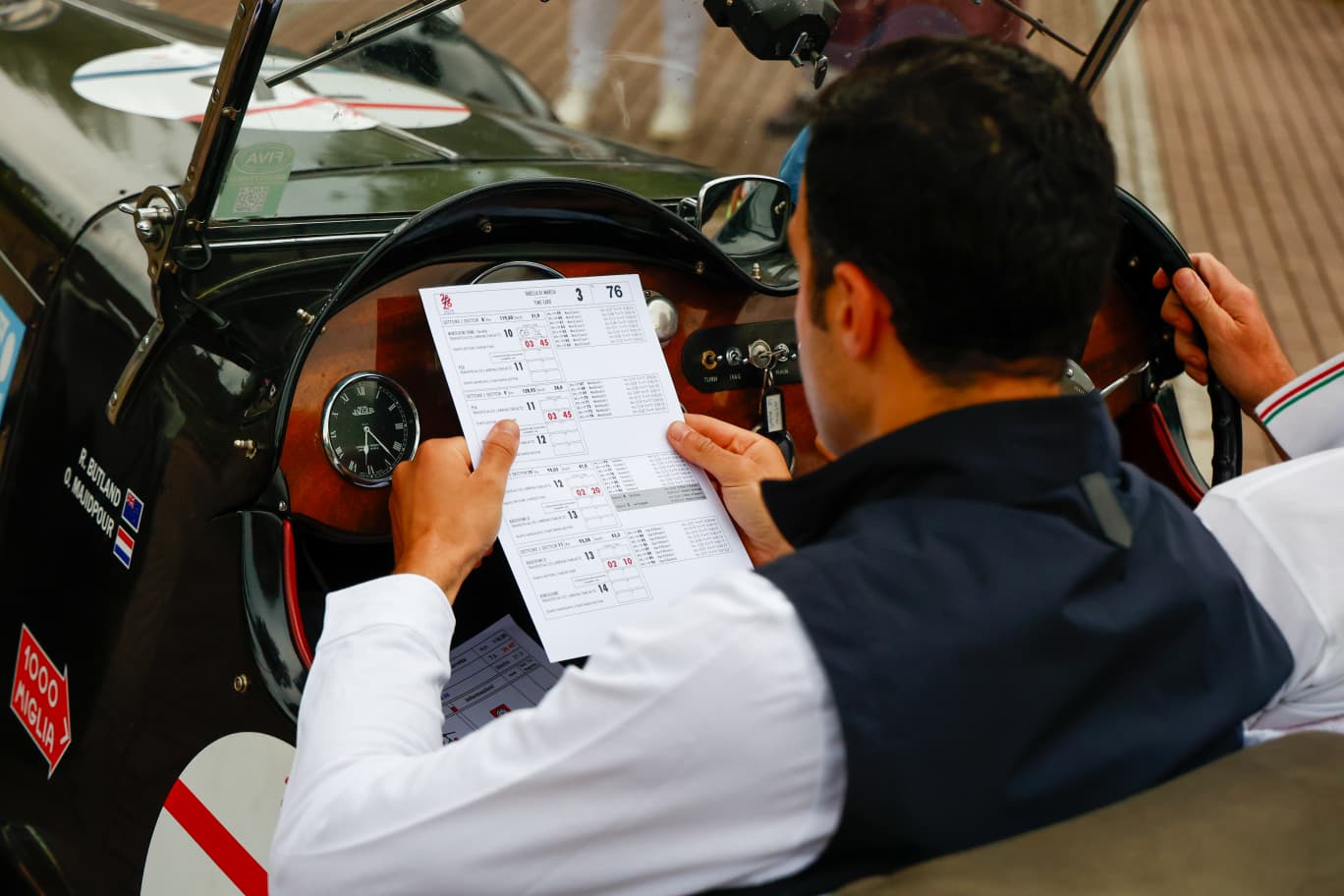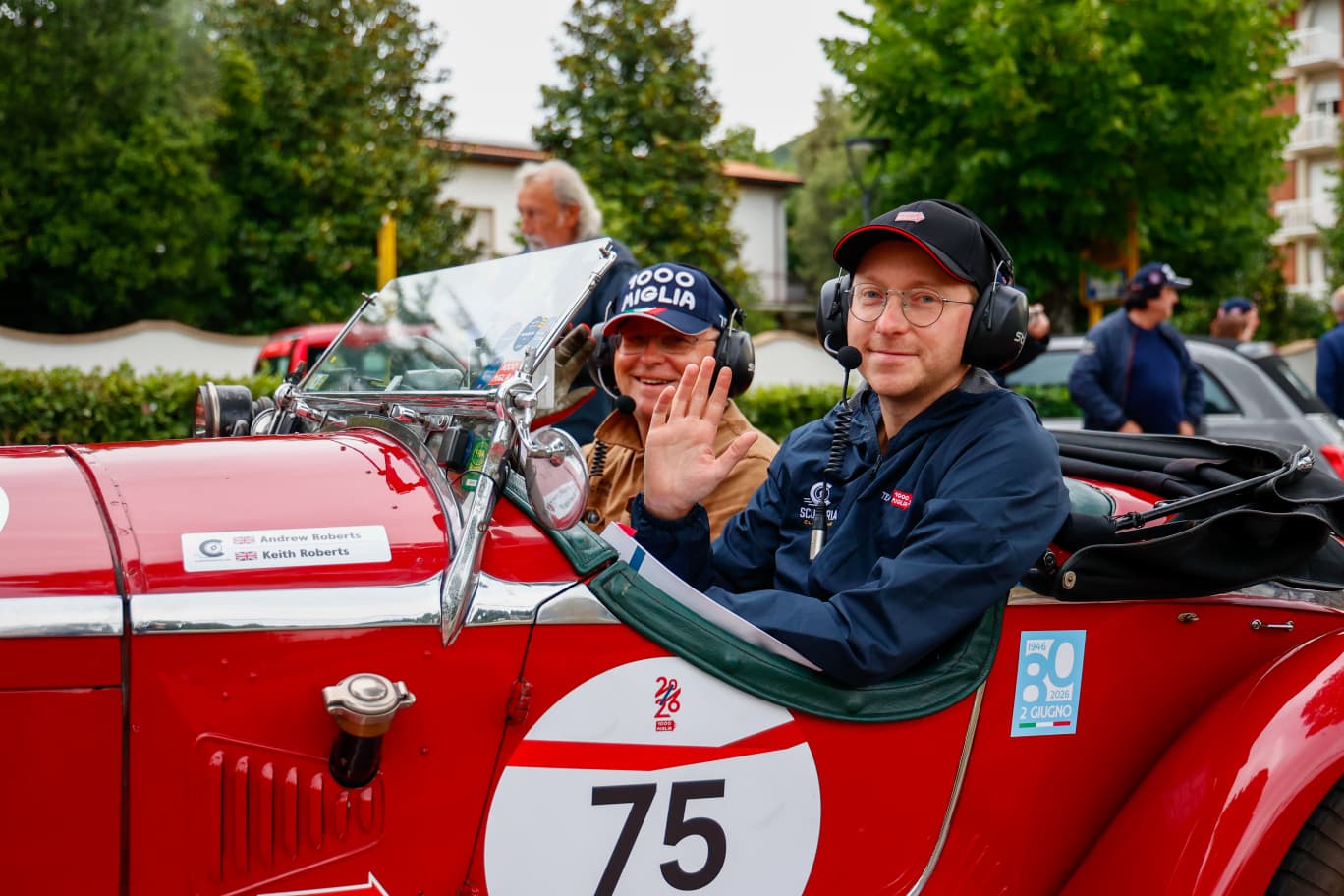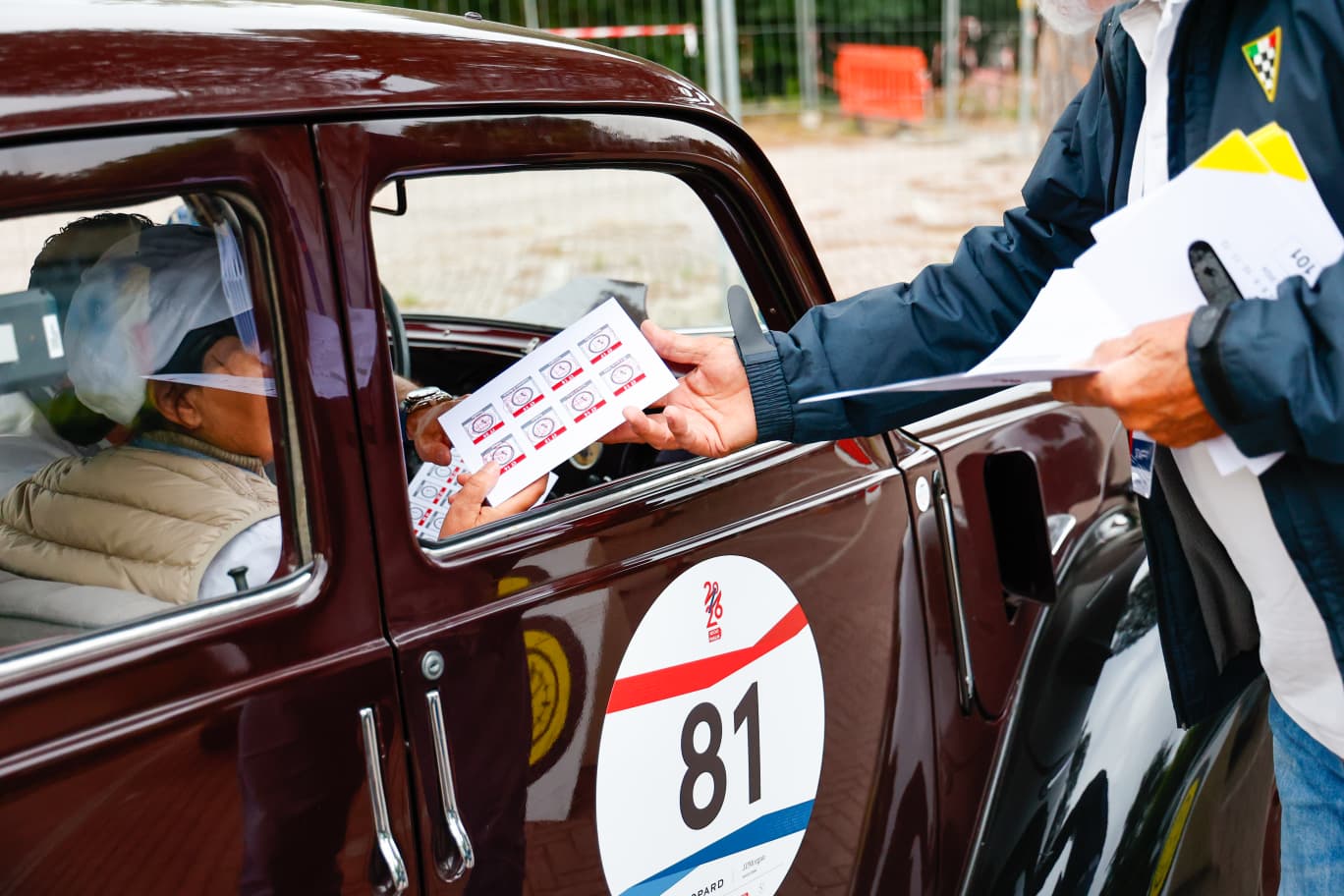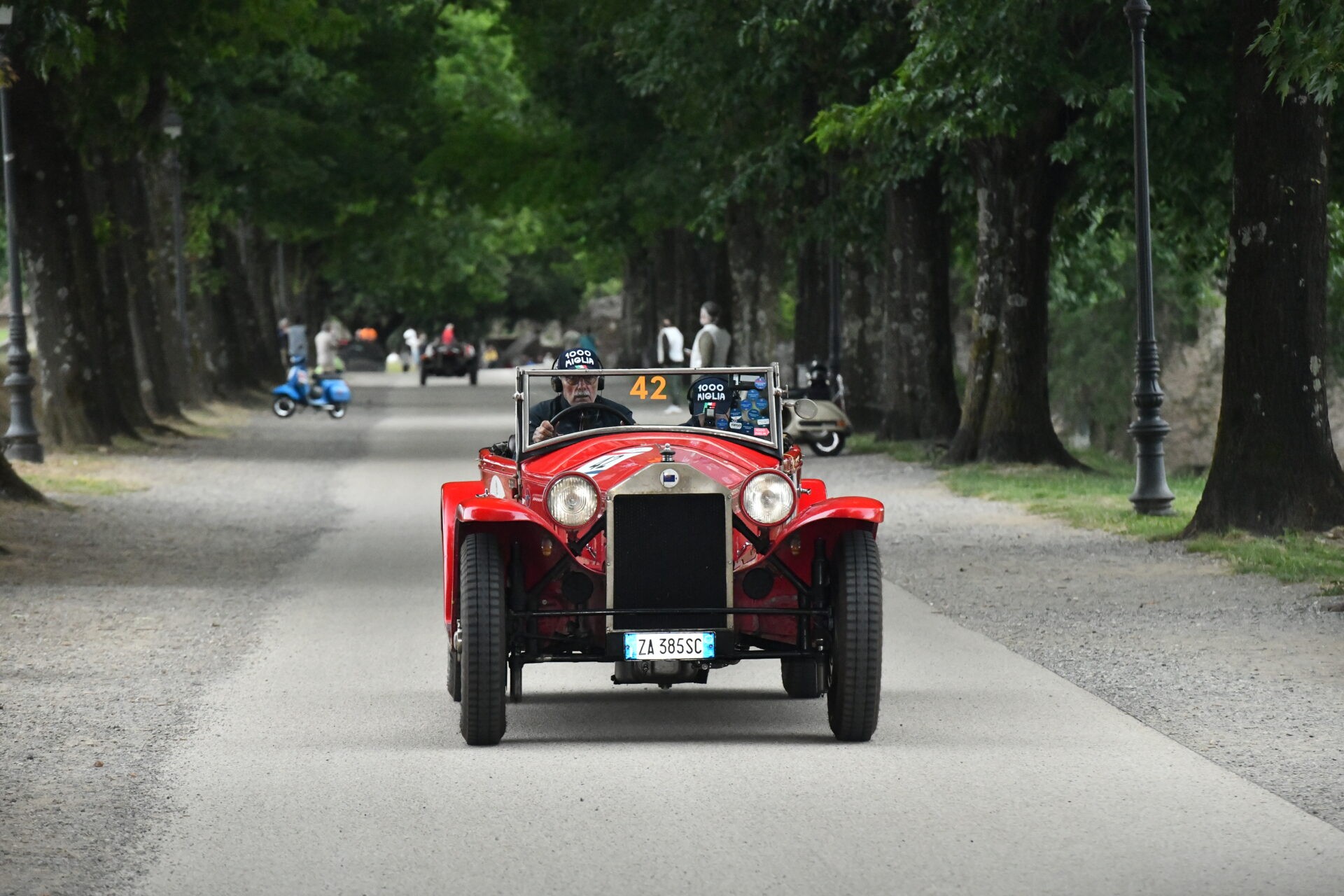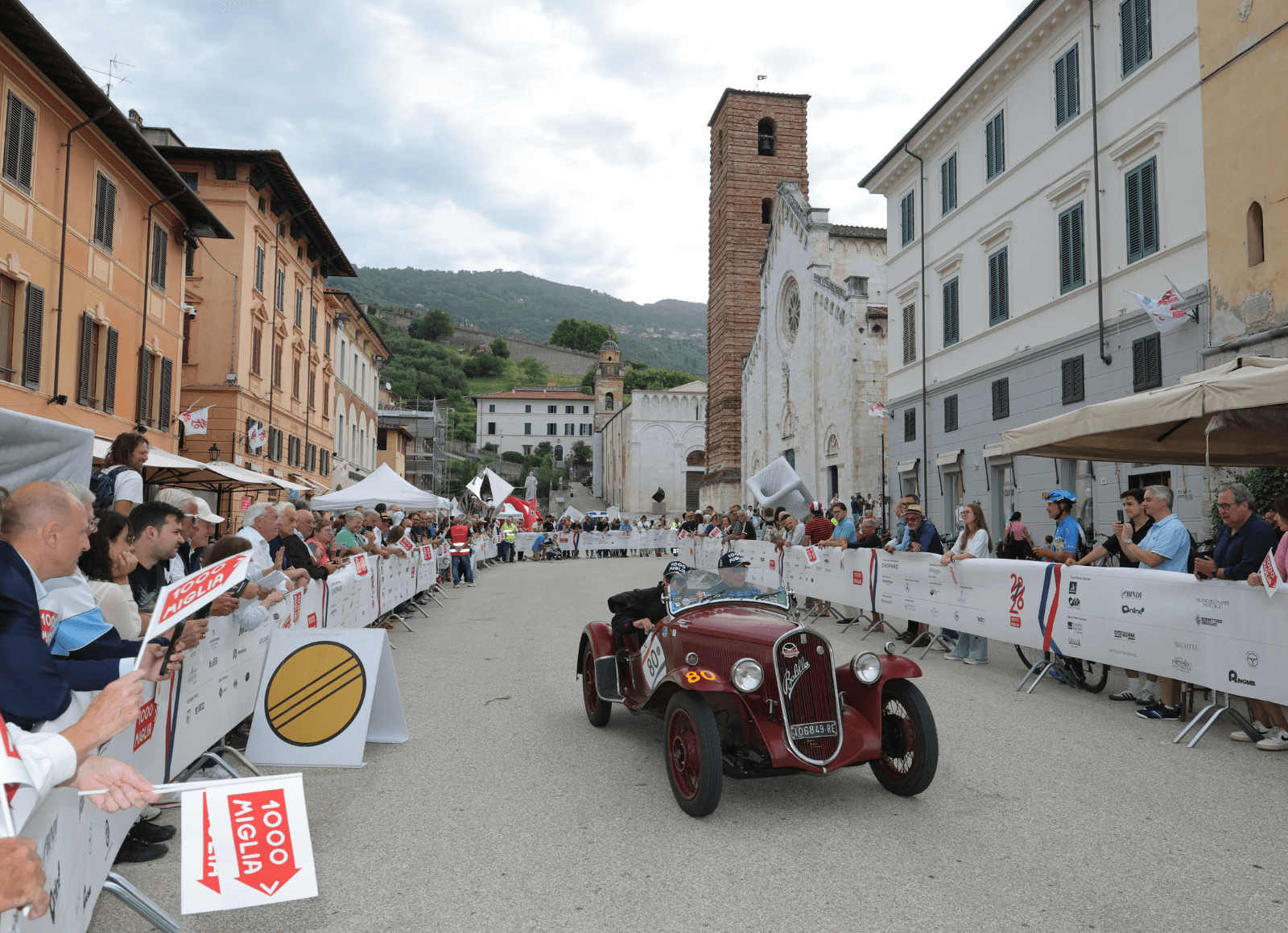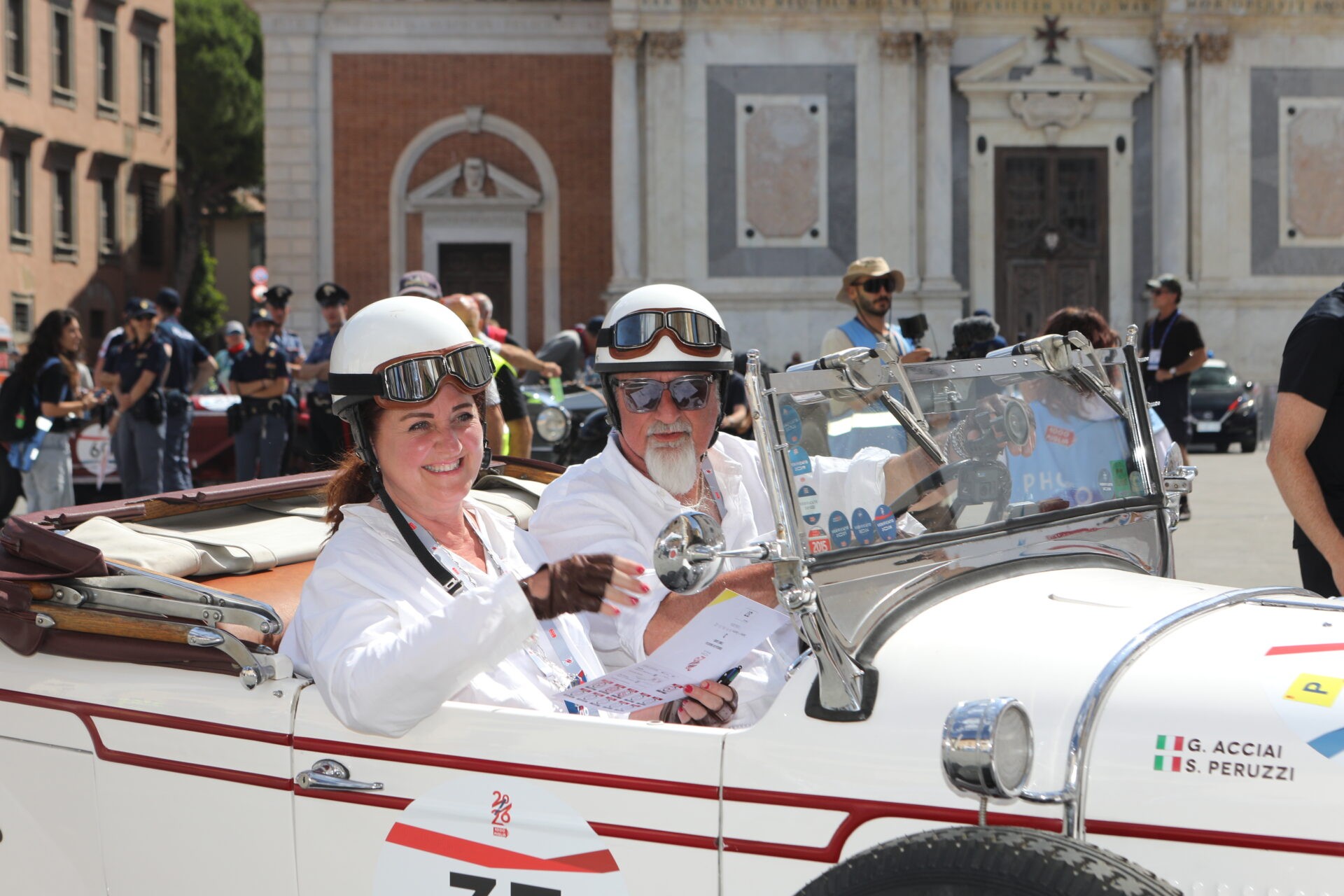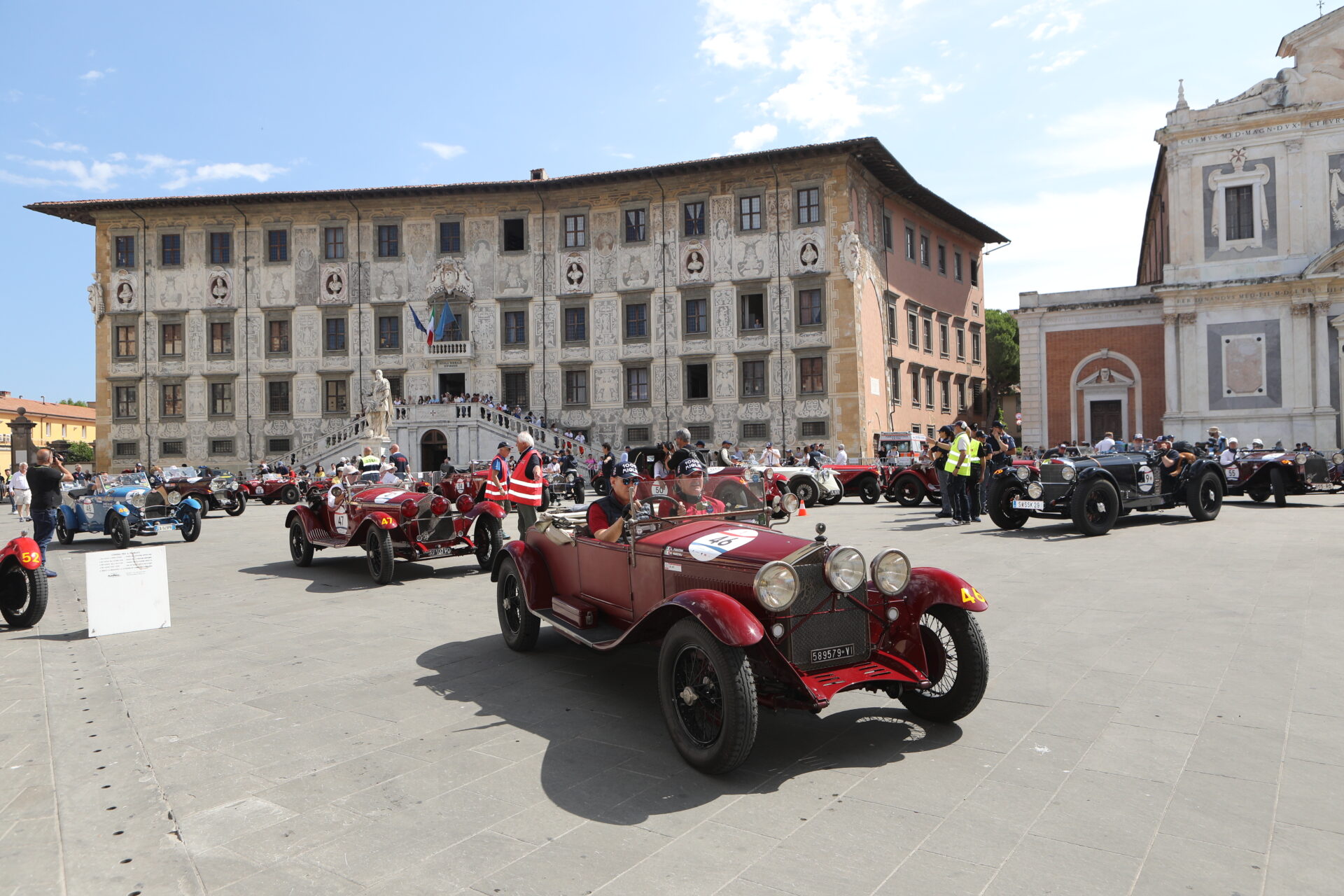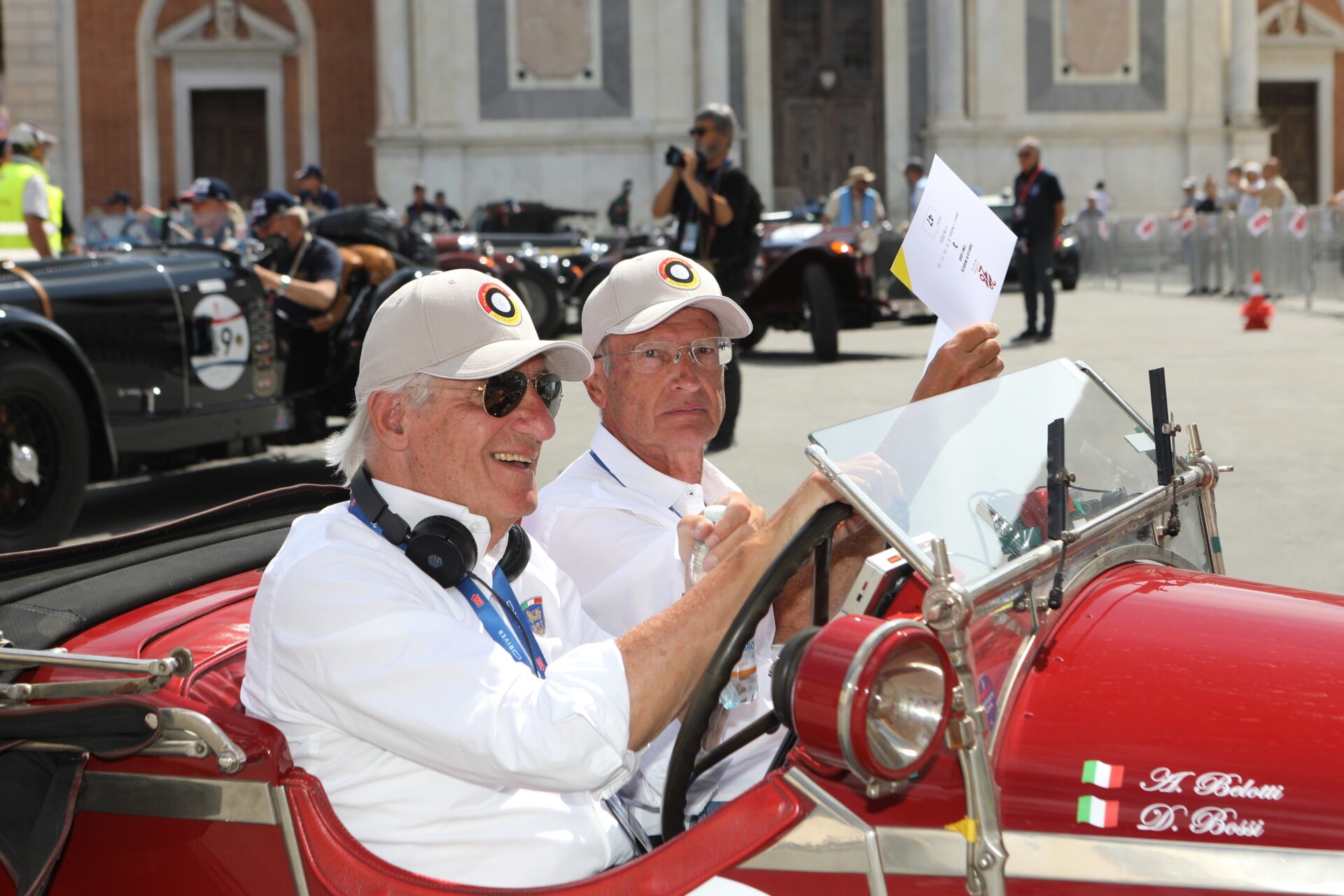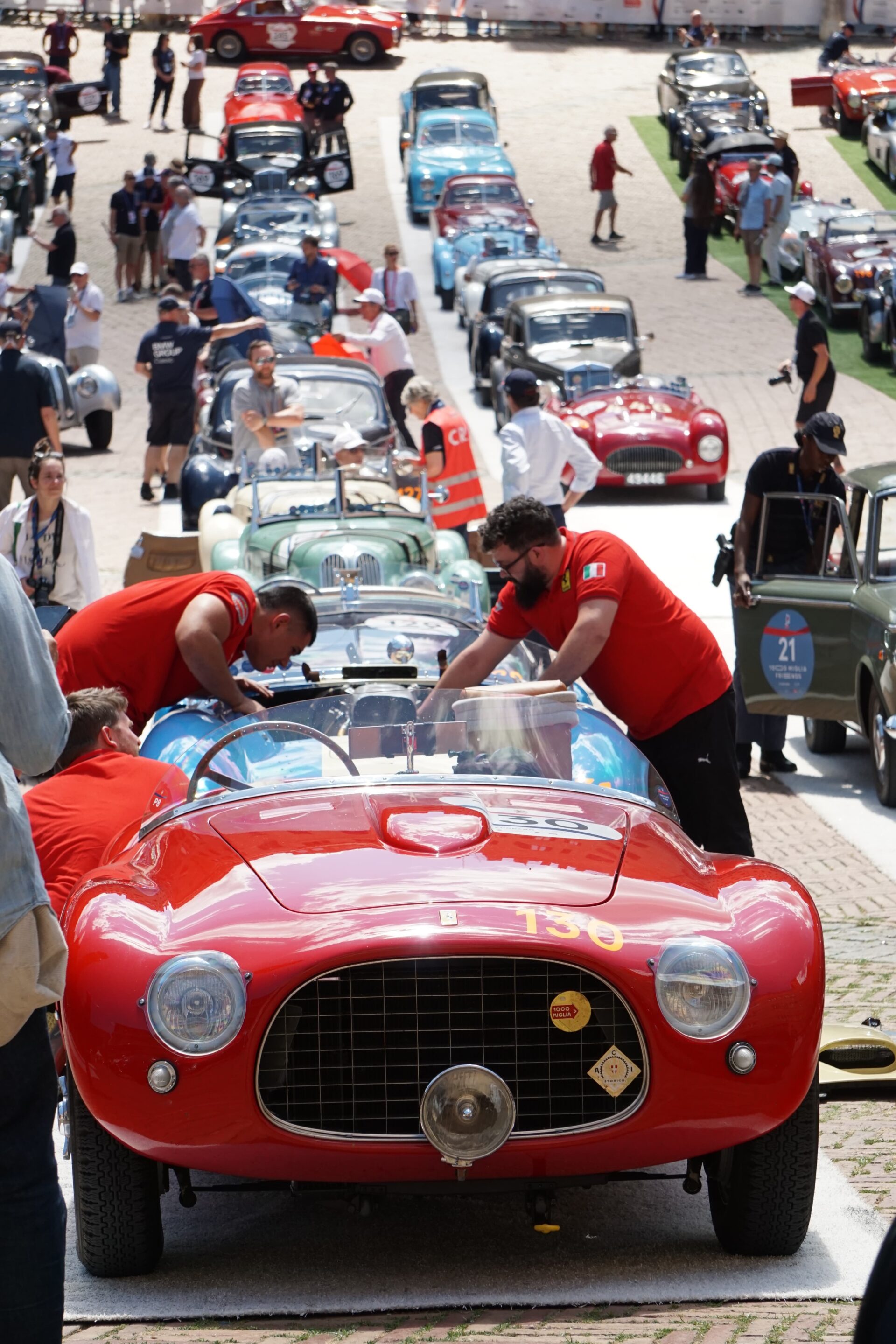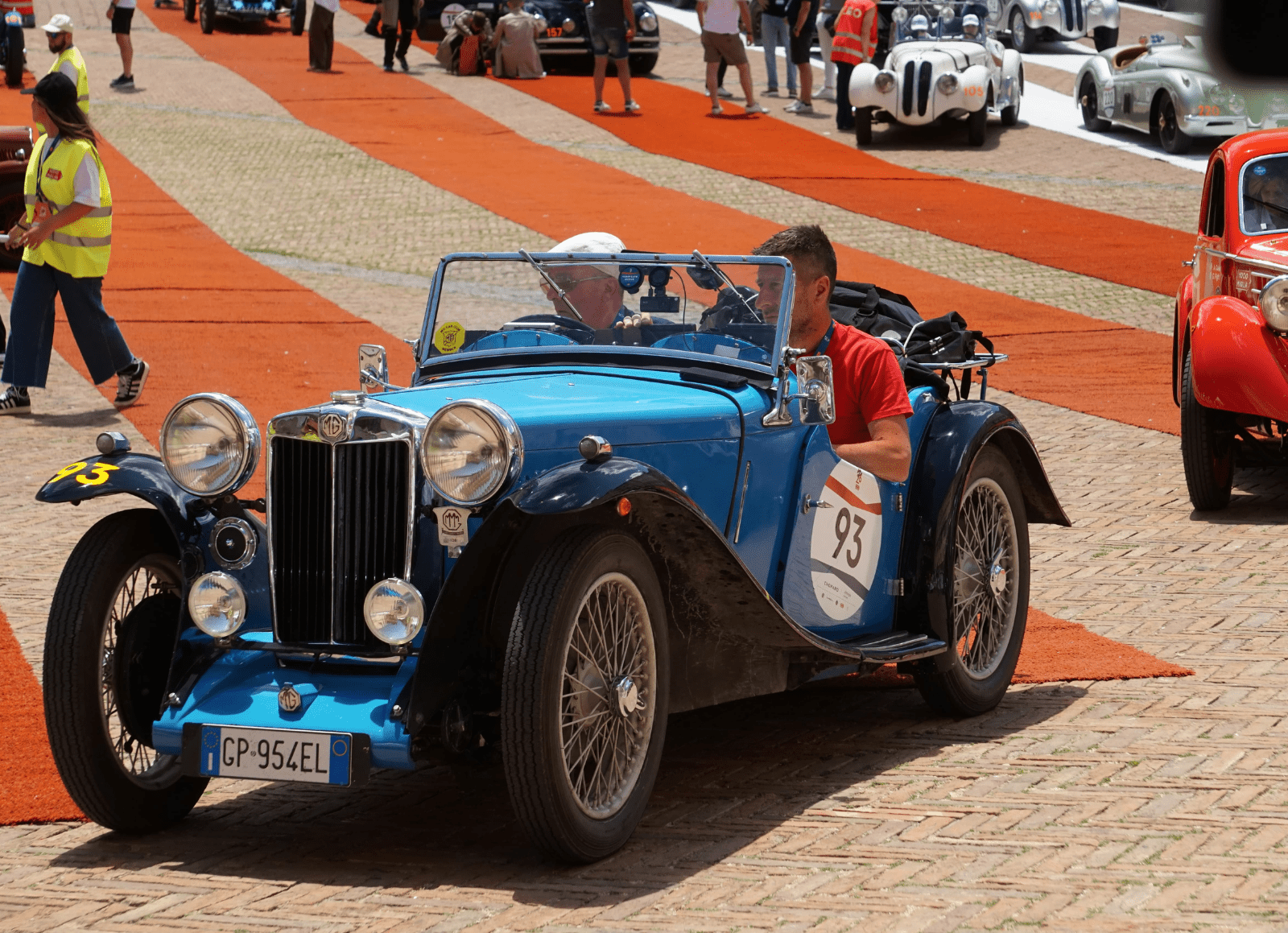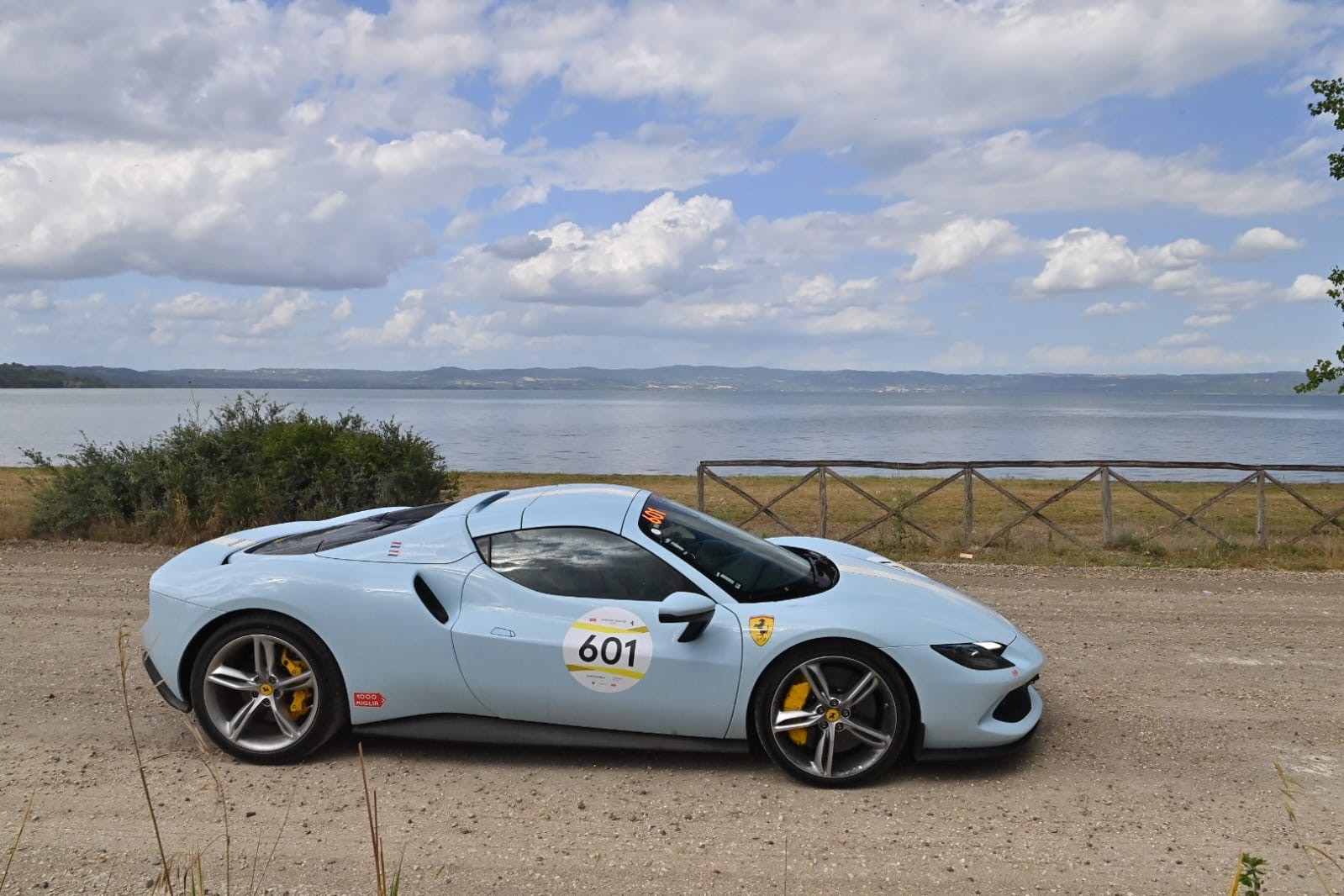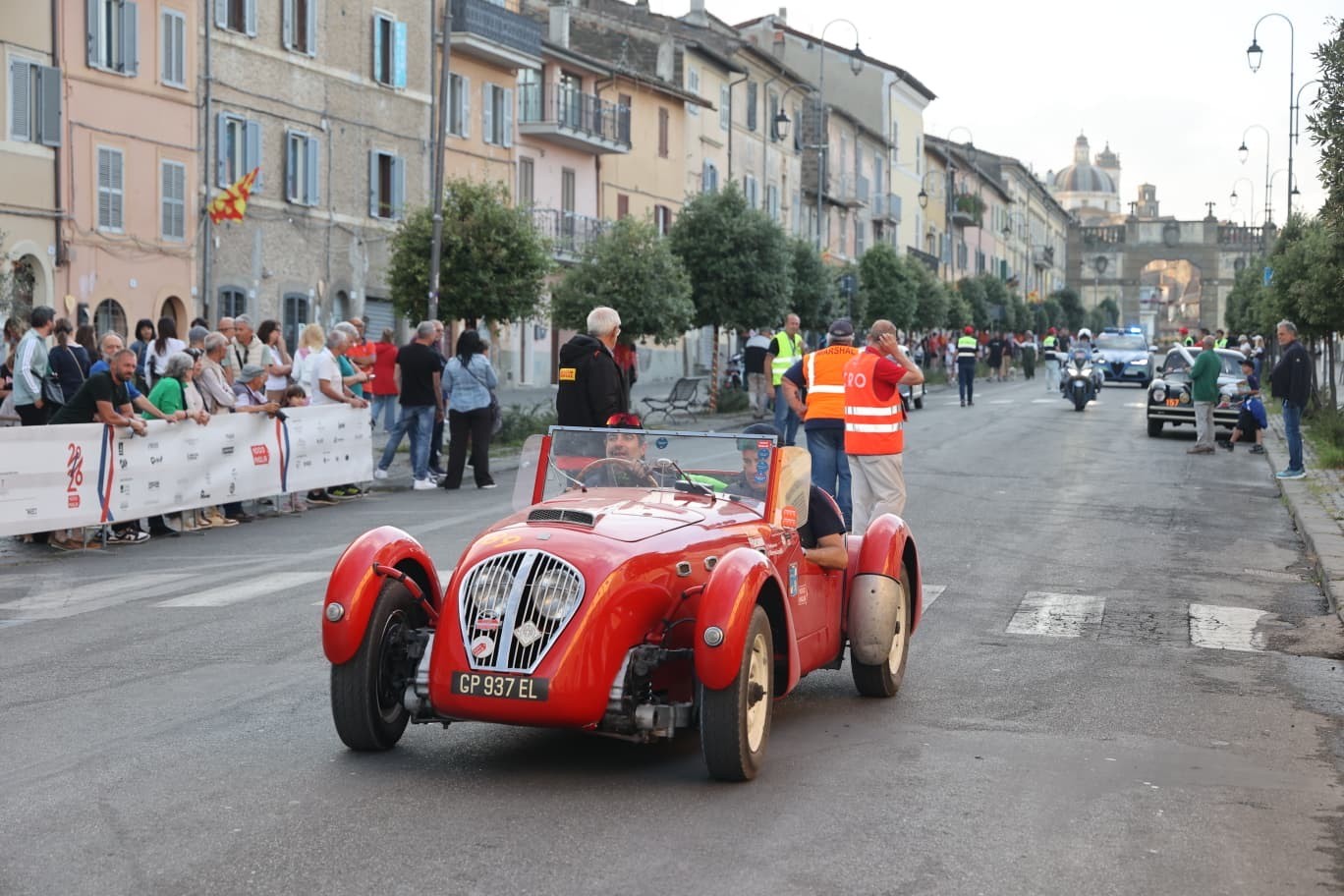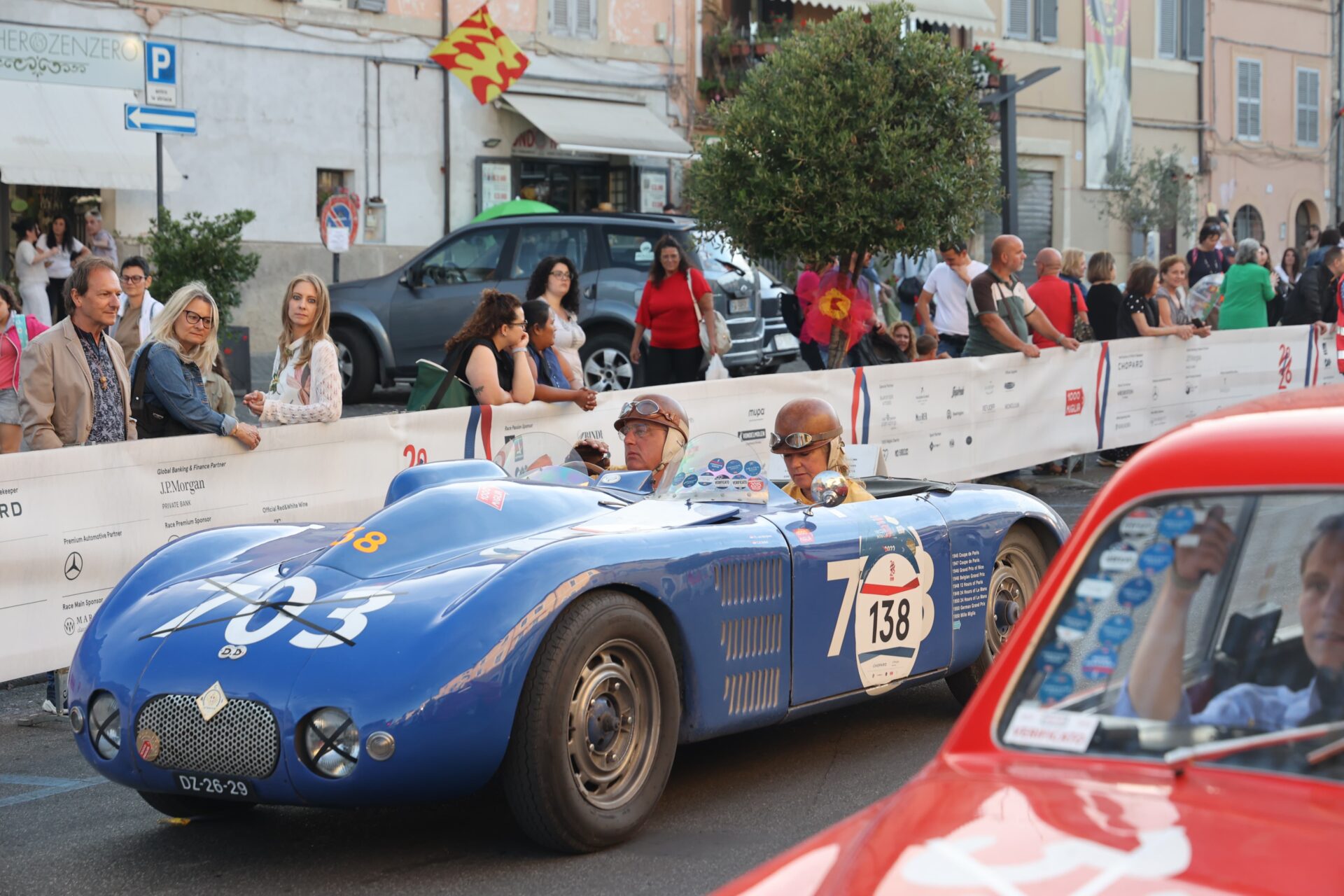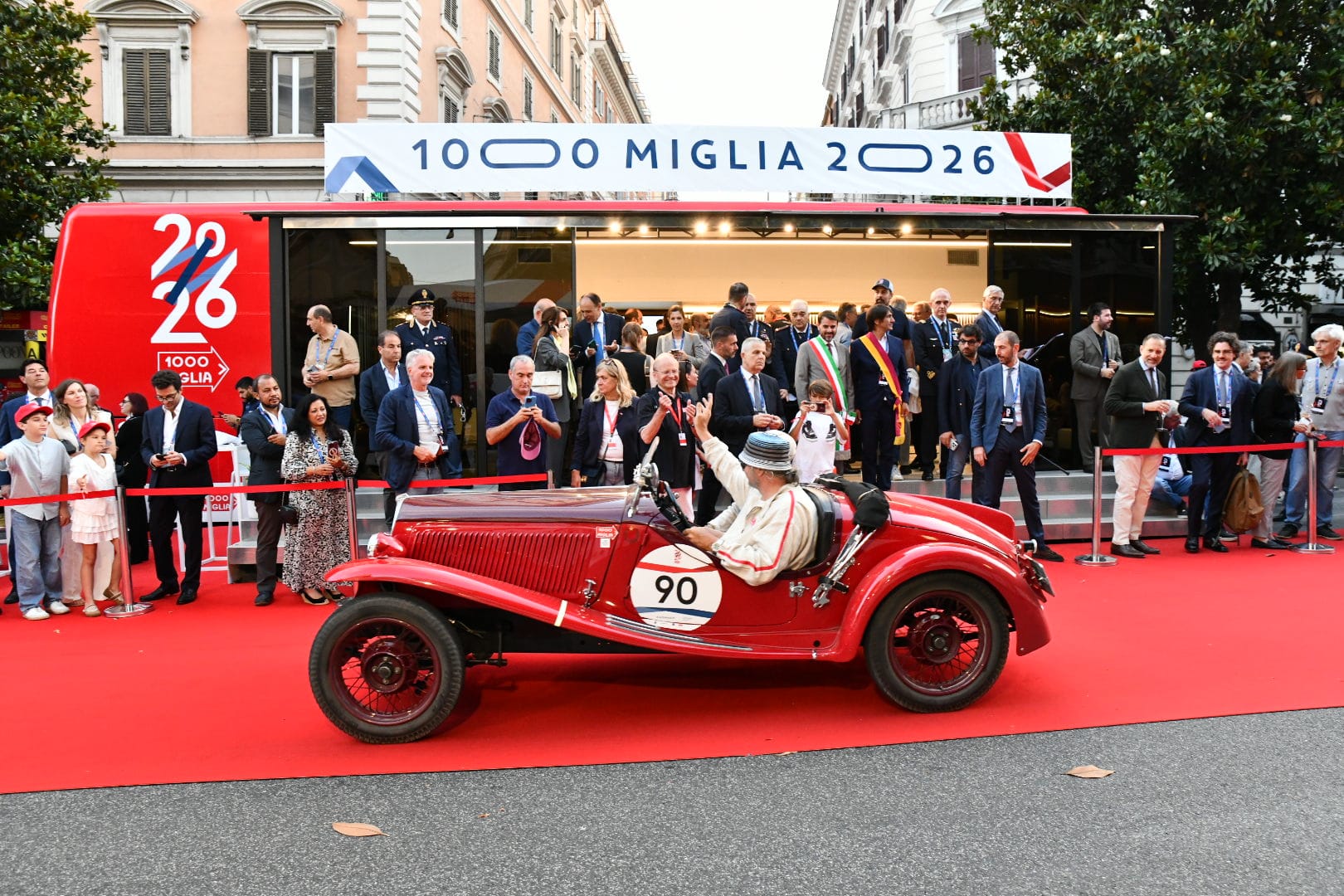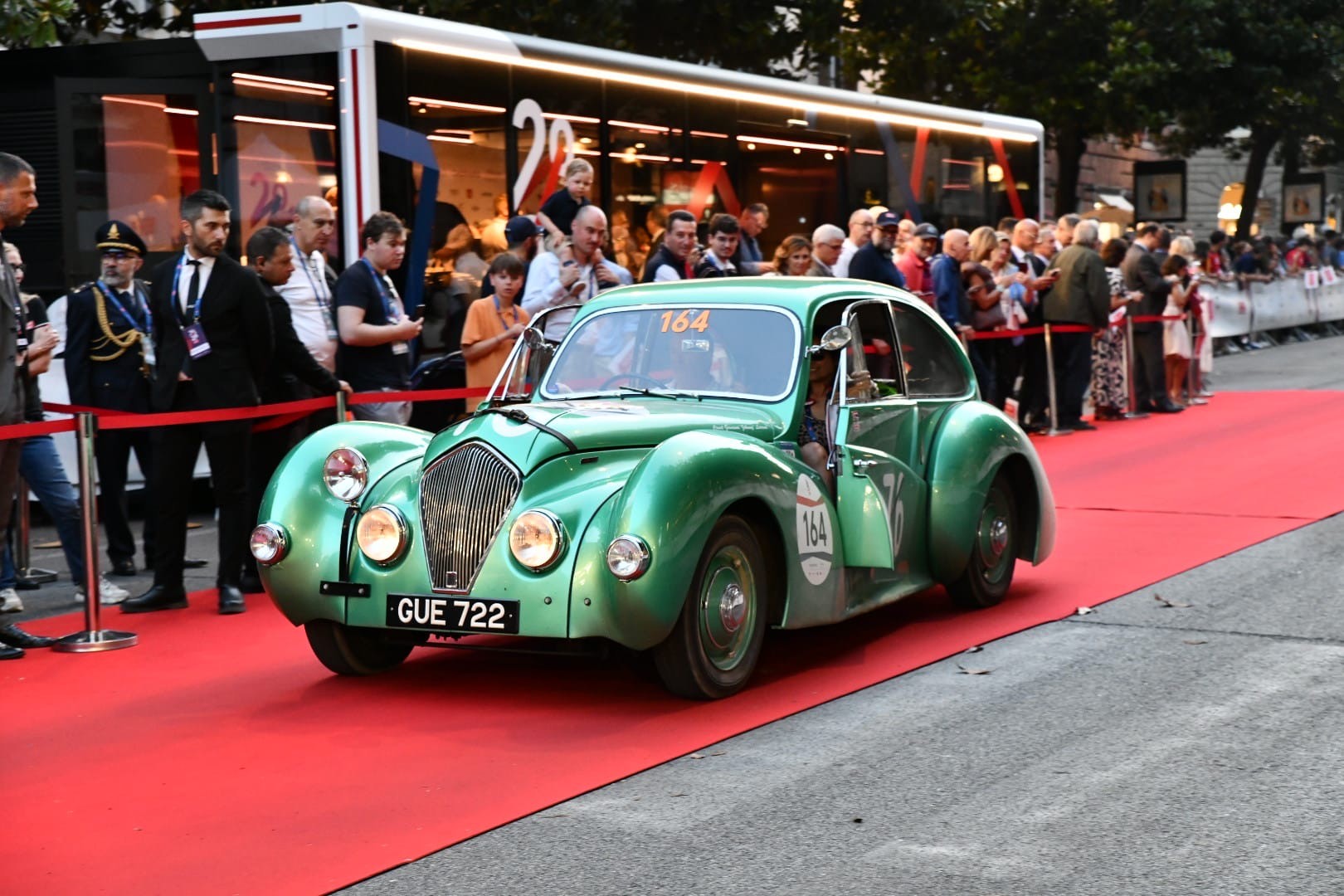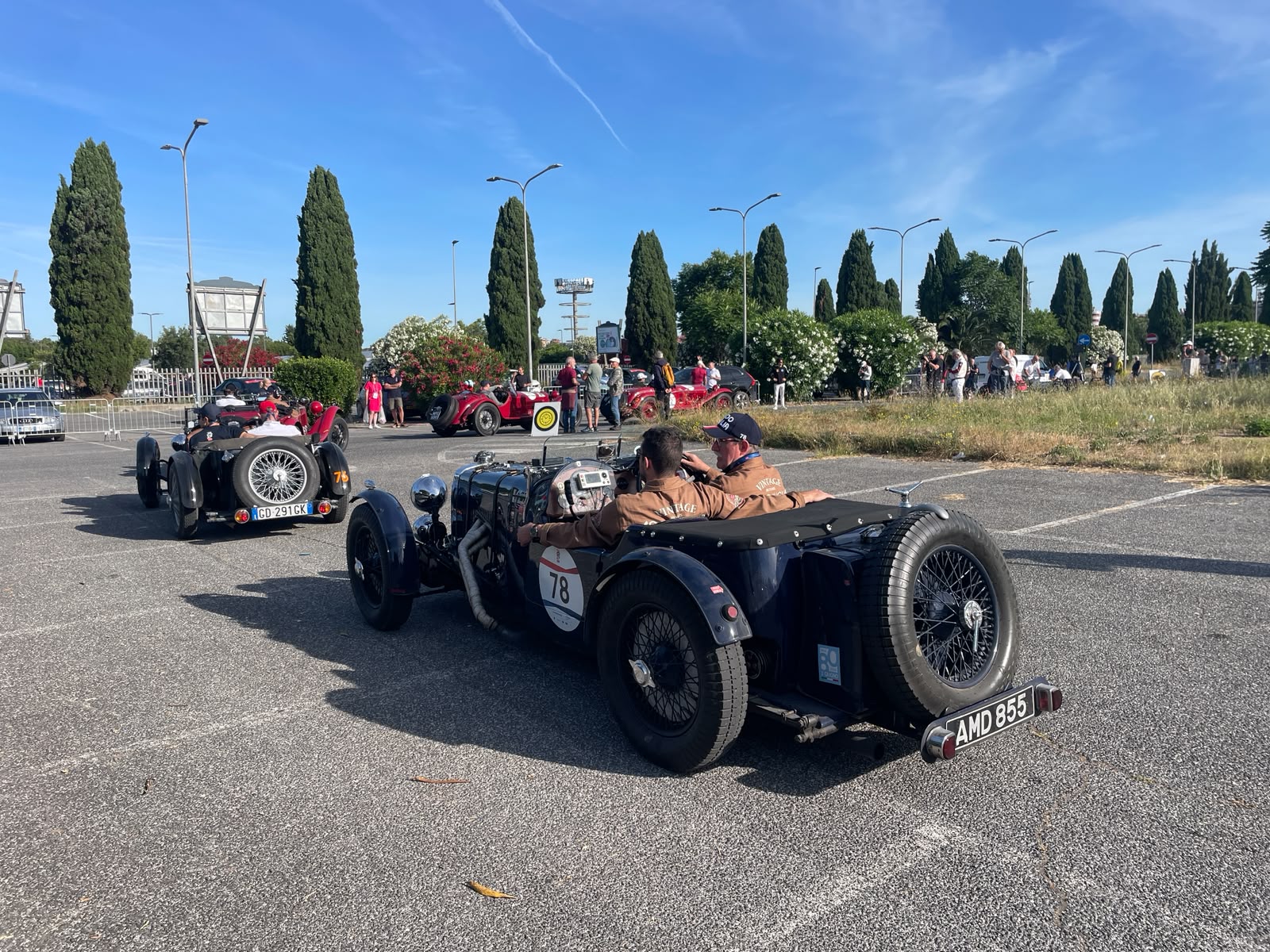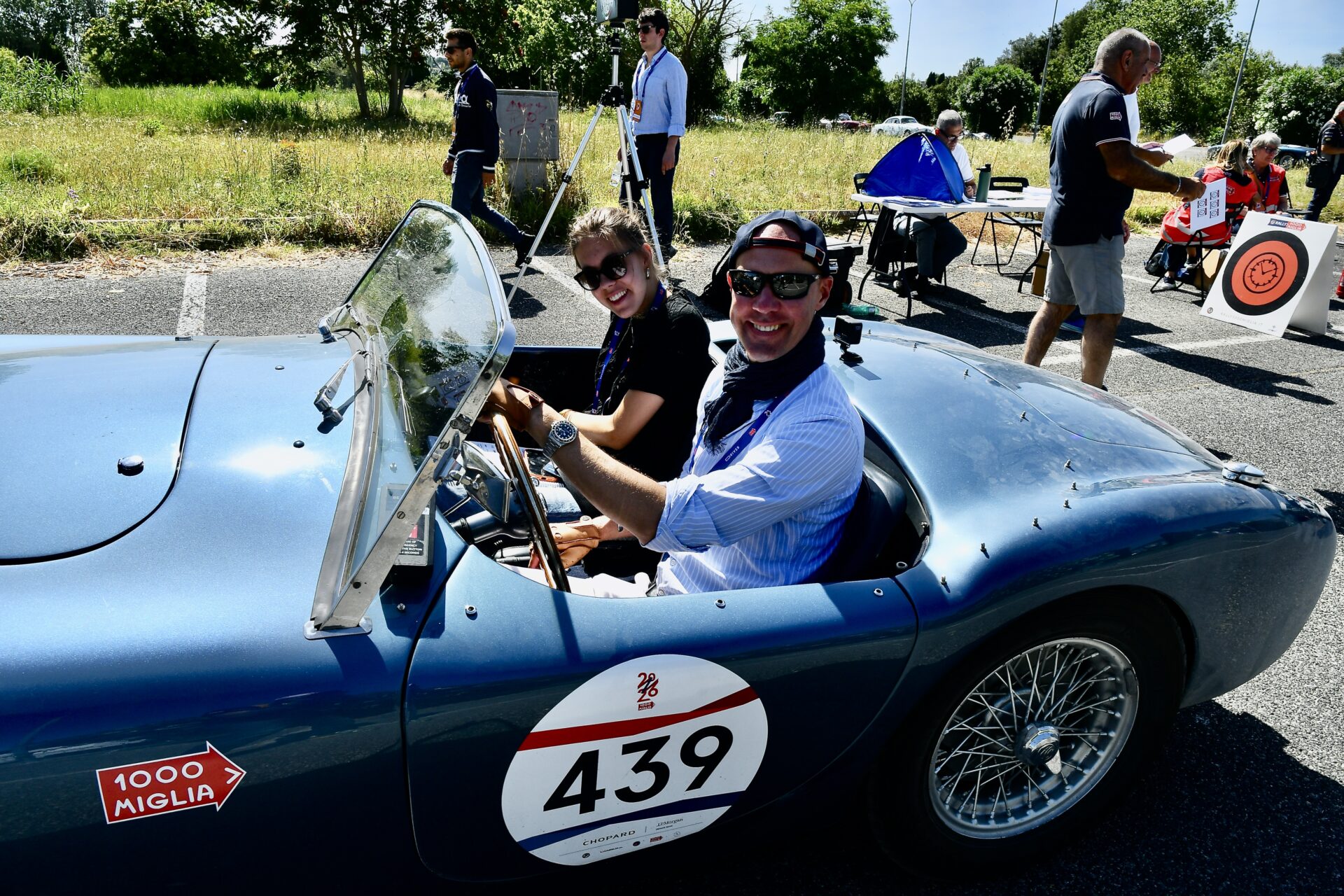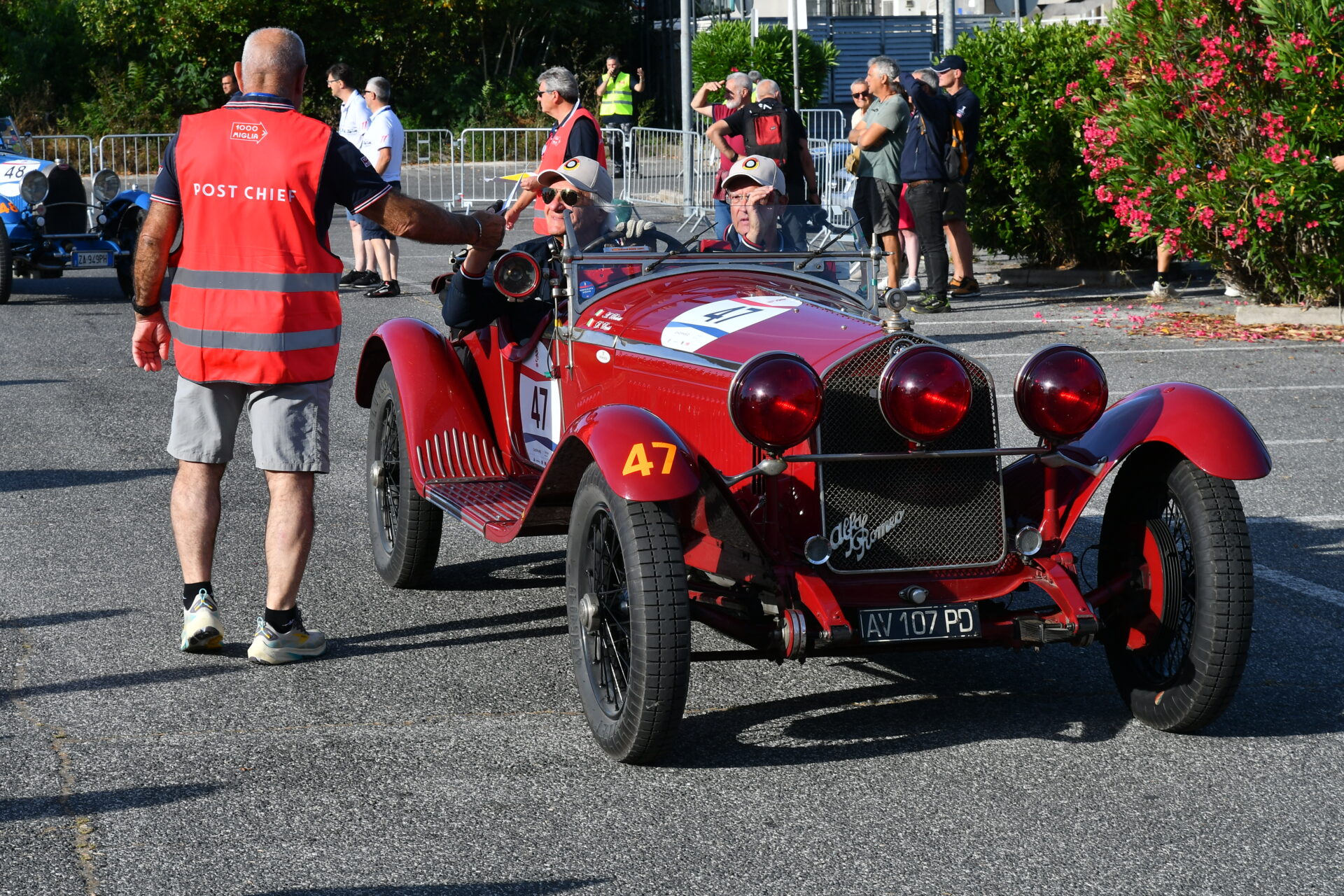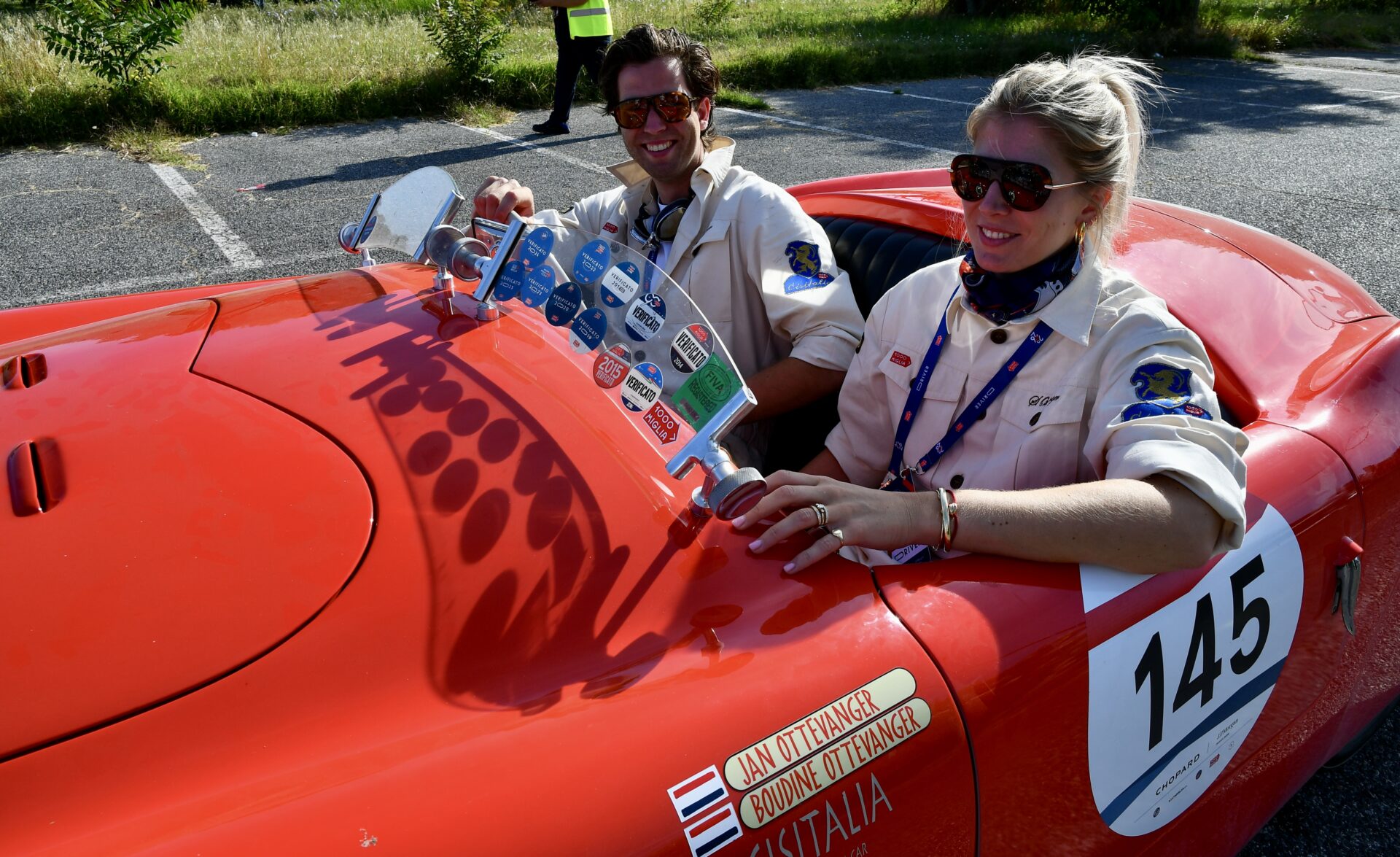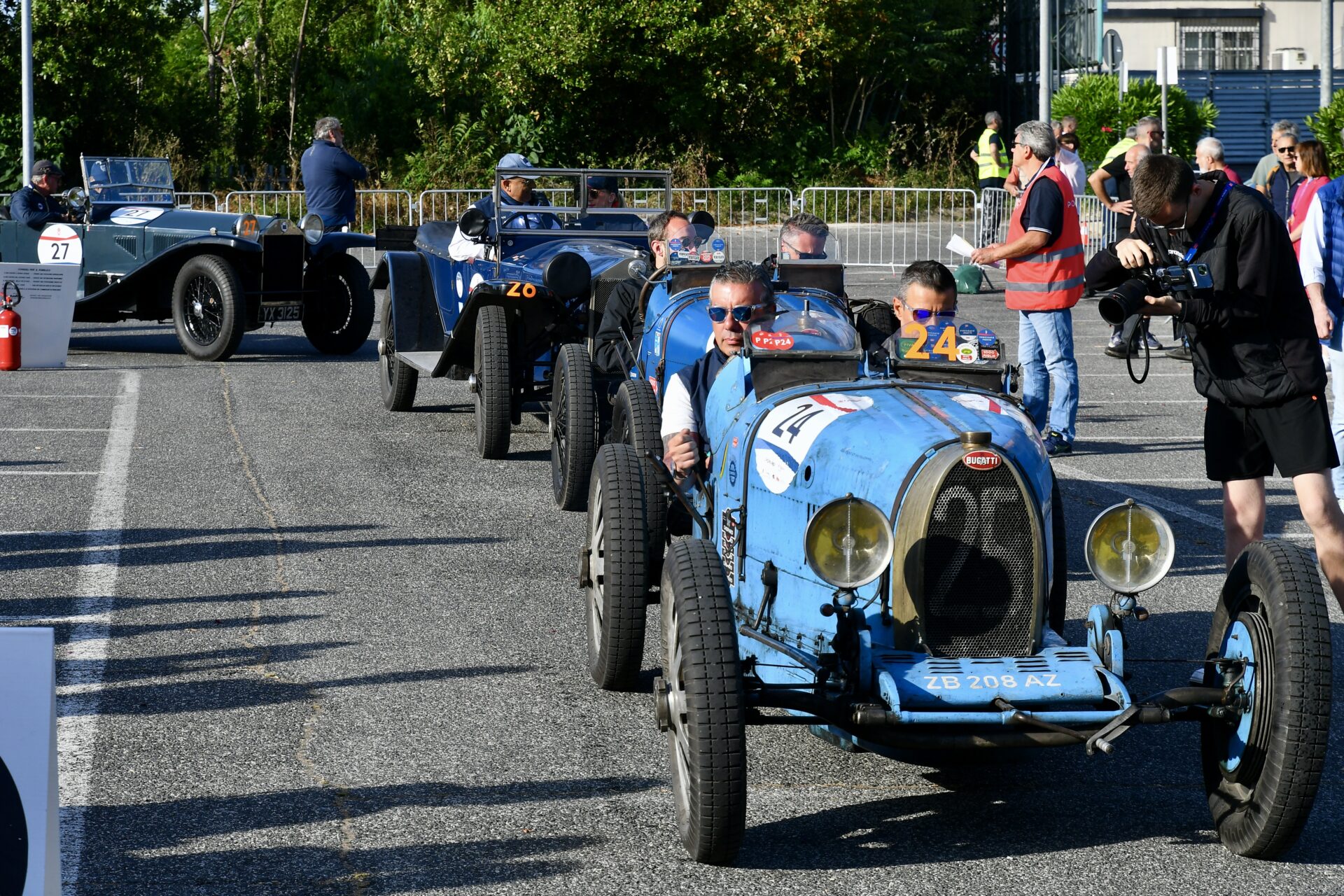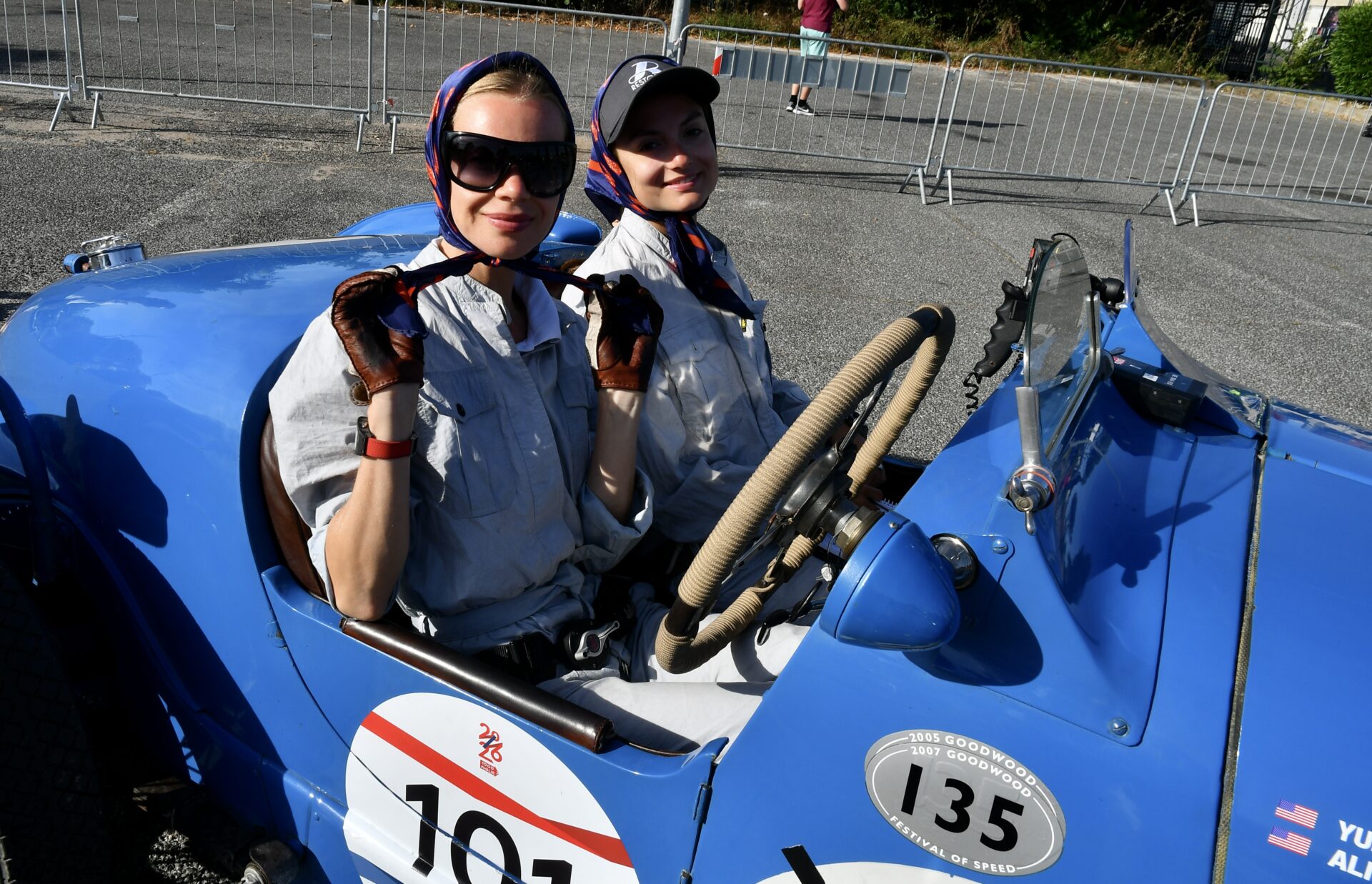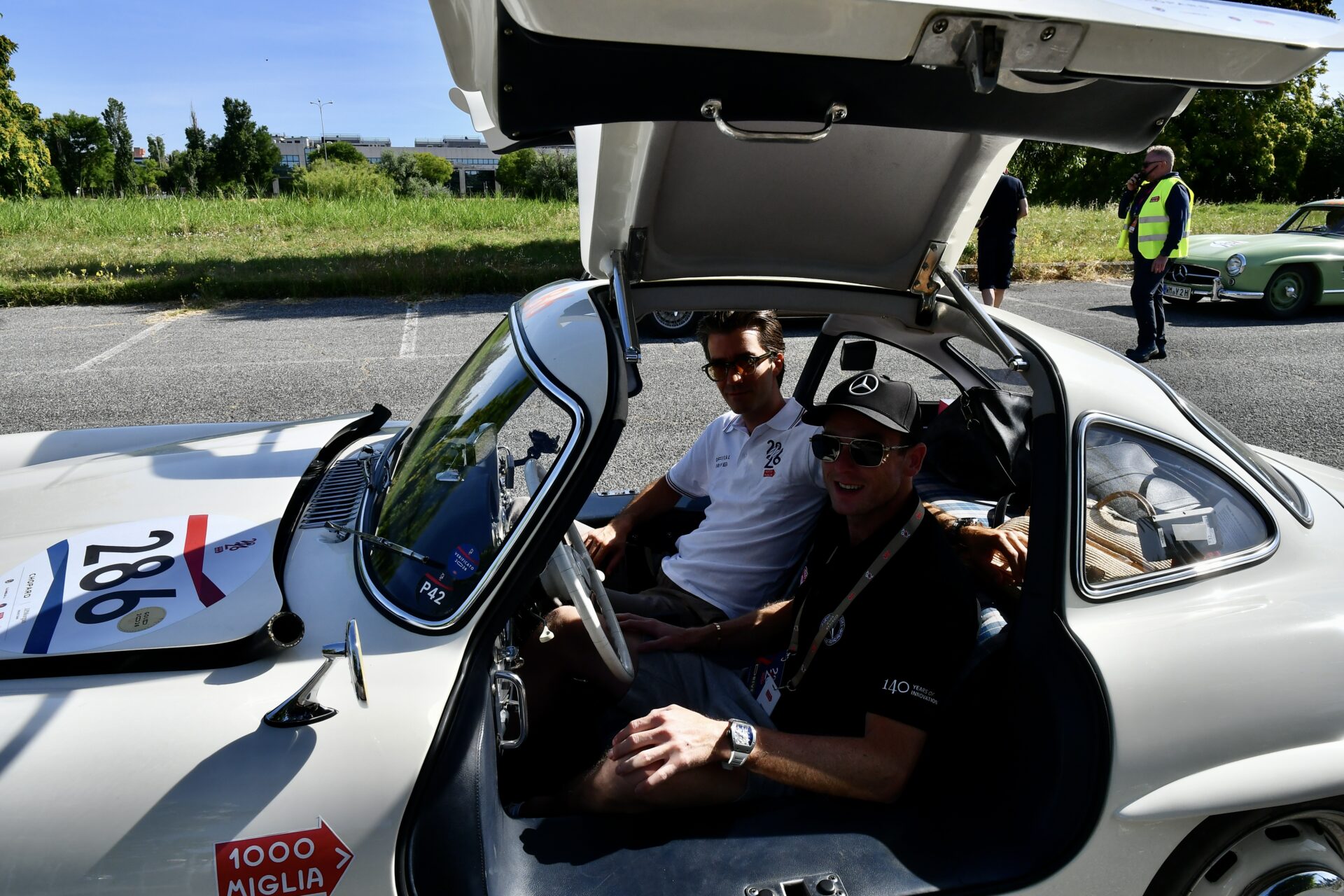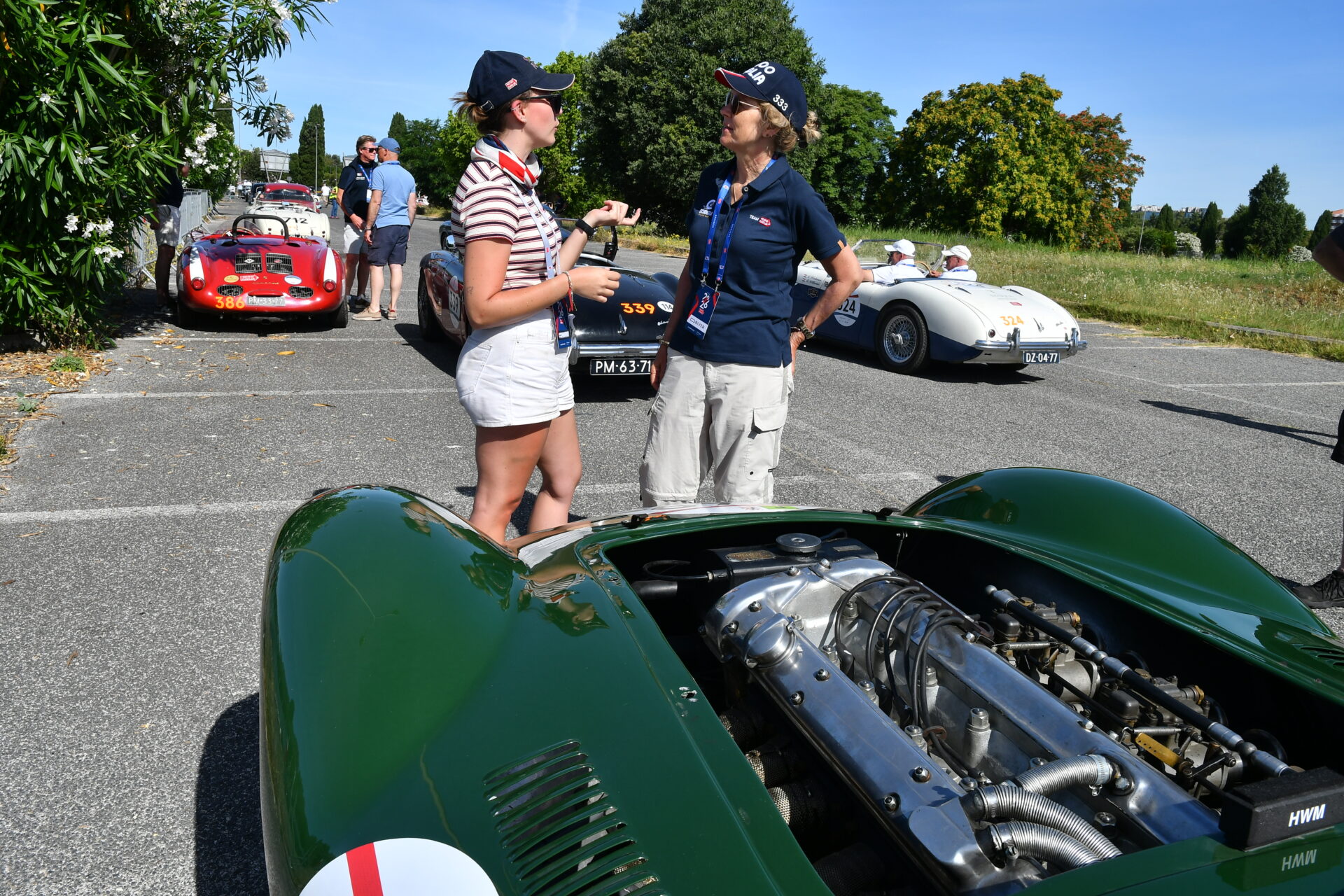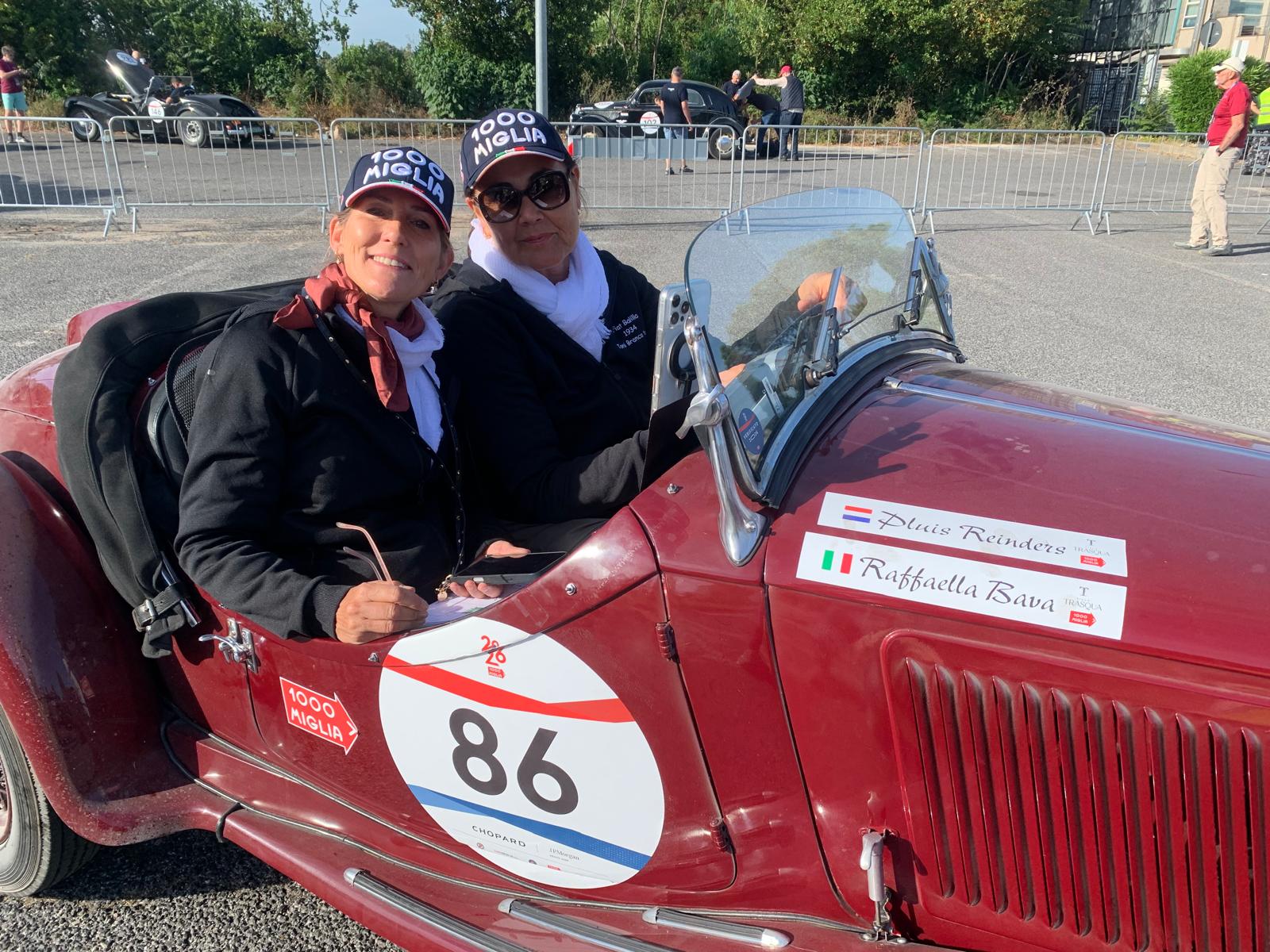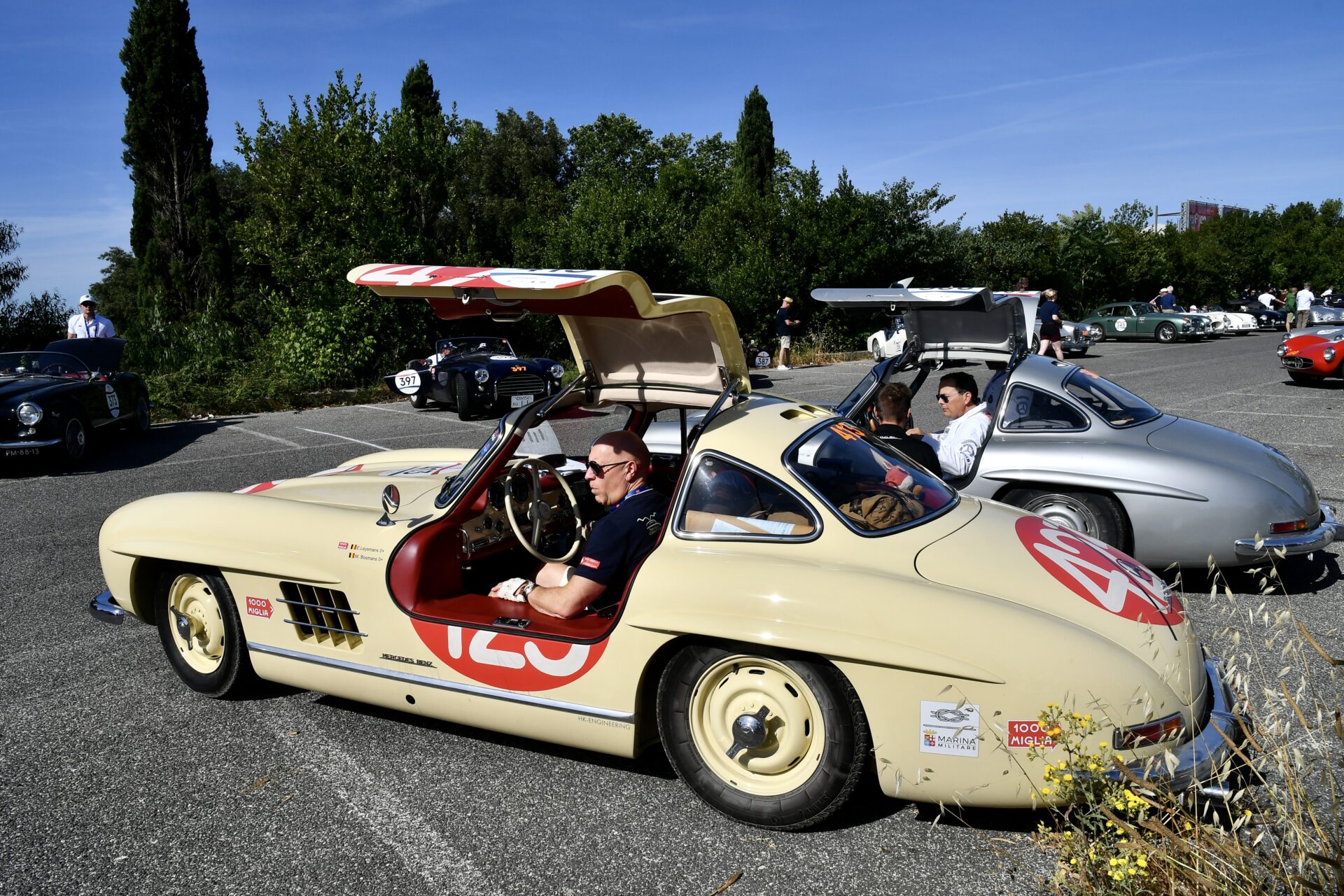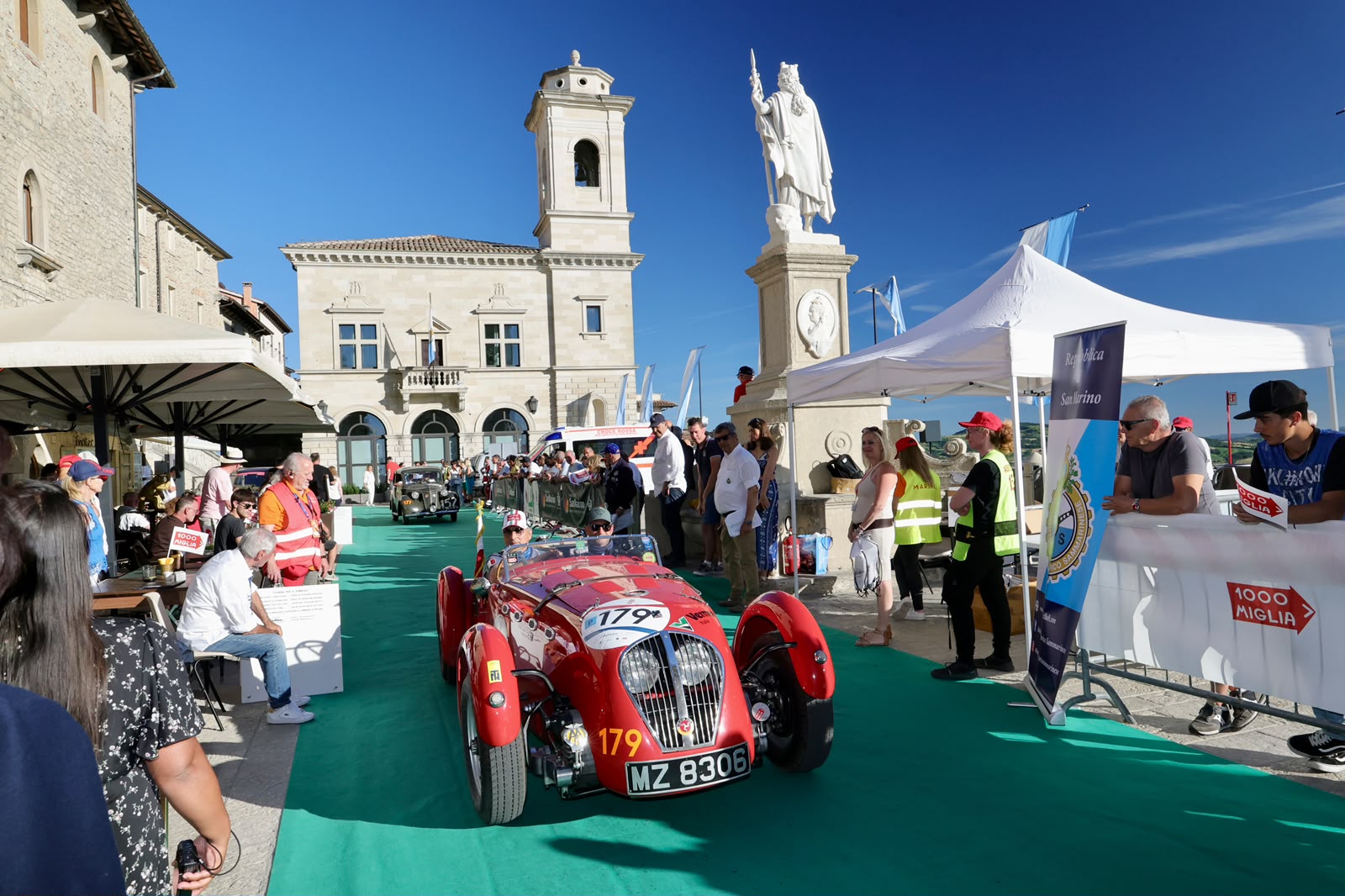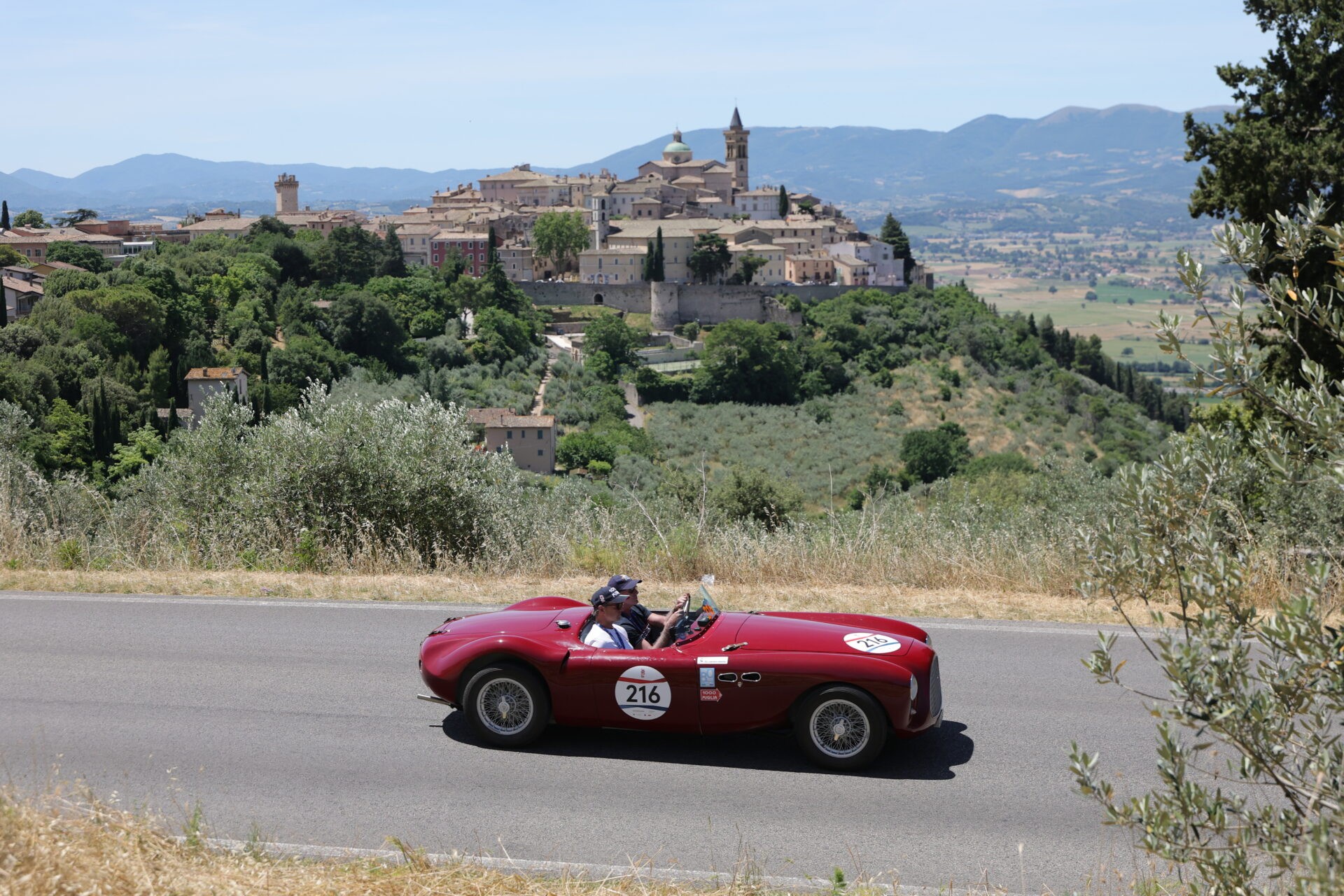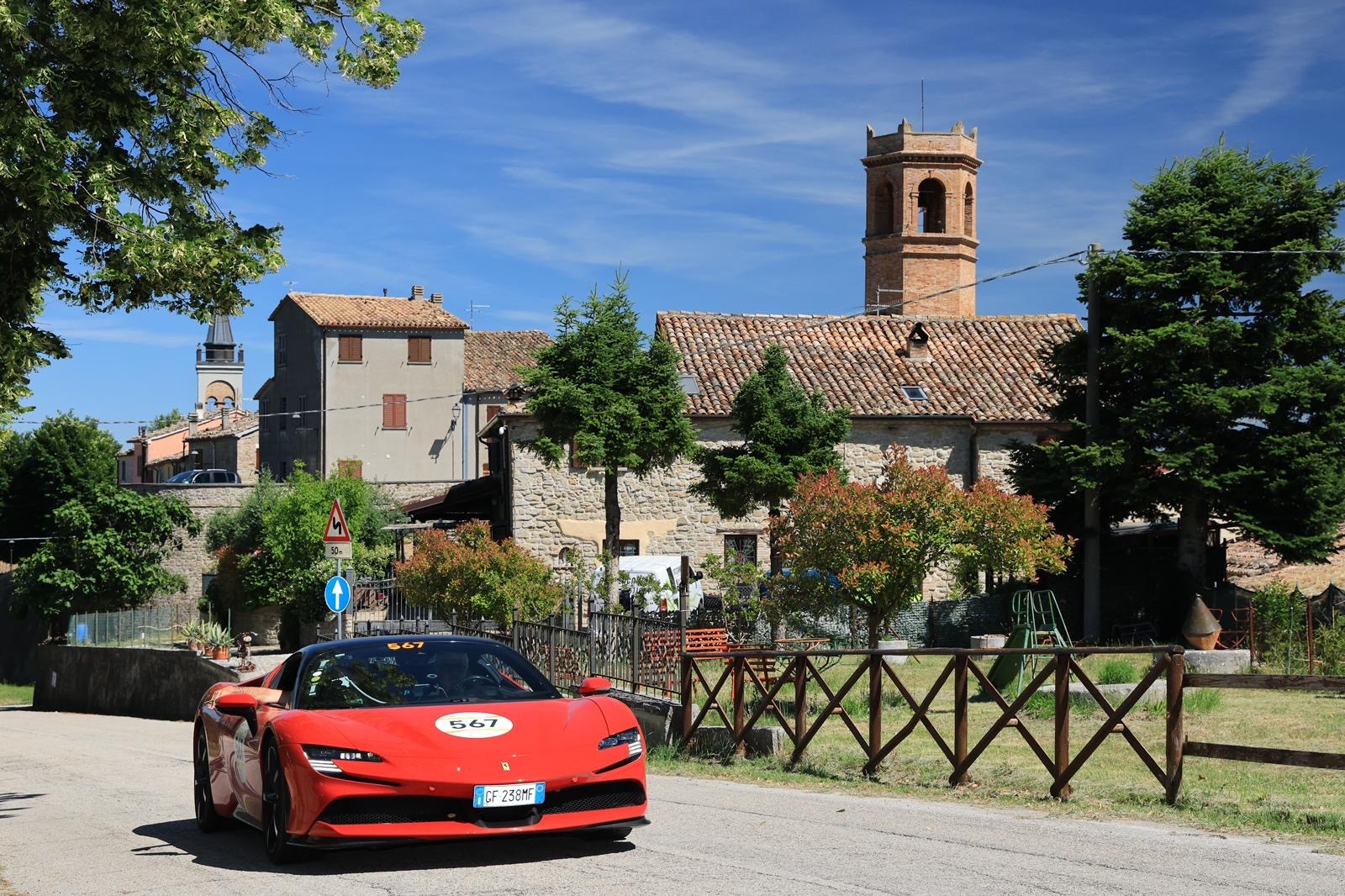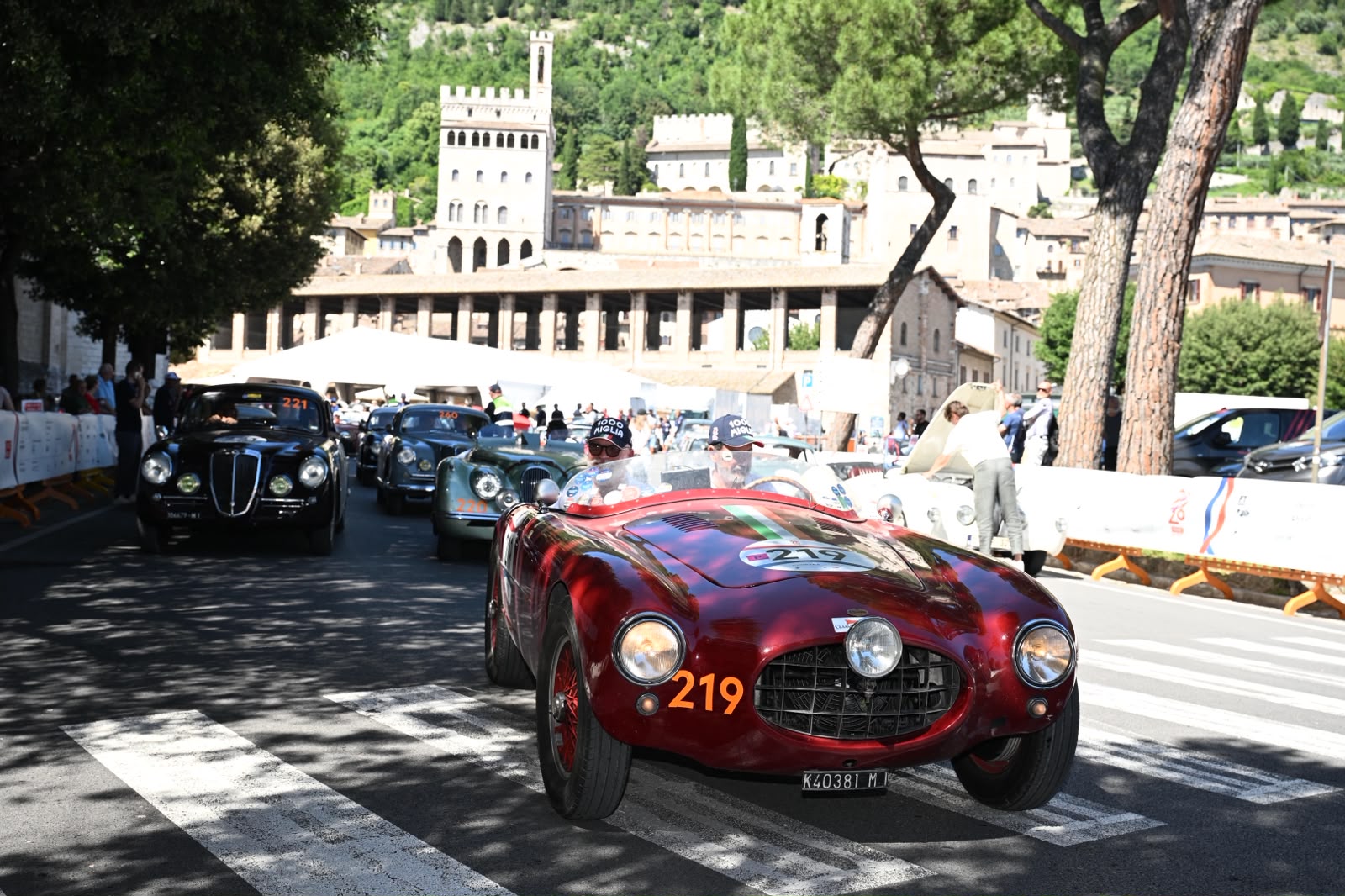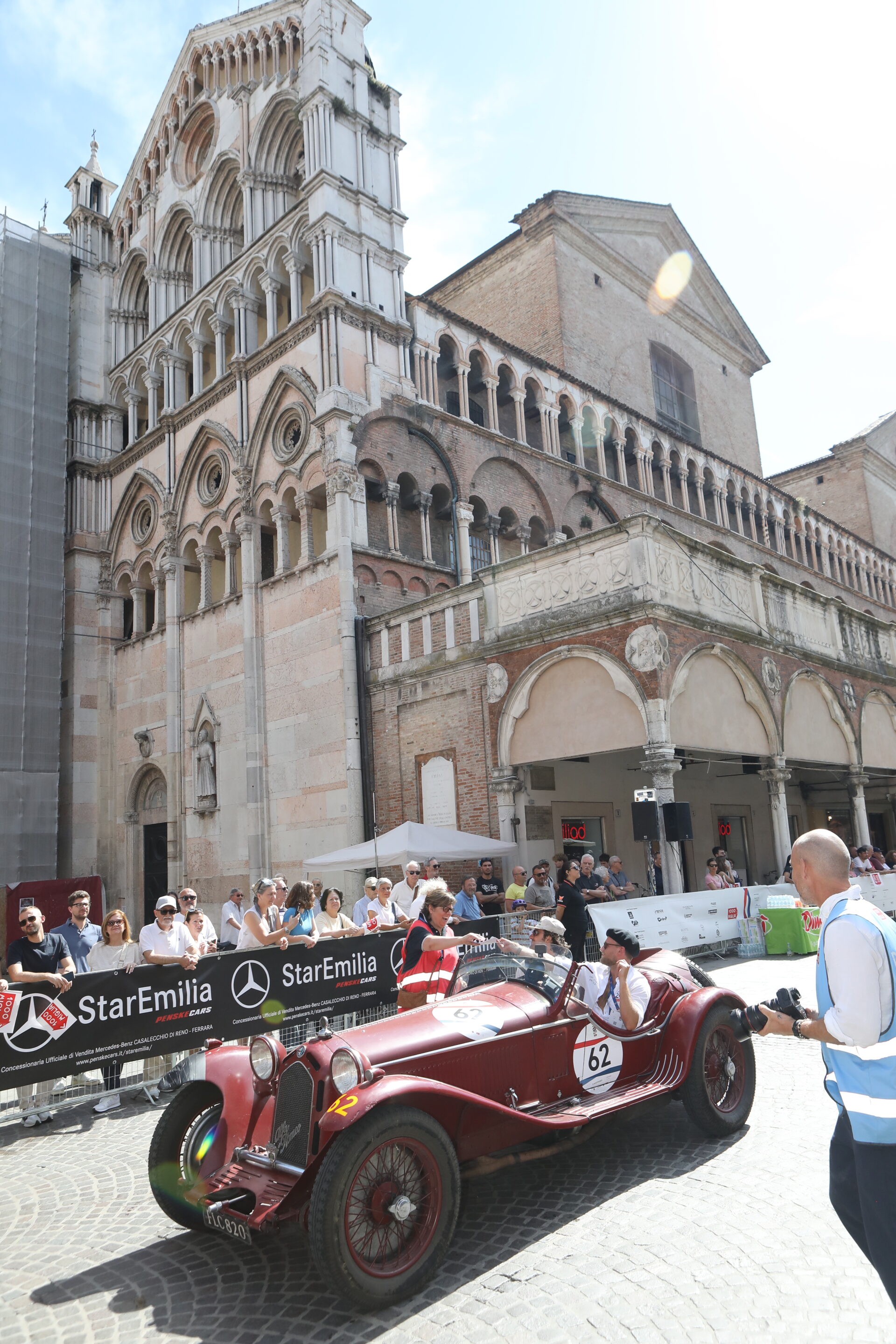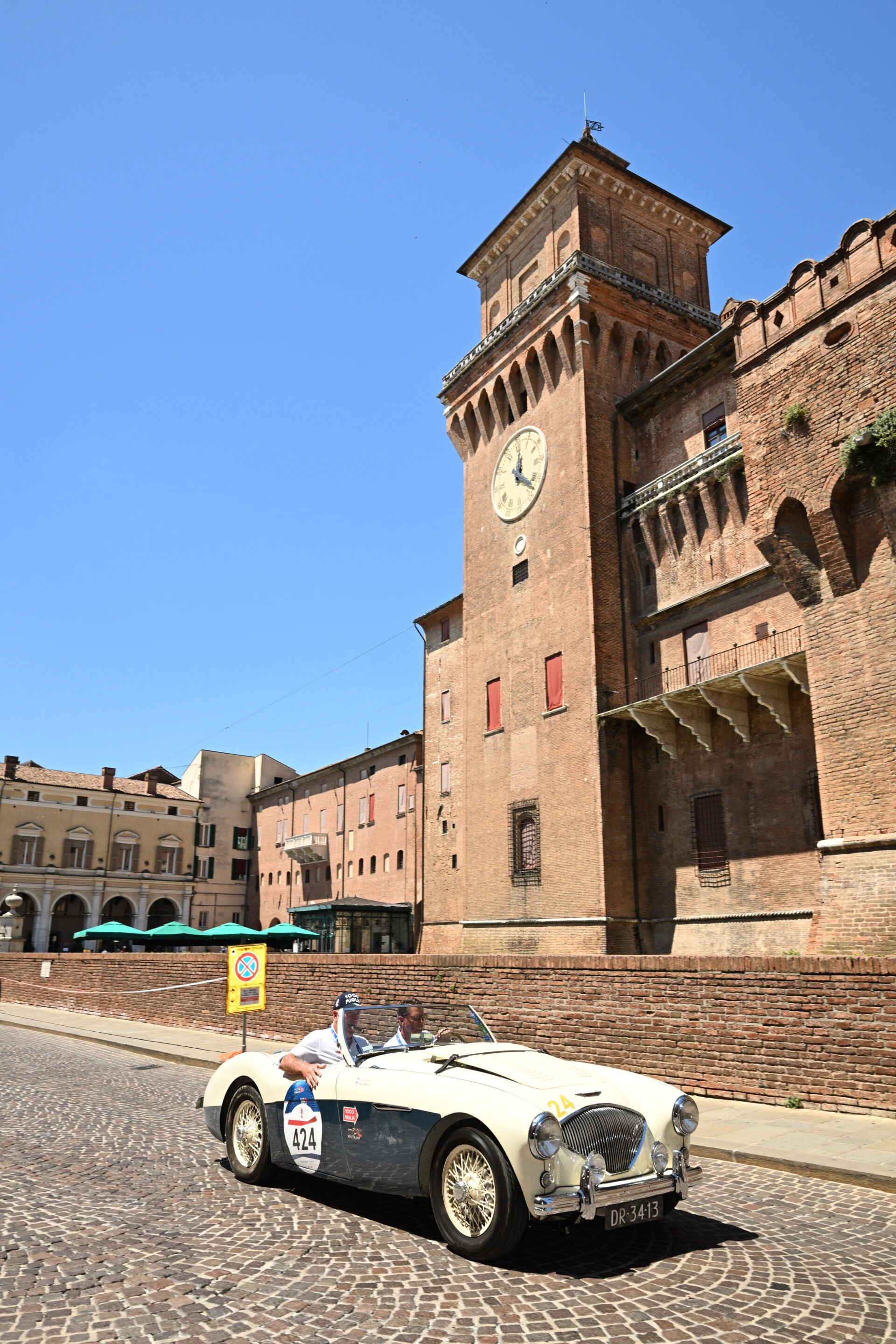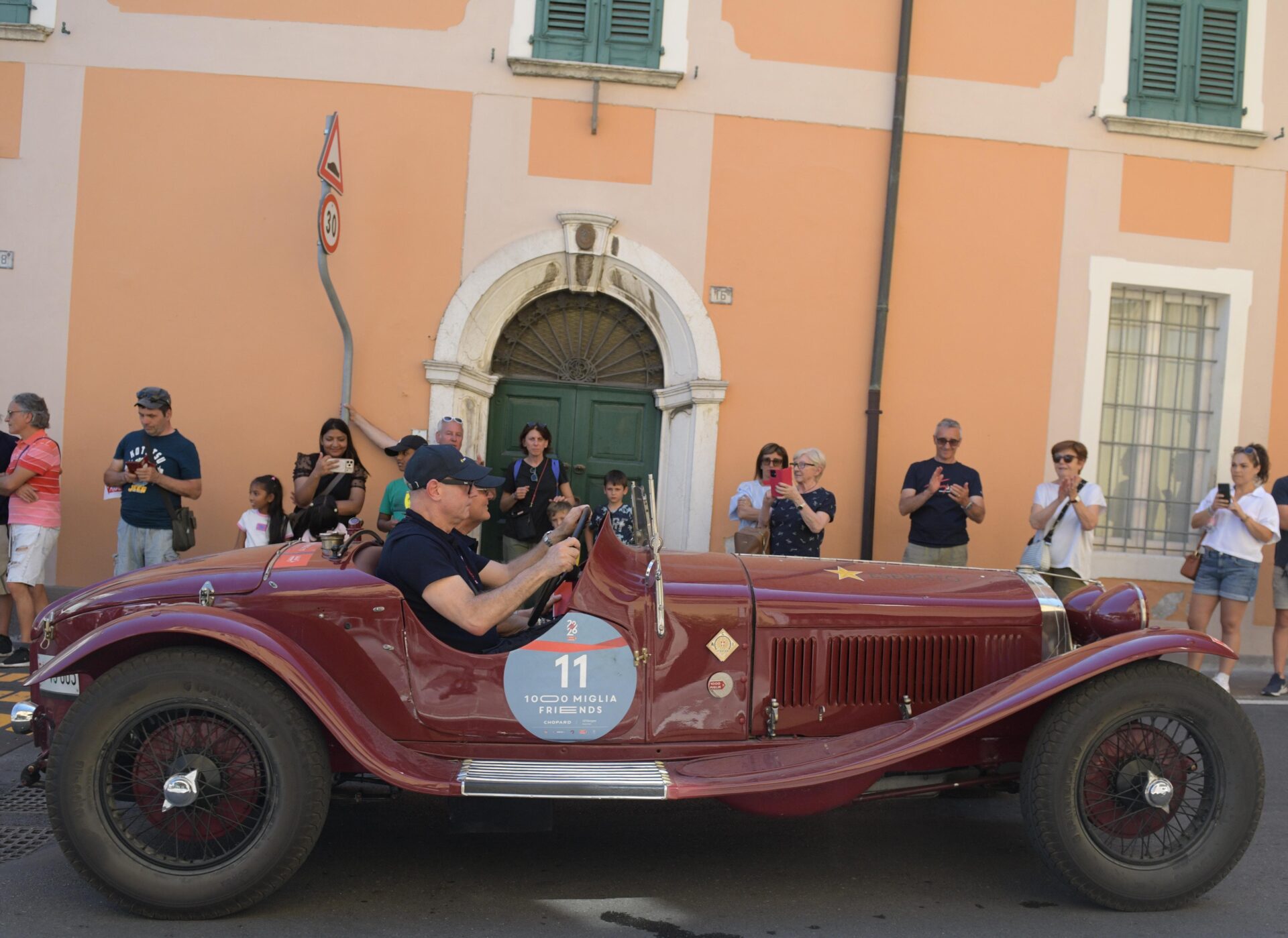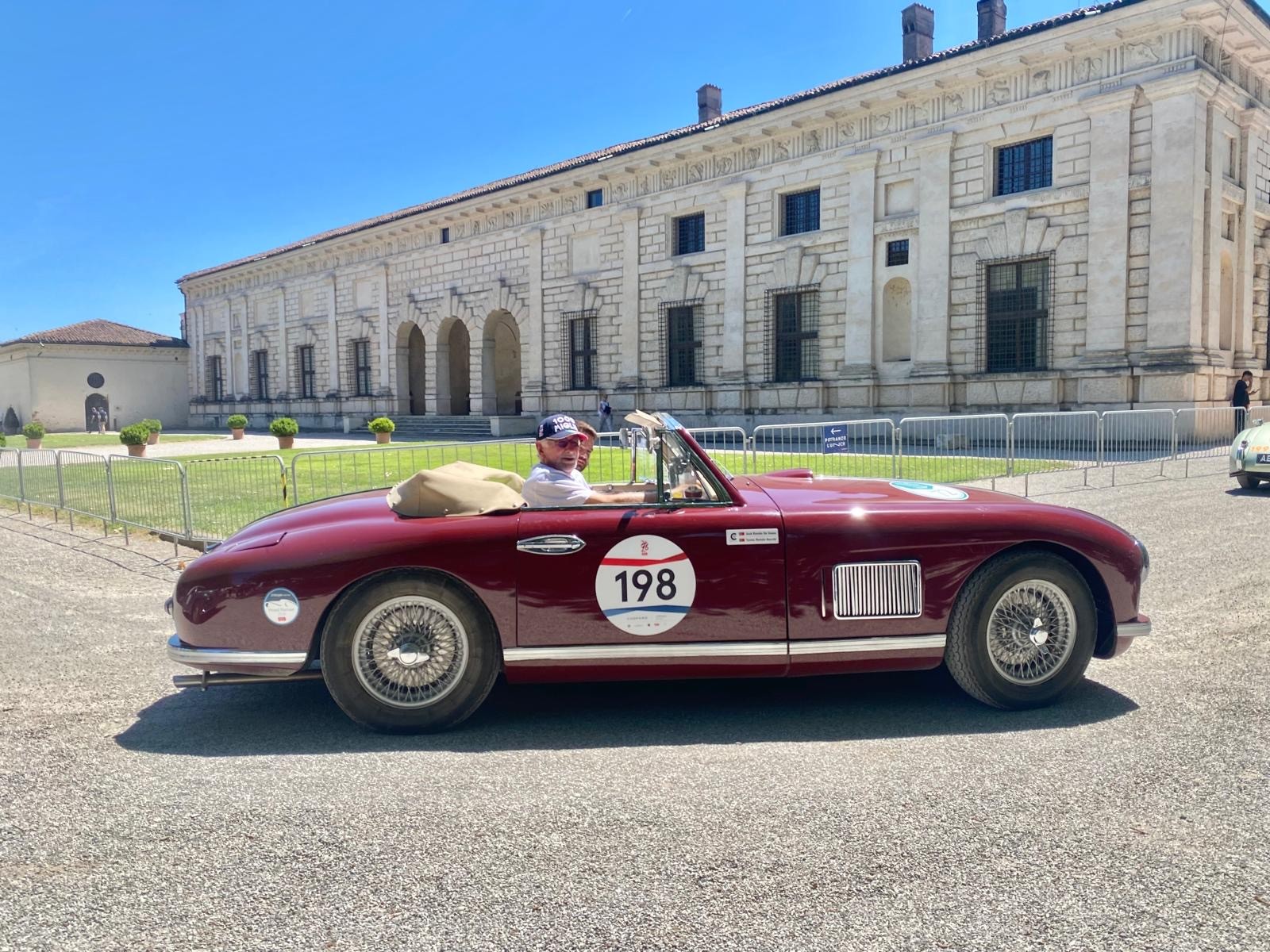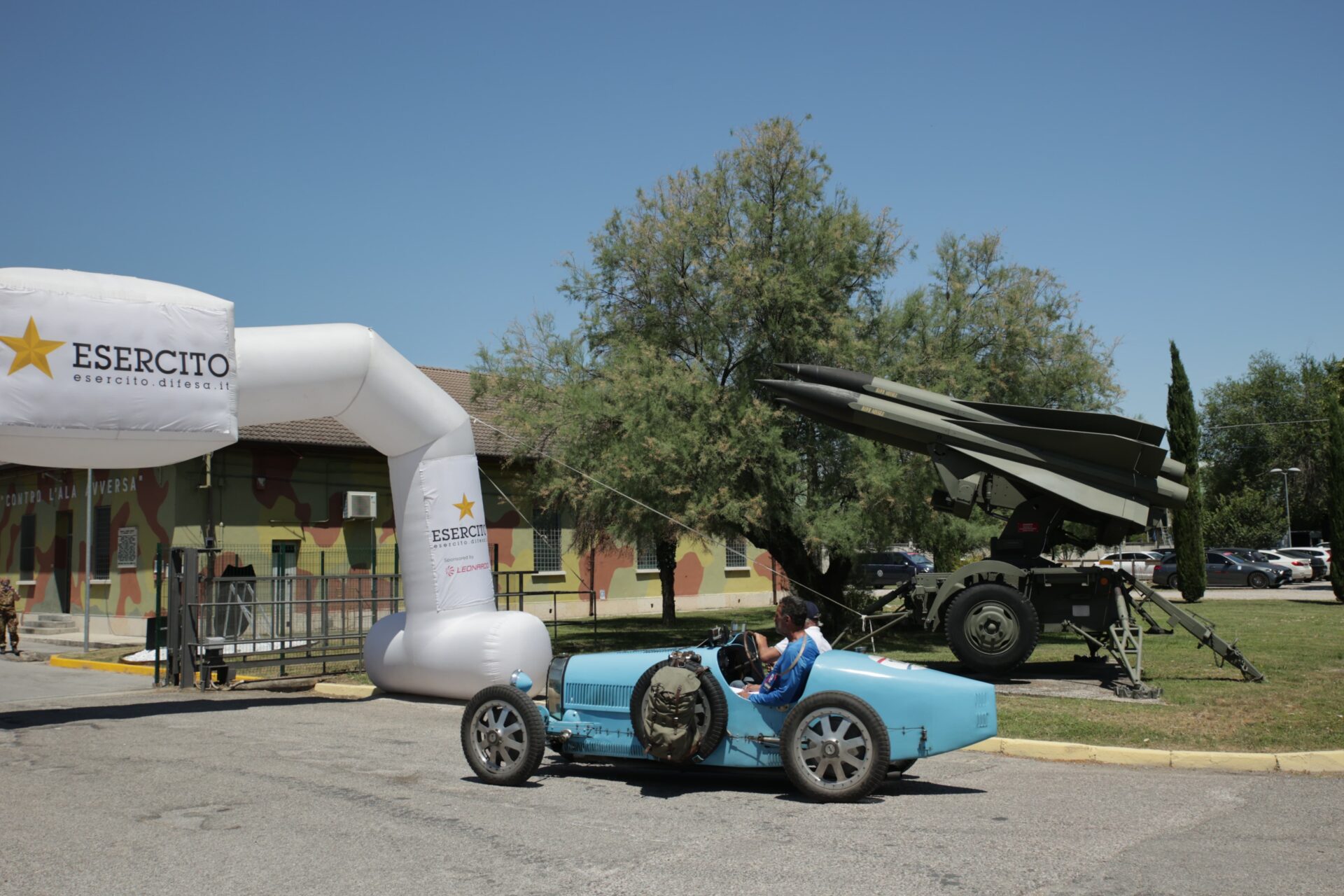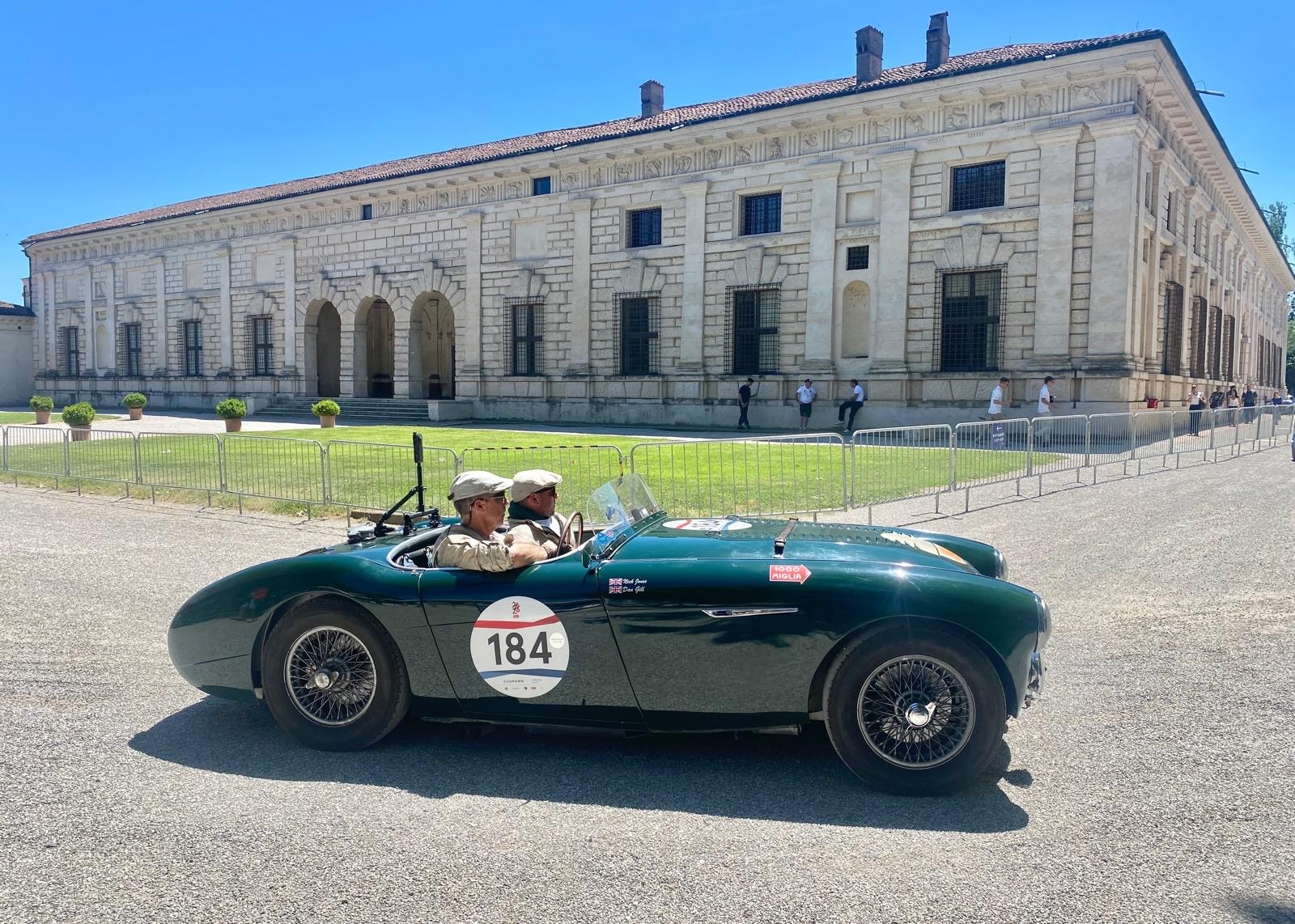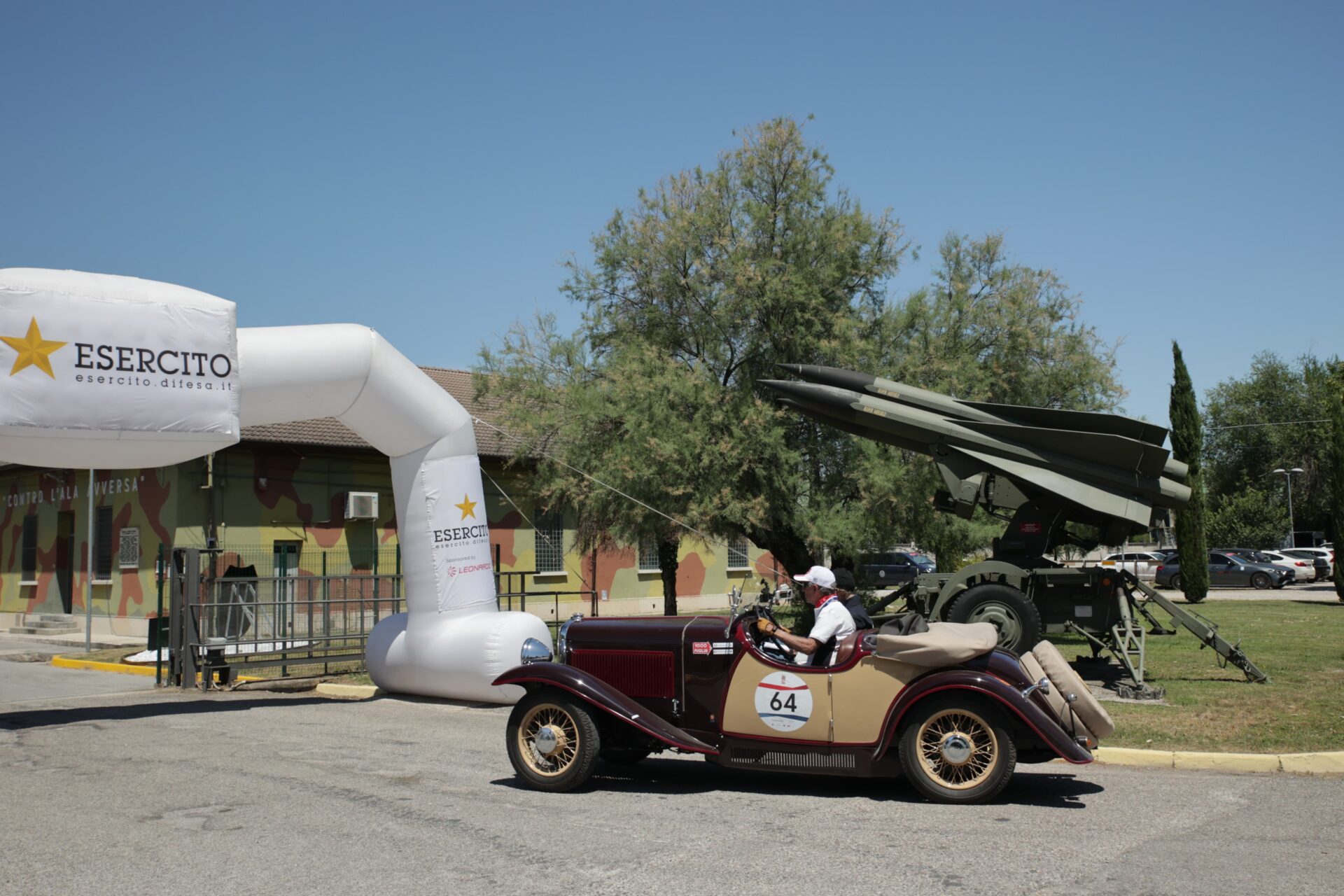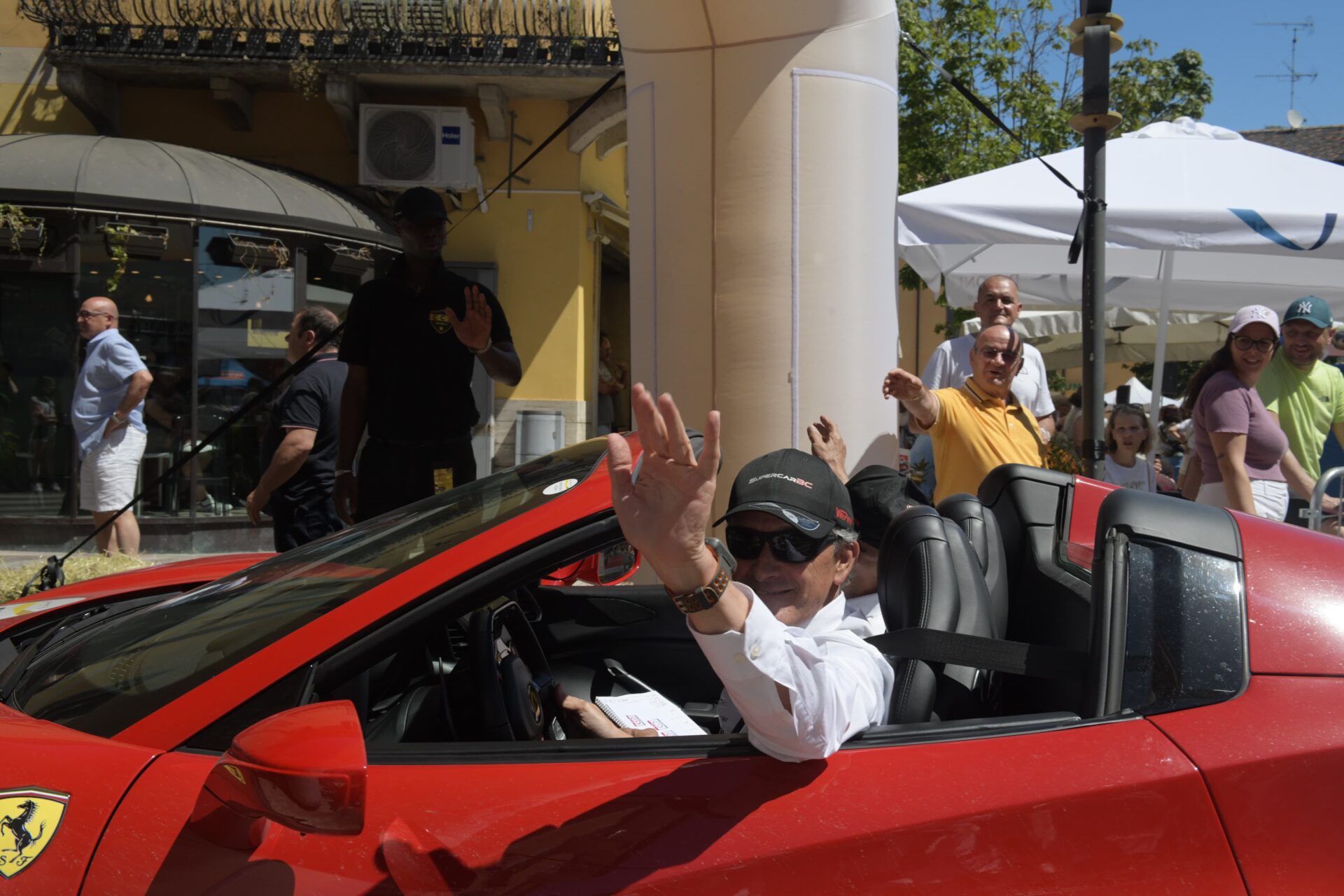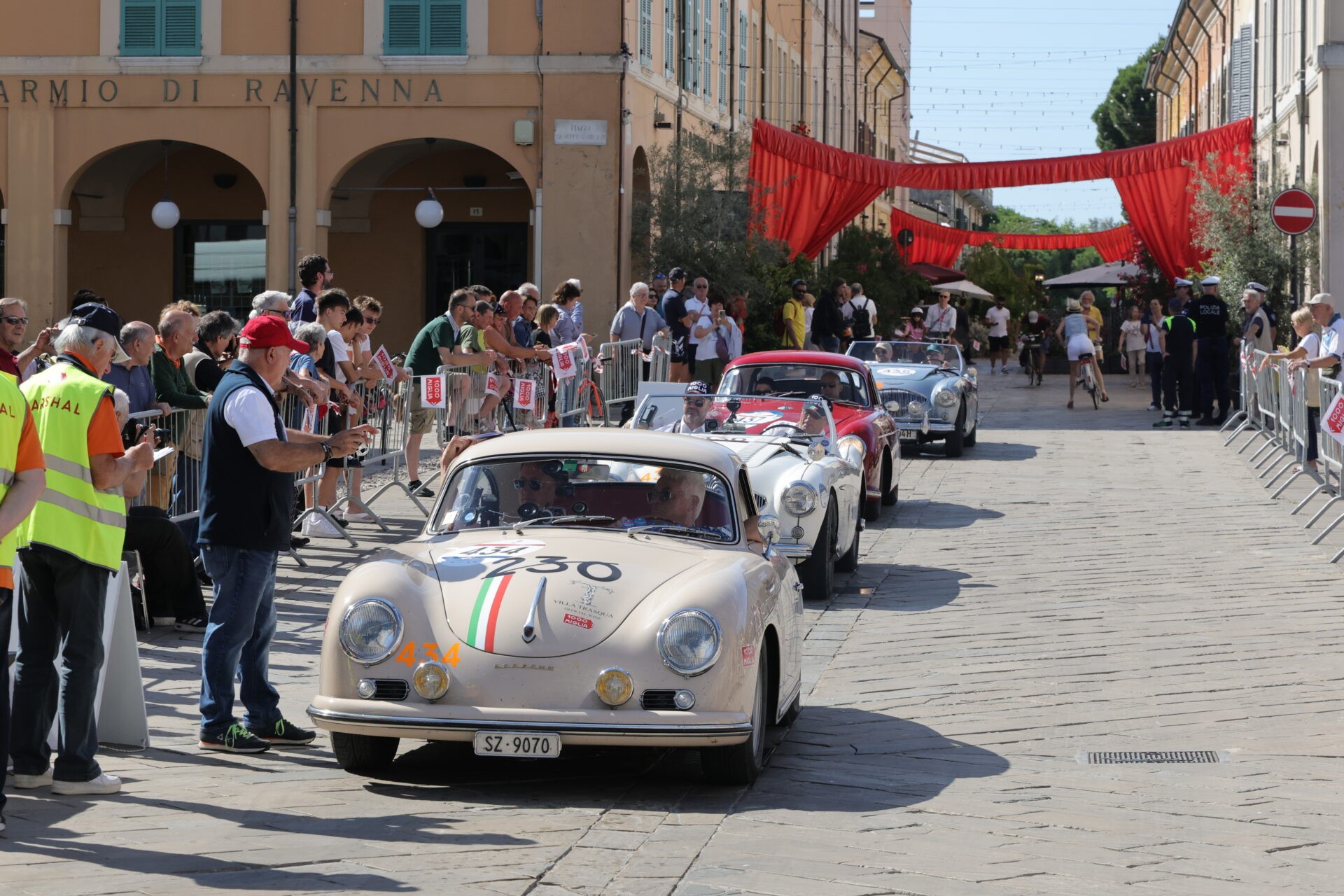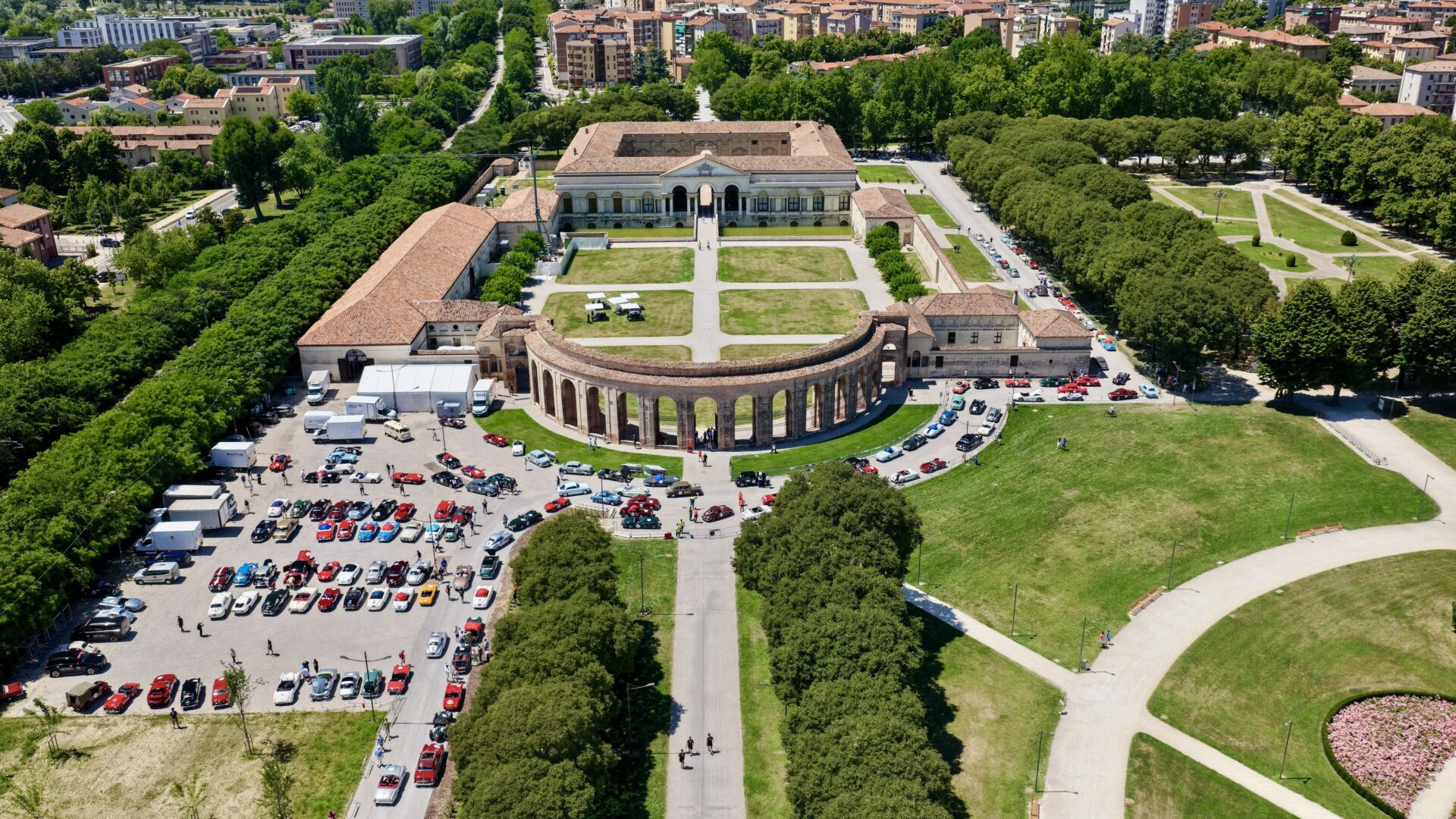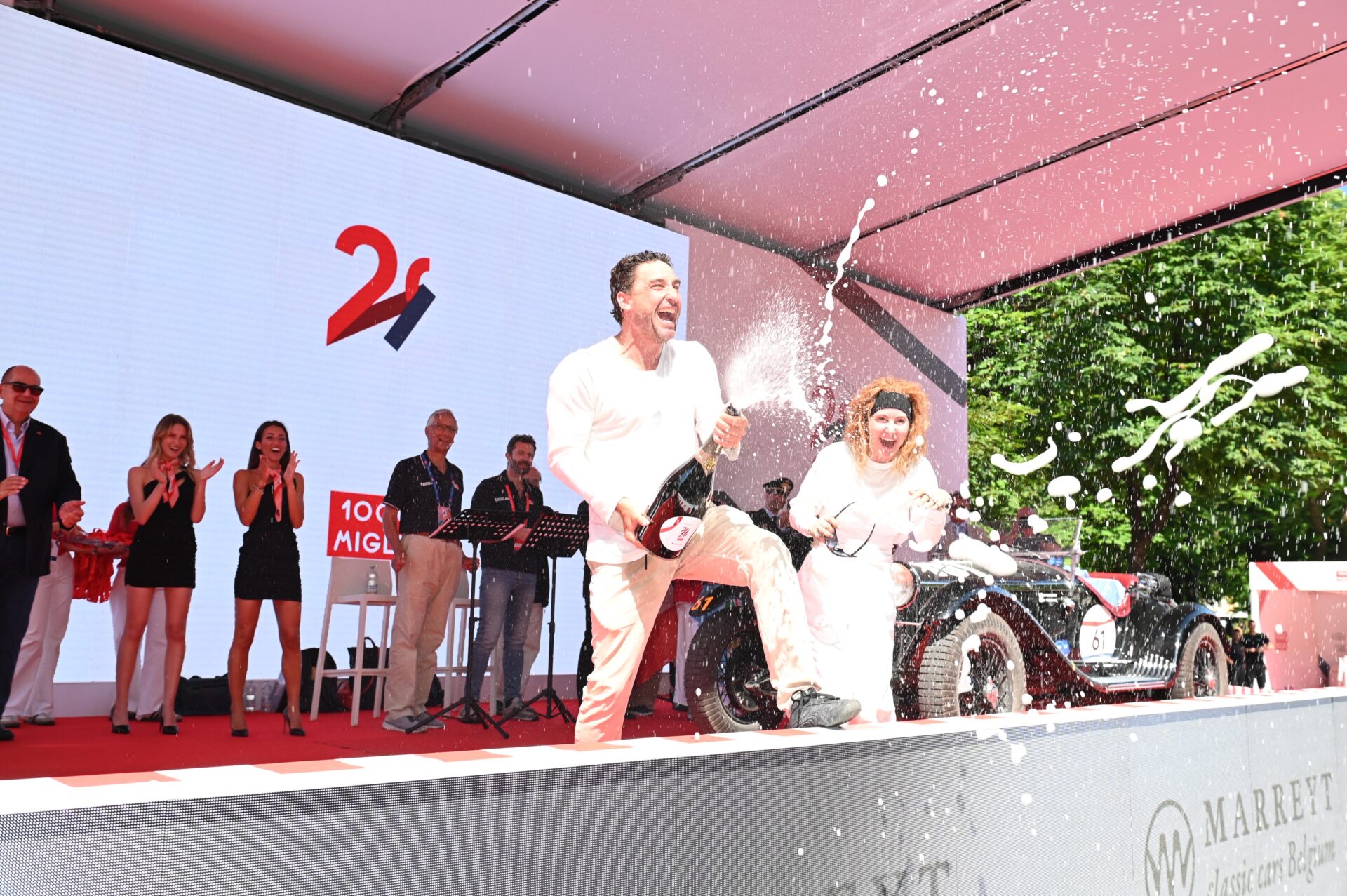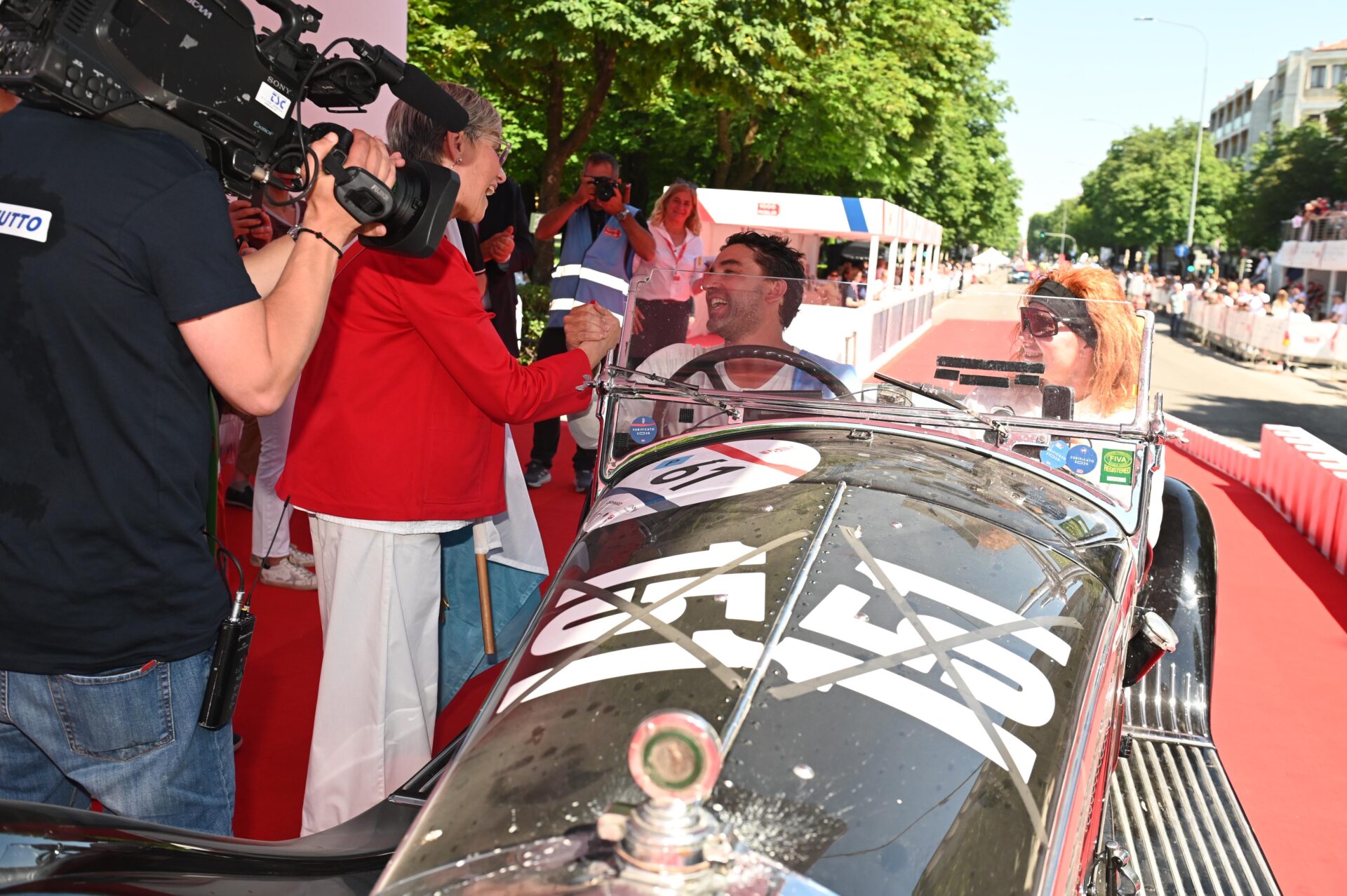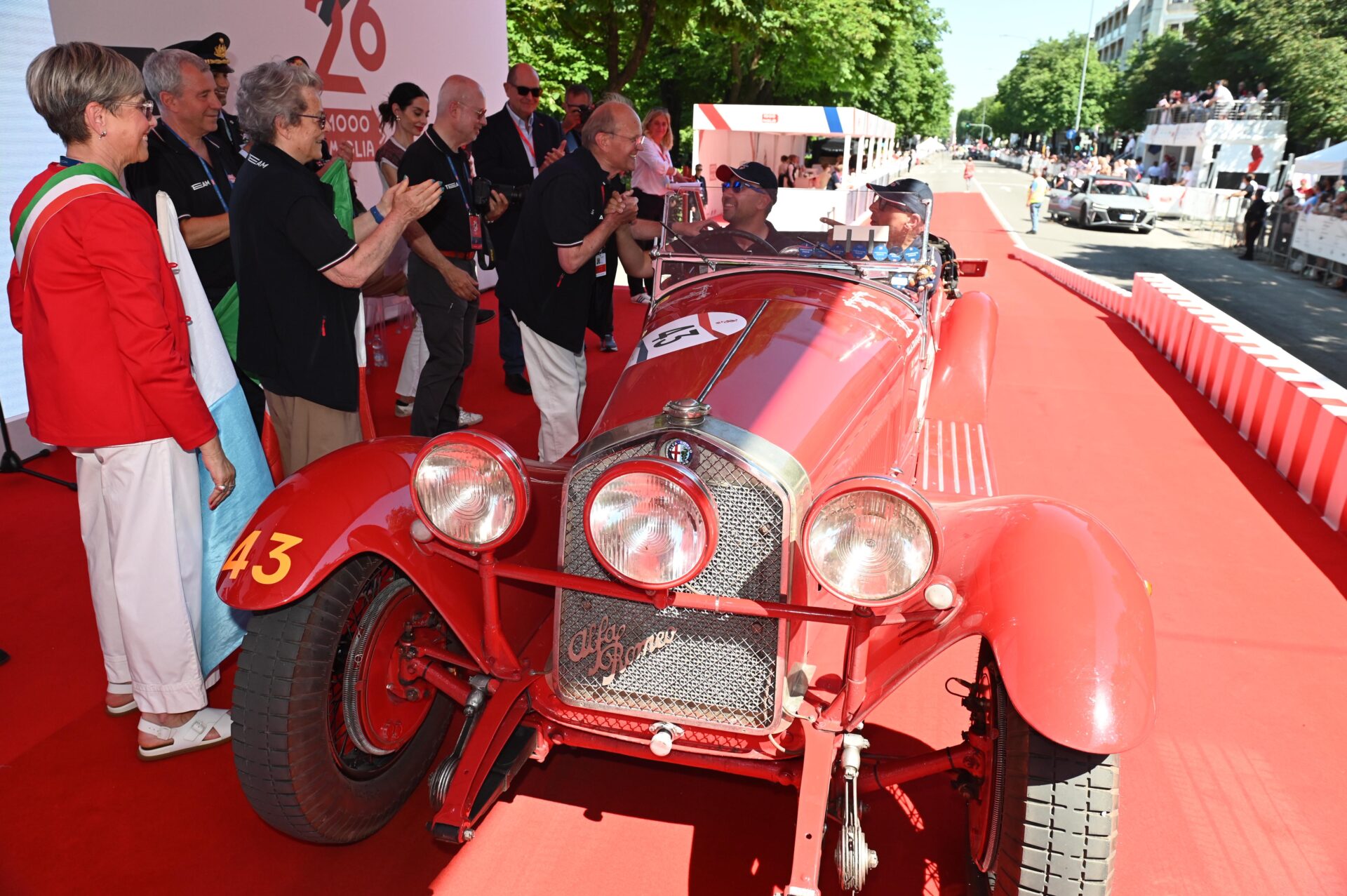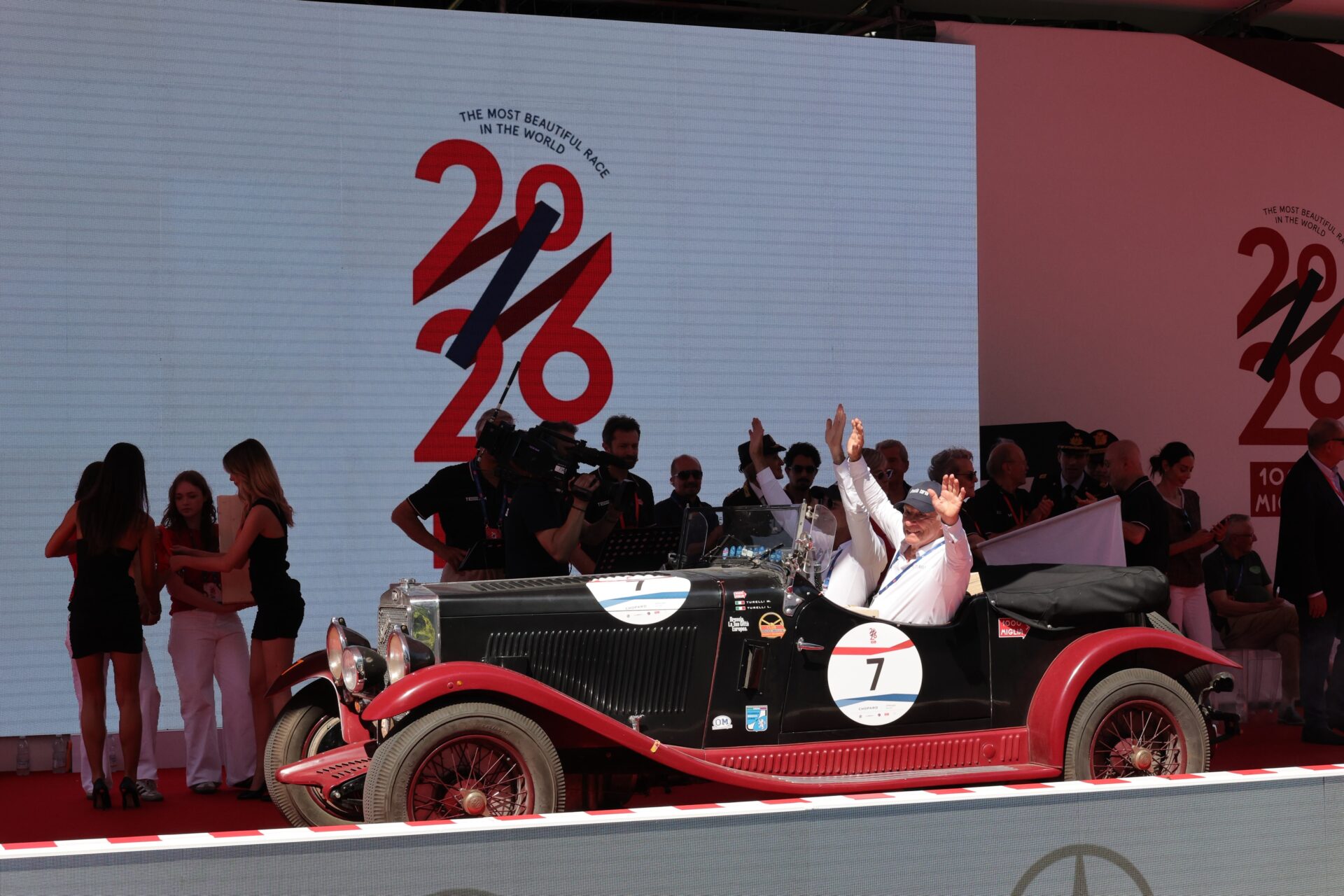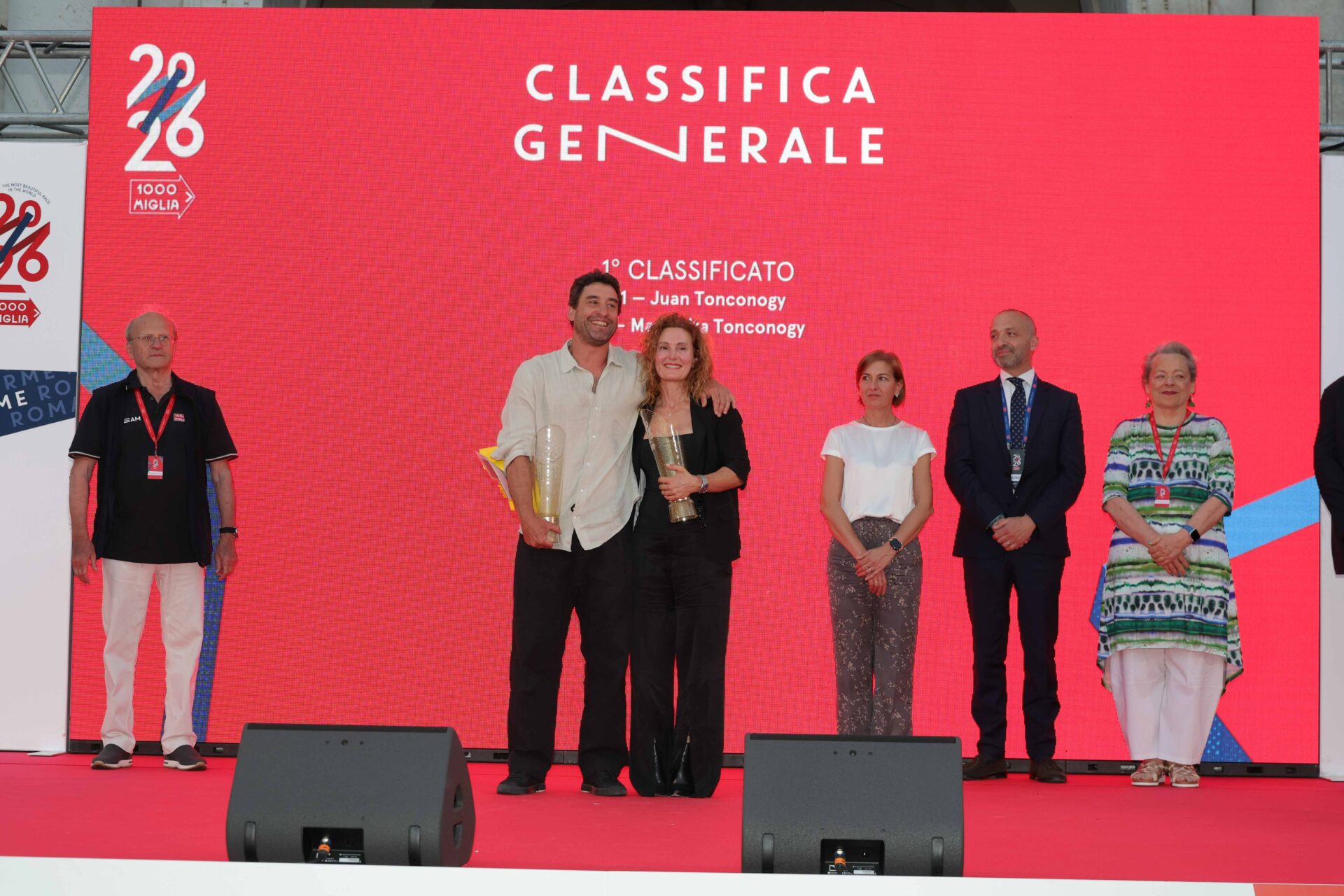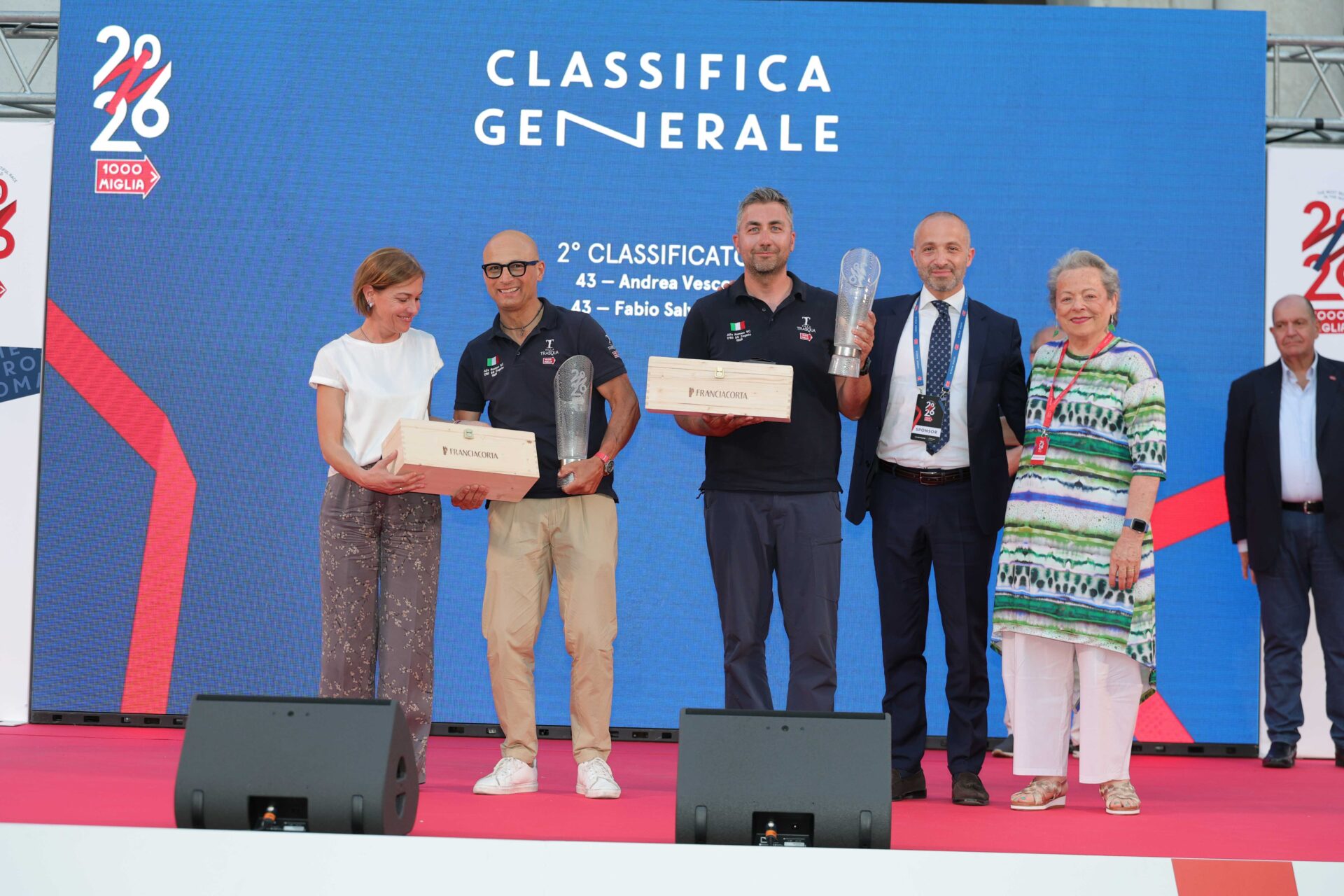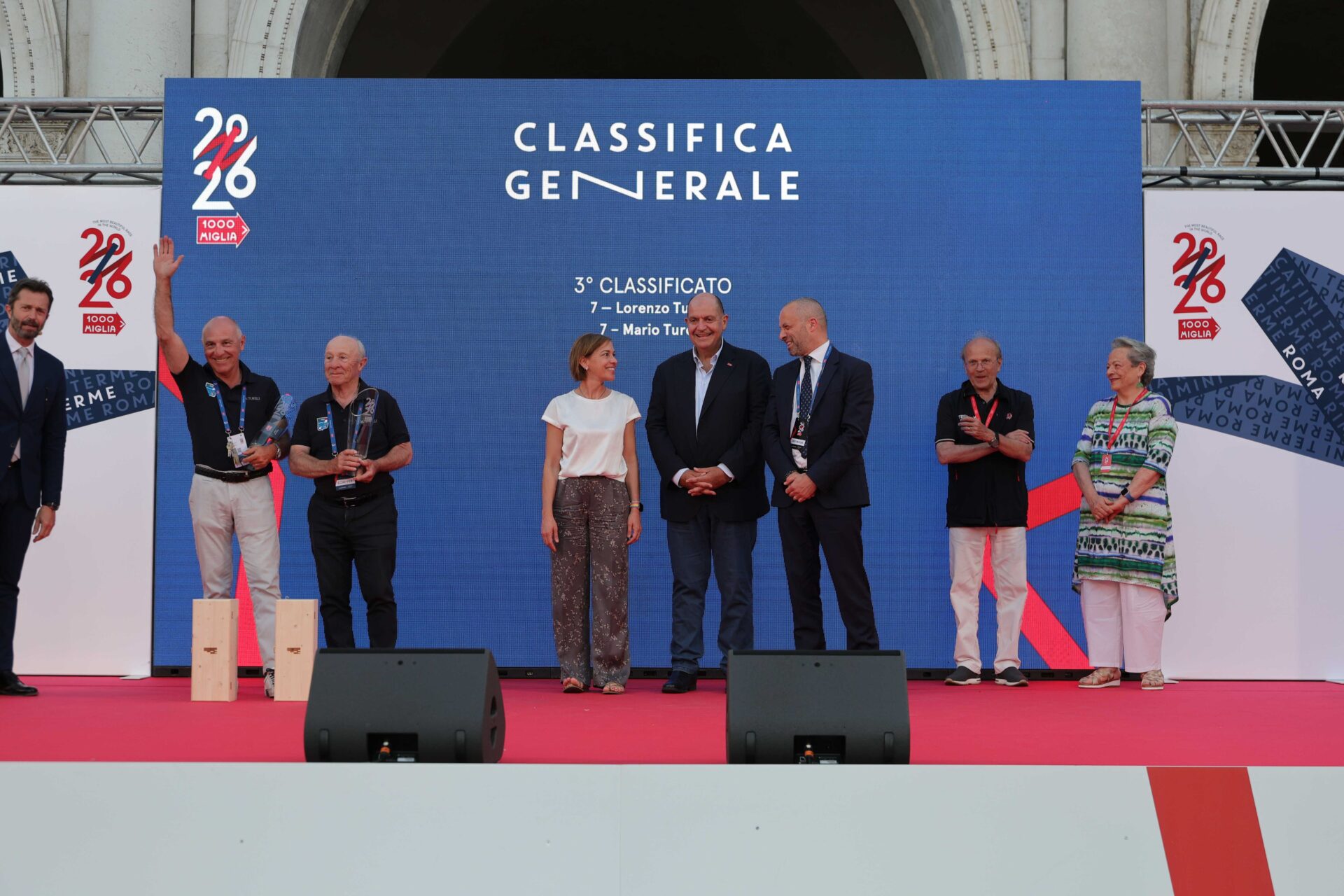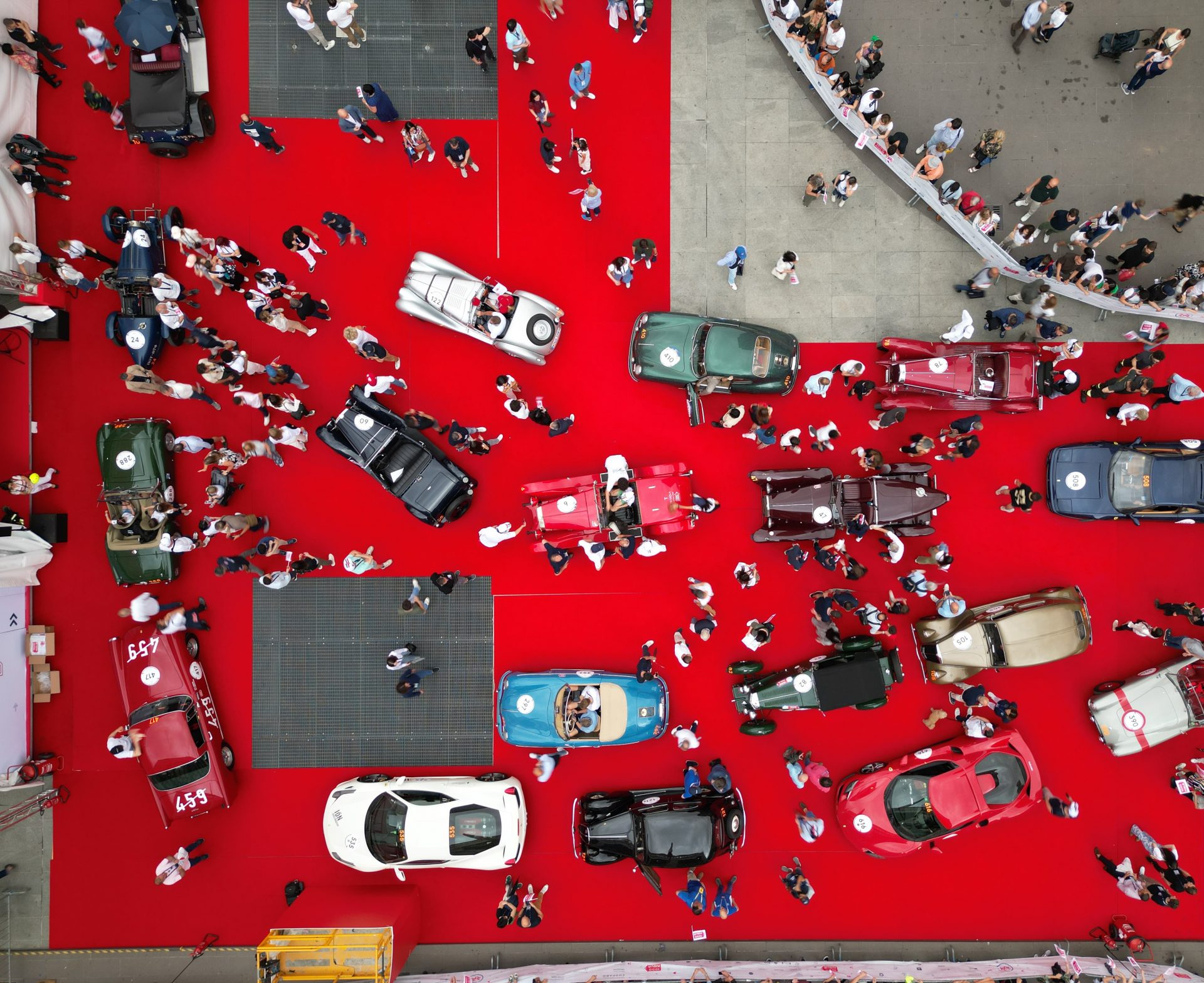
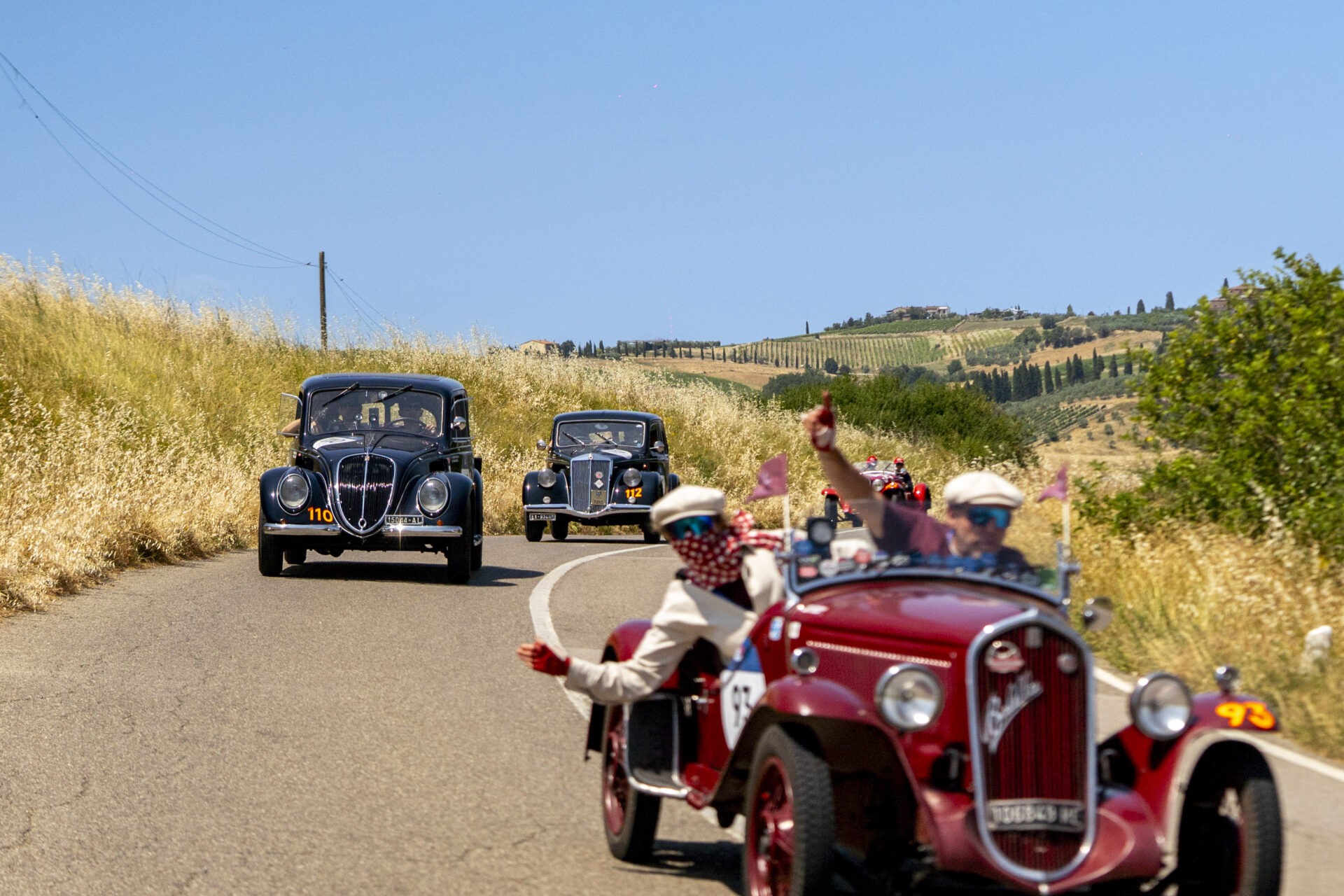
From 9 to 13 June, over 400 classic cars embarked on a journey through breathtaking landscapes, cities of art, mountain passes and UNESCO World Heritage sites.
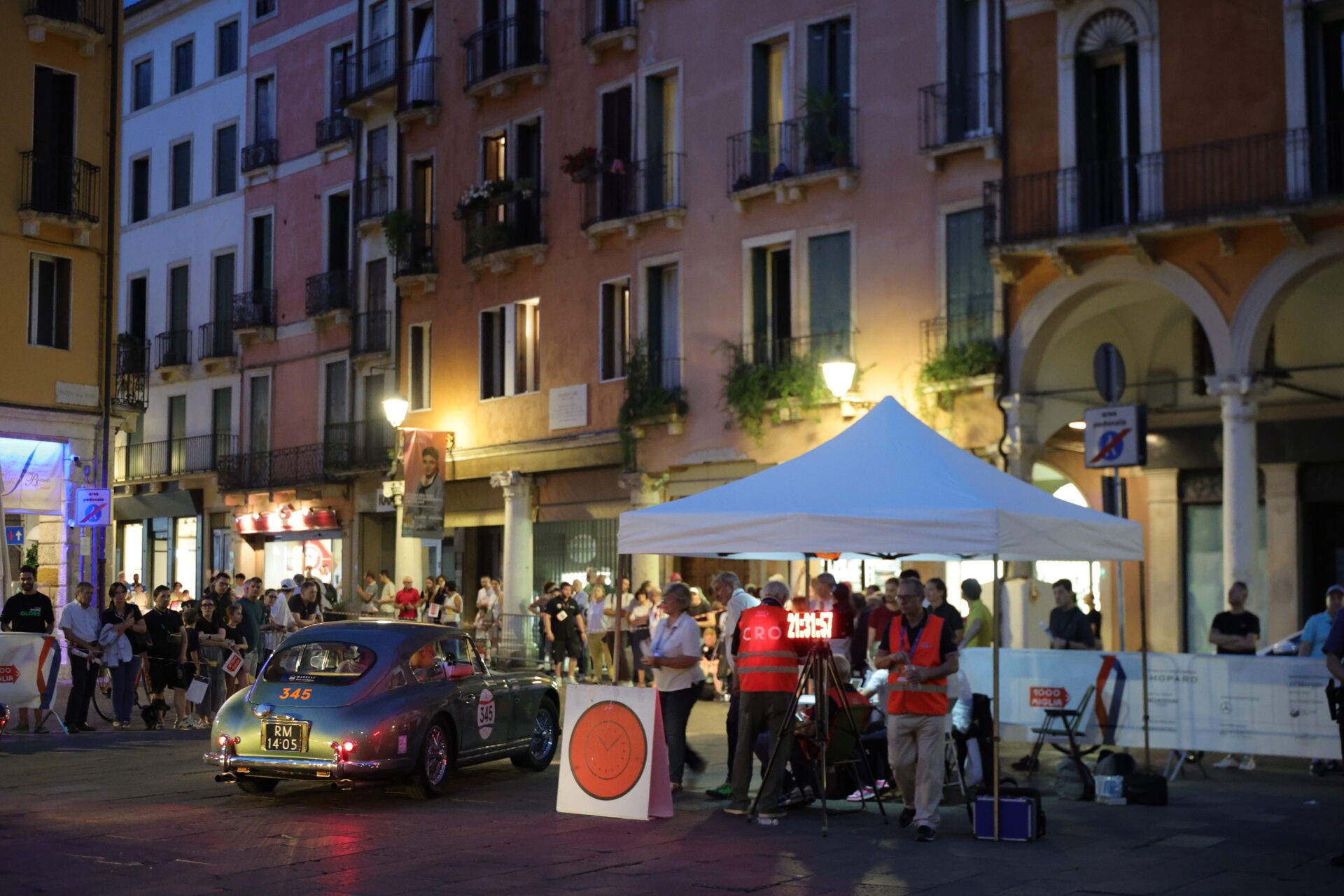
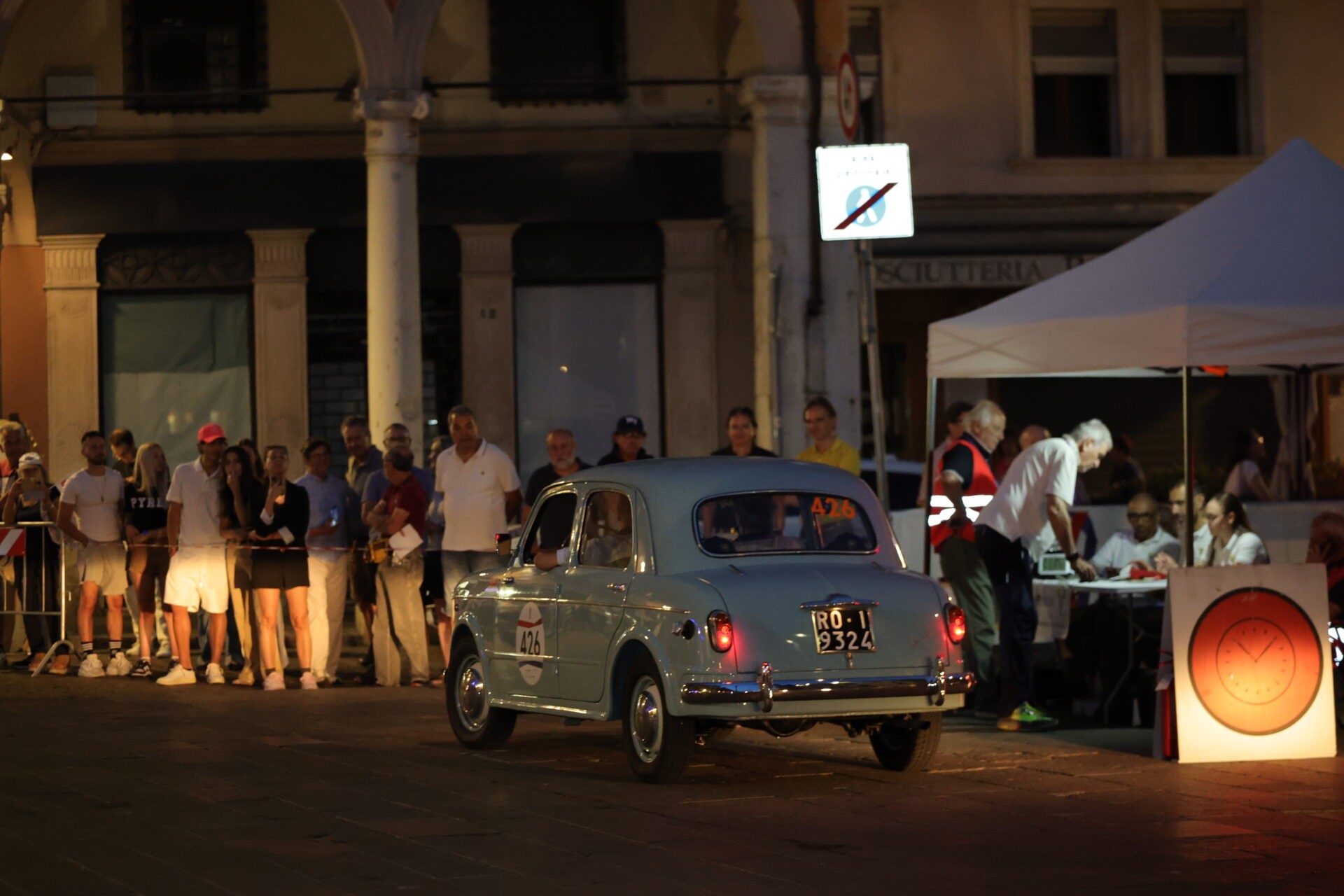
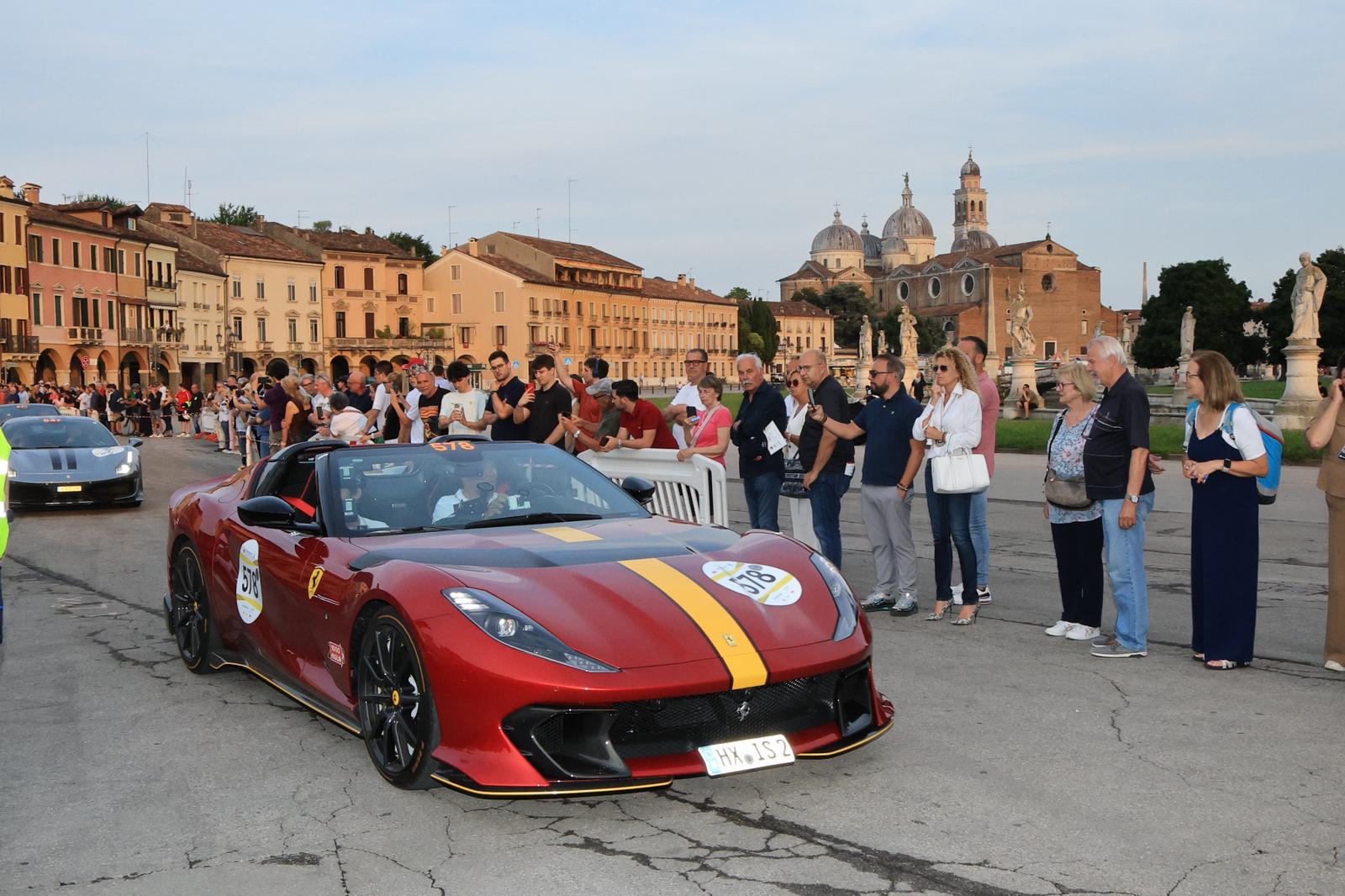
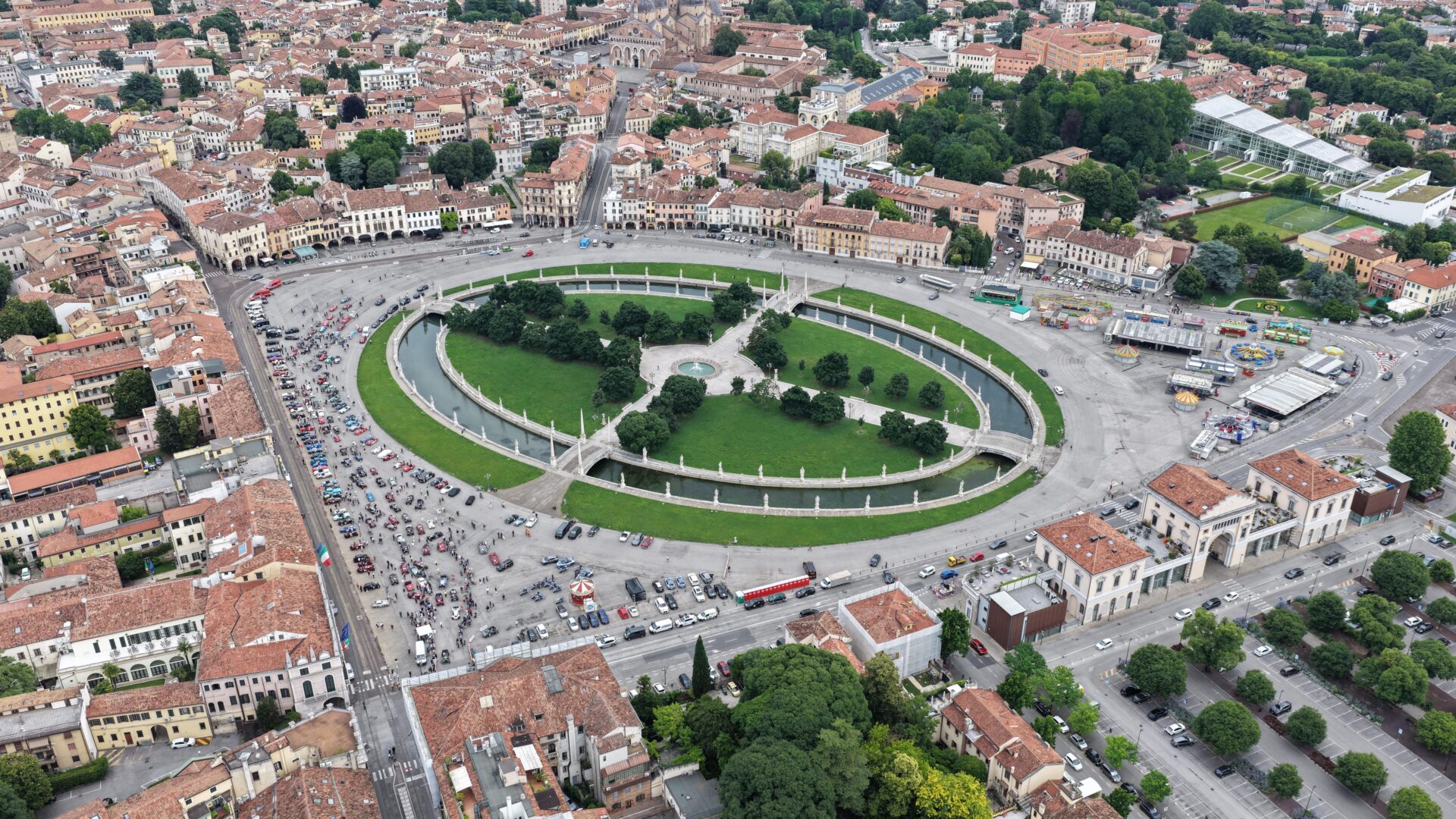
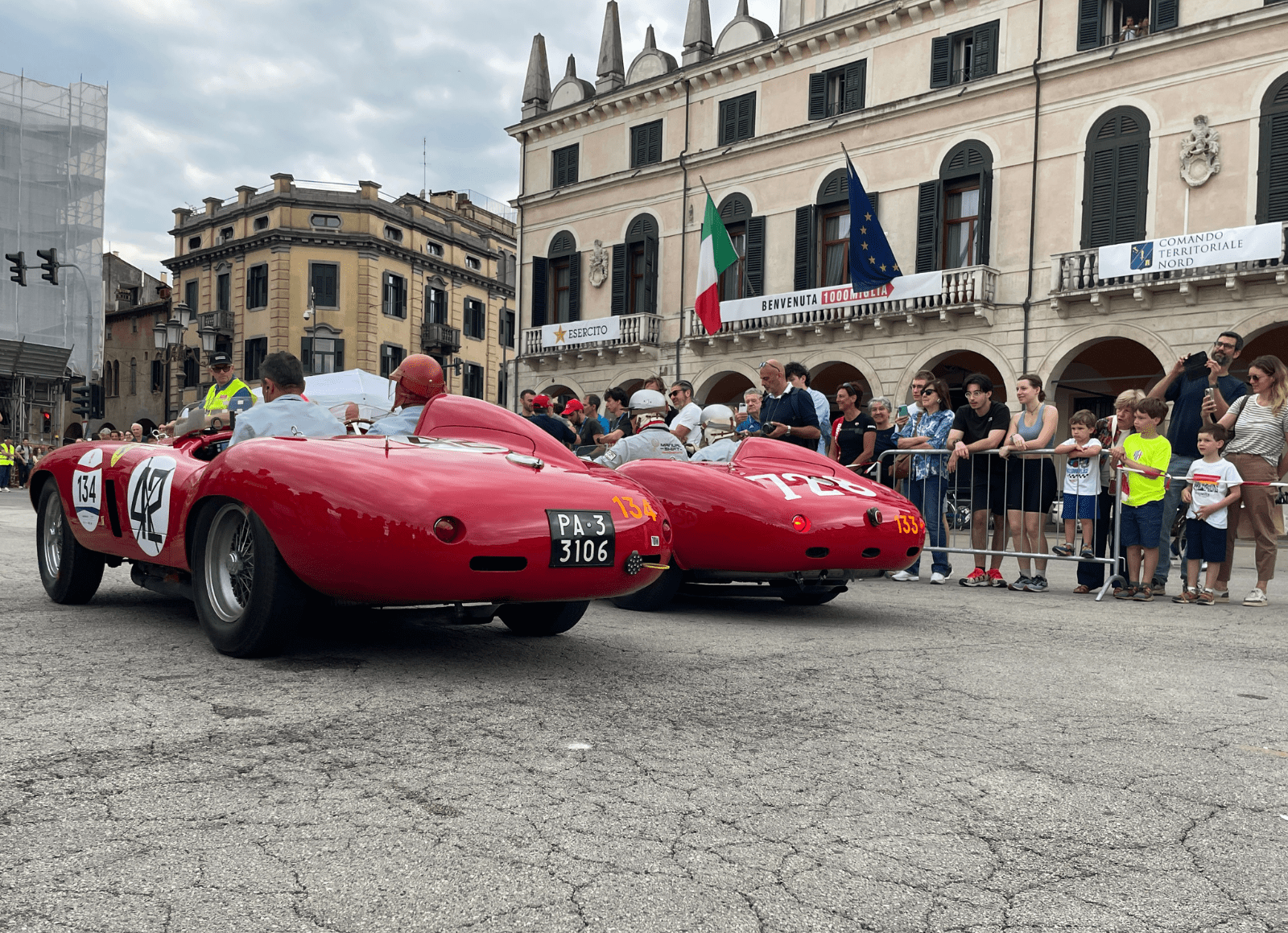
Tuesday 9 June – Brescia → Padua
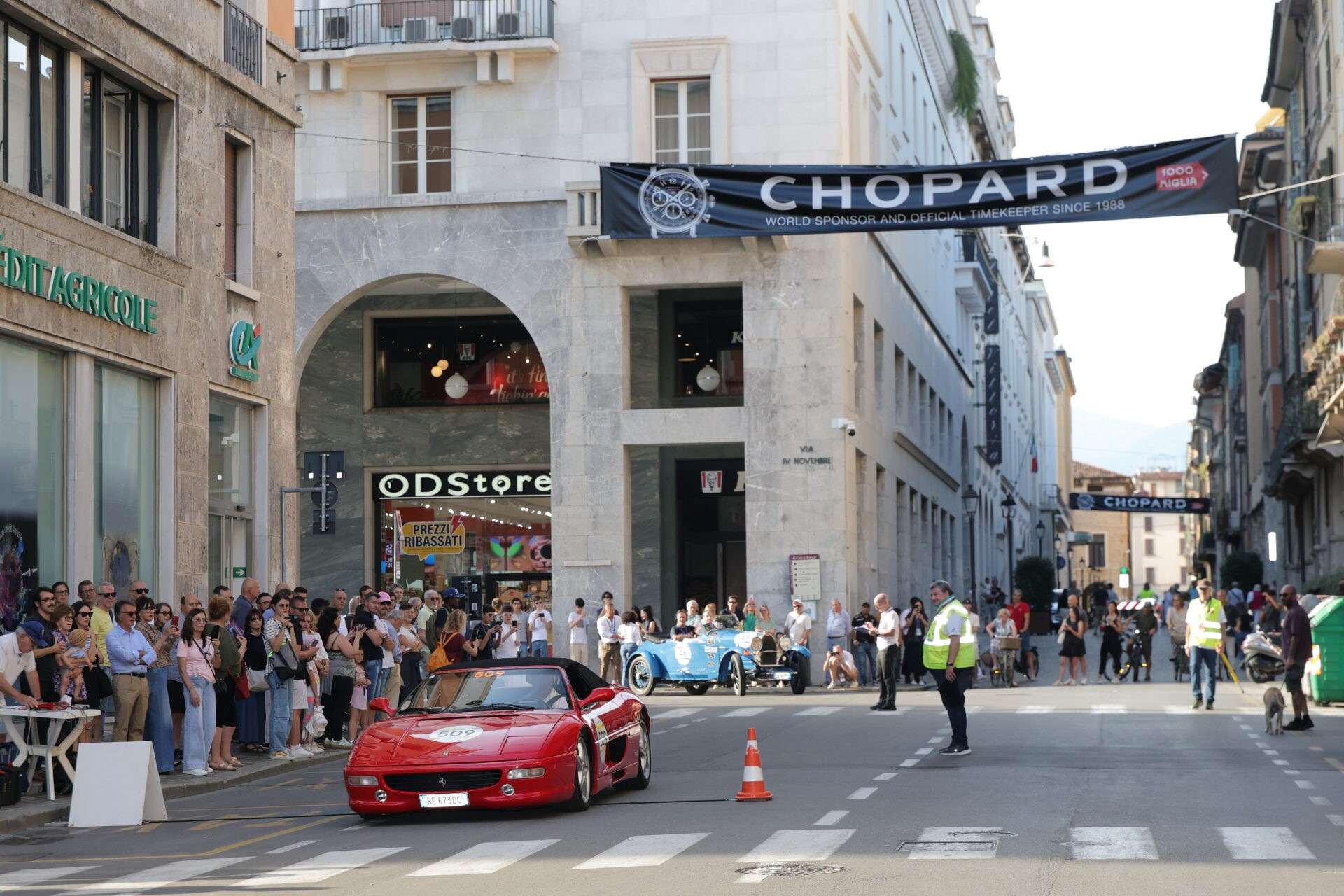
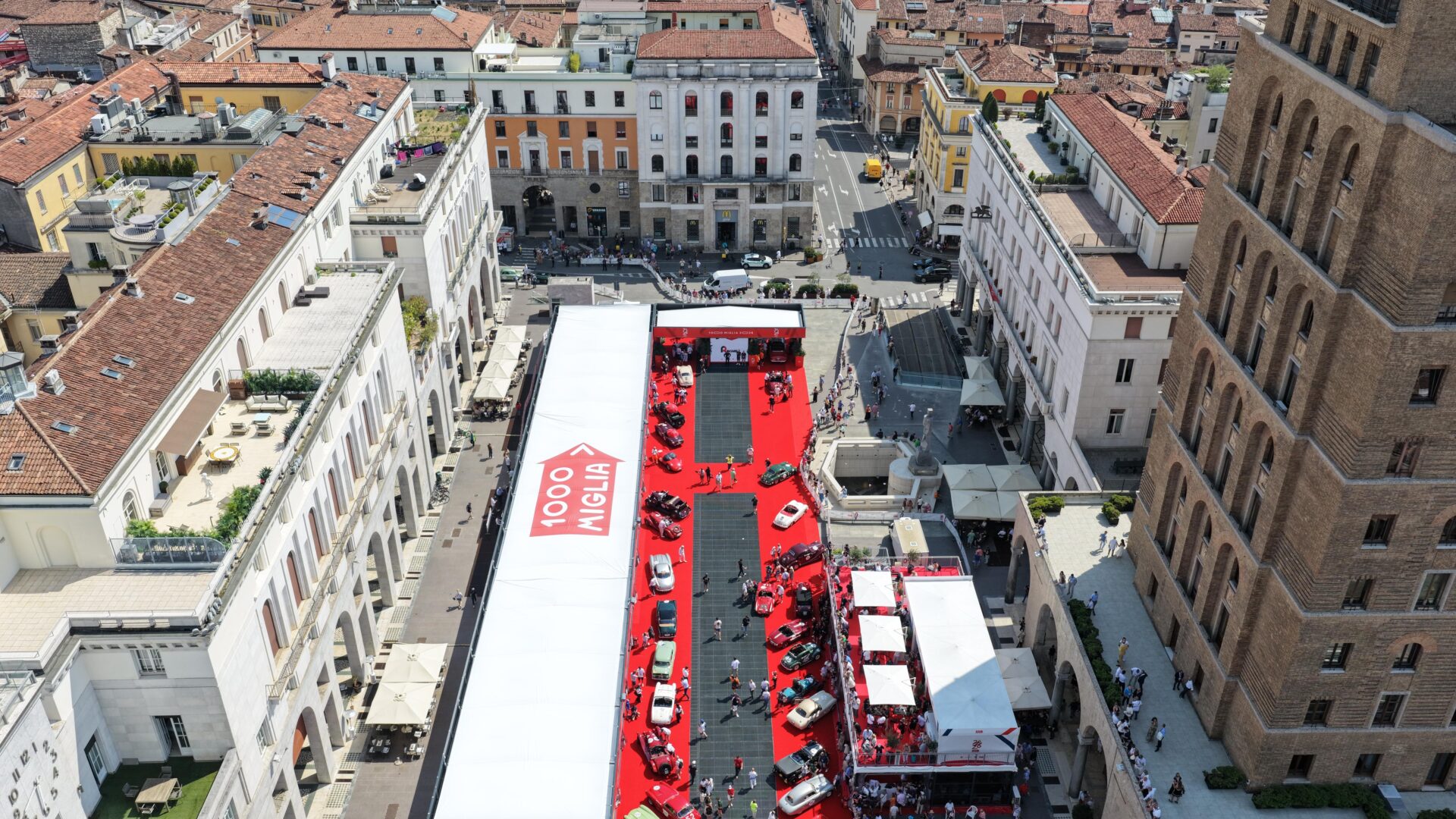
The departure took place in Brescia in the late morning. The cars climbed towards the Trompia Valley and the Gobbia Valley, before stopping in Lumezzane. After crossing the Cavallo Pass, the route descended into the Sabbia Valley, skirt Lake Garda, travel through Vicenza and end the first day in Padua.
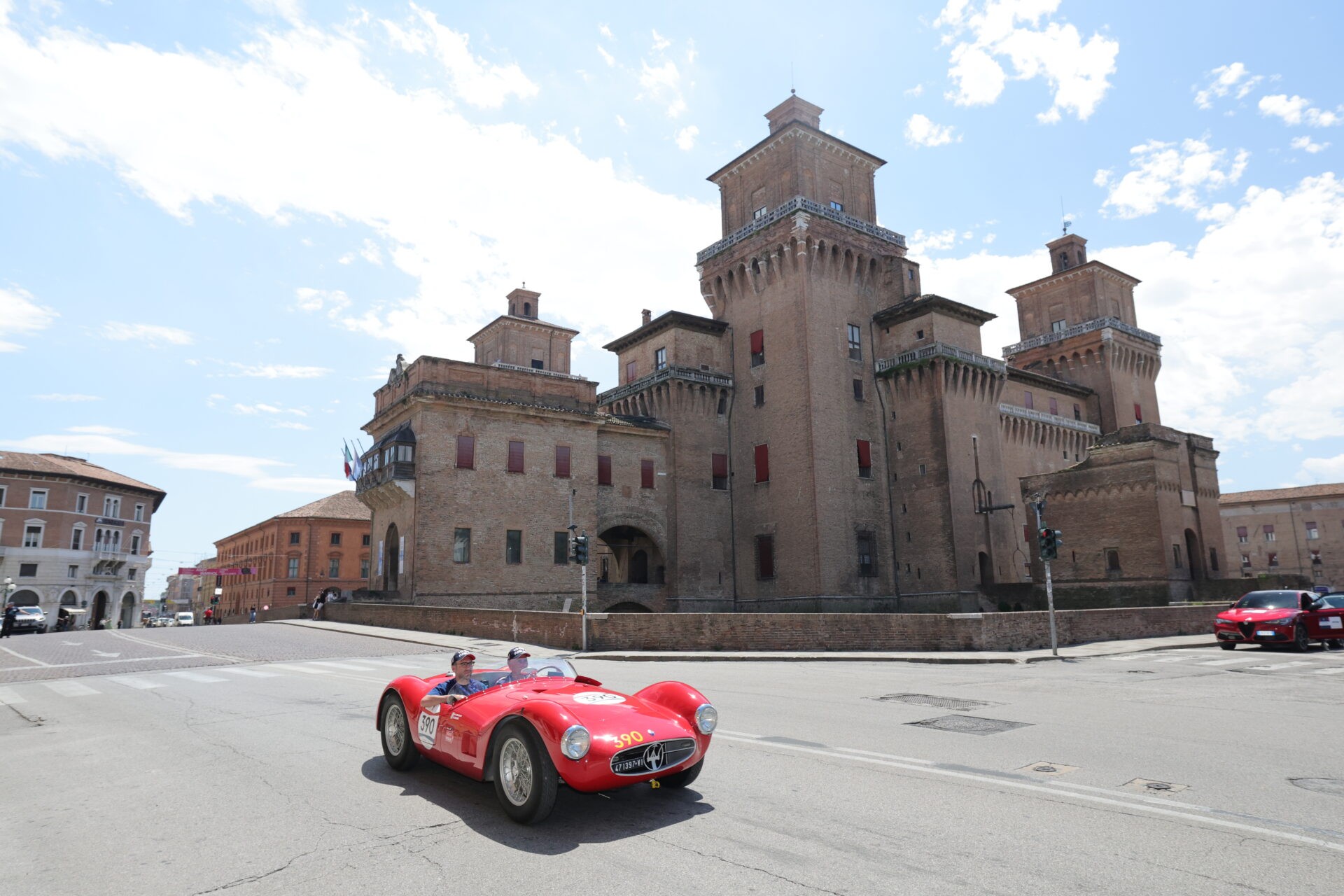
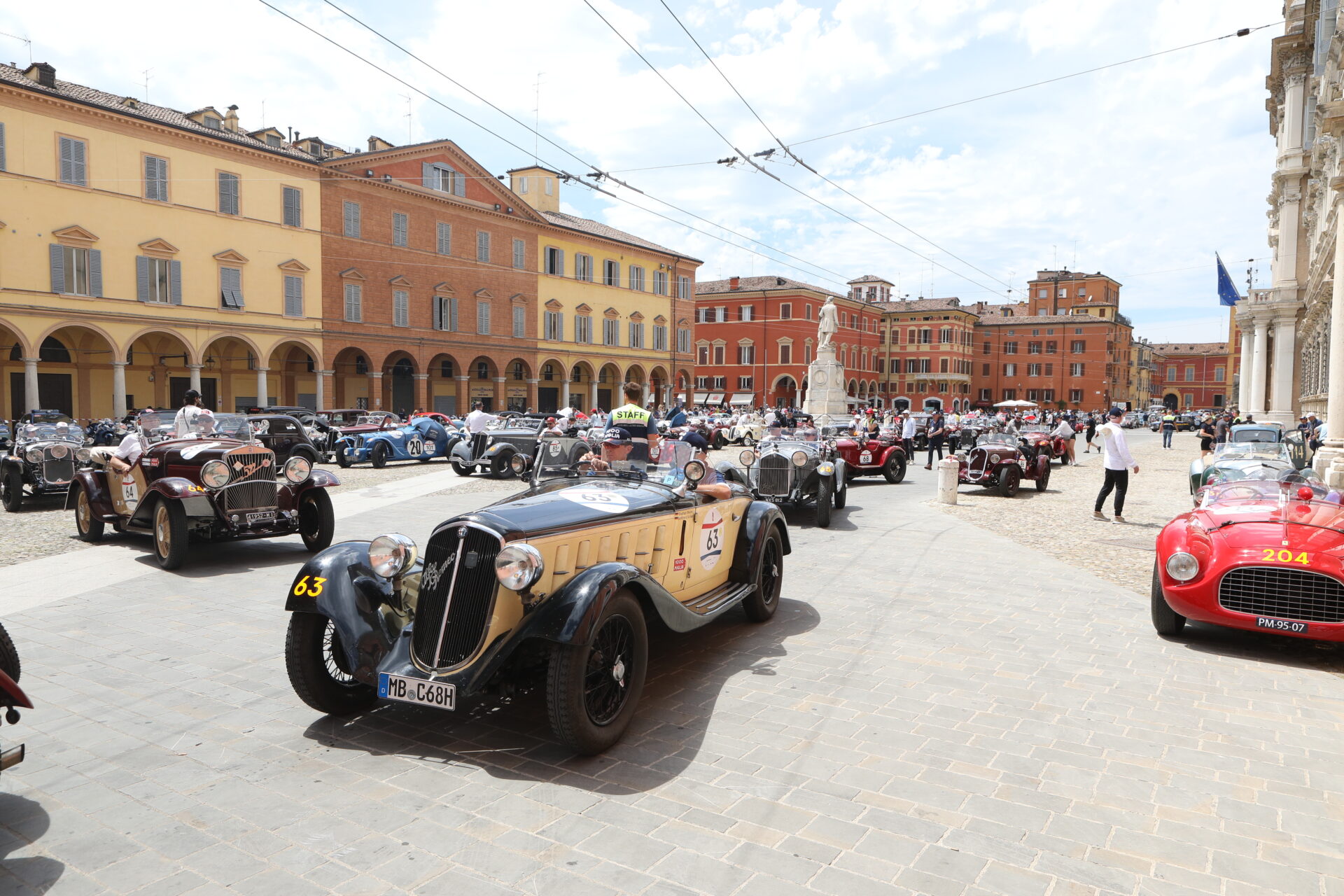
Wednesday 10 June – Padua → Montecatini Terme
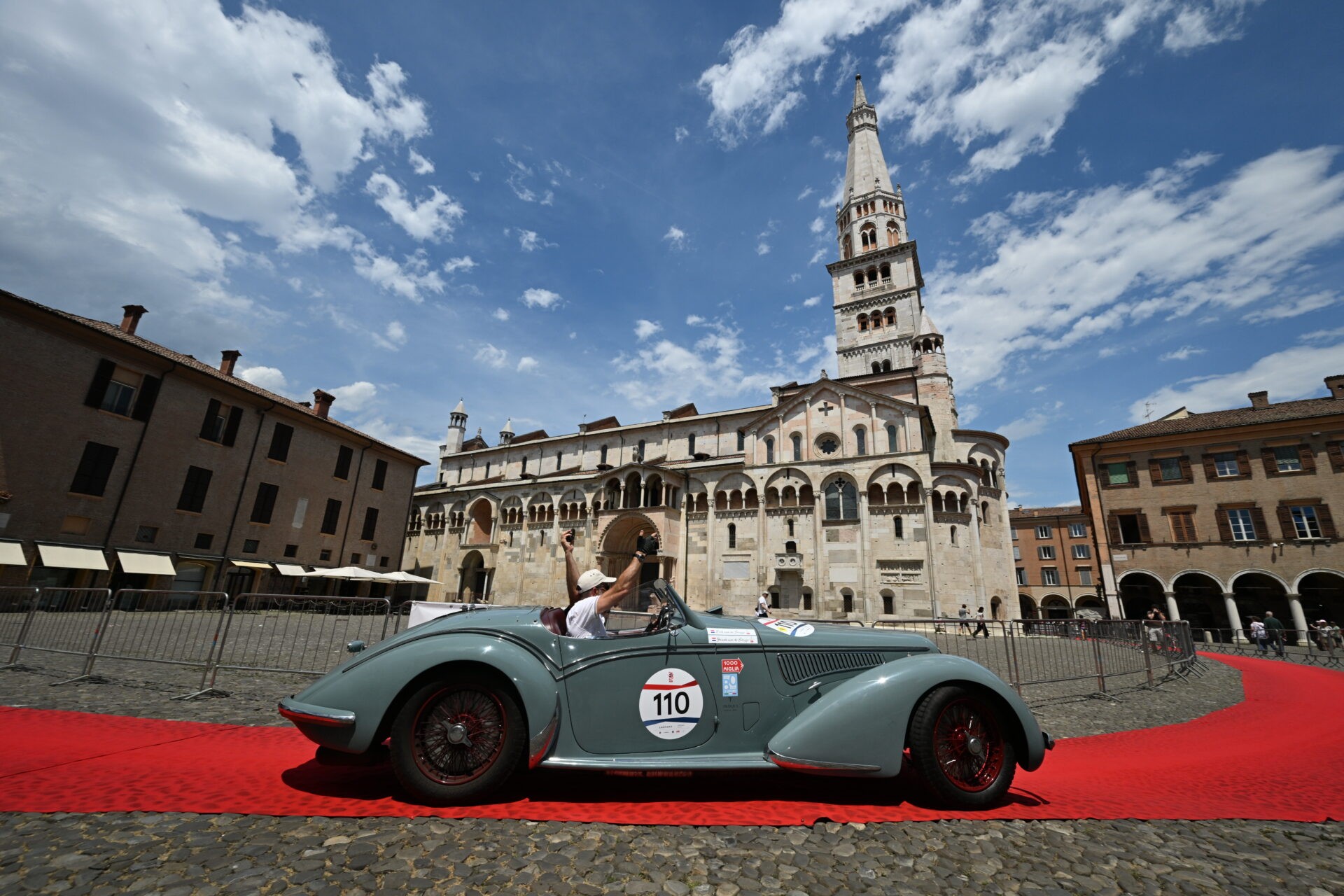
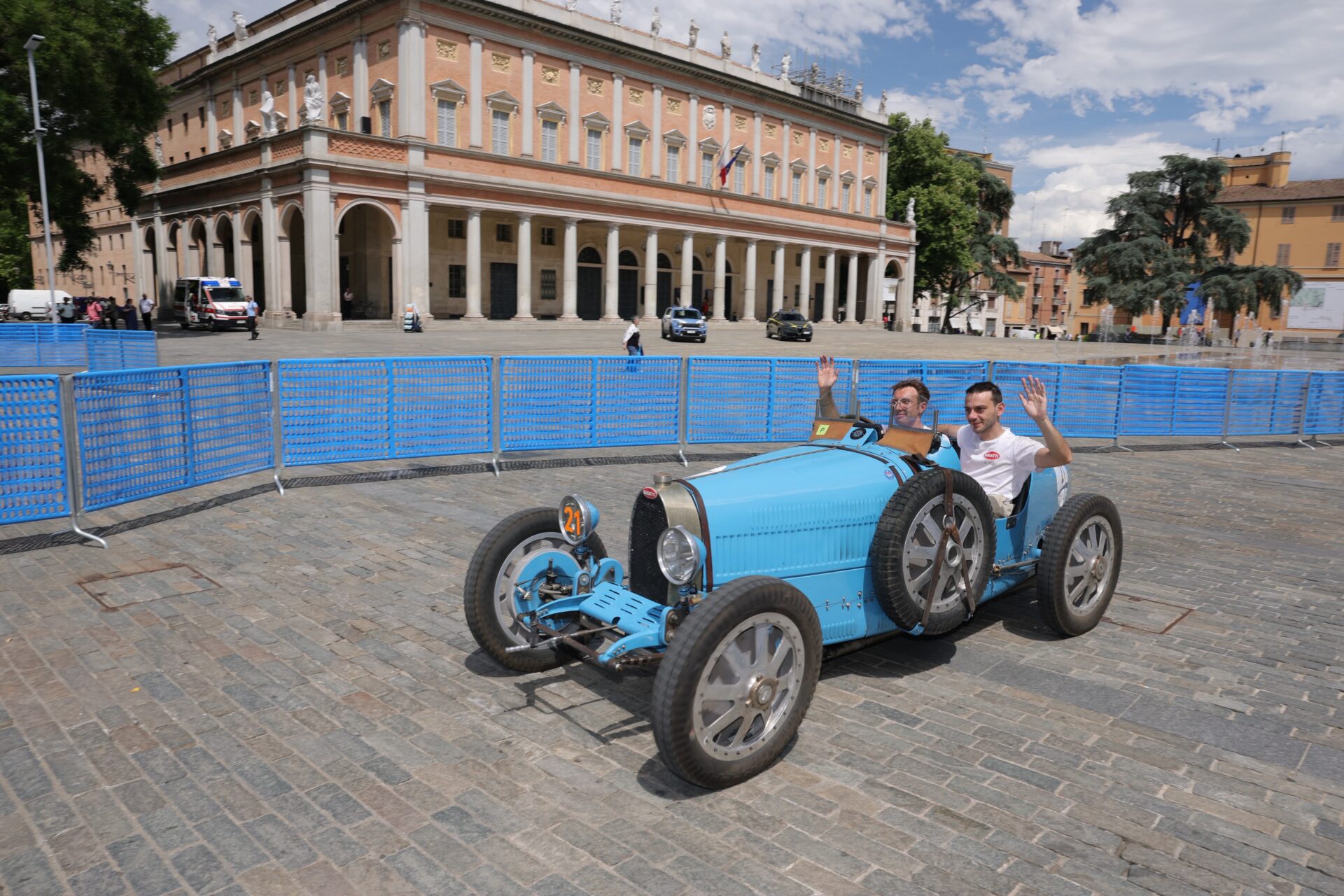
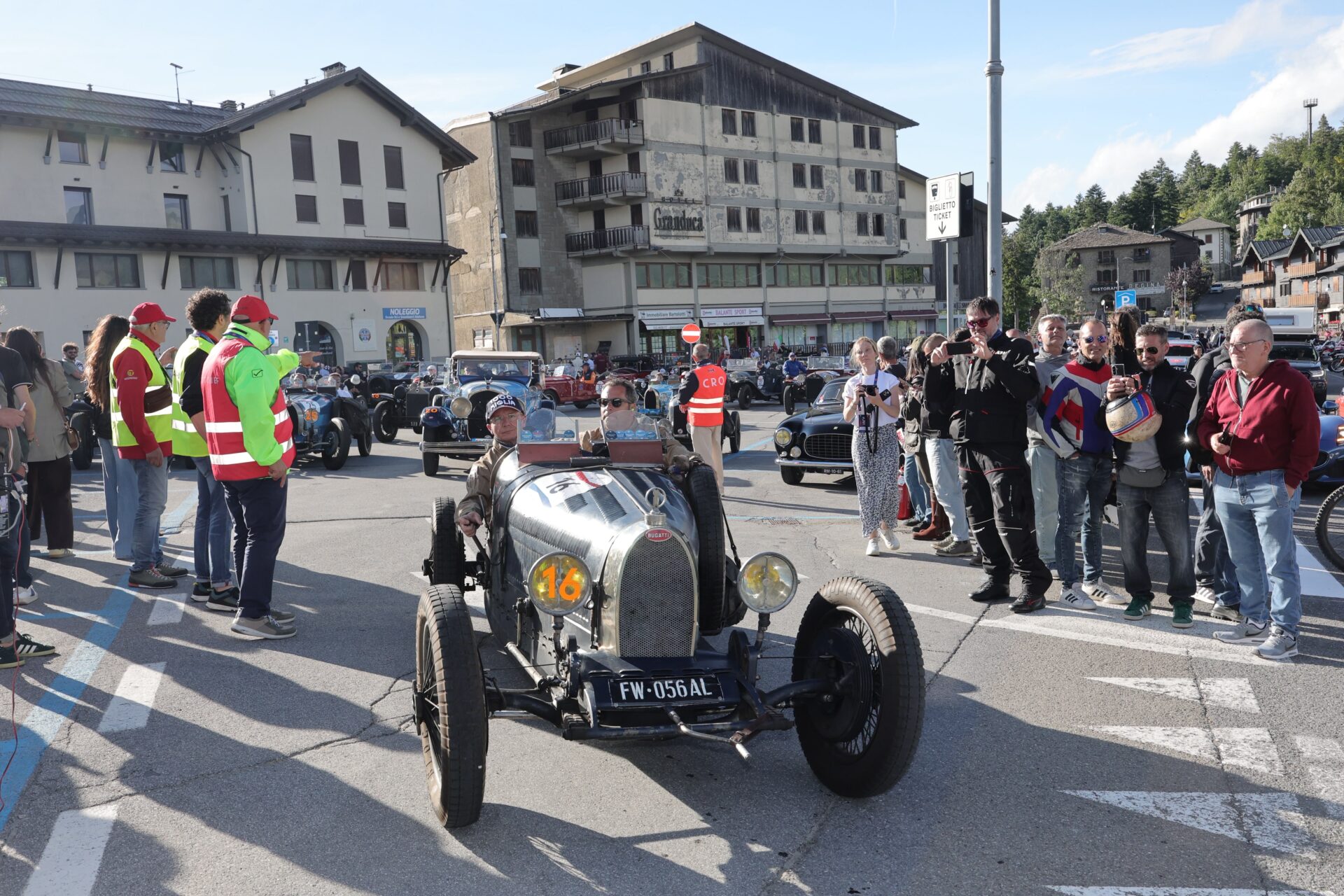
The second leg headed west, passing through Ferrara, Modena, Reggio Emilia and crossing the Abetone Pass, before ending among the Art Nouveau buildings of Montecatini Terme.
Thursday 11 June – Montecatini Terme → Rome
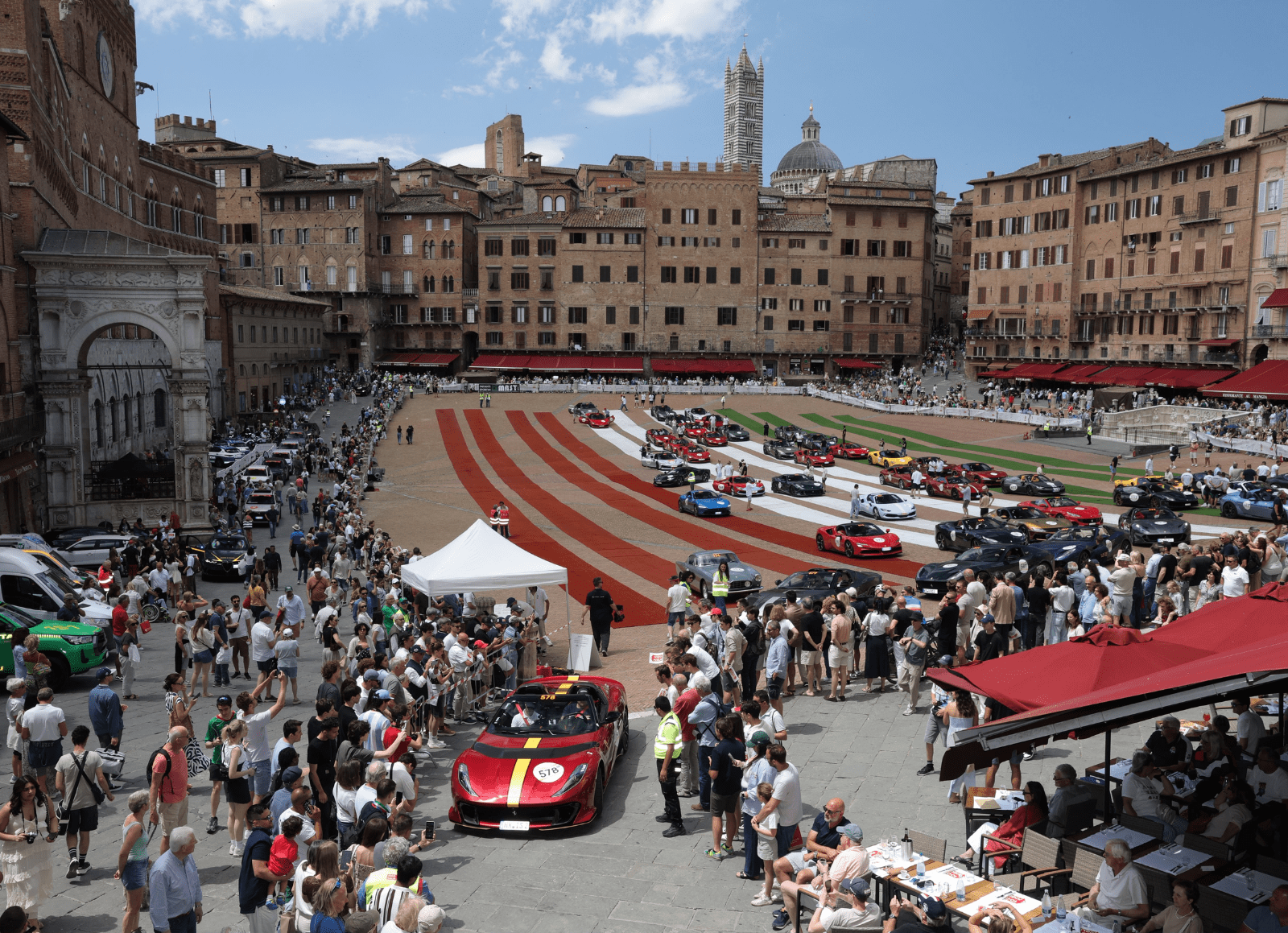
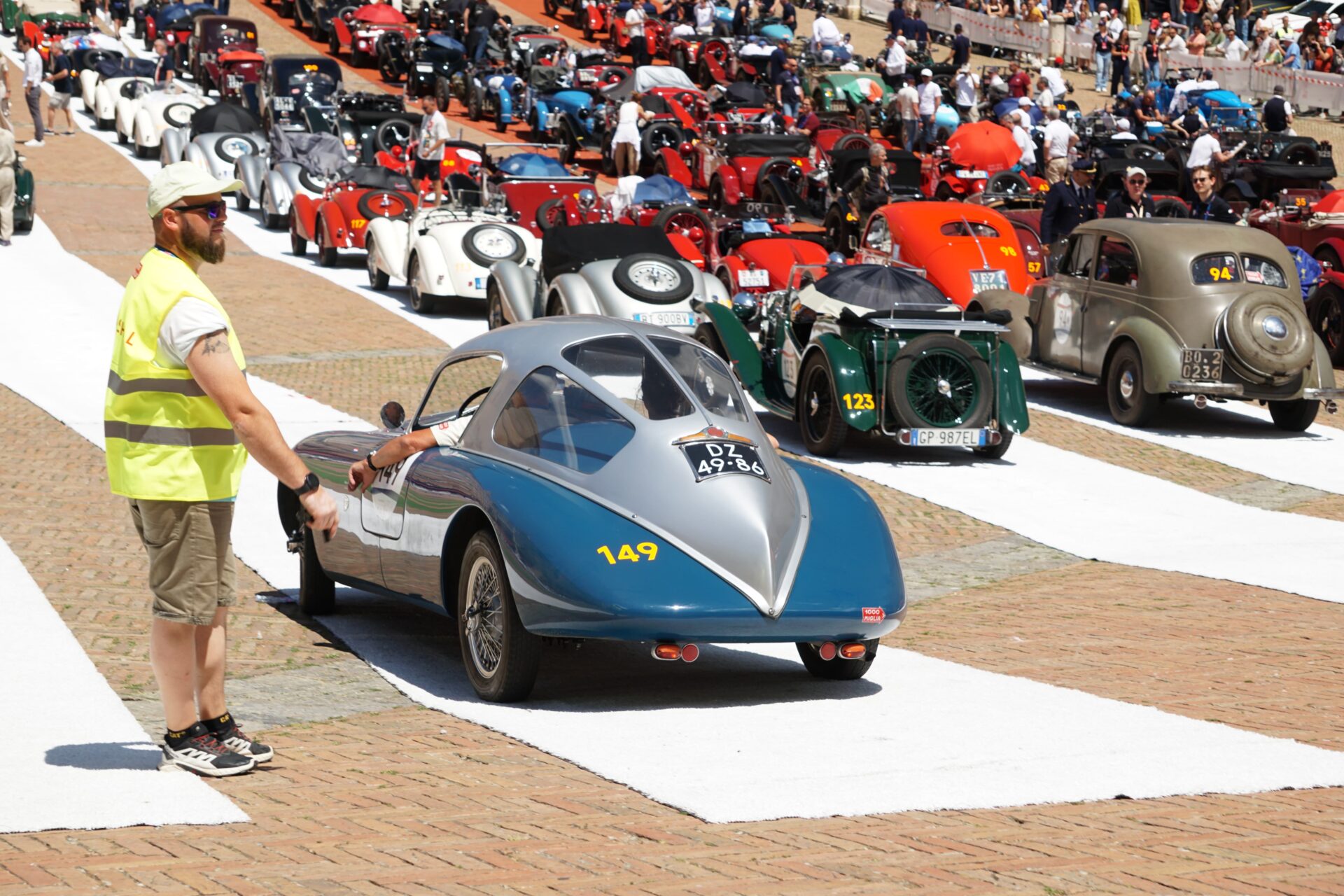
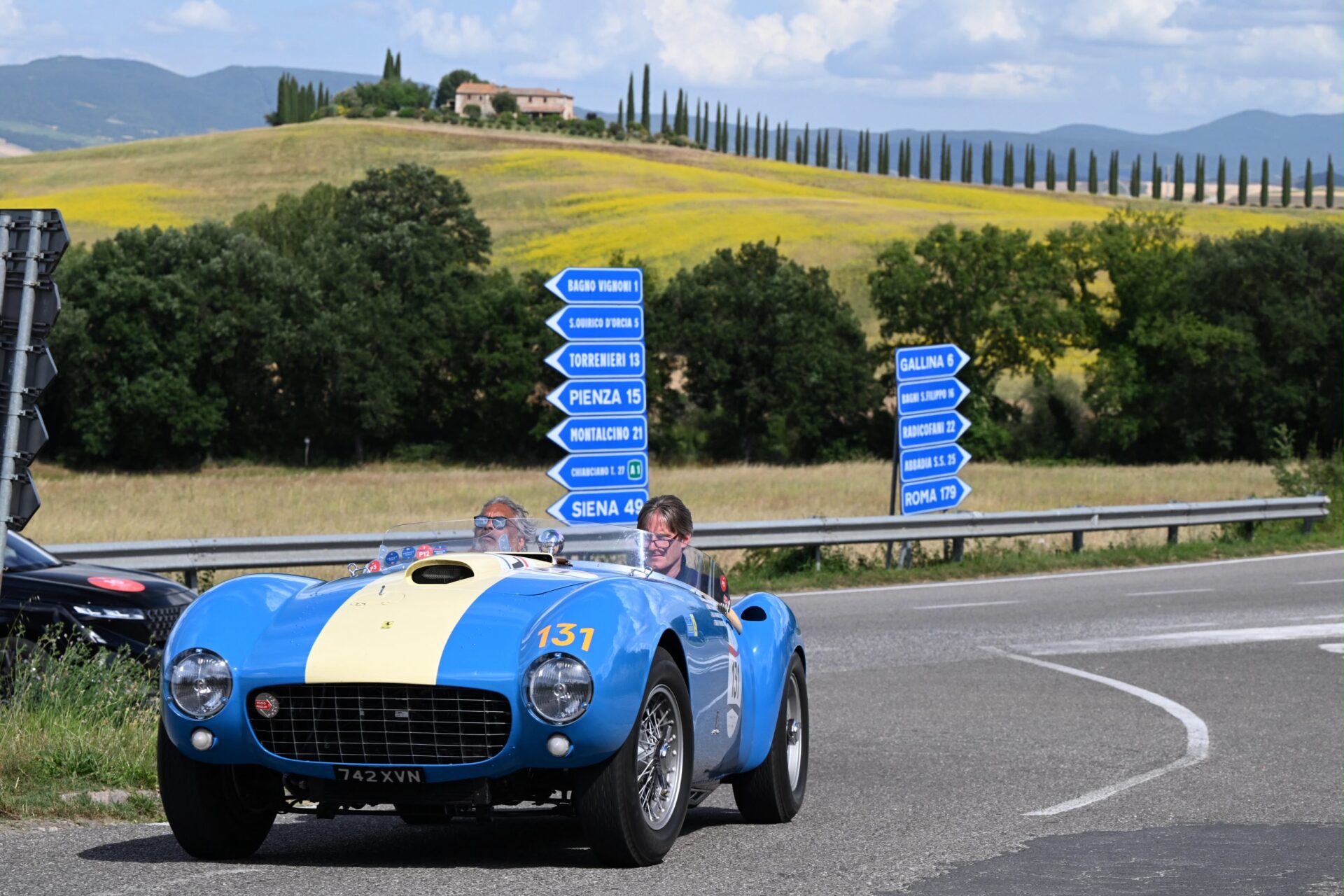
The third day started with a trip to Versilia, passing through Pietrasanta, renowned for its sculpture and contemporary art. After lunch in the famous Piazza del Campo in Siena, the cars continued towards Lake Bolsena and Lake Vico, arriving in the capital, the traditional turning point of the race.
Friday 12 June – Rome → Rimini
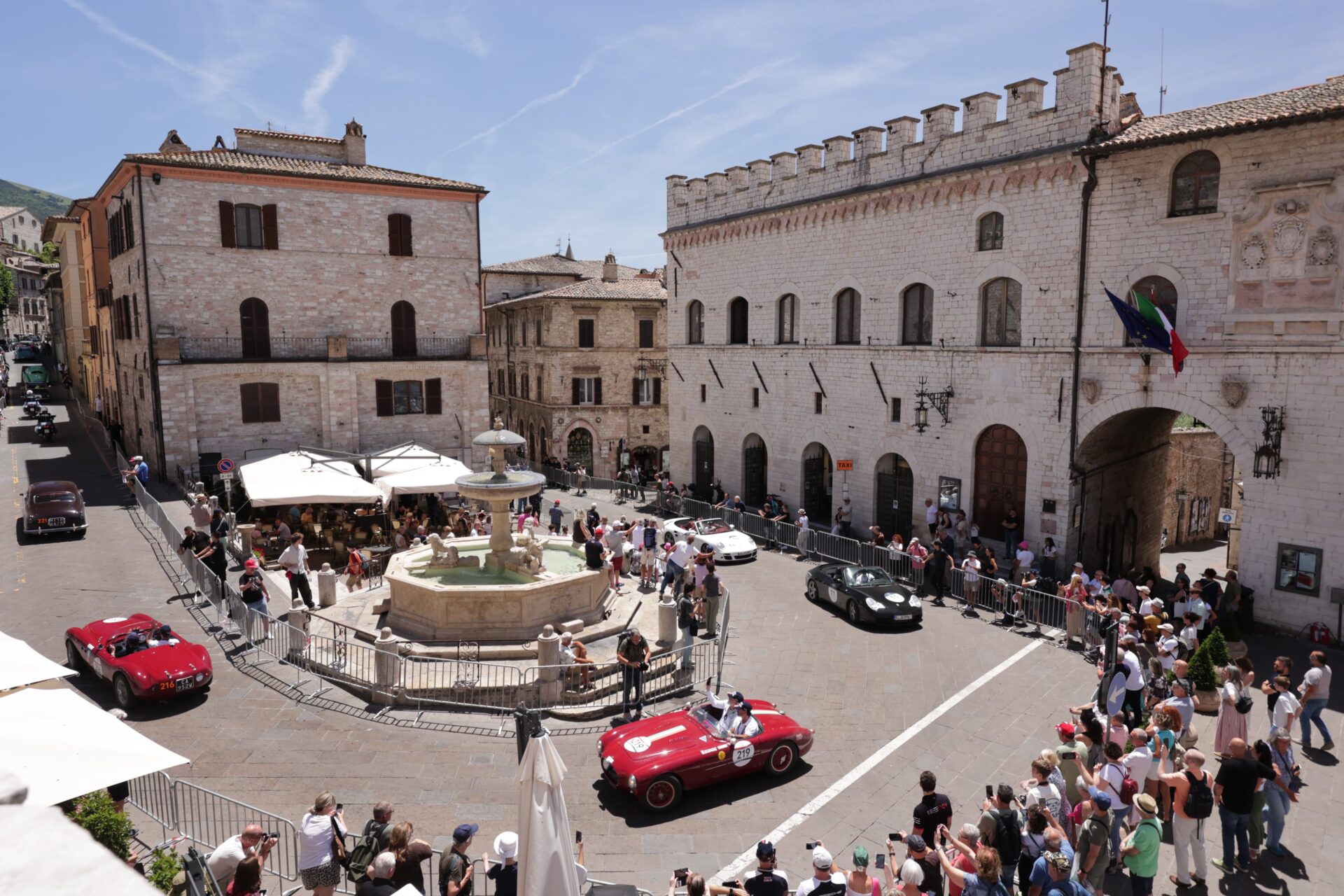
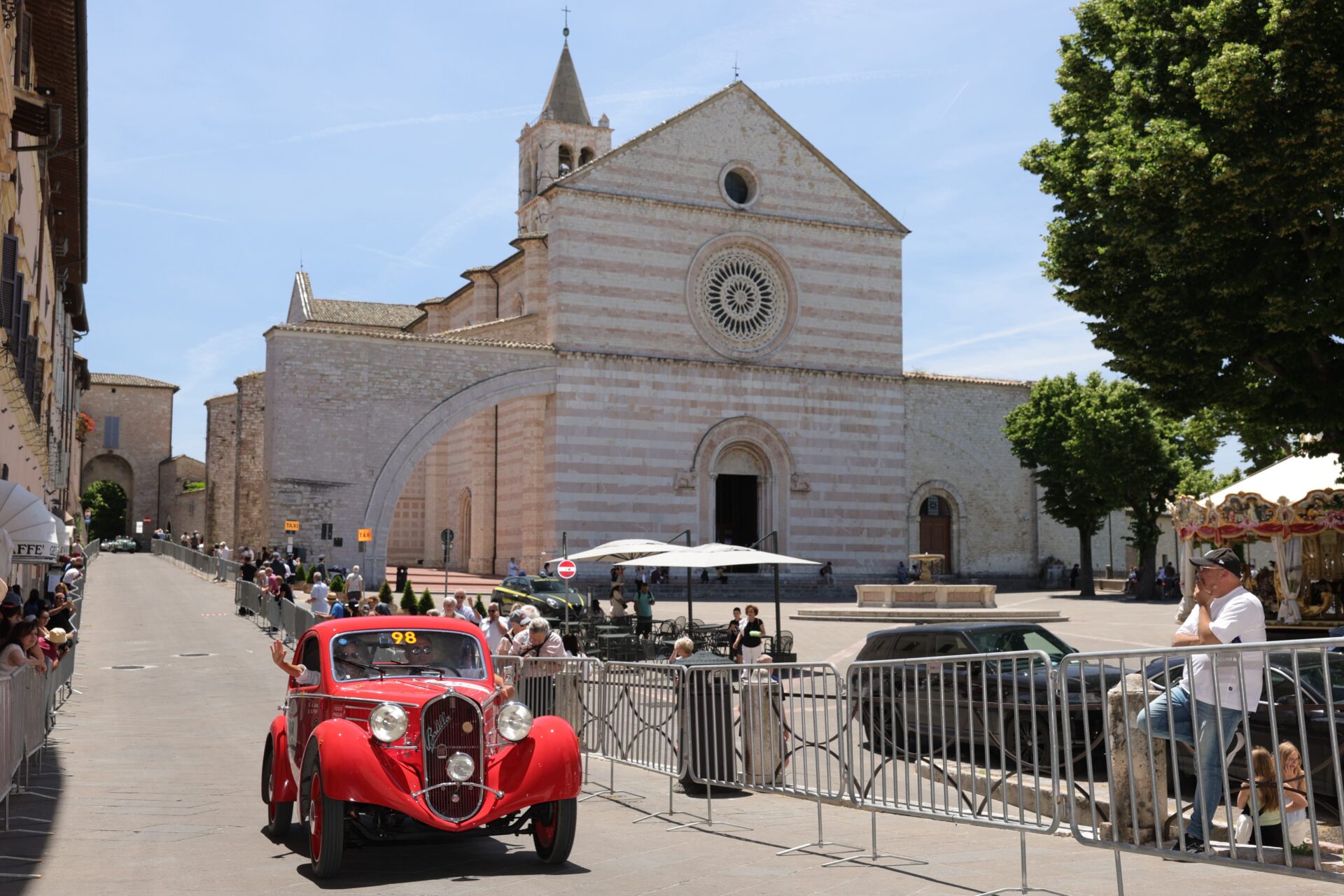
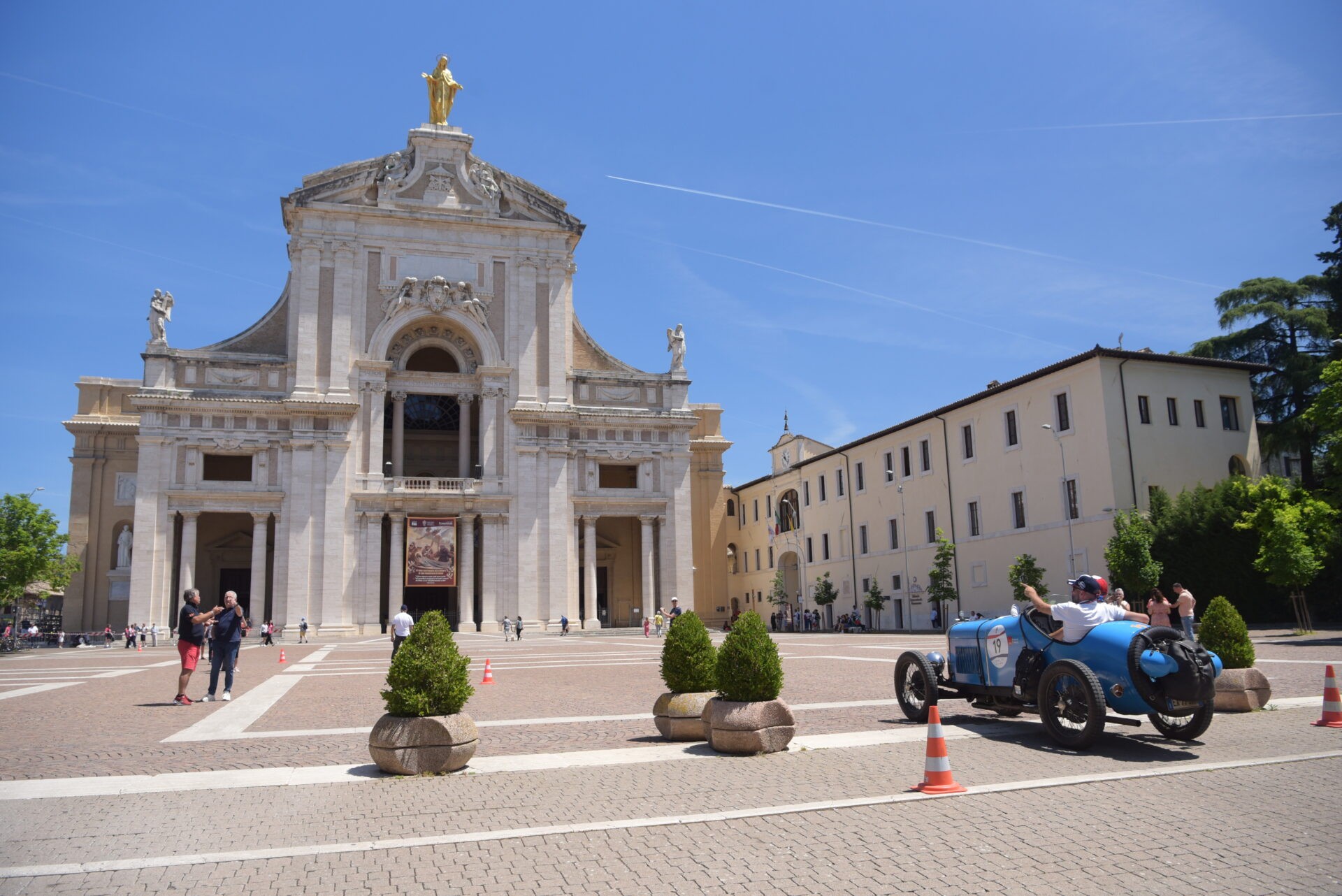
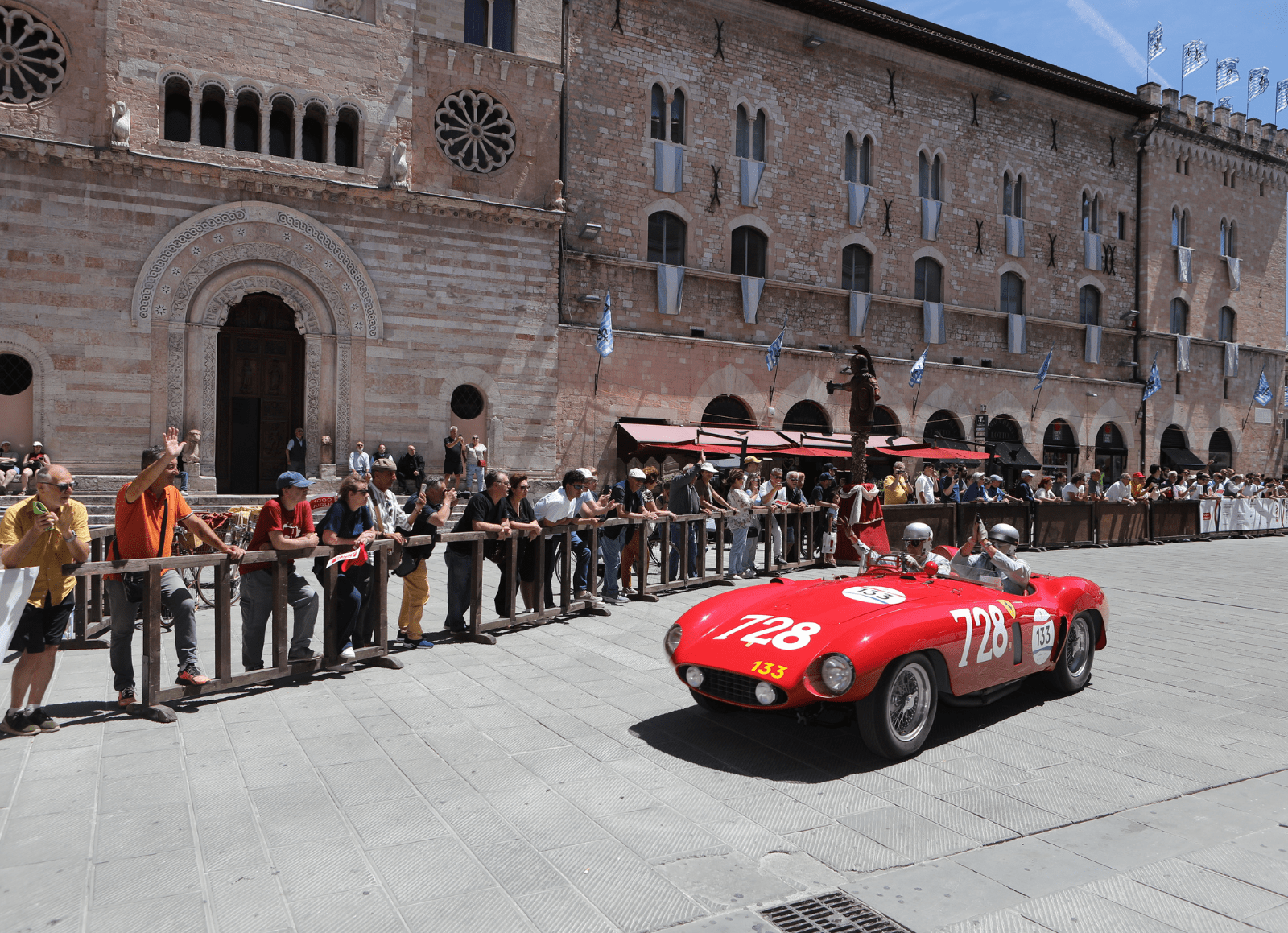
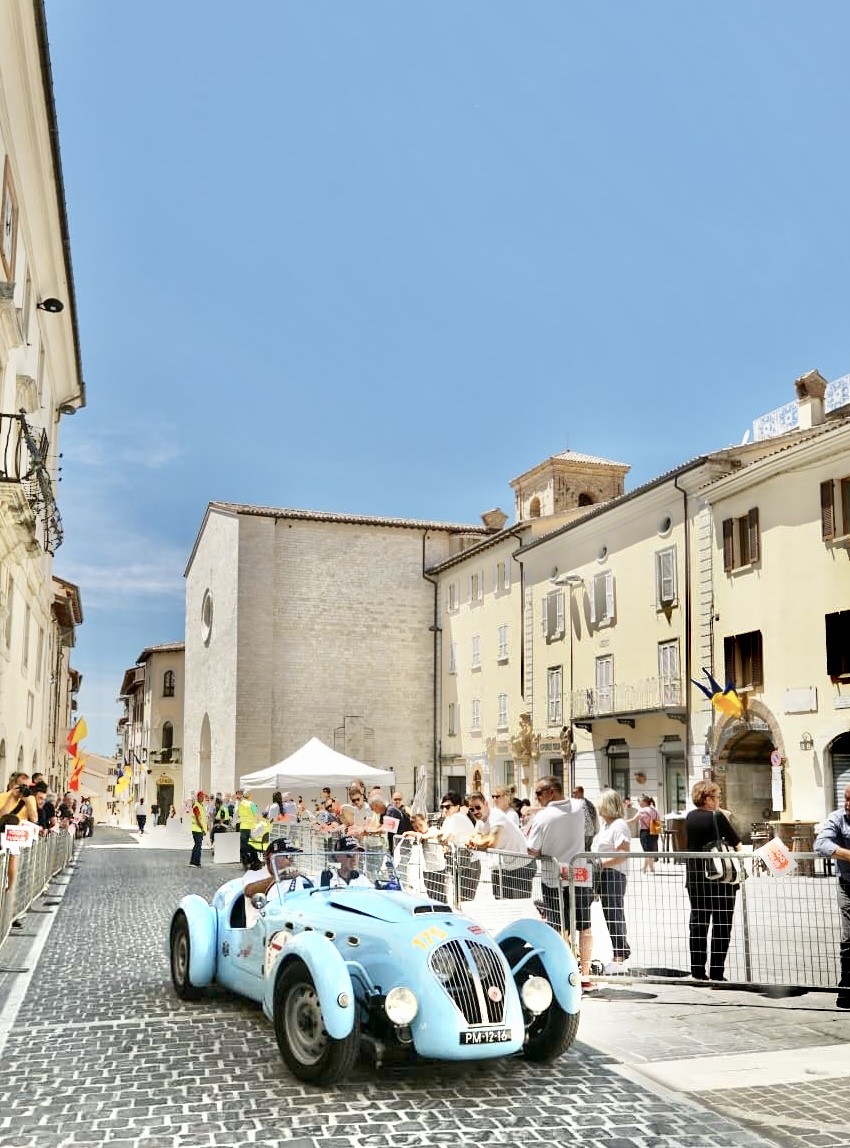
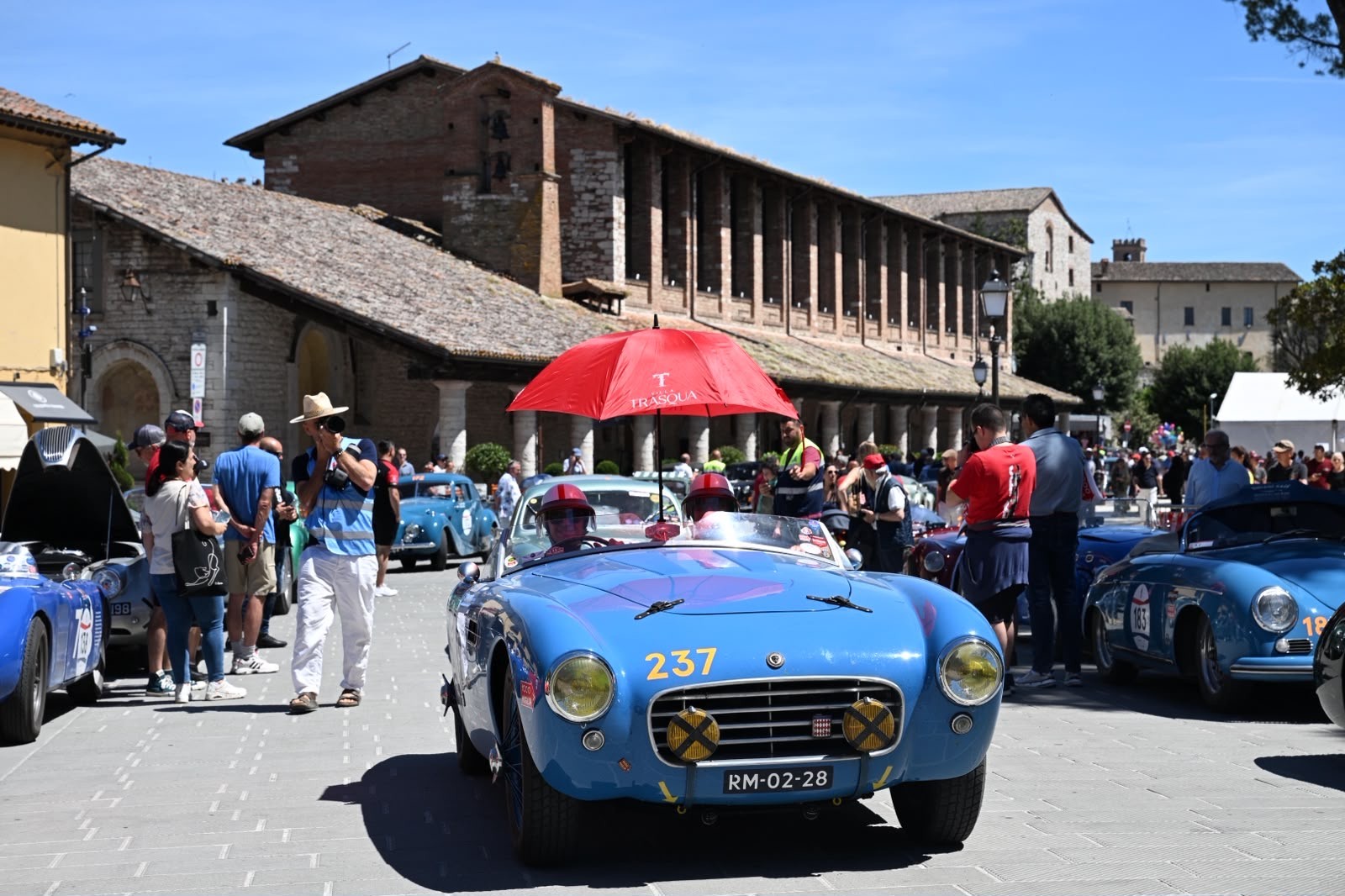
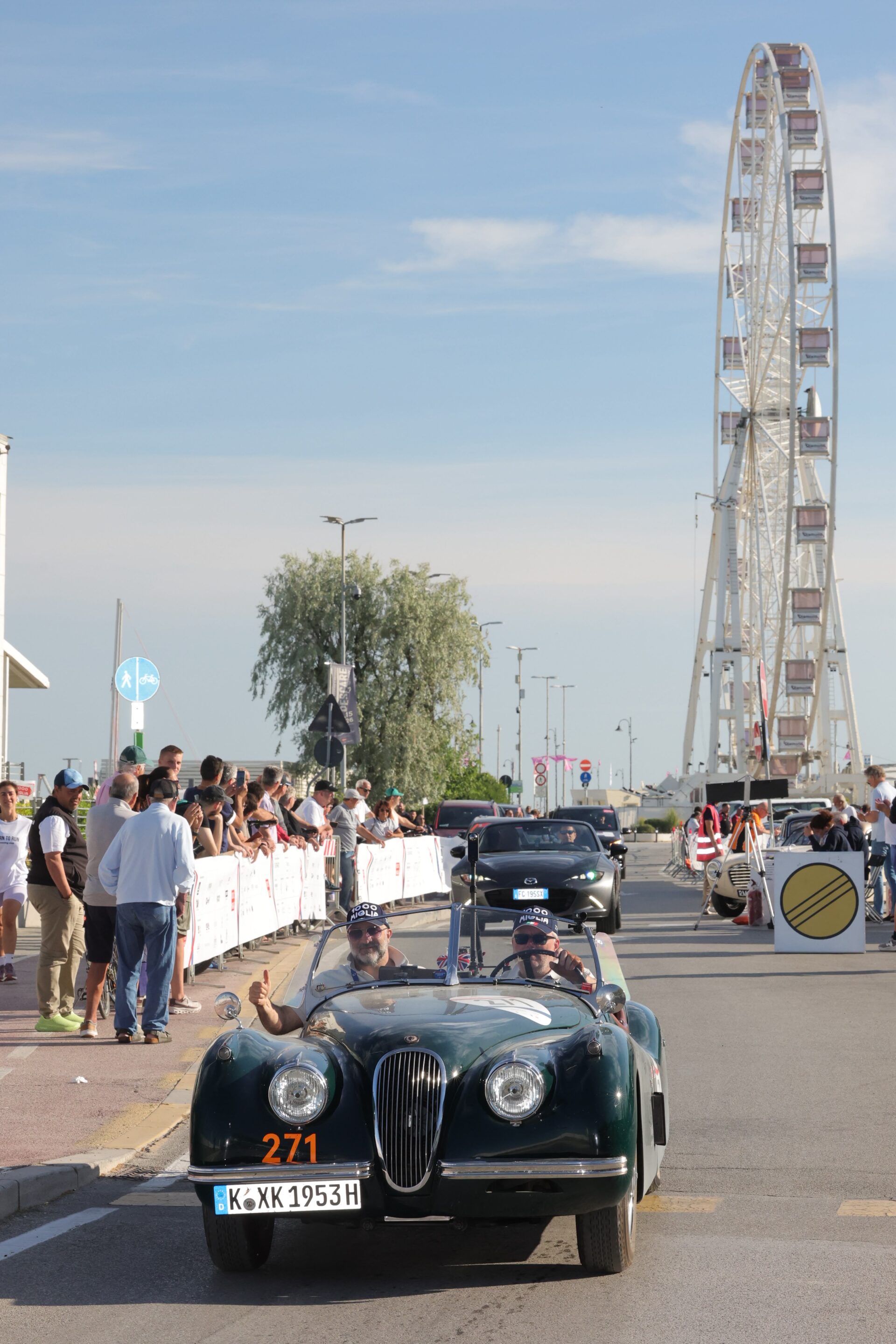
The journey north passed through Assisi, on the occasion of the eighth centenary of the death of St Francis, then stop for lunch in Gubbio and the spectacular passage through the Furlo Gorge, ending in Rimini, overlooking the Adriatic Sea.
Saturday 13 June – Rimini → Brescia
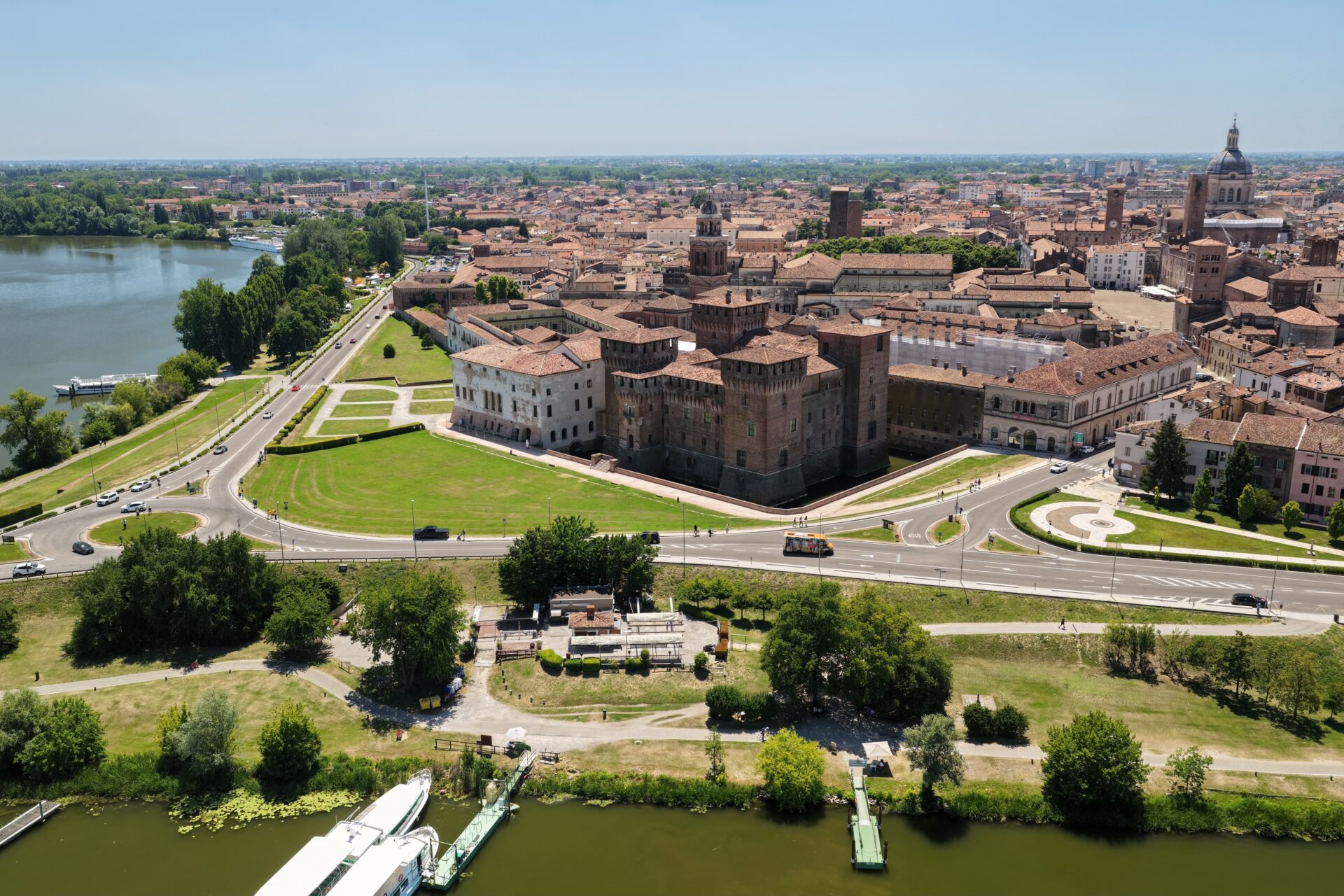
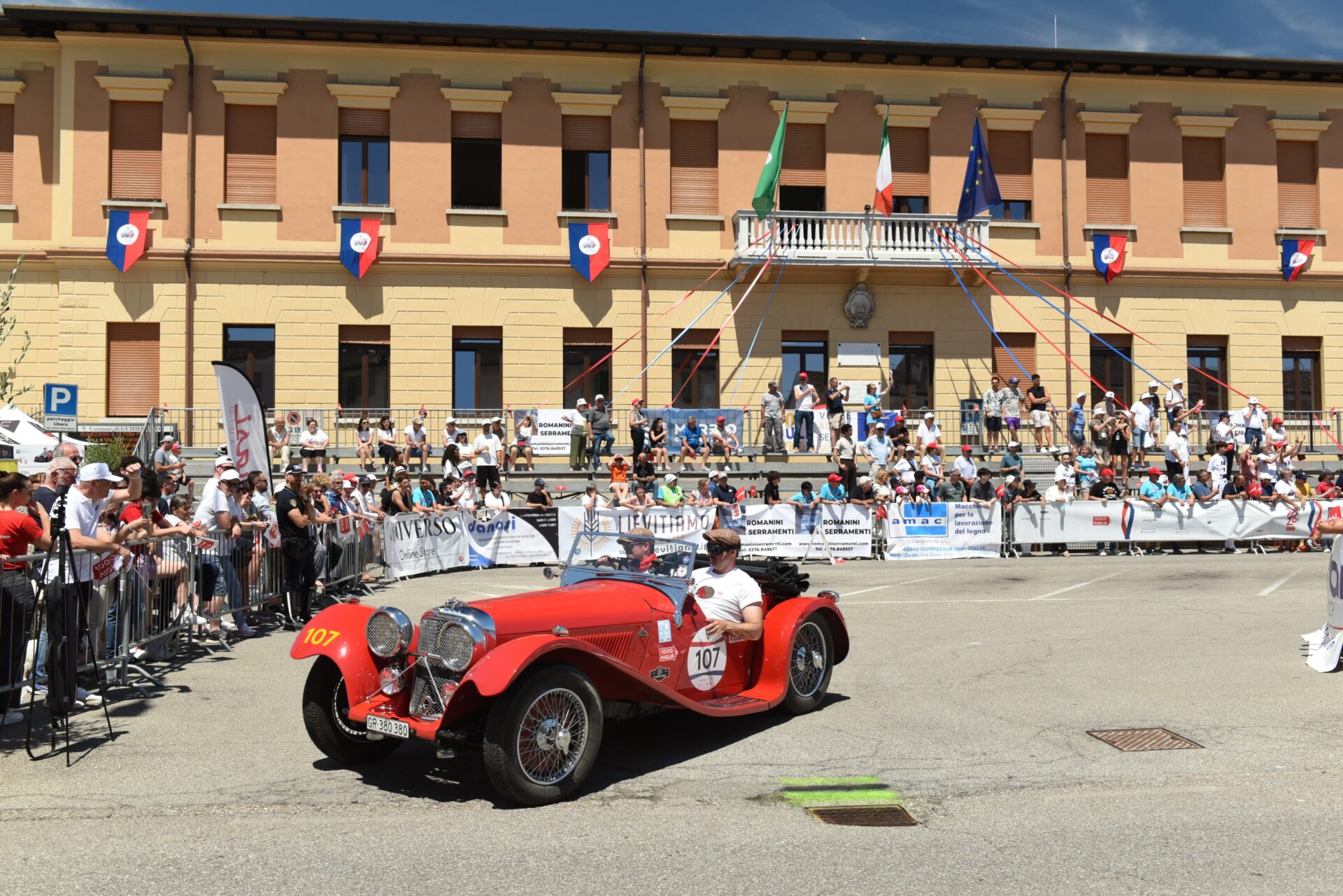
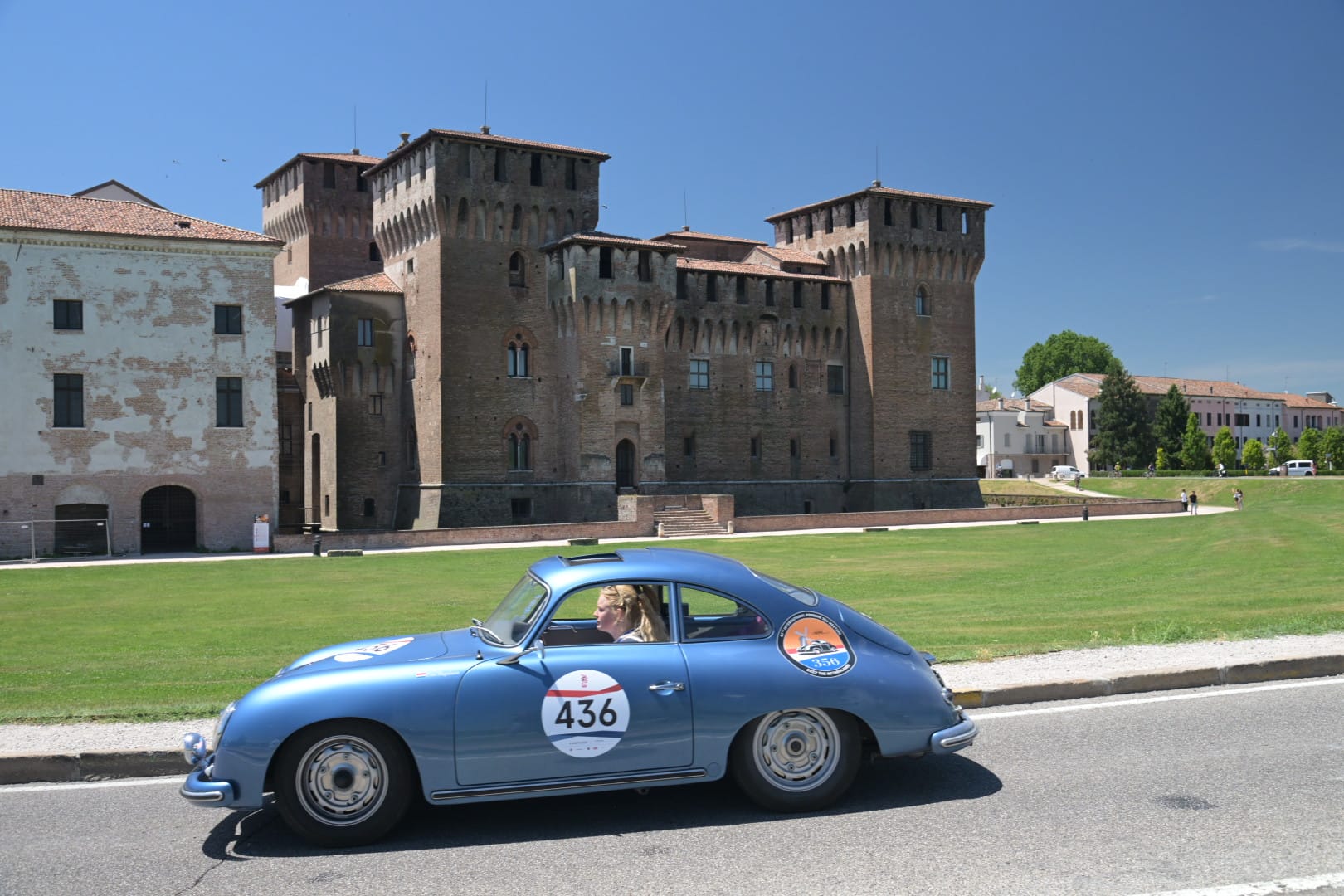
The last day took the cars through the salt pans of Cervia and Comacchio, then Ferrara, where the route crossed that of the southbound journey. After a stop in Mantua, the finish was scheduled in Viale Venezia in Brescia, where the 1000 Miglia historically starts and finishes.