
LEG 2 – WEDNESDAY 10th JUNE
MONTEGROTTO TERME
Province: Padua
Region: Veneto
Population: 11,628
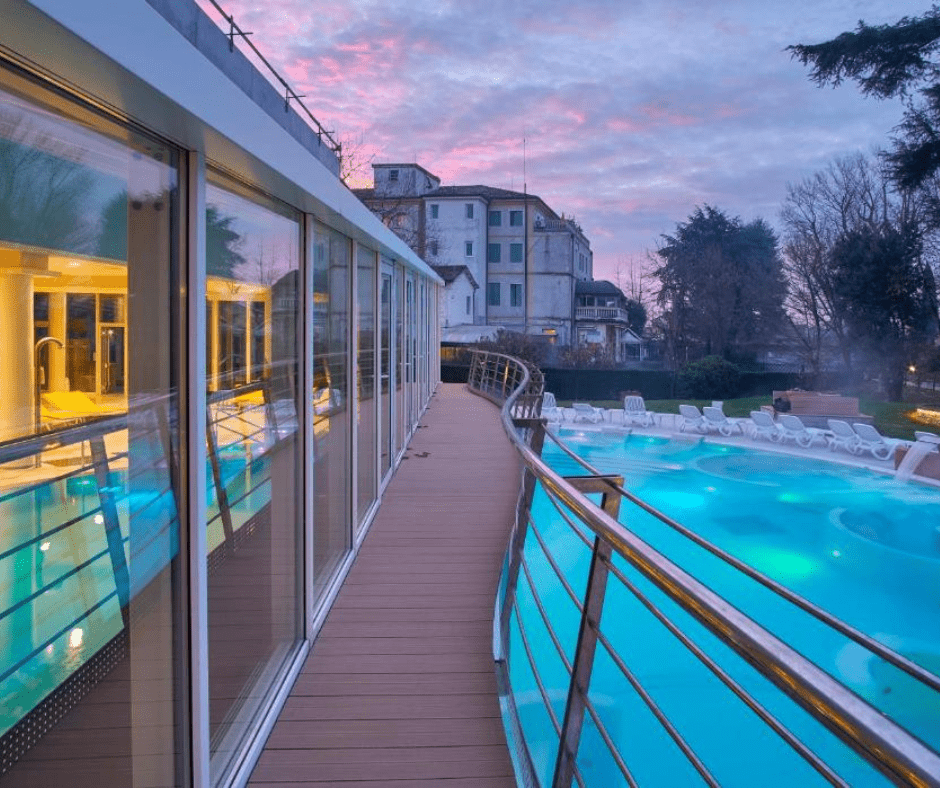
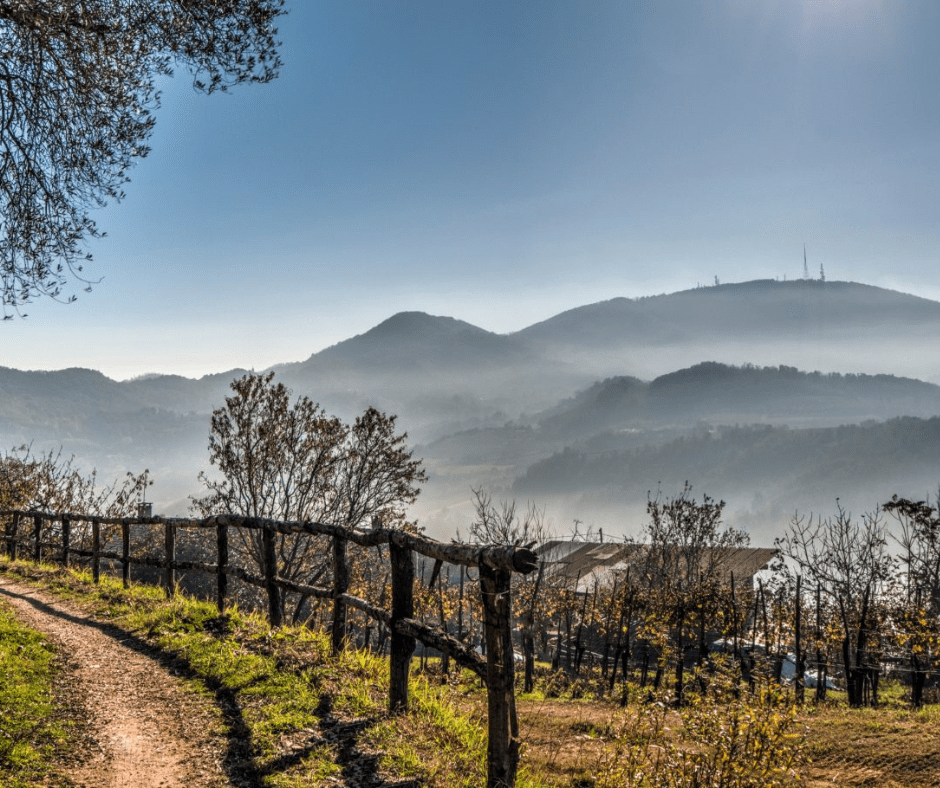
Montegrotto Terme has ancient origins linked to the Euganean Springs, which were already considered sacred by the ancient Veneti. During the Roman era, it experienced significant development thanks to its thermal baths, but subsequently declined following the barbarian invasions. After coming under the rule of Padua, the Carraresi family and Venice, it once again flourished as a spa town renowned throughout Europe. In the 19th century, the Austrians protected the waters; in 1921 it became an autonomous municipality, in 1934 it adopted its current name, and in the post-war period it established itself as a centre for health and international tourism. It holds three designations: European Route of Historic Thermal Towns, UNESCO World Network of Water-Related Heritage Sites, and UNESCO MAB – Biosphere Reserve.
LOZZO ATESTINO
Province: Padua
Region: Veneto
Population: 3,076
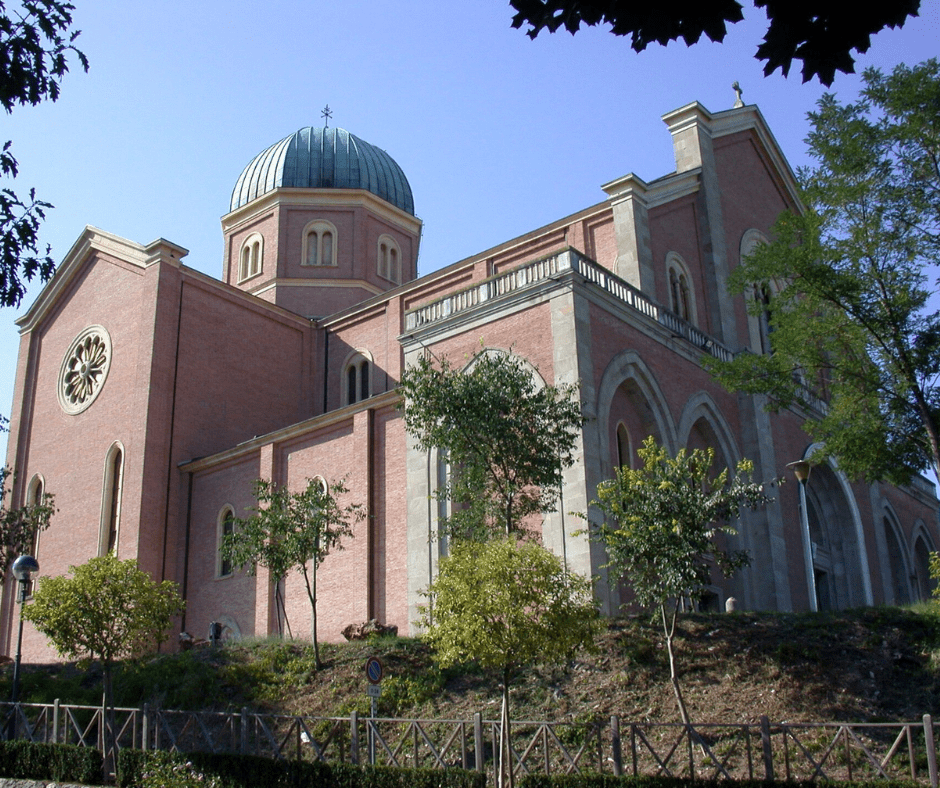
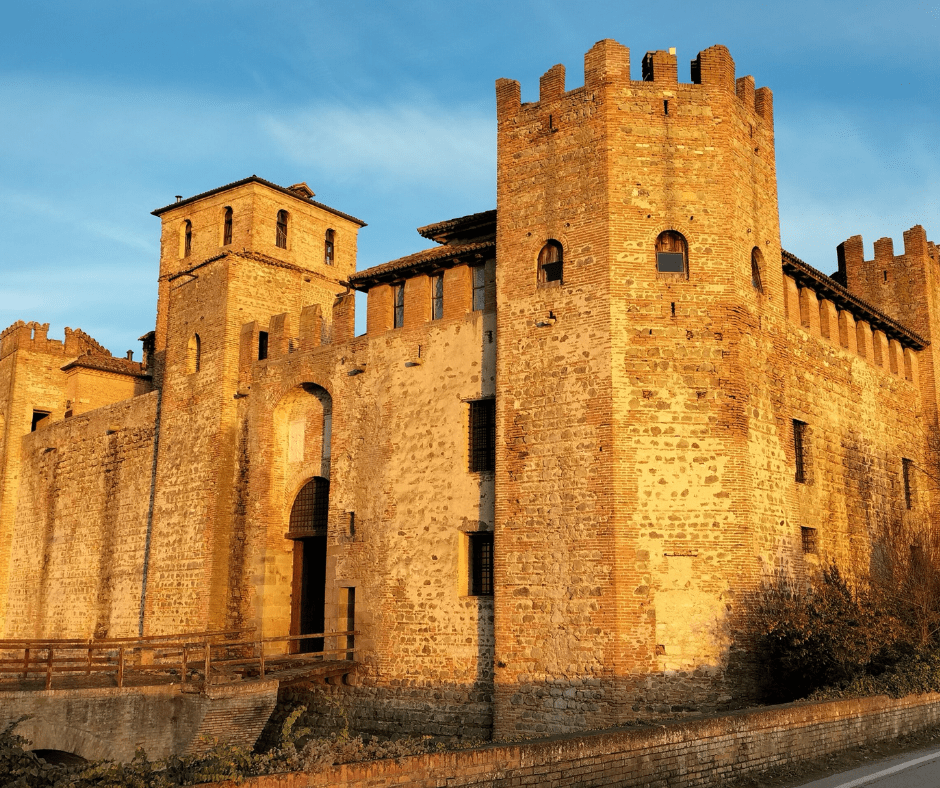
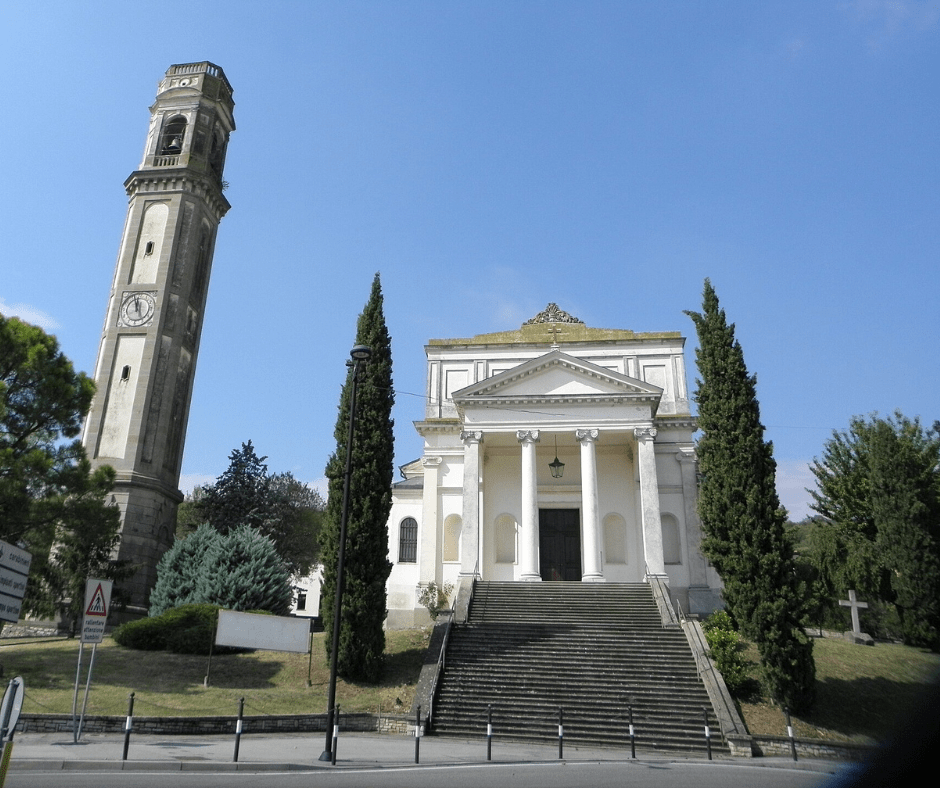
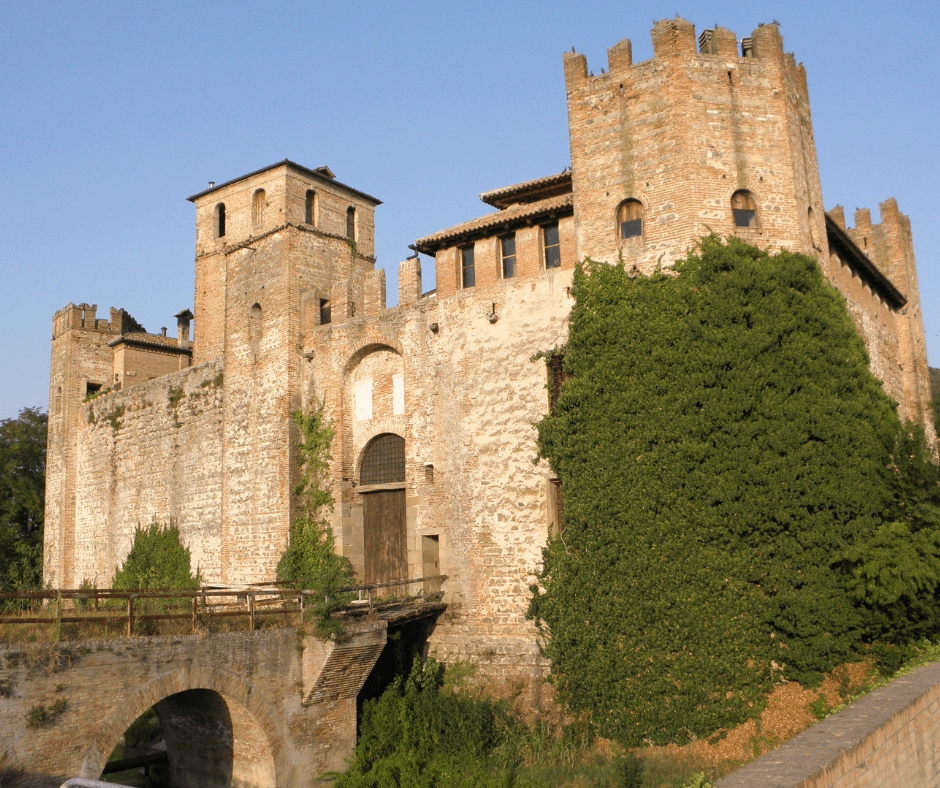
Lozzo Atestino was founded in Roman times in the Atestino countryside and owes its name to the marshy terrain and its connection with Este. In the Middle Ages, it was a strategic centre in the Euganean Hills, with Valbona Castle and the conflicts between Padua, Verona and Venice. Under the Venetian Republic, land reclamation projects and Venetian villas were developed. Today, it retains a strong connection between history, the countryside and the hilly landscape. Lozzo Atestino is part of the UNESCO Euganean Hills Biosphere Reserve.
ESTE
Province: Padua
Region: Veneto
Population: 15,853
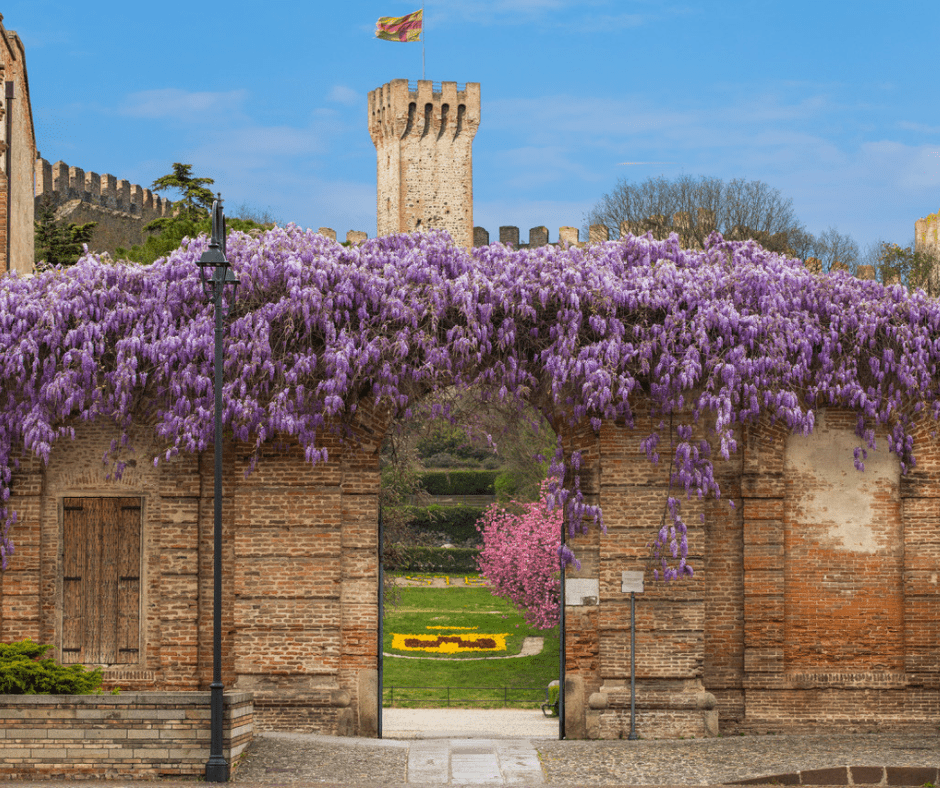
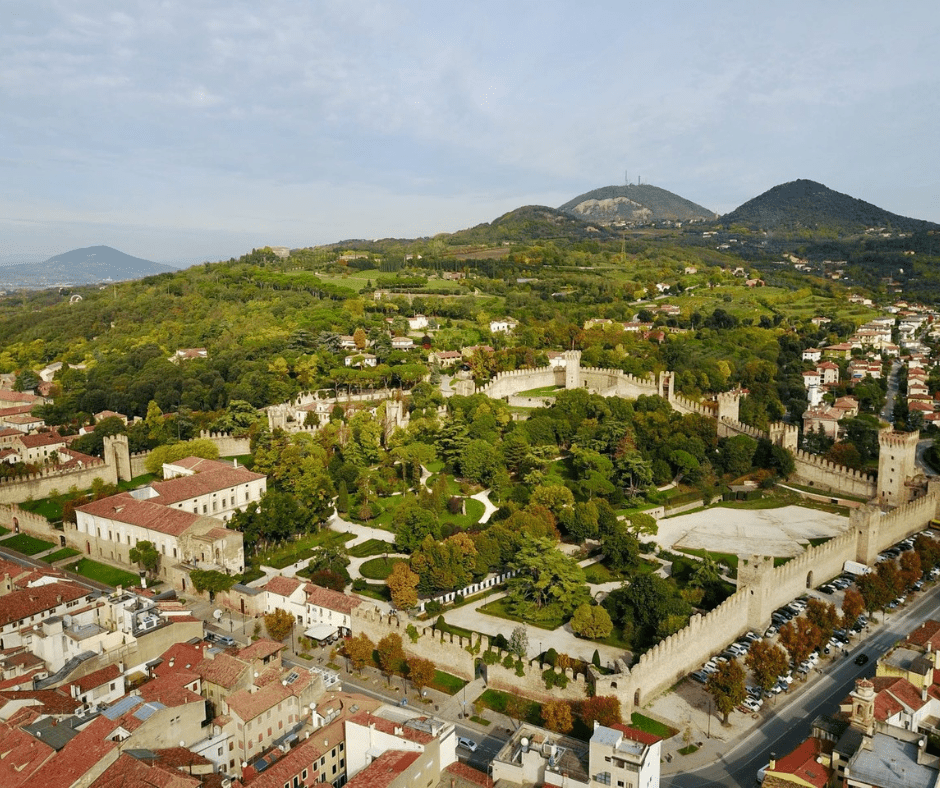
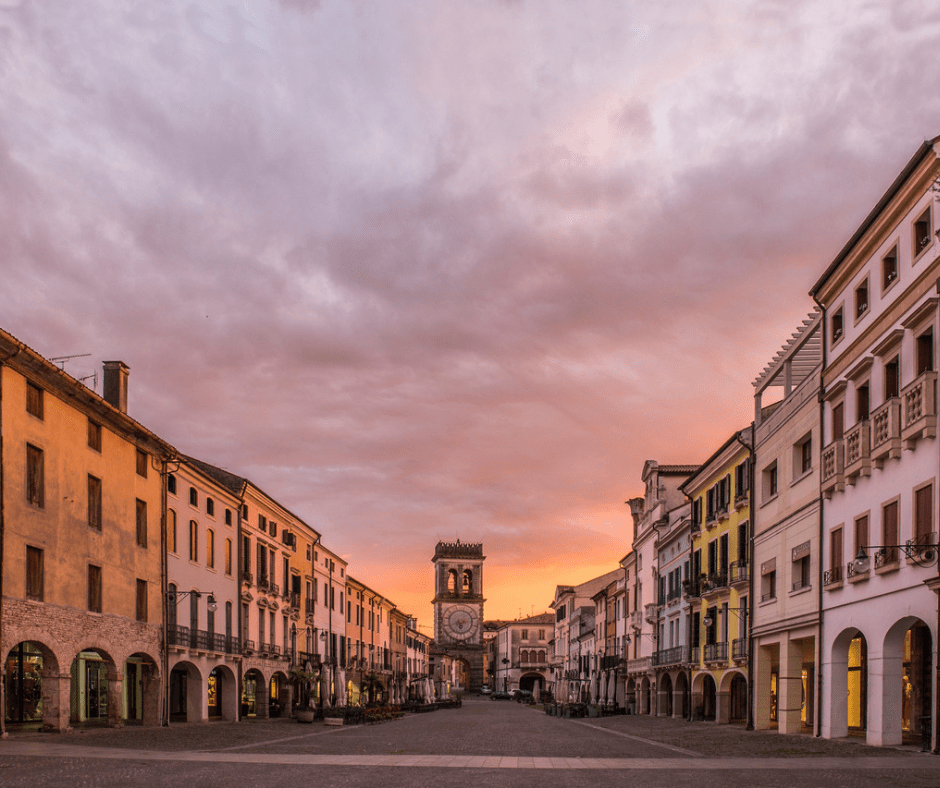
Este is a hidden gem nestled among the hills of the Veneto region. With its thousand-year history, artistic treasures, and breathtaking landscapes, Este is rich in history, archaeology, and natural beauty.
Known in ancient times as Ateste, it was one of the main centers of the ancient Veneti people and still preserves important archaeological remains from both pre-Roman and Roman times, housed in the National Atestino Museum.
The symbol of the city is the Carrarese Castle, with its imposing medieval walls and charming public gardens. The historic center is home to monuments, Venetian villas, churches, and elegant palaces of great artistic value, including the Cathedral of Santa Tecla, which houses the famous painting by Tiepolo.
Este is also renowned for its artistic ceramics, a historic tradition that is still alive today in local artisan workshops. Set within the enchanting landscape of the Euganean Hills, the town offers natural, cultural, and romantic itineraries through scenic trails, villas, and panoramic views.
ABANO TERME
Province: Padua
Region: Veneto
Population: approx. 20,500
Abano Terme lies at the foot of the Euganean Hills, in a flat area of volcanic origin. The territory is heavily urbanised and organised around its spa facilities, with parks, avenues and accommodation facilities. Its proximity to Padua and its setting within a beautiful natural environment make it an easily accessible and well-connected destination.
The origins of Abano Terme are linked to the worship of water dating back to pre-Roman times. The Romans exploited its healing properties. After a more marginal period during the Middle Ages, between the 18th and 20th centuries it became one of Europe’s leading spa centres.
FERRARA
Province: Ferrara
Region: Emilia-Romagna
Population: 130,000
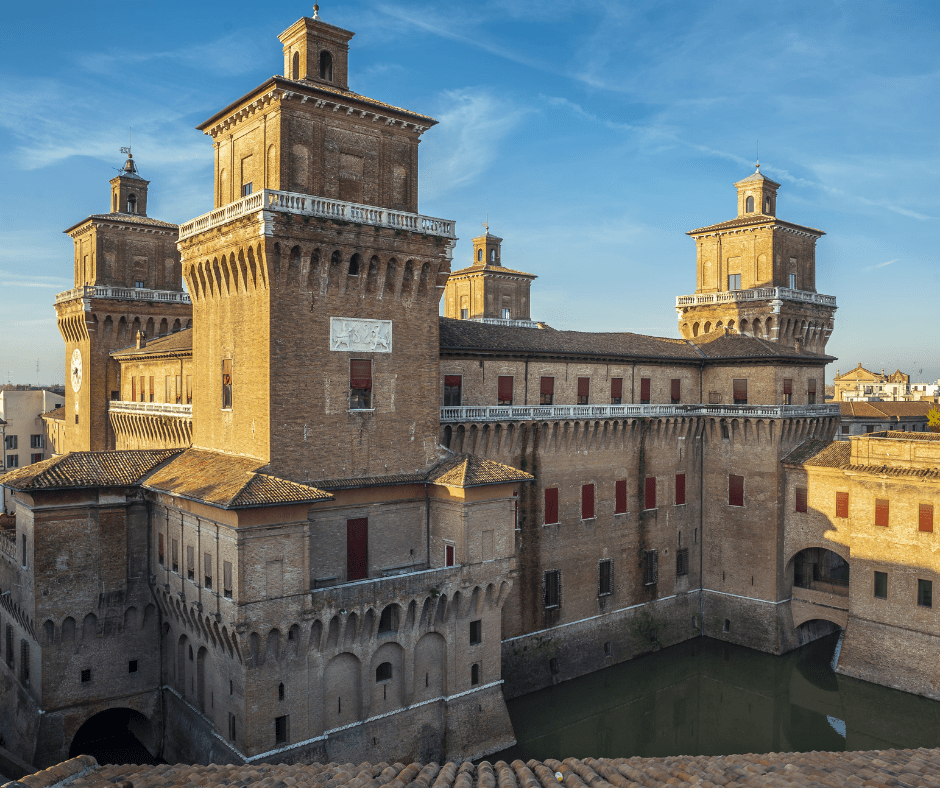
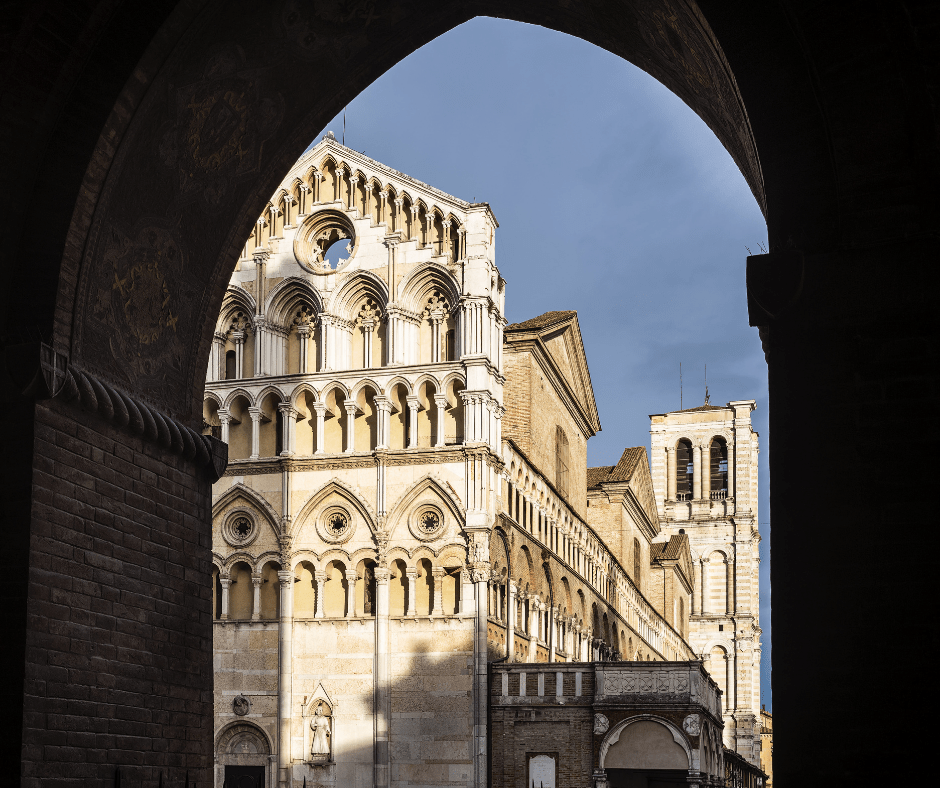
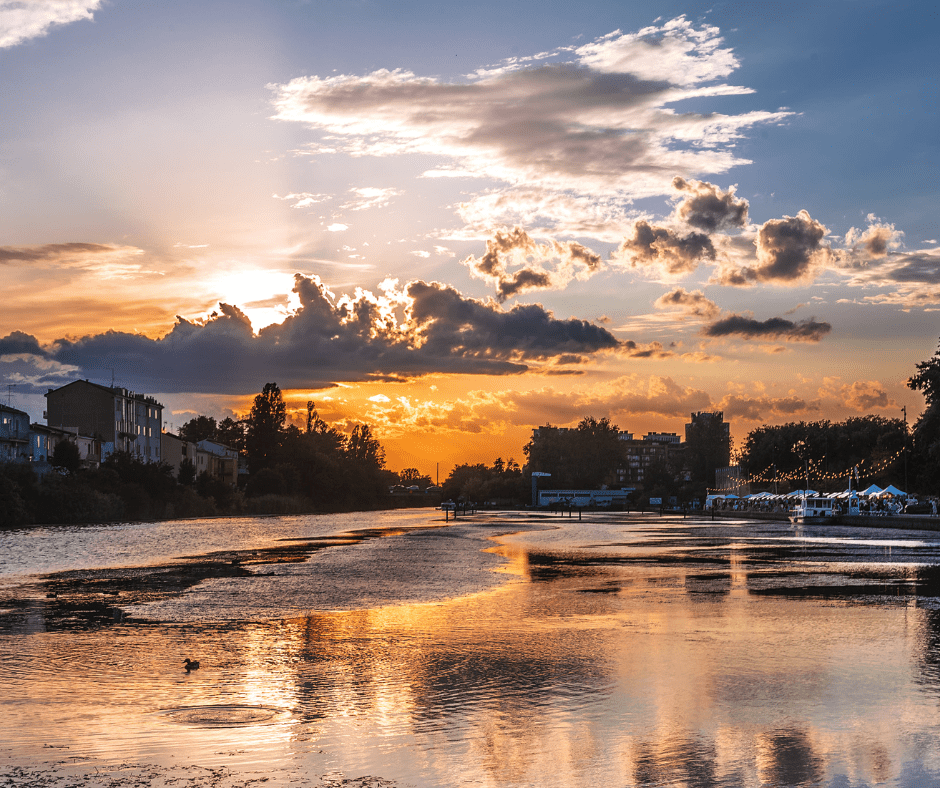
Founded as a Byzantine castrum on the banks of the River Po, Ferrara flourished under the rule of the Este family, becoming one of the most prestigious courts in Europe between the 14th and 16th centuries. The city evolved from a medieval outpost into a jewel of the Renaissance thanks to the Addizione Erculea, a perfect synthesis of the ancient town and modern urban planning. A hub of cultural exchange between artists and writers, after its transfer to the Papal States in 1598 it retained its monumental identity as an ideal city. It was entered by UNESCO in 1995 as a Renaissance City, a tribute to its urban planning and the value of the Po Delta and the Delizie.
Landmarks: The Castello Estense, with its moat, dominates the heart of Ferrara. A short walk away stand the Romanesque-Gothic Cathedral and the Palazzo dei Diamanti, famous for its pointed rustication. The imposing city walls and Piazza Ariostea complete the picture.
BONDENO
Province: Ferrara
Region: Emilia-Romagna
Population: 14,000
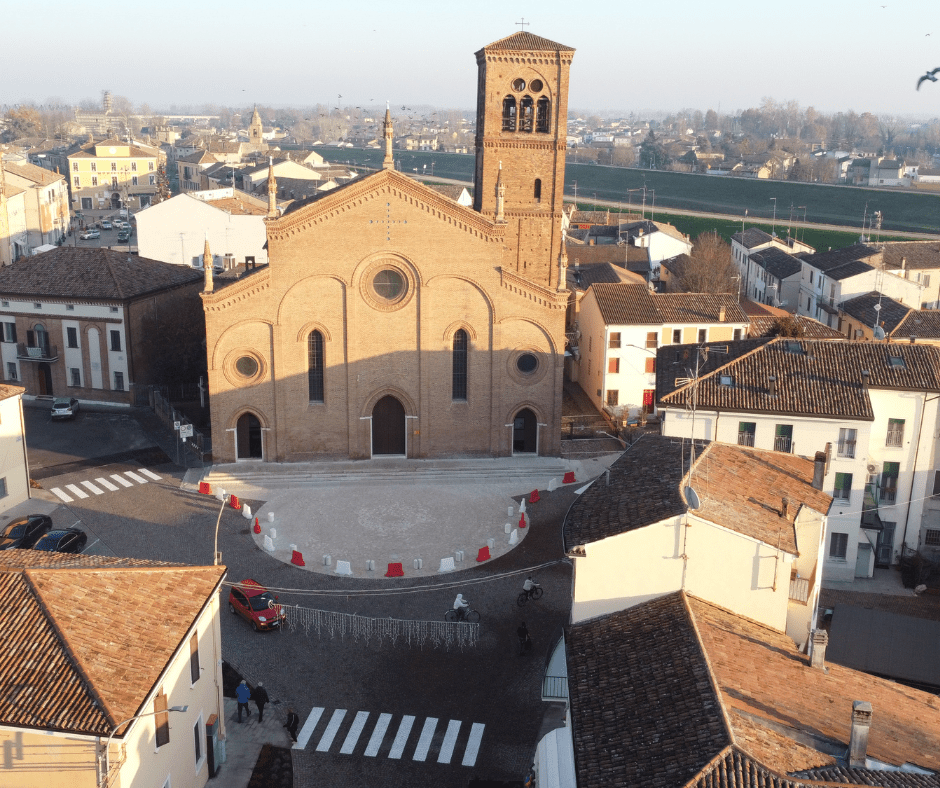
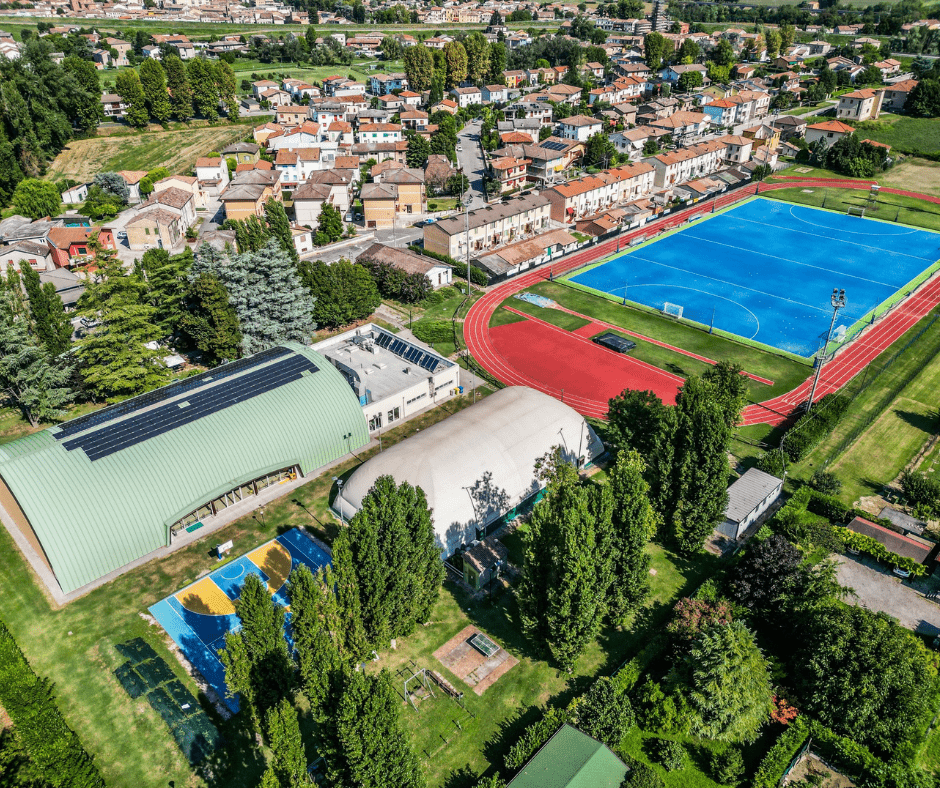
Situated at the border between four provinces and three regions, it has played an important role in customs control of goods entering and leaving the Duchy since the Este era. The entirely flat territory covers 174 square kilometres, weaving a close bond between land and water. Two rivers – the Po and the Panaro – and hundreds of canals flow through Bondeno. From here, the waters that flow into the countryside of Ferrara, Modena and the whole of Romagna are managed. A vast area, which includes the Rocca Possente di Stellata, forms part of the UNESCO site “Ferrara, City of the Renaissance and its Po Delta”
Landmarks: The area’s iconic monument is the Rocca Possente di Stellata, an ancient medieval tower recently returned to the community following post-earthquake restoration work. The Bell Tower, known as the “Matildica”, is also highly recognisable.
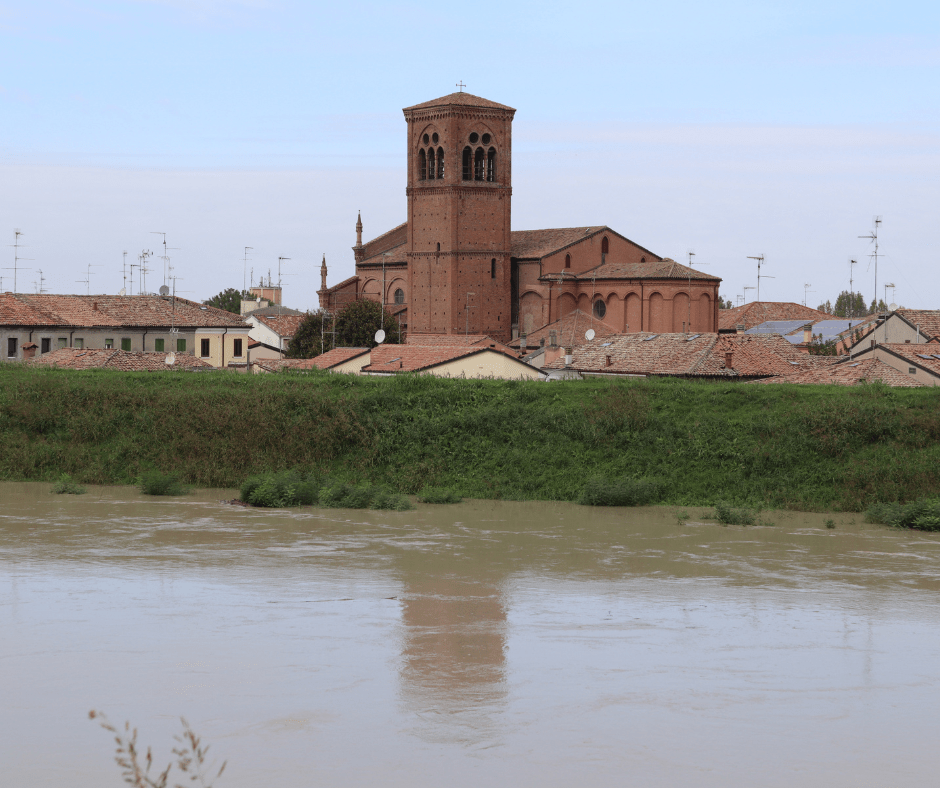
MODENA
Province: Modena
Region: Emilia-Romagna
Population: 184,349
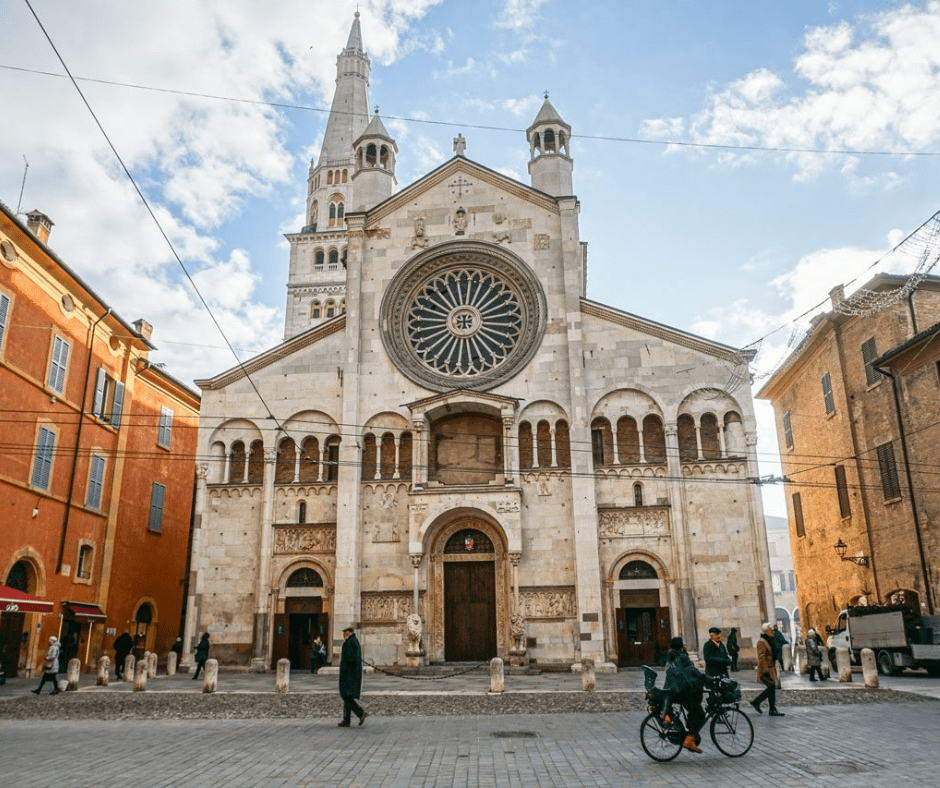
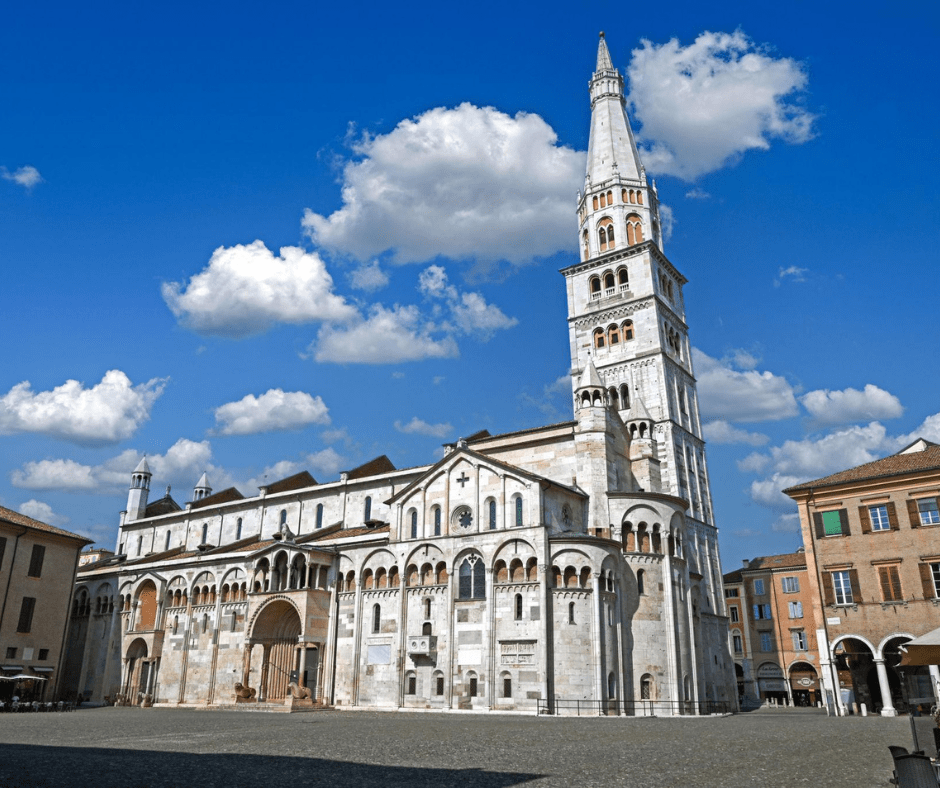
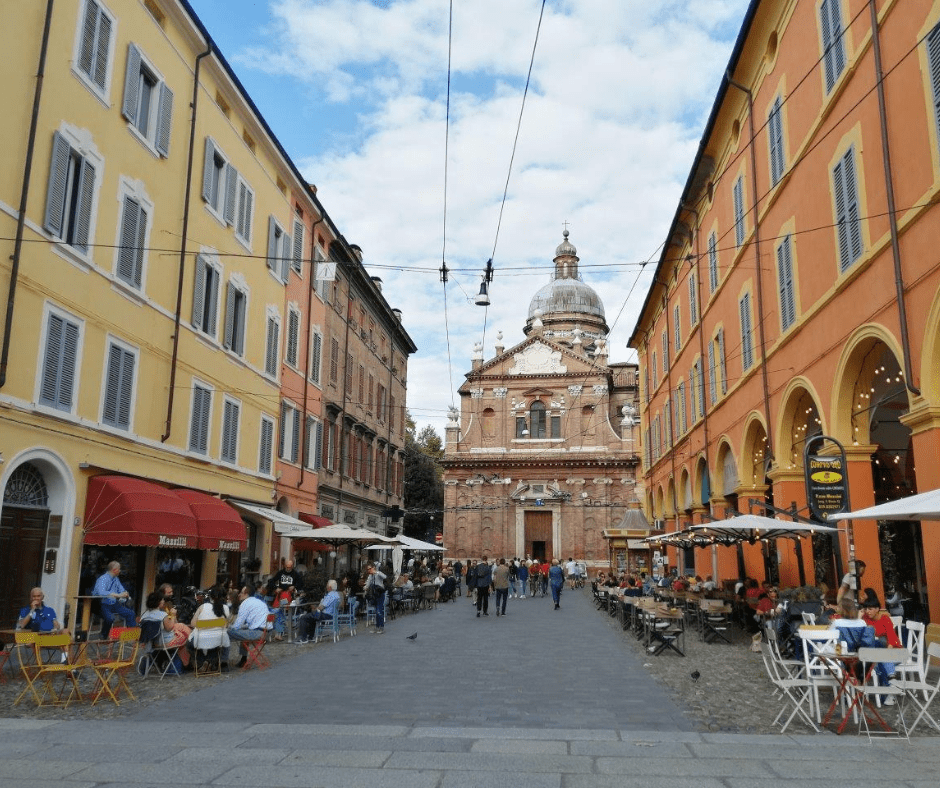
Modena is one of the oldest cities in Emilia-Romagna, with Etruscan origins and subsequent development during the Roman era as Mutina, an important centre on the Via Emilia. In the Middle Ages, it became a free Municipality and later the capital of the Duchy of Este, ruled by the d’Este family until the 19th century. Following the unification of Italy, it flourished economically and culturally, becoming today a centre of excellence for motoring, gastronomy and tradition.
Landmarks: Among Modena’s iconic landmarks are the Cathedral of Modena, a Romanesque masterpiece; the Ghirlandina, the city’s symbolic tower; and Piazza Grande, the historic and civic heart of the Modenese community. The site comprising the Cathedral of Modena, the Ghirlandina and Piazza Grande has been a UNESCO World Heritage Site since 1997.
REGGIO EMILIA
Province: Reggio Emilia
Region: Emilia-Romagna
Population: 172,400
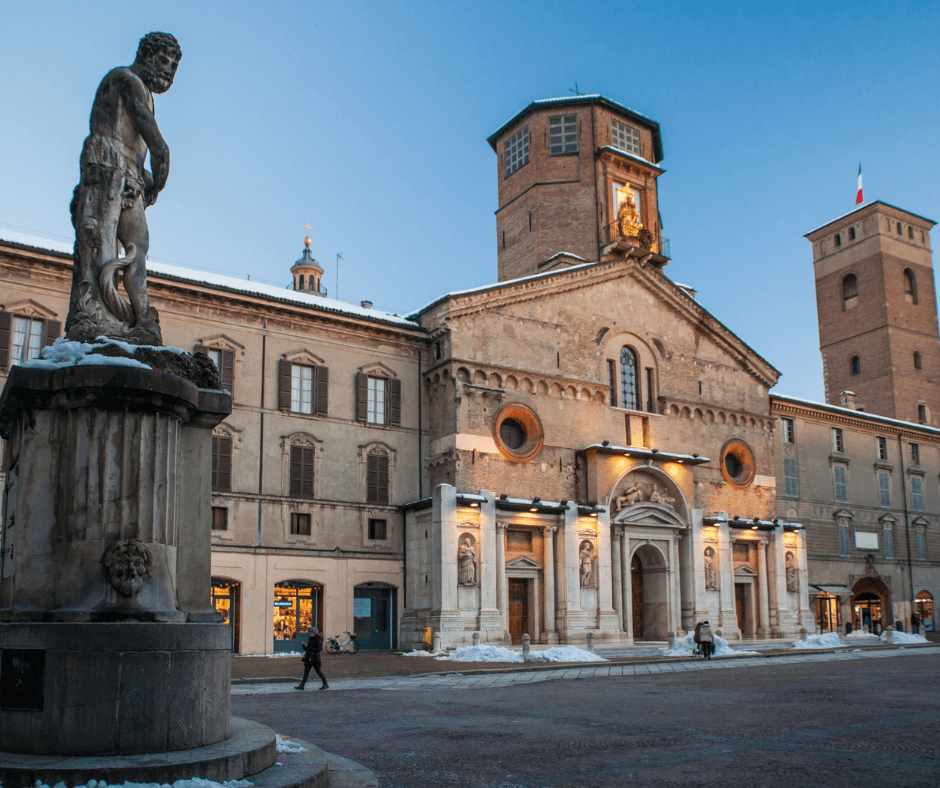
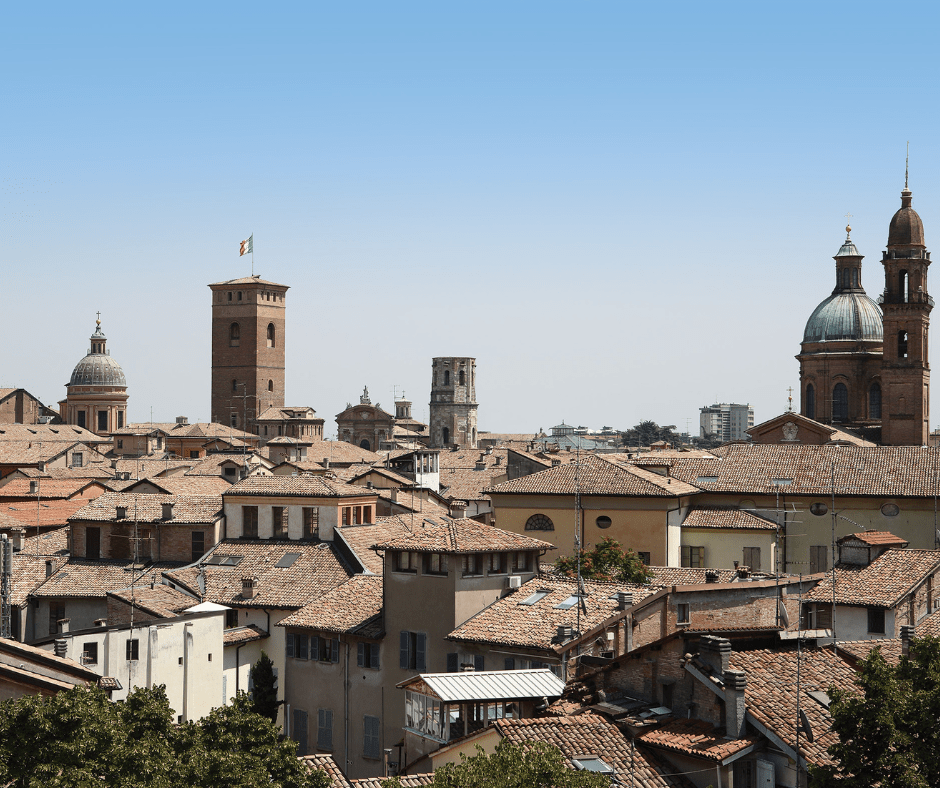
Founded in the 2nd century BC on the Via Emilia, Reggio Emilia is a hub of history. From the reign of Matilda of Canossa to the House of Este, it was the birthplace of poets such as Ariosto. Known as the “City of the Tricolour”, the Italian flag was born here in 1797. Strategically situated between the River Po and the Apennines, the city today combines a glorious artistic past with a vibrant civic life, having always distinguished itself through the values of freedom and participation that define its identity.
Landmarks: Reggio Emilia boasts the Sala del Tricolore, the Cathedral, the Baptistery and the Basilica of San Prospero. The Basilica della Ghiara, the Teatro Valli and the Calatrava Bridges stand out as icons of history and innovation. Piazza Prampolini and the Chiostri di S. Pietro are also noteworthy.
FIUMALBO
Province: Modena
Region: Emilia-Romagna
Population: 1,180
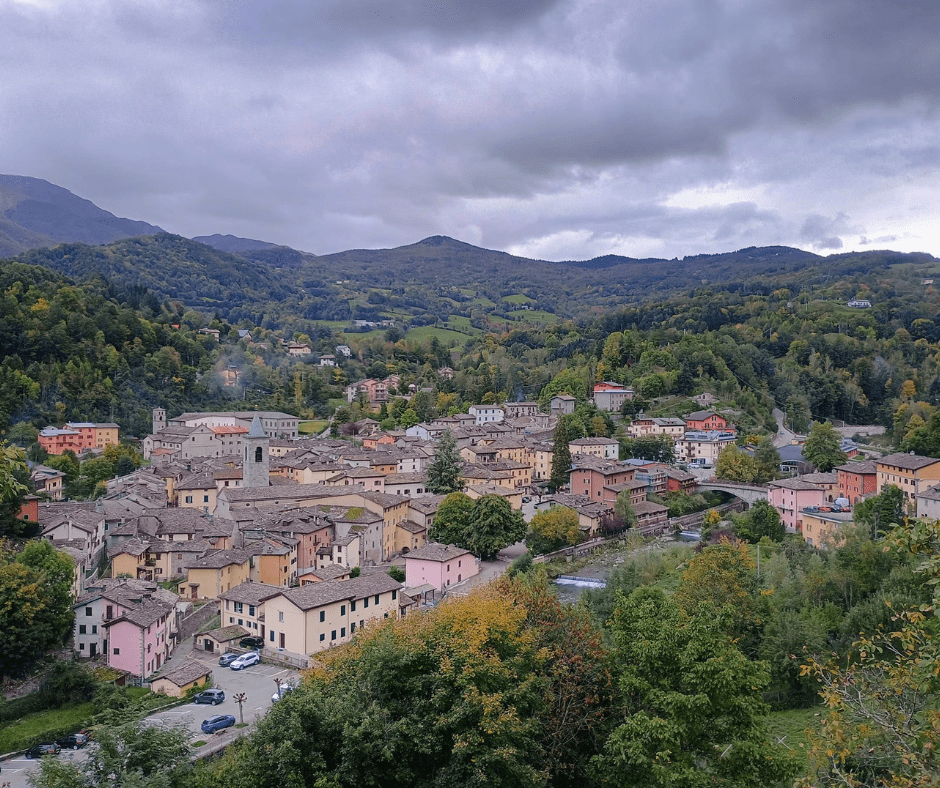
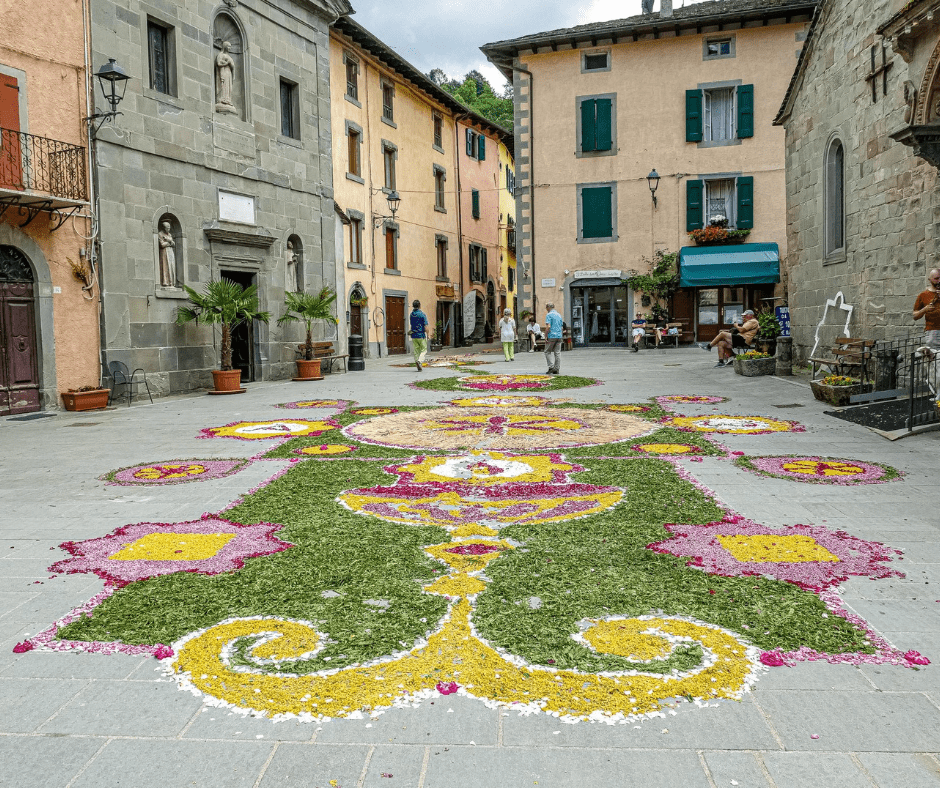
Fiumalbo is a village with ancient origins situated at the southern tip of the province of Modena, on the border with Tuscany. The town, built in a valley descending from the ridge of the Tuscan-Emilian Apennines and in the heart of the Frignano Nature Park, stretches from the 935 metres above sea level of the historic centre to the 2,165 metres of Monte Cimone, which towers imposingly above it. Fiumalbo has preserved its historic centre intact, an urban settlement with the typical layout of a medieval village. The village is recognised as a City of Art, it has been awarded the Orange Flag by the Italian Touring Club, and is part of “I Borghi più Belli d’Italia” (Italy’s Most Beautiful Villages).
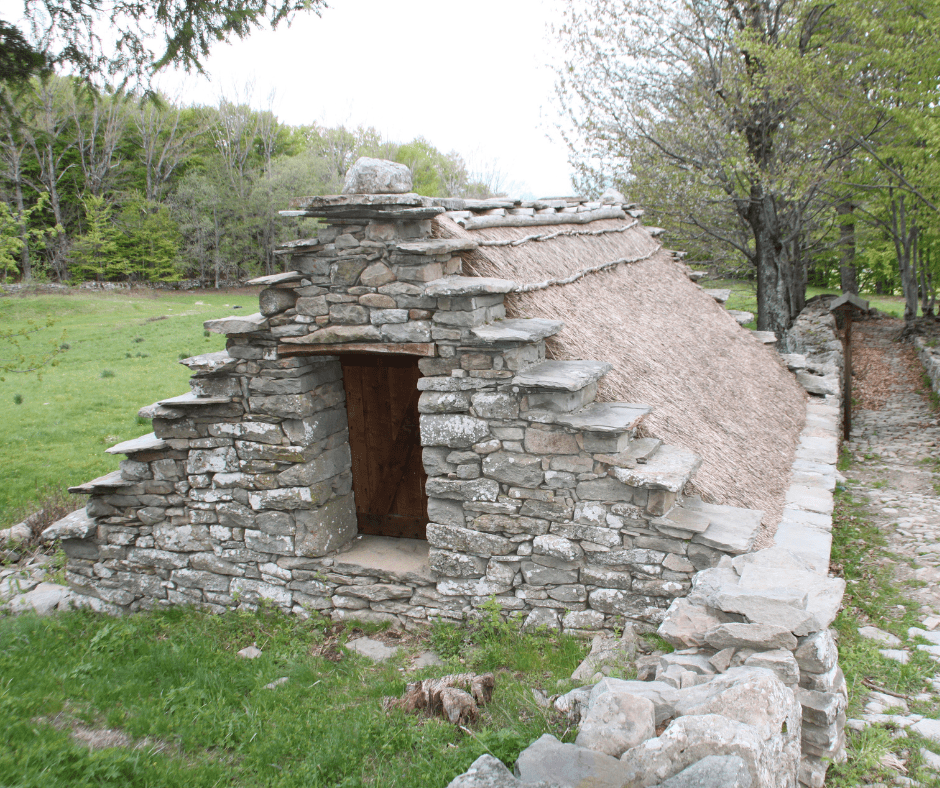
Landmarks: Near the village, scattered across the slopes of Mount Cimone, are typical rural buildings known as “Celtic huts”. Their origins appear to date back to the Celtic invasions of the Italian peninsula in the 4th century BC.
ABETONE
Province: Pistoia
Region: Tuscany
Population: 1,834
The municipality of Abetone Cutigliano was formed by the merger of the two municipalities in 2017. Abetone, a well-known Tuscan ski resort, is the birthplace of some of the greatest names in alpine skiing, including Olympic champion Zeno Colò, Celina Seghi and Vittorio Chierroni. It stretches along the main road commissioned in the 18th century by Grand Duke Pietro Leopoldo. From here, one reaches Cutigliano, a village which in medieval times served as the seat of the Capitano della Montagna and was thus the nerve centre of the area, surrounded by enchanting natural landscapes. The municipality of Abetone Cutigliano is part of the Italian Touring Club’s Bandiere Arancioni and Città Slow schemes.
Landamrks: The Pyramids of Abetone, which marked the border between the Duchy of Modena and the Grand Duchy of Tuscany; the Palace of the Capitani della Montagna; the Loggia dei Capitani; the Abetone Pass and panoramic terrace.
MONTECATINI TERME
Province: Pistoia
Region: Tuscany
Population: approx. 21,800
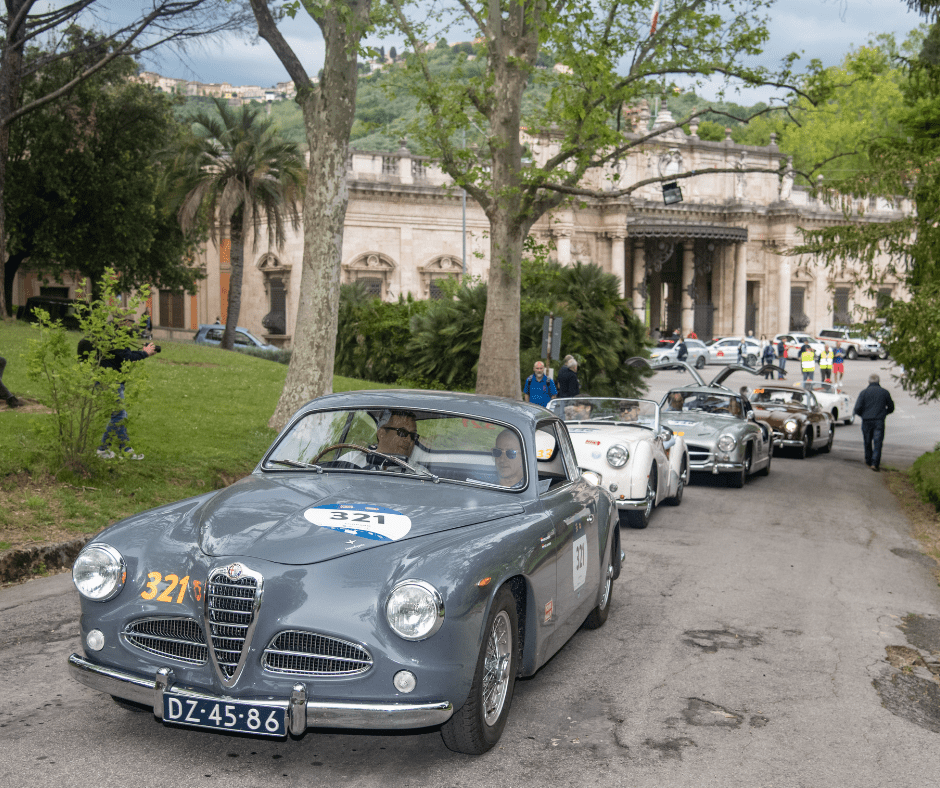
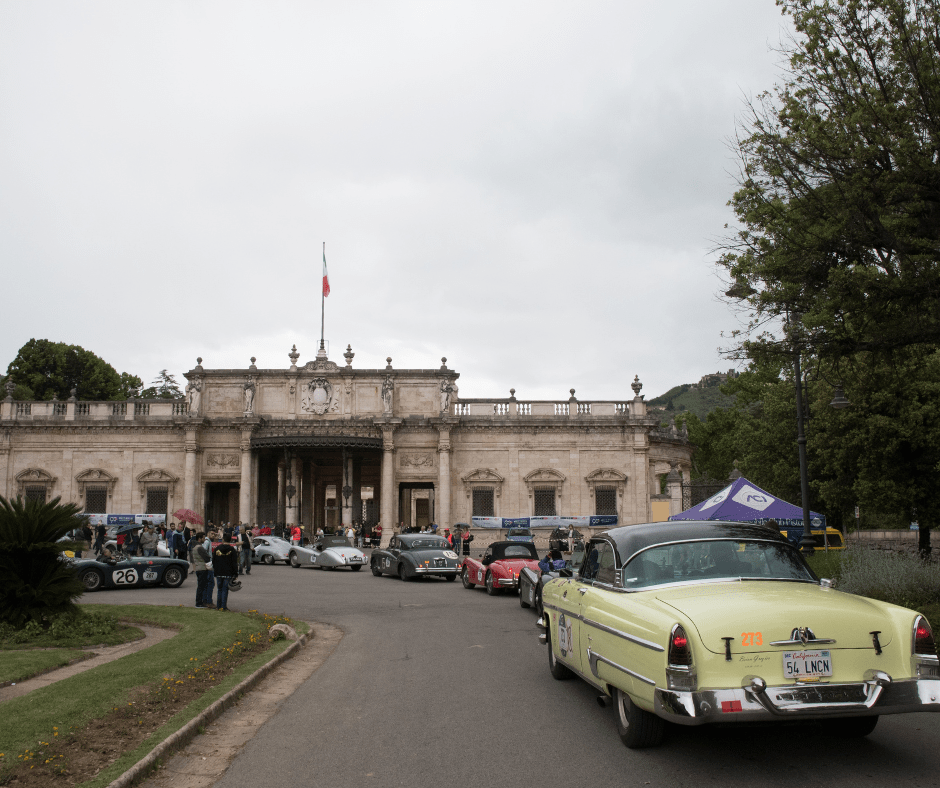
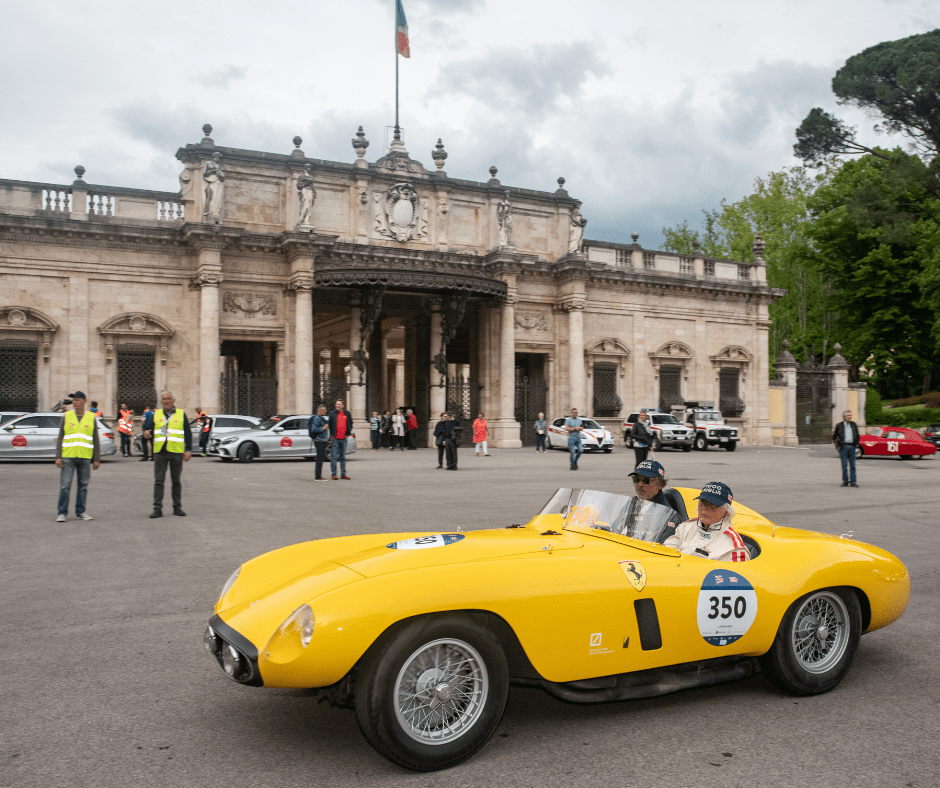
Montecatini Terme is situated in the Valdinievole and is characterised by an urban layout designed around the spa facilities and the large central park. The municipal area encompasses both the modern town and the hilltop village of Montecatini Alto. Its central location in Tuscany favours tourism and connections with the main cities of art.
Montecatini has been known since ancient times for its waters. Its decisive development took place between the 18th and 20th centuries under the Grand Dukes of Tuscany. In the 20th century, it became an international destination and is now recognised as a UNESCO World Heritage Site.