LEG 4 – FRIDAY 12th JUNE
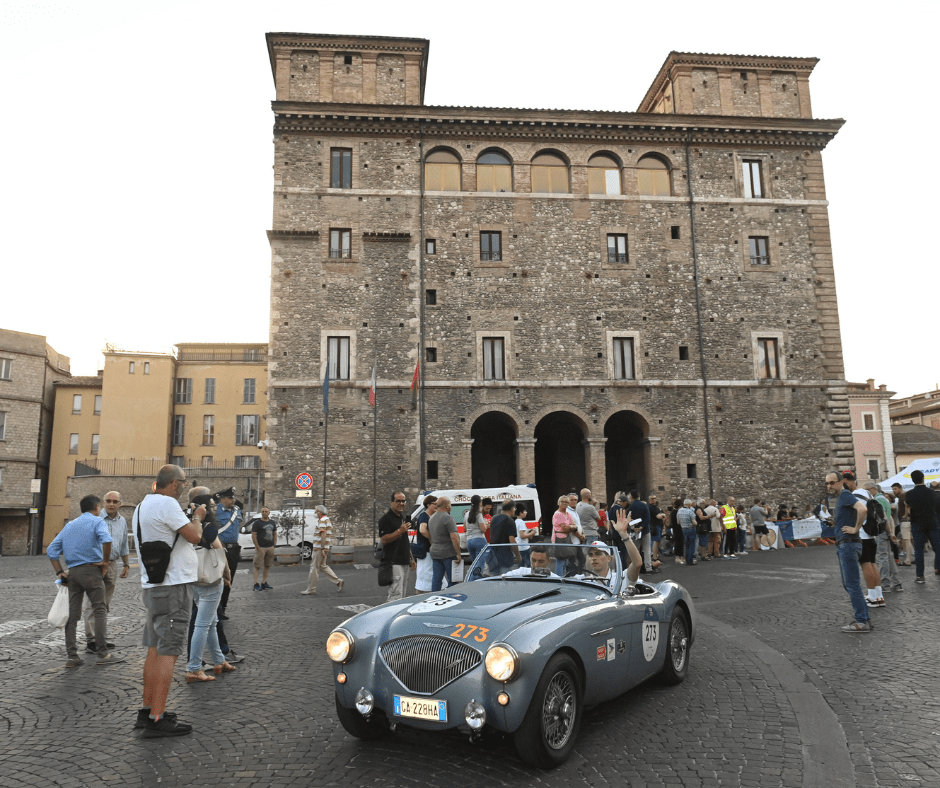
TERNI
Province: Terni
Region: Umbria
Population: approx. 106,000
Terni lies in the valley of the River Nera, in a basin surrounded by hills and mountainous areas. The territory boasts significant natural resources, such as the Marmore Falls, and a strong industrial infrastructure. The city serves as a key hub for southern Umbria.
Founded as Interamna Nahars in Roman times, Terni grew during the Middle Ages and became a major national steel centre in the 19th century. It is the city of Saint Valentine.
FOLIGNO
Province: Perugia
Region: Umbria
Population: 55,000
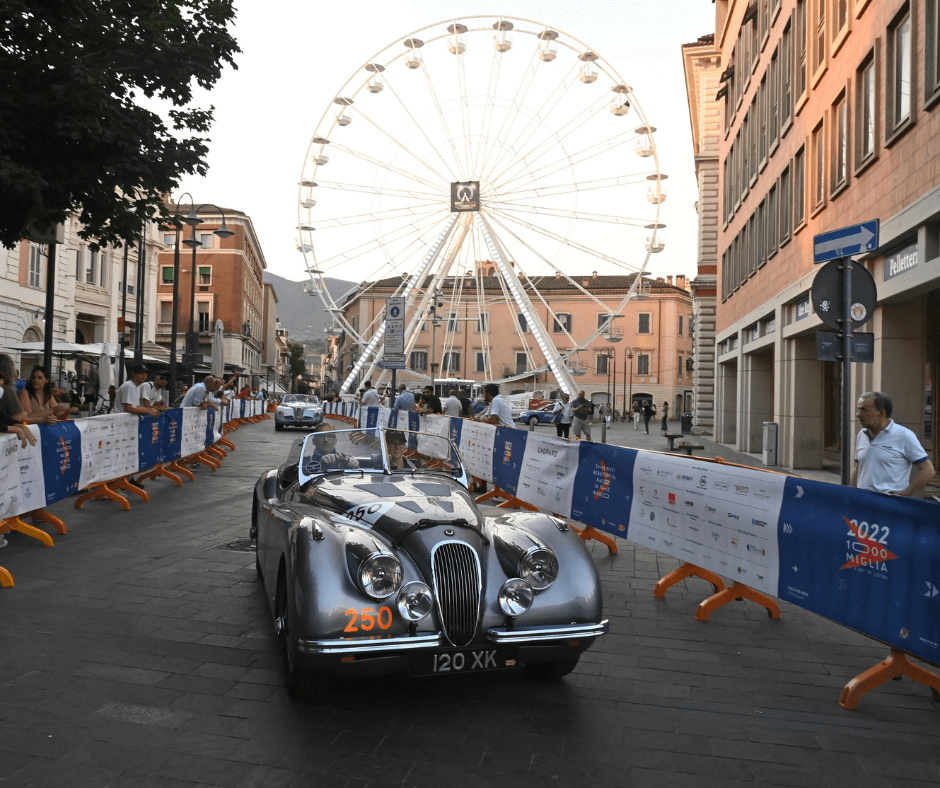
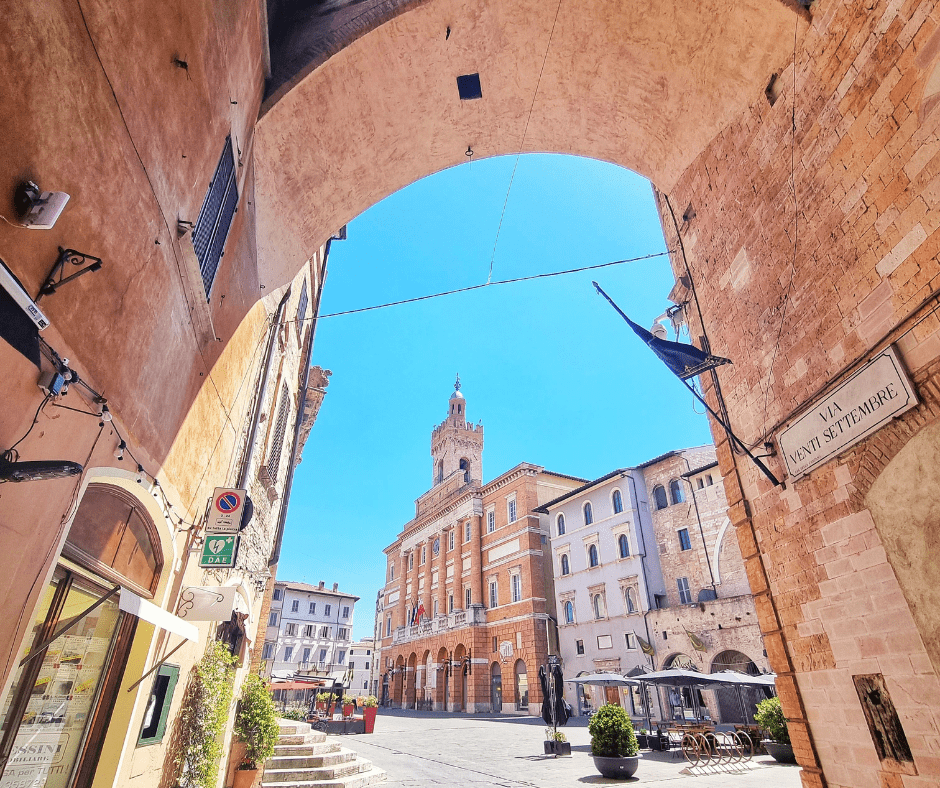
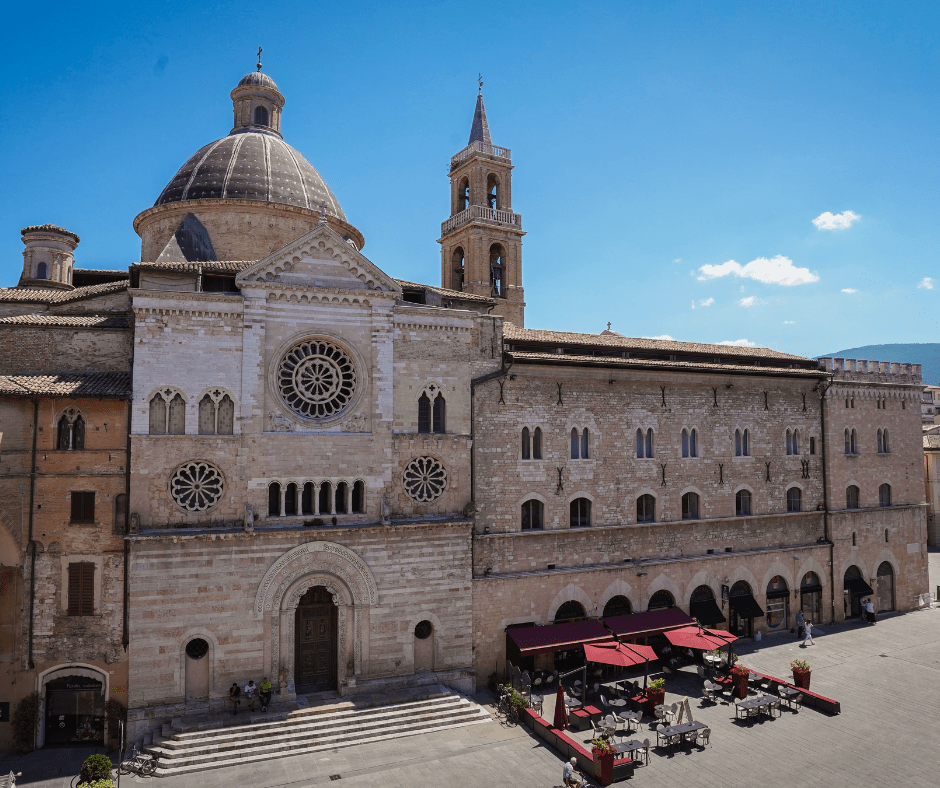
Foligno, situated in the heart of Umbria and Italy, is also known as the “Centre of the World”. Originally Umbrian and later Roman, its name derives from the cult of the goddess Fulginia. Linked to the main transport routes, it has been a city dedicated to trade and manufacturing since ancient times. It was here that St Francis began his evangelical journey by selling his cloth and horse to repair the little church of San Damiano. It was also here, in 1472, that the first copy of the Divine Comedy was printed.
Landmarks: Palazzo Trinci, a 14th-century noble residence, now the City Museum; Palazzo Orfini, home to Foligno’s printing press, now the Printing Museum; Gino De Dominicis’s “Calamita Cosmica”, a work of contemporary art.
ASSISI
Province: Perugia
Region: Umbria
Population: 28,000
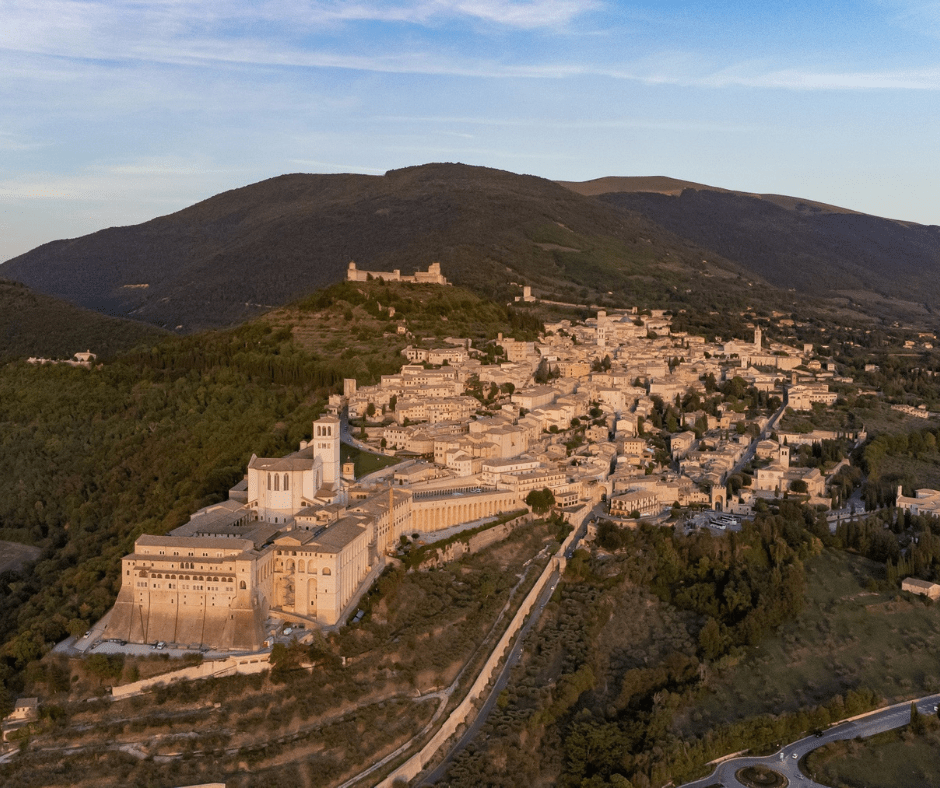
Assisi is the city of St Francis, universally recognised as a land of peace and dialogue. The beating heart of Umbria, it is nestled amidst the unspoilt natural beauty of Mount Subasio. It has Roman origins and was an important economic and social centre of the Empire. In the Middle Ages, it was a free commune and experienced significant cultural, artistic and spiritual development linked to the figures of St Francis and St Clare. Today, it is one of the country’s most important tourist and pilgrimage destinations. It has been a UNESCO World Heritage Site since 2000. It is considered a unique example of urban continuity, preserving unique masterpieces.
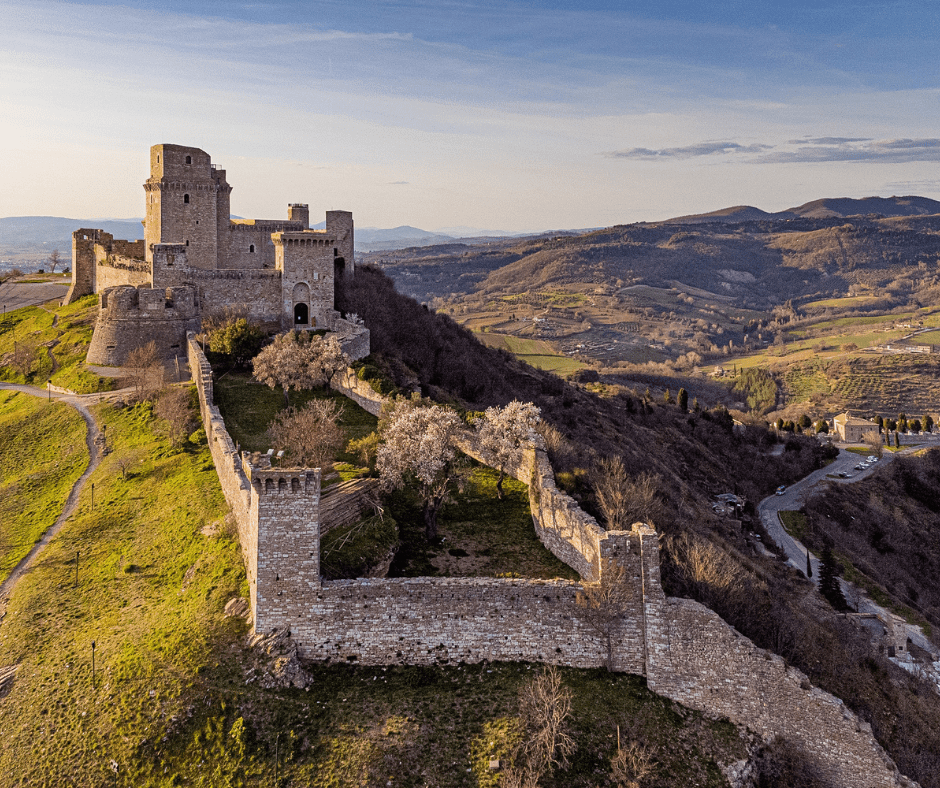
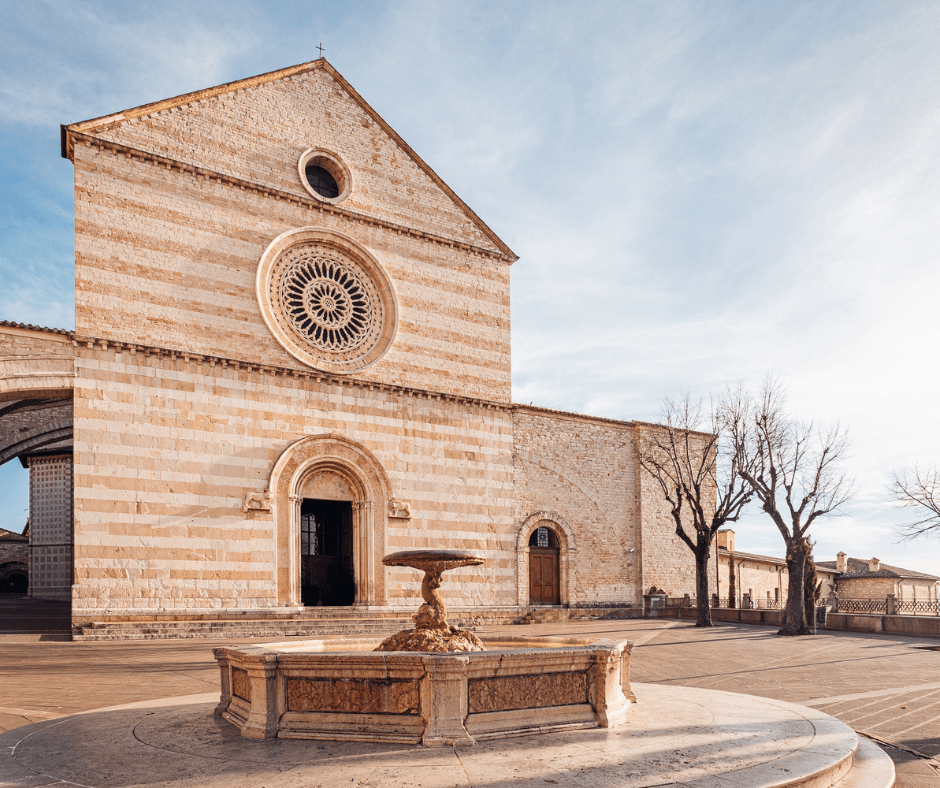
Landmarks: Basilica of St Francis, Basilica of St Clare, Basilica of St Mary of the Angels and the Porziuncola, Temple of Minerva, Hermitage of the Carceri, Rocca Maggiore, Cathedral of St Rufino, San Damiano, Mount Subasio.
GUALDO TADINO
Province: Perugia
Region: Umbria
Population: 14,300
Gualdo Tadino has ancient origins linked to the Ancient Umbrians. Their earliest settlement dates back to the 13th century BC. The town of Tadinum was founded in Roman times along the Via Flaminia. In 552, the Battle of Tagina took place, in which Totila, King of the Goths, was killed. The present-day town stands on the hill of San Michele Arcangelo and was fortified in 1242 by Frederick II of Swabia. In 1833, Pope Gregory XVI granted Gualdo Tadino the title of city. It has received numerous accolades: Sustainable Municipality Flag (2023, 2024 and 2025), Presidents’ Award 2025, Lilac Flag 2025 and European Capitals of Inclusion and Diversity Award 2025.
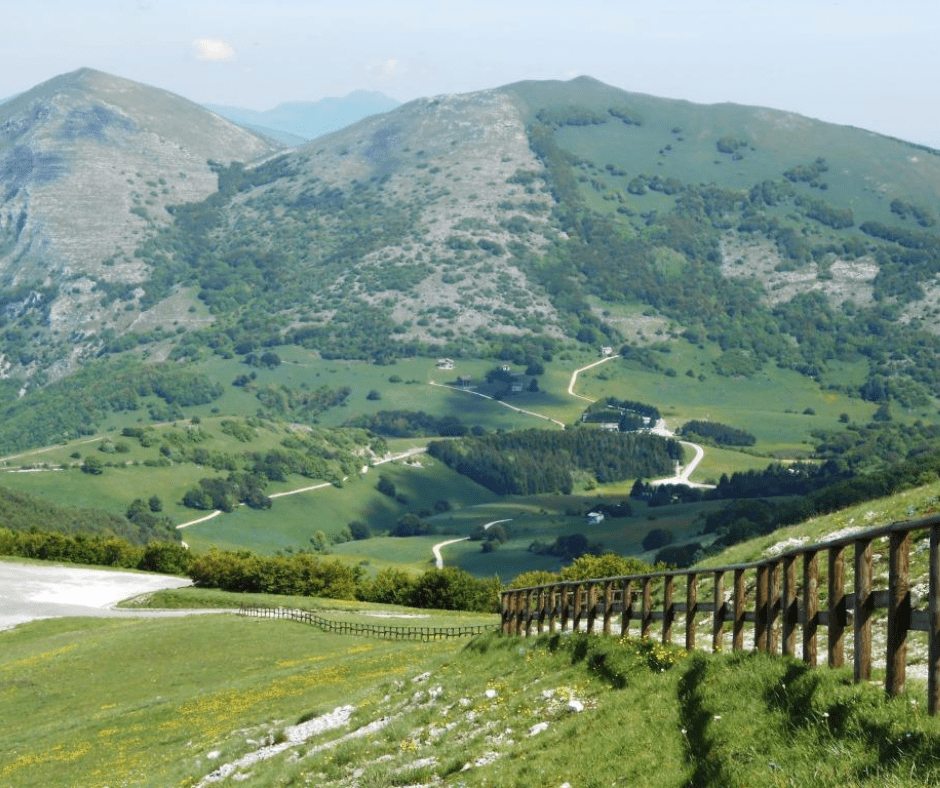
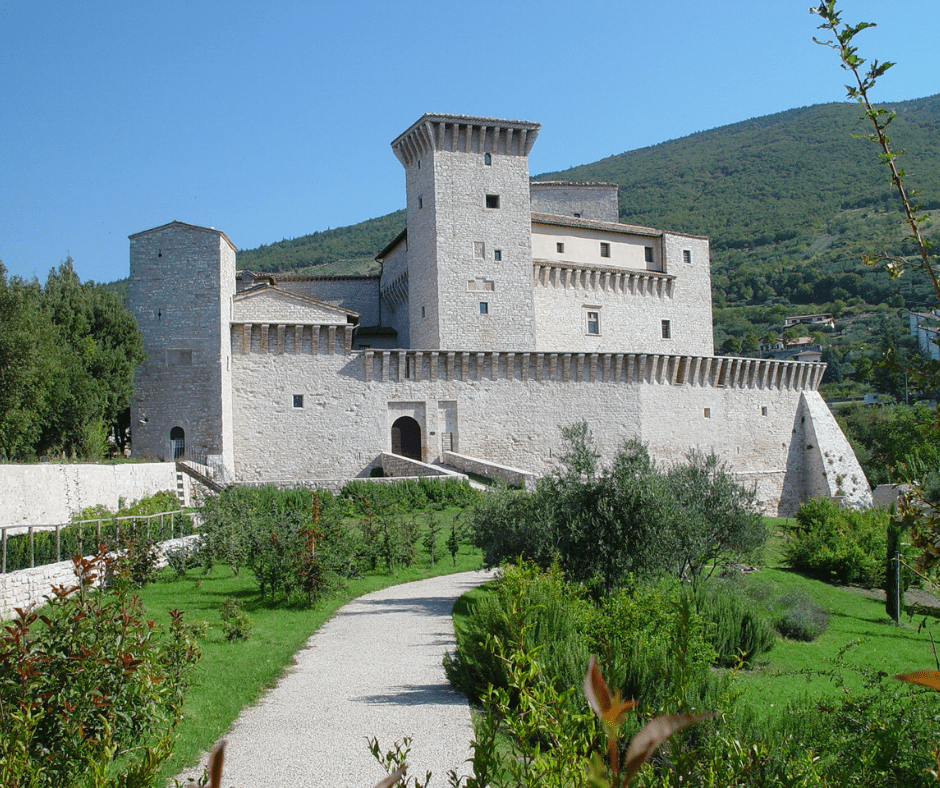
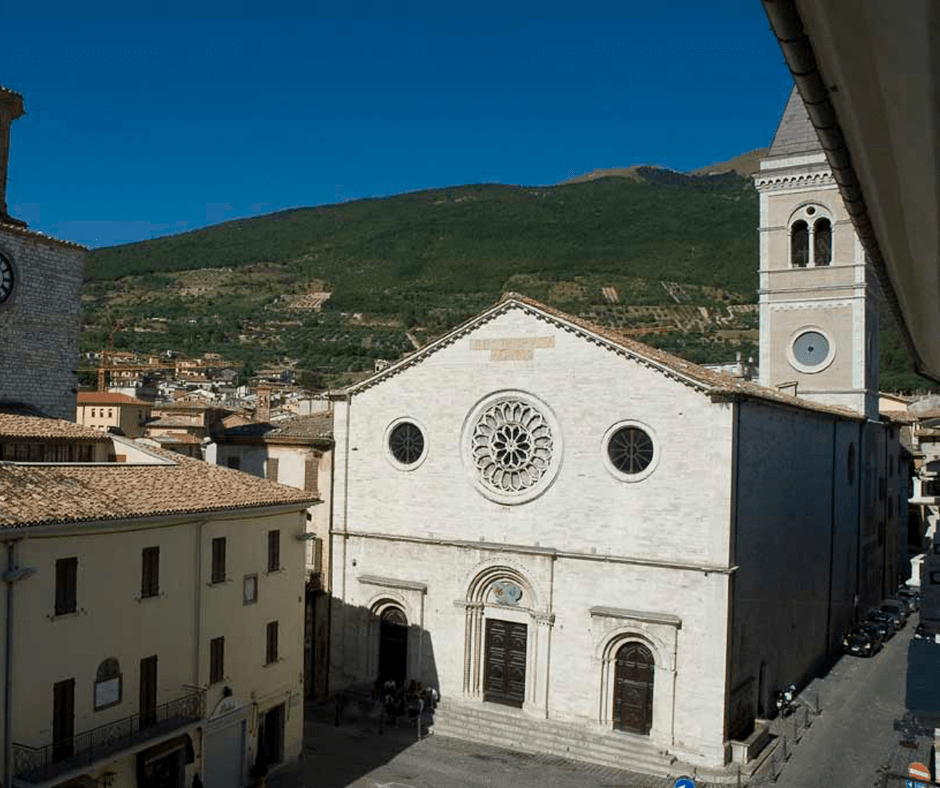
Landmarks: La Rocca Flea (11th century), home to the civic museum; the Church of San Francesco (13th century); the Church of San Benedetto with its stunning Romanesque-Gothic façade; the Palazzo del Podestà; and the Civic Tower (13th century).
FABRIANO
Province: Ancona
Region: Marche
Population: approx. 28,500
Fabriano is a mountainous municipality in the Umbria-Marche Apennines and the largest in the Marche region. The territory is characterised by valleys, woods and mountainous terrain, with numerous scattered hamlets. This landscape has historically fostered craft and manufacturing activities and a strong connection with the natural environment.
Fabriano established itself in the Middle Ages as a centre for paper production, becoming famous throughout Europe. It introduced innovations such as watermarks. It has been a UNESCO Creative City since 2013.
GUBBIO
Province: Perugia
Region: Umbria
Population: 30,304
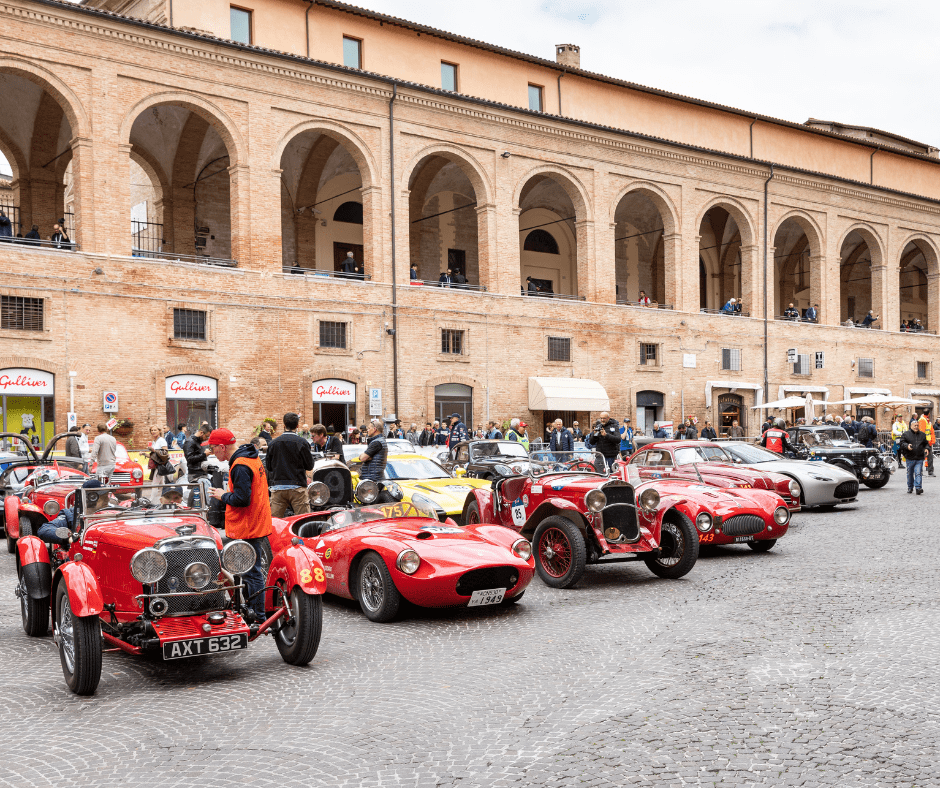
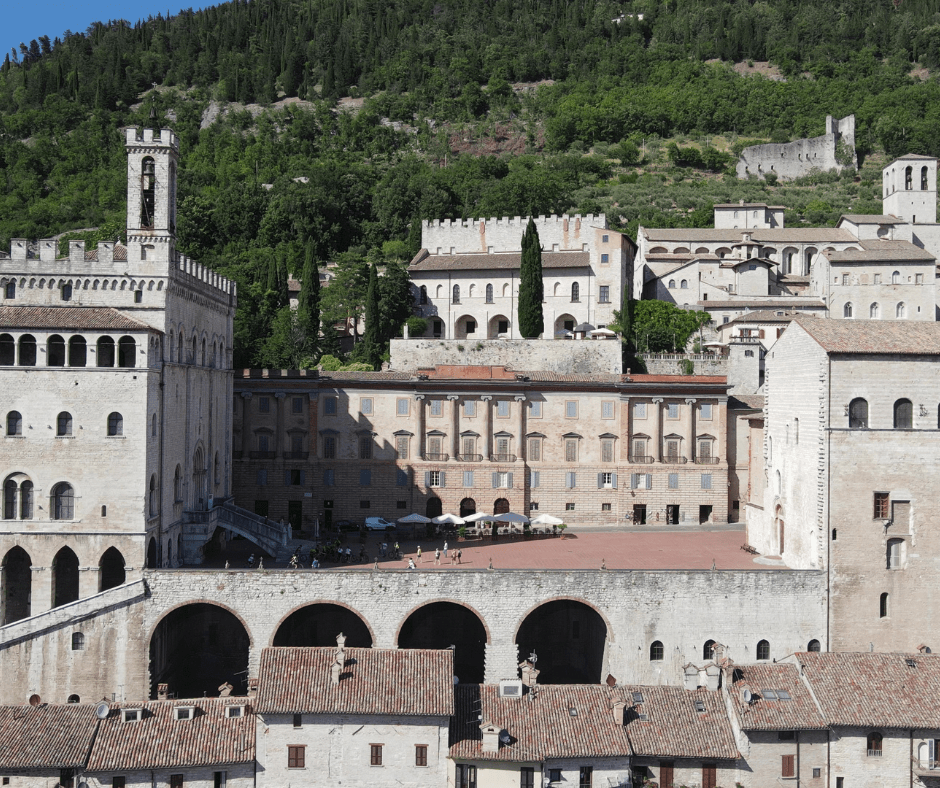
Traces of settlements in Gubbio date back to the Palaeolithic era. It was a centre of the Umbrians and formed an alliance with Rome as early as the 3rd century BC. After the early medieval period, in the 12th century it achieved self-government and began a long period of prosperity that culminated in the rule of Federico da Montefeltro in the mid-15th century. From 1631 onwards, Gubbio formed part of the Papal States; subsequently, the town was incorporated into the Roman Republic and then into the Kingdom of Italy, during which time it was annexed to Umbria. Due to the area’s environmental qualities, truffle hunting and harvesting are practised here, recognised by UNESCO as a World Heritage Site.
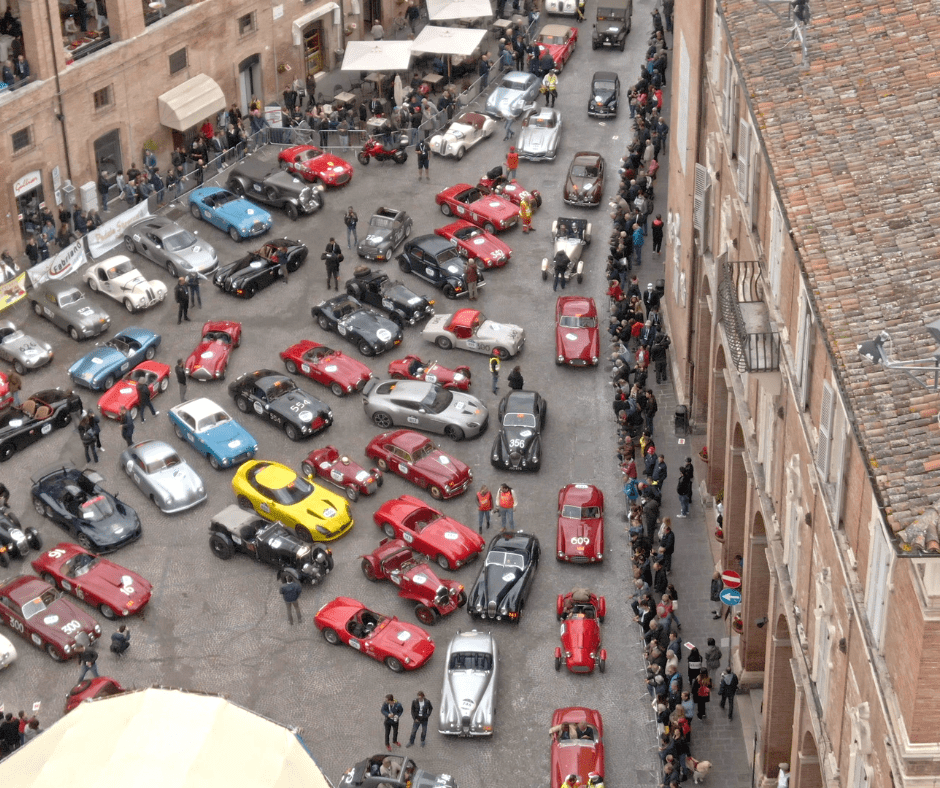
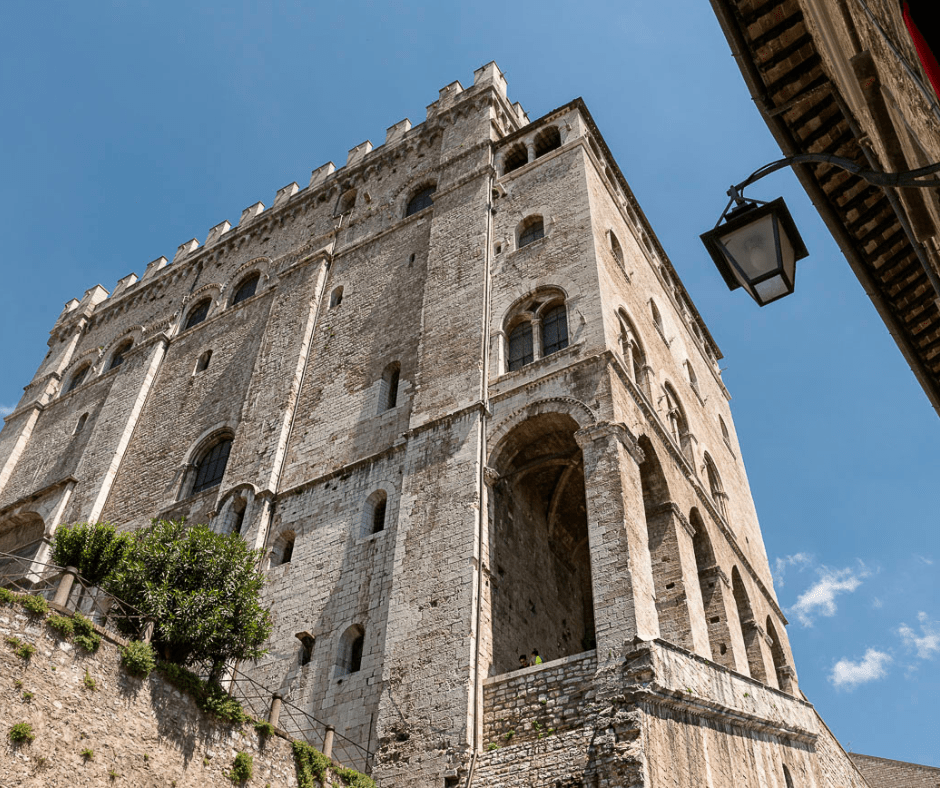
Landmarks: The iconic site of Gubbio is the monumental complex comprising the Palazzo dei Consoli, Piazza Grande (the largest suspended square in Europe) and the Palazzo Pretorio. A unique architectural achievement, of great beauty and grandeur.
SAN MARINO
Province: —
Region: —
Population: 34,172 as of 31/12/2025
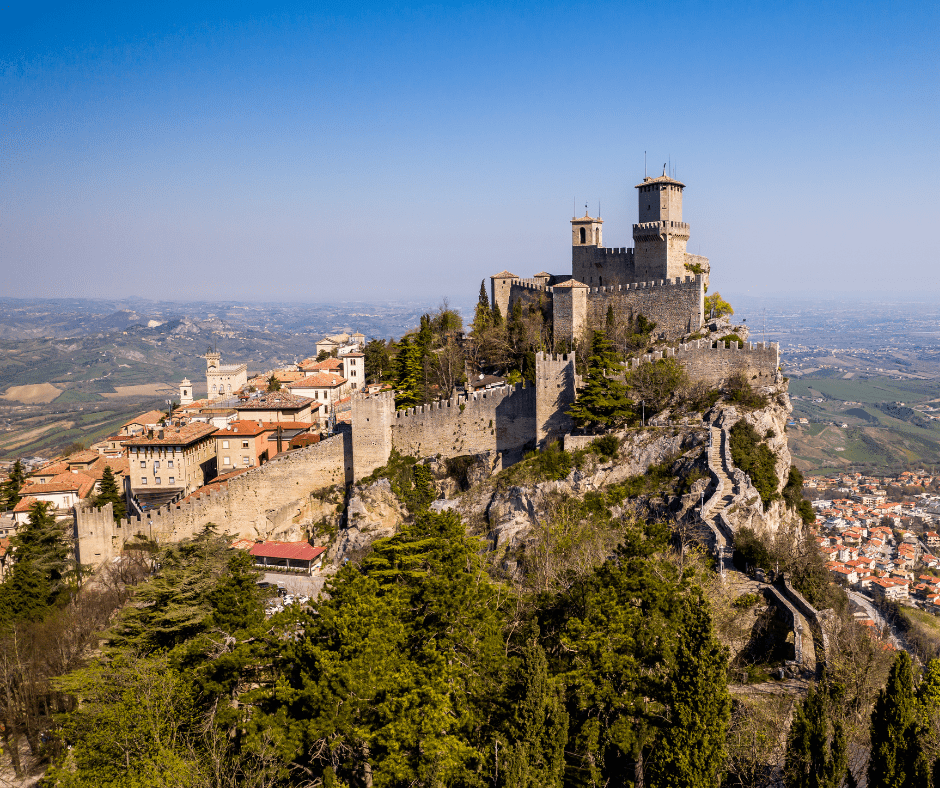
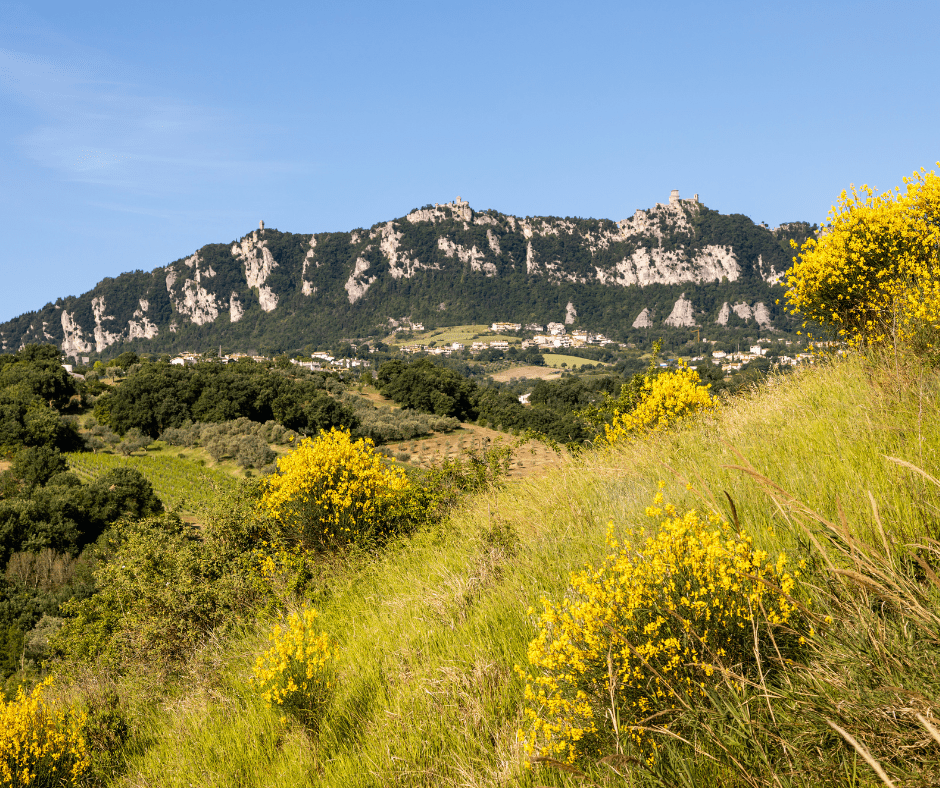
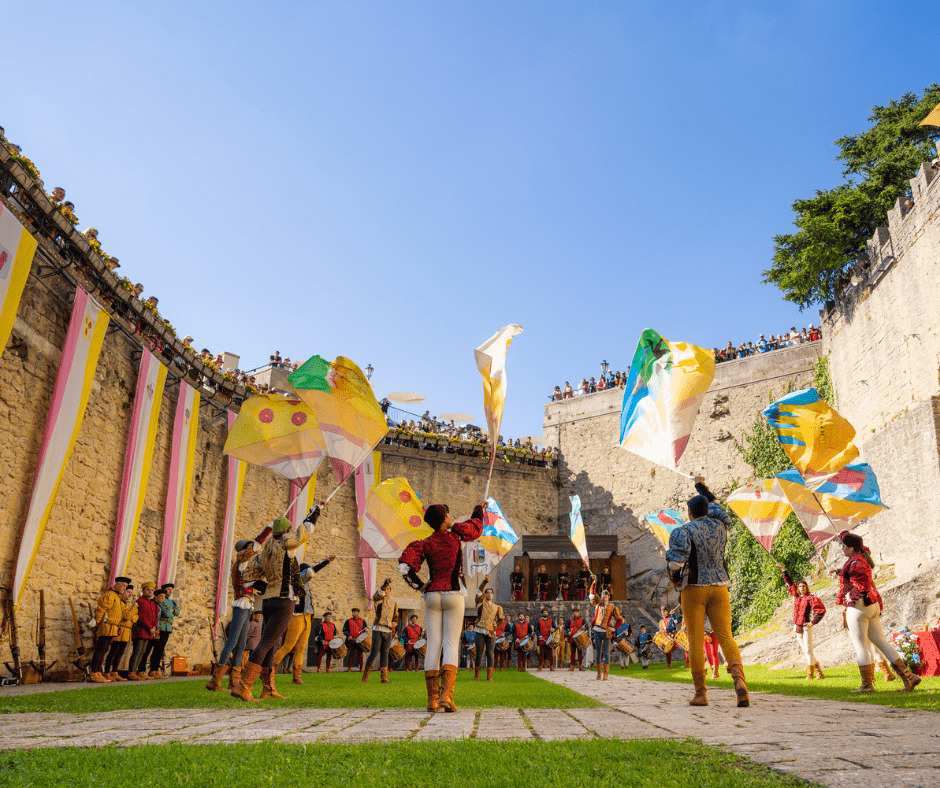
Situated on Mount Titano, 755 metres above sea level, and overlooking the Adriatic coast and the hinterland of Emilia-Romagna and the Marche, San Marino is one of the most unique destinations in Europe and the world. The Republic was registered in the World Heritage List in 2008 in recognition of the continuity of its institutions and its system of civic self-government, preserving a historical and cultural heritage spanning over 1,700 years. The tourist offering also includes a well-established food and wine tradition, closely linked to local production.
Landmarks: The historic centre of the capital, enclosed by medieval walls, features iconic landmarks and a comprehensive network of museums.
RIMINI
Province: Rimini
Region: Emilia-Romagna
Population: 150,272
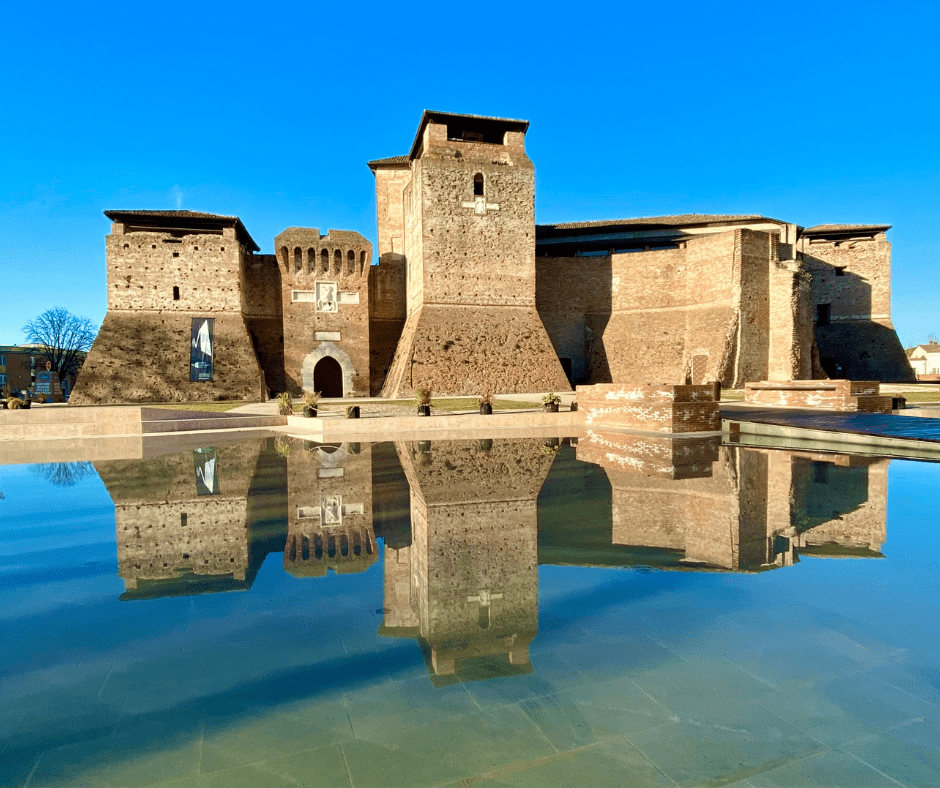
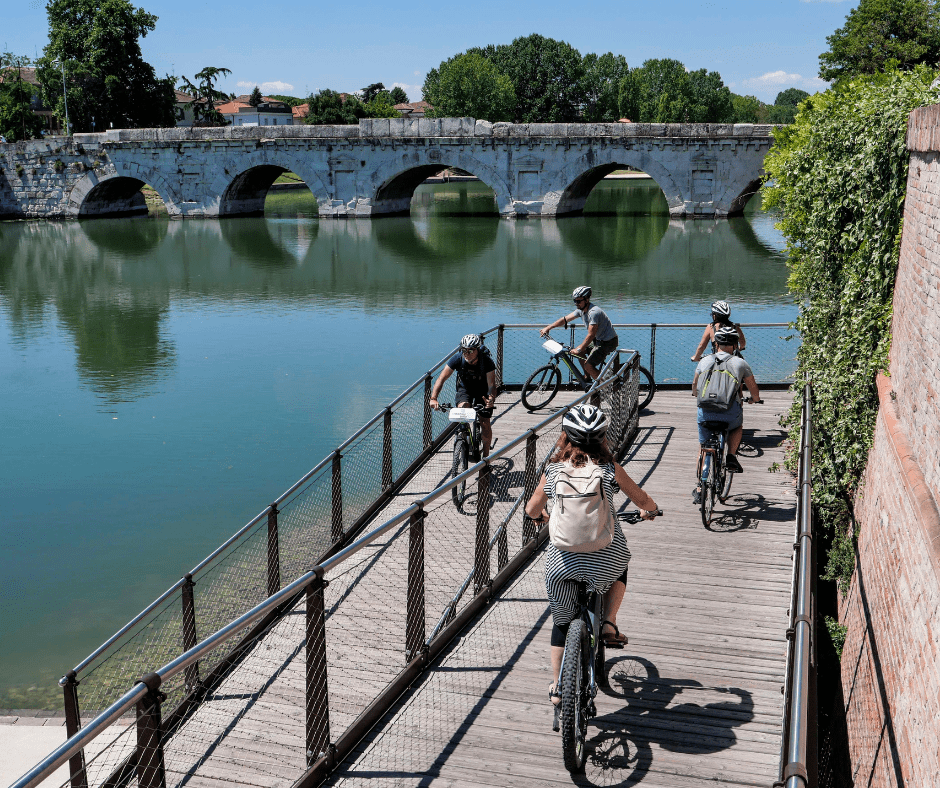
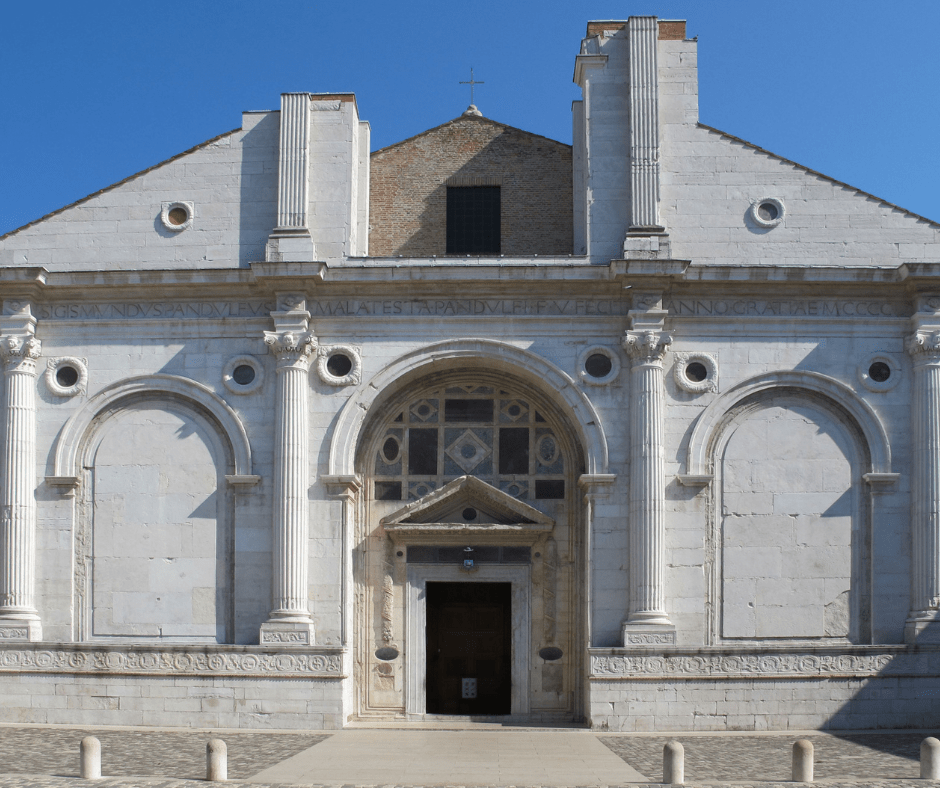
Rimini, the ultimate holiday destination nestled between the sea and a golden stretch of beach, with a historic centre boasting over two thousand years of history and an enchanting hinterland, pioneered seaside holidays in 1843. A symbol of the Adriatic Riviera, it offers 15 kilometres of coastline, 230 beach establishments and over 1,000 hotels, alongside an ultra-modern exhibition centre and conference centre. The area stretches between the Adriatic Sea and the Apennine hills, just 20 kilometres from San Marino. Rimini boasts 5 FIAB “bike smile” awards, ranks in Legambiente’s top 10 for sustainability and has been awarded the EU BlueMissionMed 2025 recognition for marine conservation.
Landmarks: Rimini boasts 22 centuries of history: from the Roman splendour of Ariminum (Arch of Augustus, Tiberius Bridge and Domus) to Giotto’s 14th century. From the Renaissance of the Malatesta Temple and Castel Sismondo, to the 19th-century Teatro Galli, right up to the Fellini Museum.