LEG 5 – SATURDAY 13th JUNE
CERVIA
Province: Ravenna
Region: Emilia-Romagna
Population: 29,047
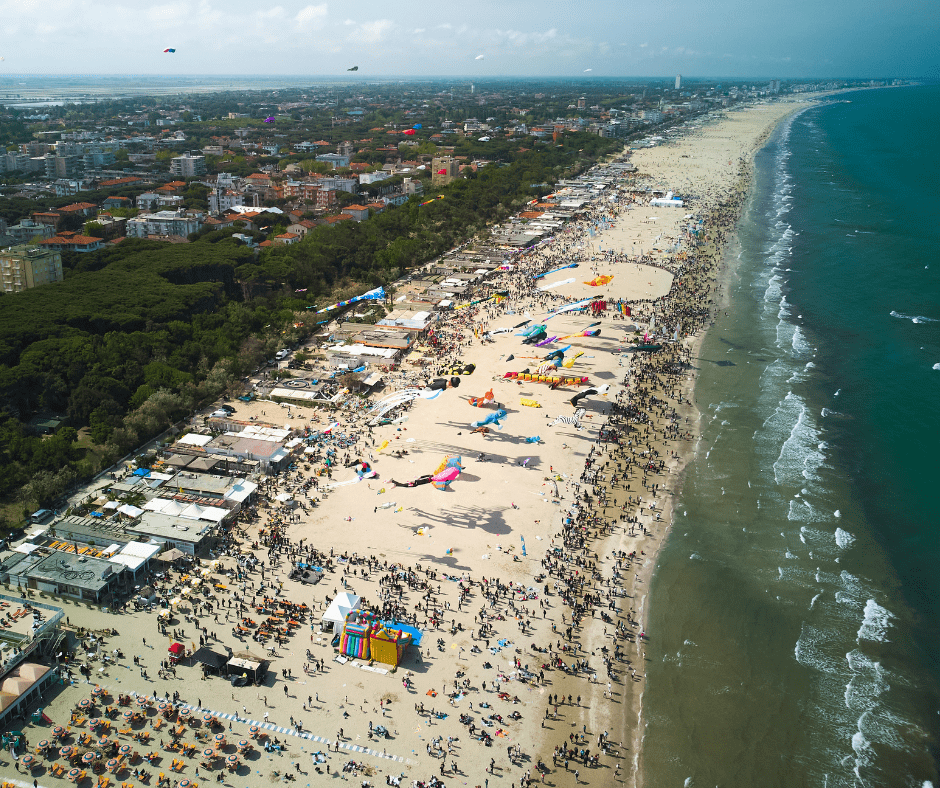
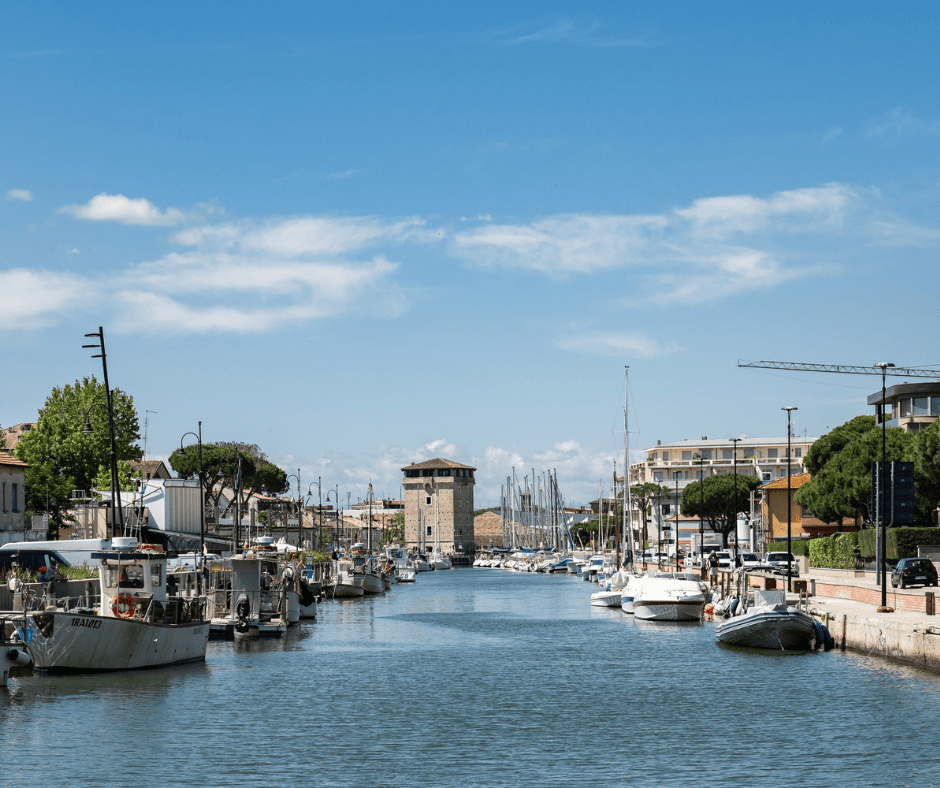
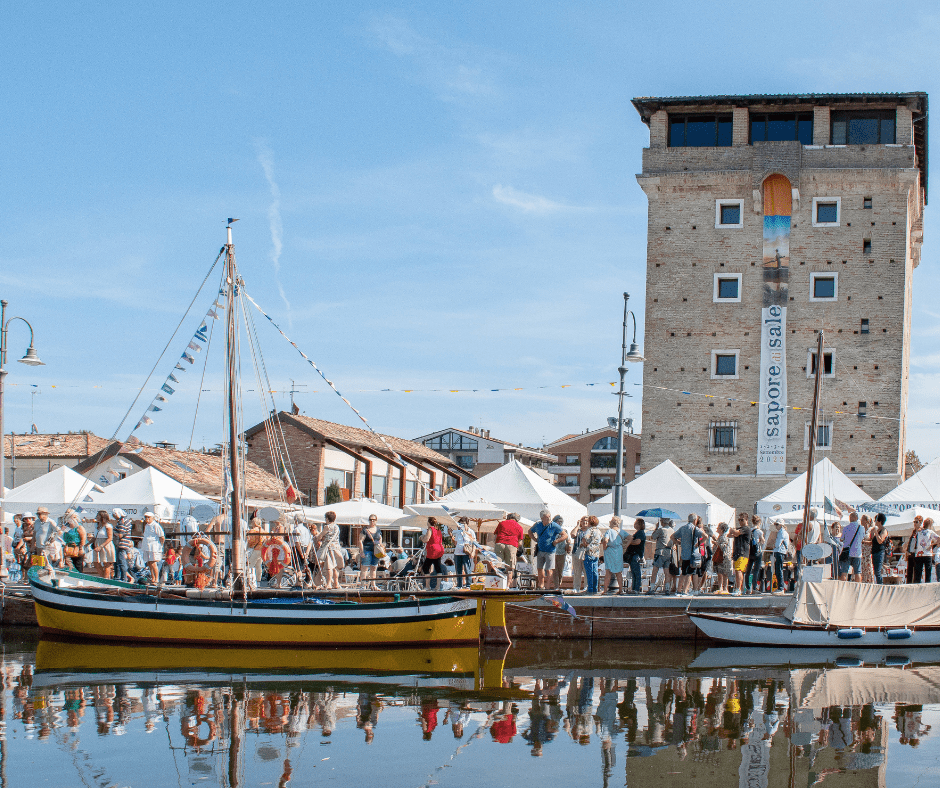
Known as the “City of Salt”, Cervia has ancient roots linked to the production of “white gold”. Originally founded as Ficocle, it was situated at the heart of the salt flats. In the late 1600s, at the behest of Pope Innocent XII, the town was rebuilt in its current location, in a healthier geographical setting. Since the late 1800s, Cervia has evolved from a town dedicated solely to salt production into a major tourist destination, partly thanks to the development of the resort of Milano Marittima. Today it is a renowned seaside resort.
Landmarks: The Cervia Salt Flats, the centuries-old pine forest of Cervia-Milano Marittima, the historic centre, the Salt Warehouses (17th century), the San Michele Tower (built between 1689 and 1691 to defend the town and the salt), the picturesque Borgomarina and Milano Marittima.
MANTOVA
Province: Mantova
Region: Lombardy
Population: 50,465
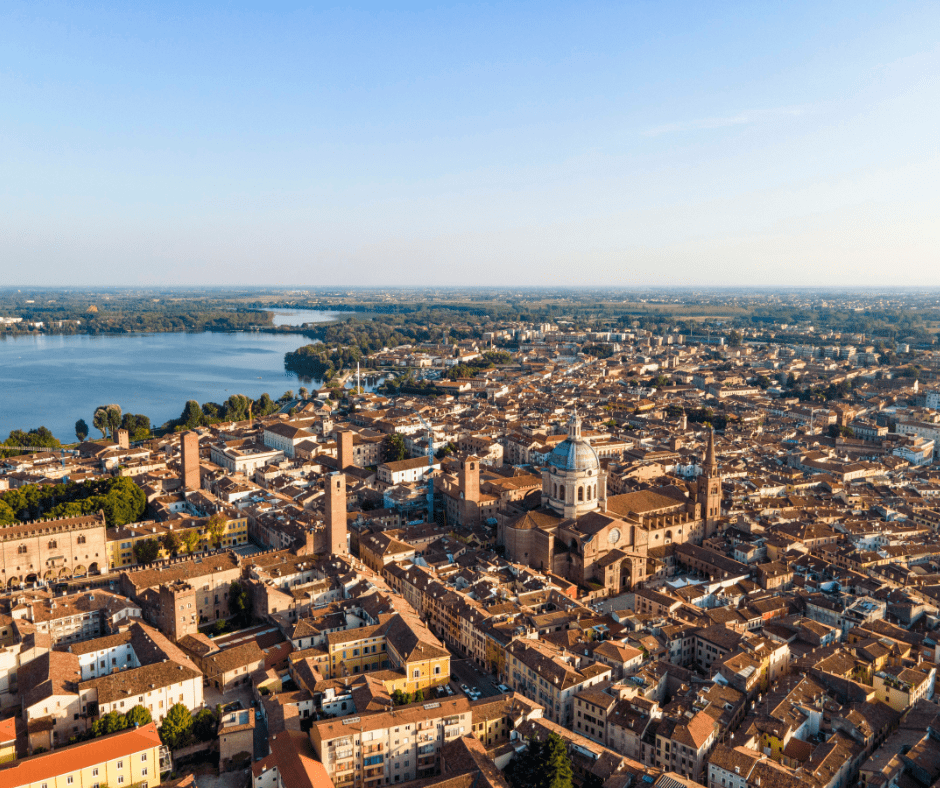
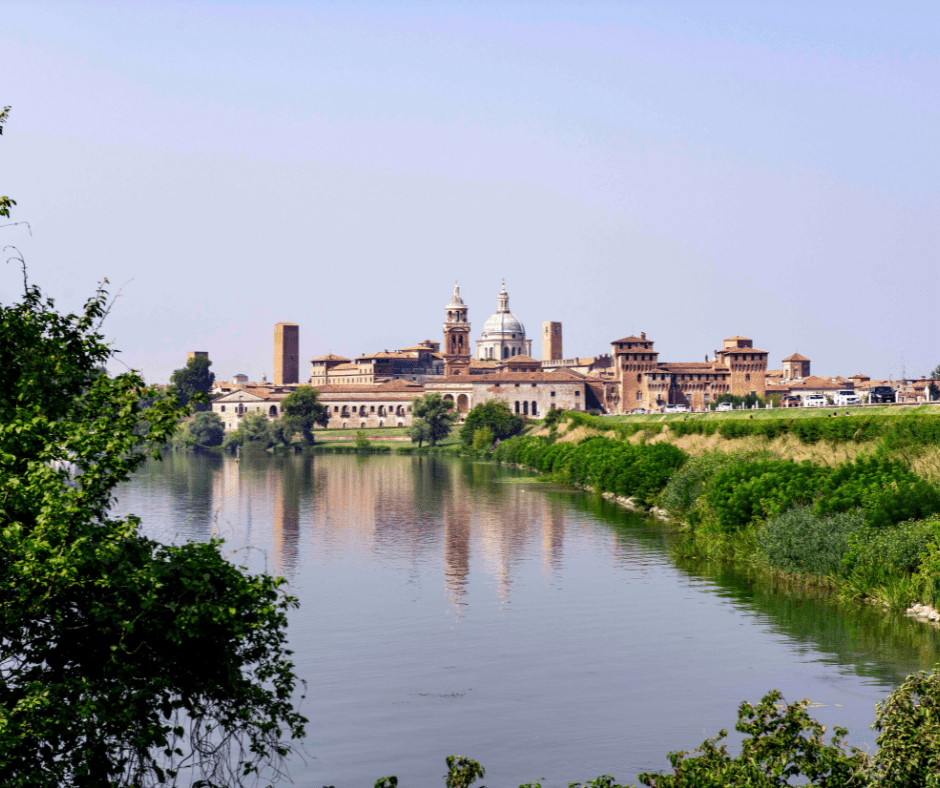
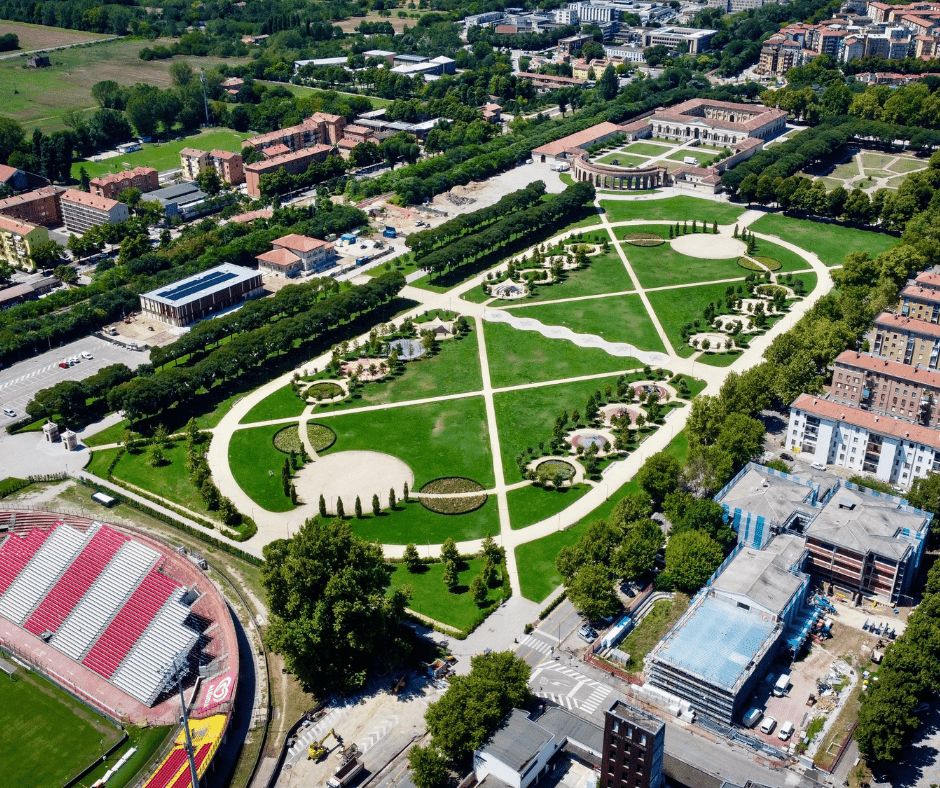
The birthplace of the great poet Virgil, Mantua boasts over 2,000 years of history. Of Etruscan origin, Mantua first flourished during the Medieval era, but it was the Gonzagas, from the 14th century onwards, who gave the city a powerful cultural and artistic impetus, shaping its current urban and architectural layout. During their four-century reign, the lords of Mantua hosted the most illustrious artists of the time at their court, including Leon Battista Alberti, Pisanello, Andrea Mantegna, Giulio Romano and Rubens. Since July 2008, Mantua and Sabbioneta have been included on the UNESCO World Heritage List as a single site.
Landmarks: the Ducal Palace with the Castle of San Giorgio and Andrea Mantegna’s Chamber of the Bride and Groom; Palazzo Te, a masterpiece by Giulio Romano, featuring the Hall of the Giants; the Basilica of Sant’Andrea, designed by Leon Battista Alberti; the Sonnabend Collection Mantua.
GUIDIZZOLO
Province: Mantova
Region: Lombardy
Population: 6,093
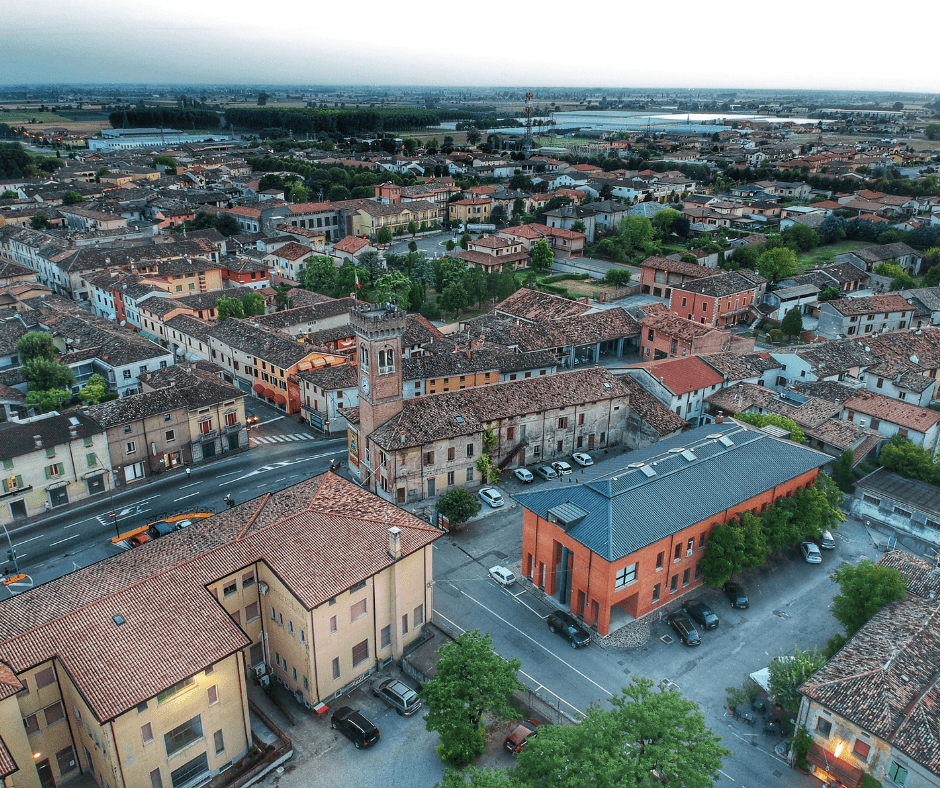
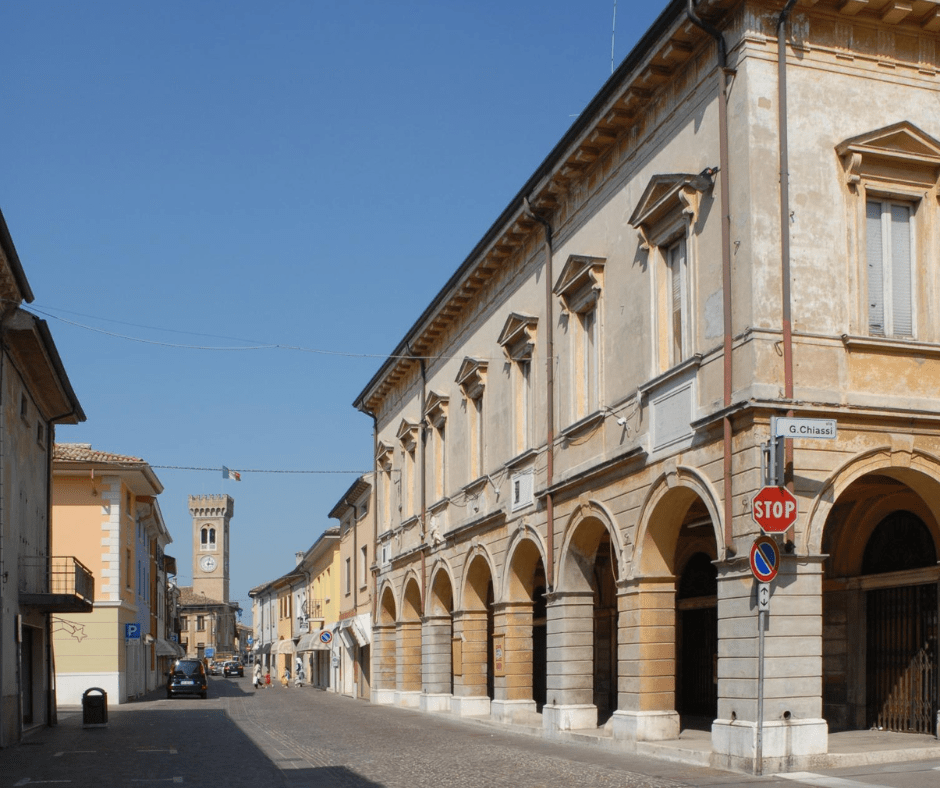
Guidizzolo is a municipality in the Upper Mantua area, in Lombardy. It is located about 30 kilometres from the provincial capital. It has a population of around 6,000, including the hamlets of Birbesi, Rebecco and Selvarizzo. The village has always been a “border area” between Mantua and Brescia. The oldest surviving example is the Oratory of St. Lawrence, a small Romanesque devotional building dating back to the 13th century. In medieval times, Guidizzolo was fortified, and the current crenellated tower, built in 1911, stands on the very spot where the ancient medieval tower was demolished. Guidizzolo was included in the Atlas of Painted Villages of Lombardy thanks to an artistic project in 2007 featuring 30 murals.
Landmarks: Guidizzolo’s artistic and cultural heritage is concentrated in the small historic centre, where the ancient 18th-century parish church stands as the main monument. More recently built, however, is the Civic Tower, completed in 1911.
CASTIGLIONE DELLE STIVIERE
Province: Mantova
Region: Lombardy
Population: 24,069
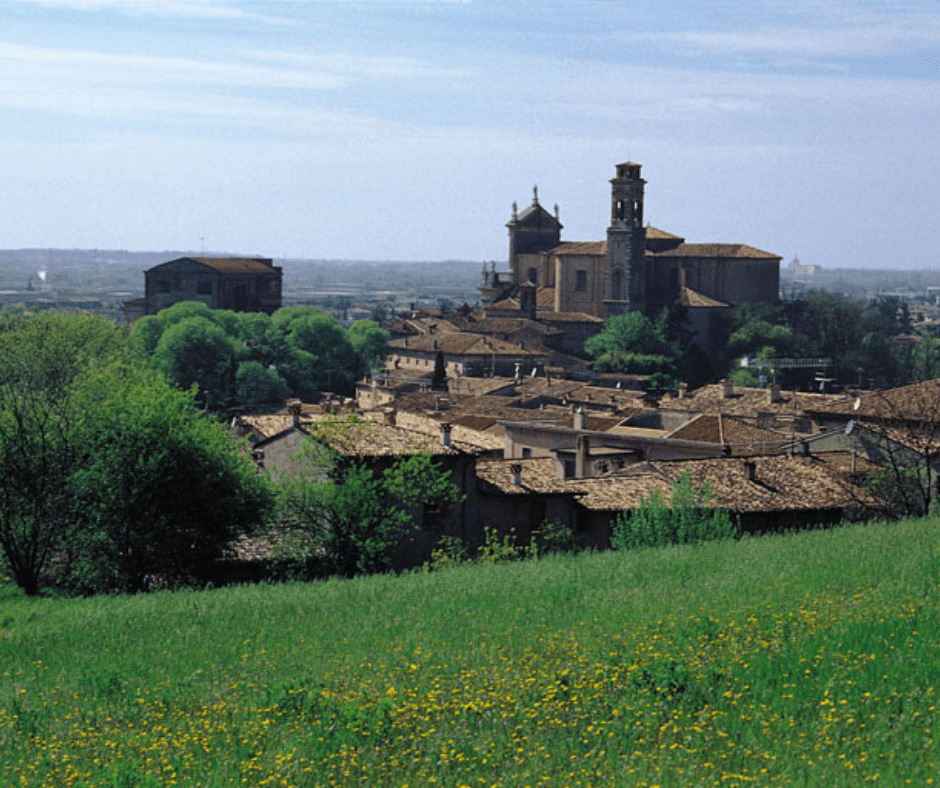
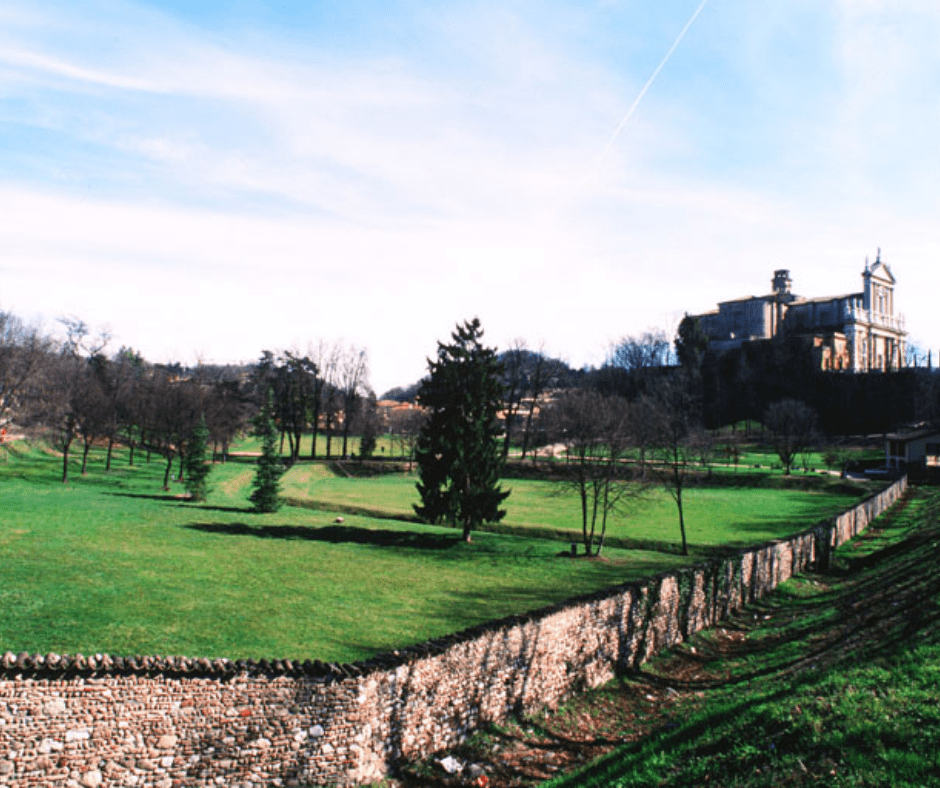
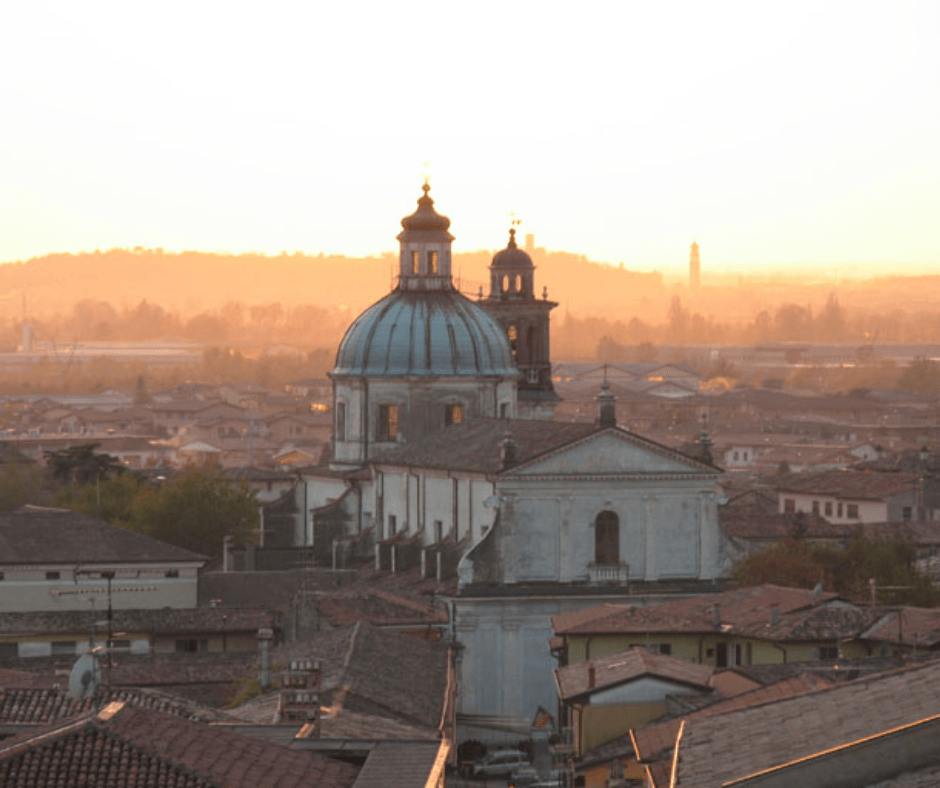
A former principality of the Gonzaga family, the village is famous as the birthplace of Saint Louis, patron saint of youth. It was the scene of Napoleon’s victory in 1796, but its name is linked above all to the Battle of Solferino (1859): here, the care provided to the wounded by local women inspired Henry Dunant to found the Red Cross. For this reason, it is known today as the “Cradle of the Red Cross”. Castiglione is also part of the Gonzaga “Nobili Segni” circuit.
Landmarks: The town’s symbols are the Basilica and Sanctuary of St Louis Gonzaga, which houses his relic, and the International Red Cross Museum, located in Palazzo Triulzi Longhi. The historic centre is dominated by the Gonzaga Castle.
MONTIRONE
Province: Brescia
Region: Lombardy
Population: 5,102
In the 18th century, Montirone consisted of two fiefdoms: the first belonging to the Emili family, the second to the Counts of Lechi. Recognised as a municipality in 1861, Montirone had its first mayor in the representative of its oldest noble family, Pietro Emili; in that year, Montirone had a population of around 800. In 1928, Montirone was removed from the register of municipalities and incorporated as a hamlet of Borgosatollo. It regained its status as a municipality in 1956.
Landmarks: The parish church, dedicated to St Lawrence, built between 1762 and 1810. The Emili Tower, a massive structure originally square in plan. The Palazzo dei Conti Lechi, built between 1739 and 1746, a treasure trove of works of art