LEG 1 – TUESDAY 9th JUNE
BRESCIA
Province: Brescia
Region: Lombardy
Population: 201,418
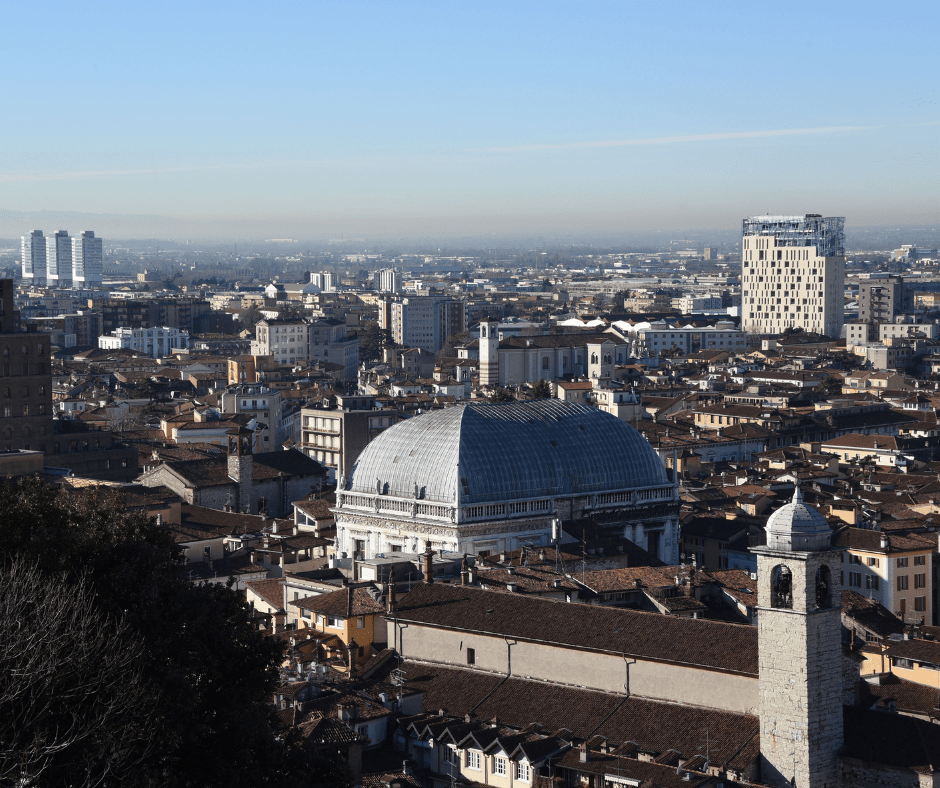
From its Celtic origins to the Roman Brixia, it has been one of the most important centres in northern Italy. It was the seat of a powerful Lombard duchy and later a free commune. Linked for centuries to Venice, it distinguished itself during the Ten Days’ Uprising against Austria (the Lioness of Italy). Brescia was awarded the Silver Medal for the Resistance.
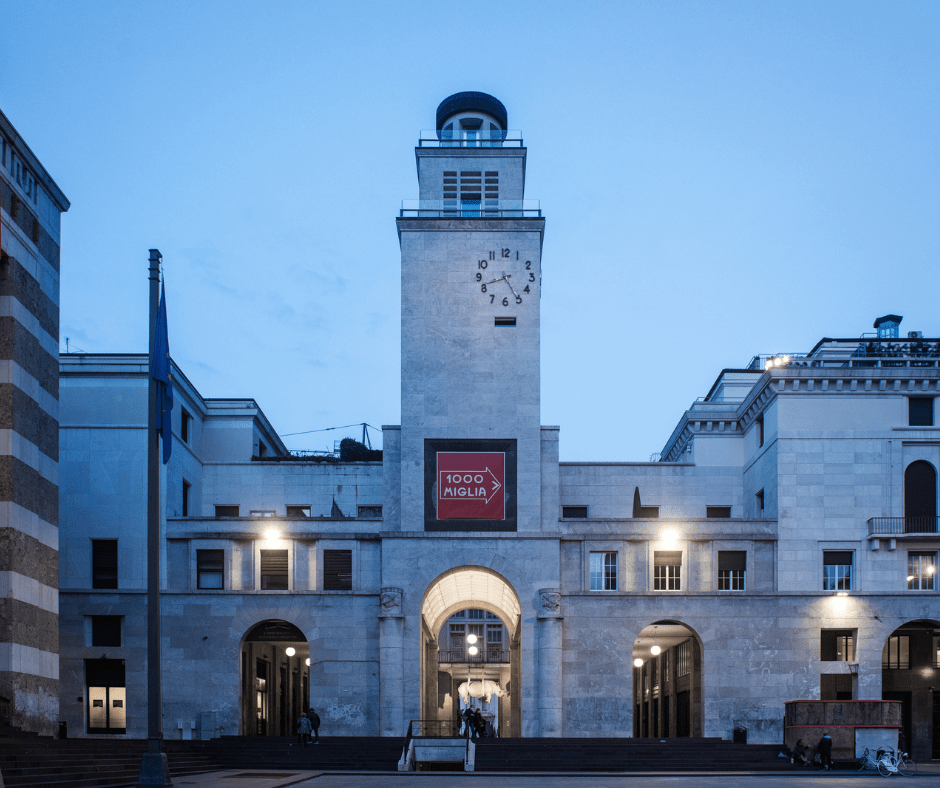
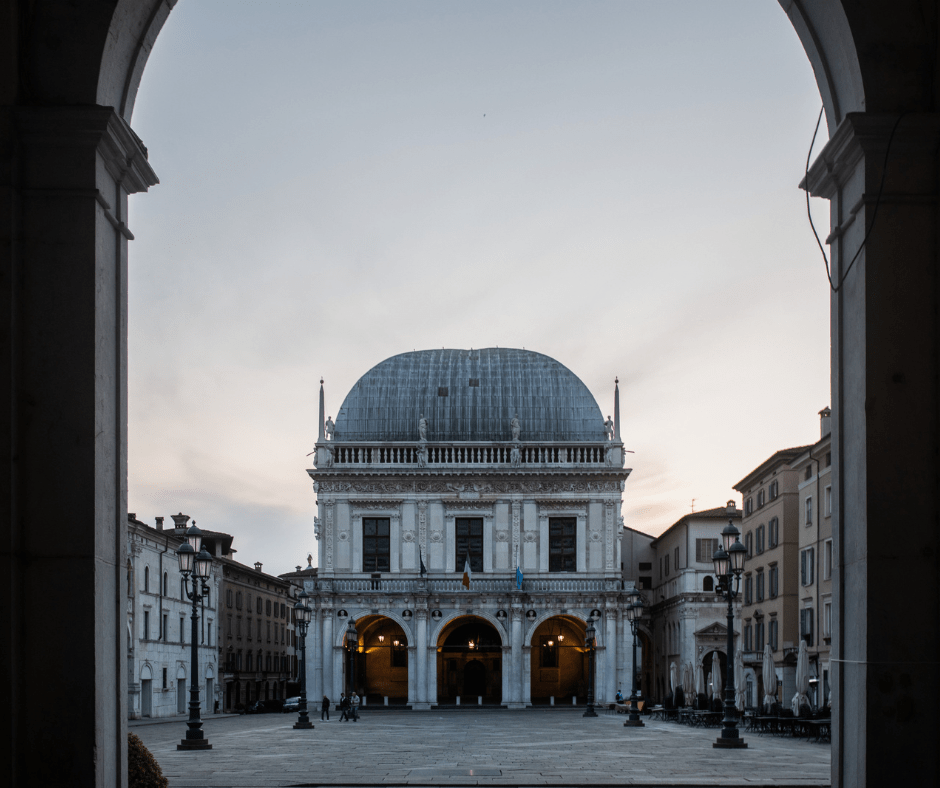
Iconic sites: The Castle on Cidneo Hill, Piazza della Loggia, Piazza Vittoria, the Capitolium with the archaeological site of Roman Brixia (UNESCO World Heritage Site). Piazza Paolo VI is home to the New Cathedral and the Old Cathedral (Rotonda).
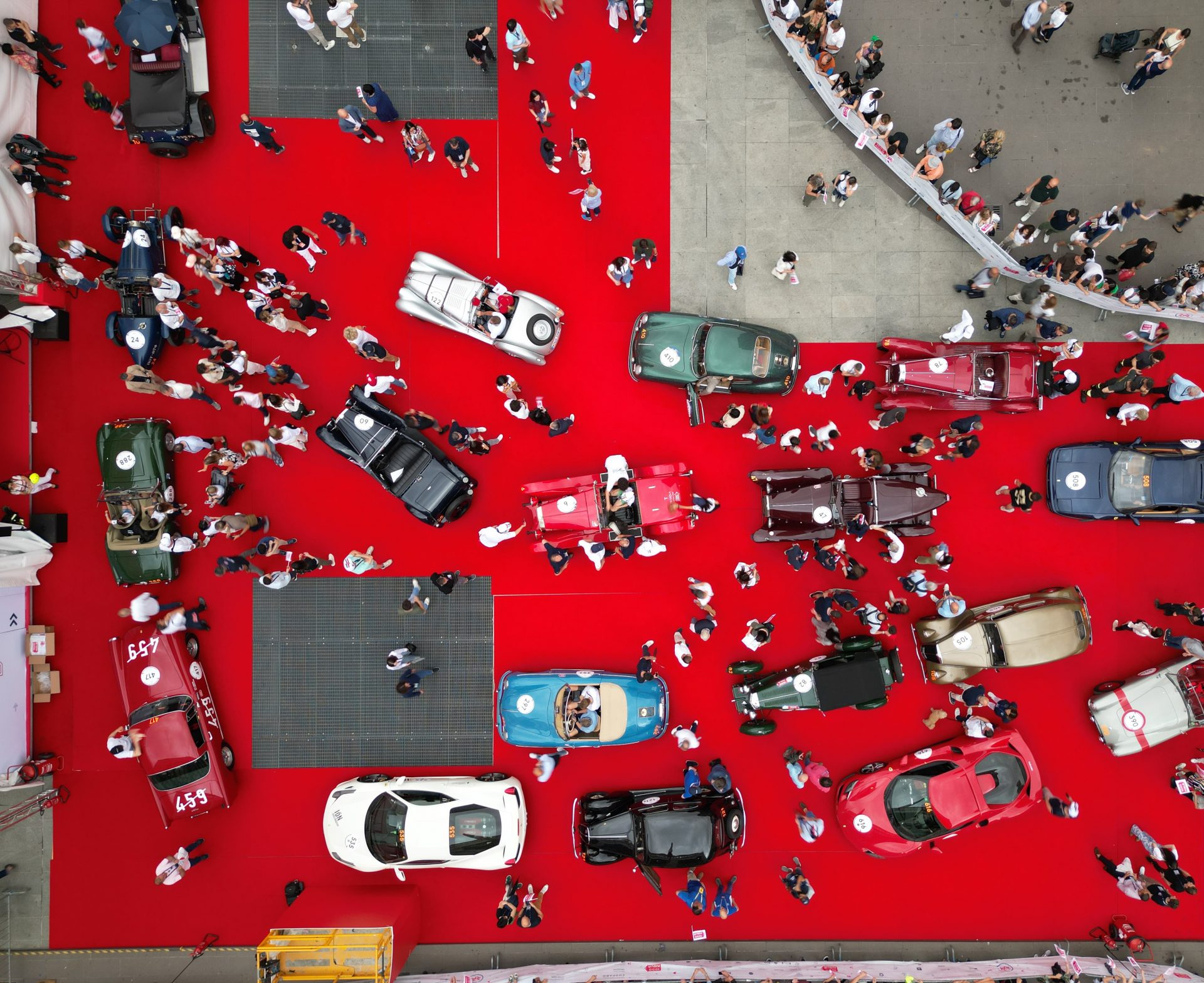
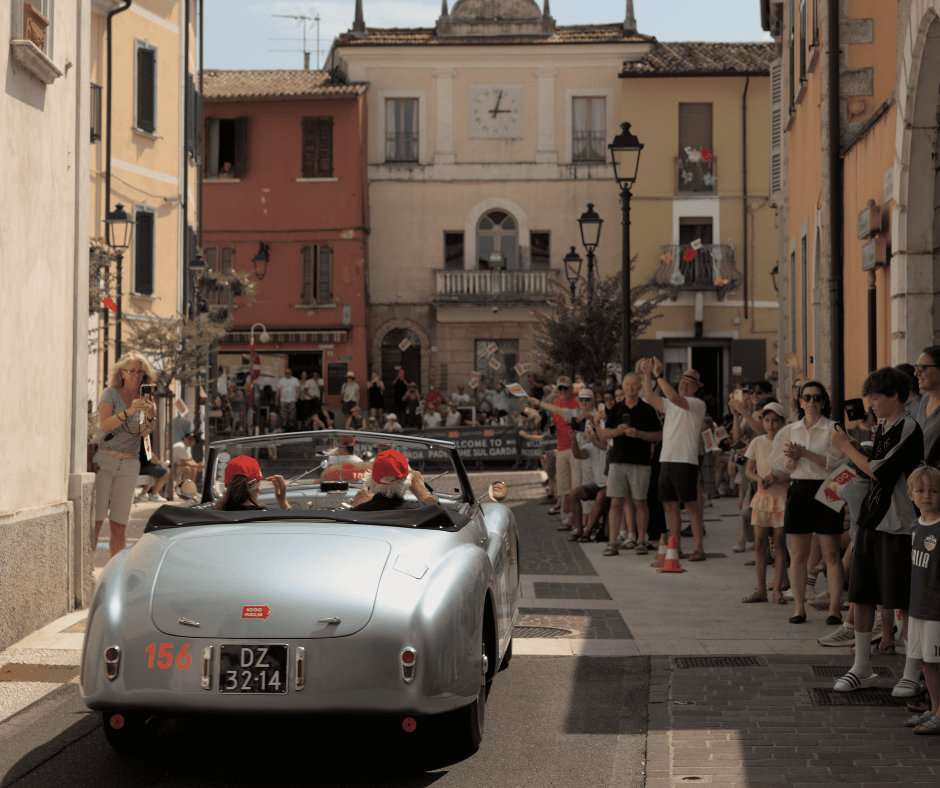
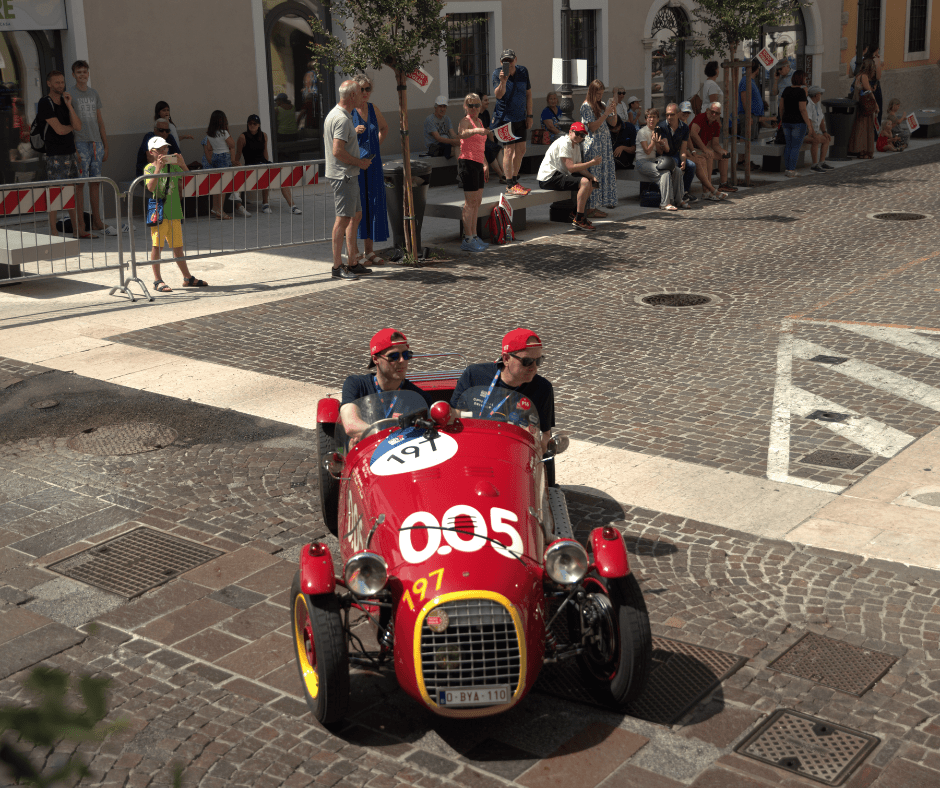
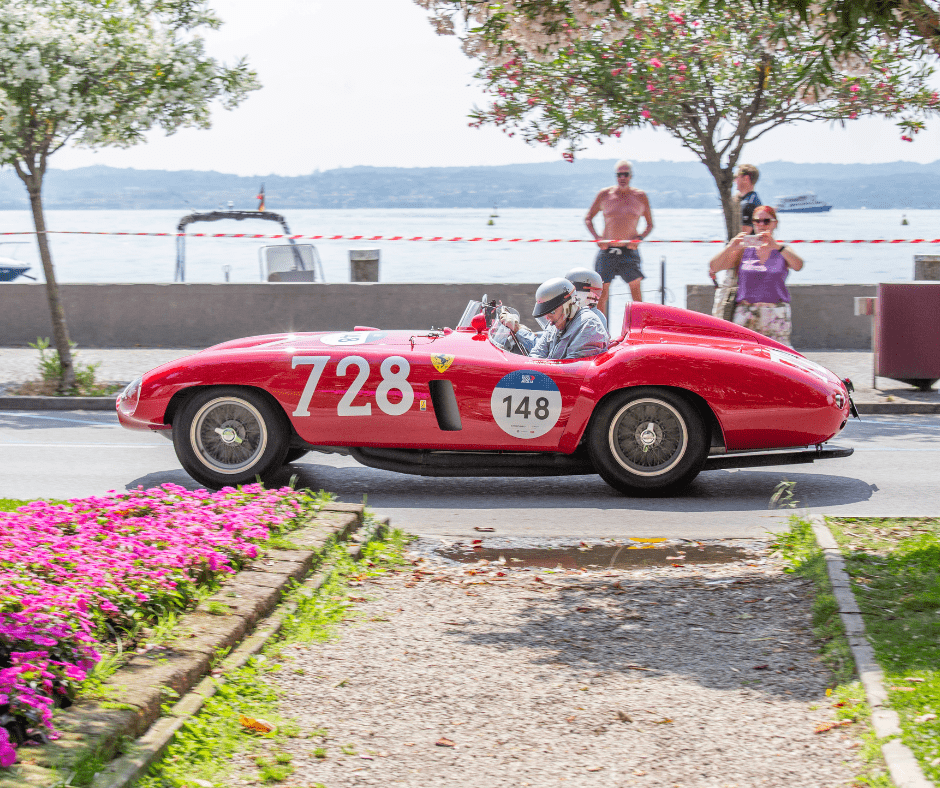
Brescia is the city of the 1000 Miglia, where it all began and where it all continues to live on almost a century later. From the squares of the city centre to the ramp on Viale Venezia, the Red Arrow is intertwined with the city’s iconic landmarks and the lives of its inhabitants.
GARDONE VAL TROMPIA
Province: Brescia
Region: Lombardy
Population: 11,000
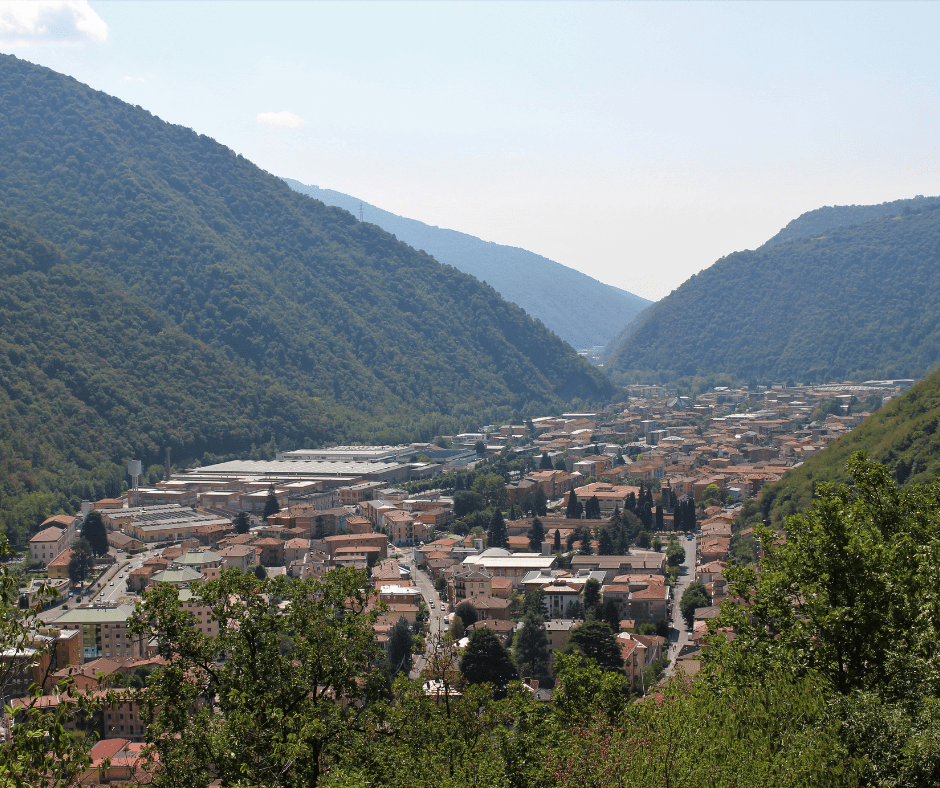
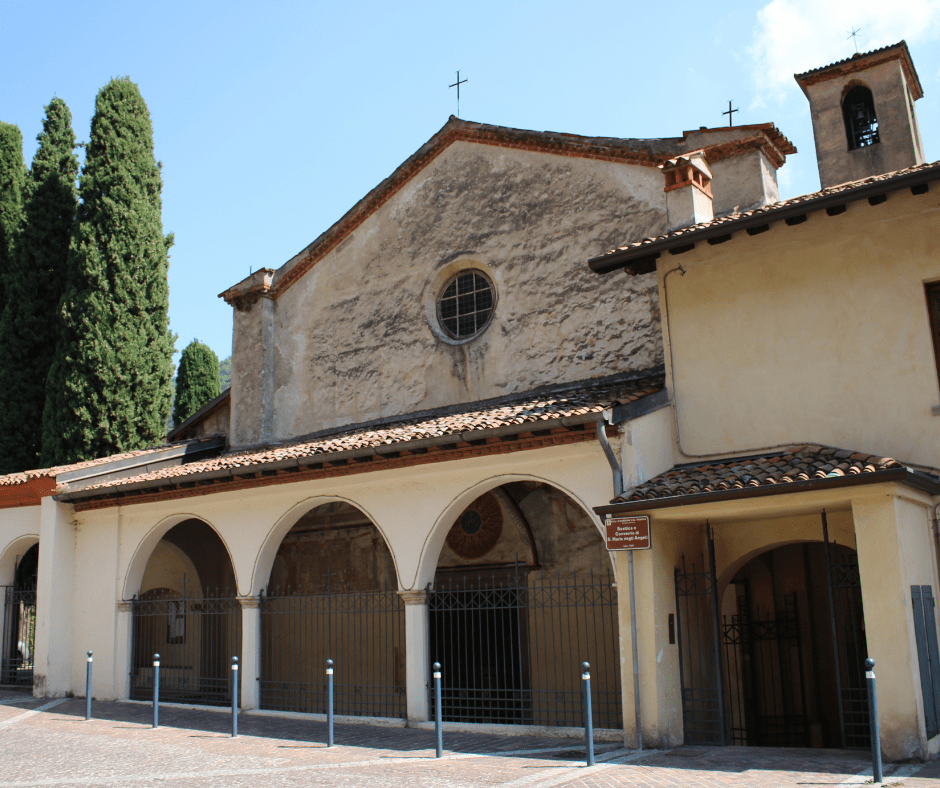
The municipality of Gardone Val Trompia, comprising Inizino, Magno and Gardone itself, traces its historical roots back to between 8000 and 1000 BC with the first prehistoric settlements. Thanks to its mineral resources, particularly iron, Gardone Val Trompia was already an important centre in Roman times. From the 16th century onwards, the town became renowned for ironworking and weaponry, a manufacturing identity it retains to this day, combining industrial development with traditional craftsmanship.
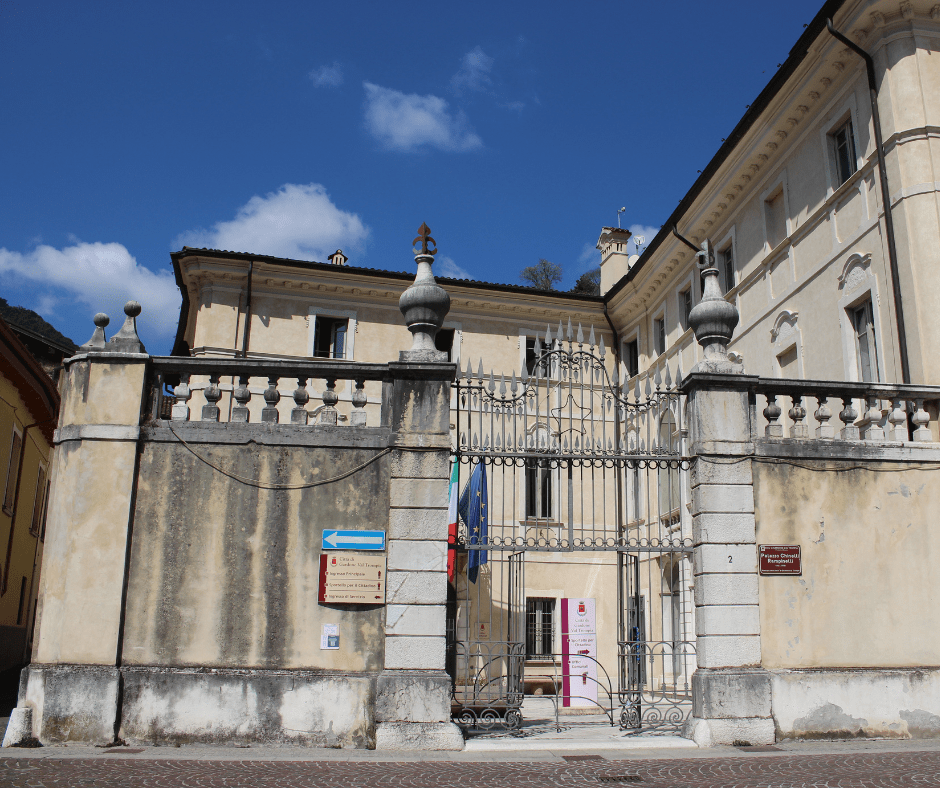
Landmarks: Convent of Santa Maria degli Angeli, Villa Mutti Bernardelli, Palazzo Chinelli Rampinelli, Church of San Marco, Church of San Martino, Sanctuary of San Bartolomeo.
LUMEZZANE
Province: Brescia
Region: Lombardy
Population: 22,000
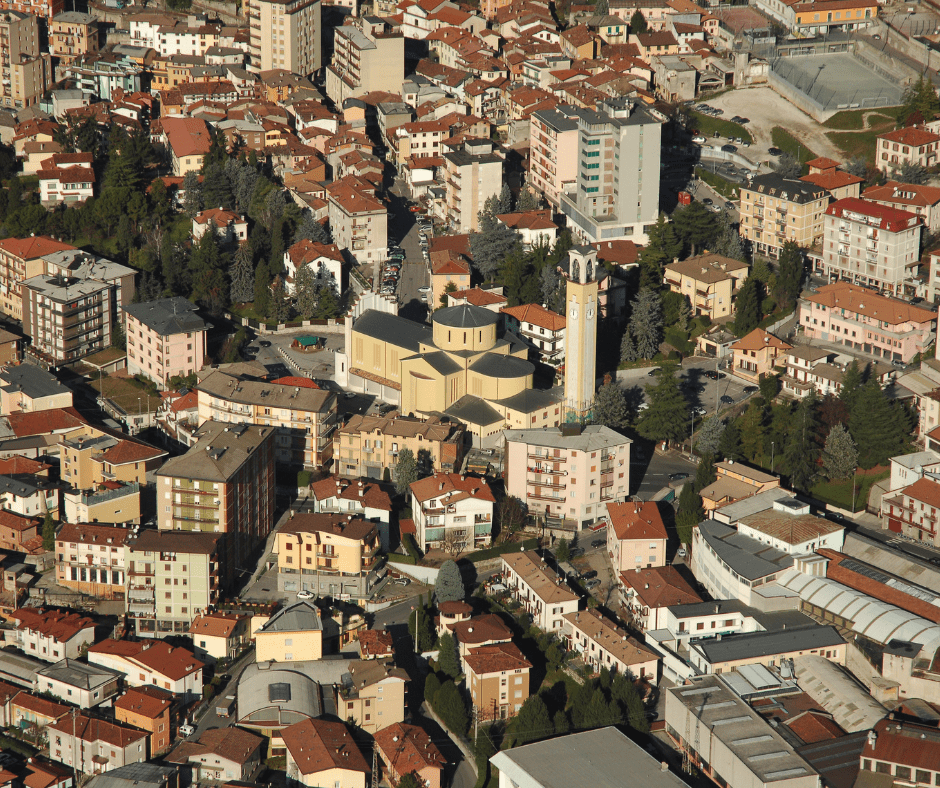
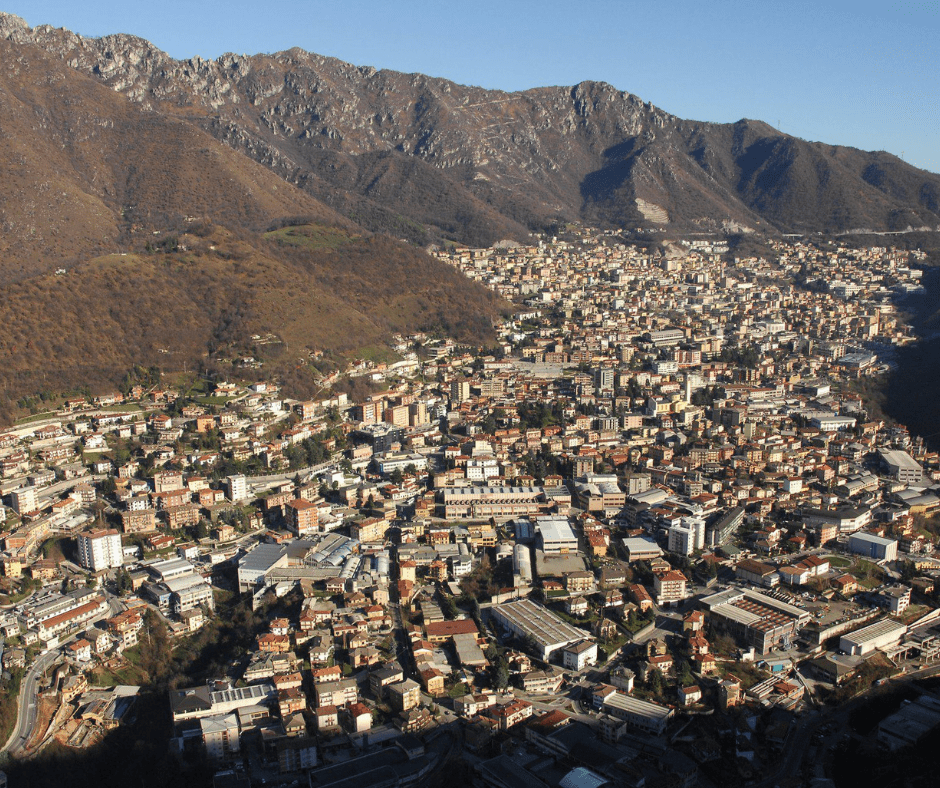
Lumezzane was formed in 1927 through the merger of the three municipalities of Pieve, San Sebastiano and Sant’Apollonio. However, the collective name “Lumezzane” dates back to medieval times: it derives from the Latin “medius” = intermediate (in the local dialect “mès”). “Le medane” provide the true and certain indication of the etymology. “Mezzane” is the name given to those ravines or pools of stagnant water that form on the banks of streams, which in Lumezzane were harnessed as the primitive driving force behind numerous productive activities. The town is a highly structured industrial district, with outstanding expertise in the field of metalworking.
Landmarks: Torre Avogadro, the civic gallery hosting major exhibitions. The Odeon Giacinto Prandelli Theatre, one of the most important in the province with a drama season of national significance. Colle San Bernardo with its medieval hermitage and astronomical observatory.
VILLANUOVA SUL CLISI
Province: Brescia
Region: Lombardy
Population: approximately 5,900
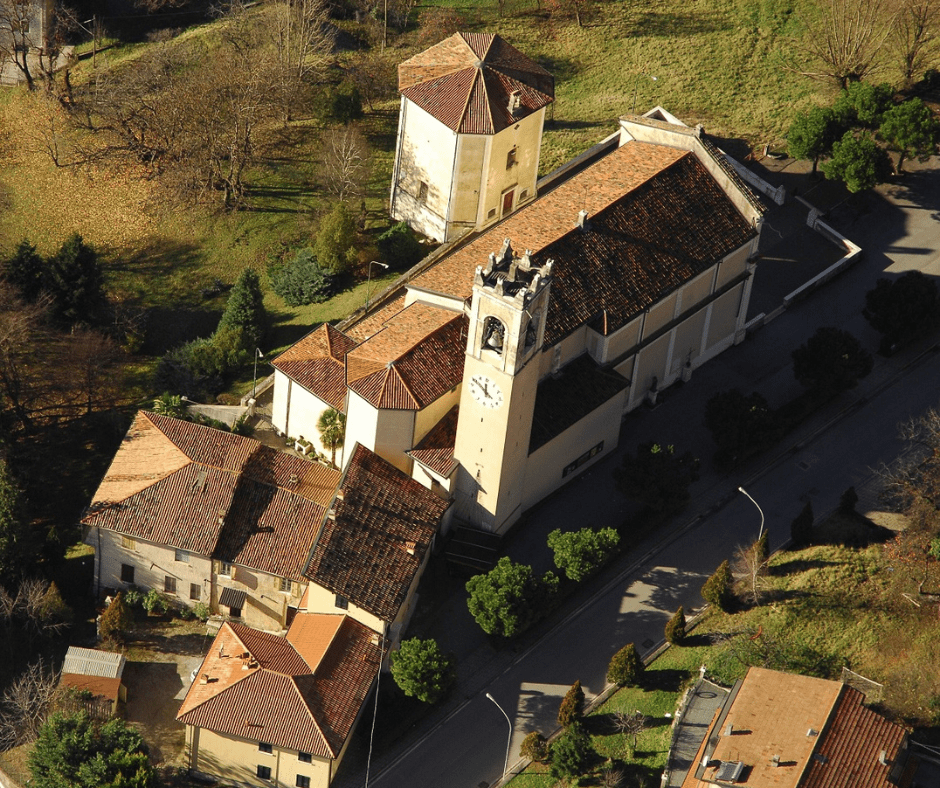
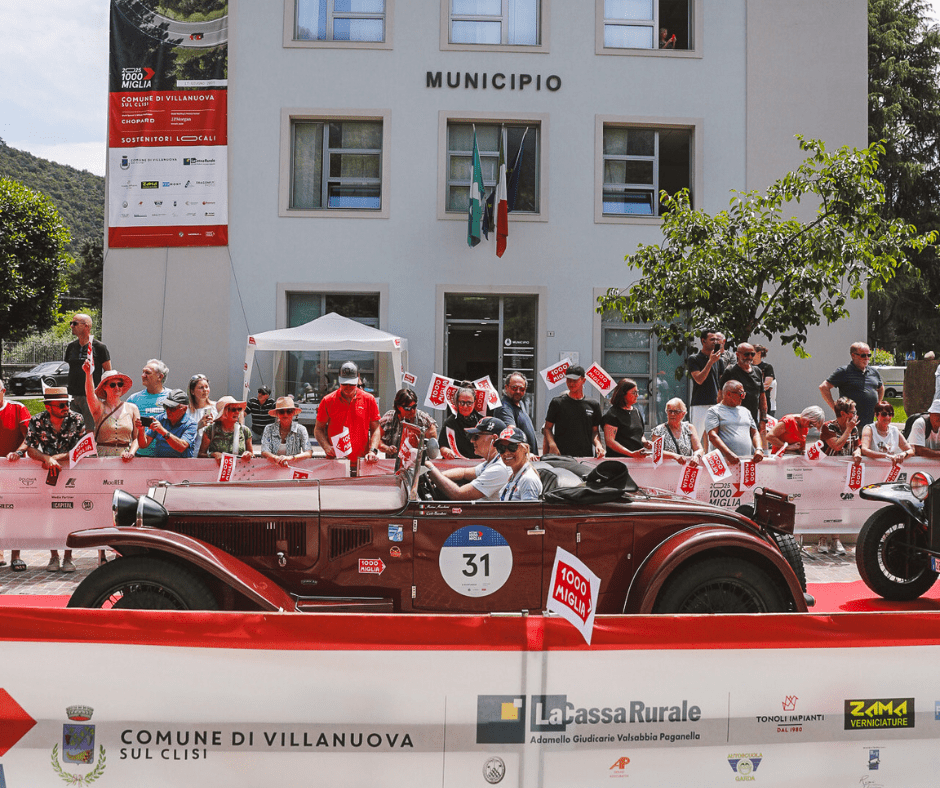
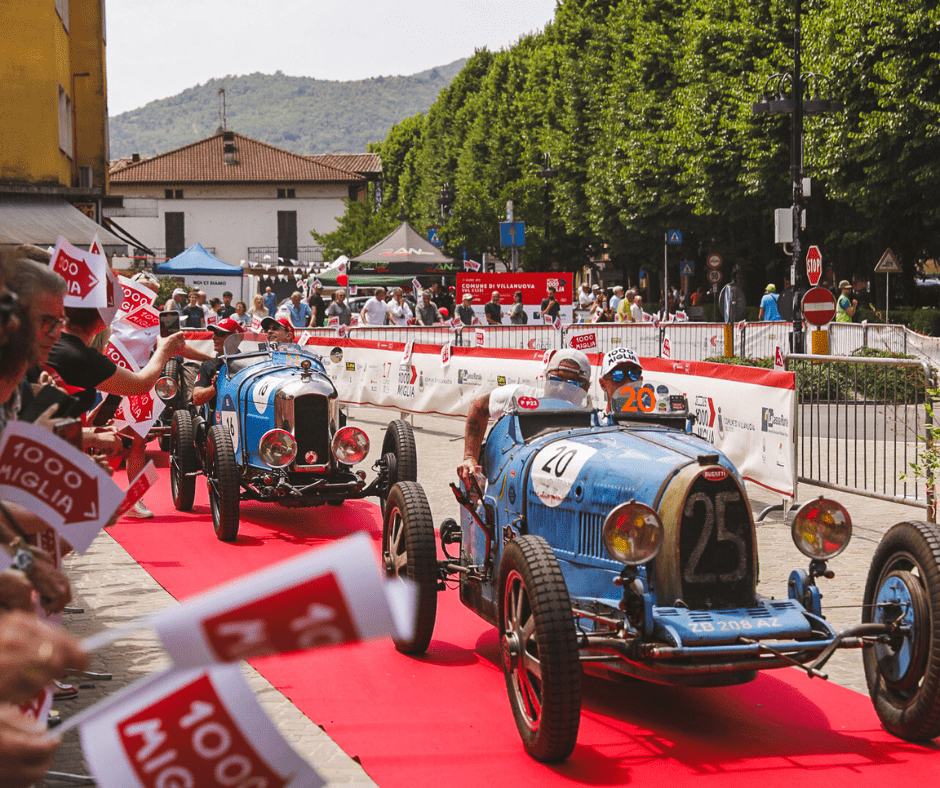
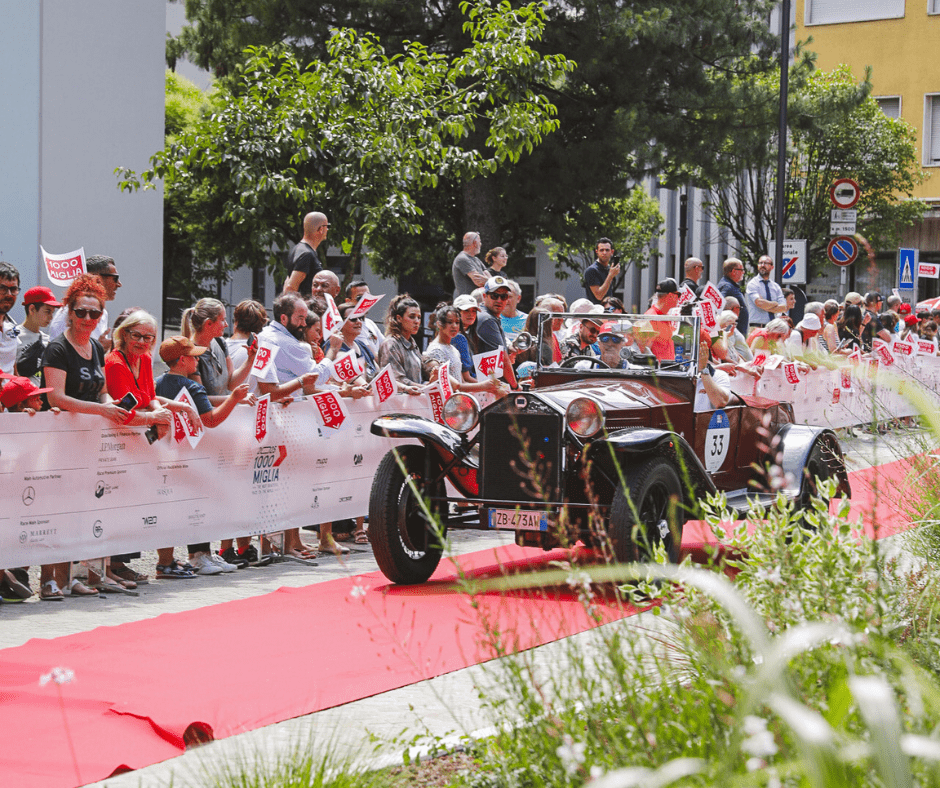
The municipality is situated at the entrance to the Valle Sabbia, in a transitional zone between the Brescia plain and the foothills of the Pre-Alps. The territory is crossed by the River Chiese, which historically has encouraged agricultural settlements and productive activities. The presence of hills such as Monte Covolo makes the area suitable for nature trails and outdoor activities, whilst its proximity to Lake Garda reinforces its role as a connecting area.
The earliest evidence of Villanuova sul Clisi dates back to prehistoric times, with settlements on Monte Covolo. In Roman times, the area served as a strategic link. The village developed in the medieval period as an agricultural centre linked to Gavardo. In the 19th century, it took on its current name and a distinct municipal identity.
SALÒ
Province: Brescia
Region: Lombardy
Population: 10,300
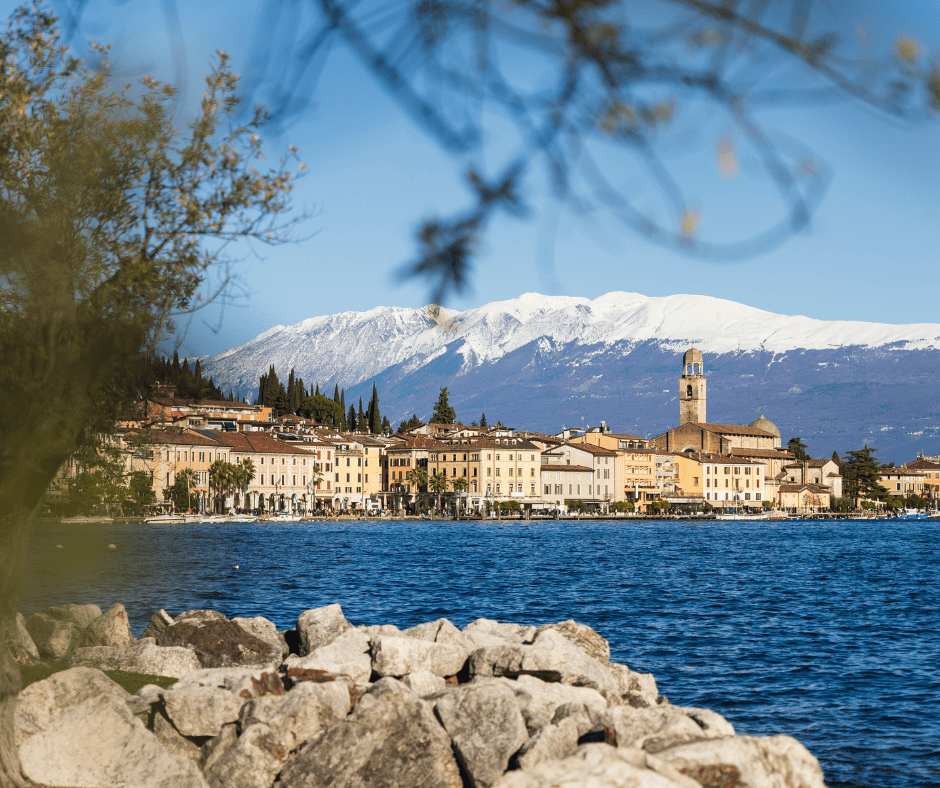
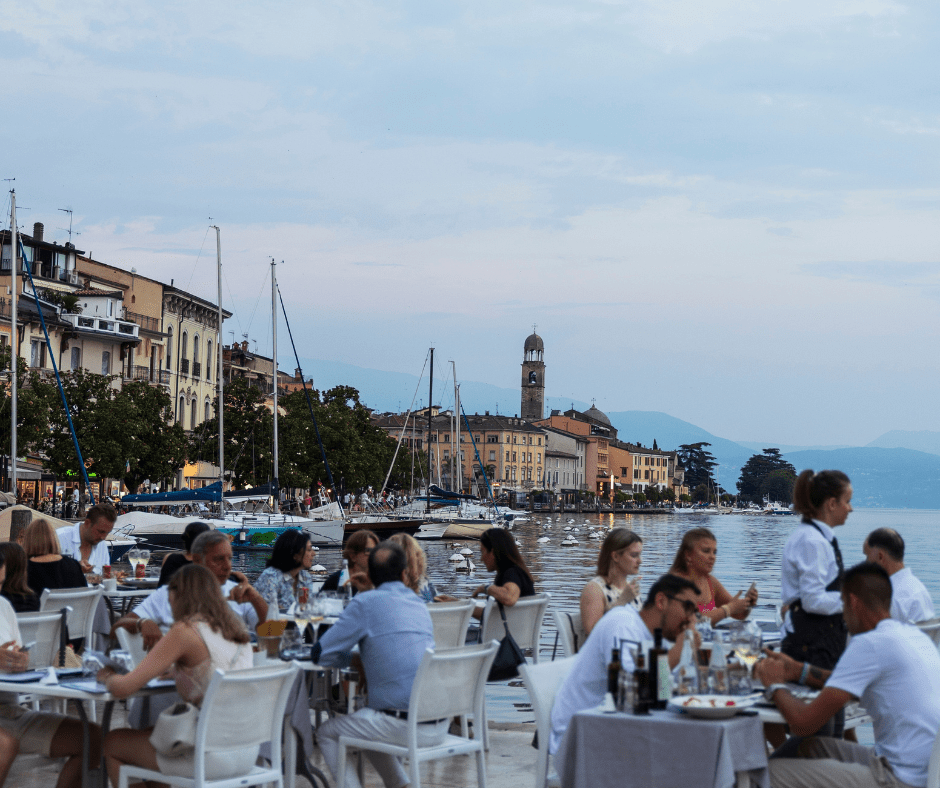
Salò has ancient origins, with settlements dating back to prehistoric times and a Roman foundation. In the Middle Ages, it became the centre of the “Magnifica Patria”, a confederation of municipalities on Lake Garda under Venetian rule (1426–1797), assuming a central political and economic role. Following the Napoleonic and Austrian periods, it became part of the Kingdom of Italy in 1860. Between 1943 and 1945, it served as the seat of the Italian Social Republic. Salò is situated within significant areas such as the Alto Garda Bresciano Park, set against the backdrop of Lake Garda, one of Italy’s leading tourist destinations.
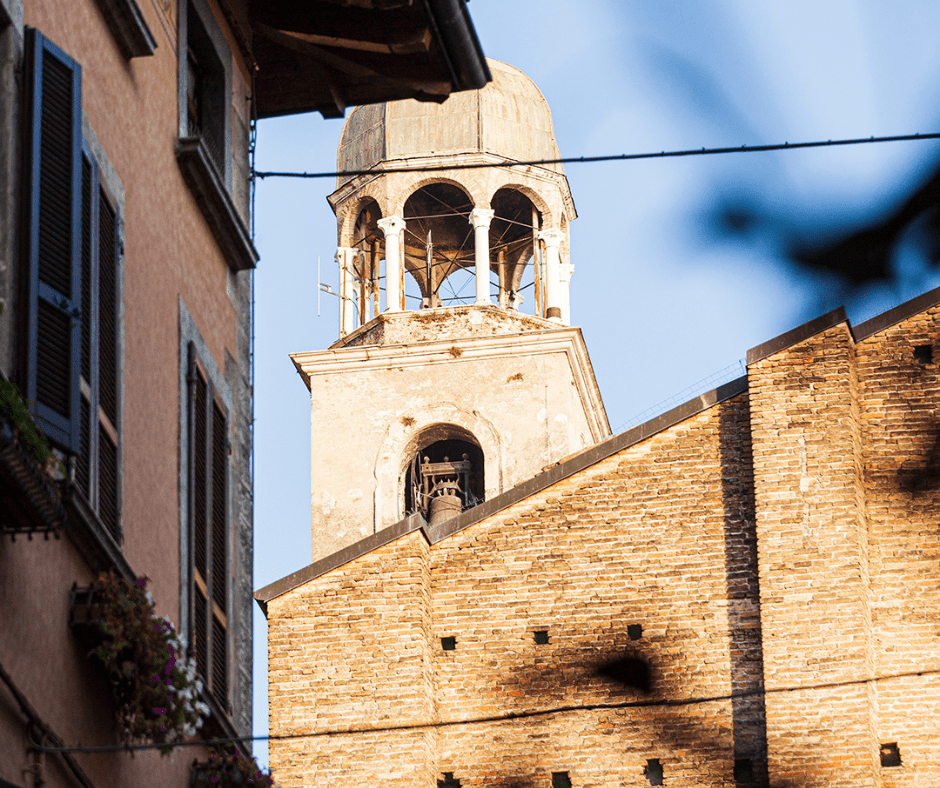
Landmarks: The Cathedral of Santa Maria Annunziata, a Gothic gem on the lakeside promenade; Palazzo della Magnifica Patria, the historic heart of Salò; the Clock Tower; the MuSa – Museum of Salò; and the Zanardelli lakeside promenade, a symbol of the city blending history and scenery.
SAN FELICE DEL BENACO
Province: Brescia
Region: Lombardy
Population: 3,469
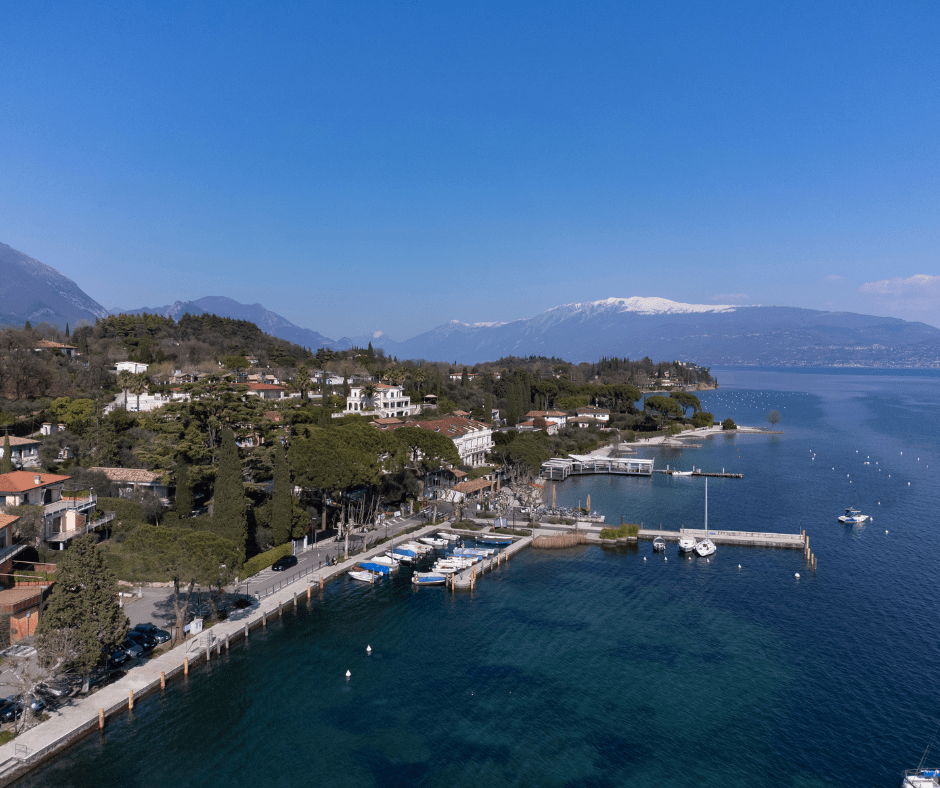
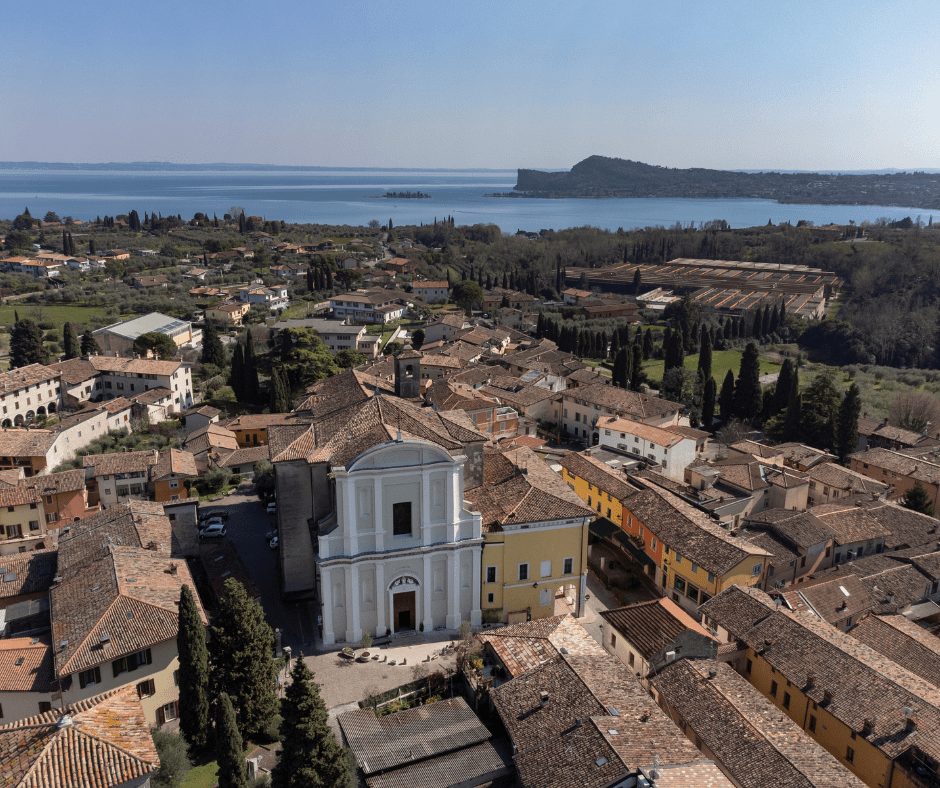
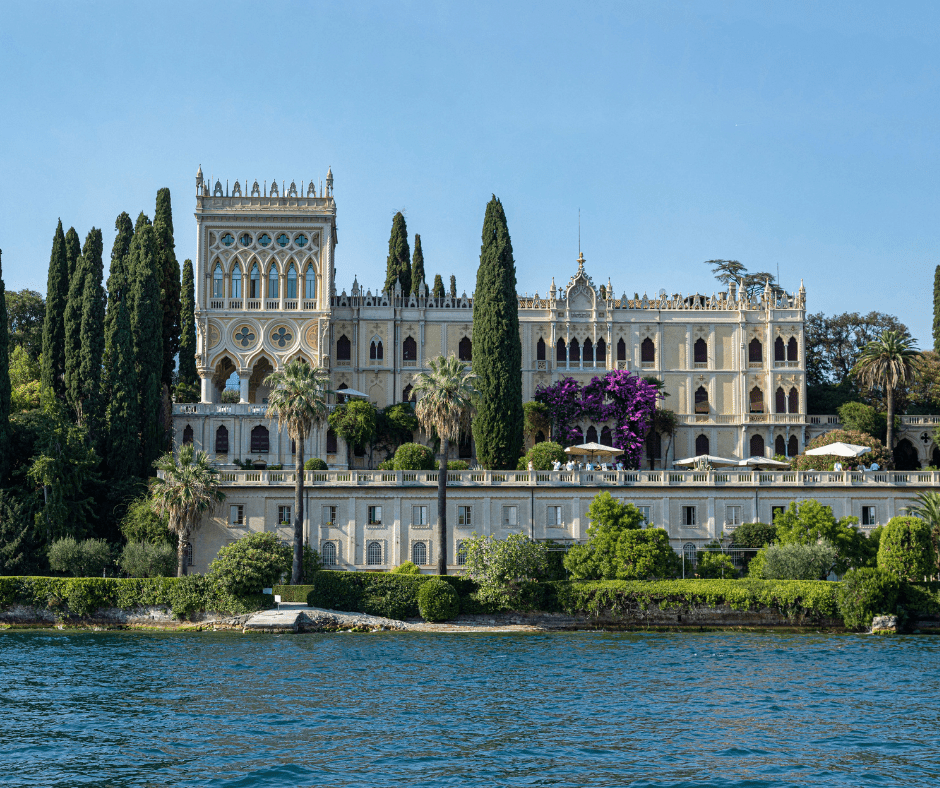
San Felice, Portese and Cisano are situated on a morainic promontory on Lake Garda. San Felice, once known as Scovolo, has ancient origins, with Roman and medieval remains. Portese, an ancient fishing village, owes its name to its natural harbour. Cisano, possibly derived from “Caesa”, retains a peaceful historic centre. Since 1927, the three towns have formed a single municipality. San Felice was awarded the prestigious “Plastic-Free Municipality” status with two turtles on 14 March 2026
Landmarks: Sanctuary of the Madonna del Carmine, Isola del Garda, Parish Church of Saints Felice, Adauto and Flavia, Church of San Fermo, Cominelli Foundation, ports of Portese, San Felice and Baia del Vento, former Monte di Pietà building and Town Hall.
MANERBA DEL GARDA
Province: Brescia
Region: Lombardy
Population: 5,000
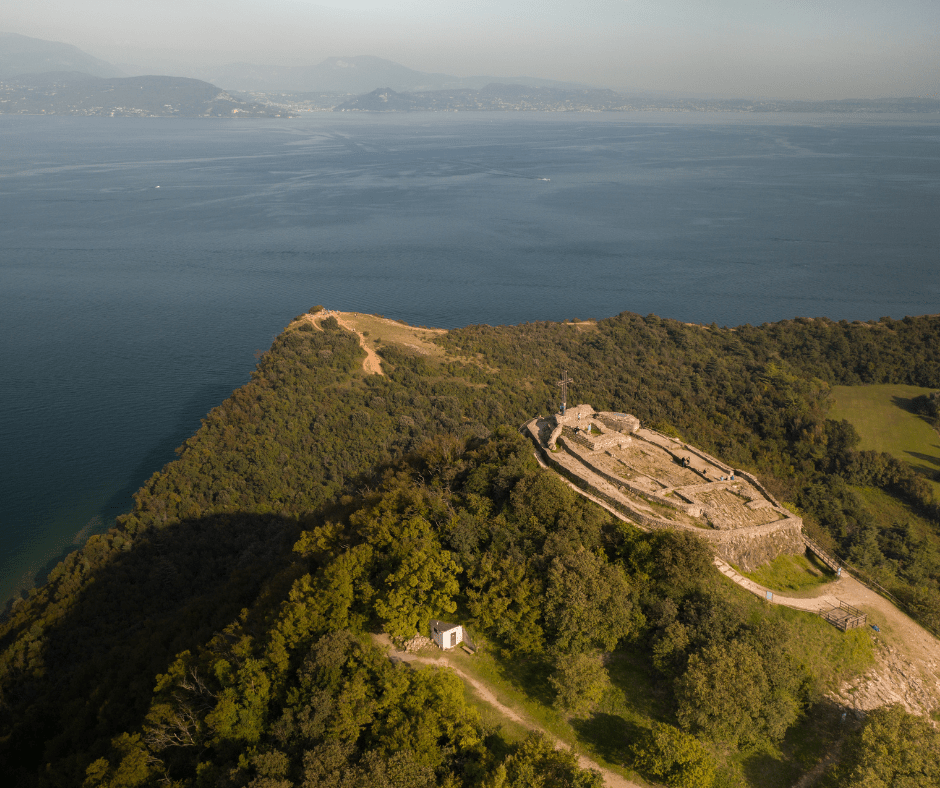
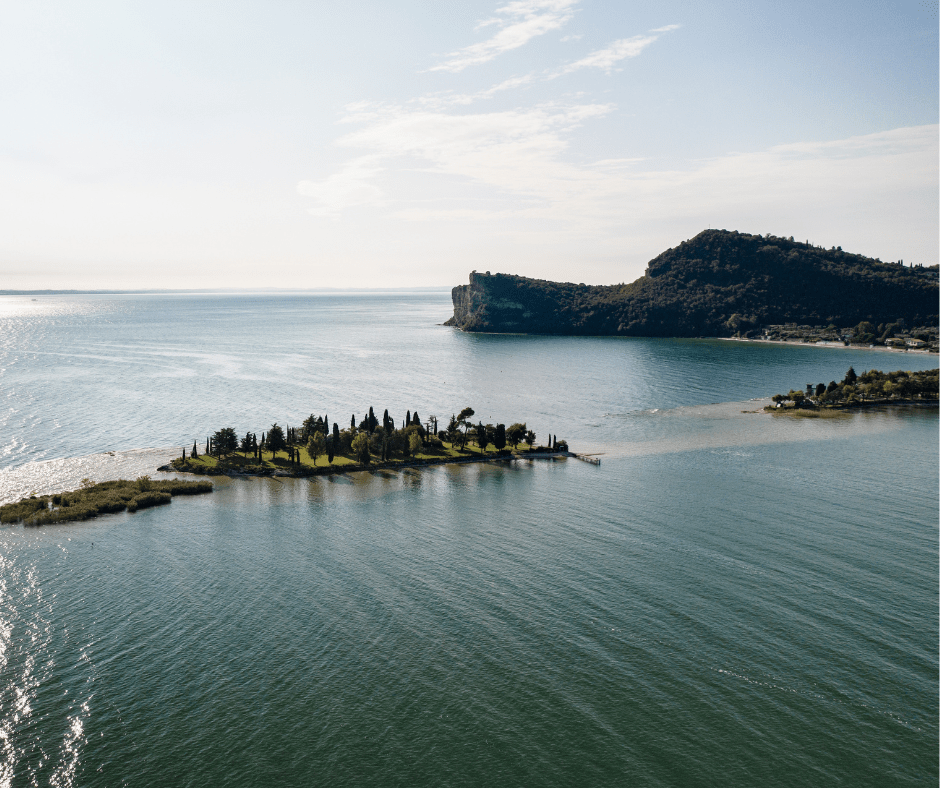
Manerba, inhabited since Neolithic times, was a strategic medieval centre with defensive castles along the lake. Contested between the Guelphs and Ghibellines, it came under Venetian rule in 1426. It played a part in the Risorgimento, marked by Garibaldi’s passage through the area in 1866.
Landmarks: The Fortress and Castle of Manerba, the medieval tower that symbolises the area; the network of castles in the Valtenesi; the historic centre with traces of Venetian rule.
MONIGA DEL GARDA
Province: Brescia
Region: Lombardy
Population: 2,678
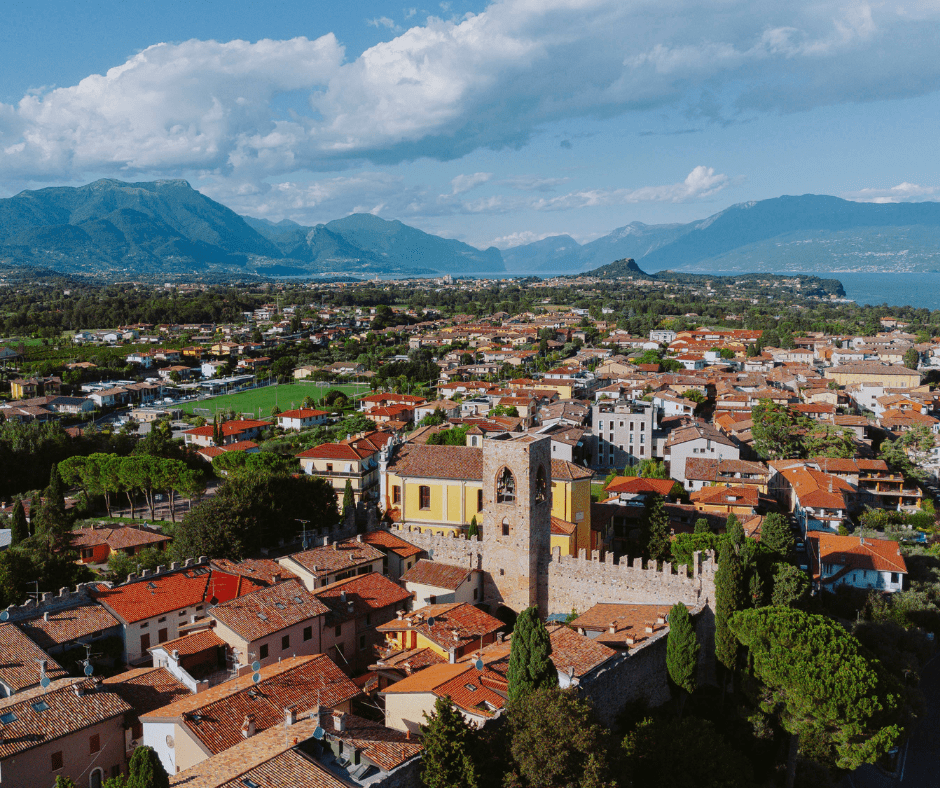
Moniga del Garda has prehistoric origins (pile-dwelling settlements). The historic centre is the 10th-century castle, a “ricetto” built to protect the population from Hungarian raids. After the rule of the Scaligeri, it came under the Republic of Venice. Always closely tied to the land, in 1896 it became the birthplace of Chiaretto thanks to Pompeo Molmenti, who codified the recipe, making the village a benchmark for Gardesana winemaking. Moniga del Garda also ranked first for quality of life in the 2024/2025 survey of the province of Brescia.
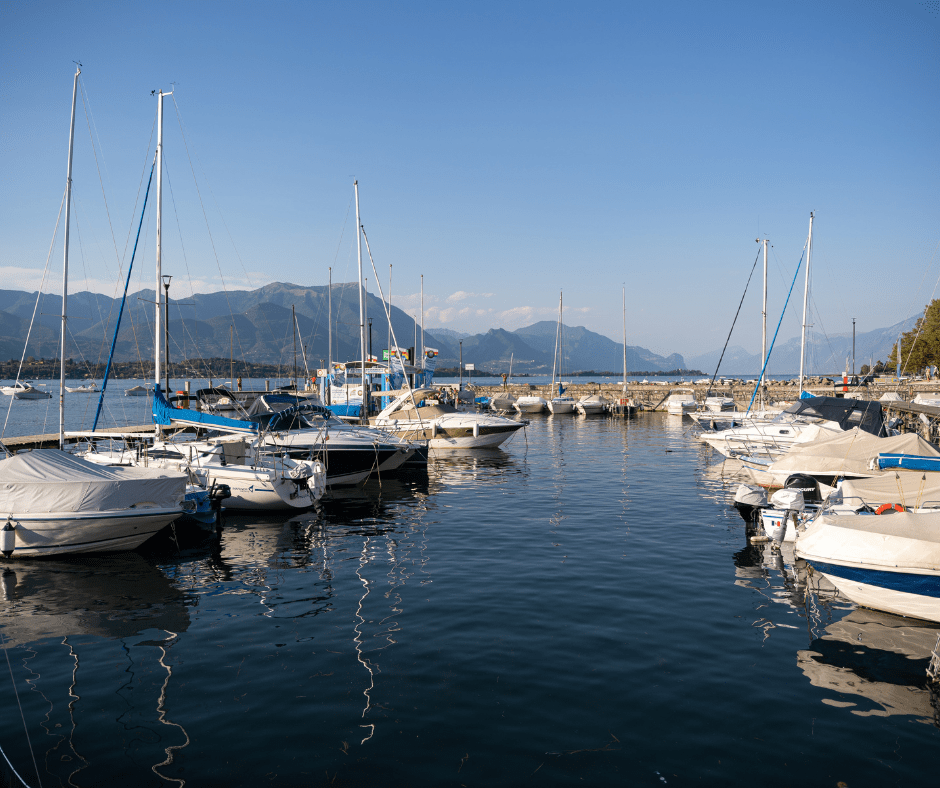
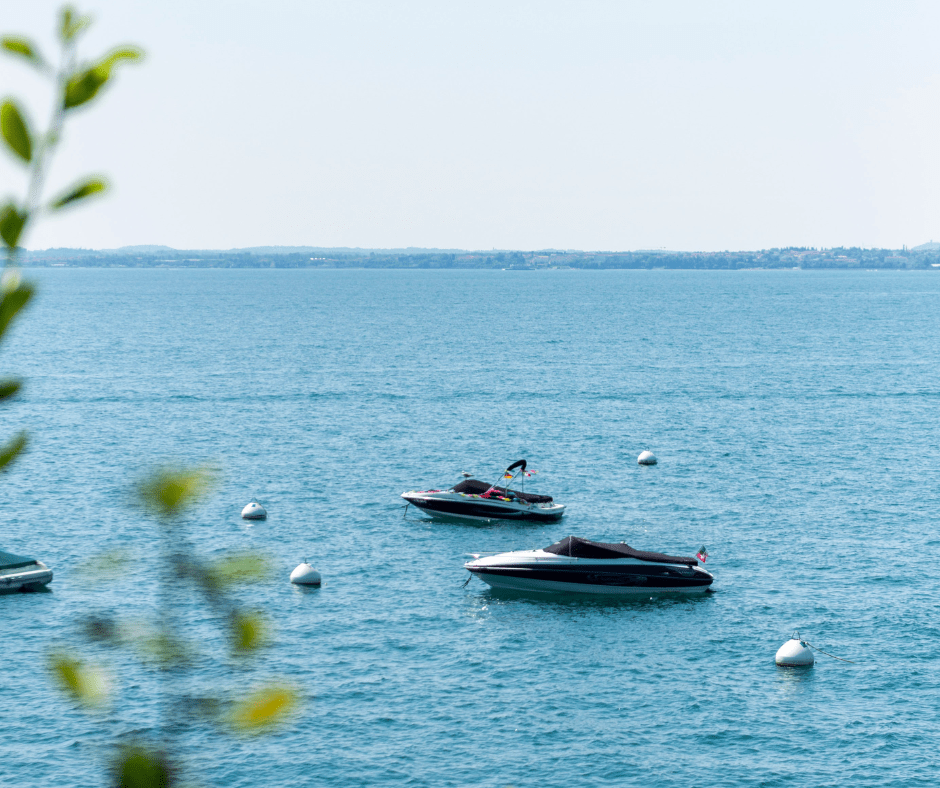
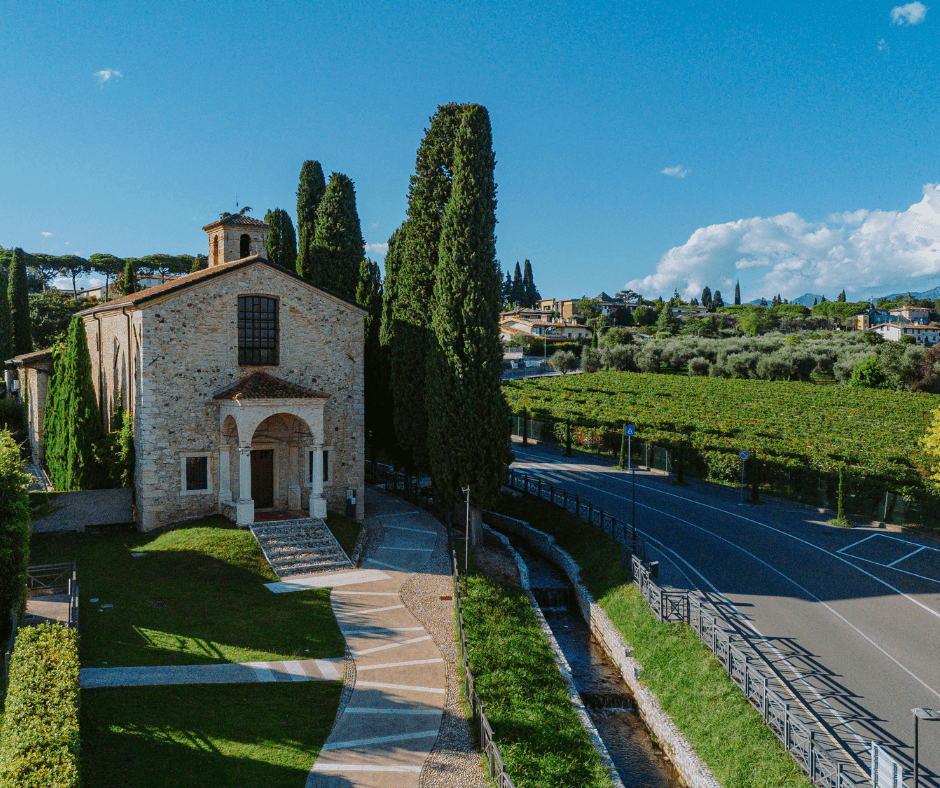
Landmarks: The symbol is the 10th-century castle, one of the best-preserved fortified villages. Also notable are the Church of San Martino, one of the oldest in the Valtenesi, and the lively harbour from which the scenic promenade along the shores of Lake Garda begins.
SOIANO DEL LAGO
Province: Brescia
Region: Lombardy
Population: 1,974
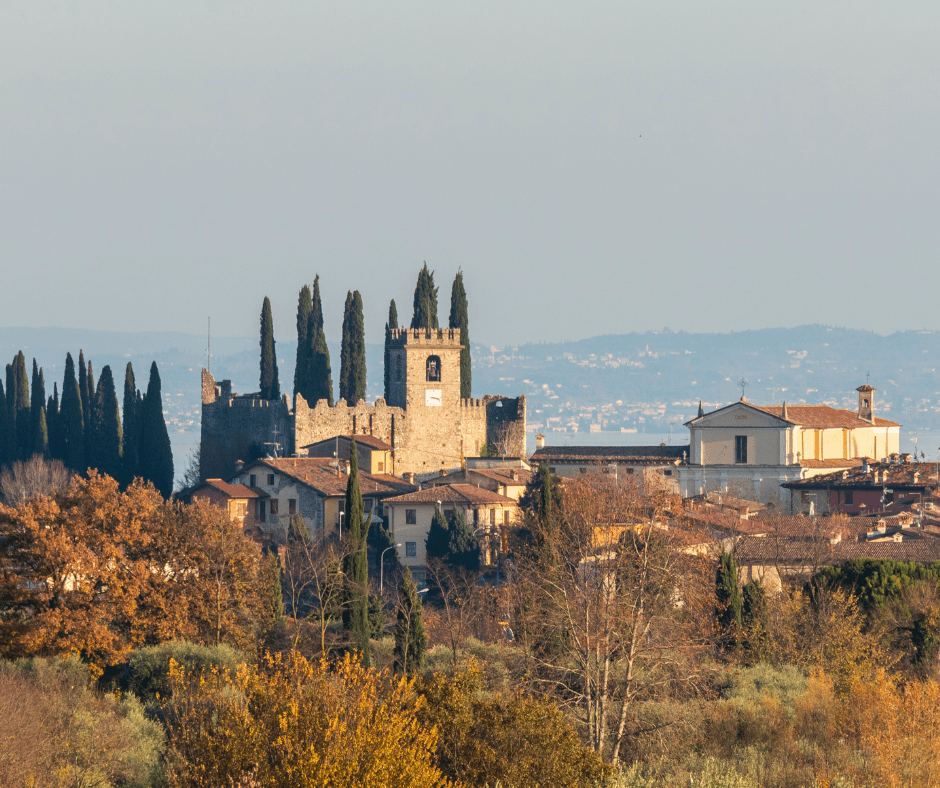
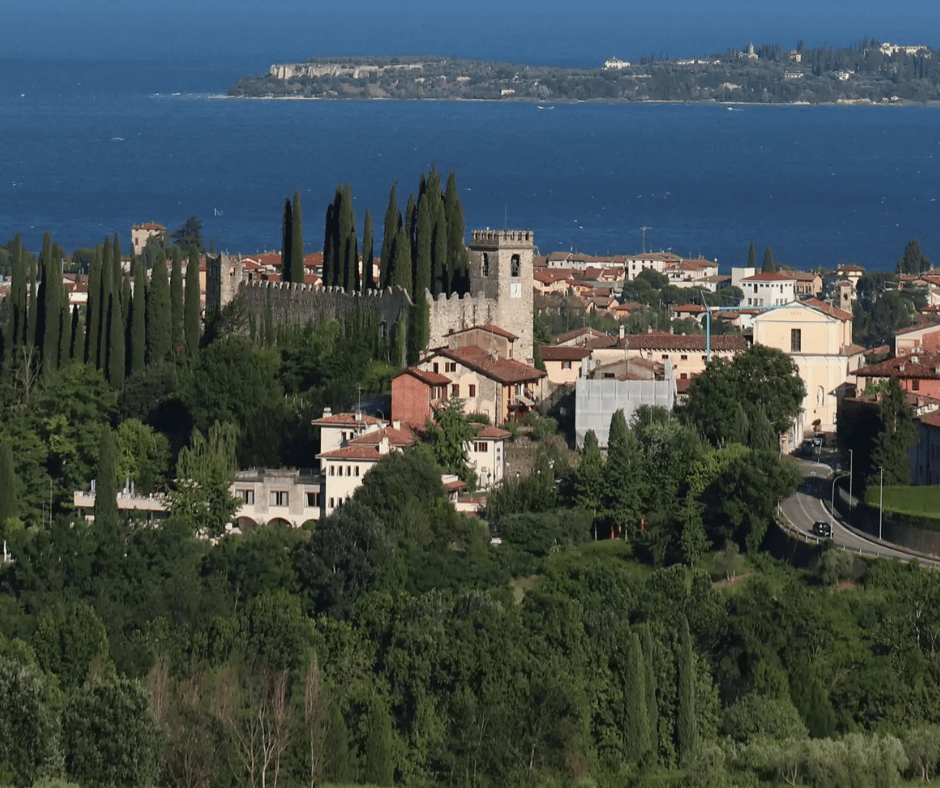
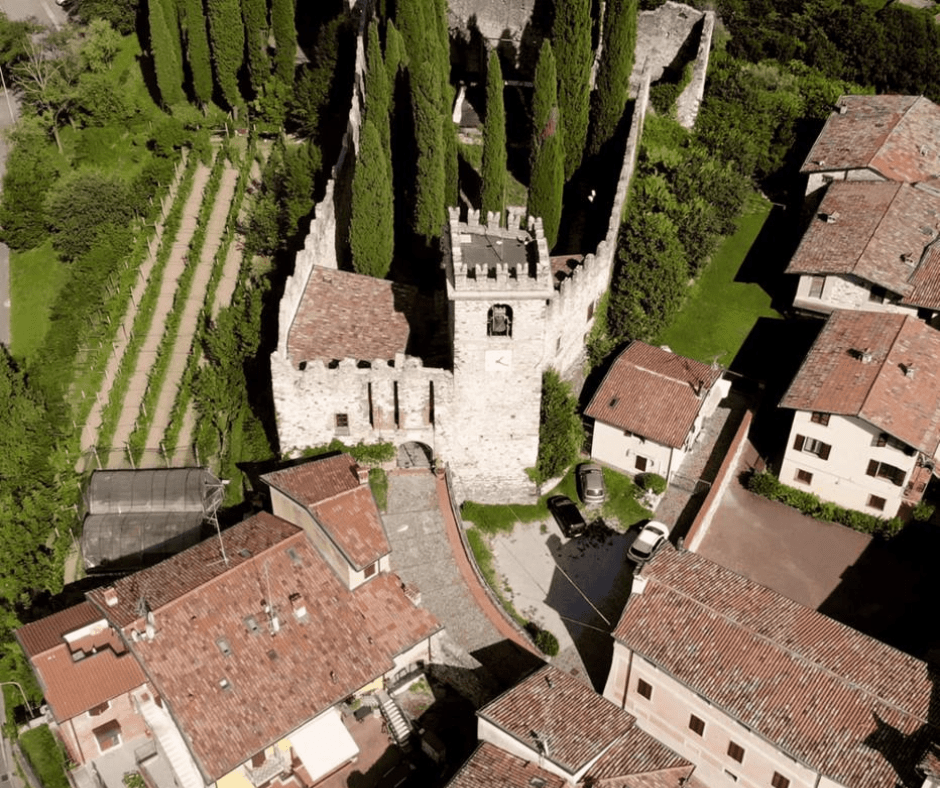
The name Soiano derives from the Latin “Solianum”, meaning an agricultural estate from the Roman era, though some interpretations suggest the name derives from the Latin “Solis Ianua”, meaning “gate of the sun”. The history of Soiano del Lago is thought to date back to the Bronze Age. During the Middle Ages, Soiano became a possession of the Bishop of Verona, before passing under the rule of the Most Serene Republic.
Landmarks: The Castle, built during the 10th century; the Parish Church of St Michael the Archangel, built from 1622; and the Church of St Charles, built in 1610.
PADENGHE DEL GARDA
Province: Brescia
Region: Lombardy
Population: approx. 4,900
Padenghe sul Garda overlooks the lower part of Lake Garda and is characterised by gentle morainic hills sloping down towards the lake. The area is strongly characterised by the cultivation of olive trees and vines, typical of the Valtenesi region. Alongside its agricultural character, it has a well-established tourist vocation thanks to the presence of beaches, small harbours and scenic routes.
Padenghe has ancient origins, documented as far back as Roman times. In the Middle Ages, the castle took on a defensive role and exercised control over Lake Garda. In the centuries that followed, the village maintained an agricultural economy based on olive and vine cultivation, retaining a strong rural character.
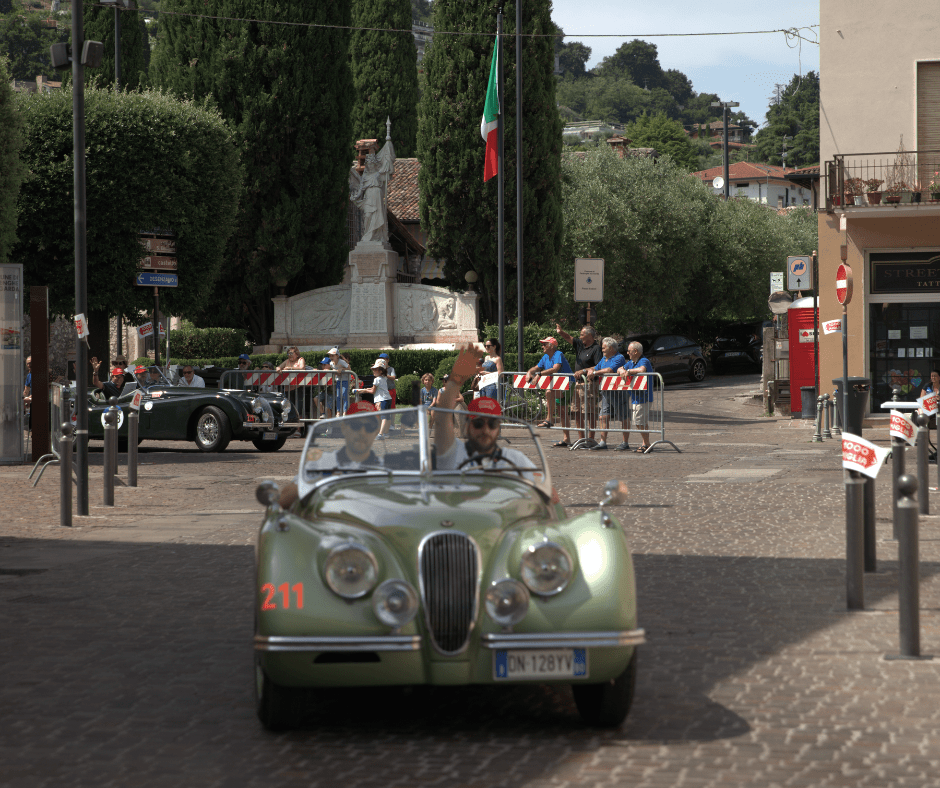
DESENZANO DEL GARDA
Province: Brescia
Region: Lombardy
Population: approx. 29,300
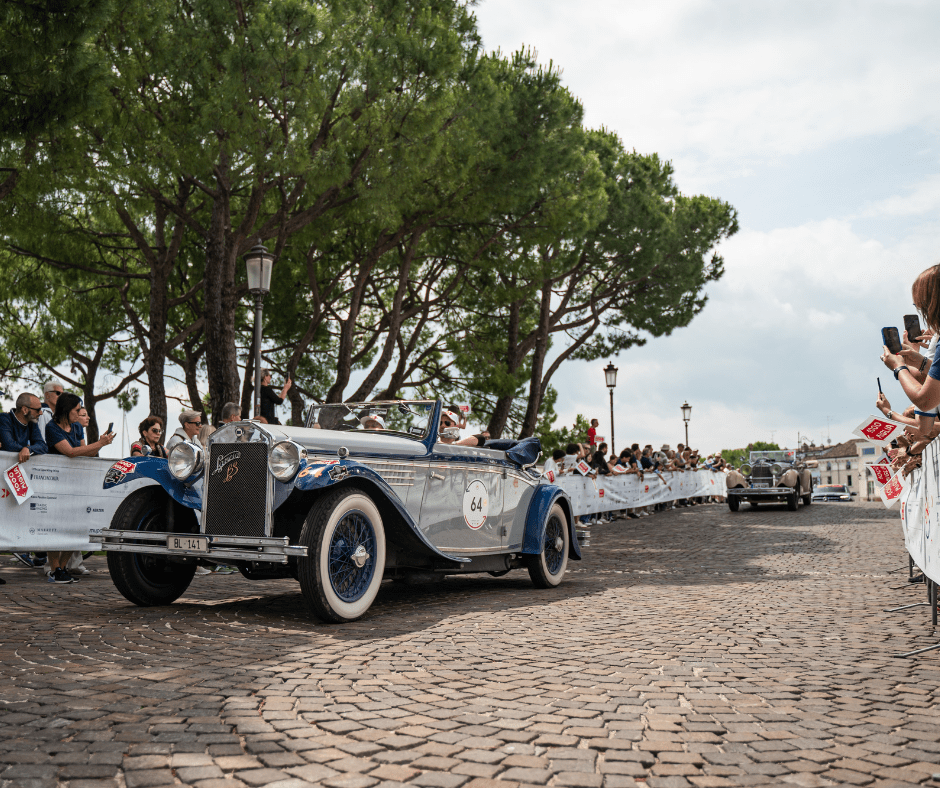
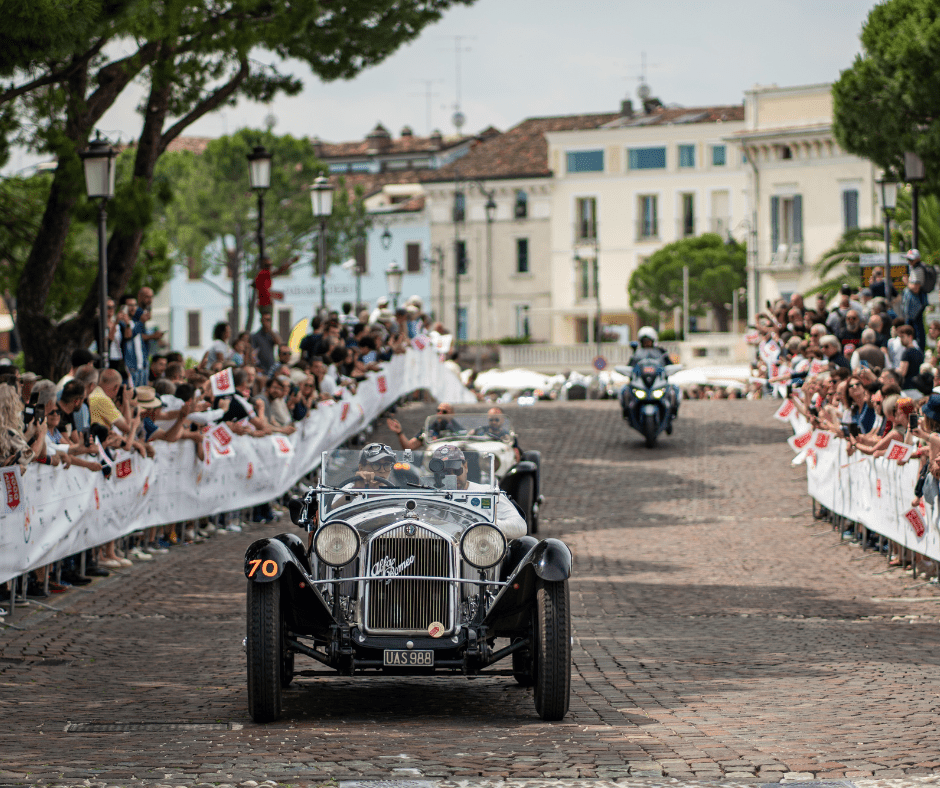
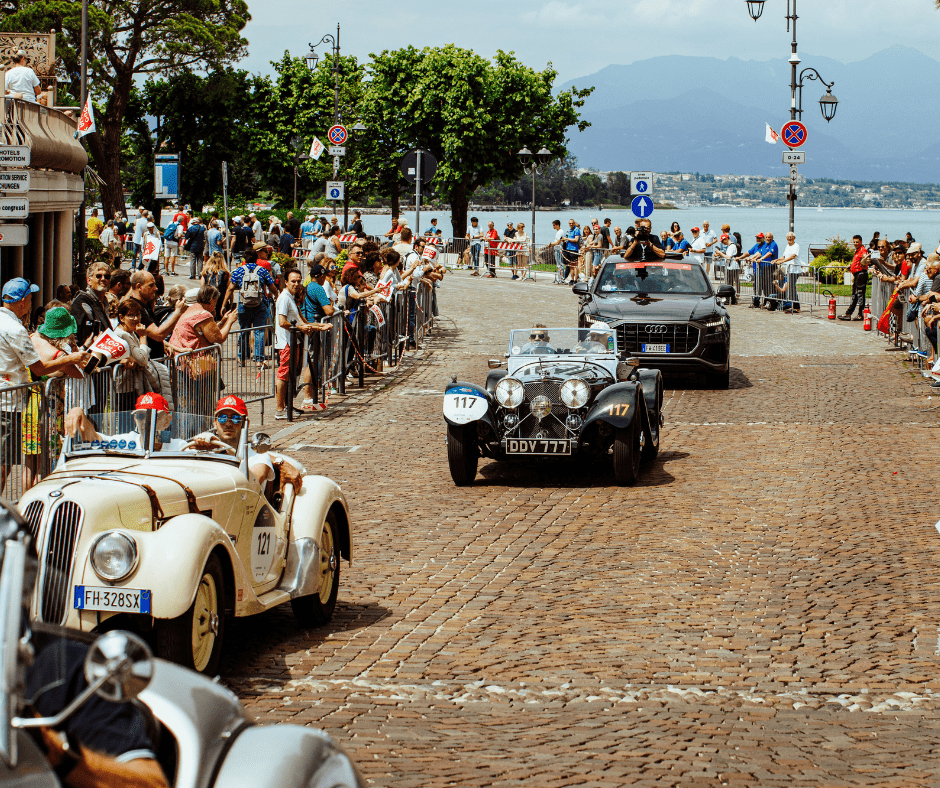
Situated on the southern shore of Lake Garda, Desenzano combines extensive urban development with hilly morainic areas inland. The territory includes the harbour, the lakeside promenade and lakeside hamlets, as well as wine-growing areas such as that of Lugana. It is a major road and rail hub, reinforcing its role as a service centre for the entire lower Garda area.
Inhabited since Roman times, Desenzano preserves important archaeological remains such as the Roman Villa. In the Middle Ages, it became a fortified village and commercial port. Between the 19th and 20th centuries, it established itself as one of the main tourist centres on Lake Garda.
SIRMIONE
Province: Brescia
Region: Lombardy
Population: 8,538
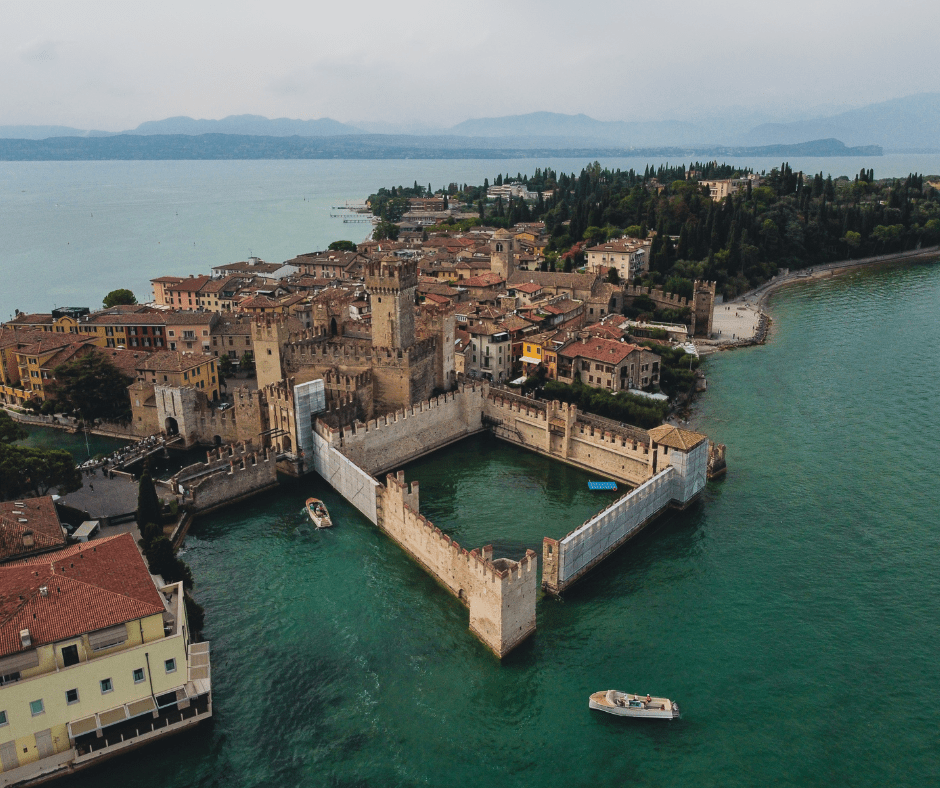
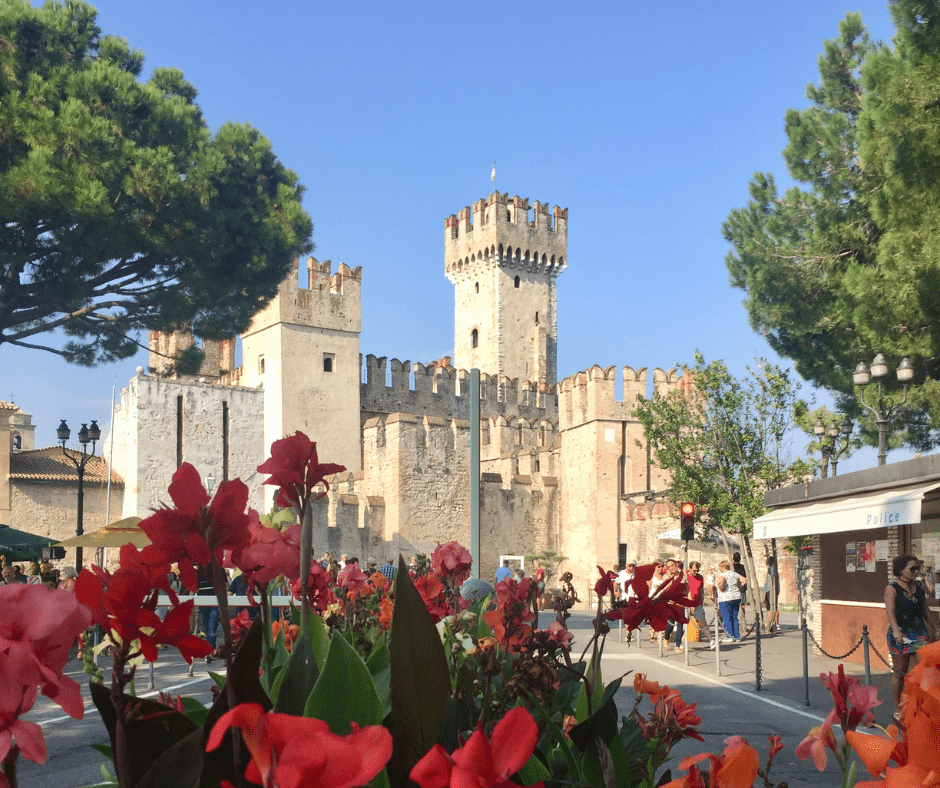
Sirmione boasts a rich heritage of monuments and history, reflecting the diversity of eras and peoples who have passed through the town over the centuries: Roman remains stand alongside medieval and 19th-century structures, as well as the charm of its sacred buildings. Its historical and scenic beauty, combined with a welcoming culture, make it a multifaceted tourist destination capable of attracting a wide range of visitors, not least due to the numerous events on offer. Sirmione holds the Lilac Flag award for inclusive tourism, and Giamaica Beach has been awarded the Blue Flag.
Landmarks: Scaligero Castle, the gateway to the enchanting historic centre. Catullus’s Grottoes, the most important archaeological example of a Roman villa from the early imperial period on Lake Garda. The ancient village that houses the villa where Maria Callas once stayed.
PESCHIERA DEL GARDA
Province: Verona
Region: Veneto
Population: 10,860
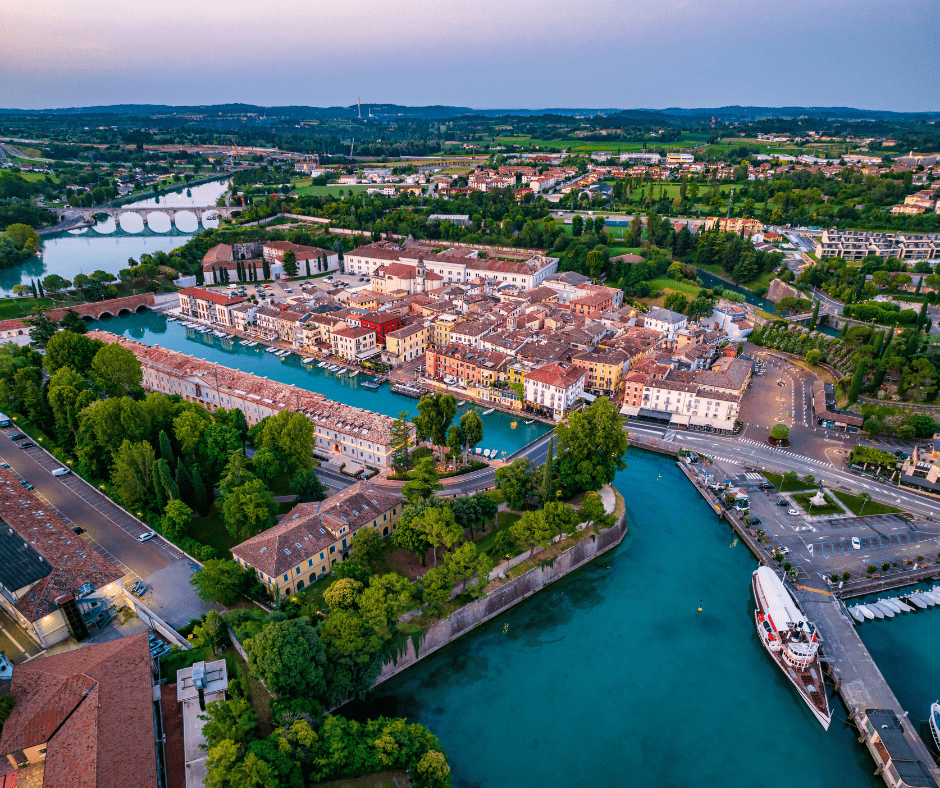
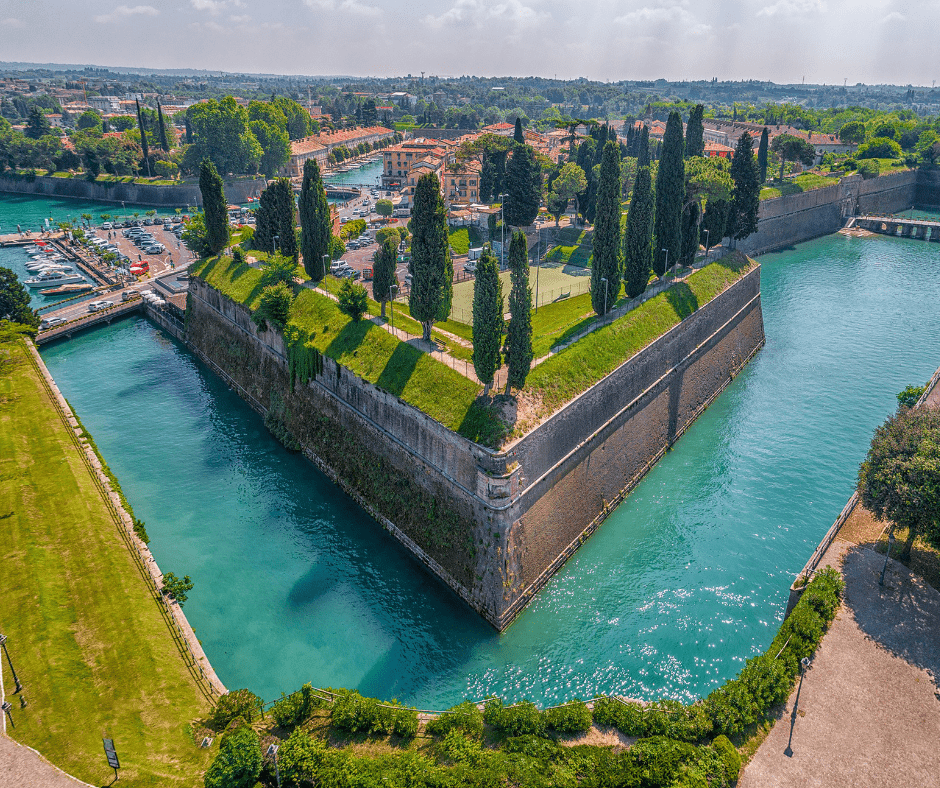
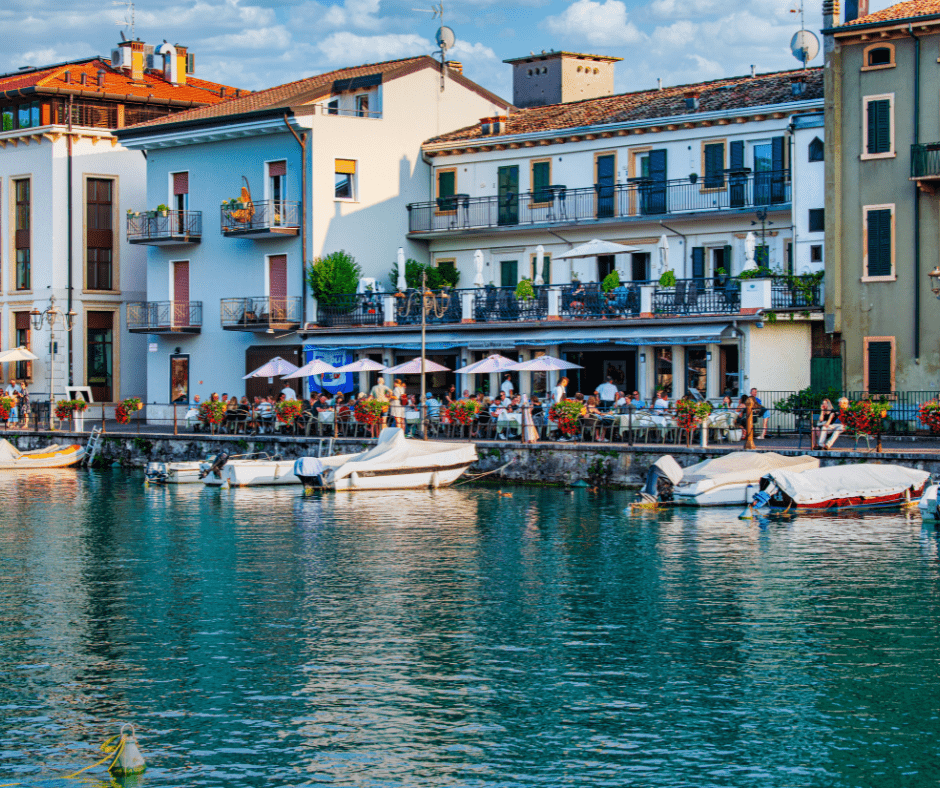
Situated south of Lake Garda and the Mincio, an outlet of Lake Garda, Peschiera was built by altering the natural course of the river that surrounds it: to enable the town’s defence, three branches were constructed leading out of the lake, which then converge south of the town, with the characteristic historic centre spread across small islands connected by bridges. Since 2017, this Venetian town has been included in the UNESCO World Heritage site in the section “Venetian Defence Works of the 16th and 17th Centuries: The State on Land and the Western Maritime State”, thanks above all to the presence of the Venetian Republic’s bastions and the Napoleonic fortress.
Landmarks: The Fortress, also known as the Rocca, is a small architectural gem, enclosed within imposing pentagonal walls dating back to the 16th century, with beautiful bastions and imposing entrance gates. The Ponte dei Voltoni, a structure with beautiful terracotta arches, overlooks the Canale di Mezzo, where fishermen’s boats are moored in neat rows.
SOAVE
Province: Verona
Region: Veneto
Population: 7,162
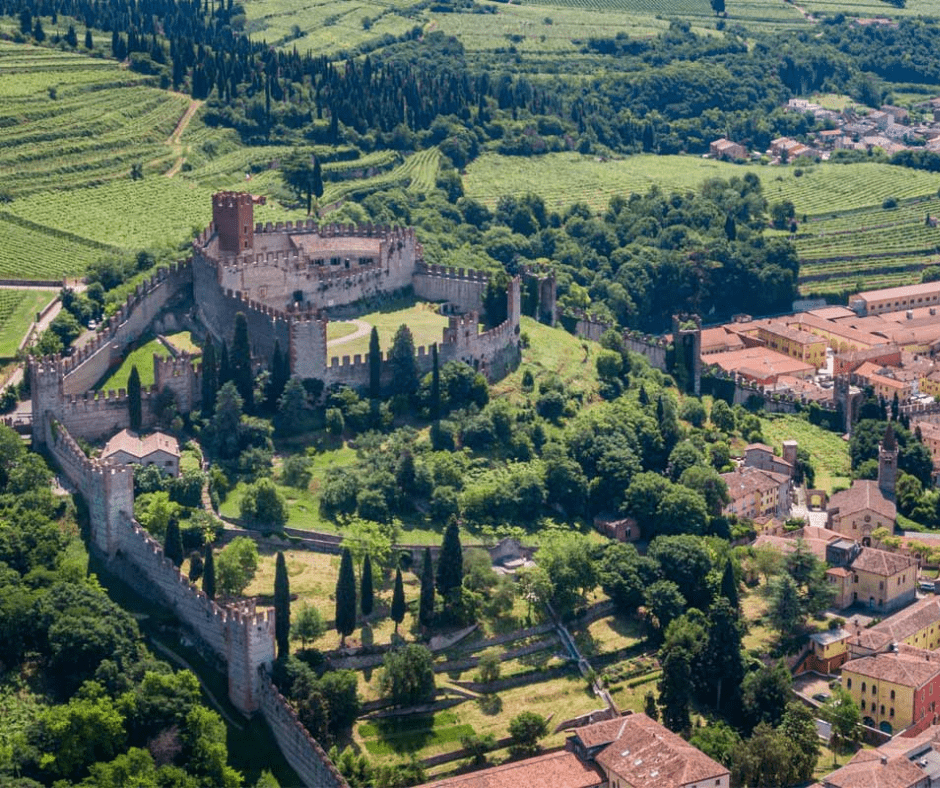
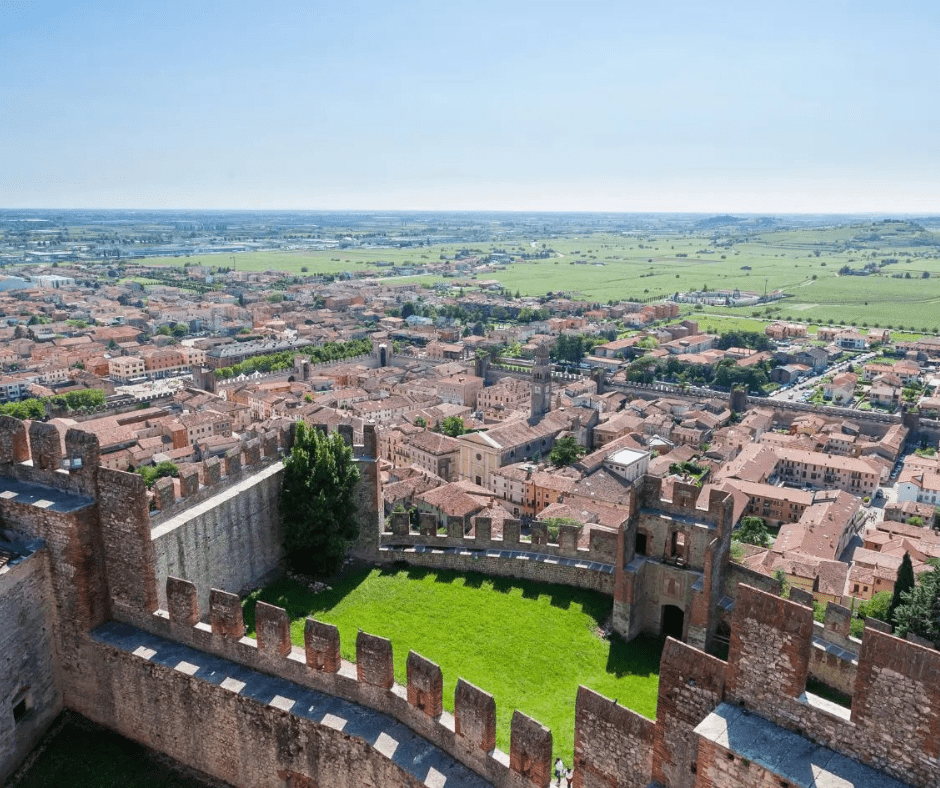
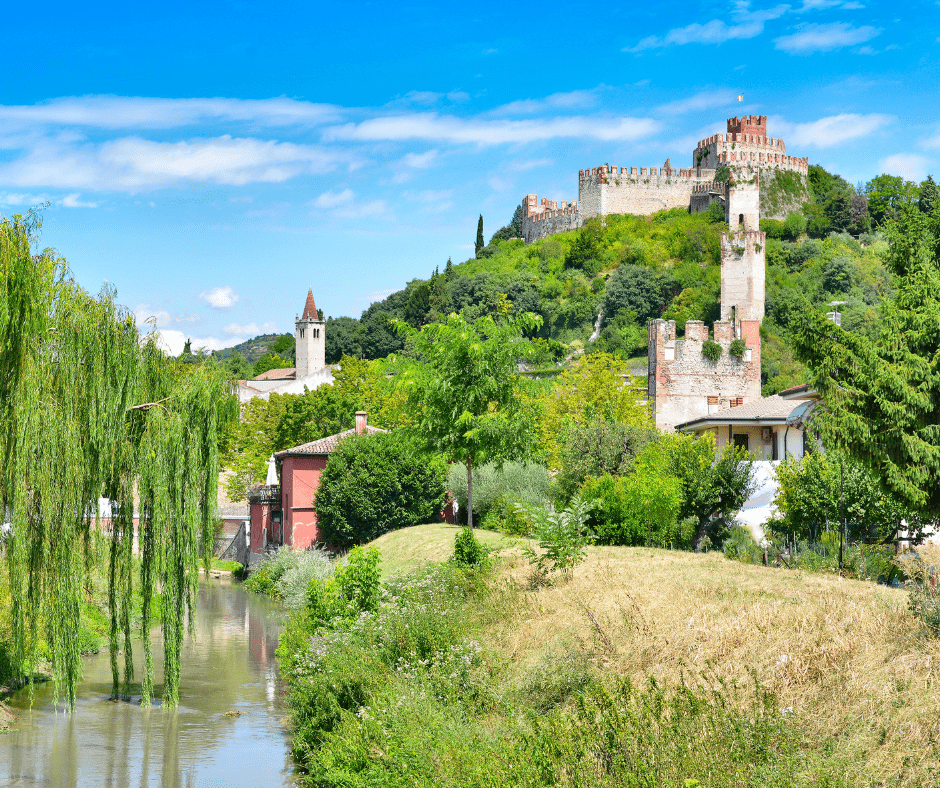
A village of Roman origin on the Via Postumia, Soave owes its name to the Suebi (Suavi). Its history is inextricably linked to the Scaligeri family, who in the 14th century built the iconic town walls and fortified the castle. Following periods of Visconti and Carrarese rule, in 1405 it came under the rule of the Venetian Republic, becoming a centre of agricultural excellence. Today it is famous worldwide for its eponymous DOCG white wine. Soave boasts the Italian Touring Club’s Orange Flag, is a FIAB Cycling Municipality, a “Borgo dei Borghi” and a “Città Murata”. Its hills are part of the FAO’s GIAHS (Globally Important Agricultural Heritage Systems).
Landmarks: In addition to the castle and the walls with their 24 towers, the Dominican church, the parish church of San Giorgio, and the Palazzo del Capitano e di Giustizia stand out. Soave: a medieval gem nestled between Porta Verona, Porta Vicentina and Porta Aquila.
VICENZA
Province: Vicenza
Region: Veneto
Population: 110,741
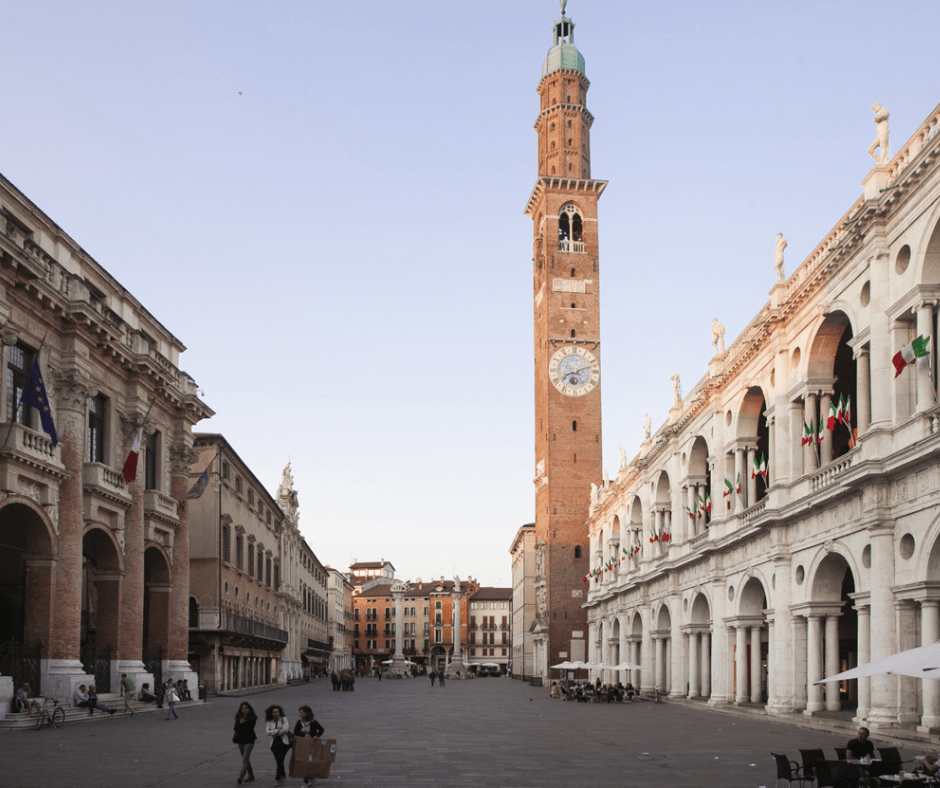
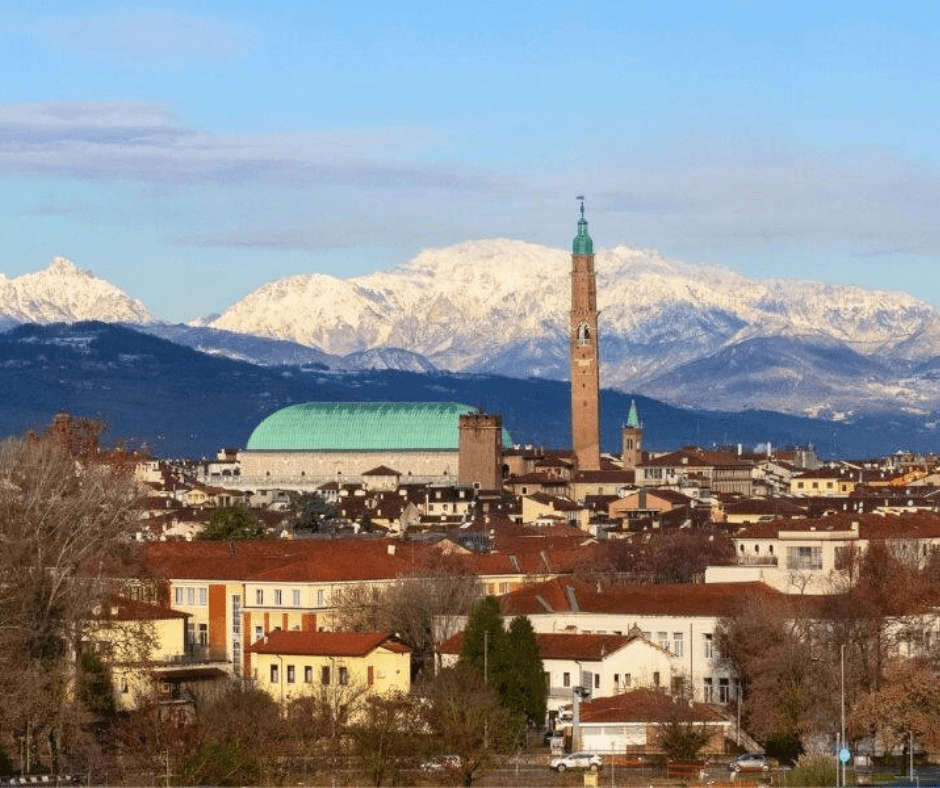
Vicenza has a long and rich history spanning more than two thousand years. Before the arrival of the Romans, it was known as Vicetia. In 1404, it became part of the Republic of Venice, whilst the 16th century marked Vicenza’s golden age thanks to the work of the architect Andrea Palladio. Its villas and palaces have made the city a global benchmark for Renaissance architecture. Even today, Vicenza is known as “the city of Palladio”. Thanks in part to the global influence of Palladian architecture, Vicenza was entered as a UNESCO World Heritage Site in 1994.
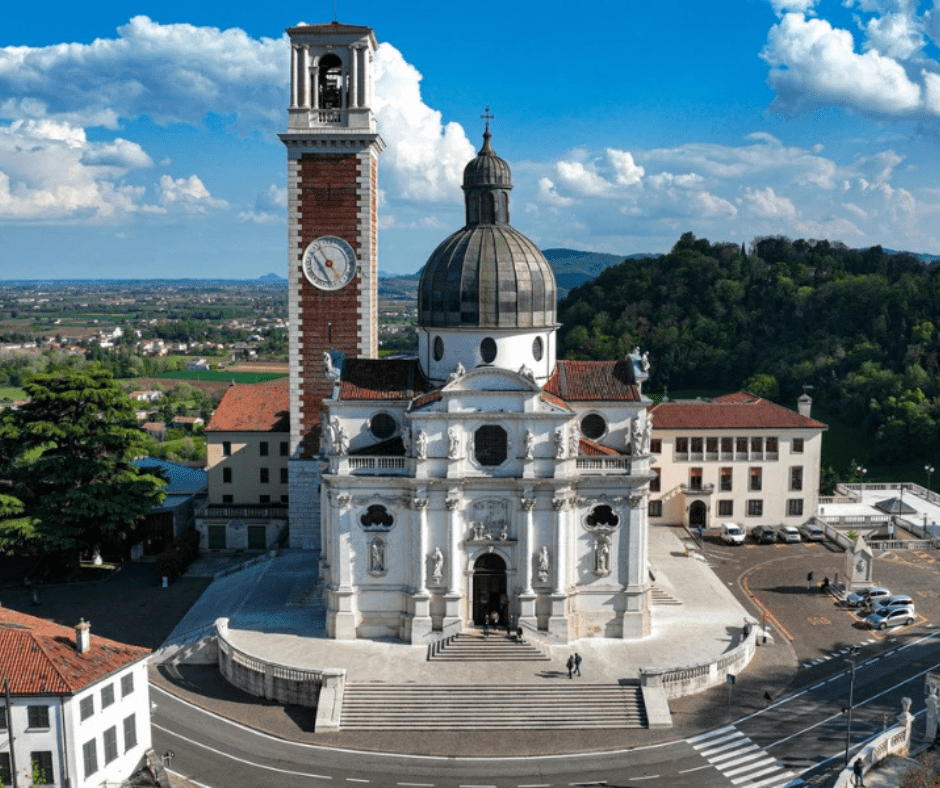
Landmarks: Vicenza is rich in monuments, many of which are linked to the work of Andrea Palladio. The most important are: the Olympic Theatre, the Palladian Basilica, Villa La Rotonda, Palazzo Chiericati, the Sanctuary of Monte Berico, and Piazza dei Signori.
CITTADELLA
County: Padua
Region: Veneto
Population: approximately 20,000
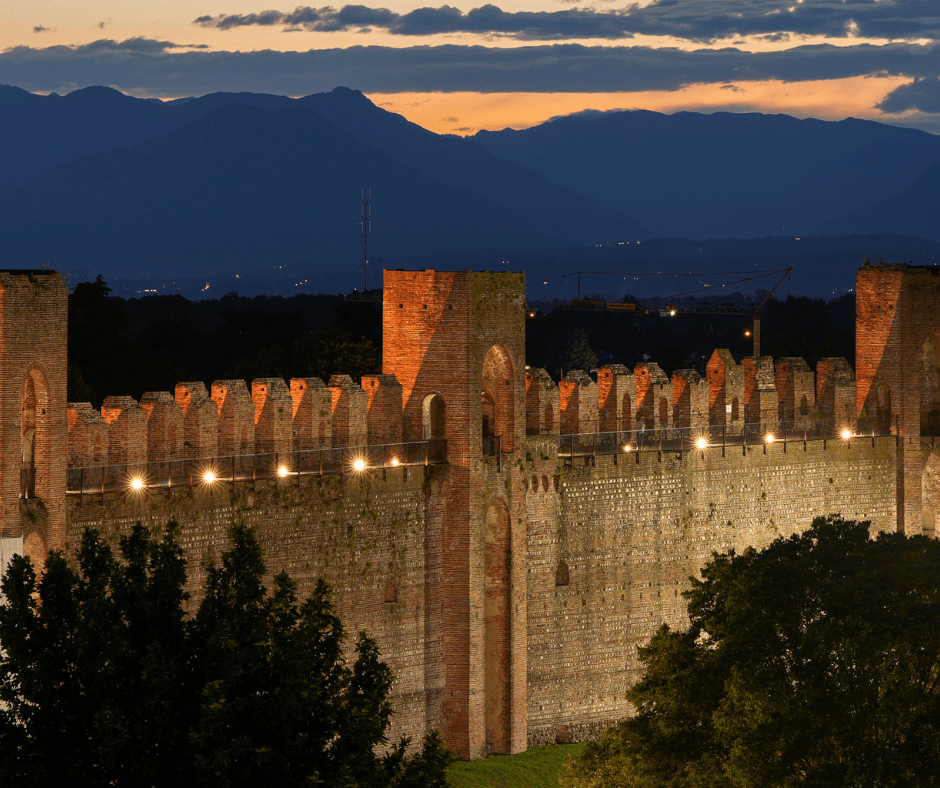
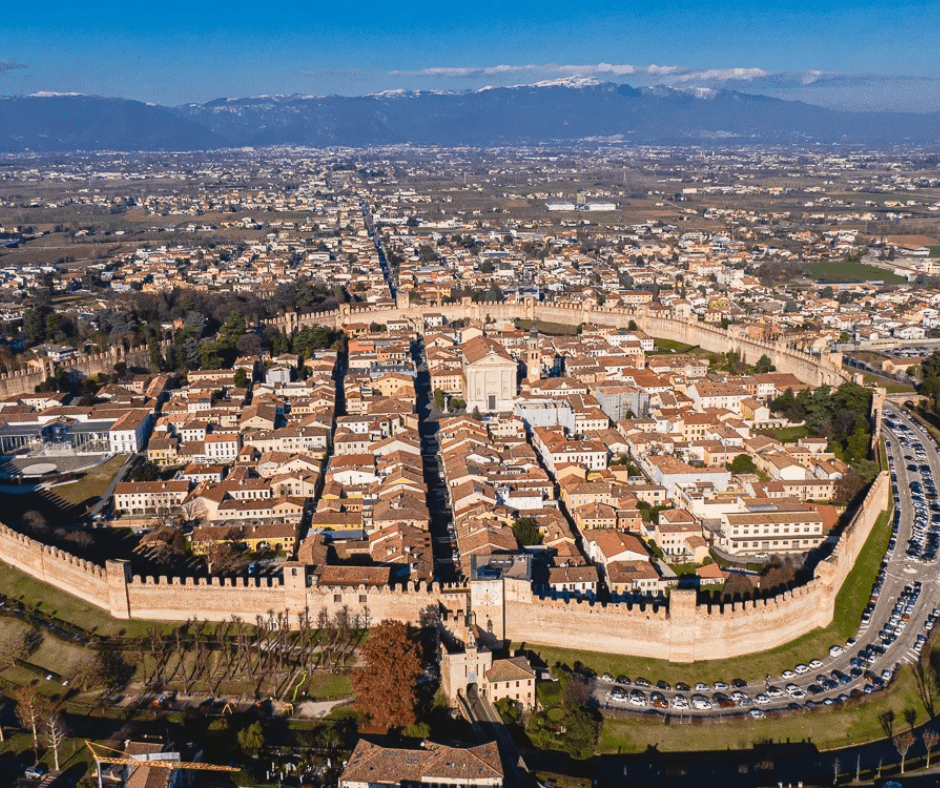
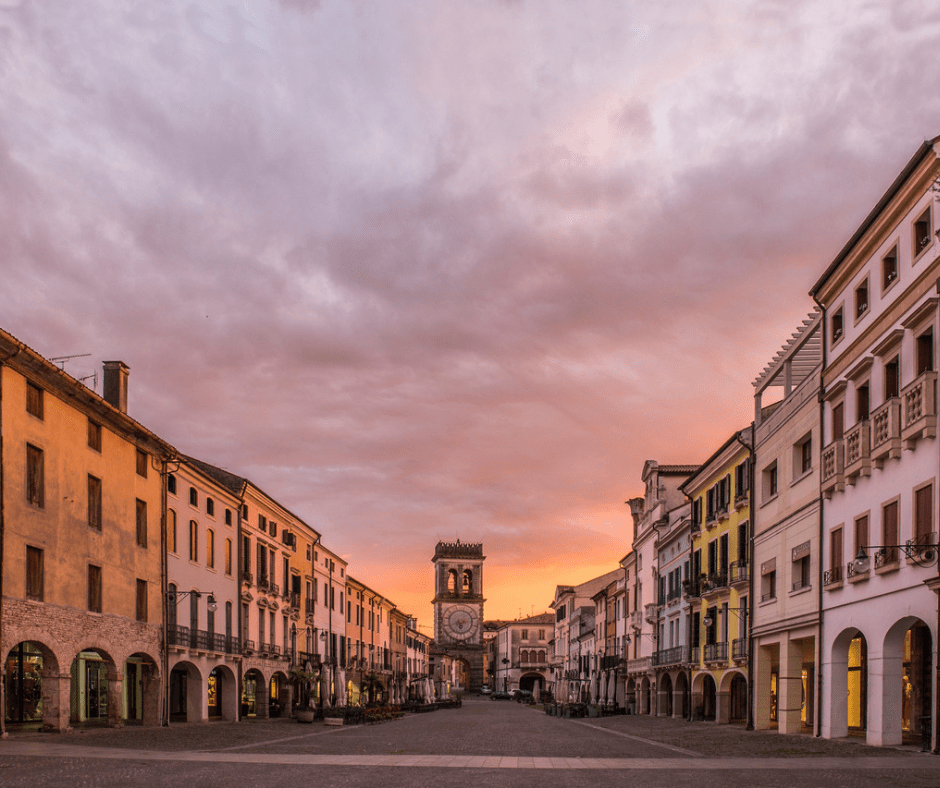
Founded in 1220 by the City of Padua as a military outpost for defensive purposes, Cittadella is one of the finest examples of medieval military architecture in Europe. The town still preserves its original city walls, approximately 1,500 metres long, characterised by a distinctive elliptical shape and 32 towers. Over the centuries, it came under the rule of the Carraresi, the Scaligeri and finally the Most Serene Republic of Venice, maintaining an important strategic and commercial role in the Veneto region. Thanks to the excellent state of preservation of the walls and the historic centre, Cittadella is now one of the most fascinating tourist destinations in the Veneto. Visiting Cittadella means enjoying a unique experience amidst historic walls, panoramic views and Venetian traditions
PADOVA
Province: Padua
Region: Veneto
Population: 208,202
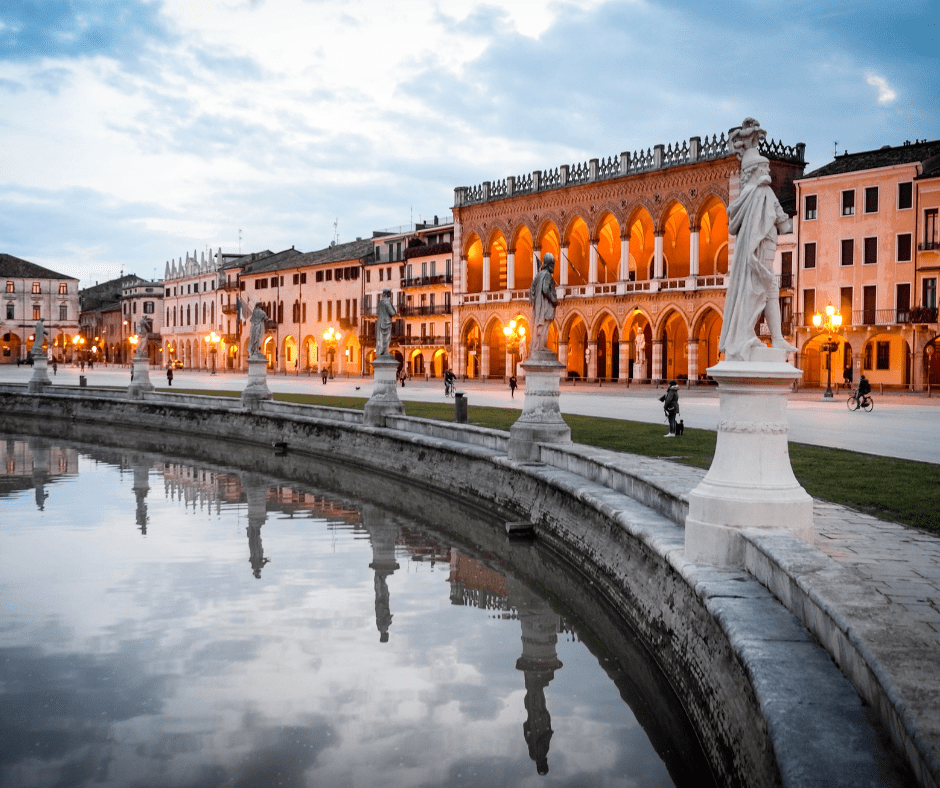
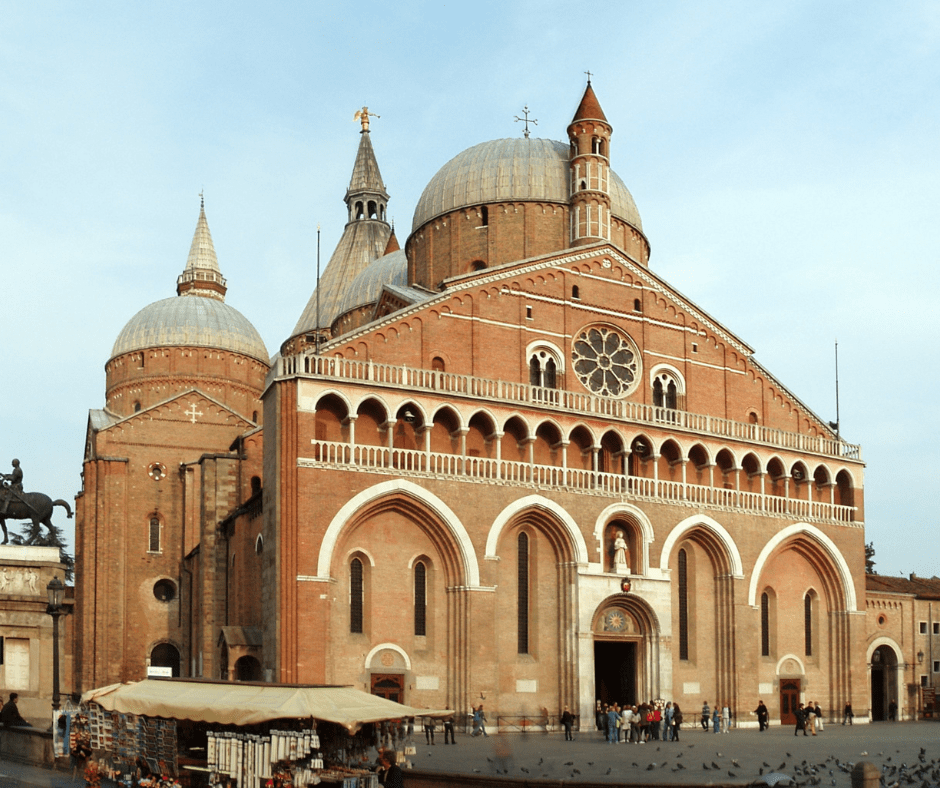
According to tradition, Padua was founded by the Trojan hero Antenor, but the historic Patavium grew into a major centre of the ancient Veneti and, in Roman times, became a wealthy and influential city. In the Middle Ages, it was a free commune, and in 1222 the University was founded, one of the oldest in Europe. Under the Carraresi family and later under the Venetian Republic, it consolidated its reputation as a city of art, science and spirituality, linked to the figure of Saint Anthony. Since 2021, it has been a UNESCO World Heritage Site thanks to the 14th-century fresco cycle “Padova Urbs Picta”, painted across eight sites, including the Scrovegni Chapel.
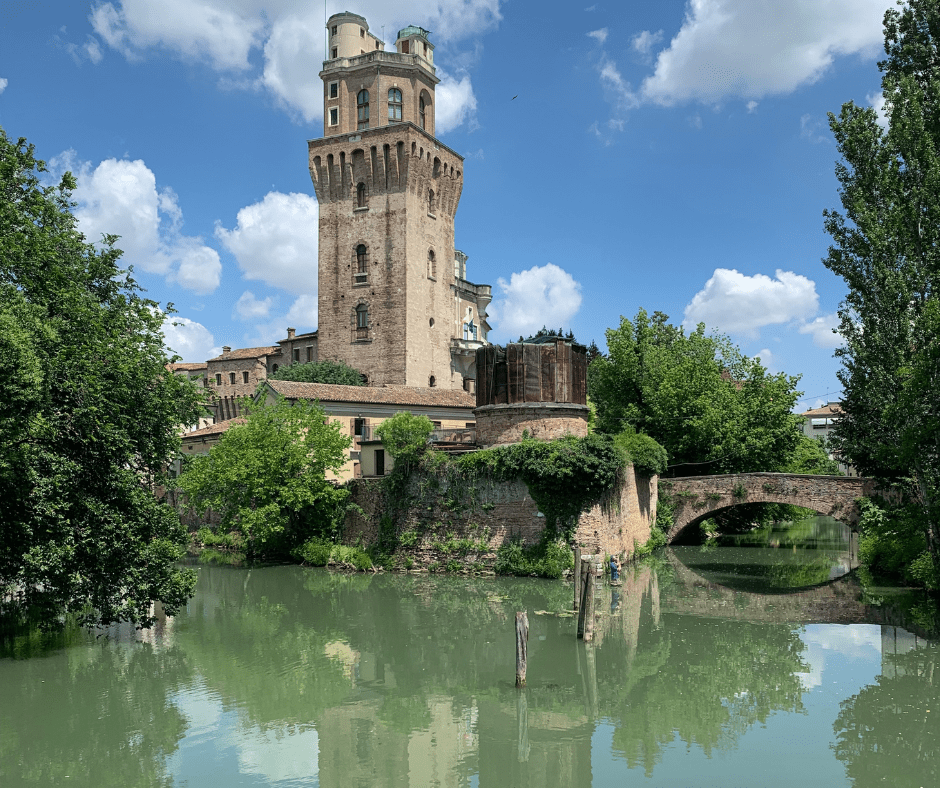
Landmarks: Padua’s landmarks include the Scrovegni Chapel with its frescoes by Giotto, the Basilica of Saint Anthony, Prato della Valle (one of Europe’s largest squares), the Palazzo della Ragione, Caffè Pedrocchi and the historic Palazzo del Bo.