LEG 3 – THURSDAY 11th JUNE
LUCCA
Province: Lucca
Region: Tuscany
Population: 88,500
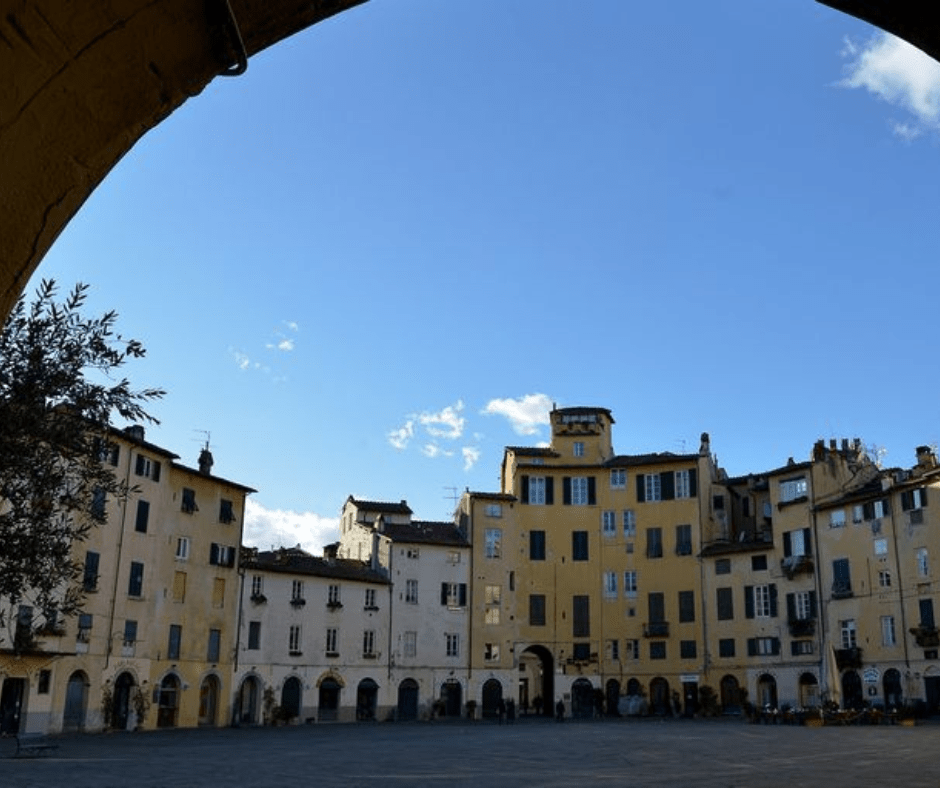
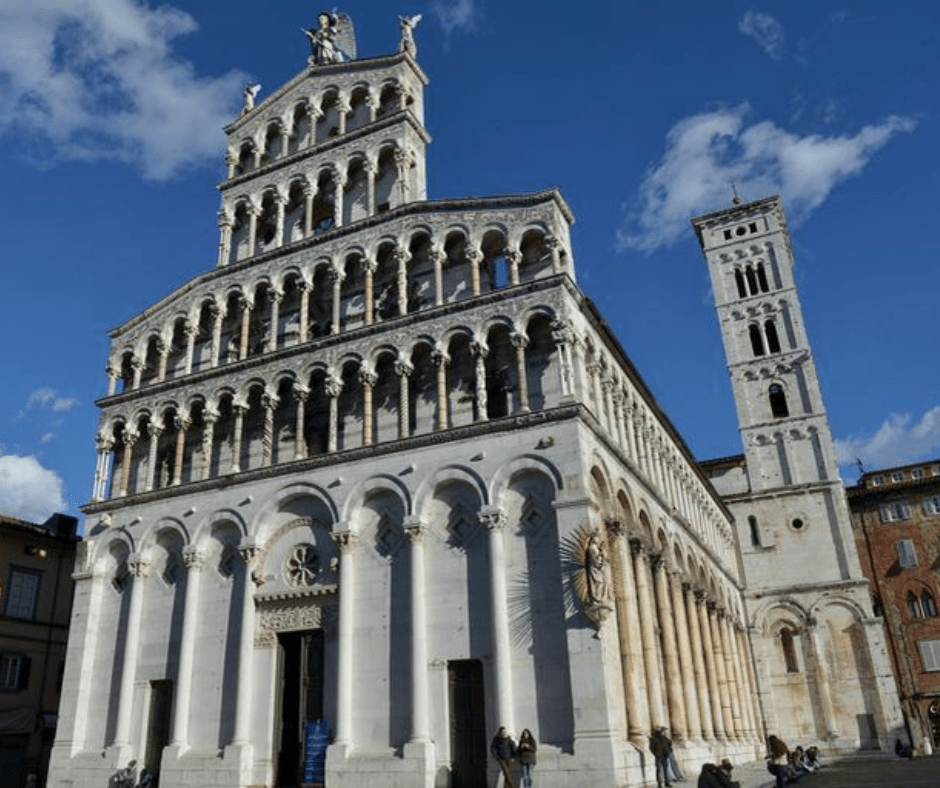
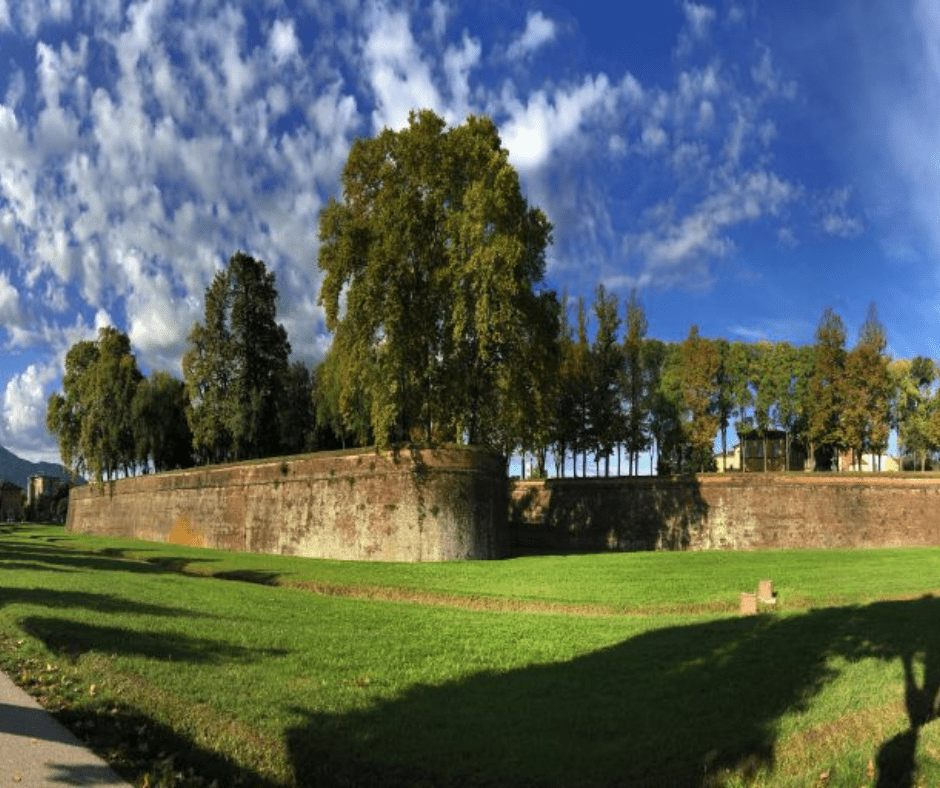
The provincial capital, Lucca is renowned for its imposing (4.2-kilometre-long) and perfectly preserved Renaissance city walls, which surround the elegant historic centre traversed by Via Fillungo and dotted with marvellous buildings, squares, churches and towers. Renowned in the Middle Ages for its flourishing silk trade, it was a city-state until 1799, when it became a Principality under Elisa Bonaparte Baciocchi (Napoleon’s sister) and a Bourbon Duchy upon its incorporation into the Grand Duchy of Tuscany. Lucca is a City of Motors and, since 2020, a UNESCO Learning City. The rich diocesan historical archive is a UNESCO World Heritage Site.
Landmarks: The city walls with their tree-lined avenues, the Guinigi Tower – the only one in Europe with a hanging garden – and Piazza Anfiteatro with its unmistakable oval shape are must-see sights in the city, alongside romantic squares, splendid churches and palaces.
PIETRASANTA
Province: Lucca
Region: Tuscany
Population: 22,919
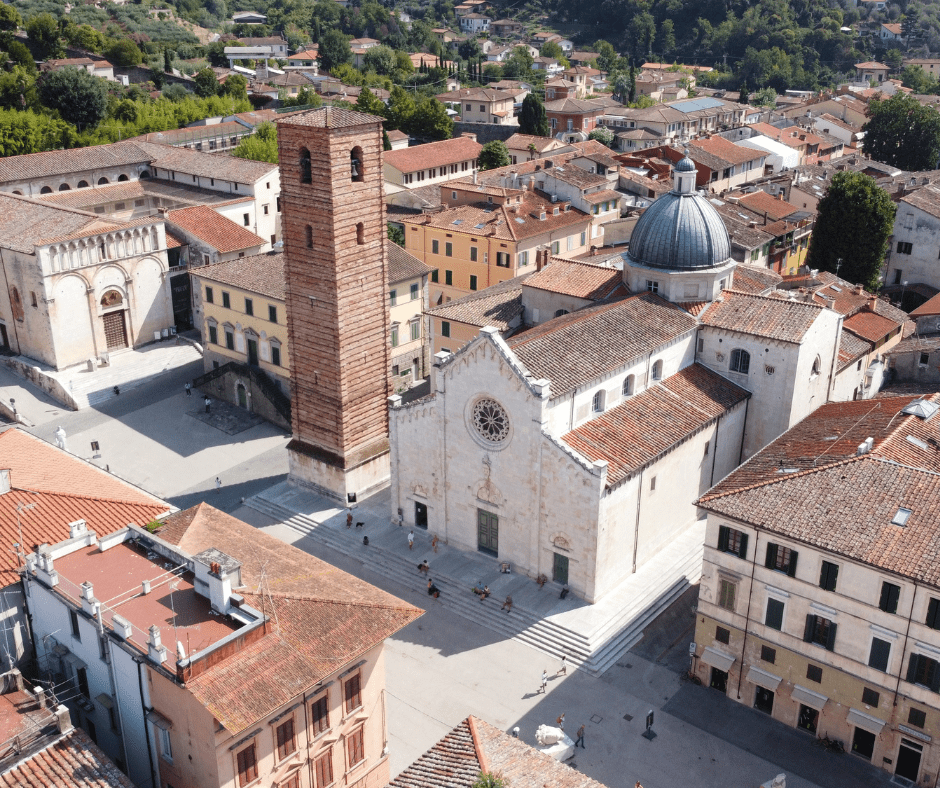
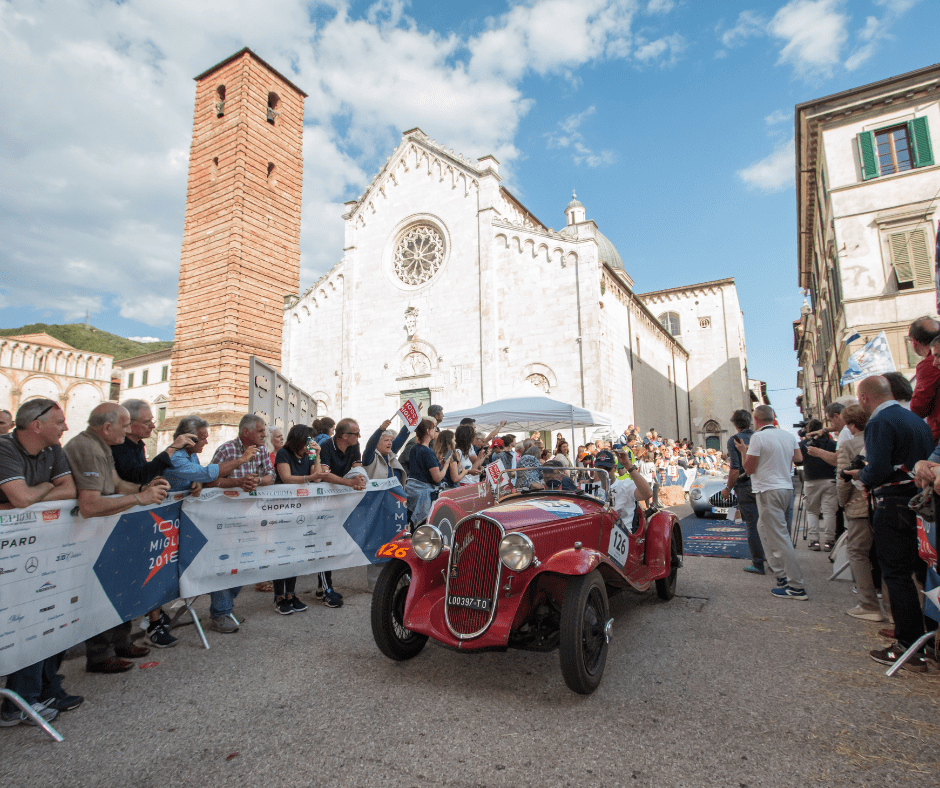
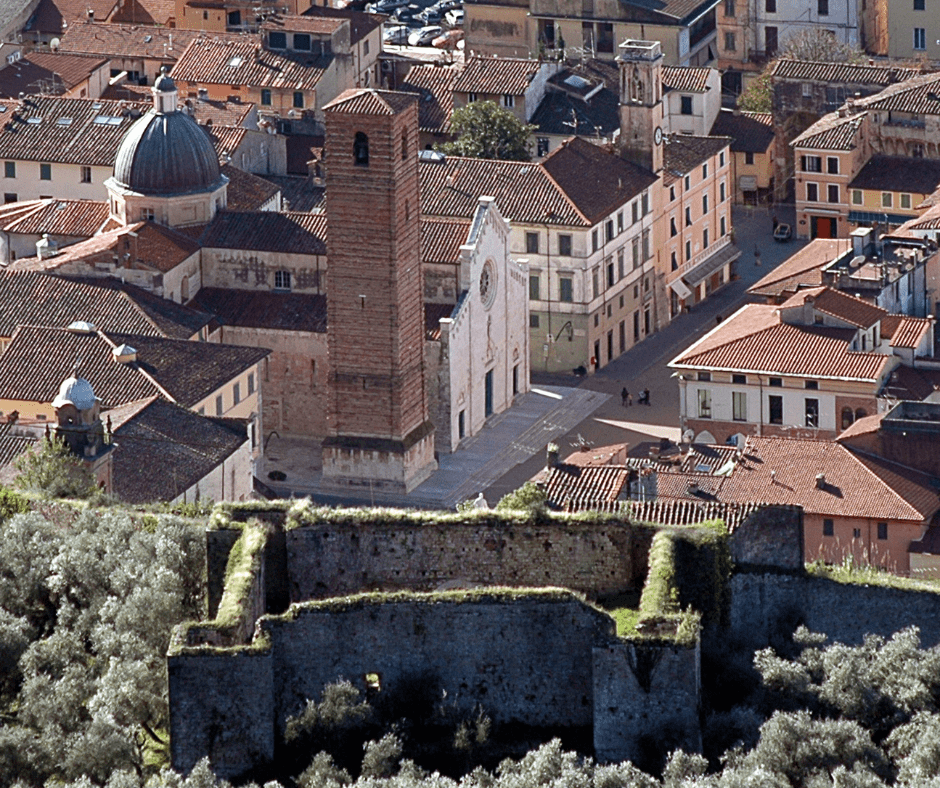
Pietrasanta was founded in 1255 by the Milanese nobleman Guiscardo da Pietrasanta, podestà of the Republic of Lucca. Due to its strategic position, it was the subject of constant conquest; in 1513 it came definitively under the rule of the State of Florence, following the fortunes of the Grand Duchy of Tuscany. Famous for its work in marble from the Apuan Alps, over the centuries it has become an artistic centre of international renown, thanks to its skilled craftsmen working in marble, bronze and mosaics. Pietrasanta was a candidate for the title of Italian Capital of Contemporary Art 2027, making it to the shortlist of finalist cities.
Landmarks: The heart of Pietrasanta is Piazza del Duomo, featuring the Sant’Agostino Complex, the Cathedral of San Martino and the Rocchetta Arrighina. The Rocca di Sala, perched on the first hill, dominates the landscape all the way to the Versiliana pine forest and the sea.
PISA
Province: Pisa
Region: Tuscany
Population: 90,000
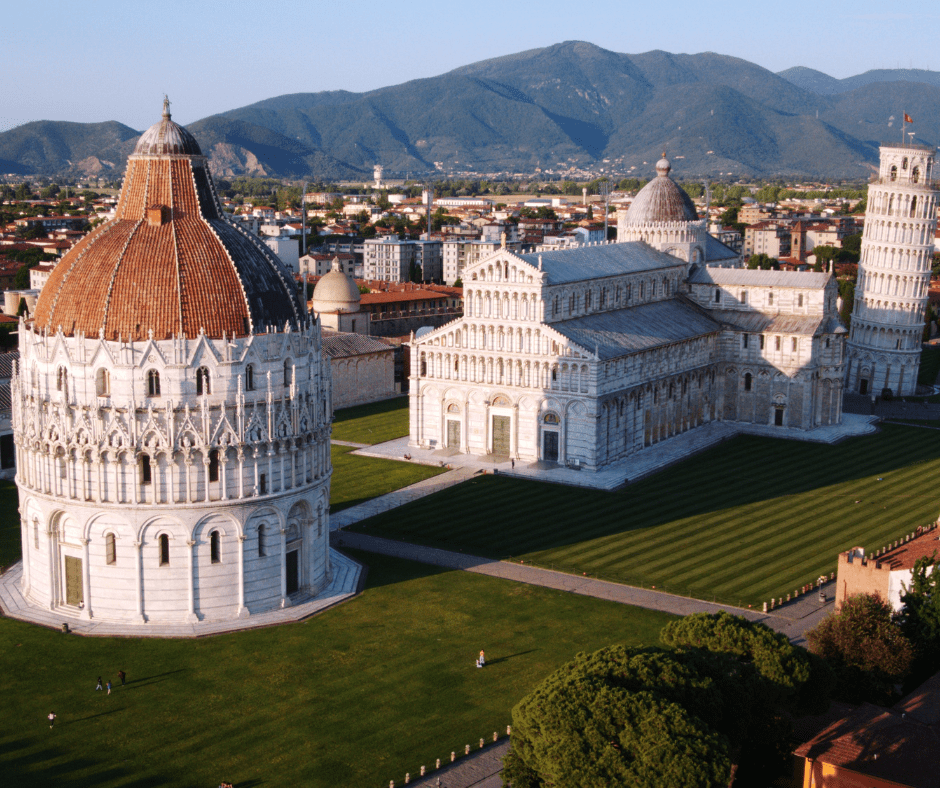
Pisa is a historic city known throughout the world for its Leaning Tower. A former maritime republic, it played a central role in medieval Mediterranean trade. In addition to the tower, it boasts a rich historical and architectural heritage, with churches, buildings and monuments of great value, as well as numerous museums. It is also an important centre of learning thanks to the presence of three major universities: the University of Pisa, the Scuola Superiore Sant’Anna and the Scuola Normale. Pisa’s Piazza del Duomo has been recognised as a UNESCO World Heritage Site since 1987.
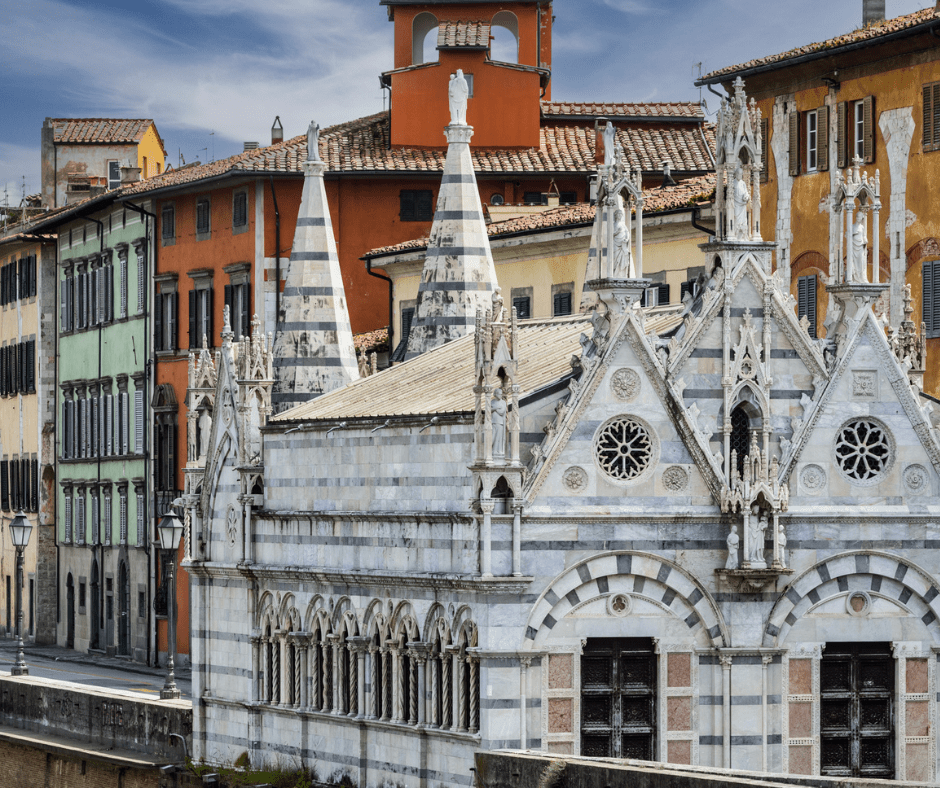
Landmarks: Its most iconic sites include the famous UNESCO site of Piazza del Duomo, the picturesque Lungarni and the coastline. Other highlights include the San Rossore Park, Piazza dei Cavalieri, the Museum of Ancient Ships in Pisa and the Palazzo Blu.
PONTEDERA
Province: Pisa
Region: Tuscany
Population: 30,298
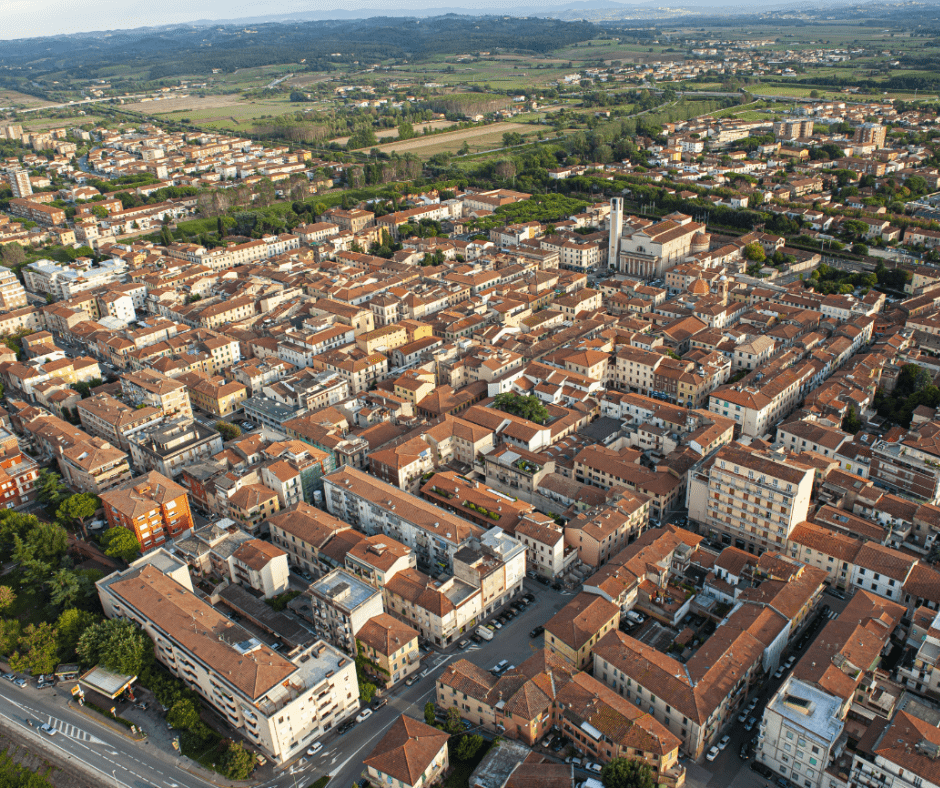
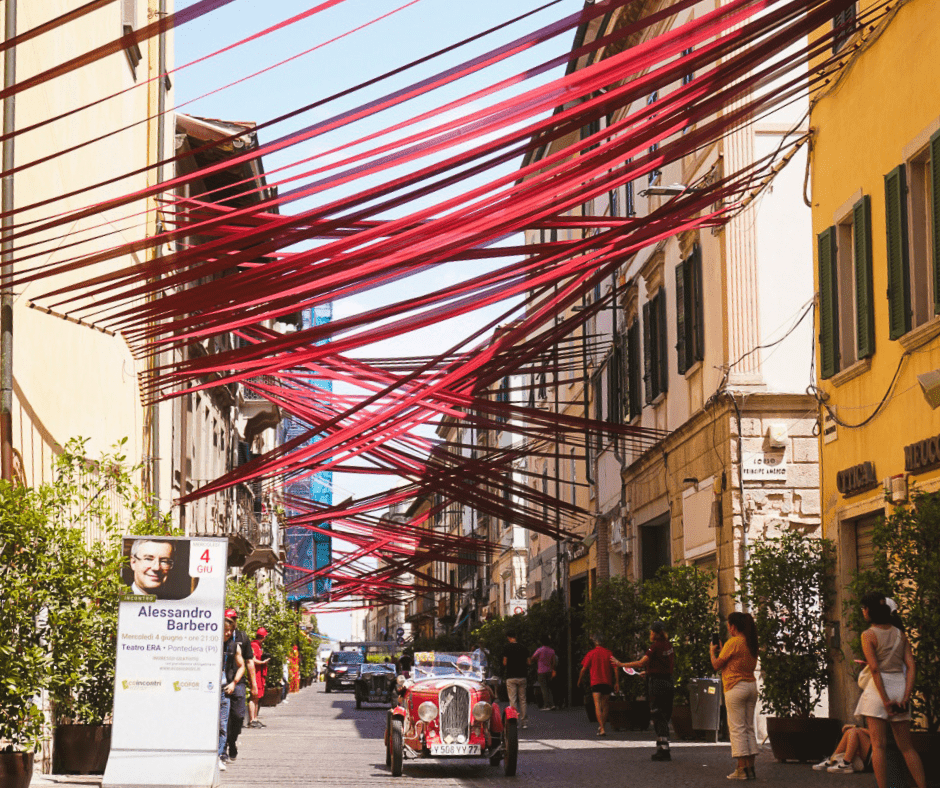
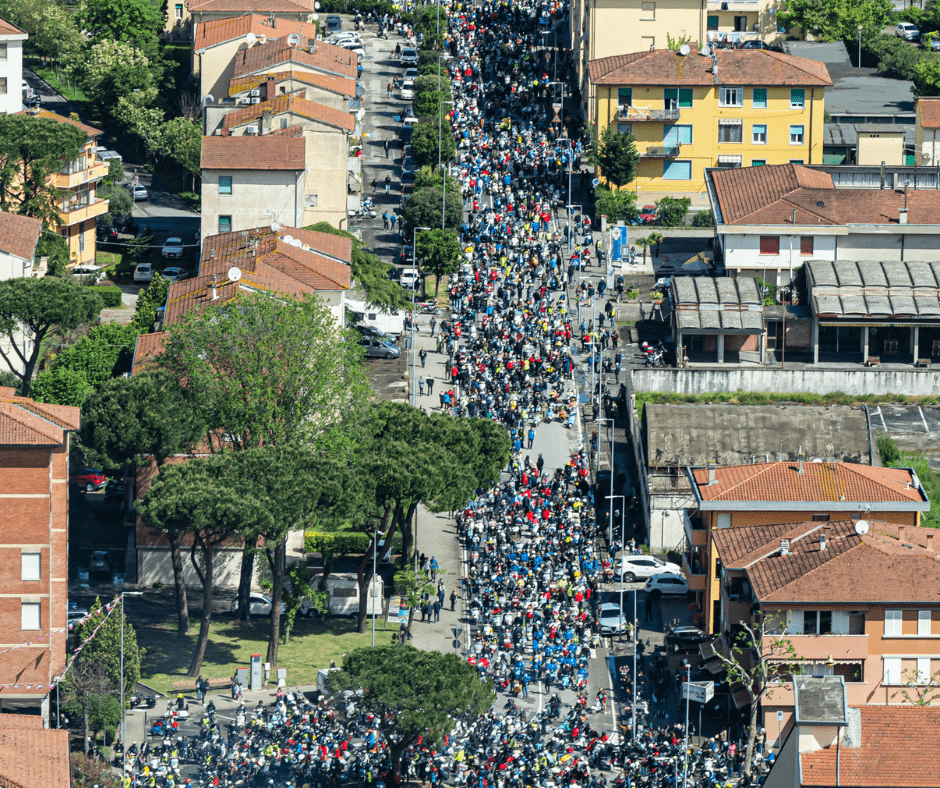
Pontedera lies on the plain between the Arno and Era rivers, at the commercial crossroads of the Valdera. From a medieval town under Pisa to an industrial hub with Piaggio, today it is a dynamic city combining commerce, services and contemporary culture. Pontedera is part of the “Città dei Motori” network.
Landmarks: Piaggio Museum, symbol of the Vespa; Cathedral of Saints Jacopo and Filippo; Sanctuary of the Holy Cross; Palazzo Pretorio. Also of note are the Muro di Baj and the sculptures scattered throughout the town centre.
SIENA
Province: Siena
Region: Tuscany
Population: 52.991
The city of the Palio, a timeless example of a medieval gem, continues to this day to exist suspended between past and present. It possesses such a rich and unique artistic and cultural heritage that it was designated a UNESCO World Heritage Site in 1995, thanks precisely to its historic centre.
Landmarks: Piazza del Campo, with its shell-like shape and the Torre del Mangia, is the heart of the city. The Duomo (Cathedral of Santa Maria Assunta) and the Palazzo Pubblico, home to the Civic Museum, are the greatest symbols of the Sienese Middle Ages.
SAN QUIRICO D’ORCIA
Province: Siena
Region: Tuscany
Population: 2,530
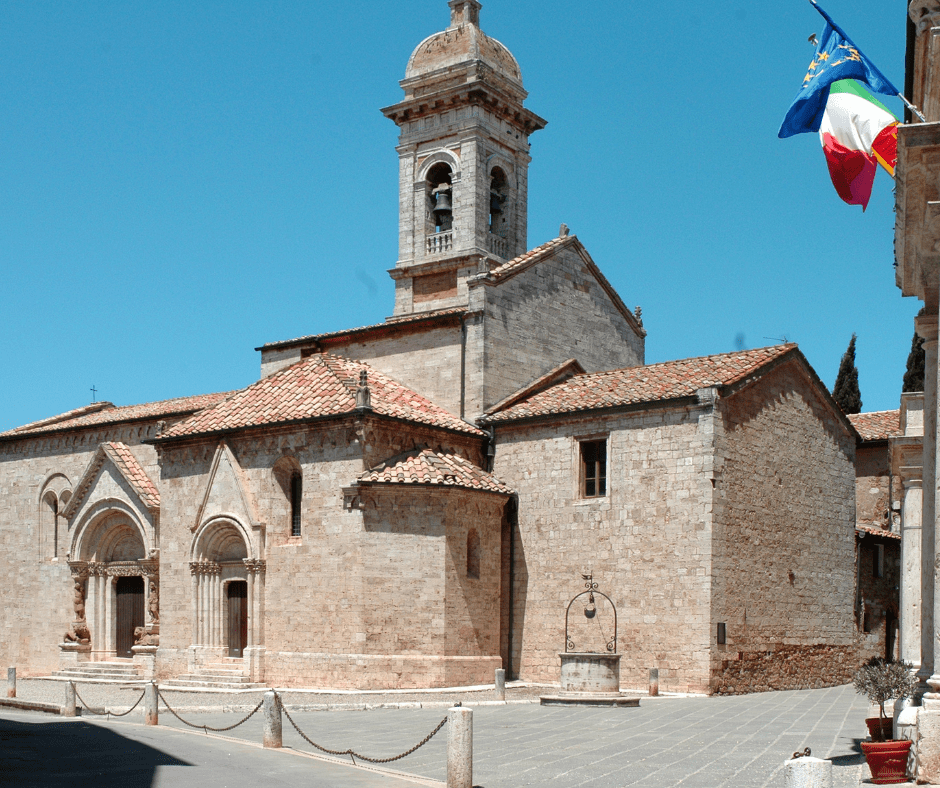
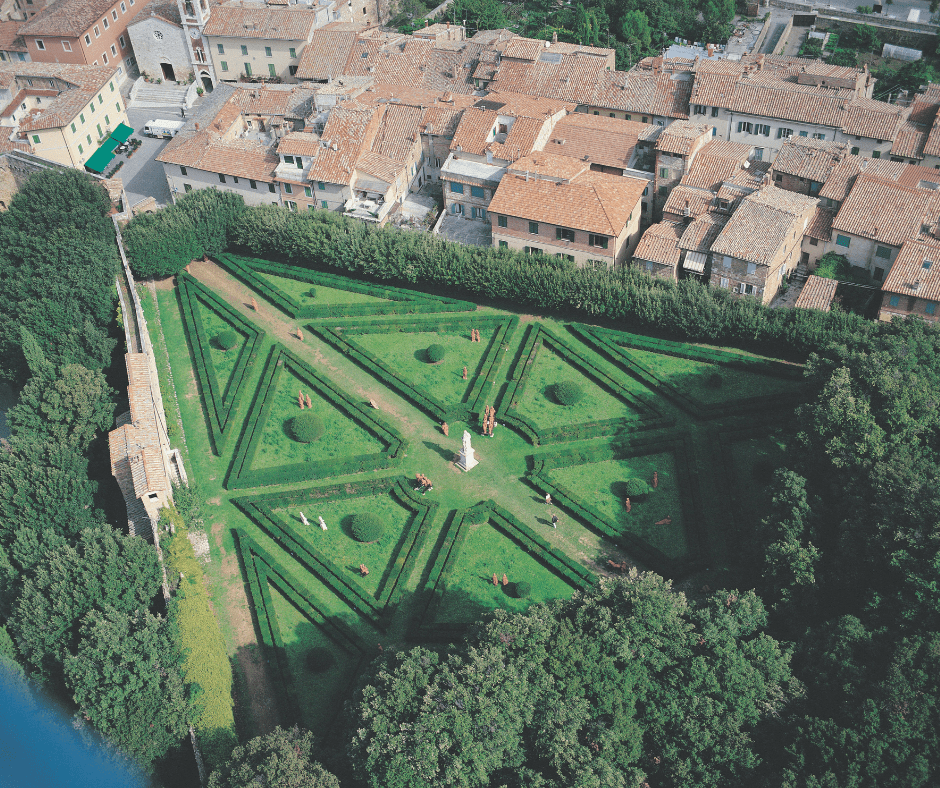
San Quirico d’Orcia, a jewel of Etruscan origin in the heart of the Val d’Orcia, owes its prosperity to the Via Francigena. A historic outpost contested between Siena and Arezzo, it hosted Barbarossa in 1155. After centuries of struggles as a stronghold of the Republic of Siena, it passed to the Medici in 1559 and became a fiefdom of the Chigi family in 1667. Today it is a sublime example of medieval urban planning, where art and history blend along the ancient pilgrims’ route. A UNESCO World Heritage Site since 2004, the Val d’Orcia is celebrated as an icon of the Renaissance rural landscape, where nature and art blend in harmony.
Landamarks: The Romanesque Collegiate Church and its splendid portals, the Horti Leonini, an example of an Italian garden. Along Via Dante, Palazzo Chigi, the Church of San Francesco and the Church of Santa Maria Assunta stand out.
CHIANCIANO TERME
Province: Siena
Region: Tuscany
Population: approx. 7,100
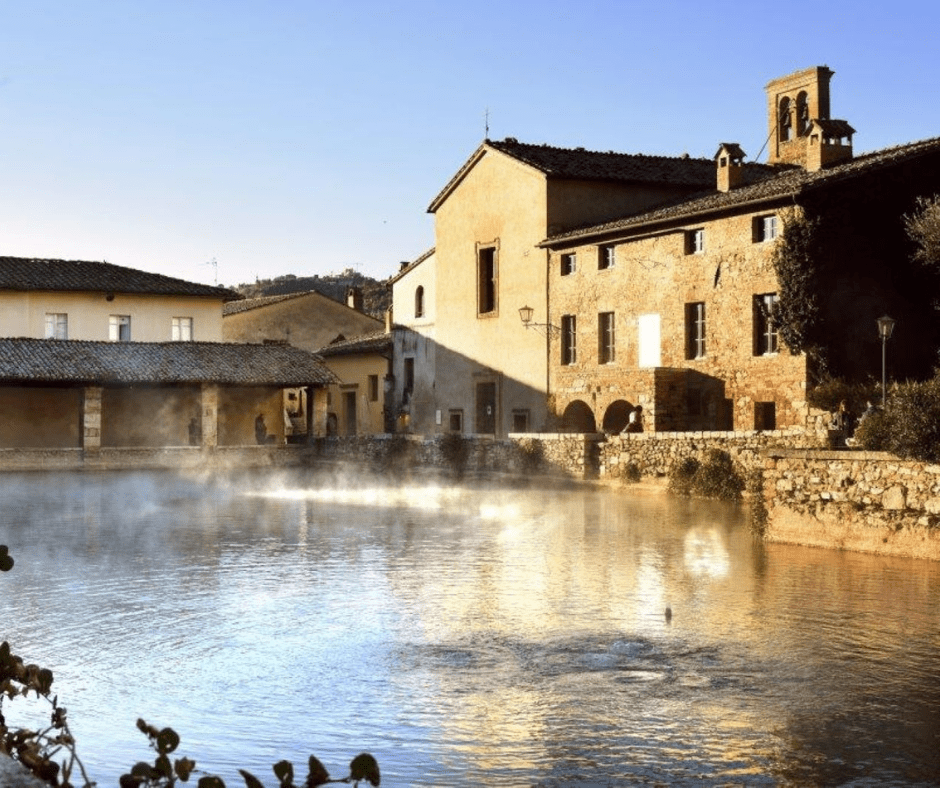
The municipality is situated on a hillside between the Val d’Orcia and Val di Chiana, within a landscape of great scenic value. The area alternates between urban districts dedicated to spa tourism and green spaces and parks. Its proximity to historic towns such as Montepulciano, Pienza and Chiusi enhances its appeal to tourists.
The waters of Chianciano were already known to the Etruscans and Romans. The real development took place between the late 19th century and the post-war period, when the town was designed as a modern spa and cultural centre.
CAPODIMONTE
Province: Viterbo
Region: Lazio
Population: approx. 1,650
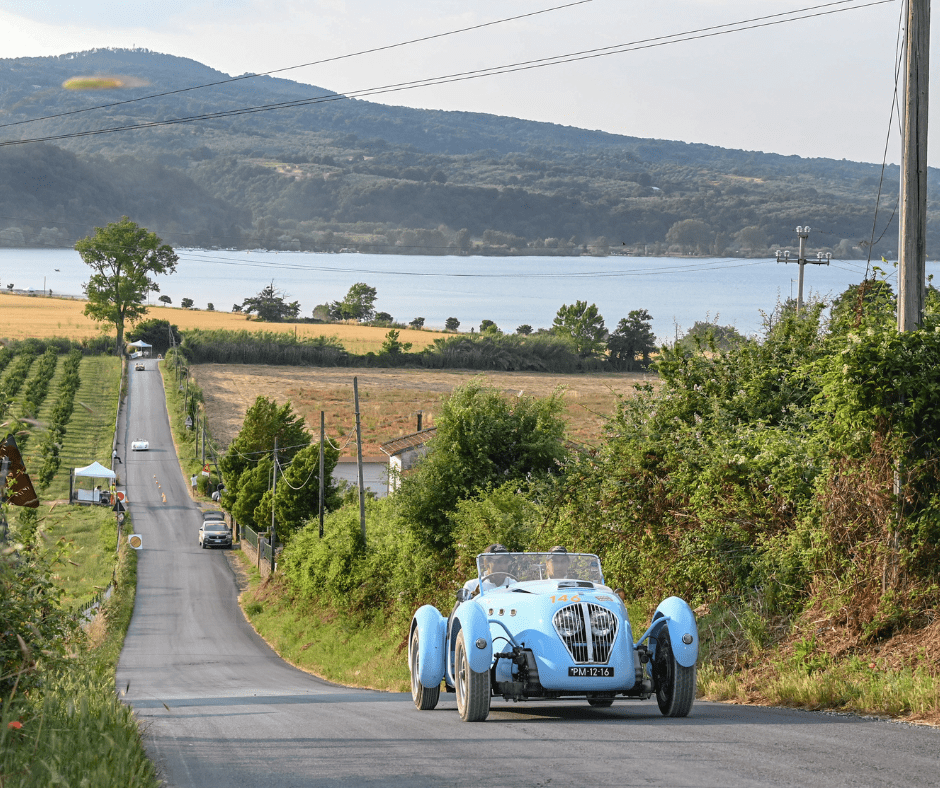
Capodimonte is situated on a promontory jutting out into Lake Bolsena, which is of volcanic origin. The area is characterised by lava sand beaches, the lake port and views of the islands of Bisentina and Martana. The natural environment and the lake are central to the local identity.
Capodimonte has Etruscan origins linked to Bisenzio. During the Farnese era, it gained importance with the construction of the Rocca. The history of the village has always been linked to the lake and fishing.
MARTA
Province: Viterbo
Region: Lazio
Population: approx. 3,200
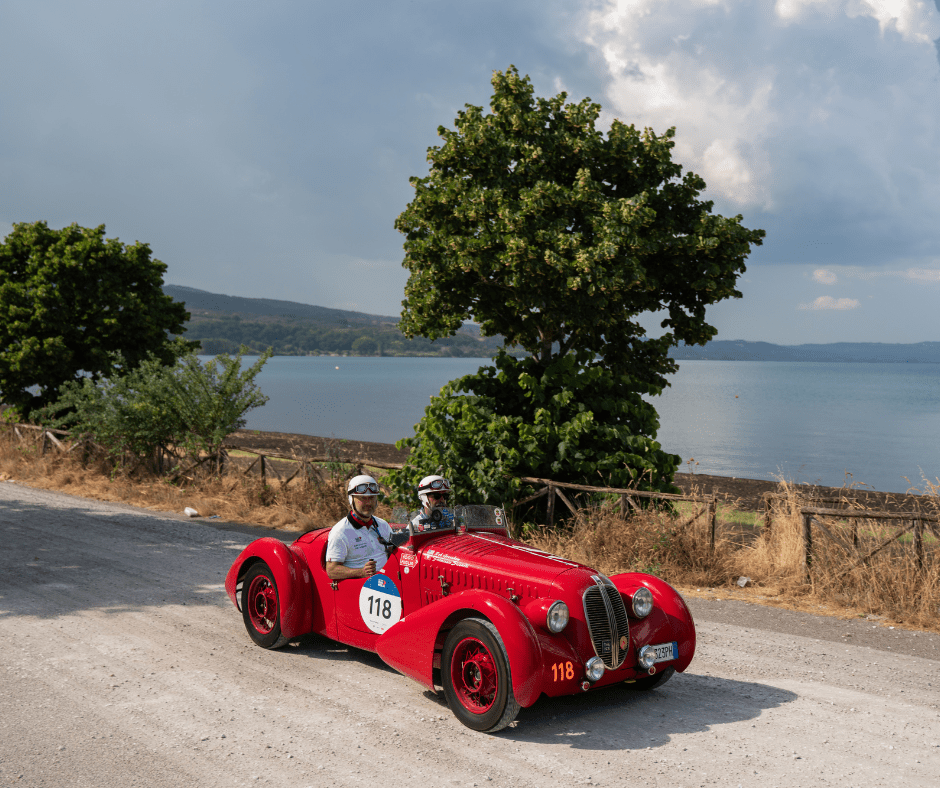
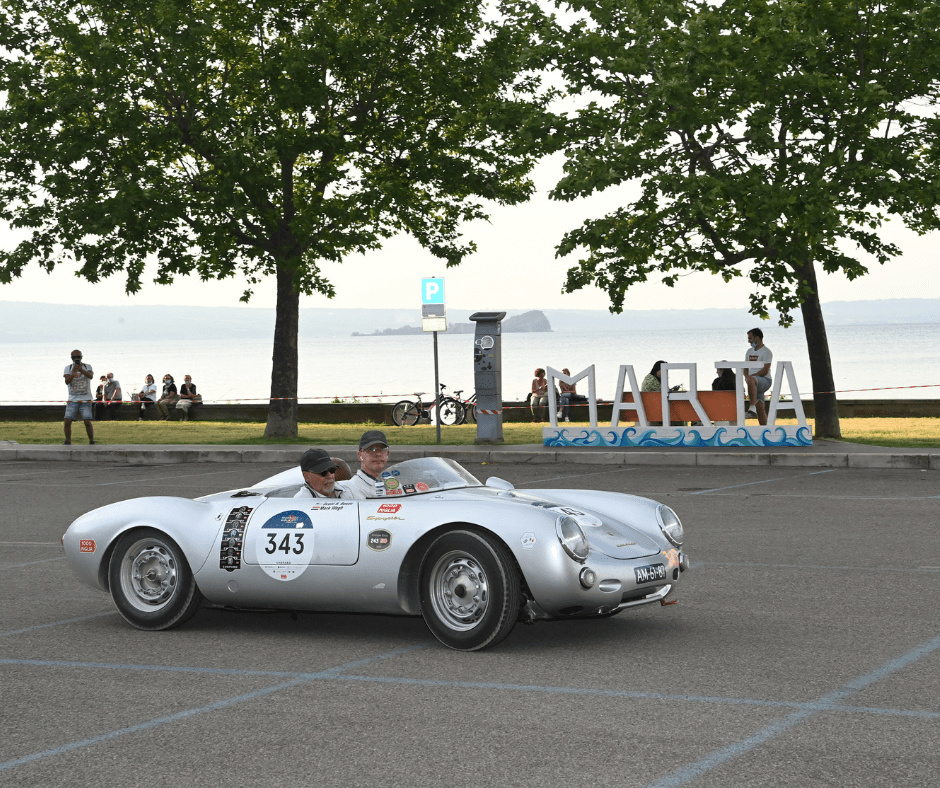
Marta overlooks Lake Bolsena and is historically linked to fishing and lake navigation. The municipal area comprises the historic centre, the harbour and the surrounding agricultural areas. The lake and the traditions associated with it represent the town’s main distinguishing feature.
Marta originated as an Etruscan and Roman settlement. In the Middle Ages, it developed into a fishing village. Today, it retains a strong historical identity linked to religious and lake-based traditions.
RONCIGLIONE
Province: Viterbo
Region: Lazio
Population: 8,450
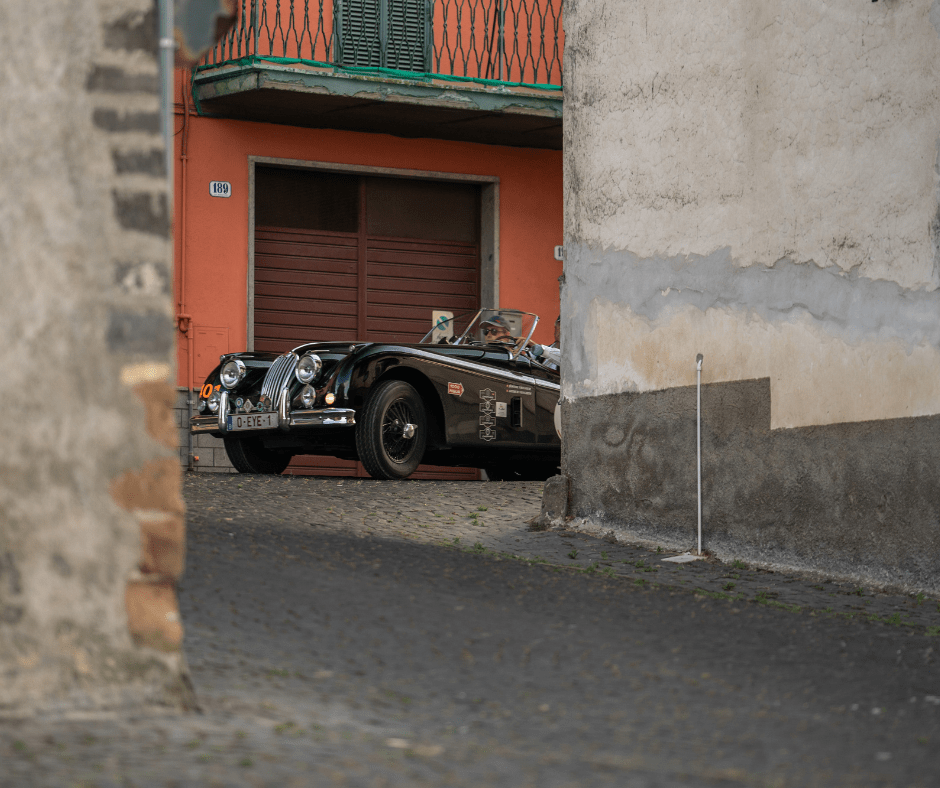
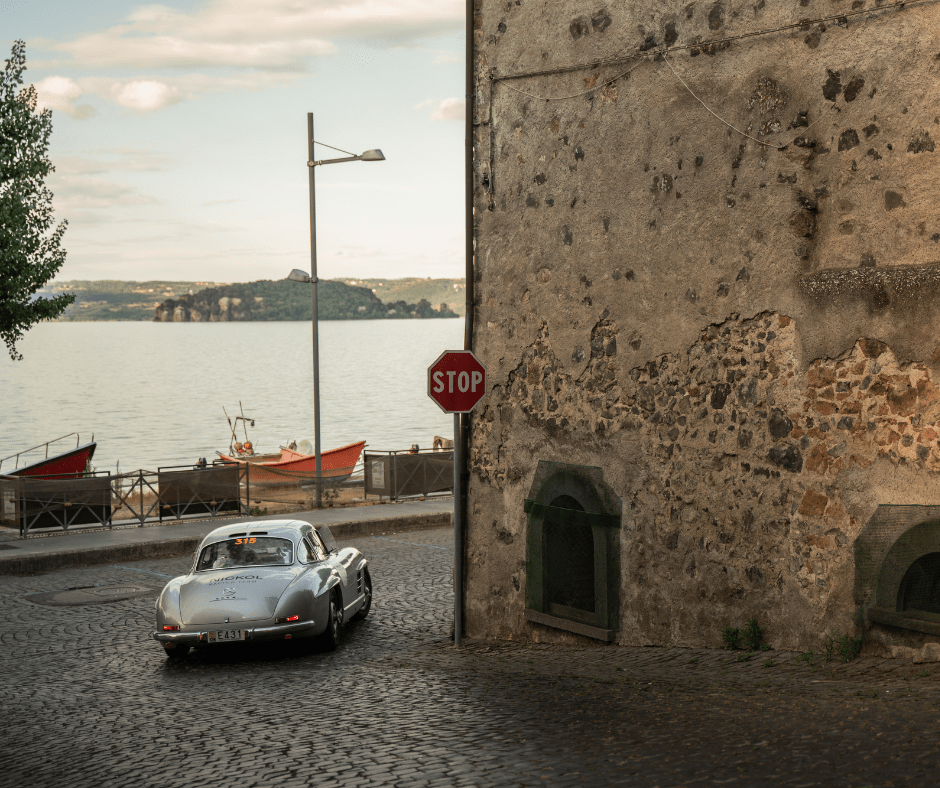
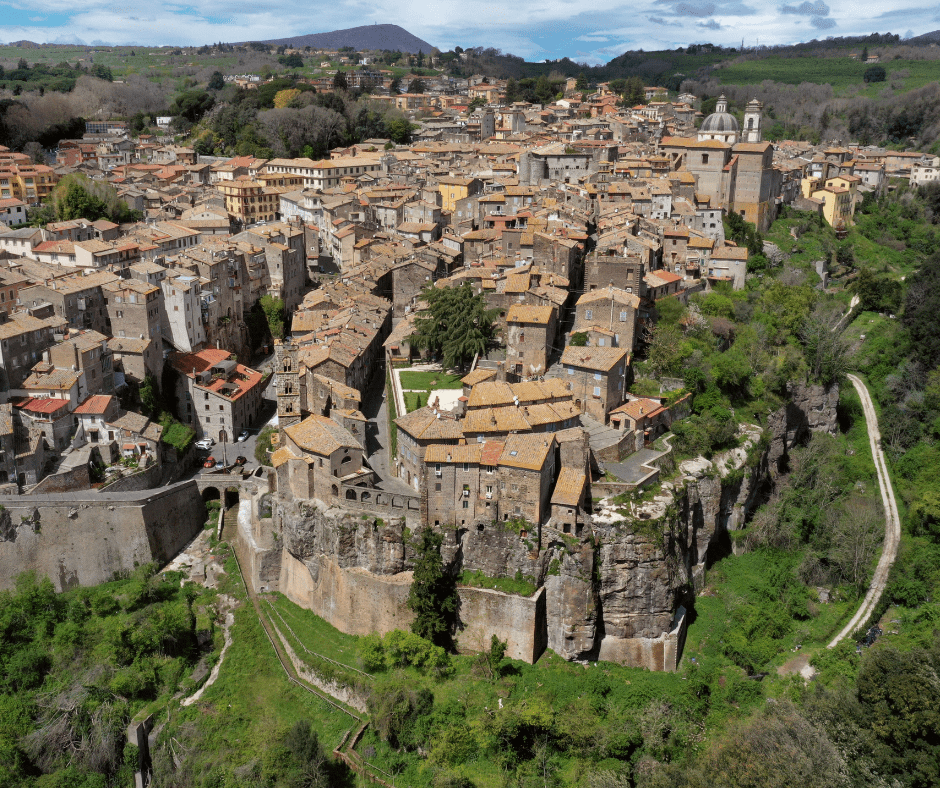
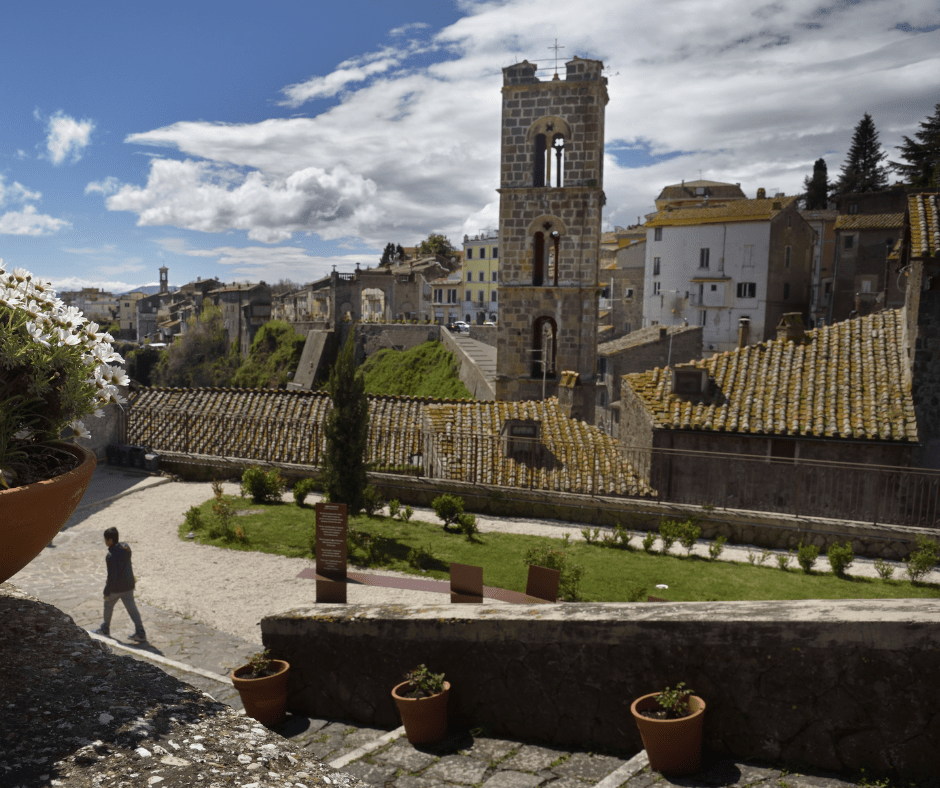
Cipriano Manente dates its foundation to the year 1045, following the intervention of the prefects of Vico. The first document in which the name Ronciglione is mentioned dates back to 1103. In 1526, it came under the ownership of the Farnese family and, under their rule, enjoyed its period of greatest splendour until 1649. It was a county under the jurisdiction of the Duchy of Castro. The town became an important centre of industry, famous for its paper mills, ironworks, armouries, pottery and printing works. The town has been awarded the Lilac Flag, the title of “Borgo dei Borghi” and is listed among the Most Beautiful Villages in Italy.
Landmarks: Porta Romana, La Rocca (the Towers), Fontana degli Unicorni, the house-museum of Sister Mariangela Virgili, the complex of Sant’Andrea, the convent of the Maestre Pie Venerine, the Cathedral of Saints Peter and Catherine, the Medieval Village (Borgo di Sotto), and the Railway Bridge. Several monuments in Ronciglione have been awarded the Blue Shield.
ROMA
Province: Rome
Region: Lazio
Population: 2.744.573
Founded in 753 BC on the Palatine Hill by Romulus, the first king following the legendary dispute with his twin brother Remus, Rome spread across the famous seven hills. Historically linked to the “blond” Tiber, a vital route for communication and trade, the city has been a crossroads for artists and poets for millennia. A spiritual and political centre, known as the “Capital of Two States” due to the enclave of the Vatican City, it retains a unique character where every corner reveals a layering of three millennia of history. Since 1980, the historic centre (within the Aurelian Walls), the properties of the Holy See and St Paul’s Outside the Walls have been UNESCO World Heritage Sites.
Landmarks: Among the must-see and most visited sites are the Colosseum, the Pantheon, the Roman Forum and the Palatine Hill. The city’s monumental landscape is completed by the famous Trevi Fountain and the splendid Piazza Navona, symbols of the Eternal City.