
A corner of Tuscany rich in history, culture and nature located in the upper Casentino area
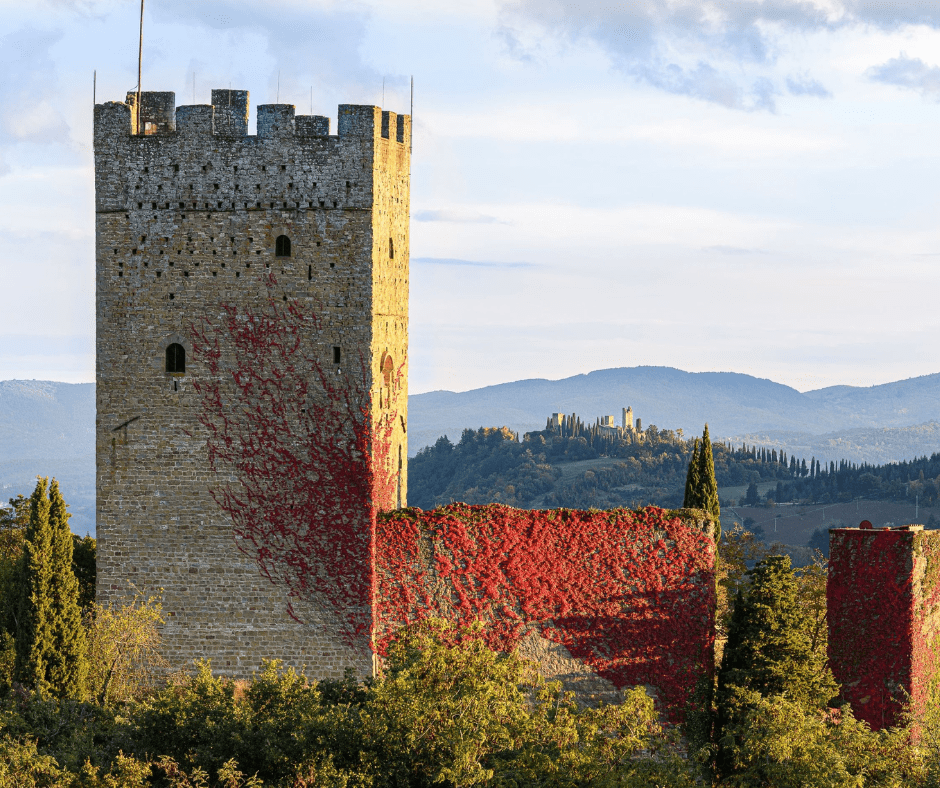
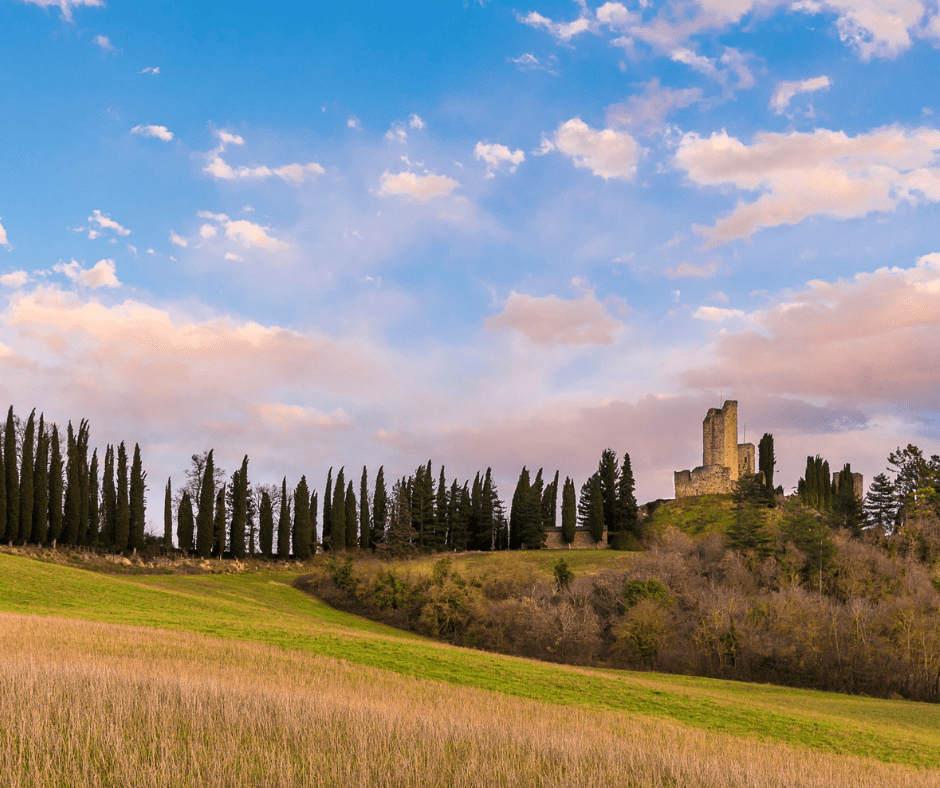
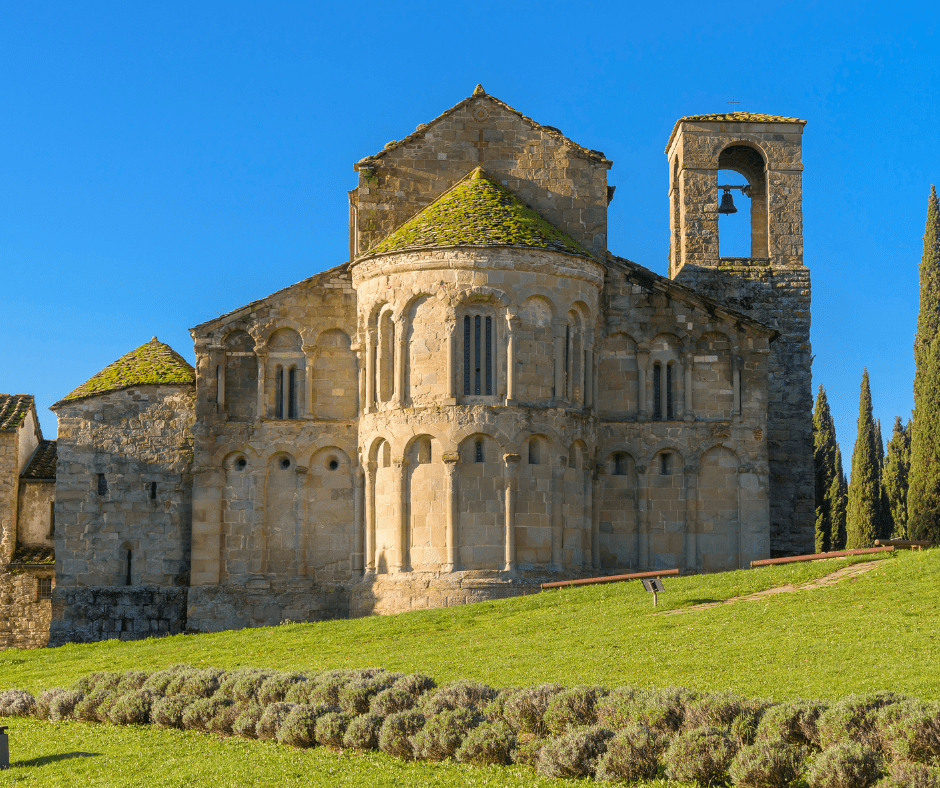
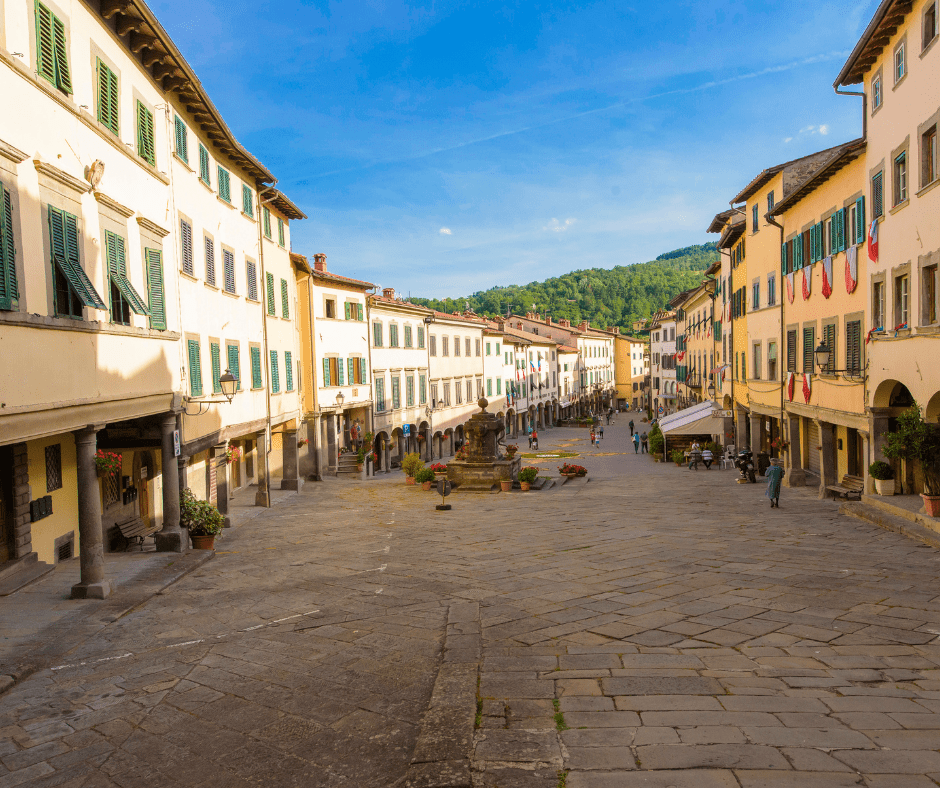
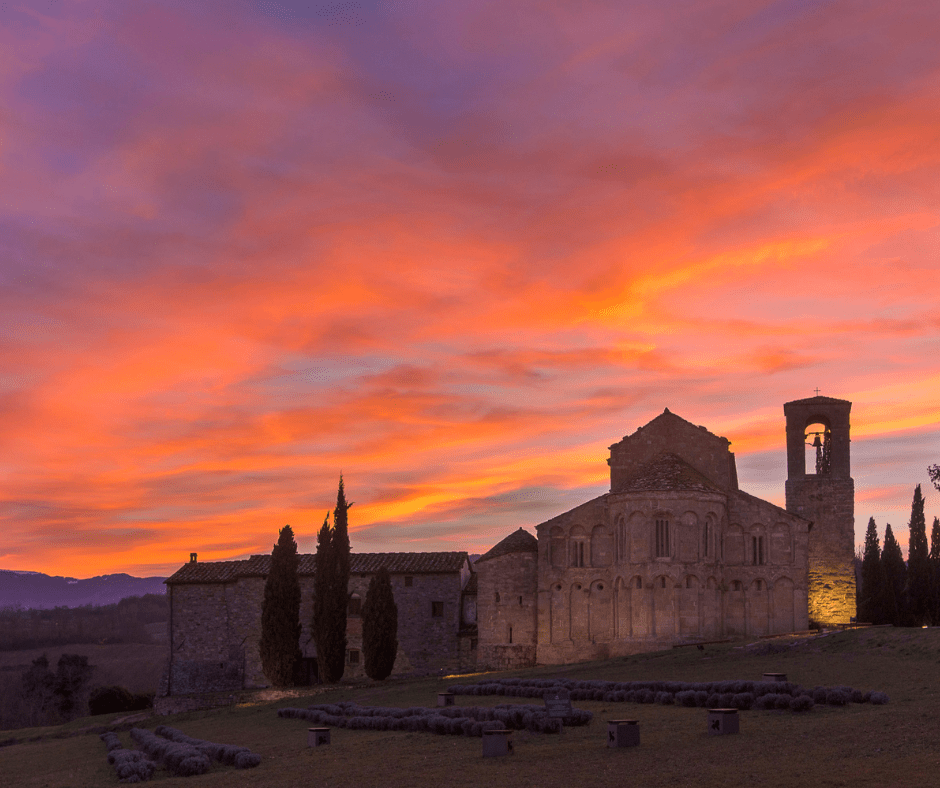
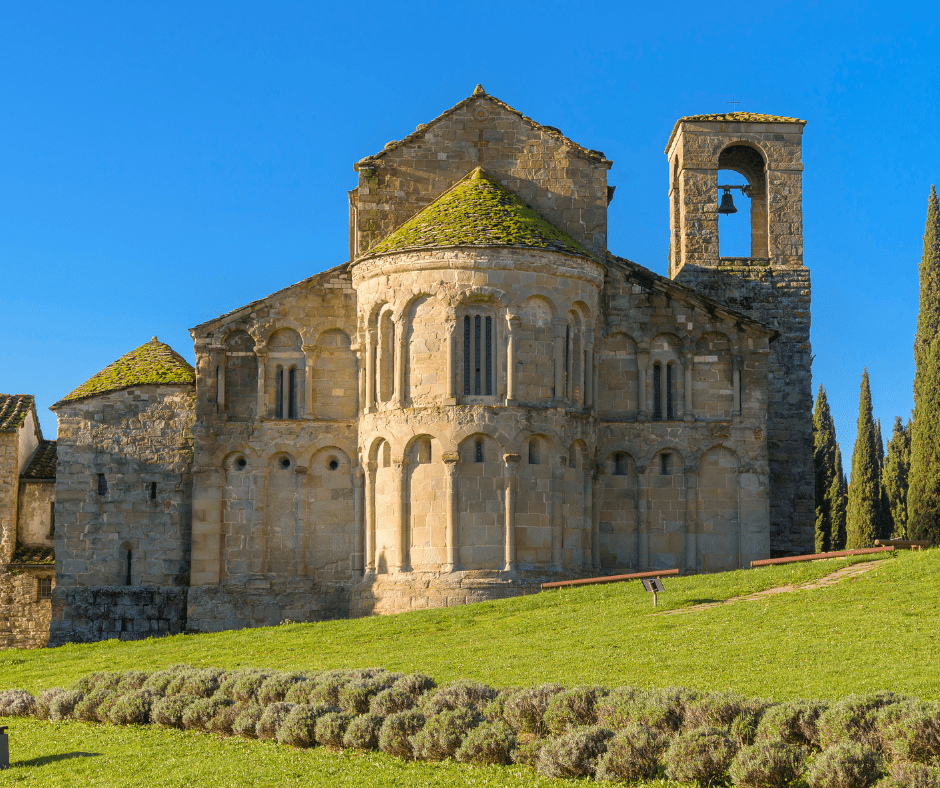
Pratovecchio Stia, home to the Casentino Forest National Park, is a corner of Tuscany rich in history, culture and nature located in the upper Casentino area, near the source of the Arno River. A land of castles, Romanesque churches, Della Robbia terracotta, places mentioned by Dante and small villages surrounded by centuries-old forests, it preserves important medieval remains: from the majestic tower of Porciano to the castle of Romena, mentioned by Dante in Canto XXX of Inferno, to the Palagio Fiorentino in Stia, home to a collection of contemporary art. Villages, squares and porticoes characterise the centre of Pratovecchio, whose architecture expresses a history of faith, as evidenced by the presence of the Monastery of St. John the Evangelist and the Propositura del SS. Nome di Gesù. Nearby, the parish church of St. Peter in Romena is one of the finest examples of Romanesque architecture in the Casentino area.
The centre of Stia is gathered around the splendid Piazza Tanucci, overlooked by the Romanesque parish church of S. Maria Assunta. Inside are works by Bicci di Lorenzo and Andrea della Robbia, whose polychrome terracottas are also kept in the 15th-century Sanctuary of S. Maria delle Grazie, built along the road to Mugello, 4 km from Stia.
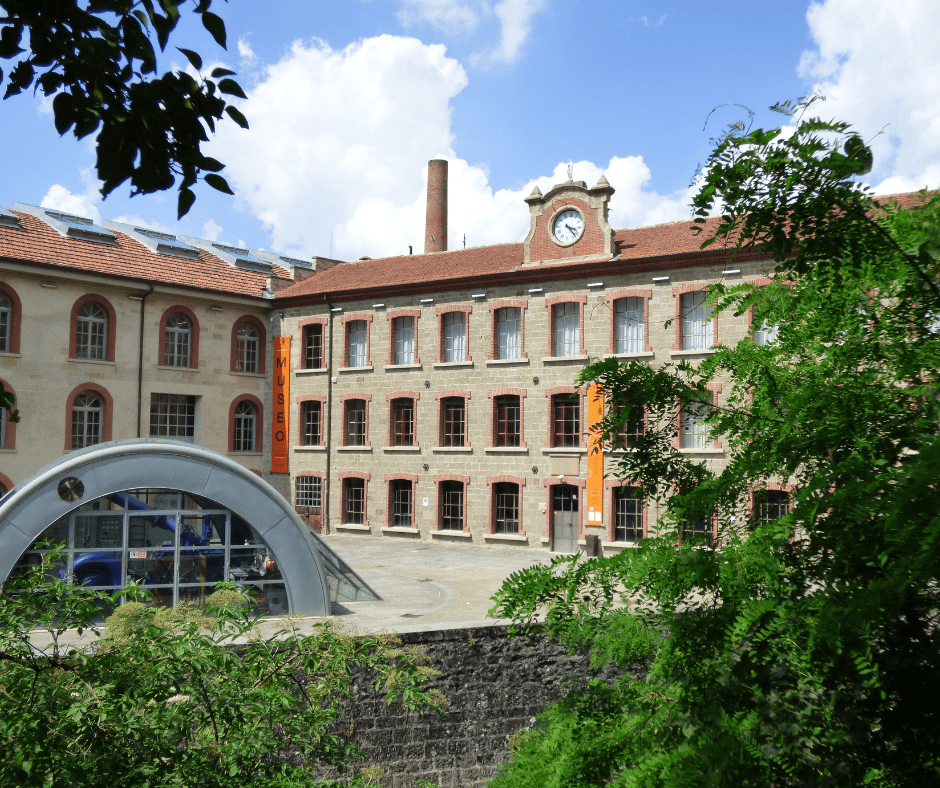
A wonderful example of industrial archaeology, the historic wool mill in Stia, one of Italy’s leading textile manufacturers until the mid-20th century, is now home to the Museum of Wool Art, a centre for the promotion of wool processing and, in particular, Casentino cloth, a fabric with a characteristic “curl” that is a symbol of elegance and refinement.
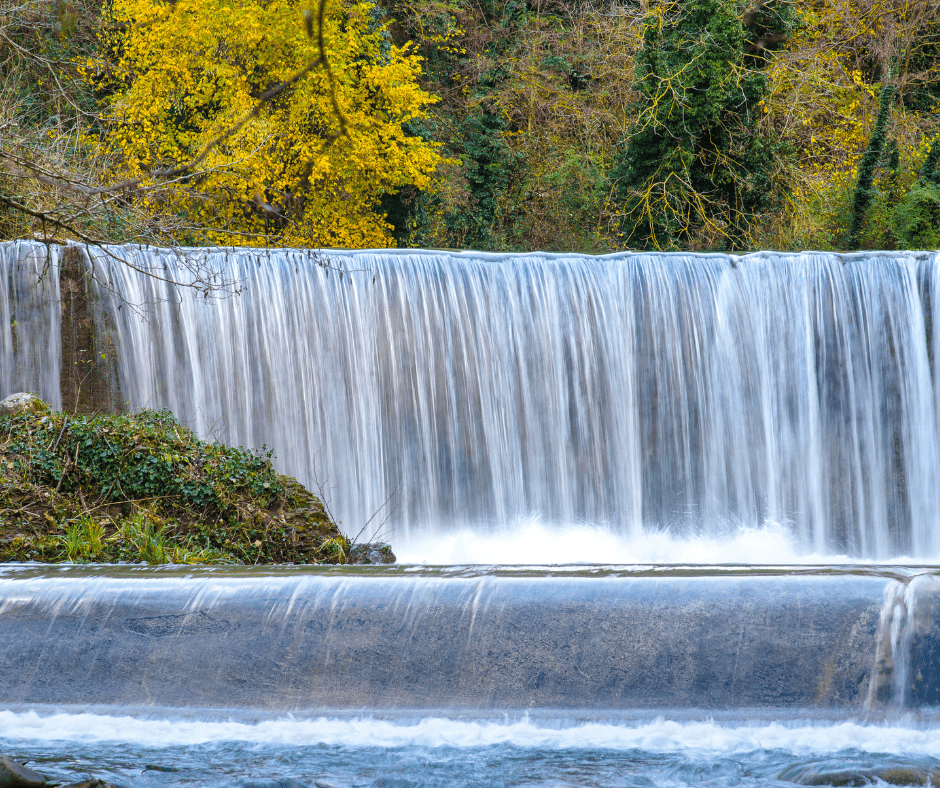
Also of particular historical and cultural interest are Molin di Bucchio, the first mill on the Arno, and the archaeological site of Lago degli Idoli, an important Etruscan sanctuary on Monte Falterona near the source of the Arno.